
When you think about the history of Laguna, you might picture vibrant indigenous cultures and the impact of colonization. But there's so much more beneath the surface. From the transformative Spanish era to the resilience shown during World War II, each chapter has shaped what Laguna is today. As you explore further, you'll uncover how these events have influenced the region's growth and its deep commitment to preserving cultural heritage. What comes next might surprise you.
Pre-Colonial Era and Indigenous Cultures
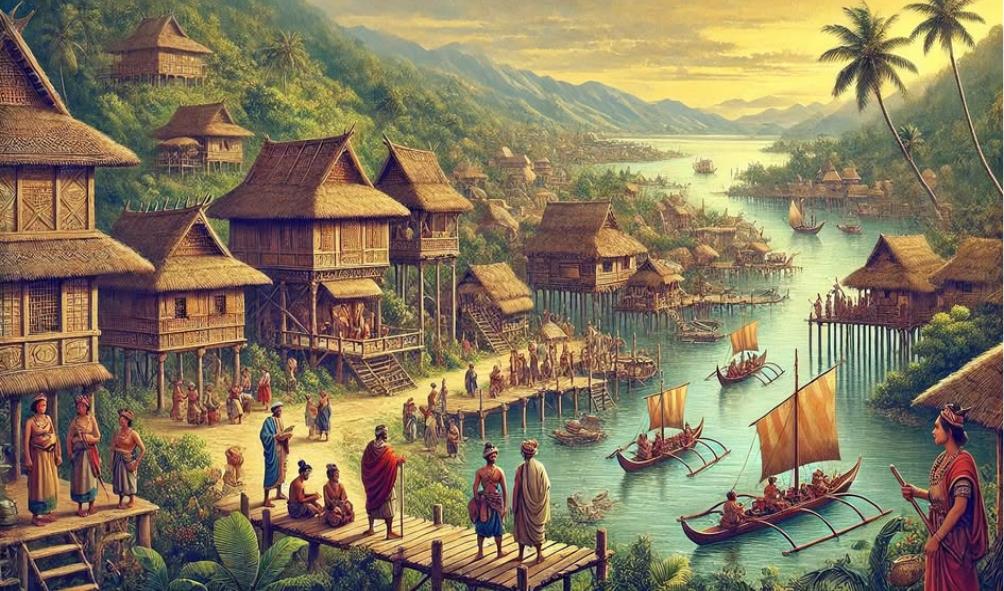
Before Spanish colonization, Laguna was home to diverse indigenous cultures that thrived through rich traditions and sustainable practices. You’d find various groups, each with unique languages, beliefs, and customs.
The people cultivated rice, taro, and other crops, relying on their deep understanding of the land and water systems. They practiced fishing, hunting, and foraging, ensuring they respected the balance of nature.
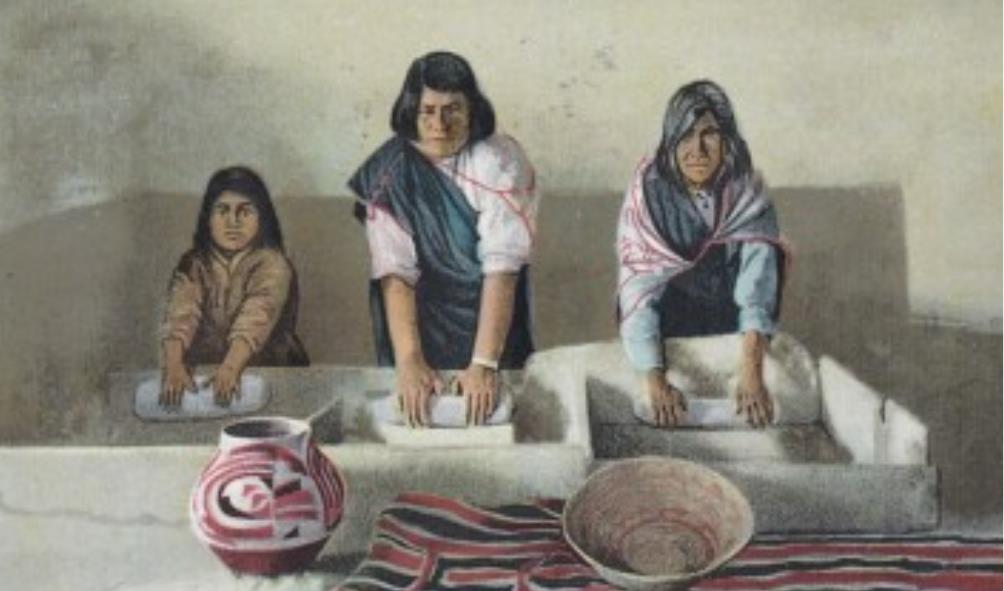
Social structures revolved around kinship, with strong community bonds fostering cooperation and mutual support. Artisans created intricate crafts, showcasing their skills in pottery, weaving, and metalwork.
Spirituality played a significant role in everyday life, as rituals and ceremonies honored ancestral spirits and nature deities. This vibrant tapestry of cultures laid the foundation for the rich history of Laguna.
Spanish Colonization and Its Impact
As Spanish colonization began in the late 16th century, it dramatically transformed Laguna’s landscape and culture.
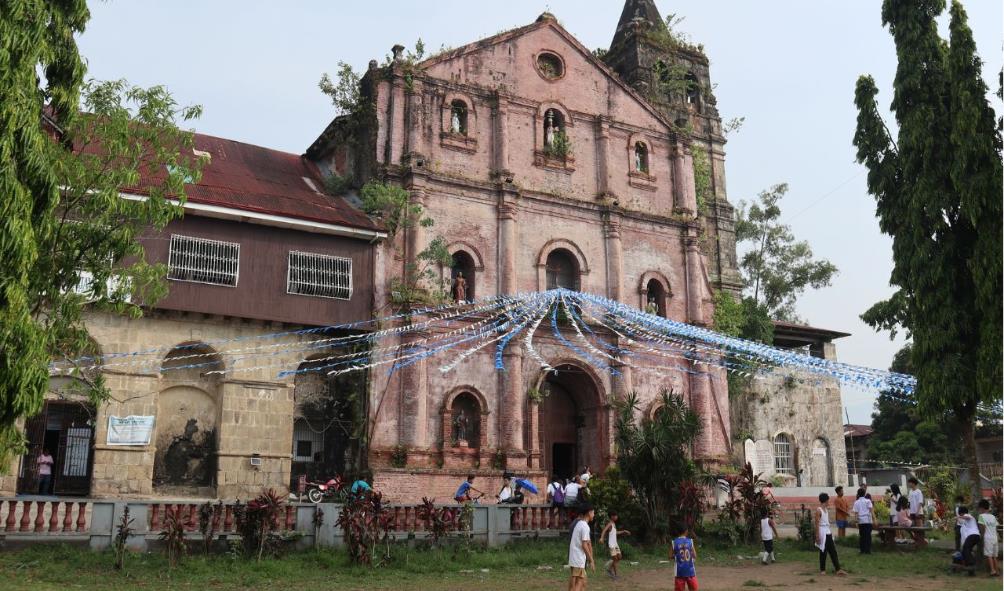
You’ll notice how the Spaniards introduced Christianity, altering spiritual practices and social structures among indigenous communities. The establishment of missions and churches became focal points, reshaping local identities.
Agriculture shifted too, with new crops and farming techniques introduced, significantly impacting food production. You might see the emergence of new governance systems, as Spanish authorities imposed their rule, often displacing local leaders.
This period also brought about a fusion of cultural elements, blending indigenous traditions with Spanish customs in language, art, and cuisine.
These changes laid the groundwork for Laguna's development, leaving a lasting legacy that continues to shape the region today.
The American Period and Modernization
With the end of Spanish rule in 1898, Laguna entered a new chapter marked by American influence and modernization.
You’ll notice significant changes in infrastructure, education, and governance during this period. The Americans introduced a public school system, which improved literacy rates and provided new opportunities for the local population.
Roads and bridges were built, enhancing connectivity and trade within the region. You might find it interesting that agricultural methods also evolved, with the introduction of new crops and farming techniques.
Additionally, Laguna's local government underwent reforms, promoting civic participation and a sense of community.
This era not only set the stage for economic growth but also shaped the identity of Laguna, blending traditional values with modern ideals.
World War II and Its Aftermath
Although the devastation of World War II hit Laguna hard, it also sparked resilience and transformation in the region. You’d witness the impact of the war in the destruction of homes and infrastructure, but the community's spirit remained unbroken.
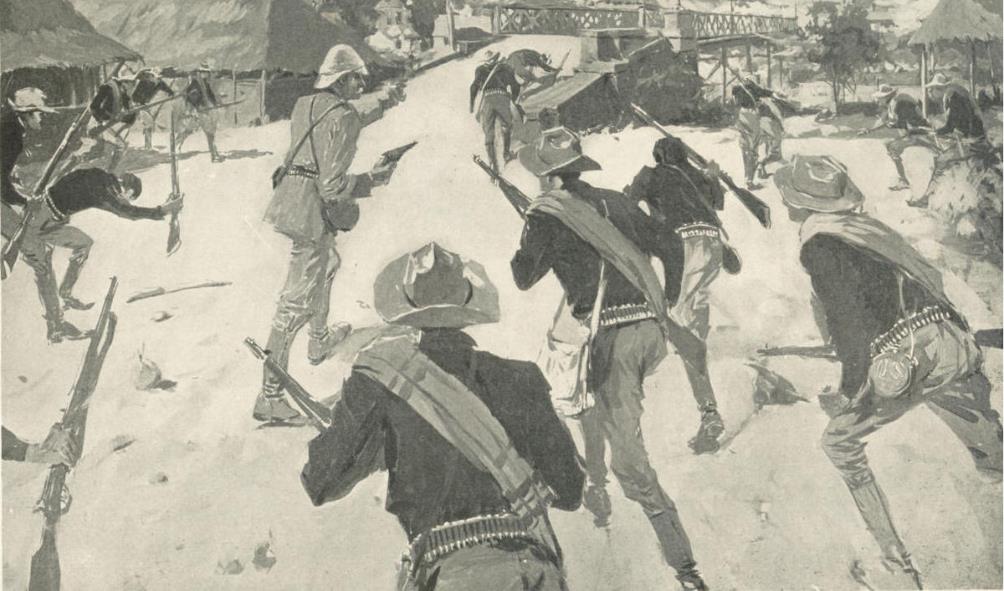
As residents banded together, you’d see them rebuild their lives, fostering a strong sense of unity. The aftermath brought about significant changes, including the introduction of new agricultural practices and a focus on education.
You'd find that many veterans returned home, eager to contribute to their communities, which led to the establishment of various organizations aimed at recovery and growth. This period laid the groundwork for a renewed Laguna, illustrating the strength and determination of its people in overcoming adversity.
Contemporary Laguna: Growth and Development
The resilience shown by Laguna’s residents after World War II set the stage for remarkable growth and development in the following decades.
You can see this transformation in the booming economy, driven by agriculture, tourism, and real estate. As you explore the area, you’ll notice new infrastructure, from modern roads to improved public services, enhancing the quality of life.
The local government’s focus on sustainable practices ensures that development respects Laguna’s natural beauty. Community initiatives promote cultural heritage, making it a vibrant place to live.
You’ll appreciate the blend of tradition and modernity as you walk through bustling markets and serene parks. Indeed, Laguna’s evolution reflects the spirit and determination of its people, making it a dynamic region in today’s landscape.
Conclusion
In conclusion, Laguna's journey is a testament to resilience and adaptability. From its rich indigenous roots to the challenges of colonization and modern development, the community's spirit shines through. You see how agriculture, tourism, and a deep commitment to cultural heritage drive contemporary growth. As you explore Laguna, remember its past and celebrate the vibrant culture that continues to thrive today, reminding us all of the power of community and heritage in shaping a bright future.
Statistics
- The University of the Philippines Los Baños, founded in 1909 in Laguna, is renowned for its contributions to agricultural research and education.
- During World War II, Laguna was a strategic location and witnessed significant battles between Filipino and Japanese forces.
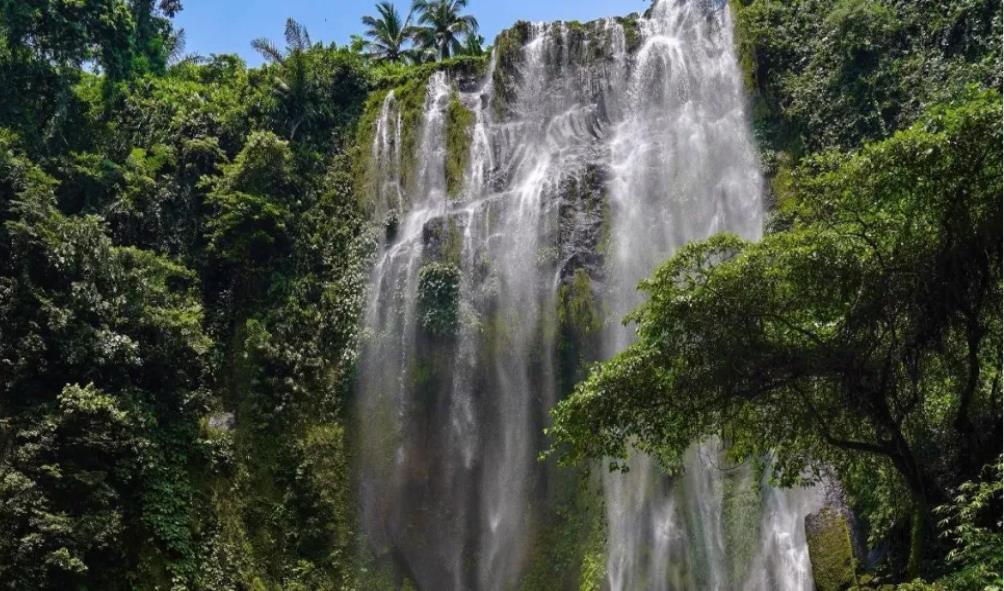
- The historic Pagsanjan Falls in Laguna has been a significant tourist attraction since the early 1600s.
- In recent decades, Laguna has experienced rapid economic growth, becoming one of the top industrial hubs in the Philippines.
External Links
- Rizal Shrine Calamba Presents the history of José Rizal and his connection to Laguna.
- University of the Philippines Los Baños Features the institution's historical contributions to education and research in Laguna.
- NCCA: Laguna Culture Profile Explores the rich cultural history and traditions of Laguna.
- Museum of Laguna Showcases historical artifacts and exhibits that highlight Laguna's past.
How to Trace the Early History of Laguna
Understanding the early history of Laguna involves examining archaeological findings and historical records from the pre-colonial and Spanish periods. The province was originally inhabited by indigenous groups who engaged in agriculture and trade. Spanish colonization significantly influenced Laguna's development, introducing new architectural styles, religious practices, and governance systems. Key historical sites, such as the town of Pagsanjan and the city of Calamba, showcase remnants of these early periods. To trace Laguna's history, one can explore local museums, historical documents, and visit heritage landmarks that offer insights into the province's past.
Plan the perfect group trip, your way.
Get an instant personalized itinerary. We handle logistics, payments, and provide a dedicated itinerary, while local experts fine-tune every detail. Enjoy full freedom—without the stress of organizing it all.
https://escapetomexiconow.com/tourhero
Recommended Resources:
Discover where freedom, adventure, and opportunity await you.
https://escapetomexiconow.com/
https://escapetomexiconow.info/
https://escapetopanamanow.info/
https://escapetothephilippinesnow.com/
YouTube Channel:
Your next adventure starts here! Join us on YouTube for destination tours, insider advice, and everything you need to make your escape unforgettable.
https://www.youtube.com/@EscapeToMexicoNow