When you think about Guimaras, you might picture its beautiful landscapes and delicious mangoes. But the island's history runs much deeper. From its early indigenous cultures to the significant shifts brought by Spanish colonization, Guimaras has seen a tapestry of change. This evolution didn't stop there; it played a crucial role in the Philippine Revolution and has since navigated the complexities of modern economic development. What’s next for this island with such a rich past?
Early Settlements and Indigenous Cultures
When you delve into the early settlements of Guimaras, you'll uncover a rich tapestry of indigenous cultures that thrived long before colonial influences arrived.
The island was home to various groups, including the Visayans, who engaged in agriculture, fishing, and trade. You’d discover their deep connection to nature, reflected in their spiritual beliefs and rituals.
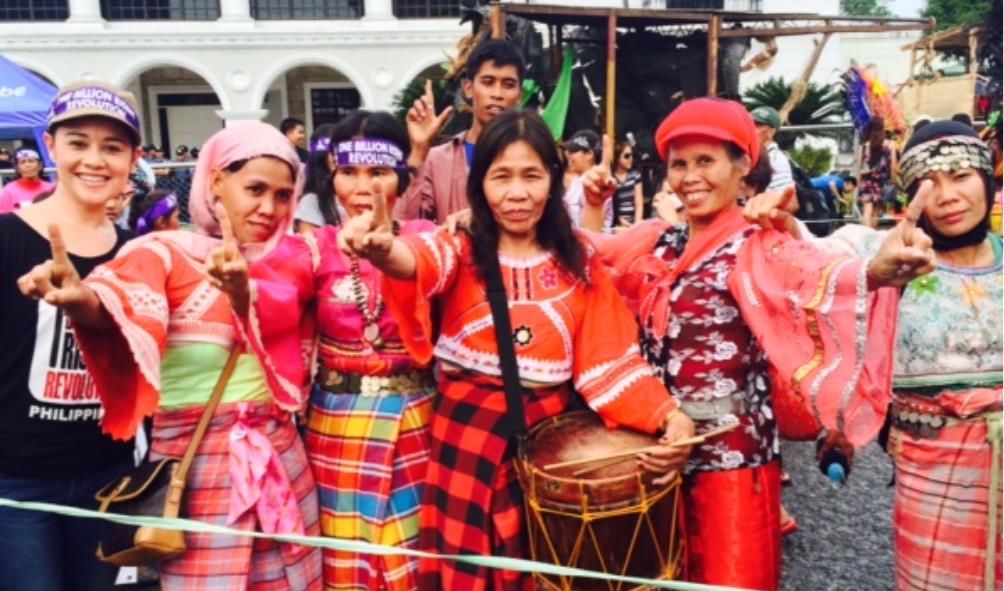
These communities built simple yet effective structures using local materials, showcasing their resourcefulness. As you explore, you'll see how they cultivated crops like rice and root vegetables, fostering sustainability.
The vibrant oral traditions, music, and arts reveal their creativity and resilience. Overall, Guimaras’ indigenous cultures laid the foundation for the island's identity, creating a lasting legacy that you can still feel today.
Spanish Colonization and Its Impact
As Spanish colonization swept across the Philippines in the 16th century, Guimaras became a focal point for both cultural exchange and conflict.
You’ll notice how the arrival of the Spanish introduced Christianity to the island, transforming local beliefs and practices. The missionaries played a crucial role in educating the indigenous people, establishing schools, and promoting new agricultural techniques.
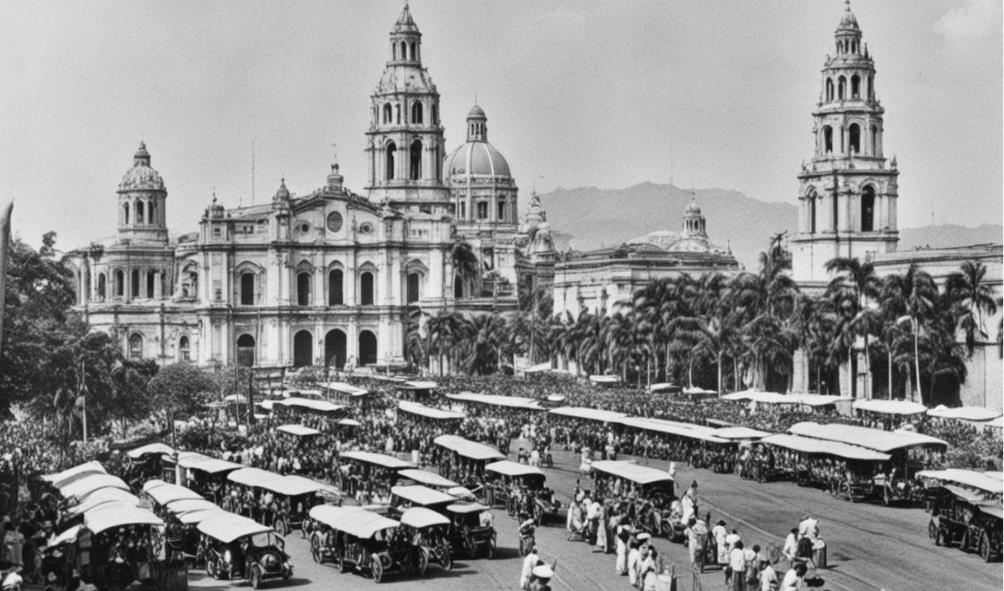
However, this also led to the suppression of native customs and traditions, creating tension among the locals. You can see how Spanish influence shaped the island’s architecture, language, and cuisine, blending elements of both cultures.
Yet, the imposition of colonial rule often sparked resistance, setting the stage for future struggles for identity and autonomy in Guimaras.
The Role of Guimaras in the Philippine Revolution
Although often overlooked, Guimaras played a significant role in the Philippine Revolution against Spanish rule. The island served as a strategic base for revolutionary forces, providing refuge and resources to those fighting for freedom.
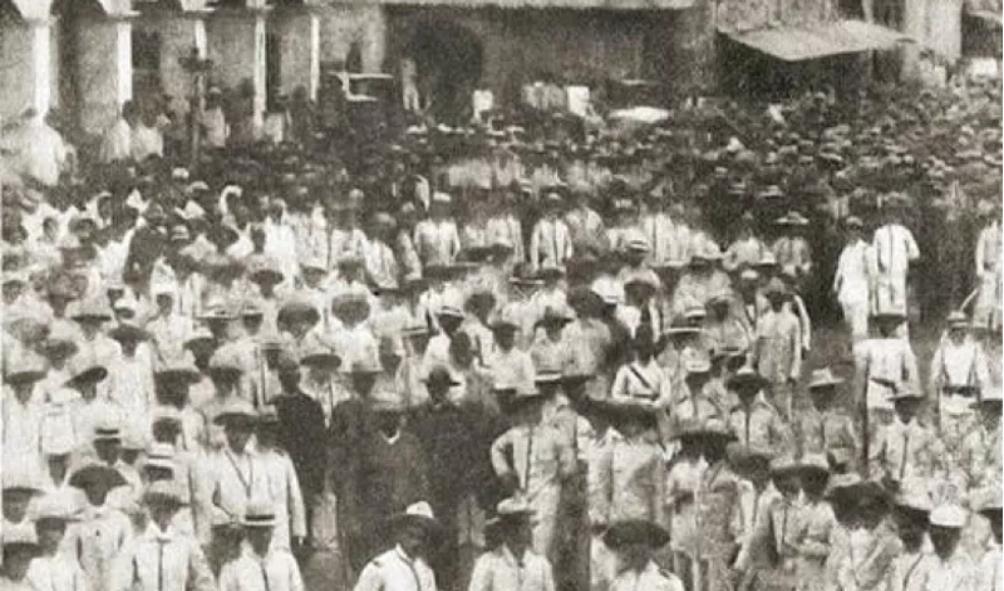
Many locals actively participated in uprisings, joining the ranks of notable leaders like Jose Rizal and Emilio Aguinaldo. Guimaras' geographical position made it an ideal spot for organizing resistance and coordinating supply lines.
The islanders’ resilience and commitment to the cause inspired neighboring regions, fostering a spirit of unity among revolutionaries. By supporting the fight for independence, Guimaras not only contributed manpower but also strengthened the revolutionary movement, showcasing the vital role smaller islands played in the broader struggle for Philippine sovereignty.
Economic Development and Agricultural Growth
The spirit of resilience that fueled Guimaras’ involvement in the Philippine Revolution paved the way for future economic development and agricultural growth on the island.
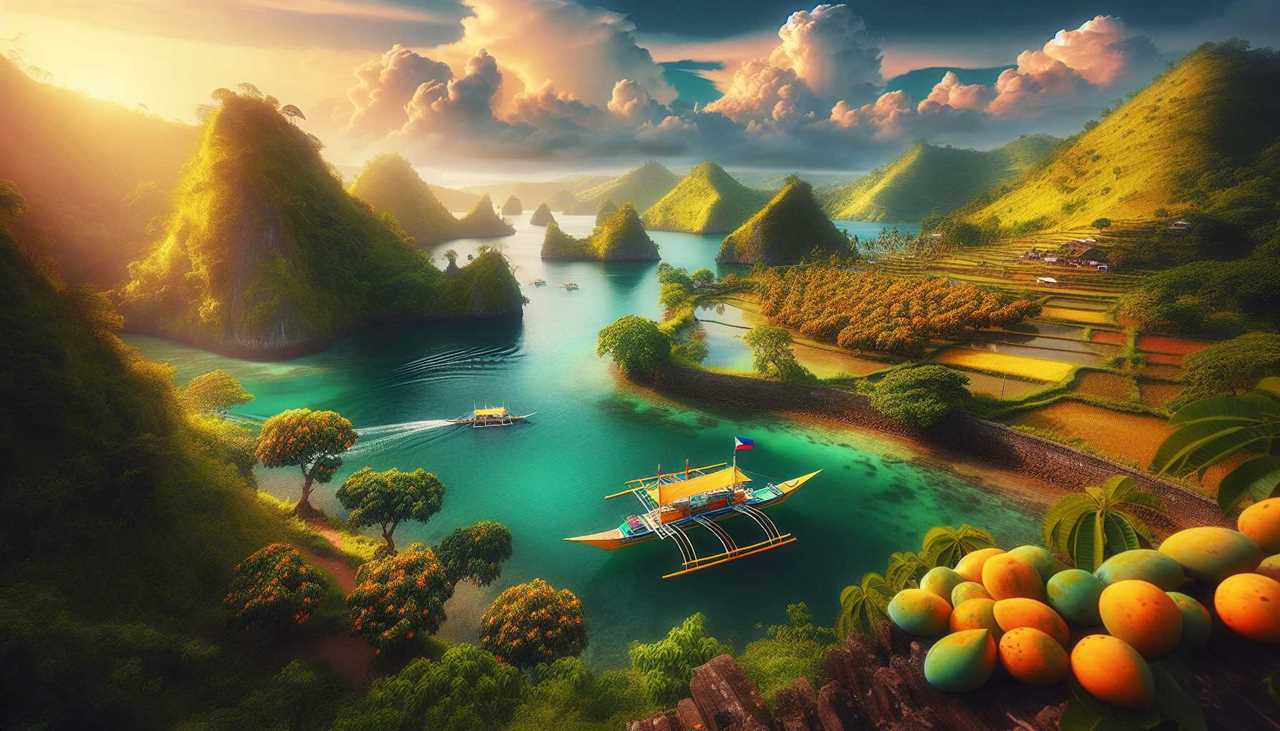
You’ll notice how farmers have embraced innovative techniques, enhancing productivity and crop quality. The rich soil and favorable climate allow for diverse agriculture, including mangoes, which are a key export.
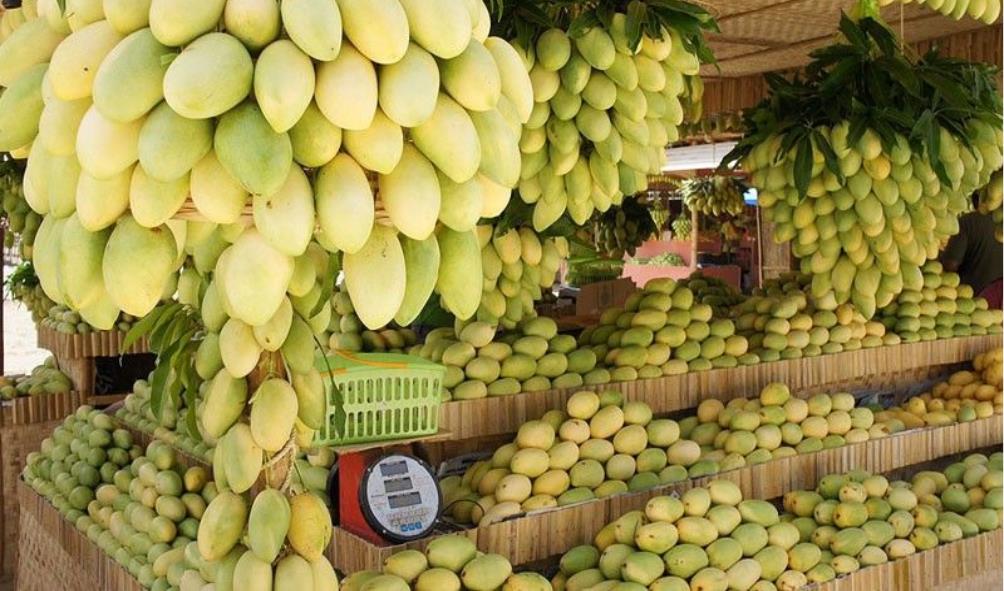
You can see local cooperatives working together, improving access to markets and resources. Government support and investment in infrastructure have also played a vital role, enabling better transportation and connectivity.
As you explore Guimaras, you’ll find that the community’s commitment to sustainable practices and agricultural initiatives continues to drive economic progress, ensuring that the island thrives while honoring its historical roots.
Tourism Boom and Cultural Preservation
While Guimaras has thrived economically through agriculture, it’s also embraced a tourism boom that showcases its rich cultural heritage. You’ll find stunning beaches, vibrant festivals, and local crafts that reflect the island's traditions.
Each year, visitors flock to the Manggahan Festival, celebrating the famous Guimaras mango, where you can experience the local culture firsthand. This surge in tourism encourages the preservation of age-old customs, as local artisans and performers share their skills and stories.
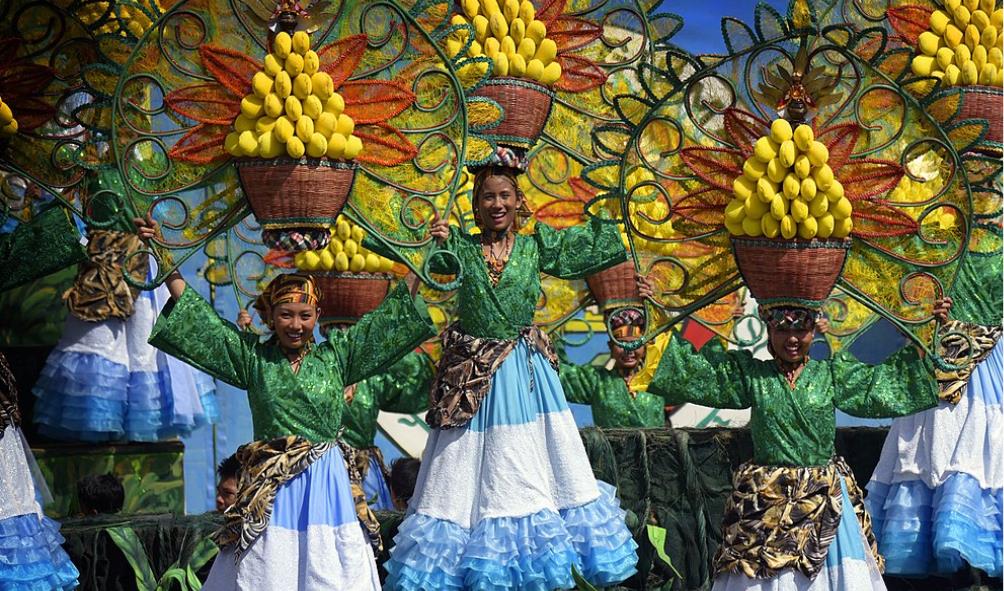
You’ll notice initiatives aimed at protecting historical sites and promoting sustainable practices. By engaging with the community and supporting local businesses, you contribute to maintaining Guimaras’s unique identity while enjoying its natural beauty and cultural richness.
It’s a win-win for both visitors and locals!
Modern Guimaras: A Blend of Tradition and Progress
As Guimaras continues to evolve, it skillfully balances its rich traditions with modern advancements.
You’ll find vibrant festivals like the Manggahan Festival, celebrating the province's mango harvest, while also enjoying contemporary attractions such as eco-friendly resorts.
The local culinary scene thrives, blending traditional flavors with innovative dishes that reflect the island’s identity.
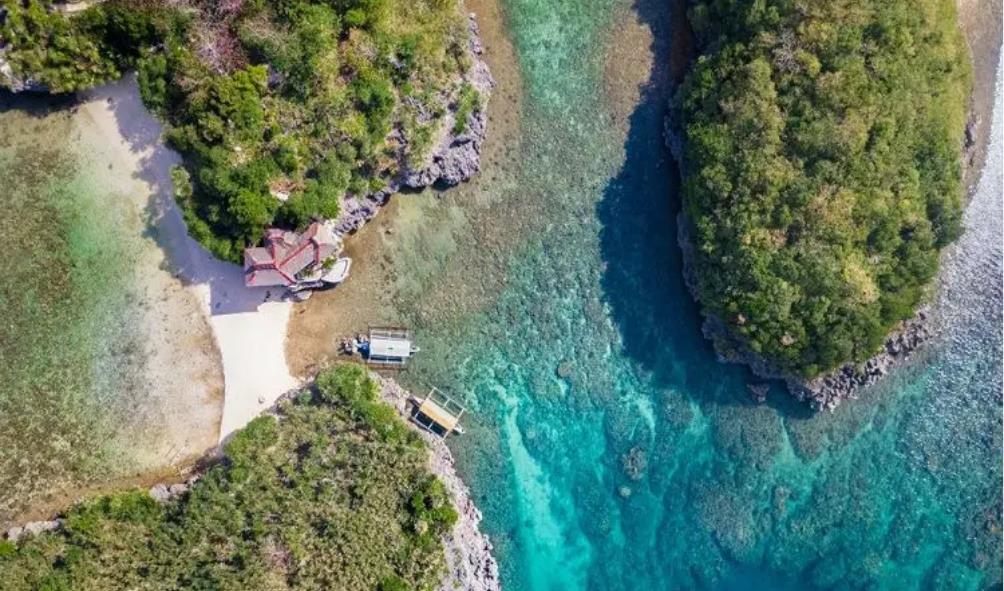
You can explore historical sites alongside modern infrastructures, showcasing a commitment to preservation and progress.
The local economy is diversifying, with agriculture and tourism driving growth.
As you navigate the island, you’ll sense the deep-rooted cultural heritage harmonizing with the region's aspirations for development.
Guimaras stands as a testament to how tradition and modernity can coexist, offering you a unique and enriching experience.
Conclusion
In exploring Guimaras' history, you see how its rich indigenous cultures evolved through Spanish colonization and the struggles for independence. The island's resilience shines as it balances economic growth with cultural preservation. Today, Guimaras stands as a testament to its heritage while embracing modernity through tourism and agriculture. By appreciating its past, you can better understand the unique identity that Guimaras holds, making it a vibrant destination that honors its traditions while looking toward the future.
Statistics
- Guimaras is known for producing over 80% of the Philippines' mango supply.
- The Iloilo-Guimaras Bridge, completed in 2012, connects Guimaras to the Panay mainland.
- The island comprises six municipalities, including Jordan and Buenavista.
- In 1493, Ferdinand Magellan first sighted Guimaras during his expedition.
External Links
- Wikipedia - Guimaras - Offers a comprehensive overview of Guimaras' history and development.
- Guimaras Heritage Center - Showcases the rich cultural and historical heritage of Guimaras.
- Official Guimaras Province Website - Features historical information and significant events in Guimaras' history.
- National Museum - Western Visayas - Highlights historical artifacts and exhibits related to Guimaras.
How to Discover Guimaras' Historical Events
Research significant events that have occurred in Guimaras, such as natural disasters, political changes, and social movements. Understanding these events provides context for the island's resilience and adaptability throughout its history.
Plan the perfect group trip, your way.
Get an instant personalized itinerary. We handle logistics, payments, and provide a dedicated itinerary, while local experts fine-tune every detail. Enjoy full freedom—without the stress of organizing it all.
https://escapetomexiconow.com/tourhero
Recommended Resources:
Dreaming of a fresh start abroad? Explore our curated destination guides to learn how you can make the move with ease.
https://escapetomexiconow.com/
https://escapetomexiconow.info/
https://escapetopanamanow.info/
https://escapetothephilippinesnow.com/
YouTube Channel:
See Mexico like never before! From local culture to travel hacks, our YouTube channel brings the adventure straight to you.
https://www.youtube.com/@EscapeToMexicoNow