When you think about Eastern Samar, consider its rich tapestry woven from indigenous traditions and colonial influences. The early settlers thrived through fishing and farming, laying the groundwork for a unique culture. As you explore the impact of Spanish colonization and the galleon trade, you'll uncover how these forces shaped the region. But what challenges did Eastern Samar face as it moved into modern times? The answers might surprise you.
Early Indigenous Settlements
As you explore the history of Eastern Samar, you’ll discover that early indigenous settlements laid the foundation for the region's rich cultural heritage.
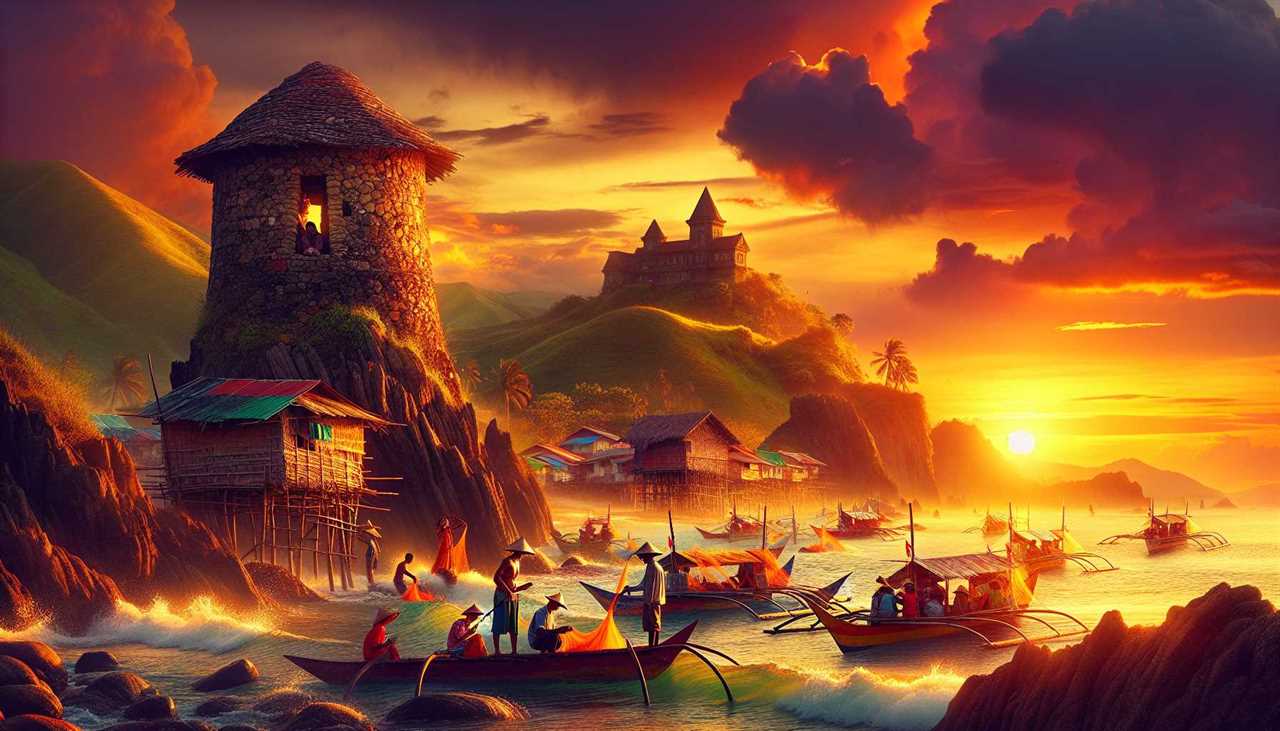
These communities thrived along the coast and rivers, relying on fishing, farming, and trade. You’ll find that the locals cultivated rice, root crops, and various fruits, creating a sustainable lifestyle.
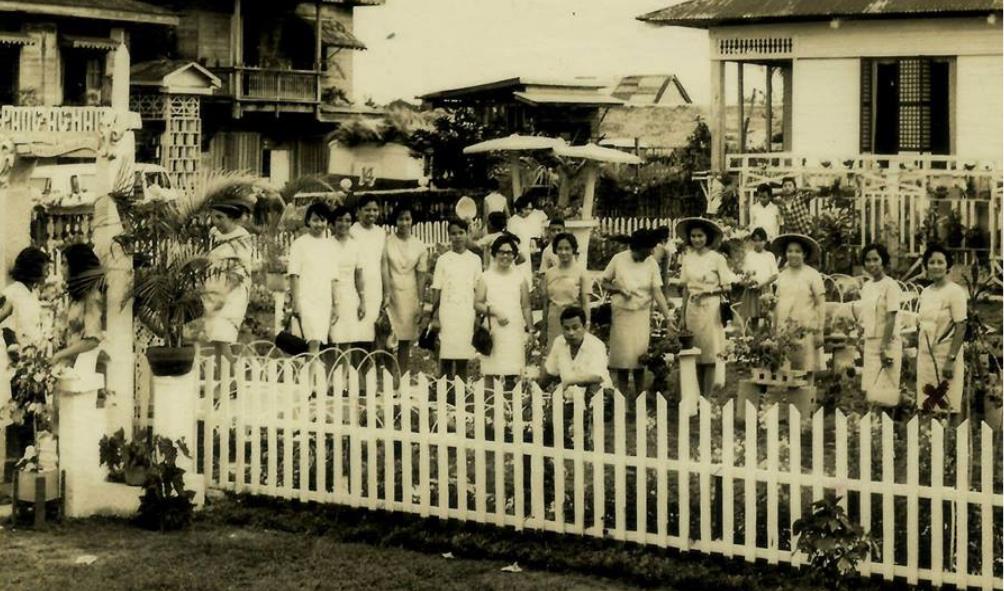
The early settlers formed strong social structures, with kinship and communal ties playing a crucial role in their daily lives. Their customs and traditions reflect a deep respect for nature, as they engaged in rituals to honor their deities and ancestors.
As you delve deeper, you’ll appreciate how these indigenous practices shaped the identity of Eastern Samar, influencing the region’s culture for generations to come.
The Arrival of Spanish Colonizers
The vibrant life of early indigenous settlements in Eastern Samar took a dramatic turn with the arrival of Spanish colonizers in the 16th century. You’d witness firsthand the changes as the Spanish sought to expand their empire and convert locals to Christianity.
They introduced new agricultural practices, crops, and livestock, reshaping local economies. You'd also see the establishment of missions and churches, which became central to community life.
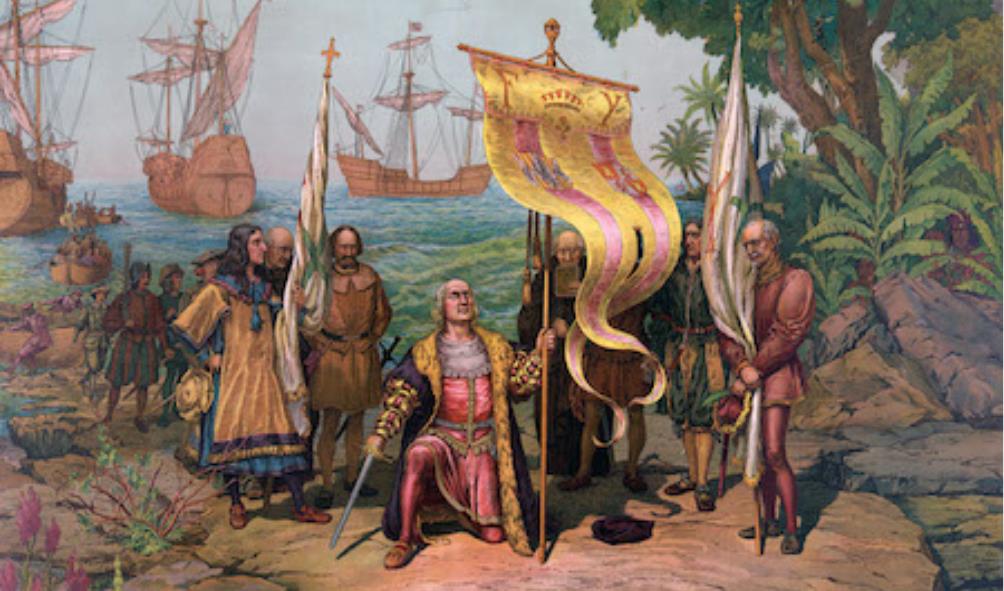
However, this encounter wasn’t without conflict; resistance arose as the indigenous people fought to preserve their culture and autonomy.
As you navigate this transformative period, you'll realize that the Spanish influence laid the groundwork for many aspects of modern Eastern Samar, from language to governance, forever altering the region's landscape.
The Role of Eastern Samar in the Galleon Trade
While many may not realize it, Eastern Samar played a significant role in the Galleon Trade that connected Asia and the Americas during the 16th to 19th centuries.
You’d find that its strategic location made it an ideal stopover for galleons traveling between Manila and Acapulco. Eastern Samar's ports facilitated the exchange of goods like silk, spices, and precious metals.
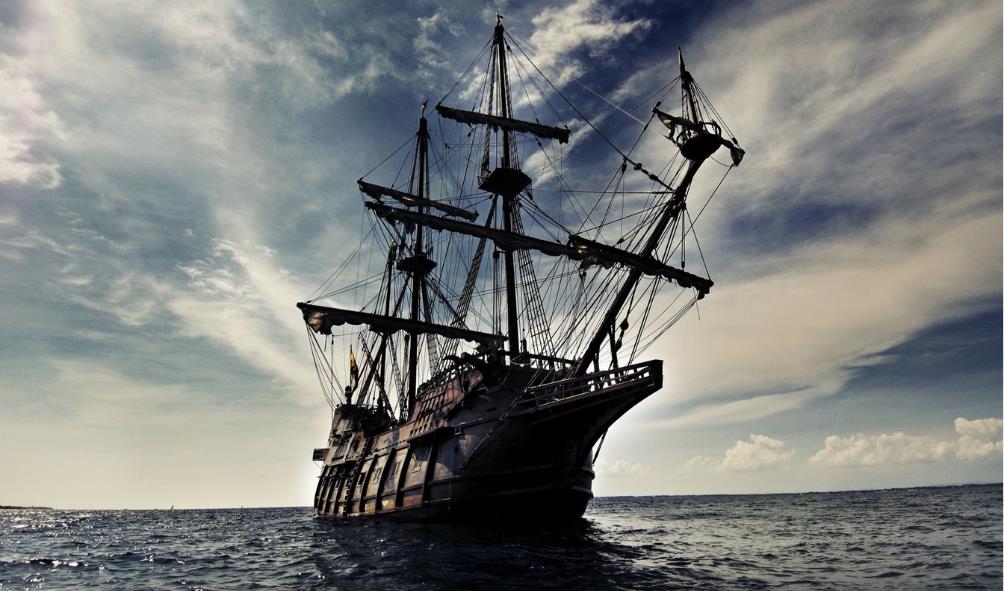
As galleons docked, local merchants and communities engaged in trade, enriching their culture and economy. This bustling activity helped establish Eastern Samar as a vibrant hub in the region.
The influence of this trade extended far beyond commerce, impacting local traditions and lifestyles. By understanding its role, you gain insight into Eastern Samar's historical significance in global trade networks.
Colonial Administration and Governance
During the colonial period, Eastern Samar experienced significant changes in administration and governance that shaped its political landscape. The Spanish established a centralized system, integrating local leaders into their framework while imposing their authority.
You’d notice how the governance shifted, with the appointment of alcaldes and gobernadorcillos who managed local affairs. Their role was to enforce colonial laws and collect taxes, which often led to tension between the colonizers and the indigenous population.
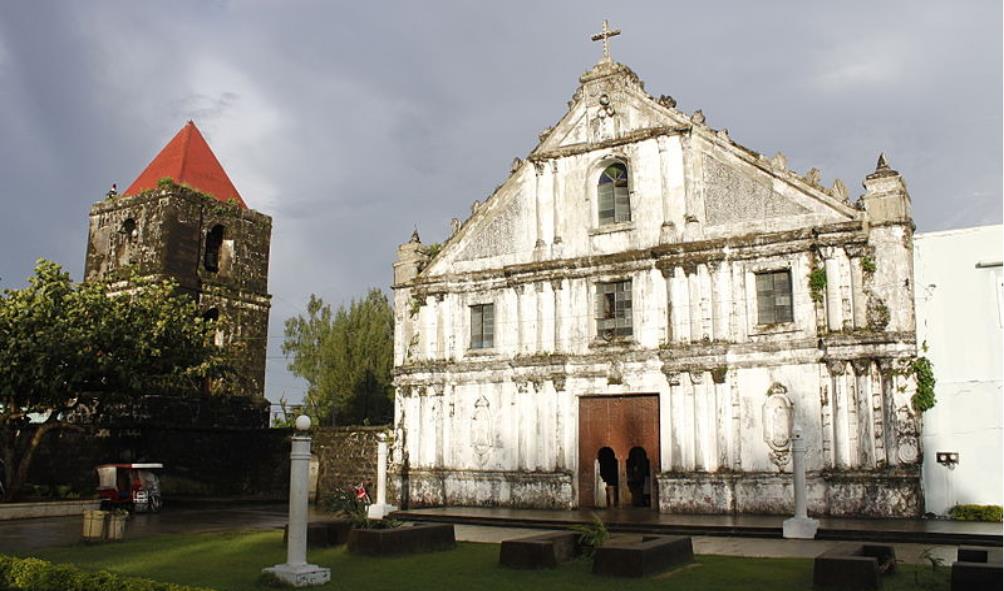
The introduction of Christianity also influenced governance, as the church became a powerful entity in both spiritual and political matters.
Over time, these structures laid the groundwork for future governance, impacting the region's identity and shaping its social dynamics for generations to come.
Impact of the Philippine Revolution
As the Philippine Revolution gained momentum in the late 19th century, Eastern Samar found itself at the forefront of the fight for independence.
You’d witness a surge of local leaders rallying communities to resist Spanish colonial rule. The revolution ignited a sense of nationalism among the people, inspiring them to unite against oppression.
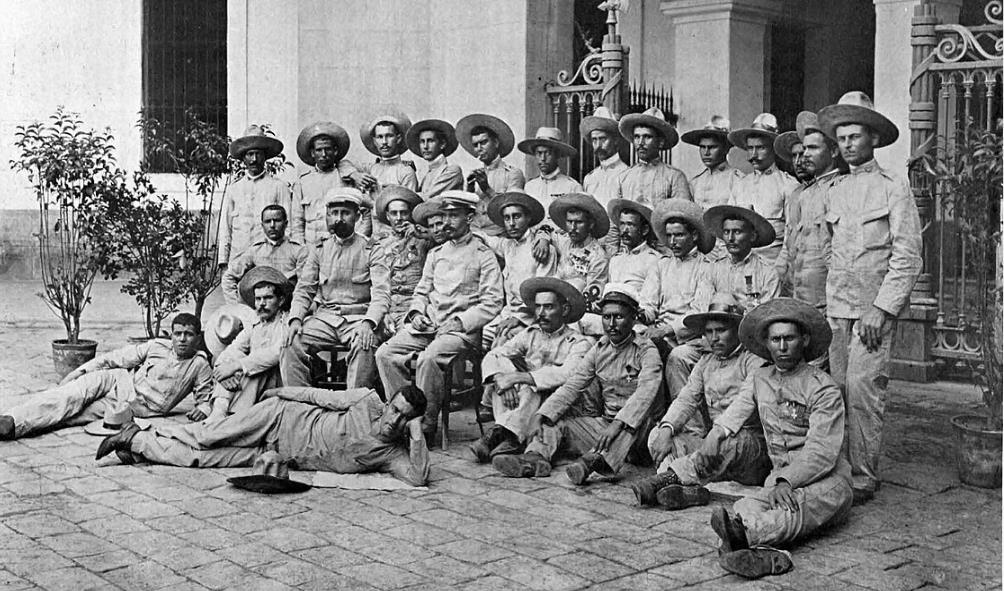
You’d see the rise of revolutionary groups, organizing guerrilla tactics and spreading revolutionary ideas throughout the region. This period fueled a newfound pride in Filipino identity, as locals began to embrace their heritage and fight for their rights.
The revolution also sparked significant changes in social structures, as traditional hierarchies crumbled under the weight of collective action.
Ultimately, it laid the groundwork for future movements toward autonomy and self-governance.
The American Colonial Period
Following the end of the Philippine Revolution, Eastern Samar entered a transformative phase under American colonial rule, which began in 1898.
You’ll notice that the Americans focused on infrastructure development, establishing schools and roads that improved access and communication. The introduction of public education changed the landscape, empowering locals with new skills and knowledge.
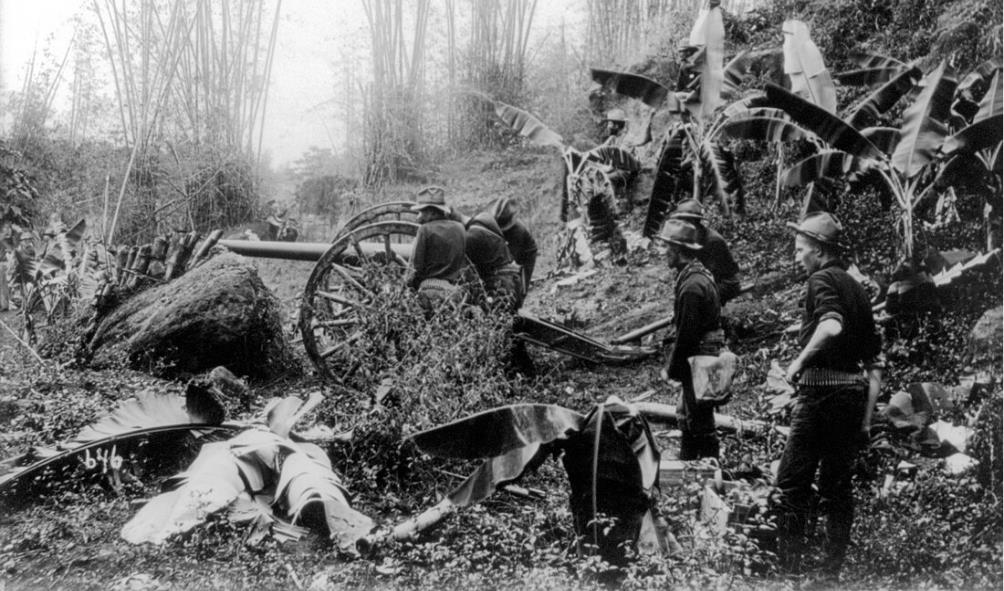
You might also see how the American government encouraged agricultural advancements, helping farmers adopt modern techniques. However, this period wasn’t without challenges; colonial policies sometimes disrupted traditional practices and local governance.
Despite these tensions, Eastern Samar began to modernize, blending American influences with local culture. The era set the stage for future developments, shaping the region’s identity for years to come, and paving the way for a new chapter in its history.
World War II and Its Aftermath
When World War II erupted, Eastern Samar found itself caught in the crossfire, leading to significant upheaval and suffering for its inhabitants.
The Japanese occupation brought hardships, as food shortages and forced labor became rampant. You’d witness the loss of homes and the dislocation of families, as many residents fled to escape violence.
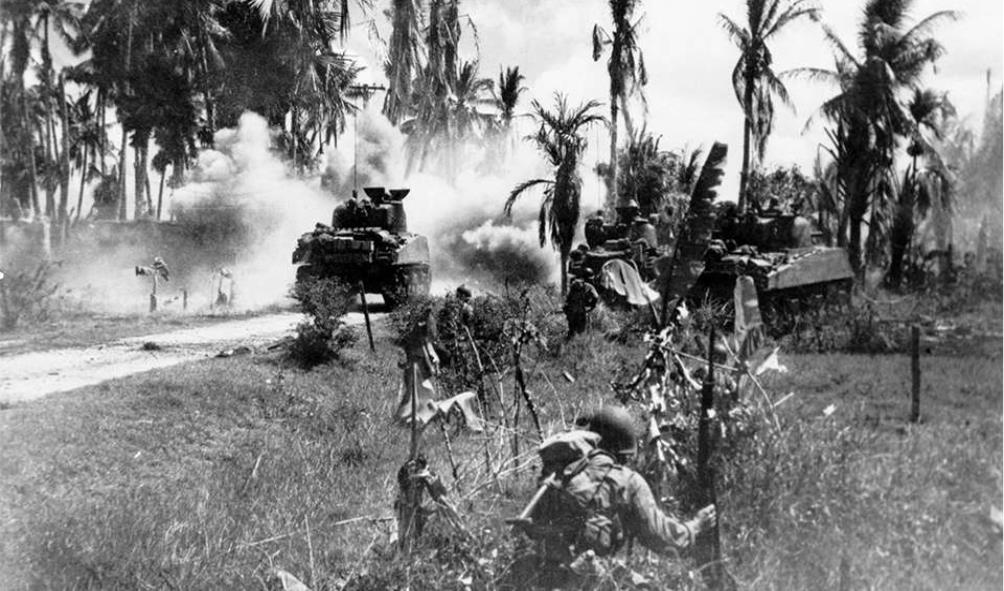
Guerrilla resistance movements emerged, with locals bravely fighting back against the occupiers, showcasing their resilience and determination.
After the war, Eastern Samar faced the daunting task of rebuilding. The return of American forces brought hope, but the scars of conflict lingered.
You’d see communities come together to restore their lives, even as they grappled with the loss and devastation that marked this tumultuous period in their history.
Natural Disasters and Community Resilience
Although Eastern Samar has faced numerous natural disasters, its communities have consistently demonstrated remarkable resilience in the face of adversity.
When typhoons strike, you witness neighbors coming together, sharing resources, and rebuilding homes. You might find local organizations mobilizing quickly, offering food, shelter, and medical aid to those in need. The spirit of bayanihan shines brightly as families help each other recover, proving that unity is their greatest strength.
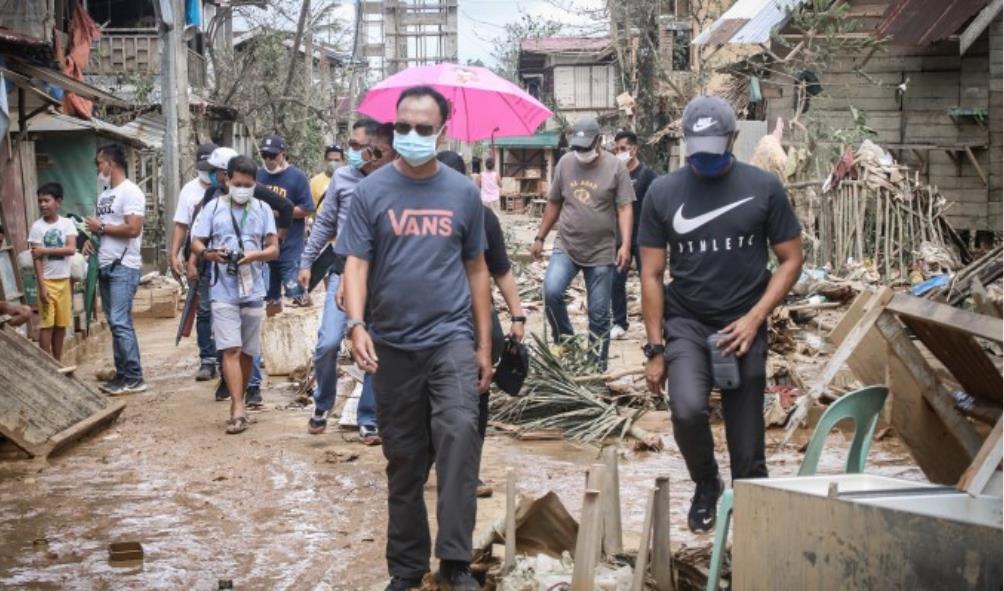
Schools and local governments often implement disaster preparedness plans, ensuring everyone knows what to do when calamity hits. This proactive approach not only minimizes damage but also fosters a sense of hope and determination.
In the aftermath, you’ll see communities rising again, stronger and more connected, ready to face whatever challenges come next.
Cultural Heritage and Traditions
As you explore Eastern Samar, you’ll discover a rich tapestry of cultural heritage and traditions that reflect the island's unique history and diverse influences.
The people here celebrate vibrant festivals, such as the Pintados de Passi, showcasing colorful costumes and lively dances that honor local saints.
Traditional crafts, like weaving and pottery, reveal the artisans' skills passed down through generations.
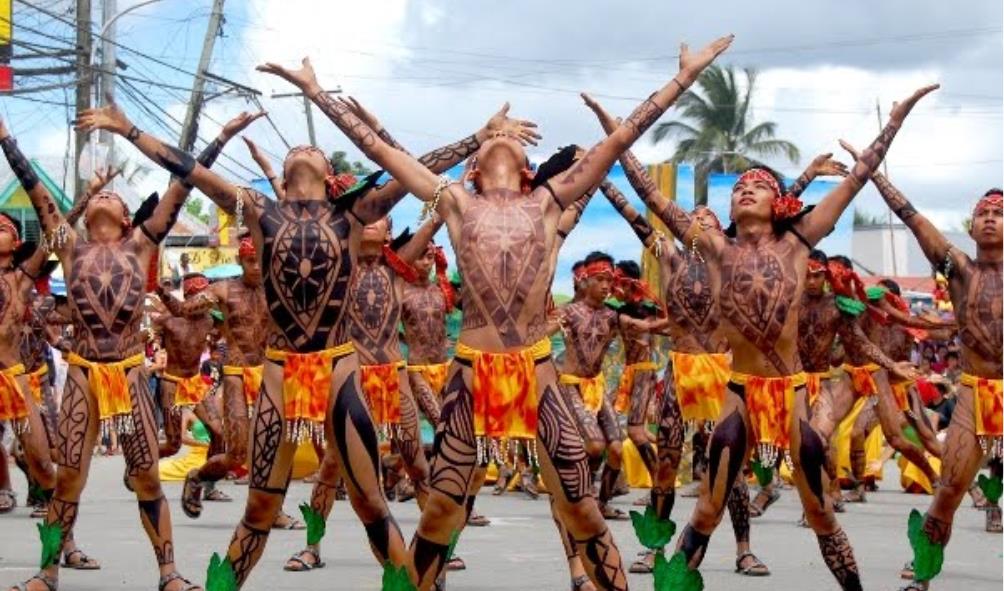
You’ll also find delicious local cuisine, featuring fresh seafood and unique dishes like kinilaw and binungkal.
The warm hospitality of the locals makes every encounter memorable, as they share stories and customs that connect you to their past.
Engaging with these traditions not only enriches your experience but also deepens your appreciation for Eastern Samar’s cultural identity.
Modern Developments and Challenges
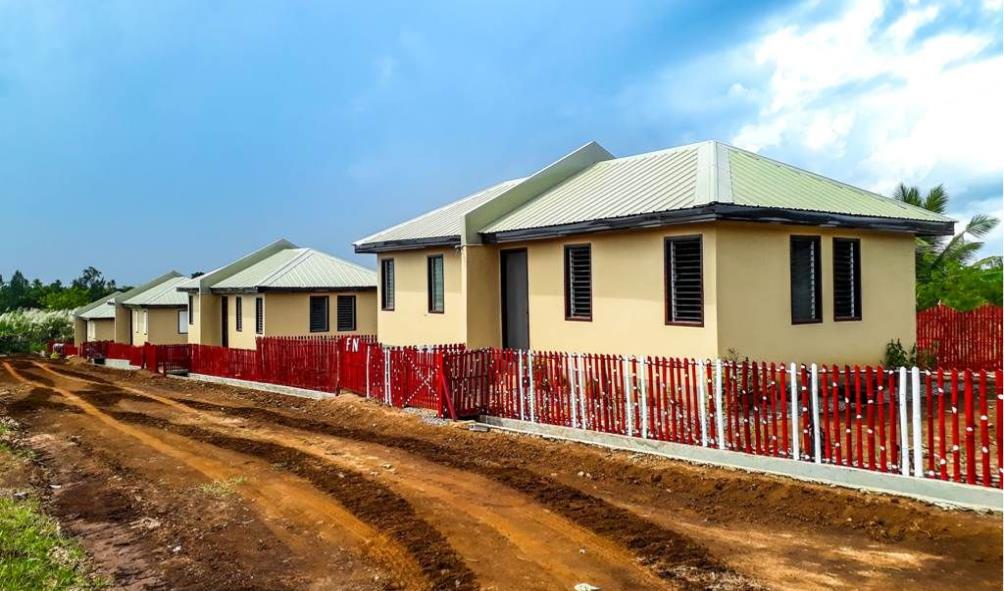
While Eastern Samar embraces its rich cultural heritage, it also faces modern developments and challenges that shape its future. You’ll notice that infrastructure improvements are underway, enhancing transportation and communication.
However, these advancements come with the challenge of balancing development and environmental conservation. Rapid urbanization puts pressure on natural resources, leading to potential ecological degradation.
Moreover, you may encounter issues like unemployment and access to education, which require immediate attention. Local governments and communities are working together to address these concerns through innovative programs and sustainable practices.
As you explore Eastern Samar, recognize the resilience of its people in adapting to change while striving to preserve their identity and values amidst modern pressures.
Conclusion
In exploring Eastern Samar's history, you see how its rich indigenous roots evolved through Spanish colonization and global trade. The region's resilience shines through its response to challenges, from revolutions to natural disasters. Today, as you witness the blend of cultural heritage and modern development, you appreciate the strength and adaptability of its communities. Eastern Samar's story is a testament to the enduring spirit of its people, shaping a vibrant future while honoring its past.
Statistics
- The Battle of Balangiga in 1901 involved over 500 Filipino guerrillas fighting against American forces in Eastern Samar.
- In 1944, General Douglas MacArthur led approximately 15,000 troops in the historic landing at San Jose, Eastern Samar.
- By 1903, Eastern Samar had a population of approximately 200,000 inhabitants during the early American colonial period.
- During World War II, Eastern Samar served as a critical strategic location with over 100 military installations established by both Japanese and allied forces.
External Links
- Eastern Samar on Wikipedia: Offers a detailed overview of the province's historical background.
- Philippine History Online: Provides articles focusing on significant events in Eastern Samar.
- Documentary on Eastern Samar's History: A visual representation of key historical events in Eastern Samar.
- GlobalSecurity.org – Samar History: Covers military and strategic historical aspects of Eastern Samar.
How to Investigate the Development of Eastern Samar's Architecture
Begin by identifying key architectural styles and structures that characterize Eastern Samar, from Spanish-era churches to modern buildings. Visit historical sites to observe architectural details and construction techniques used over different periods. Review architectural studies and heritage preservation documents that discuss the evolution of building designs in the region. Engaging with architects and preservationists can provide expert insights into how Eastern Samar's architecture reflects its historical and cultural development.
Want to travel with more time and freedom?
The freedom to travel! Discover free & unique homestays around the world, in exchange for caring for adorable pets.
https://escapetomexiconow.com/ths
Recommended Resources:
Your next chapter could start anywhere. From the vibrant streets of Mexico to the laid-back beauty of the Philippines, explore destinations where you can truly live your dream.
https://escapetomexiconow.com/
https://escapetomexiconow.info/
https://escapetopanamanow.info/
https://escapetothephilippinesnow.com/
YouTube Channel:
Want a closer look at life in Mexico? Subscribe to our YouTube channel for insider tips, travel guides, and inspiring stories that make planning your escape easier and more exciting.
https://www.youtube.com/@EscapeToMexicoNow