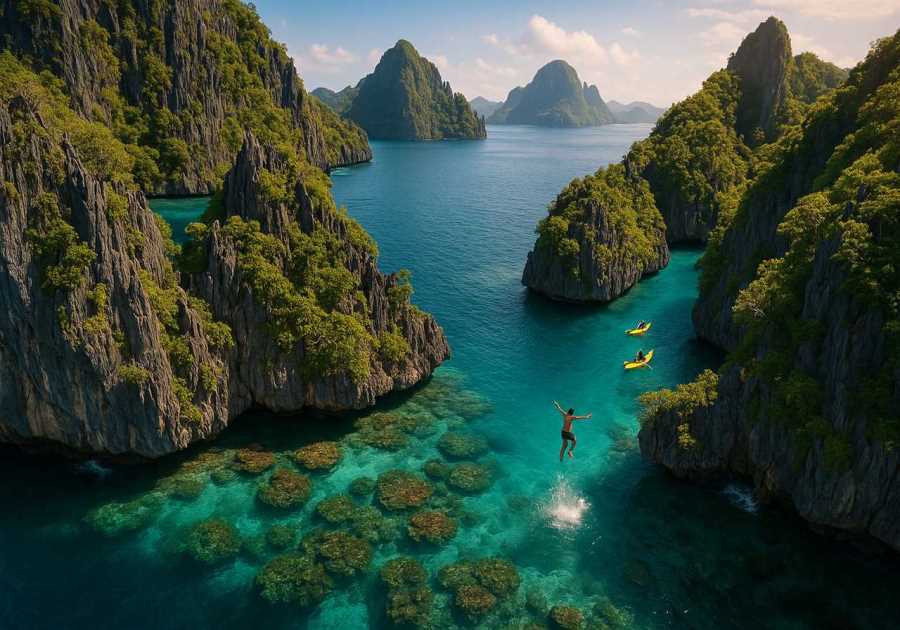

When you explore the history of Dinagat Islands, you uncover a rich narrative shaped by diverse cultures and significant events. From the sustainable practices of the indigenous peoples to the transformative impacts of colonization and occupation, each era has left its mark. As you piece together this intricate story, you'll find that the islands’ journey to provincial status and modern identity invites a deeper understanding of their cultural heritage and ongoing evolution. What surprises await you next?
Early Inhabitants and Indigenous Cultures
As you explore the history of the Dinagat Islands, you'll find that their early inhabitants played a crucial role in shaping the region's rich cultural tapestry.
These indigenous groups, primarily the Mamanwa and the Lumad, thrived on the islands long before outsiders arrived. Their connection to the land is evident in their sustainable practices, utilizing both the sea and forest for food and resources.
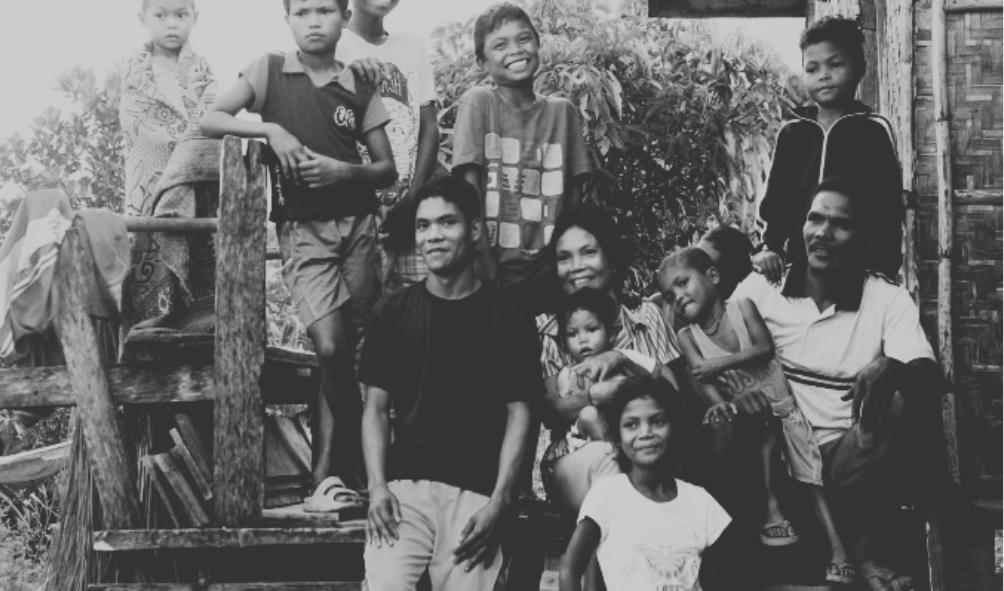
You’ll discover their vibrant traditions, including intricate crafts and spiritual beliefs that honor their ancestors and nature.
The communal lifestyle fostered strong ties among families, ensuring the preservation of their languages and customs.
Spanish Colonization and Its Impact
The arrival of Spanish colonizers in the late 16th century marked a significant turning point for the Dinagat Islands and their indigenous cultures.
You’ll notice that the Spanish introduced new governance systems, religious practices, and agricultural techniques. They established missions, aiming to convert locals to Christianity, which drastically altered spiritual beliefs and social structures.
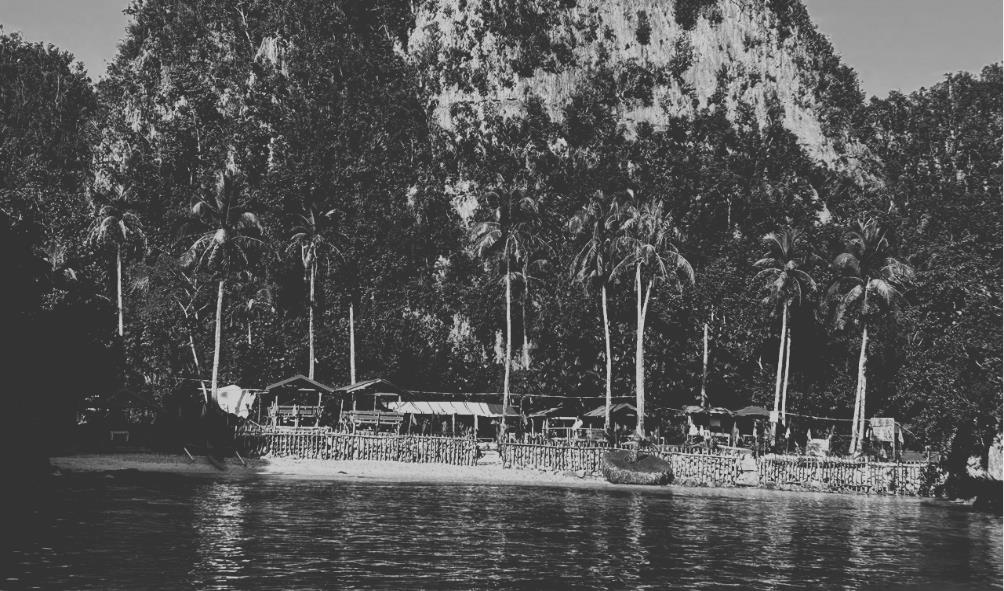
As they imposed their authority, many indigenous customs faded or blended with European traditions. You might find it interesting how this colonization also led to conflicts as tribes resisted foreign control.
The Spanish exploited the islands' resources, setting a precedent for future exploitation. Ultimately, the impact of this era reshaped the cultural landscape, leaving a legacy that continues to influence the Dinagat Islands today.
American Occupation and Governance
When the Americans took control of the Dinagat Islands in the early 20th century, they brought significant changes to governance and societal structure.
You'd notice the introduction of a more organized administrative system, replacing the Spanish colonial hierarchy. The Americans focused on education, establishing schools that aimed to provide a modern curriculum and promote literacy among the locals.

You'll find that infrastructure projects, like roads and bridges, were initiated to improve connectivity and trade. Public health also got attention, with efforts to combat diseases and promote sanitation.
As a result, the islanders began to experience a shift in their daily lives, adjusting to new laws and practices that came with American rule and the promise of progress.
World War II and Its Aftermath
With the American governance firmly established, the Dinagat Islands faced new challenges during World War II. When the Japanese invaded in 1941, the islands became a strategic location for both the Japanese and the Allied forces.
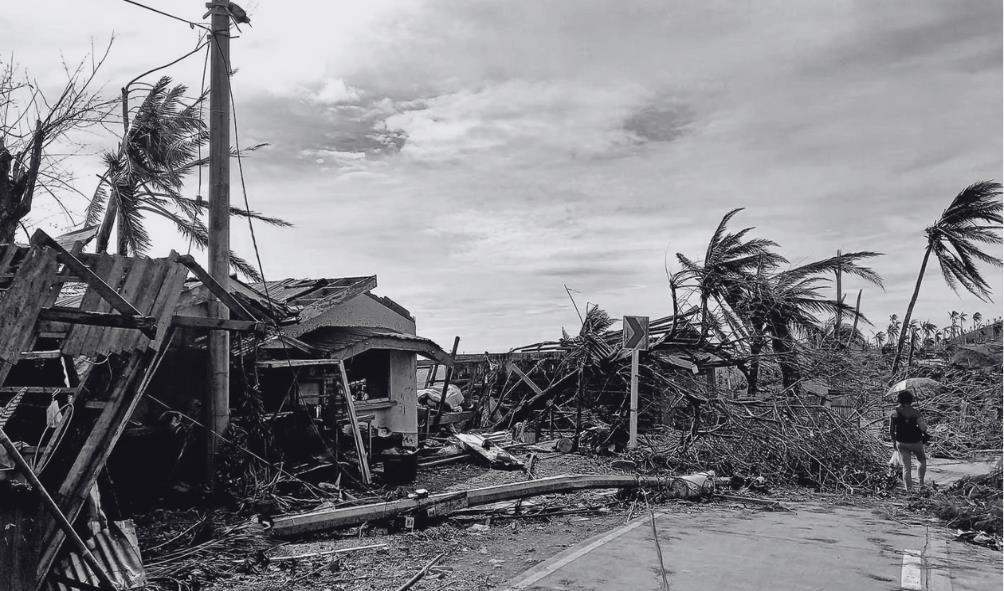
You witnessed the harsh realities of war as local communities struggled to survive amidst the conflict. Many residents were forced to evacuate, while others were caught in the crossfire. Despite the hardships, some islanders took up arms to resist the occupation.
After the war, the islands slowly began to recover, but the scars of battle remained. The return of American forces in 1945 marked a turning point, leading to rebuilding efforts and a renewed sense of hope for the people of Dinagat.
The Path to Provincial Status
Achieving provincial status was a significant milestone for the Dinagat Islands, reflecting the community's aspirations for self-governance and development.
You’ll find that the journey began with the desire for greater autonomy, as residents sought to address their unique needs and challenges. In 2006, the islands officially became a province, carving out a distinct identity within the Philippines.
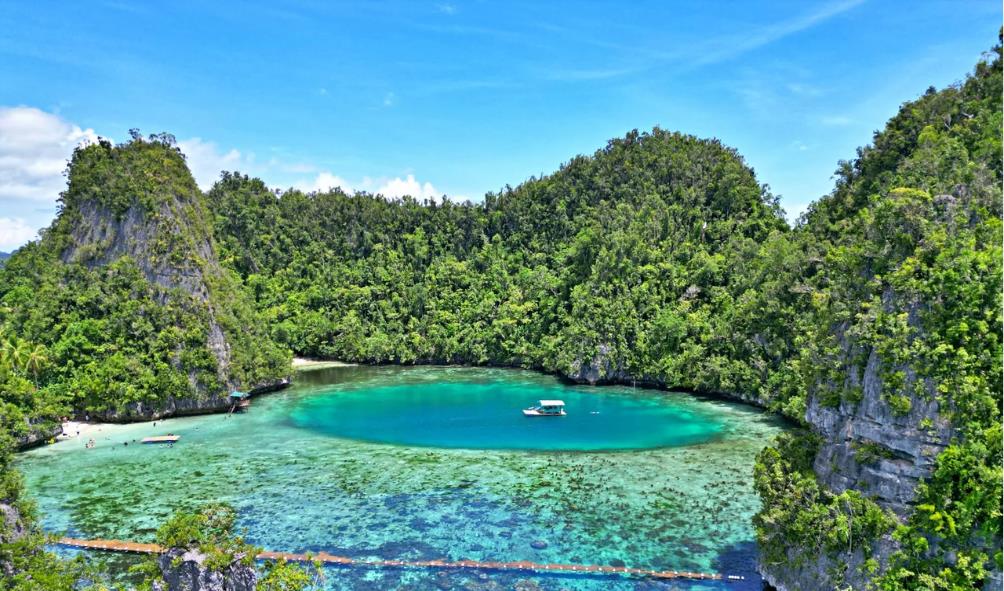
This change empowered local leaders and allowed for tailored governance that could better serve the population. The community rallied together, emphasizing the importance of unity and collaboration.
As you explore this path, you'll see how a dedicated push for legislative support and grassroots involvement played crucial roles in realizing this dream. The provincial status opened doors for economic growth and improved public services.
Political Developments in the 21st Century
As the 21st century unfolded, the Dinagat Islands experienced significant political shifts that shaped their governance and community dynamics. The establishment of the province in 2006 marked a pivotal moment, granting locals more control over their affairs.
You witnessed the rise of various political factions, influencing decision-making processes and community engagement. Elections brought new leaders, each with a unique vision for development and sustainability.
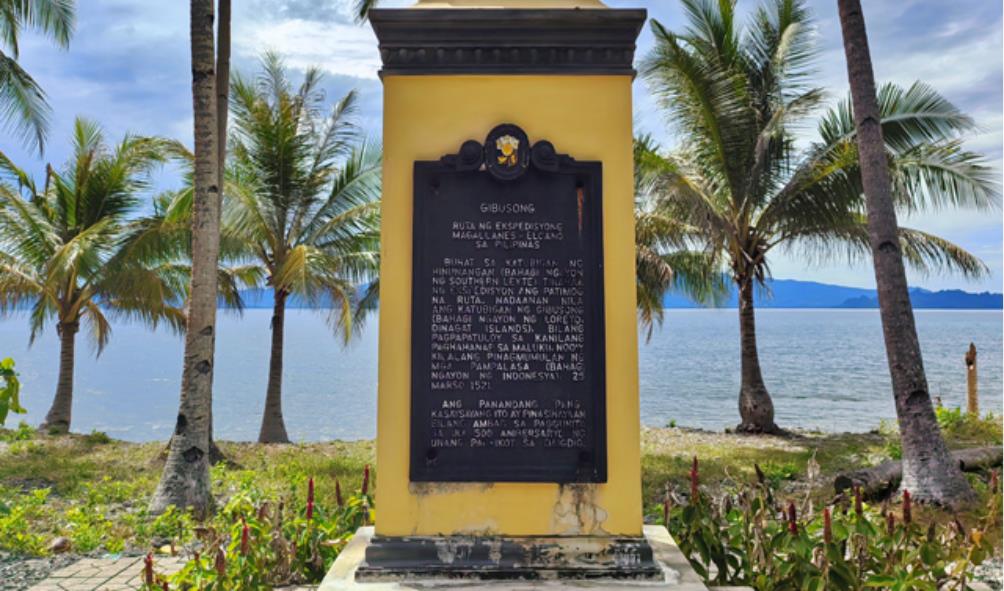
The province faced challenges, including natural disasters and environmental issues, prompting local government units to adapt their strategies and policies. Increased participation in governance led to grassroots movements, empowering citizens to voice their concerns.
You saw initiatives aimed at fostering transparency and accountability, creating a more responsive political landscape that aims to improve the quality of life for all residents in the Dinagat Islands.
Cultural Heritage and Traditions
While exploring Dinagat Islands, you’ll discover a rich tapestry of cultural heritage and traditions that reflect the province's diverse history and community spirit.
The local communities celebrate vibrant festivals, such as the Sayaw sa Buwan, where colorful dances showcase their love for music and artistry.
You’ll also find unique traditional crafts, like weaving and wood carving, passed down through generations.
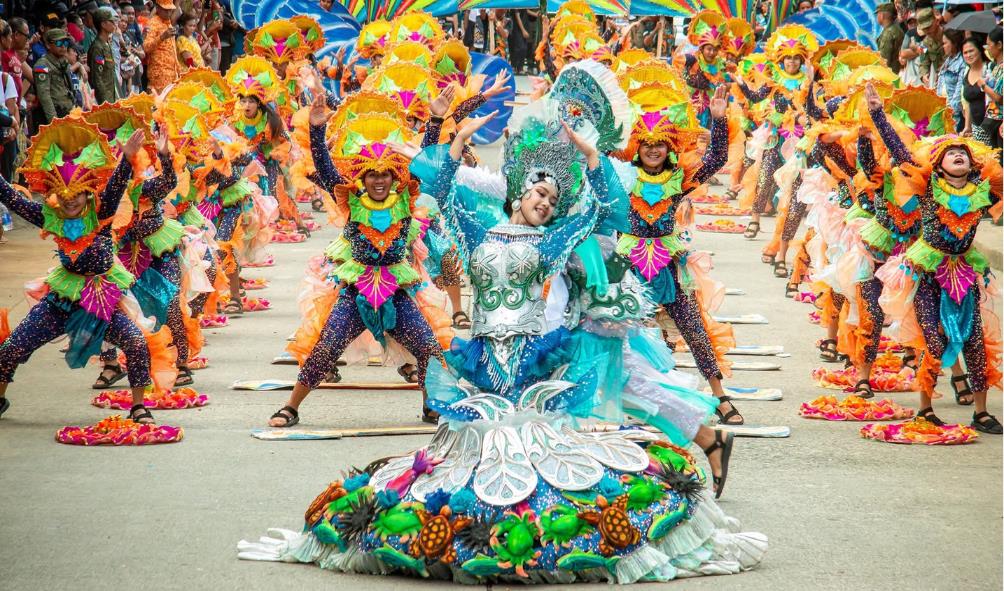
The people maintain strong spiritual beliefs, often blending indigenous practices with influences from Catholicism.
You'll encounter traditional rituals that honor ancestors and nature, reinforcing a deep connection to the land.
Local cuisine, featuring fresh seafood and tropical fruits, further highlights the islands’ cultural richness.
Each experience offers a glimpse into the heart and soul of Dinagat’s enduring traditions.
Modern-Day Dinagat Islands: A Blend of History and Progress
In the heart of the Dinagat Islands, you’ll find a dynamic interplay of history and modernity that shapes everyday life. The islands are a mosaic of vibrant culture and breathtaking landscapes, where ancient traditions coexist with contemporary developments.
You can stroll through bustling markets that reflect both local craftsmanship and modern commerce. The community embraces eco-tourism, showcasing stunning natural attractions while honoring their rich heritage.
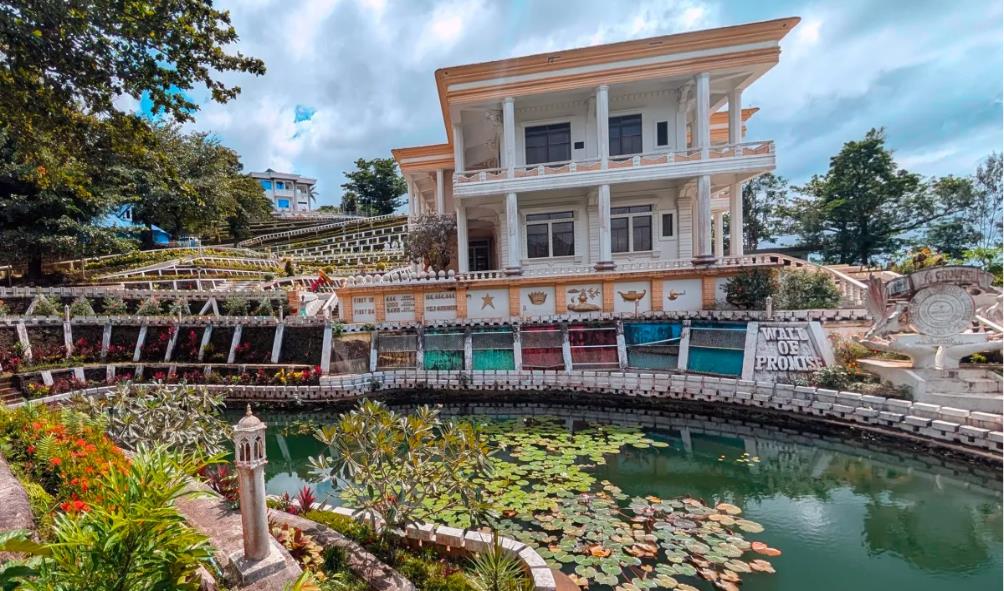
You'll discover local festivals that celebrate both historical events and new achievements, uniting residents and visitors alike. As infrastructure improves, education and healthcare access expand, empowering the younger generation to thrive.
In Dinagat, you witness a unique blend of the past and the present, offering a glimpse into a promising future.
Conclusion
In conclusion, the history of the Dinagat Islands showcases a vibrant blend of indigenous cultures and external influences that shaped its identity. From the resilience of the Mamanwa and Lumad peoples to the impacts of colonization and modern governance, the islands have evolved while preserving their rich traditions. As you explore Dinagat today, you’ll witness how the past informs the present, fostering a unique community spirit and a promising path toward future development.
Statistics
- Historical records indicate that Spanish explorers mapped the Dinagat Islands in the late 16th century.
- Dinagat Islands was officially established as a separate province from Surigao del Norte in September 2006.
- Mining operations have been a major economic activity in the Dinagat Islands since the early 1990s.
- The province consists of six municipalities, each contributing to its diverse cultural heritage.
External Links
- World History Encyclopedia presents an in-depth look at the historical events that shaped the Dinagat Islands.
- National Archives of the Philippines holds historical documents and records pertaining to the Dinagat Islands.
- Wikipedia page on Dinagat Islands provides a comprehensive overview of its history and development.
- History of the Philippines section dedicated to the heritage and past of the Dinagat Islands.
How to Research the Early History of the Dinagat Islands
Begin by consulting primary sources such as historical maps and explorers' journals that date back to the 16th century when Spanish explorers first documented the Dinagat Islands. Visit local archives and libraries in the Philippines to access colonial records and maritime logs. Engaging with local historians and elders can provide oral histories that offer unique insights into the islands' early settlements and interactions. Additionally, academic journals and publications on Philippine history often contain detailed analyses of the Dinagat Islands' formative years. Combining these resources will provide a comprehensive understanding of the islands' early history.
Plan the perfect group trip, your way.
Get an instant personalized itinerary. We handle logistics, payments, and provide a dedicated itinerary, while local experts fine-tune every detail. Enjoy full freedom—without the stress of organizing it all.
https://escapetomexiconow.com/tourhero
Recommended Resources:
Discover where freedom, adventure, and opportunity await you.
https://escapetomexiconow.com/
https://escapetomexiconow.info/
https://escapetopanamanow.info/
https://escapetothephilippinesnow.com/
YouTube Channel:
Your next adventure starts here! Join us on YouTube for destination tours, insider advice, and everything you need to make your escape unforgettable.
https://www.youtube.com/@EscapeToMexicoNow