When you explore the history of Davao Oriental, you’ll uncover a tapestry woven from the lives of early indigenous communities like the Mandaya and Manobo. Their sustainable practices and rich traditions faced challenges with the arrival of Spanish colonizers. As you trace the timeline through American governance and the trials of World War II, you’ll start to see how these events shaped the province’s identity today. But what comes next in this complex narrative?
Early Indigenous Communities
As you delve into the early indigenous communities of Davao Oriental, you'll discover a rich tapestry of cultures that thrived long before the arrival of outsiders.
These groups, primarily the Mandaya, Manobo, and Sama-Bajau, cultivated their unique identities through intricate traditions, languages, and spiritual beliefs. They relied on agriculture, fishing, and hunting, sustaining themselves through sustainable practices that respected the land.
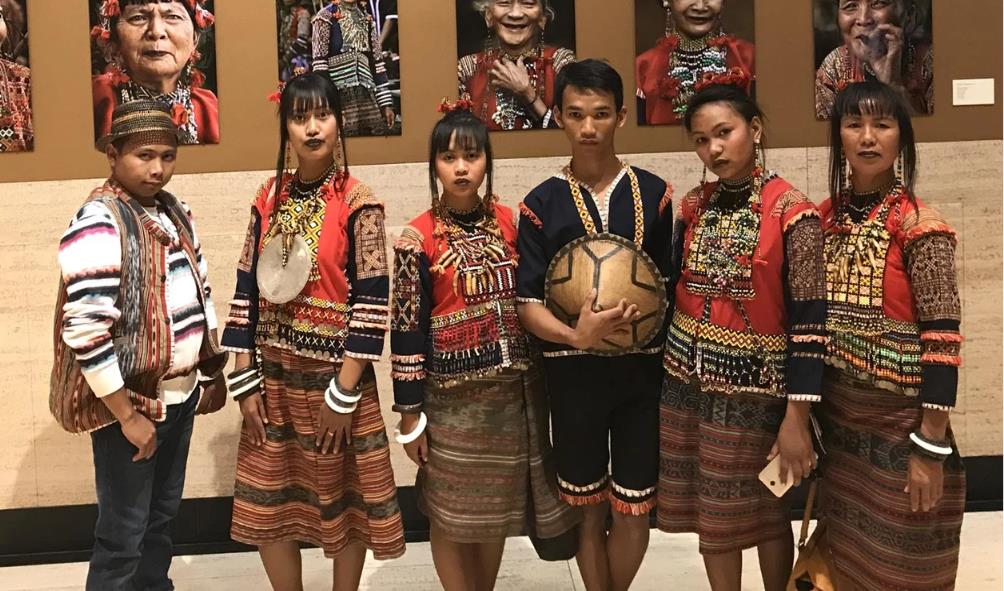
Community life revolved around kinship and cooperation, with rituals and festivals celebrating their connection to nature. Oral histories passed down generations highlight their struggles and triumphs, showcasing their resilience.
The artistry in their crafts, from weaving to pottery, reflects their deep-rooted connection to their environment. Understanding these communities offers valuable insights into the rich heritage that shaped Davao Oriental.
Spanish Colonization and Its Impact
The arrival of Spanish colonizers in the 16th century marked a significant turning point for Davao Oriental's indigenous communities.
You’d witness the introduction of Christianity, which transformed spiritual beliefs and practices. The Spaniards established missions, leading to the spread of new customs and traditions.
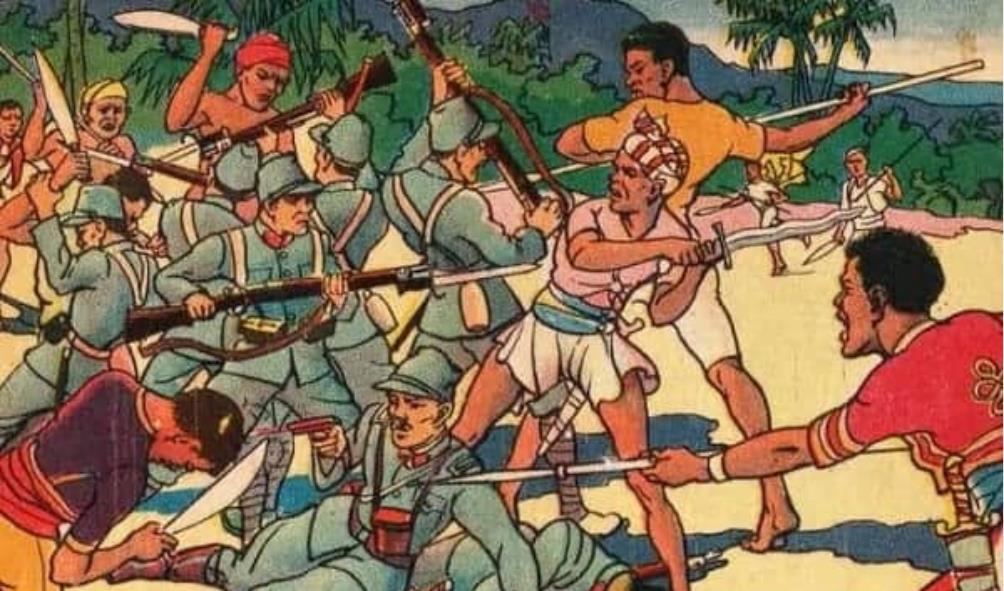
You might also notice how the colonizers exploited local resources, disrupting traditional livelihoods. The forced labor system, known as "polo y servicio," changed the social structure, often leading to resentment among the locals.
As the Spanish imposed their governance, you’d see a shift in power dynamics, with indigenous leaders losing authority.
Despite resistance, many communities adapted, blending their customs with new influences, forever altering the cultural landscape of Davao Oriental.
American Occupation and Governance
While the Spanish colonization left a lasting impact on Davao Oriental, the arrival of American forces in the early 20th century introduced a new era of governance and development.
You’ll notice significant changes as the Americans implemented a more structured administration. They focused on education, establishing schools that improved literacy rates among locals.
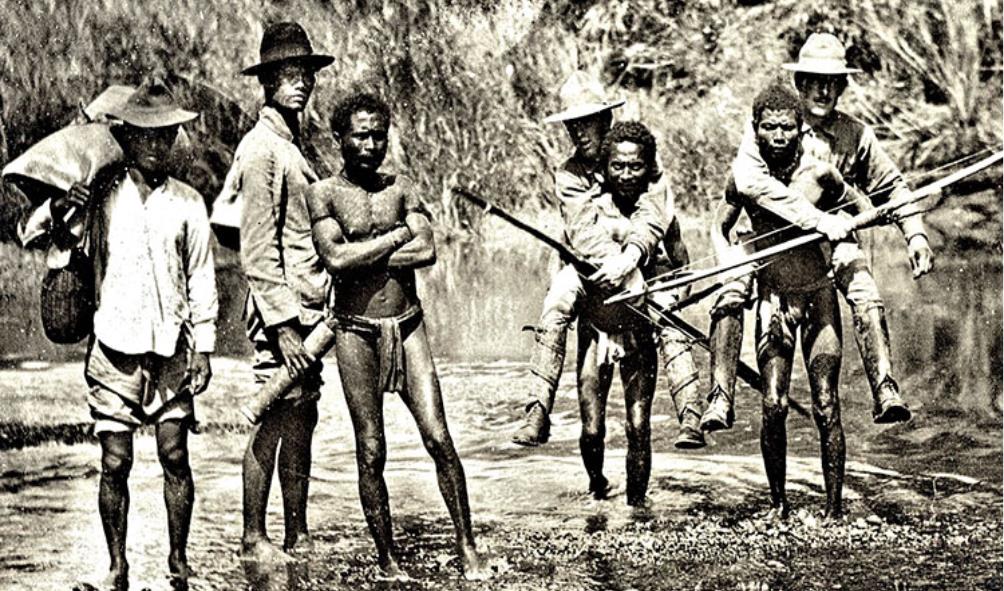
Infrastructure projects, like roads and bridges, connected remote areas, enhancing trade and mobility. The introduction of new agricultural practices also transformed farming and boosted the local economy.
Additionally, the Americans promoted a sense of civic engagement, encouraging locals to participate in governance. This period marked a shift towards modernization, laying the groundwork for future growth and development in Davao Oriental, ultimately changing the region’s socio-economic landscape.
World War II and Its Aftermath
Although Davao Oriental experienced significant advancements during the American occupation, the outbreak of World War II brought turmoil and disruption to the region.
Japanese forces invaded in 1942, leading to widespread fear and uncertainty. You'd witness the rapid shift in governance as the Japanese military took control, enforcing strict rules and regulations.
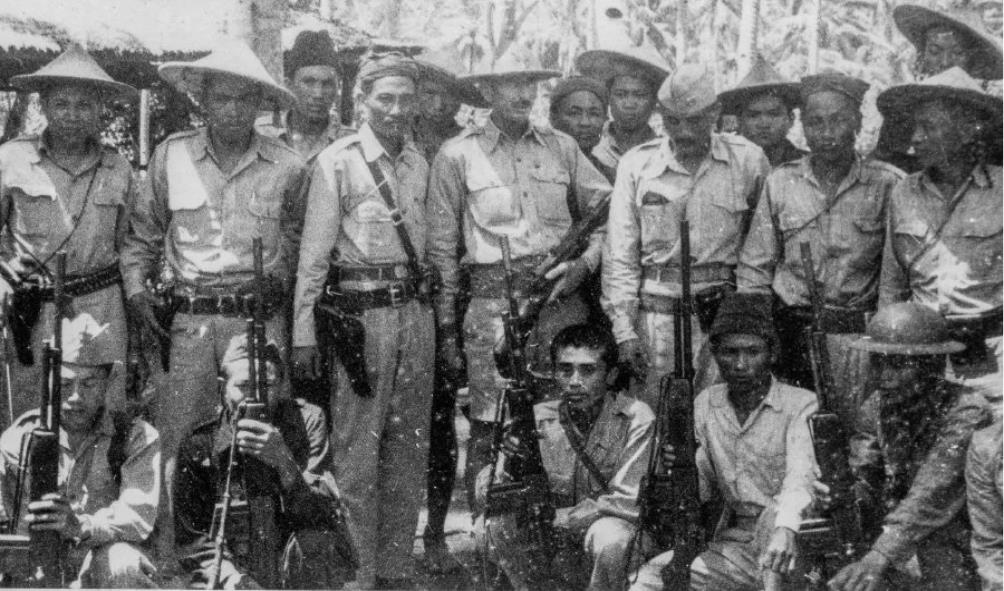
Life changed dramatically; food scarcity and forced labor became common as locals struggled to survive. Resistance movements emerged, showing courage amidst oppression.
The liberation in 1945 marked a turning point, but the scars of war remained. Many families faced loss and devastation, while infrastructure lay in ruins.
As you reflect on this period, you can appreciate the resilience of the Davao Oriental people in the face of adversity and their determination to rebuild.
Post-War Development and Modernization
As Davao Oriental emerged from the shadows of World War II, the region quickly turned its focus to rebuilding and modernization.
You’ll notice that infrastructure development became a priority, with roads, bridges, and schools constructed to support the growing population.
Agricultural advancements followed suit, as farmers adopted modern techniques to boost productivity and ensure food security.
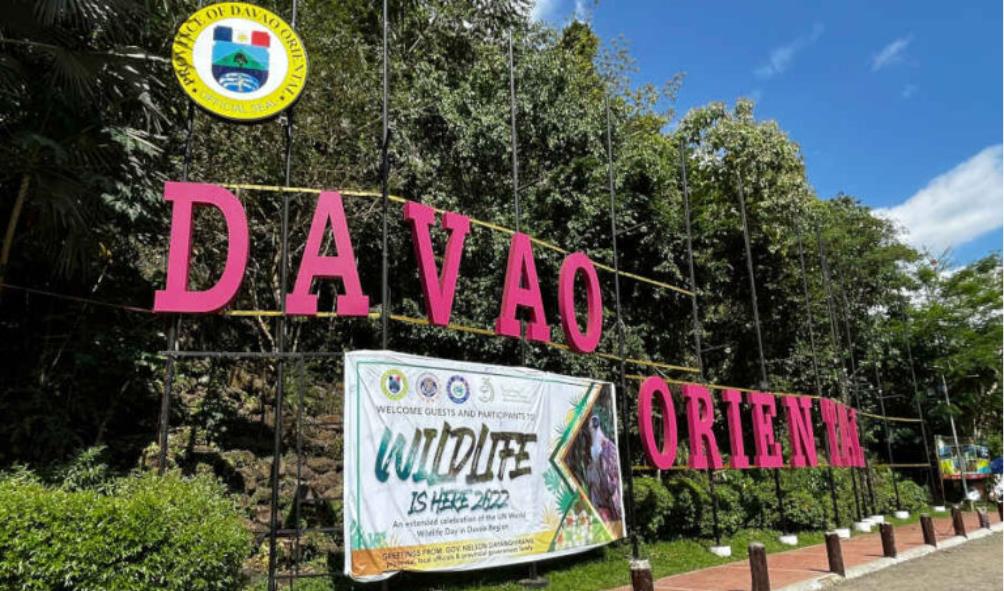
The government invested in health and education, improving access to essential services.
By fostering local industries, the region began to diversify its economy, creating job opportunities for residents.
You might find it fascinating that the rich natural resources of Davao Oriental attracted investments, enabling further growth.
This era laid the groundwork for a vibrant, progressive region that continues to evolve today.
Cultural Heritage and Contemporary Identity
With a solid foundation built through post-war development, Davao Oriental has nurtured a rich cultural heritage that shapes its contemporary identity.
You’ll find a vibrant blend of indigenous traditions and modern influences that reflect the province's diverse history. Festivals like the Buwan ng Wika and the Kadayawan showcase local art, music, and cuisine, inviting you to engage with the community's spirit.
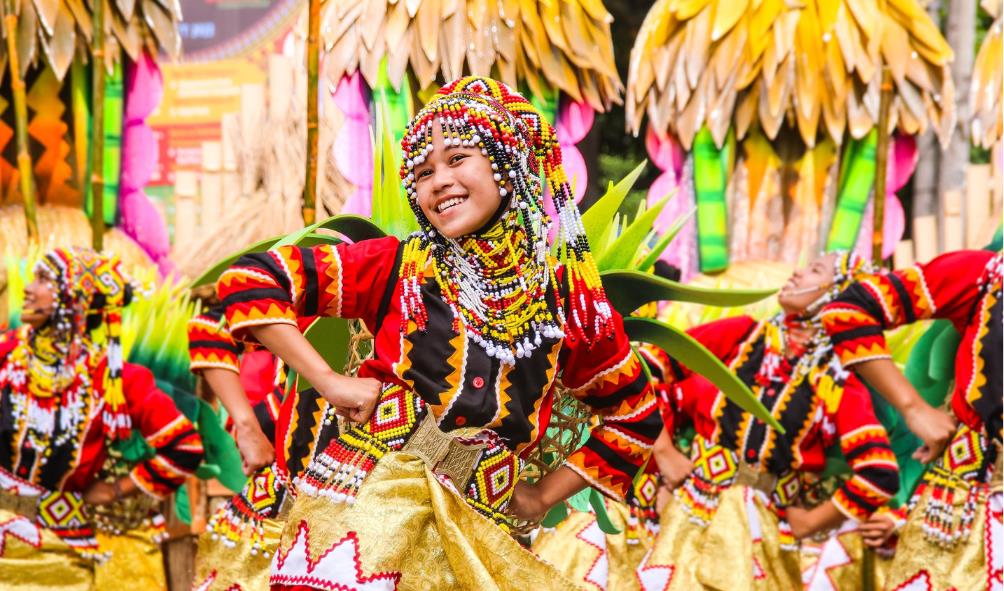
The preservation of ancestral customs, such as the Lumad’s rituals, emphasizes the importance of cultural continuity. At the same time, contemporary artists and musicians draw inspiration from these traditions, creating a unique fusion that resonates with both locals and visitors.
This dynamic cultural landscape not only honors the past but also paves the way for future generations to celebrate their identity.
Conclusion
In exploring the history of Davao Oriental, you see a tapestry woven from the resilience of its indigenous communities and the impacts of colonization. Each era, from Spanish rule to American governance and the trials of World War II, has shaped the province's identity. Today, Davao Oriental stands as a testament to its rich cultural heritage and the strength of its people, reflecting a unique blend of tradition and modernity that continues to thrive.
Statistics
- Tourism in Davao Oriental has increased by 25% annually since the early 2000s, highlighting its growing importance in the province's history.
- By the year 2000, Davao Oriental's population had grown to over 600,000 residents, reflecting significant demographic changes since its establishment.
- During World War II, Davao Oriental was occupied by Japanese forces for approximately three years, from 1942 to 1945.
- The historical town of Mati in Davao Oriental was founded in 1848, serving as a key center for trade and governance in the region.
External Links
- Wikipedia: Davao Oriental provides a comprehensive overview of the province's history, geography, and culture.
- Philippine-History.org: Davao Oriental explores the province's role in national historical contexts and local heritage.
- Philippines Travel Guide: History of Davao Oriental highlights important historical sites and their significance in the region.
- Britannica: Davao Oriental presents an in-depth look at the province's historical background and key milestones.
How to Examine the Growth of Tourism in Davao Oriental
Examining the growth of tourism in Davao Oriental involves tracing its development from local attractions to a significant economic driver. Collect historical data on visitor numbers, marketing strategies, and infrastructure improvements over the years. Identify key milestones, such as the establishment of landmarks like Mount Hilong-hilong or the discovery of pristine beaches. Analyze government and private sector initiatives aimed at promoting tourism and their effectiveness. Additionally, assess the socio-economic and environmental impacts of increased tourism, ensuring a balanced understanding of its benefits and challenges.
Want to travel with more time and freedom?
The freedom to travel! Discover free & unique homestays around the world, in exchange for caring for adorable pets.
https://escapetomexiconow.com/ths
Recommended Resources:
Ready to explore life beyond borders? Check out our trusted guides to Mexico, Panama, and the Philippines — your gateways to new adventures, culture, and opportunity.
https://escapetomexiconow.com/
https://escapetomexiconow.info/
https://escapetopanamanow.info/
https://escapetothephilippinesnow.com/
YouTube Channel:
See Mexico like never before! From local culture to travel hacks, our YouTube channel brings the adventure straight to you.
https://www.youtube.com/@EscapeToMexicoNow