When you think about Davao De Oro, its rich history often comes to mind. From the resilience of its early inhabitants to the transformative impacts of colonization and modernization, each era has shaped the province in unique ways. You'll find that understanding this history is key to appreciating the vibrant culture and community that exist today. But what challenges and opportunities lie ahead for Davao De Oro?
Early Inhabitants and Indigenous Cultures
As you explore the history of Davao De Oro, you'll discover that its early inhabitants were primarily composed of various indigenous groups, each with their unique cultures and traditions.
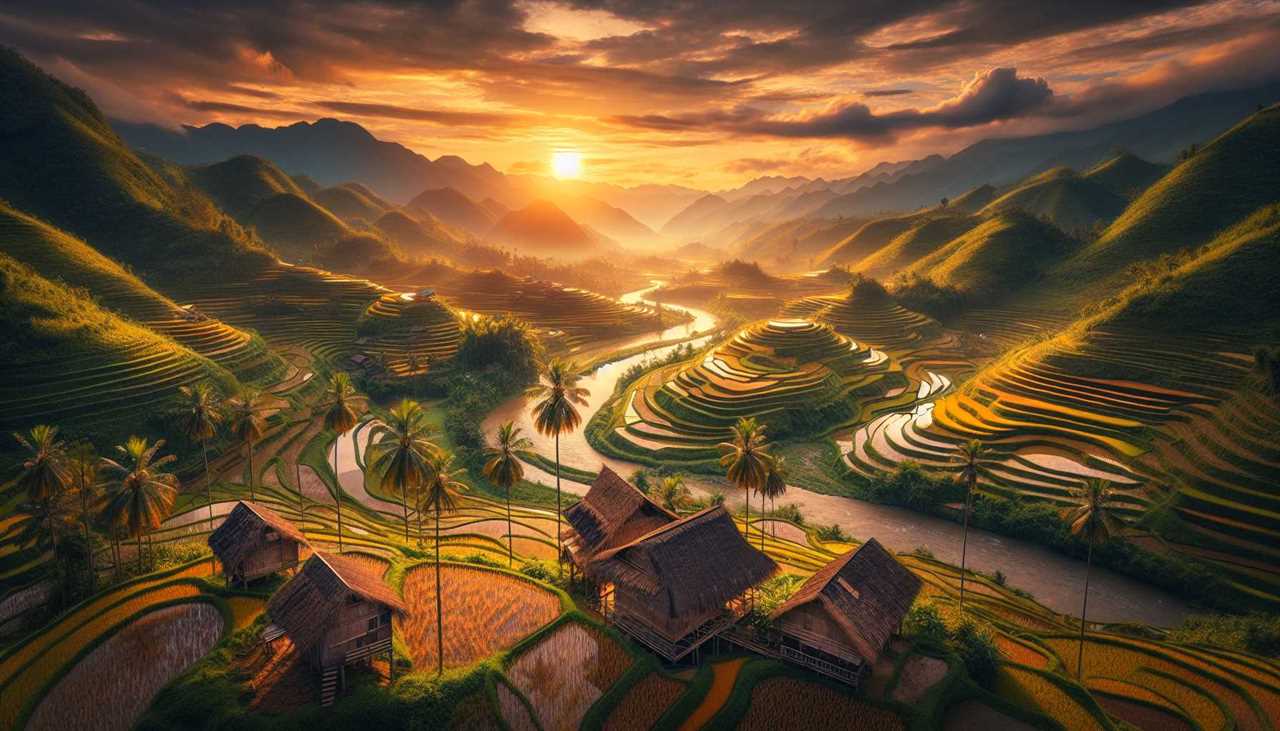
The Lumad, including the Mandaya and Matigsalug, played a crucial role in shaping the region's identity. They practiced sustainable agriculture, utilizing the rich land and abundant resources to thrive.
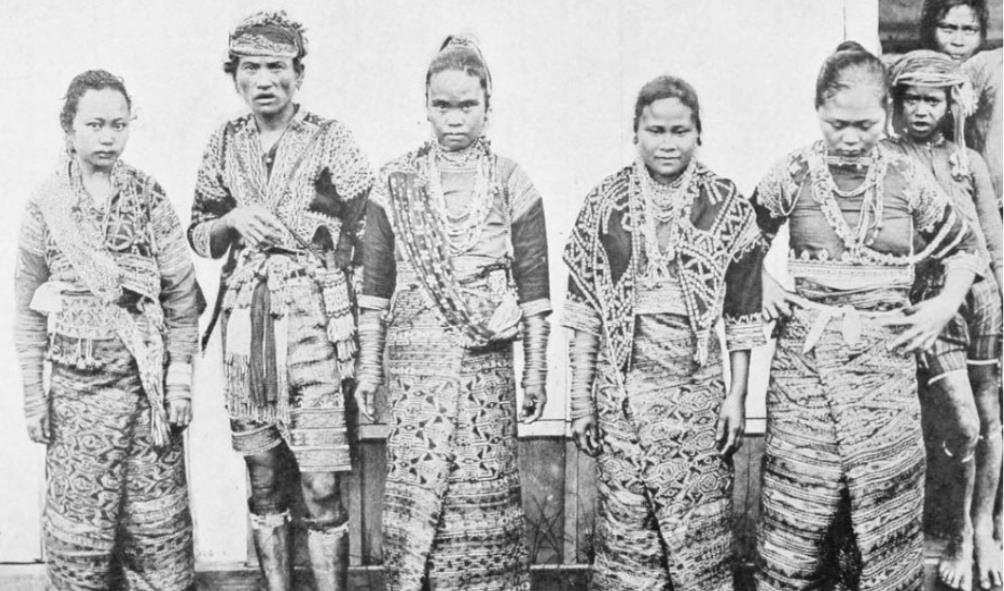
You'll find that their deep connection to nature influenced their spiritual beliefs, leading to vibrant rituals and ceremonies.
As you delve deeper, you'll see how these groups preserved their languages, arts, and crafts, passing them down through generations.
The resilience of these indigenous cultures laid a strong foundation for Davao De Oro, creating a rich tapestry of heritage that continues to inspire its people today.
Spanish Colonization and Its Impact
Although the Spanish arrived in the Philippines in the 16th century, their colonization significantly altered the social and cultural landscape of Davao De Oro.
You'd notice how the introduction of Christianity transformed indigenous beliefs, as many locals embraced the new faith. Spanish settlers established missions and schools, promoting education and literacy among the populace.
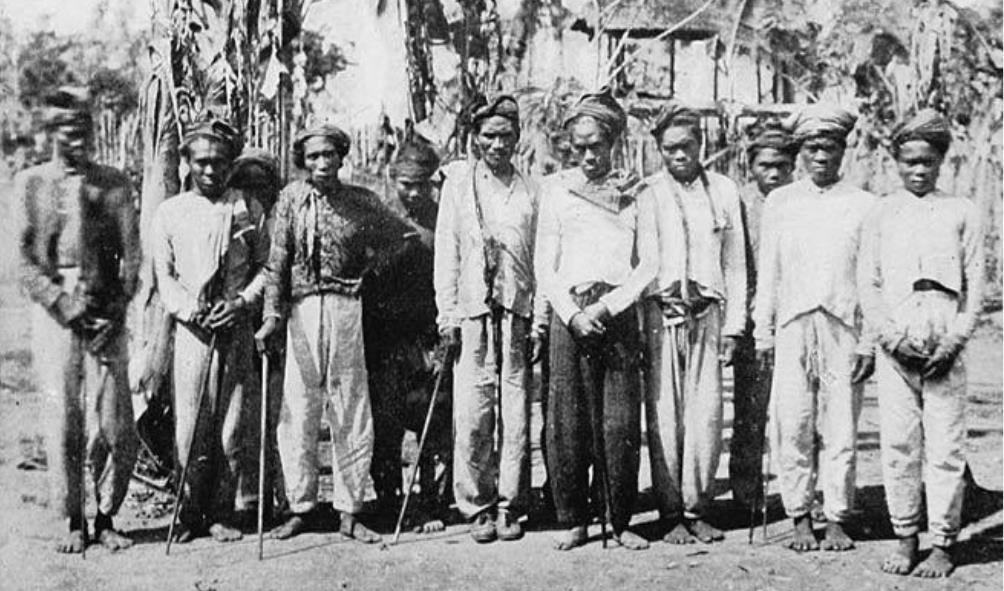
As a result, you’d see a blend of cultures, with local customs merging with Spanish influences in art, cuisine, and language.
Furthermore, the Spanish imposed new agricultural practices, which reshaped local economies and lifestyles. This period also brought about land disputes, affecting indigenous communities.
Ultimately, the Spanish era laid the groundwork for future developments, leaving a lasting imprint on Davao De Oro's identity and heritage.
American Period and Development Changes
The arrival of American colonizers in the early 20th century brought profound changes to Davao De Oro, significantly impacting its development.
You'd notice the introduction of new agricultural practices, especially in the cultivation of crops like coconut and rubber.
The Americans also established infrastructure, building roads and schools that connected communities and improved access.
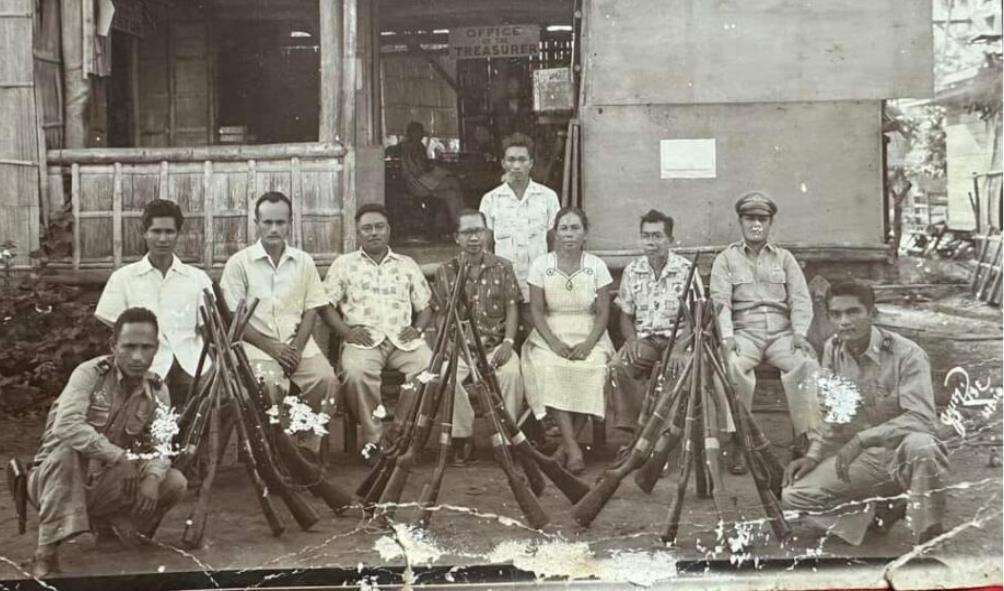
With the promotion of trade, the region began to flourish economically, attracting settlers and laborers.
You might see how the establishment of government structures changed local governance, emphasizing the rule of law and civic responsibility.
The American influence shaped not only the landscape but also the social fabric of Davao De Oro, paving the way for modernization and development that would benefit its residents in countless ways.
Post-World War II Reconstruction
While World War II left Davao De Oro in ruins, the post-war period marked a time of significant reconstruction and revitalization.
You'd see communities banding together to rebuild homes, schools, and infrastructure. Local leaders and residents worked tirelessly to restore what was lost, with an emphasis on agriculture and trade to revive the economy.
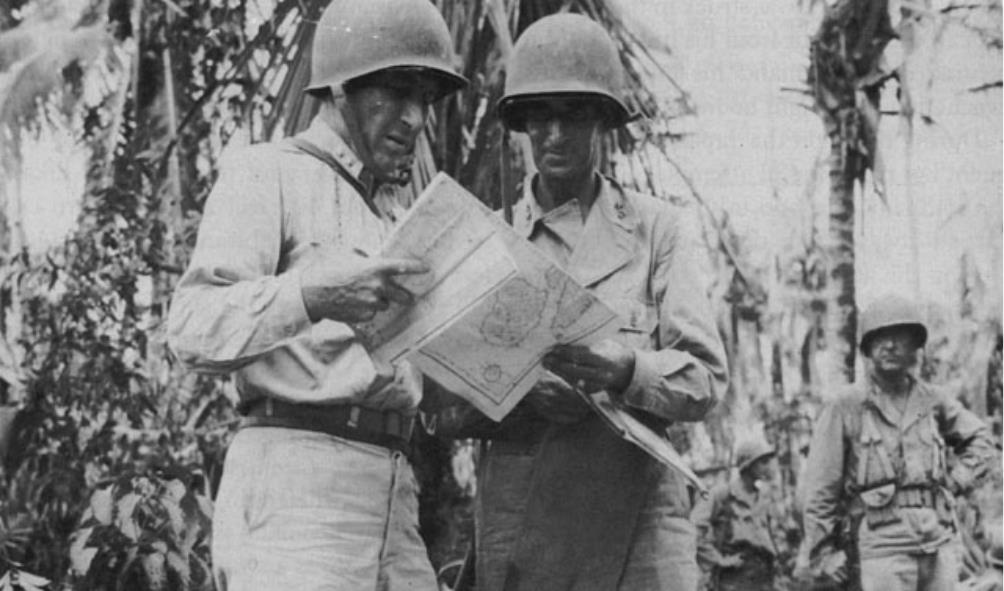
The government provided assistance, launching programs to support farmers and small businesses. Roads were repaired, making it easier for goods and services to flow.
As you walked through the area, you'd notice a spirit of resilience and determination among the people. They weren't just rebuilding structures; they were restoring hope and a sense of community, laying the groundwork for a brighter future in Davao De Oro.
The Birth of Davao De Oro Province
As communities thrived in the aftermath of World War II, Davao De Oro emerged as a province in 1992, carving its identity from the larger Davao del Norte. This transition marked a significant moment for the region, allowing residents to establish a government that better addressed their unique needs and aspirations.
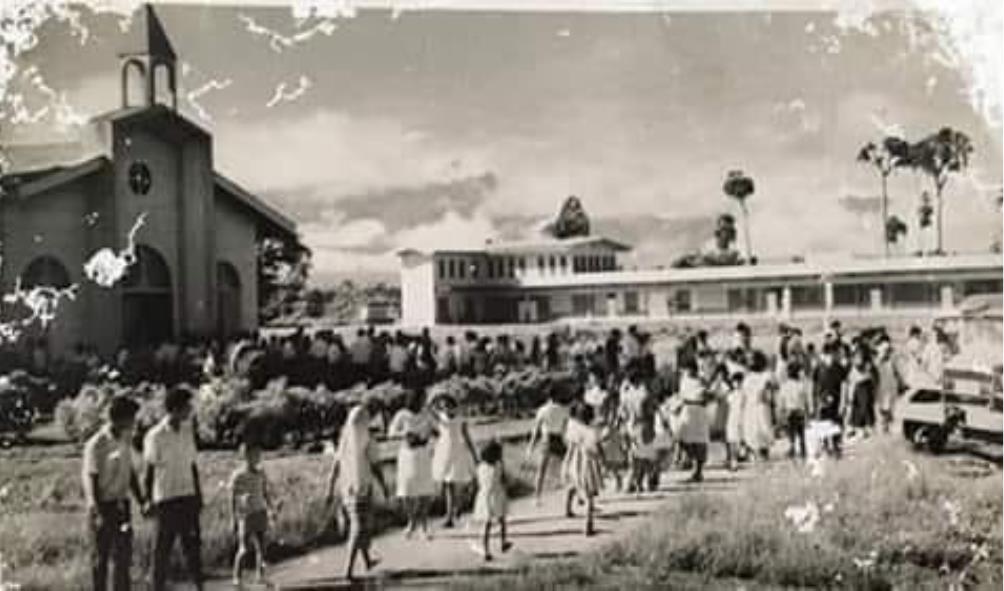
You’d witness the excitement as local leaders and citizens united, advocating for greater autonomy and development. The creation of Davao De Oro sparked a renewed sense of pride, as it highlighted the rich cultural heritage and natural resources that defined the area.
With its formation, you could see the potential for growth and progress, laying the groundwork for a brighter future for the communities within this newly formed province.
Economic Growth Through Agriculture and Mining
Davao De Oro has seen significant economic growth, primarily driven by agriculture and mining.
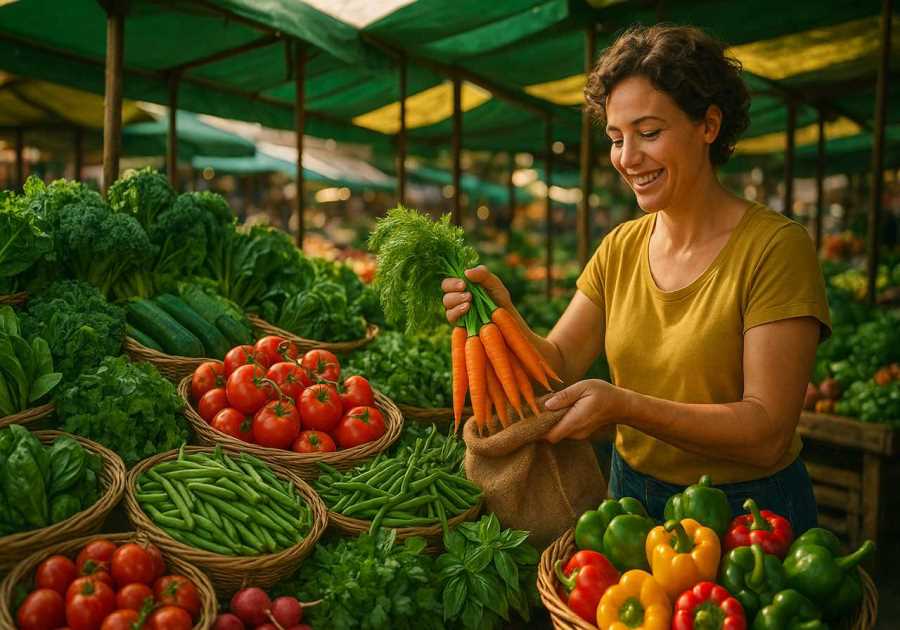
You’ll notice that the fertile lands support diverse crops, including bananas, coconuts, and rice, which contribute to the local economy. Many farmers utilize modern techniques, boosting productivity and ensuring sustainable practices.
Mining also plays a crucial role, with gold and copper being the main resources. You can observe numerous mining operations that create jobs and attract investments.
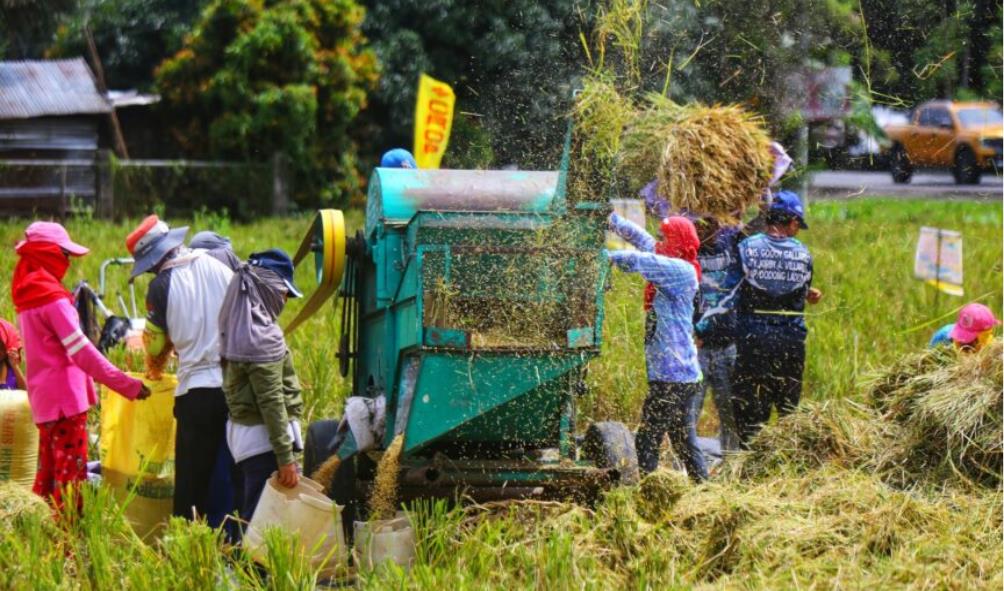
However, it’s essential to balance these activities with environmental concerns.
As you explore the province, you’ll see how these sectors not only enhance livelihoods but also help in developing infrastructure, education, and community services.
This growth sets a solid foundation for Davao De Oro's future prosperity.
Cultural Diversity and Heritage
The economic growth fueled by agriculture and mining has attracted a mix of cultures and traditions to Davao De Oro.
You’ll discover a vibrant tapestry of ethnic groups, including the indigenous Lumads and settlers from various regions, each contributing unique customs and practices.
Festivals like the Davao de Oro Festival showcase this diversity, blending traditional dances, music, and culinary delights that reflect the region's rich heritage.
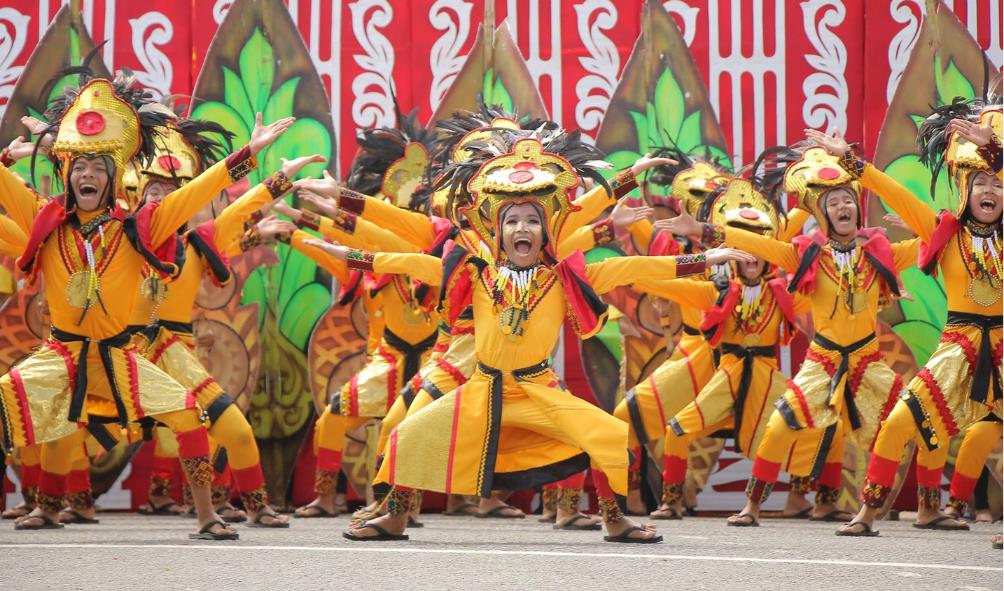
As you explore, you'll encounter local artisans preserving age-old crafts alongside modern influences, creating a dynamic cultural landscape.
The people's warm hospitality and shared stories further enrich your experience, allowing you to appreciate the harmony amid diversity.
This cultural melting pot makes Davao De Oro a fascinating place to learn and grow.
Environmental Challenges and Conservation Efforts
While exploring Davao De Oro's stunning landscapes, you might also notice the environmental challenges that threaten its natural beauty.
Deforestation, driven by illegal logging and agricultural expansion, disrupts local ecosystems and wildlife habitats. Water pollution from mining activities harms rivers and lakes, affecting both aquatic life and communities relying on these resources. Climate change adds to the challenges, causing erratic weather patterns that impact agriculture and livelihoods.
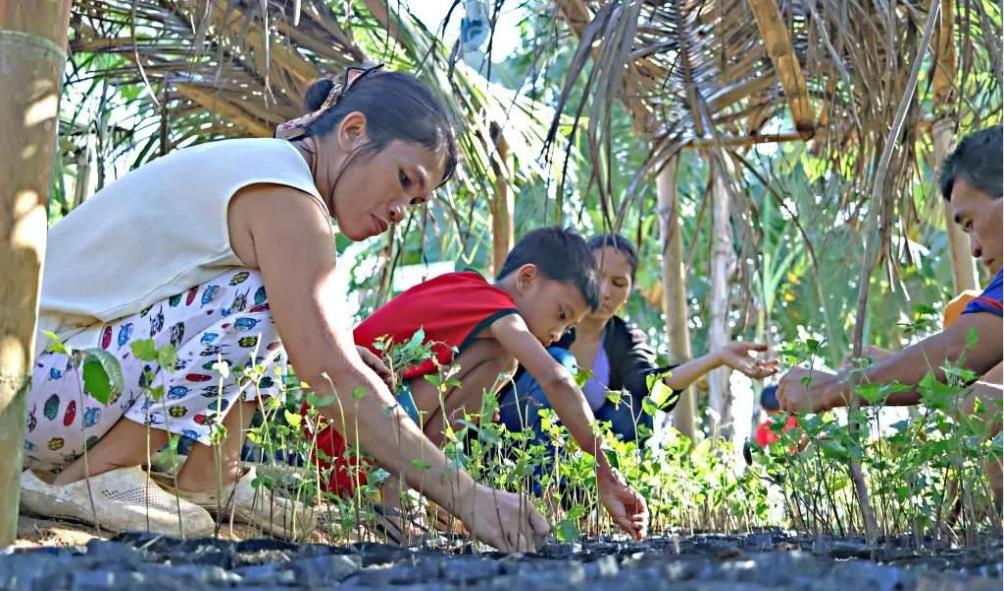
However, conservation efforts are underway. Local organizations and government initiatives focus on reforestation projects, promoting sustainable agriculture, and protecting biodiversity.
Engaging communities in conservation practices is crucial, as their involvement fosters a sense of stewardship. By supporting these efforts, you can help preserve Davao De Oro's unique environment for future generations.
Tourism Development and Attractions
As conservation efforts take shape, tourism in Davao De Oro is blossoming, showcasing the region's natural wonders and cultural heritage.
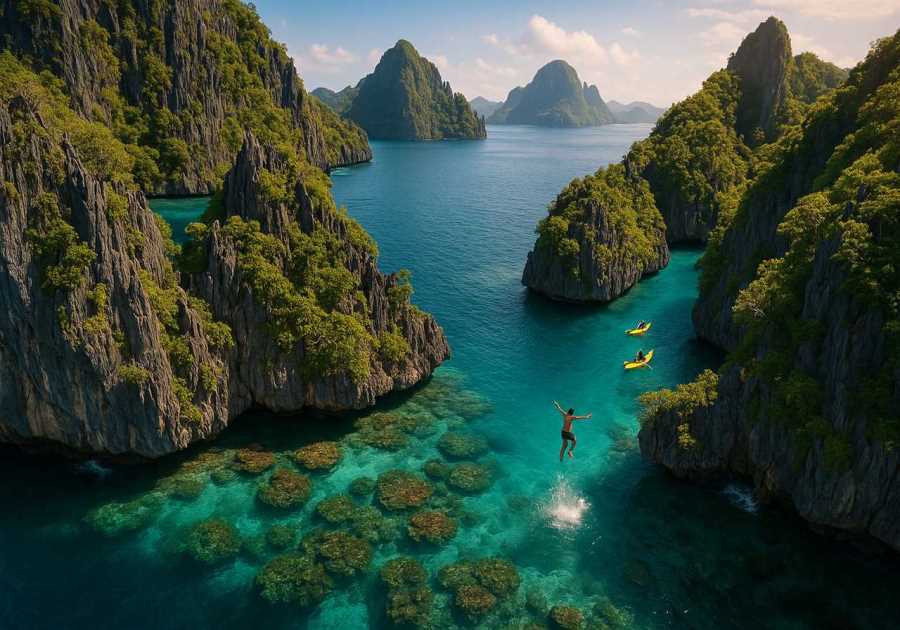
You’ll find breathtaking landscapes, from lush mountains to pristine beaches, perfect for adventure seekers and nature lovers alike. Explore the thrilling trails of Mount Apo, the tallest peak in the Philippines, or relax on the serene shores of the beaches along the coastline.
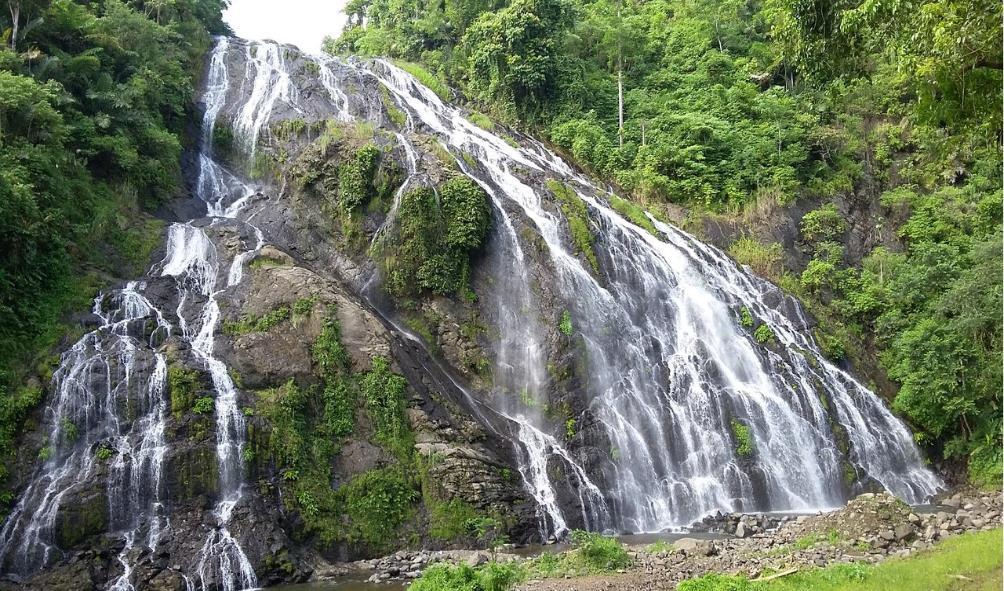
Don’t miss the chance to immerse yourself in the local culture, with vibrant festivals and traditional crafts that tell stories of the region's rich history.
You can savor the delicious local cuisine, featuring fresh produce and unique flavors. With so much to offer, Davao De Oro is quickly becoming a must-visit destination for travelers seeking an authentic experience.
Future Prospects and Community Resilience
With a focus on sustainability and community involvement, Davao De Oro is poised for a bright future. You’ll see local initiatives thriving as residents actively engage in preserving their environment and culture. This commitment to sustainability will attract investments and boost economic growth.
By fostering partnerships among government, businesses, and communities, Davao De Oro can create job opportunities and elevate living standards.
You’ll also notice an emphasis on education and skills training, equipping the youth for future challenges. Community resilience will strengthen as residents unite to address issues like climate change and natural disasters.
Together, you’ll build a vibrant, sustainable future that honors the rich heritage of Davao De Oro while adapting to new opportunities.
Conclusion
In exploring the history of Davao De Oro, you see a vibrant tapestry woven from its indigenous roots, colonial influences, and modern developments. This province stands as a testament to resilience and cultural richness, balancing growth with sustainability. As you look ahead, the community's commitment to preserving its heritage while tackling environmental challenges offers hope for a thriving future. By embracing both tradition and innovation, Davao De Oro is poised to navigate the complexities of contemporary life with strength.
Statistics
- The population of Davao de Oro increased by 15% between 2000 and 2010.
- The number of educational institutions in the province expanded by 30% over the past two decades.
- Agriculture has consistently been the leading sector, providing employment for 60% of the province's workforce.
- Davao de Oro was officially established as a province on March 8, 1998.
External Links
- [National Museum - History of Davao de Oro](https://www.nationalmuseum.gov.ph/history/davao-de-oro) Learn about the cultural and historical significance of the region.
- [Tourism Davao de Oro - Historical Sites](https://www.tourismdavaodeoro.gov.ph/historical-sites) Discover the key historical landmarks that define Davao de Oro.
- [Philippine News: Davao de Oro Renaming](https://www.philippine-news.com/davao-de-oro-renaming) An article covering the recent name change from Compostela Valley to Davao de Oro.
- [Wikipedia: Davao de Oro](https://en.wikipedia.org/wiki/Davao_de_Oro) Explore detailed information about the origins and evolution of Davao de Oro.
How To Explore the Cultural Heritage of Davao de Oro
The cultural heritage of Davao de Oro is characterized by its diverse indigenous groups and their traditions. The province is home to various tribes, each with unique customs, languages, and practices that contribute to the region’s rich cultural mosaic. Preserving cultural heritage involves documenting traditional practices, supporting local artisans, and celebrating festivals that highlight the province’s history. Engaging with community leaders and cultural organizations can provide deeper insights into the vibrant cultural landscape of Davao de Oro.
Plan the perfect group trip, your way.
Get an instant personalized itinerary. We handle logistics, payments, and provide a dedicated itinerary, while local experts fine-tune every detail. Enjoy full freedom—without the stress of organizing it all.
https://escapetomexiconow.com/tourhero
Recommended Resources:
Discover where freedom, adventure, and opportunity await you.
https://escapetomexiconow.com/
https://escapetomexiconow.info/
https://escapetopanamanow.info/
https://escapetothephilippinesnow.com/
YouTube Channel:
Your next adventure starts here! Join us on YouTube for destination tours, insider advice, and everything you need to make your escape unforgettable.
https://www.youtube.com/@EscapeToMexicoNow