

When you think about Cotabato, you might picture its vibrant cultures and historical complexity. The early inhabitants, like the Maguindanao and Maranao, laid a foundation that would evolve dramatically with the arrival of Islam. This transformation set the stage for the Sultanate of Maguindanao, which thrived for centuries. But what happened when colonizers arrived? The story of Cotabato is far from straightforward, and the struggles for autonomy continue to shape its identity today.
Early Inhabitants and Indigenous Cultures
Although many people think of Cotabato as a modern region, its history is rich with diverse cultures and early inhabitants who shaped its identity. Long before colonization, indigenous groups like the Maguindanao, Maranao, and Ilonggo thrived in the area.
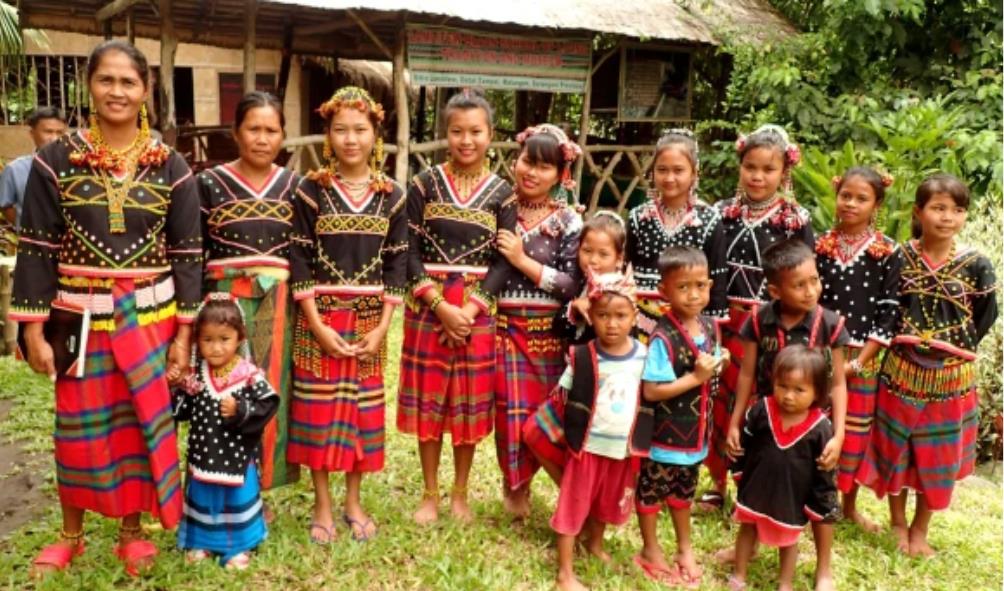
You'd discover that these communities had vibrant traditions, oral histories, and unique languages. They engaged in agriculture, fishing, and trade, establishing a complex social structure. Their rich folklore and customs still influence the region today.
As you explore Cotabato, you'll notice artifacts and remnants of these cultures, reminding you of the resilience and adaptability of its early inhabitants. This deep-rooted history adds layers to the region's modern identity, inviting you to appreciate its cultural tapestry.
The Arrival of Islam and the Sultanate Era
As Islam spread across the Philippines in the 13th century, Cotabato became a significant center for the new faith. You’d see the arrival of traders and missionaries who introduced Islamic teachings and practices, transforming the local culture.
The establishment of the Sultanate of Maguindanao marked a pivotal moment, as it unified various groups under a centralized leadership. The sultanate promoted trade, education, and the spread of Islam, creating a vibrant society.
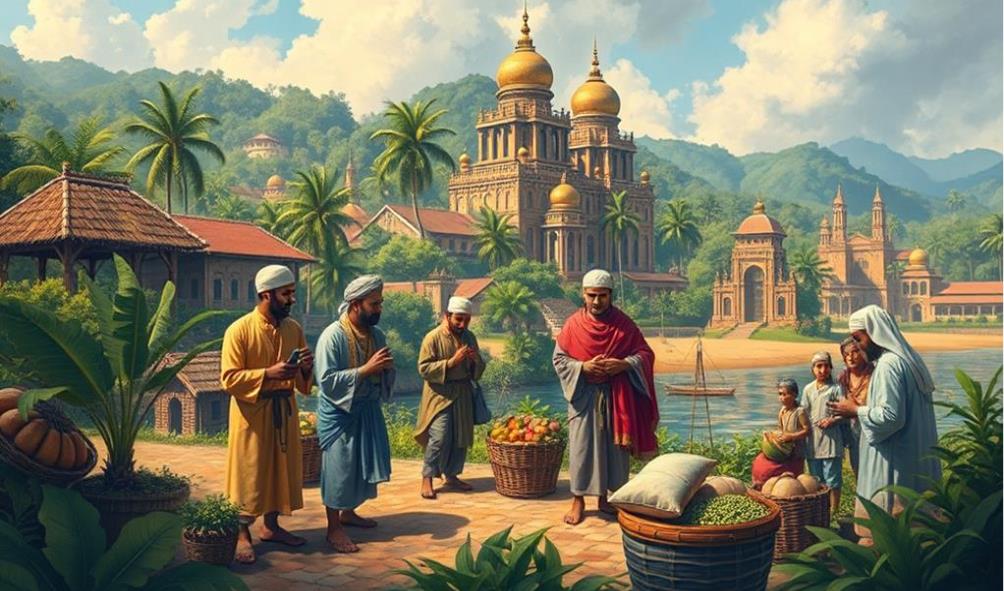
You’d witness the construction of mosques and the flourishing of Islamic arts and literature. This era fostered strong political structures and alliances, allowing Cotabato to thrive as a regional power.
The influence of Islam profoundly shaped the identity of Cotabato, leaving a lasting legacy that endures today.
Spanish Colonization and Its Impact
The arrival of the Spanish in the late 16th century marked a significant turning point for Cotabato, shifting the region's dynamics dramatically.
Spanish colonizers sought to expand their influence, leading to conflicts with local sultanates. You'd see the introduction of Christianity as missionaries aimed to convert the Muslim population, creating a cultural clash that would shape the region's identity for centuries.
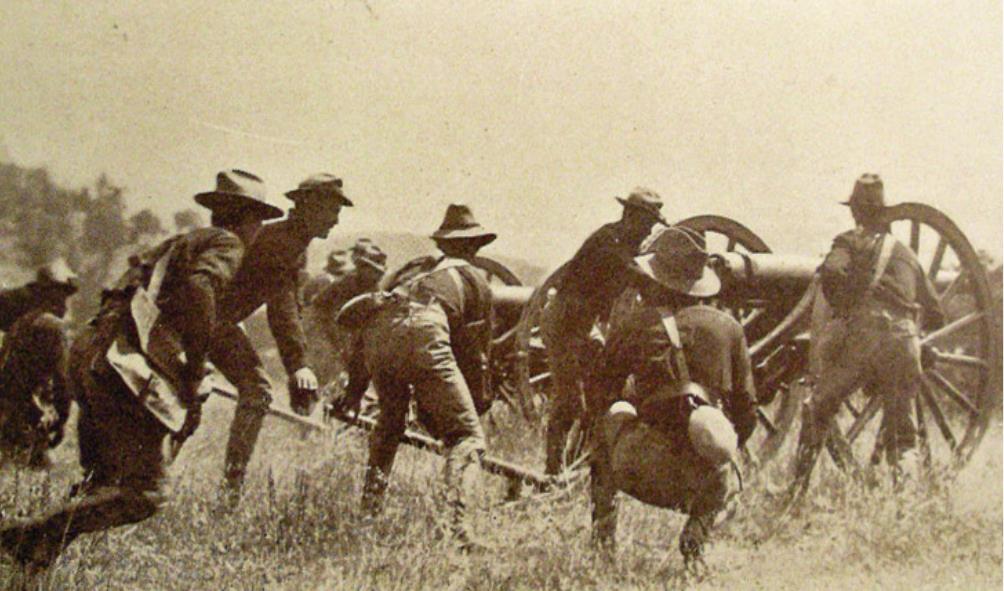
The Spanish implemented new governance structures, disrupting traditional systems and fostering resentment among the local leaders. Economic changes followed, as they exploited local resources and labor for their benefit.
This period laid the groundwork for future struggles over autonomy and identity, as Cotabato's people navigated the challenges of colonial rule, forever altering the landscape and social fabric of the region.
American Occupation and the Quest for Autonomy
With the arrival of American forces in the early 20th century, Cotabato faced a new chapter in its struggle for autonomy. You’d witness significant changes as the U.S. aimed to establish control over the region.
The Americans introduced new governance structures, but local leaders and communities resisted, yearning for self-determination. You might've felt the tensions as ethnic divisions deepened, complicating the quest for unity.
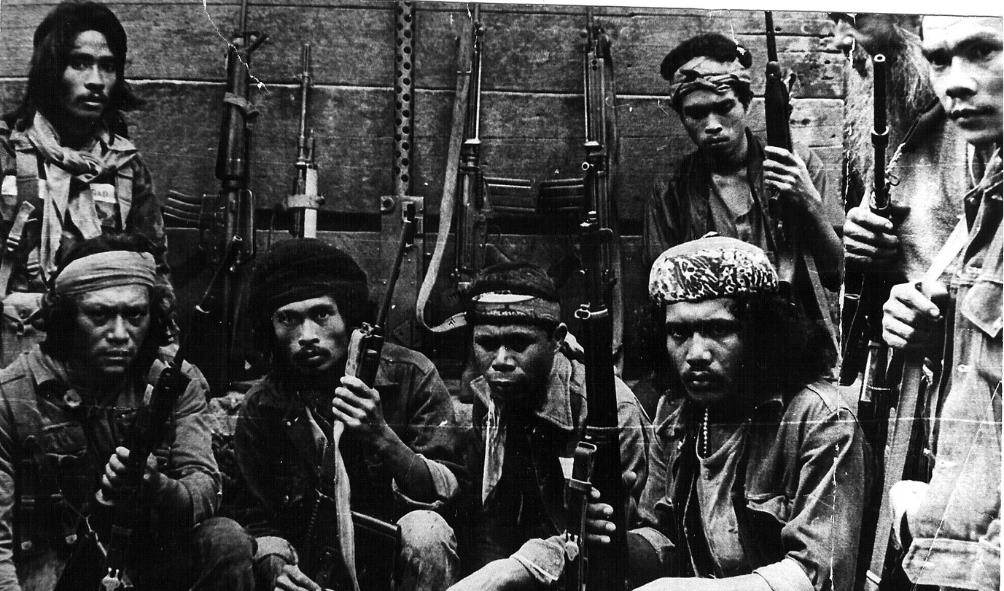
The American policies often marginalized Muslim populations, fueling discontent. As a result, various groups began to organize, advocating for their rights and greater autonomy.
You'd see the beginnings of movements that would shape Cotabato’s identity, highlighting the complexities of colonial rule. The desire for autonomy became a defining issue during this tumultuous period.
The Modern Era: Peace Processes and Development
While navigating the challenges of the late 20th century, Cotabato entered a modern era marked by peace processes and development initiatives.
You’ll see how various stakeholders, including the government and local communities, engaged in dialogue to address long-standing conflicts. The signing of the Comprehensive Agreement on the Bangsamoro in 2014 was a significant milestone, aiming to establish a more autonomous region.
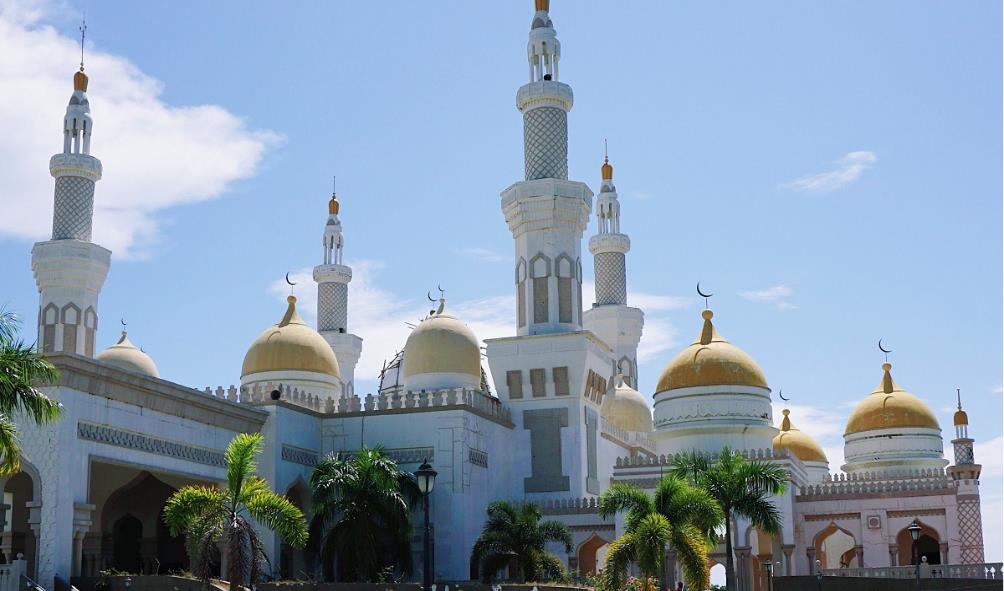
This agreement fostered hope for lasting peace and economic growth. You can observe increased investments in infrastructure, education, and healthcare, which have helped uplift local communities.
Additionally, grassroots organizations have emerged, empowering citizens to participate in decision-making. As you explore Cotabato today, you’ll witness a blend of cultural resilience and a commitment to building a brighter future.
Conclusion
In exploring Cotabato's history, you see a vibrant tapestry woven from indigenous cultures, the rise of Islam, and the impacts of colonization. Each era shaped the region’s identity, leading to the ongoing quest for autonomy and peace. As you reflect on these rich narratives, it's clear that understanding Cotabato's past is essential for appreciating its present and future. Embracing this heritage can inspire a stronger, more united community moving forward.
Statistics
- Cotabato was officially established as a province on July 1, 1914, during the American colonial period.
- In 2019, Cotabato contributed 3.8% to the regional GDP, underscoring its economic significance in the region.
- The Maguindanao Sultanate, a pivotal entity in Cotabato's history, governed an estimated 200,000 people in the early 19th century.
- From 2000 to 2010, Cotabato experienced a population growth rate increase of 40%, reflecting its expanding urban development.
External Links
- Province of Cotabato Official Website offers detailed information on the province's history and cultural heritage.
- Museo de Cotabato showcases artifacts and exhibits that reflect Cotabato's rich historical legacy.
- Academia.edu: Cotabato History hosts various scholarly articles detailing the province's historical narratives.
- National Commission for Culture and the Arts: Cotabato History highlights the cultural evolution of the region.
How to Explore Cotabato’s Role in World War II
Research the significant military events that took place in Cotabato between 1941 and 1945. Analyze the strategies employed by both Allied and Japanese forces in the region. Understanding the impact of these battles on the local population and infrastructure is crucial. Accessing archives, military records, and firsthand accounts from veterans can offer a comprehensive view of Cotabato’s involvement in the global conflict.
Want to travel with more time and freedom?
The freedom to travel! Discover free & unique homestays around the world, in exchange for caring for adorable pets.
https://escapetomexiconow.com/ths
Recommended Resources:
Ready to explore life beyond borders? Check out our trusted guides to Mexico, Panama, and the Philippines — your gateways to new adventures, culture, and opportunity.
https://escapetomexiconow.com/
https://escapetomexiconow.info/
https://escapetopanamanow.info/
https://escapetothephilippinesnow.com/
YouTube Channel:
See Mexico like never before! From local culture to travel hacks, our YouTube channel brings the adventure straight to you.
https://www.youtube.com/@EscapeToMexicoNow