Cebu City’s history is a fascinating journey that reveals its evolution from a bustling trading hub to a modern metropolis. You’ll find it intriguing how the arrival of Ferdinand Magellan in 1521 set the stage for profound changes, impacting everything from its culture to governance. As you explore this narrative, you might wonder how each era shaped the vibrant city you see today. What challenges and triumphs did Cebu face along the way?
Pre-Colonial Cebu: A Trading Hub
Have you ever wondered how Cebu became a vital trading hub long before the arrival of Spanish colonizers? Its strategic location along major maritime routes made it a melting pot of cultures and commerce.
Merchants from China, India, and the Malay Archipelago flocked to its shores, exchanging silk, spices, and pottery. Local communities thrived, engaging in trade not just with foreigners but also among themselves, enhancing their skills and resources.
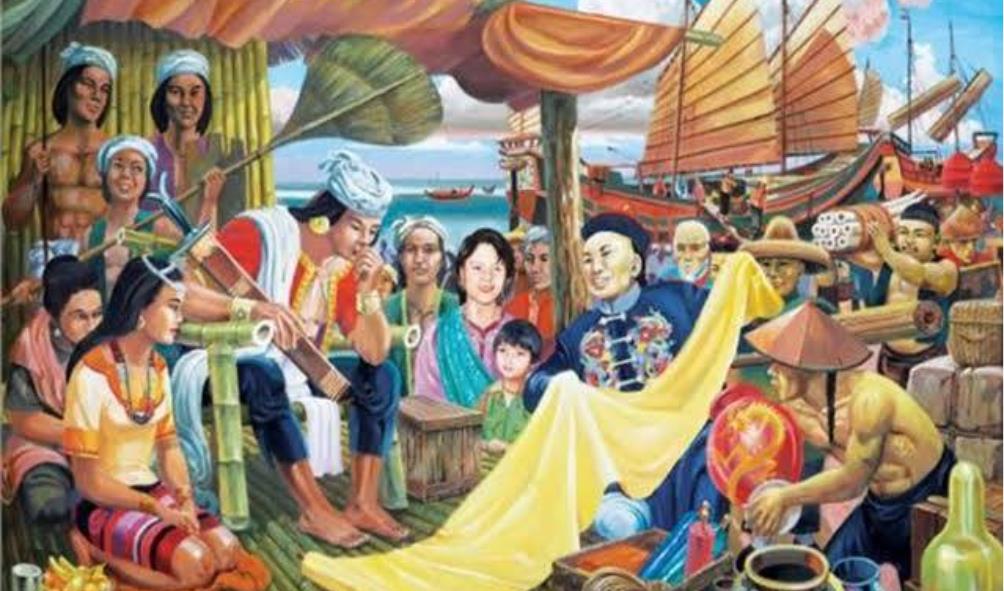
The abundance of natural resources, like fish and coconuts, ensured a sustainable economy. You’d find that this vibrant trading environment fostered a rich cultural exchange, shaping the identity of Cebuano society.
Ultimately, it laid the foundation for Cebu's significance in the region's history, long before European influences took hold.
The Arrival of Ferdinand Magellan
In 1521, Ferdinand Magellan's arrival marked a pivotal moment in Cebu's history, ushering in a new era of exploration and colonization.
You witness the excitement as his ships, the Trinidad and the Victoria, anchor in Cebu’s waters. The local chieftains, intrigued by these foreign visitors, engage in trade and dialogue.
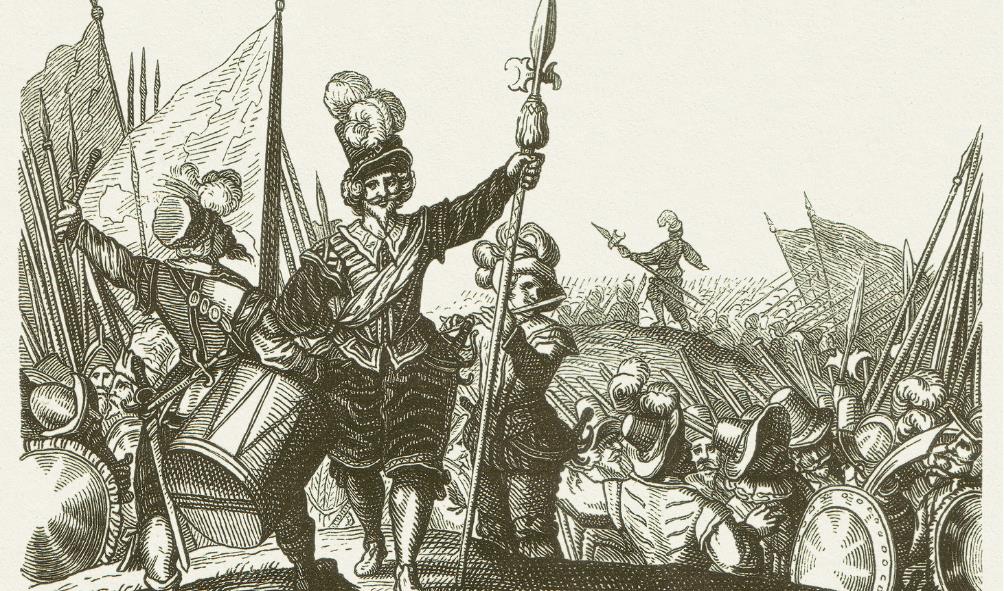
You can feel the tension and curiosity in the air as the Spaniards bring new technologies and ideas. Magellan's meeting with Rajah Humabon sets the stage for alliances and conflicts that will shape the region.
This encounter opens the door for future expeditions and the spread of Christianity, forever altering Cebu's cultural landscape. You realize that this event is just the beginning of a transformative journey for the island and its people.
The Spanish Colonization
As Ferdinand Magellan's expedition laid the groundwork, Spanish colonization of Cebu rapidly transformed the island’s social and political landscape.
You'd witness the arrival of missionaries, who spread Christianity, reshaping spirituality and cultural practices among the locals. Forts and settlements emerged, facilitating trade and strengthening Spanish control.
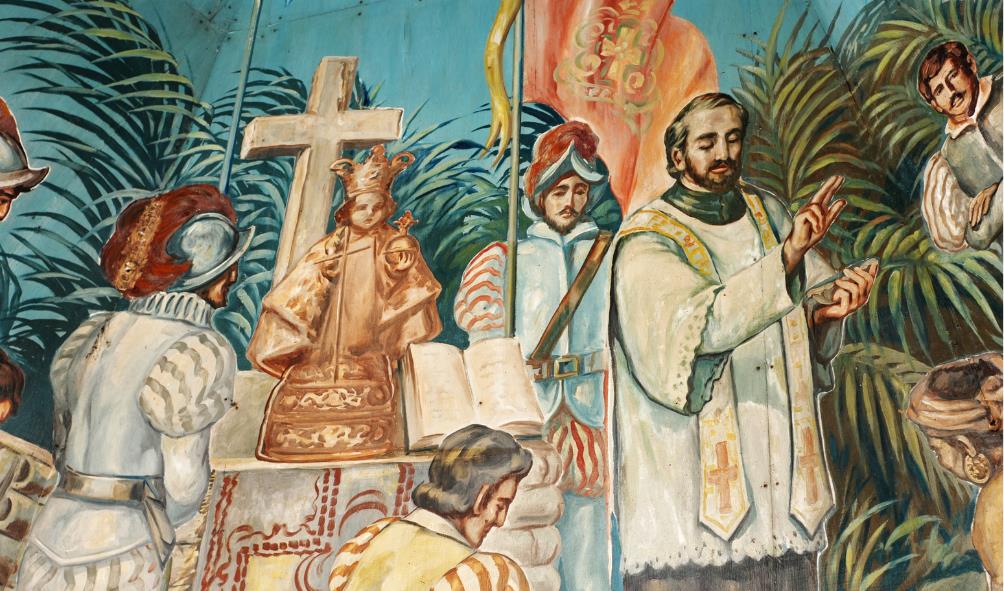
You'd see the establishment of a centralized government, replacing traditional chieftain systems. This new order brought significant changes, including the imposition of taxes and land redistribution.
The Spanish also introduced new agricultural practices and crops, significantly impacting local economies. While some embraced these changes, others resisted, leading to uprisings that reflected the struggle for identity and autonomy.
Ultimately, this era set the foundation for Cebu's evolution, blending indigenous and foreign influences in a unique cultural tapestry.
The American Occupation
The Spanish colonization laid the groundwork for the next significant chapter in Cebu's history: the American occupation.
When the U.S. took control in 1898, you’d notice a shift in governance, education, and infrastructure. The Americans introduced public education, which changed how you learned and connected with the world. You’d see schools popping up, teaching in English and focusing on modern subjects.
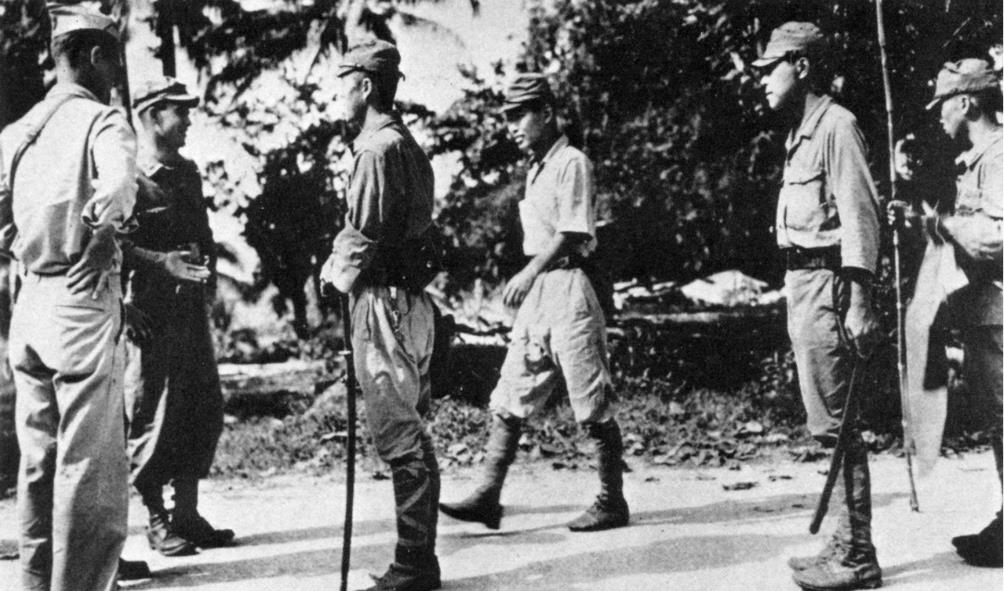
Roads and bridges were built, improving connectivity and trade. The introduction of new agricultural techniques also transformed local farming.
However, the transition wasn't always smooth; resistance movements emerged as some Cebuanos resisted foreign control.
World War II and Its Aftermath
Although the shadows of war loomed large, Cebu City emerged as a strategic location during World War II. The city became a vital supply point for Allied forces, attracting attention from both Japanese and American troops.
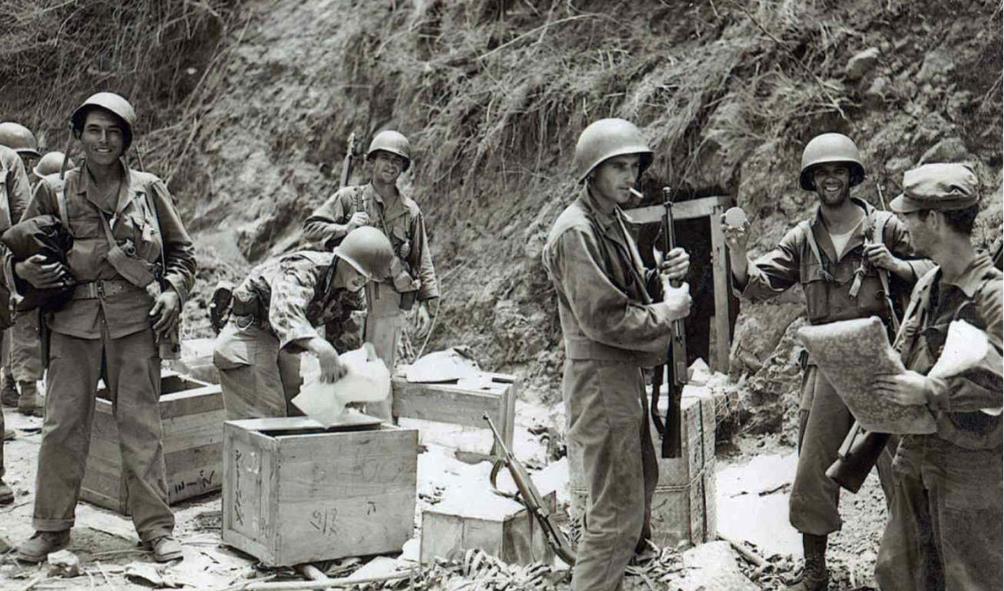
As battles raged, the local population faced immense challenges, including food shortages and displacement. You’d see the resilience of the Cebuanos as they worked to rebuild their lives amidst destruction.
After the war, the city slowly recovered, with reconstruction efforts paving the way for new infrastructure and community initiatives. The scars of conflict lingered, but they also sparked a determination to foster peace and unity.
Modern Cebu: Growth and Development
Emerging from the ruins of war, Cebu City embraced a new era of growth and development that transformed its landscape and economy.
You can see this progress in the bustling infrastructure, with new roads, bridges, and buildings sprouting up everywhere. The booming business sector attracts investments, turning Cebu into a regional hub for trade and tourism.
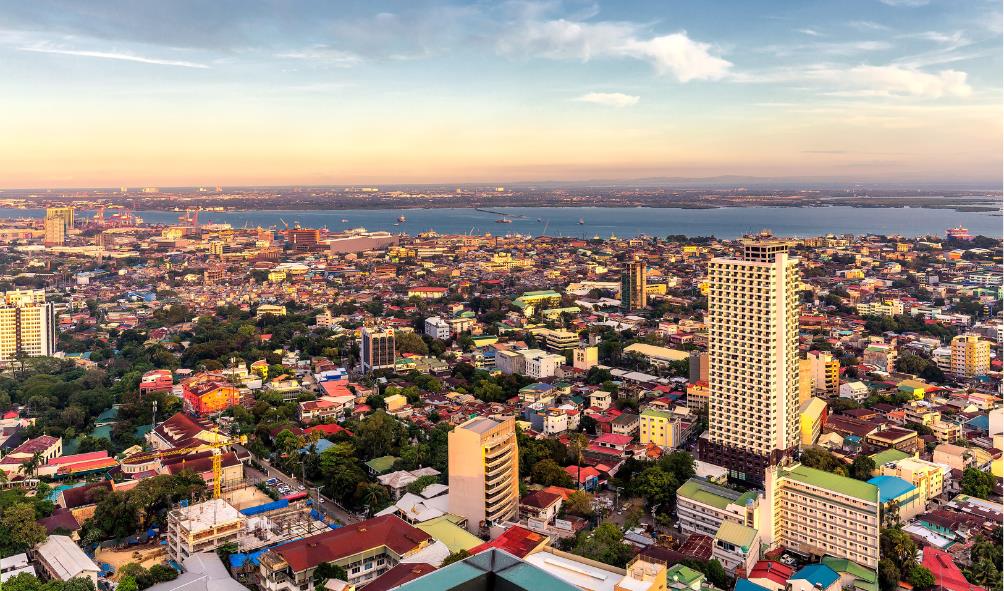
You’ll notice the vibrant cultural scene as well, with festivals celebrating local heritage and drawing crowds from all over.
The city’s educational institutions have expanded, producing a skilled workforce ready to meet the demands of various industries.
As you explore Modern Cebu, you can feel the pulse of innovation and resilience, making it a dynamic place to live, work, and thrive.
Conclusion
In conclusion, Cebu City's rich history reflects its resilience and adaptability through various eras. From being a bustling trading hub in pre-colonial times to enduring colonization and conflict, you've witnessed profound transformations. Today, Cebu thrives as a vibrant center of culture, commerce, and education. As you explore its past, you'll appreciate the unique blend of influences that shape its identity, reminding you that the echoes of history continue to inspire its future.
Statistics
- The city was founded in 1565 by Spanish explorer Miguel López de Legazpi, marking the beginning of Spanish colonization in the Philippines.
- Cebu City is recognized as a hub for education, culture, and history, with institutions like the University of San Carlos, founded in 1783, being one of the oldest universities in the country.
- Cebu City served as the first capital of the Philippines until 1571, when Manila was established as the capital.
- The city played a crucial role in the Philippine Revolution against Spanish rule, with numerous battles taking place in and around its vicinity.
External Links
- National Museum of the Philippines - Offers insights into the cultural and historical artifacts related to Cebu and its development.
- Cebu Provincial Government - Cebu City History - A comprehensive look at the historical timeline and major events that shaped Cebu City.
- Philippine History: Cebu - A resource dedicated to the historical events and milestones of Cebu City.
- Encyclopedia Britannica on Cebu - A detailed overview of Cebu's historical significance and cultural heritage.
How To Trace the Historical Roots of Cebu City
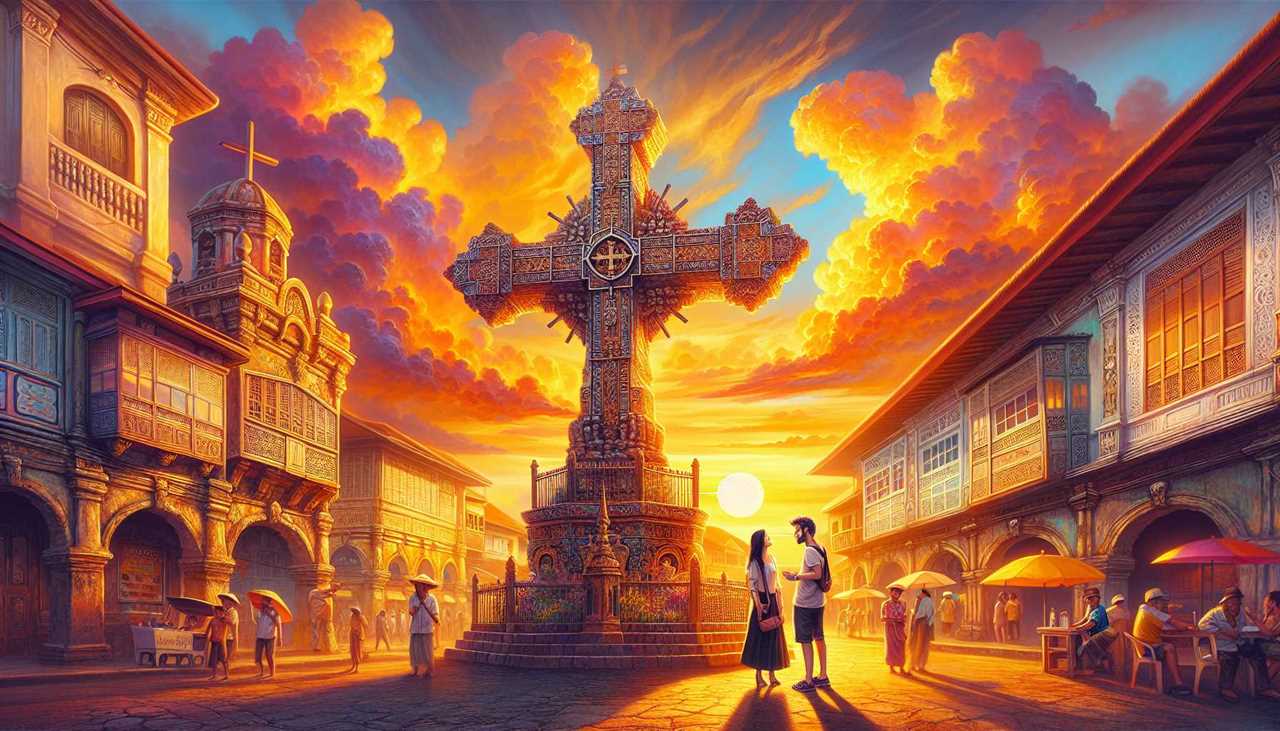
To trace the historical roots of Cebu City, start by exploring primary sources such as historical texts and documents that date back to the Spanish colonization. Visit local libraries or archives where you can find records from the 16th century, including accounts from explorers like Miguel López de Legazpi. Additionally, consider visiting historical landmarks such as Magellan's Cross and Fort San Pedro, which provide tangible connections to Cebu's past. Engaging with local historians or taking guided tours can also enrich your understanding of the city's evolution and cultural heritage.
Want to travel with more time and freedom?
The freedom to travel! Discover free & unique homestays around the world, in exchange for caring for adorable pets.
https://escapetomexiconow.com/ths
Recommended Resources:
Your next chapter could start anywhere. From the vibrant streets of Mexico to the laid-back beauty of the Philippines, explore destinations where you can truly live your dream.
https://escapetomexiconow.com/
https://escapetomexiconow.info/
https://escapetopanamanow.info/
https://escapetothephilippinesnow.com/
YouTube Channel:
Want a closer look at life in Mexico? Subscribe to our YouTube channel for insider tips, travel guides, and inspiring stories that make planning your escape easier and more exciting.
https://www.youtube.com/@EscapeToMexicoNow