
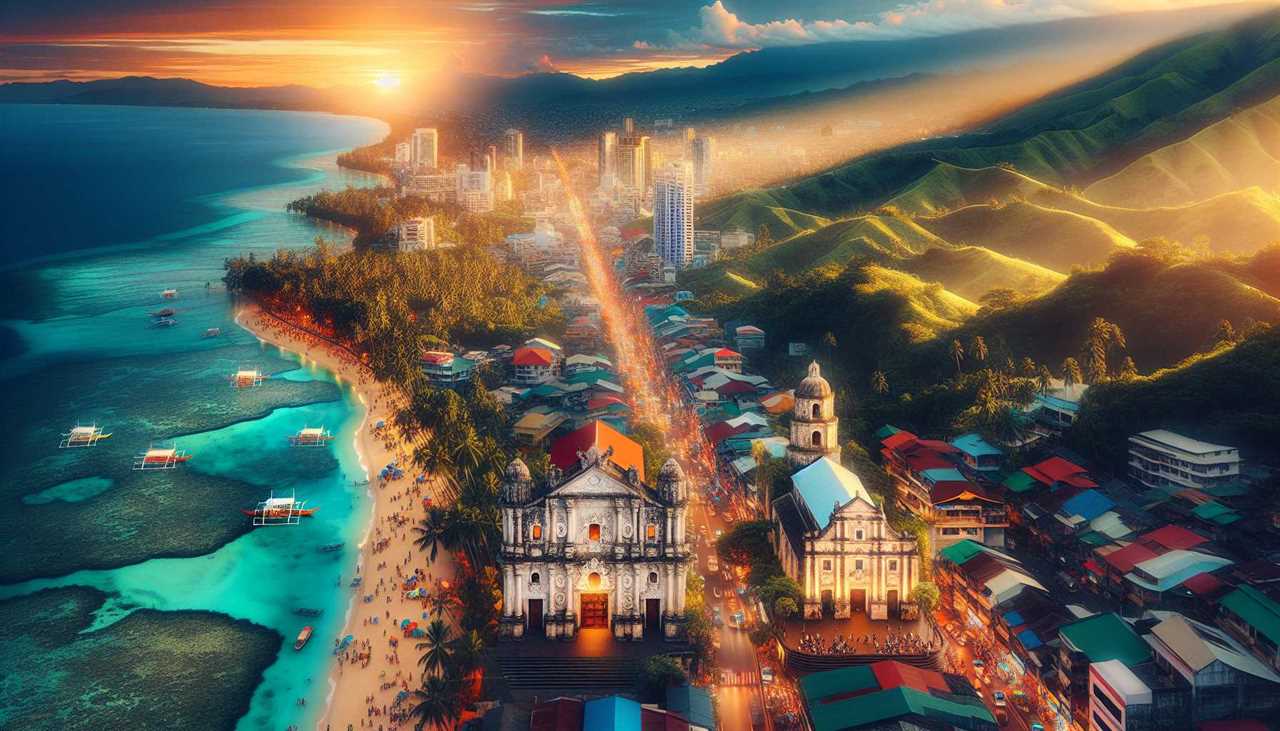
Cebu's history is a fascinating journey through time, marked by its rise as a trading hub and the arrival of European influence. You’ll discover how this island transformed under Spanish colonization, shaping its culture and society. The blend of native traditions and Christianity created a unique identity. But the story doesn’t end there; the American period brought modern changes that set the stage for Cebu's future. What came next for this vibrant island?
Pre-Colonial Era: A Thriving Trading Hub
Before the arrival of Spanish colonizers, Cebu was already a bustling trading hub in Southeast Asia, where merchants from various regions converged.
You’d see traders from China, India, and the Malay Archipelago exchanging goods like silk, spices, and other valuable commodities. The strategic location of Cebu made it a vital link in maritime trade routes, fostering economic growth and cultural exchange.
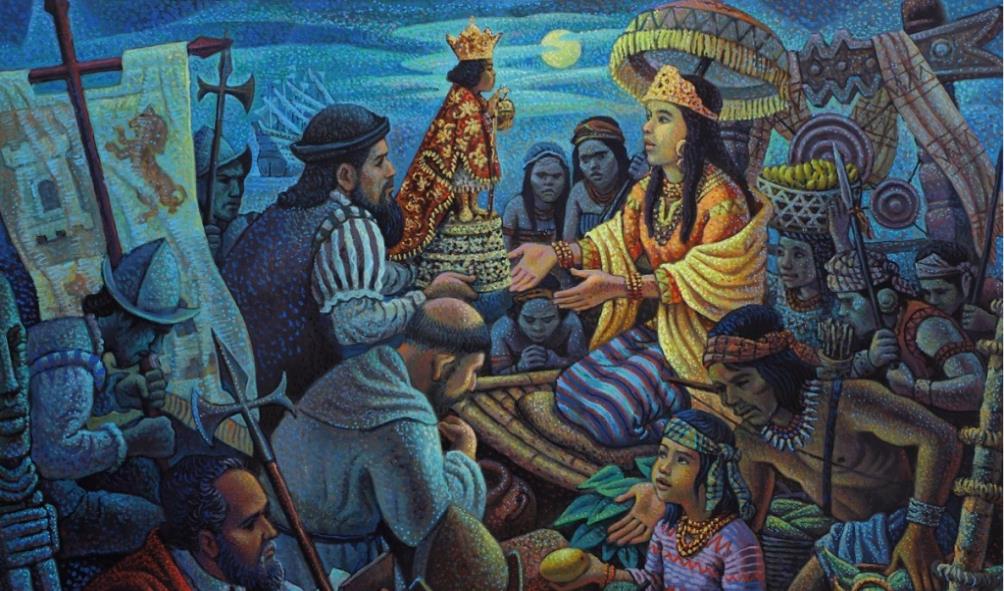
Local leaders, or rajahs, governed the area, establishing a thriving society enriched by diverse influences. You’d find vibrant markets filled with crafts, textiles, and food, reflecting the rich culture of the people.
This dynamic environment laid the groundwork for what would eventually change with foreign influence, but for now, Cebu stood as a testament to pre-colonial prosperity and trade.
The Arrival of Ferdinand Magellan
In 1521, Ferdinand Magellan arrived in Cebu, marking a significant turning point in its history. You can imagine the excitement and curiosity that filled the air as he and his crew stepped onto the shores.
This event introduced Europeans to the rich culture and trade of the island. Magellan sought to establish ties with local leaders, believing they could create alliances that would benefit both sides.
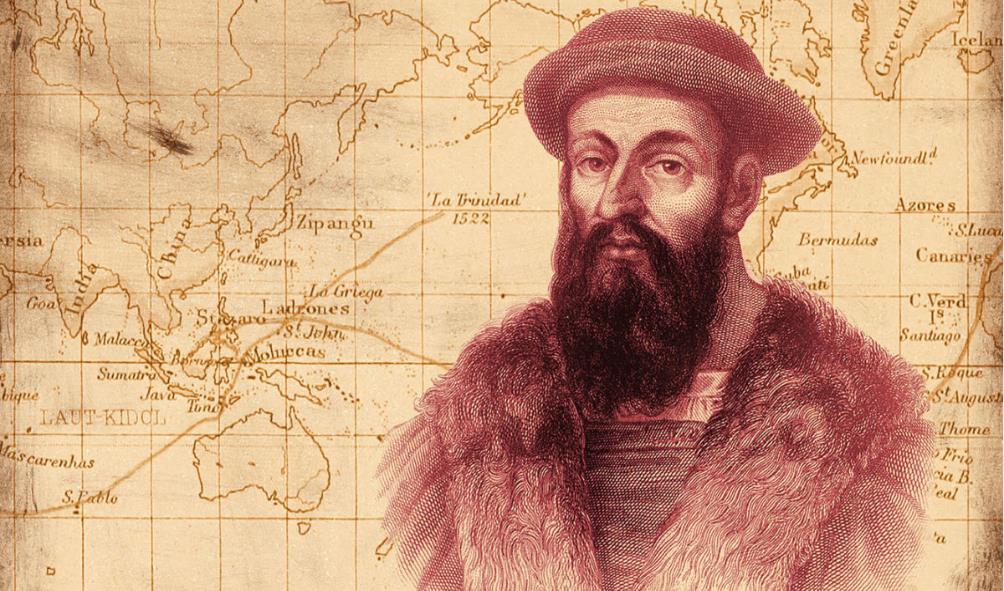
You'd witness the vibrant exchanges between the Spaniards and the Cebuanos, highlighting the island’s strategic importance in the region. The arrival of Magellan also sparked interest in the Philippines among other European powers.
This encounter set the stage for future interactions that would irrevocably change Cebu’s trajectory.
The Spanish Colonization and Its Impact
The arrival of Ferdinand Magellan set the stage for Spanish colonization, which began in earnest in 1565 when Miguel López de Legazpi established the first permanent Spanish settlement in Cebu.
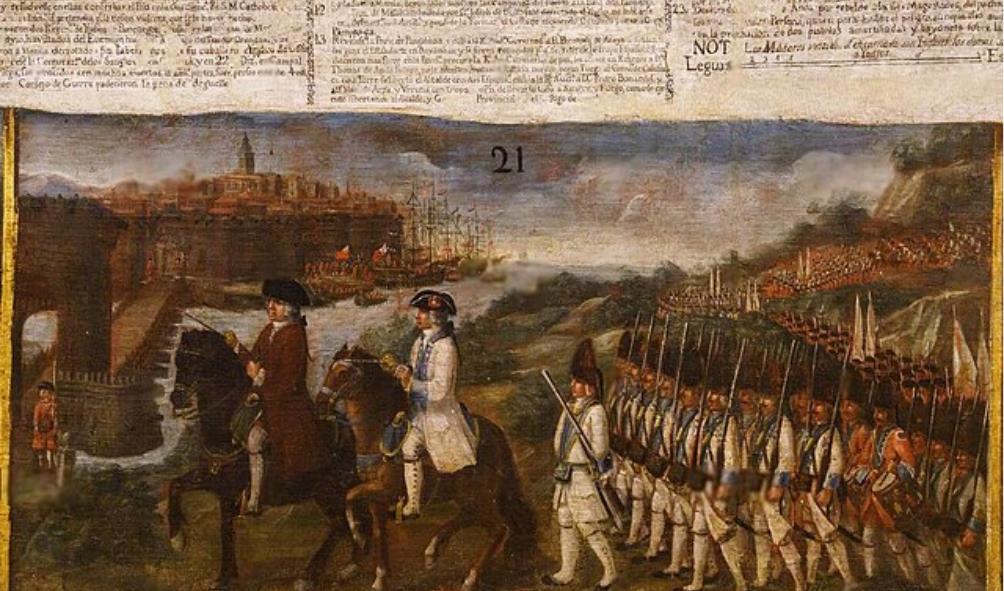
This marked a significant shift in Cebu's history, as the Spanish implemented new governance, introduced trade, and altered the local economy. You'd notice how the Spanish built infrastructure, including roads and fortifications, while also enforcing taxes that impacted daily life.
The colonizers sought to control resources and foster loyalty among local leaders, often blending indigenous practices with their own. The social structure transformed, leading to a mix of cultures that shaped Cebu's identity.
The Birth of Christianity in the Philippines
As Ferdinand Magellan arrived in Cebu in 1521, he unwittingly set off a wave of change that would introduce Christianity to the Philippines. His arrival marked the beginning of Spanish colonization, and with it came the missionaries eager to spread the faith.
You'd see the first mass held on Easter Sunday, which ignited a deep interest among locals. They were captivated by the teachings of Jesus, leading to the baptism of Rajah Humabon and his people.
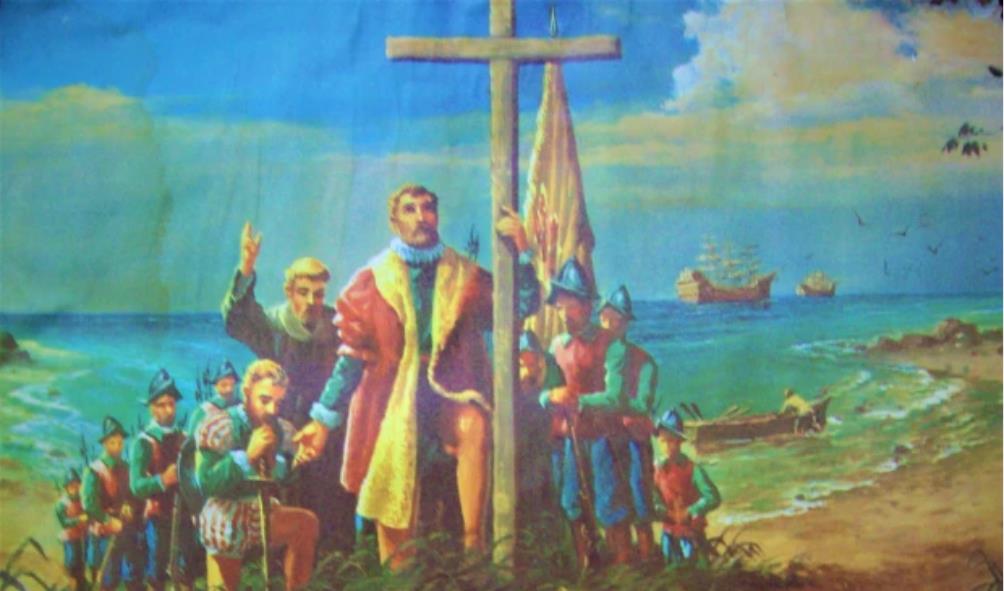
This event laid the groundwork for the Catholic Church's influence in Cebu and beyond. Over the years, the faith has intertwined with local culture, creating a unique blend of traditions.
The seeds of Christianity planted during this time continue to flourish in the Philippines today.
Cebu During the American Colonial Period
While Cebu was under American colonial rule from 1898 to 1946, it underwent significant changes that reshaped its social, political, and economic landscape.
The American government introduced a public education system, promoting English as the medium of instruction and fostering a new generation of educated Filipinos.
You'd notice improvements in infrastructure, with roads, bridges, and ports being built, enhancing trade and connectivity.
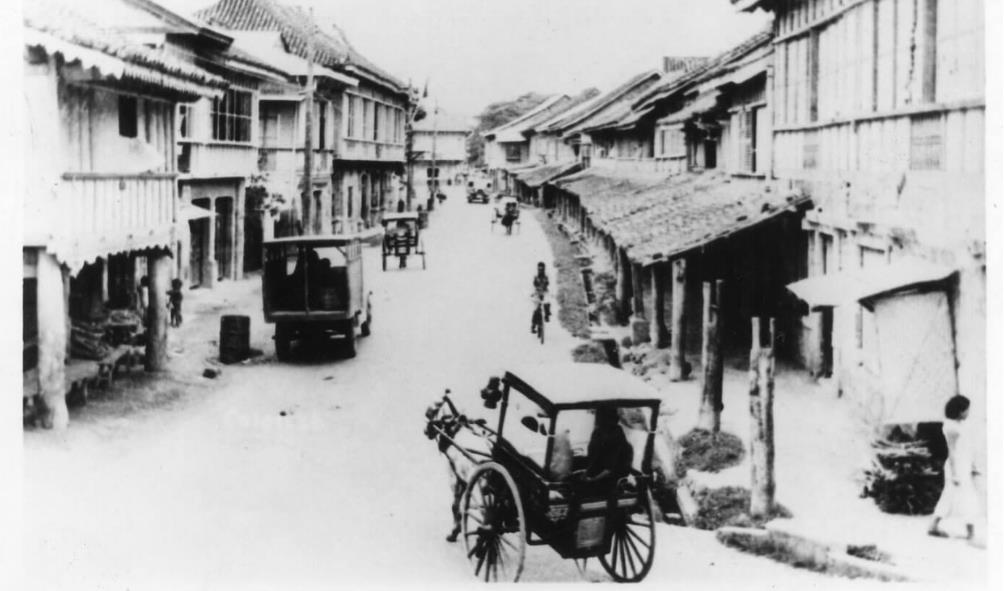
The economy shifted as agriculture modernized, and new industries emerged, encouraging local entrepreneurship.
Politically, Cebuanos began engaging more actively in governance, with the establishment of local councils.
The influence of American culture permeated daily life, affecting everything from fashion to entertainment.
World War II and Its Aftermath
Cebu's experience during World War II marked a dramatic shift from the progress made under American rule.
As the Japanese occupied the island in 1942, you’d see the once-thriving ports and businesses suffer. Fear and uncertainty gripped the population, and daily life became a struggle for survival. Many locals joined guerrilla movements, fighting back against the occupiers.
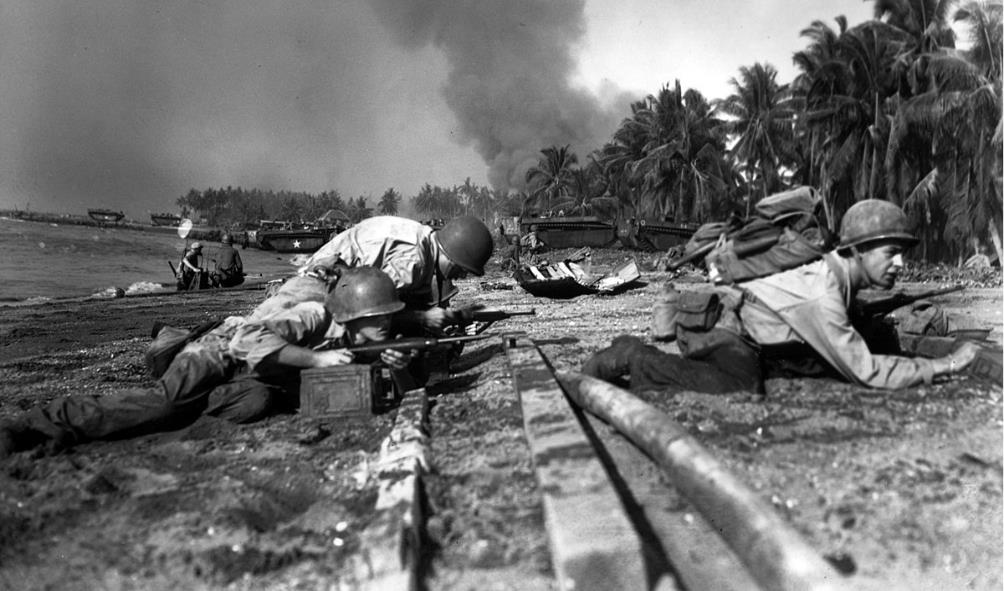
By 1945, when American forces liberated Cebu, the city lay in ruins, and rebuilding became a priority. You'd witness resilience firsthand as communities rallied to restore their homes and lives.
The war’s aftermath brought challenges, but it also ignited a spirit of unity among Cebuanos, setting the stage for recovery and growth in the years to come.
Cebu's Modern Transformation and Cultural Heritage
Over the decades, the transformation of Cebu into a bustling urban center has been remarkable, blending modernity with its rich cultural heritage.
You’ll notice gleaming skyscrapers standing alongside historic landmarks, creating a unique skyline that tells the city’s story.
As you walk through the streets, the vibrant local markets and traditional festivals reflect the deep-rooted customs of the Cebuanos.
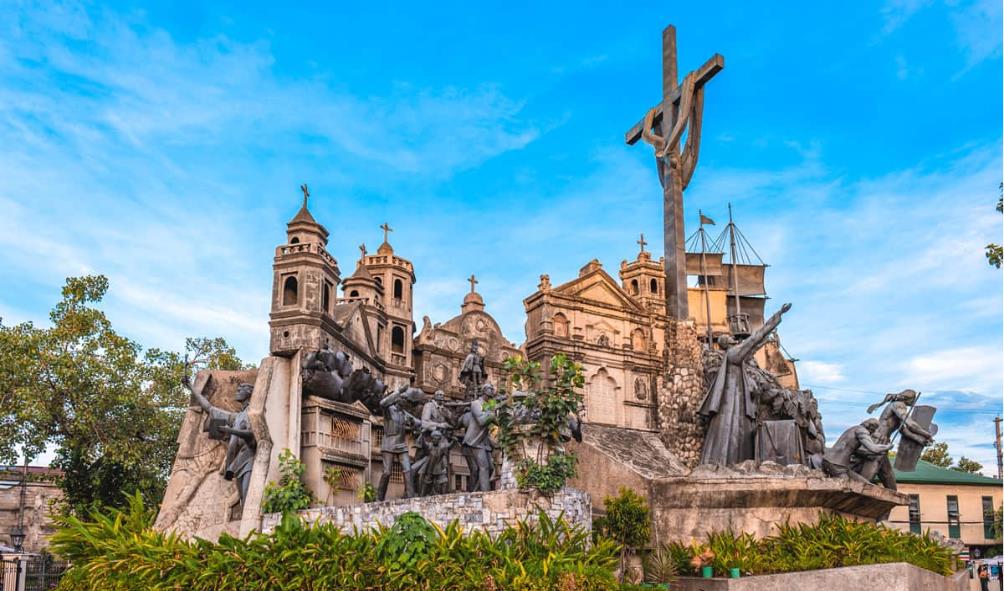
You can savor delicious local cuisine, like lechon and sinigang, which showcase the island’s culinary heritage.
The preservation of old churches, like the Basilica Minore del Santo Niño, alongside modern developments, highlights Cebu's commitment to honoring its past.
This harmonious coexistence of the old and new makes Cebu a fascinating place, where history and innovation thrive together.
Conclusion
In conclusion, Cebu's rich history showcases its evolution from a vibrant trading hub to a melting pot of cultures shaped by colonization and modern influences. You can see how the arrival of Magellan and subsequent Spanish and American rule significantly impacted its social and economic landscape. Today, Cebu stands as a testament to resilience and cultural heritage, blending traditions with modernity. Exploring its past allows you to appreciate the unique identity this island has forged over centuries.
How to Analyze Cebu's Economic Transformation Over the Centuries
Analyzing Cebu's economic transformation requires a comprehensive look at its evolution from a pre-colonial barter economy to a modern industrial hub. Start by examining historical economic activities, such as agriculture, fishing, and the aforementioned Galleon Trade. Progress to the Spanish and American periods, noting the introduction of plantations, infrastructure, and trade systems that reshaped the local economy. Investigate the post-independence era, focusing on industrialization, tourism, and the rise of Cebu as a commercial center in the Philippines. Utilize economic data, historical records, and academic studies to map out the key factors that have driven Cebu's sustained economic growth and diversification over the centuries.
Want to travel with more time and freedom?
The freedom to travel! Discover free & unique homestays around the world, in exchange for caring for adorable pets.
https://escapetomexiconow.com/ths
Recommended Resources:
Adventure is calling — are you ready to answer? Discover new places, new lifestyles, and new possibilities in Mexico, Panama, or the Philippines.
https://escapetomexiconow.com/
https://escapetomexiconow.info/
https://escapetopanamanow.info/
https://escapetothephilippinesnow.com/
YouTube Channel:
Your next adventure starts here! Join us on YouTube for destination tours, insider advice, and everything you need to make your escape unforgettable.
https://www.youtube.com/@EscapeToMexicoNow