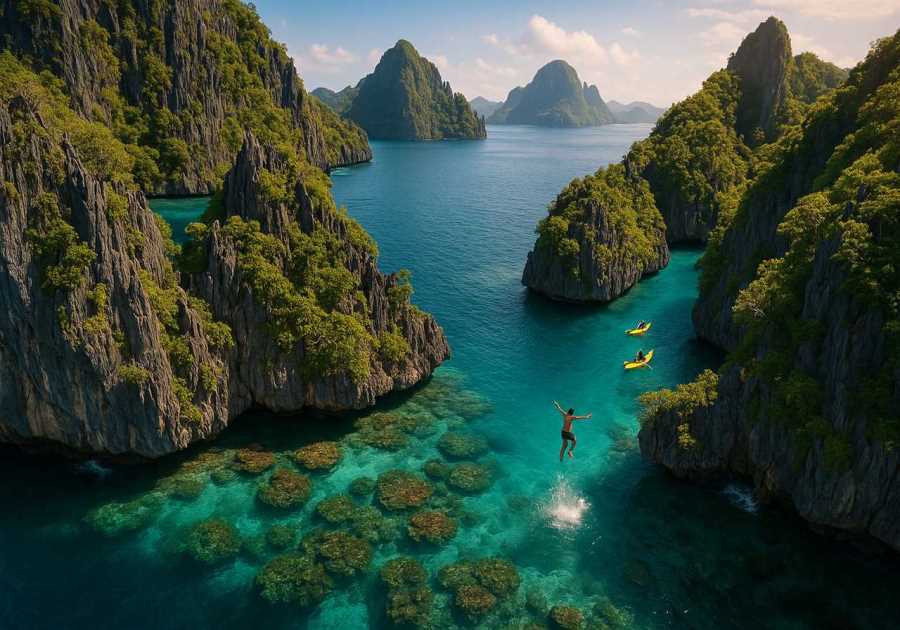

When you think about Cavite's history, it’s more than just dates and events. It’s a tapestry woven from pre-colonial cultures, the profound impact of Spanish colonization, and the fervent push for independence during the Philippine Revolution. This province has birthed significant figures and landmarks that shaped its identity. But what truly sets Cavite apart in the narrative of Philippine history? Let’s explore its multifaceted past and uncover the stories that still resonate today.
Pre-Colonial Era and Early Settlements
Before Spanish colonization transformed the landscape of Cavite, the region thrived with diverse cultures and vibrant communities. You’d find various ethnic groups, each contributing unique traditions, languages, and practices.
Fishing, agriculture, and trade became essential elements of daily life, with local markets bustling with goods. You might’ve witnessed early settlements along the coast, where people built homes from bamboo and nipa palm, creating strong community bonds.
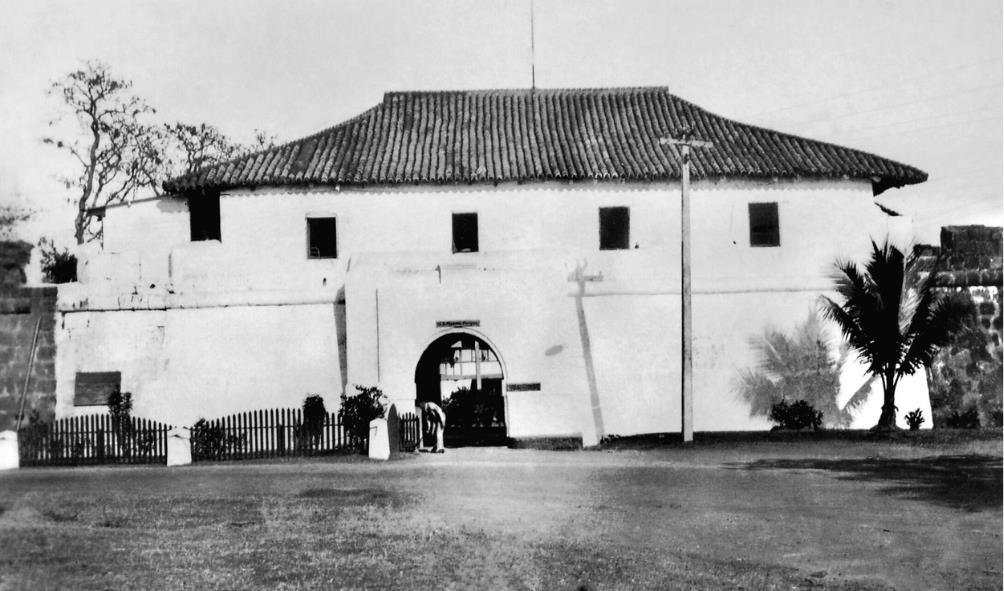
The rich natural resources of the area supported subsistence farming, while rivers served as vital transportation routes. With early leaders, or datu, guiding their communities, social structures began to form.
In this dynamic environment, artistic expressions flourished, showcasing the creativity and resilience of the people long before foreign influences arrived.
Spanish Colonial Period and Its Impact
As Spain established its colonial rule in the late 16th century, Cavite underwent significant changes that reshaped its social, economic, and cultural landscape.
The Spanish introduced new agricultural practices, leading to increased crop production and trade. You’d notice the rise of galleon trade, making Cavite a vital port for shipping goods between Asia and the Americas.
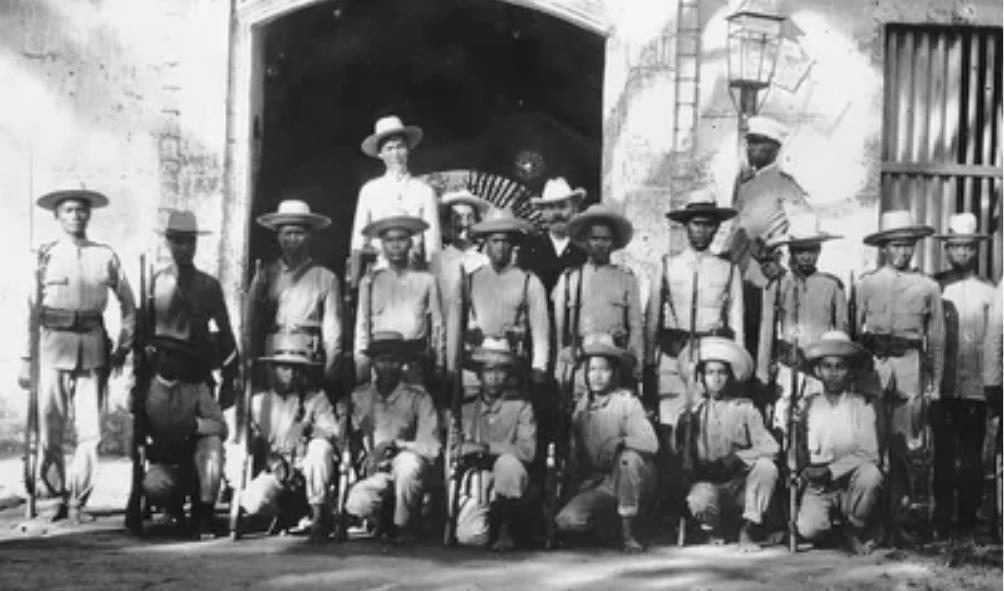
This period also saw the spread of Christianity, profoundly influencing local beliefs and customs. Spanish architecture transformed the towns, with churches and fortifications dotting the landscape.
While these changes brought modernization, they also imposed heavy taxation and labor demands on the local population, creating tensions.
The Philippine Revolution and Cavite's Role
Cavite played a pivotal role in the Philippine Revolution, serving as a hotbed for revolutionary activities against Spanish colonial rule.
You’d find that many significant events took place here, with towns like Kawit and Imus becoming key centers for uprisings. The people of Cavite, fueled by their desire for freedom, rallied together to form various revolutionary groups.
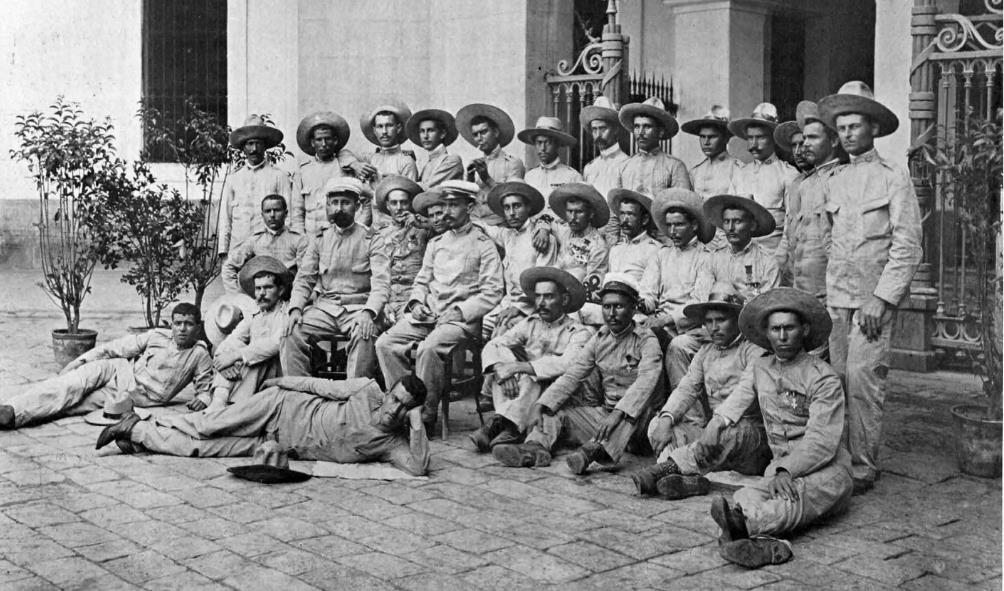
They organized ambushes, coordinated attacks, and shared vital information that helped advance the revolutionary cause. You could sense the spirit of resistance in the air as leaders emerged, inspiring others to join the fight.
The province’s strategic location also made it essential for logistics and communications, ensuring that the revolutionary momentum continued to build until independence was within reach.
Key Historical Figures From Cavite
The fervor of the Philippine Revolution was fueled by several key historical figures from Cavite, whose leadership and vision significantly shaped the fight for independence.
You’ll find that figures like Emilio Aguinaldo emerged as a pivotal leader, rallying troops and proclaiming the First Philippine Republic.
Then there’s Andres Bonifacio, the founder of the Katipunan, who inspired many to rise against Spanish rule.
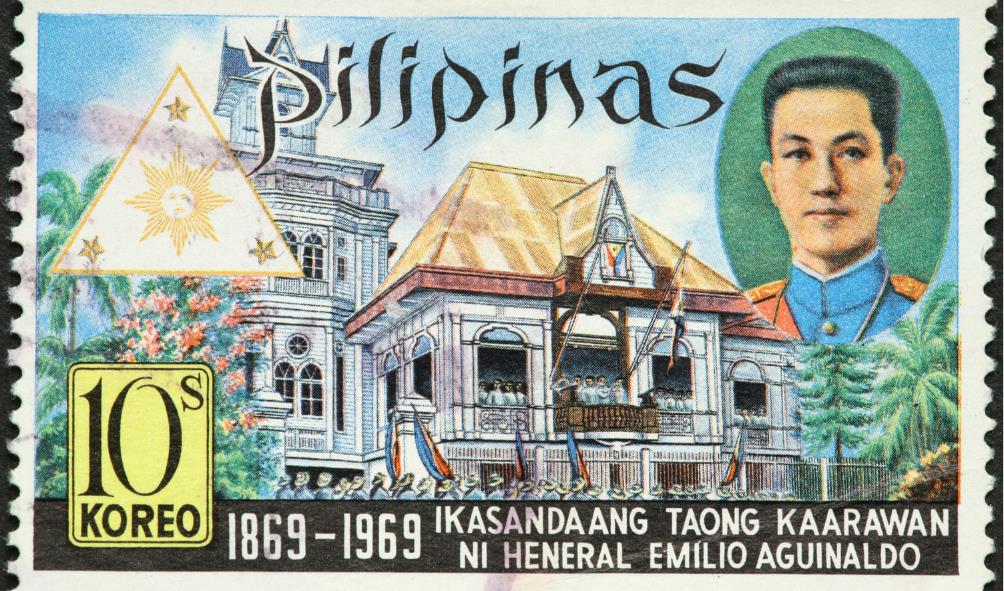
Don’t overlook the contributions of Apolinario Mabini, whose intellect guided the revolution despite his physical challenges.
Each of these individuals played a crucial role in mobilizing the people and crafting strategies that would eventually lead to freedom.
Their legacies continue to inspire generations, reminding you of the strength and resilience of the Caviteño spirit.
Significant Historical Landmarks
While exploring the rich history of Cavite, you’ll discover numerous significant landmarks that tell the story of the region’s pivotal role in the Philippine Revolution.
One must-see site is the Aguinaldo Shrine in Kawit, where Emilio Aguinaldo declared Philippine independence in 1898. You’ll also want to visit the Battle of Manila Bay monument in Cavite City, commemorating the naval victory that marked a turning point in the war against Spain.
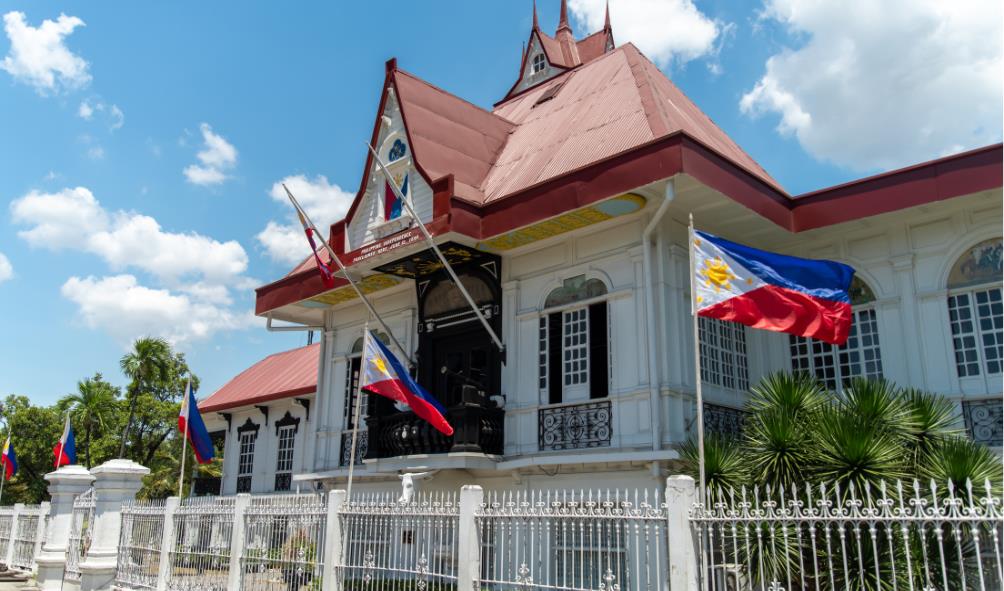
Don’t miss the historic San Roque Church, a symbol of resilience and faith for the locals. Lastly, the Imus Cathedral holds great importance, serving as a witness to many significant events throughout history.
Each landmark offers a glimpse into Cavite’s vibrant past, enriching your understanding of its heritage.
Cavite's Modern Evolution and Cultural Heritage
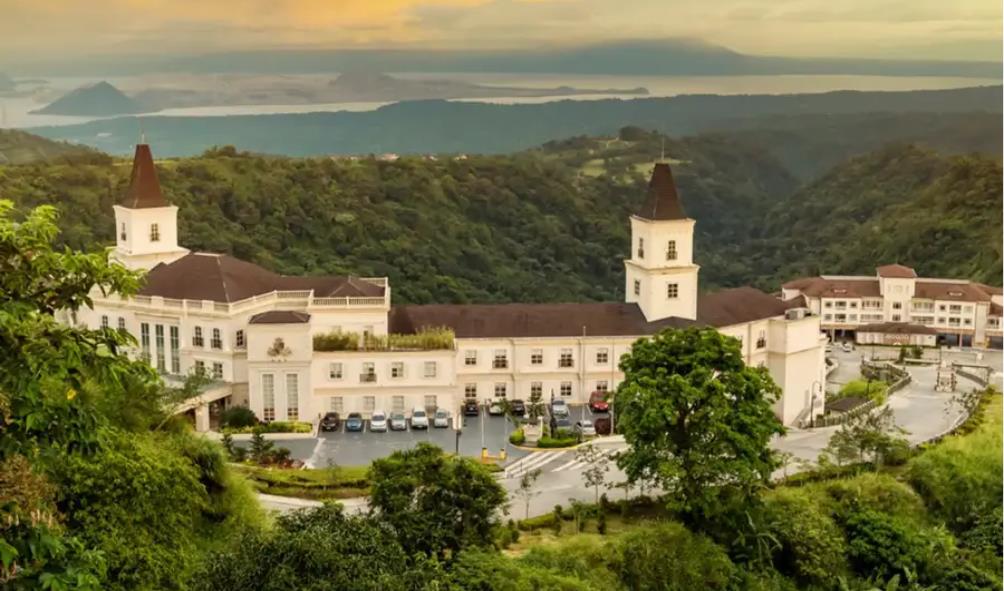
As you delve into Cavite's modern evolution, you'll find a vibrant tapestry of cultural heritage that reflects both its historical roots and contemporary influences.
The province seamlessly blends tradition with modernity, showcasing colorful festivals like the Sangley Point Festival and the Cavite City Carnival.
You'll notice the growth of local art scenes, with galleries and cafes celebrating Caviteño artists.
The culinary landscape thrives, offering a fusion of classic dishes and innovative twists.
As you explore, you'll meet locals who take pride in their ancestry, preserving customs while embracing new ideas.
This dynamic interplay between the past and present makes Cavite a unique destination, rich in stories and experiences that continue to shape its identity today.
Conclusion
In conclusion, Cavite’s rich history, from its vibrant pre-colonial roots to its significant role in the Philippine Revolution, showcases its enduring spirit and cultural heritage. You’ve seen how the province evolved through Spanish colonization and how its key figures fought for independence. Today, Cavite stands as a testament to resilience and pride, with historical landmarks that remind you of its pivotal past. Embrace its legacy as you explore the beauty and stories that continue to shape Cavite.
External Links
- Wikipedia - Cavite Provides an extensive overview of Cavite's historical background and significant events.
- Philippine-History.org - Cavite Explores key historical events and figures from Cavite.
- Cavite-Country.com - History of Cavite Presents a timeline of major historical milestones in Cavite.
- Cavite Herald - History Section Contains articles and insights into Cavite's past.
How To Investigate the Cultural Heritage of Cavite
Investigating Cavite's cultural heritage involves exploring its diverse traditions, arts, and historical narratives. Begin by visiting cultural centers and museums that showcase Cavite's rich history, including its role in the Philippine Revolution and its evolving societal norms. Attend local festivals and events that highlight traditional music, dance, and crafts, providing a living glimpse into the province's cultural practices. Research historical literature and oral histories that document the lives and contributions of Cavite's notable figures. Additionally, engaging with local communities and cultural organizations can offer deeper insights into the traditions that have been preserved and passed down through generations, illustrating the province's enduring cultural legacy.
Plan the perfect group trip, your way.
Get an instant personalized itinerary. We handle logistics, payments, and provide a dedicated itinerary, while local experts fine-tune every detail. Enjoy full freedom—without the stress of organizing it all.
https://escapetomexiconow.com/tourhero
Recommended Resources:
Dreaming of a fresh start abroad? Explore our curated destination guides to learn how you can make the move with ease.
https://escapetomexiconow.com/
https://escapetomexiconow.info/
https://escapetopanamanow.info/
https://escapetothephilippinesnow.com/
YouTube Channel:
See Mexico like never before! From local culture to travel hacks, our YouTube channel brings the adventure straight to you.
https://www.youtube.com/@EscapeToMexicoNow