
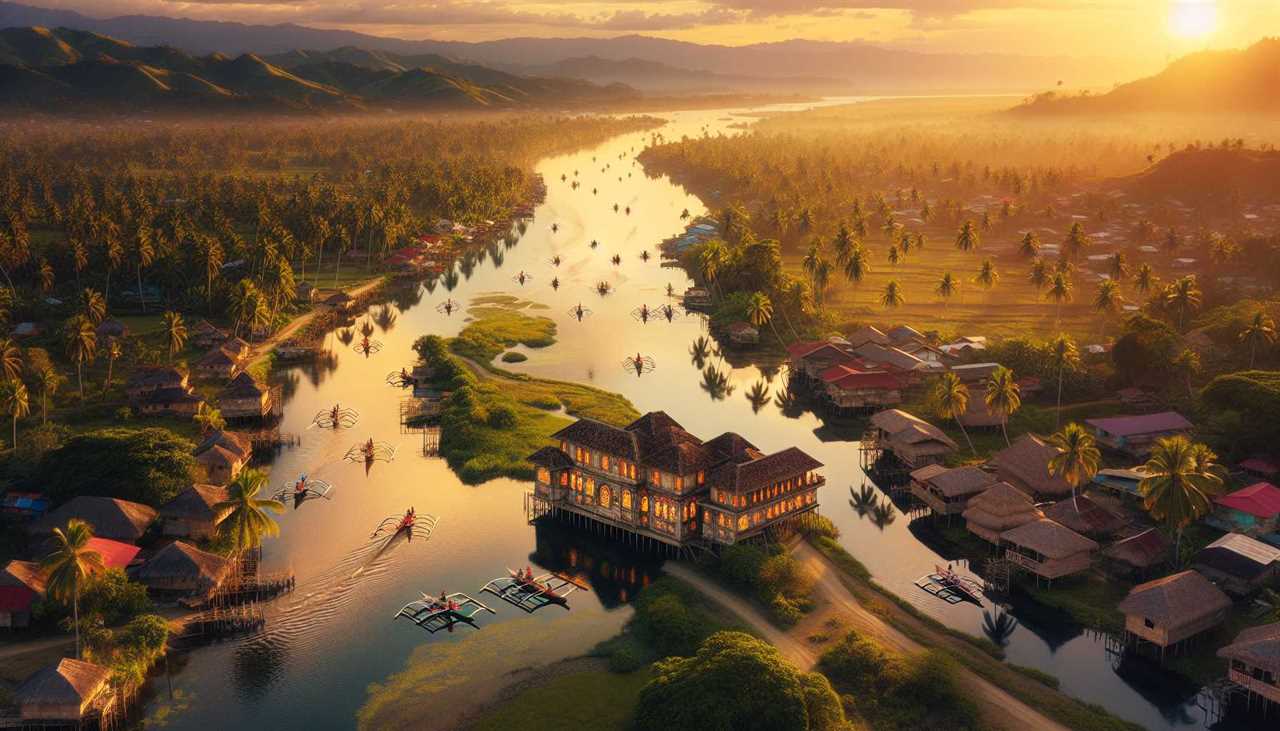
When you explore the history of Capiz, you'll uncover a rich blend of cultures and influences. From the early indigenous tribes that thrived in agriculture and fishing to the profound changes brought by Spanish colonization, each era has shaped its unique identity. The province played a pivotal role in the Philippine Revolution and adapted during the American occupation. What do these transformations reveal about the resilience of Capiz's people?
Early Inhabitants and Indigenous Tribes
When you explore the early history of Capiz, you'll find that its landscape was shaped by diverse indigenous tribes long before Spanish colonization.
These tribes, such as the Ati and the Panay Bukidnon, thrived on the rich resources of the land, relying on fishing and agriculture. They developed unique cultural practices, weaving intricate textiles and crafting pottery that reflected their connection to nature.
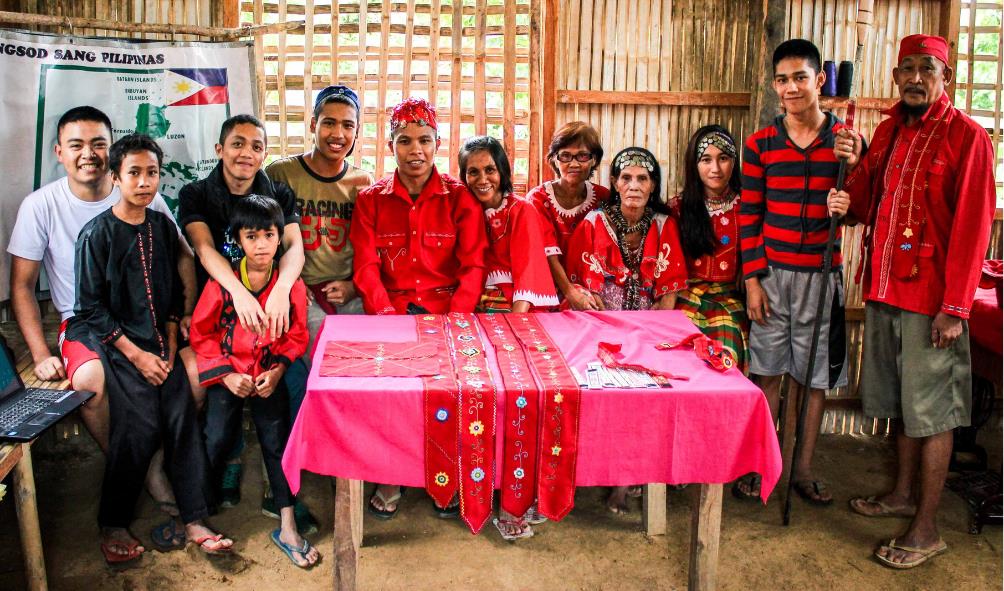
Social structures were built around kinship, with communal gatherings strengthening bonds among tribes. Oral traditions passed down stories of their ancestors, preserving their history and beliefs.
You'll see how these indigenous tribes laid the foundation for the region's identity, influencing its language, customs, and way of life, elements that still resonate in contemporary Capiz.
Spanish Colonization and Its Impact
As the Spanish arrived in the late 16th century, they transformed Capiz's social and cultural landscape dramatically. You’d see the introduction of Christianity, which reshaped local beliefs and practices. The Spanish built churches and established missions, aiming to convert the indigenous population. This led to a blend of traditions, creating a unique Capiznon identity.
You’d also notice changes in governance. The Spanish implemented the encomienda system, redistributing land and resources, often to the detriment of local communities. This altered power dynamics and social structures, introducing new hierarchies.
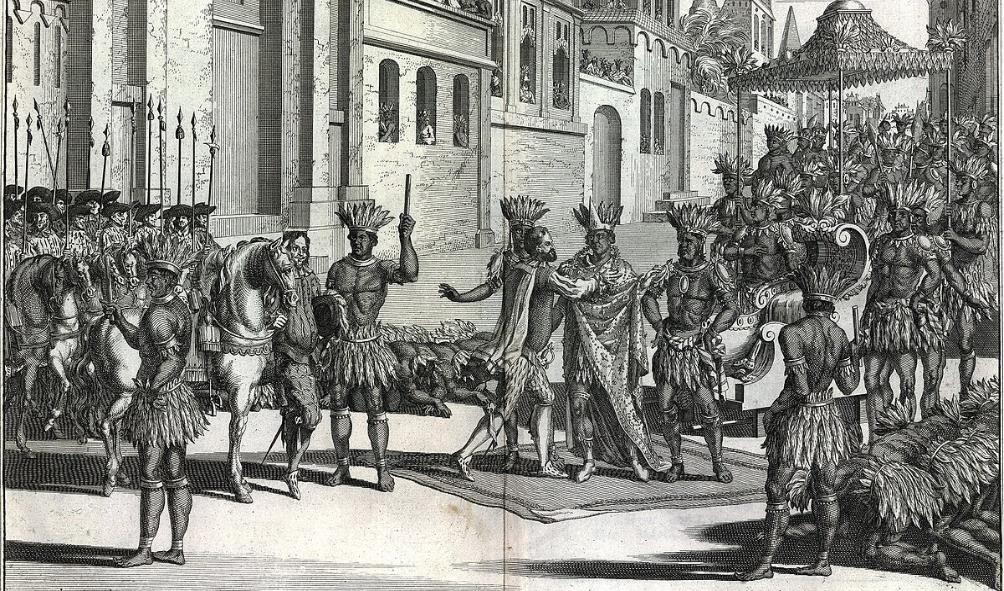
Additionally, Spanish colonization opened trade routes, allowing for new goods and ideas to flow into Capiz.
Despite challenges, this period laid the groundwork for future development and cultural richness that you still see today.
The Role of Capiz in the Philippine Revolution
Capiz played a crucial role in the Philippine Revolution, serving as a hotbed for revolutionary activities and sentiments. You’ll find that local leaders and patriots, inspired by the fight for independence, rallied the people against Spanish rule.
Many residents joined the Katipunan, the secret society that aimed to overthrow the colonizers. The province became a strategic location for meetings, planning, and mobilization.
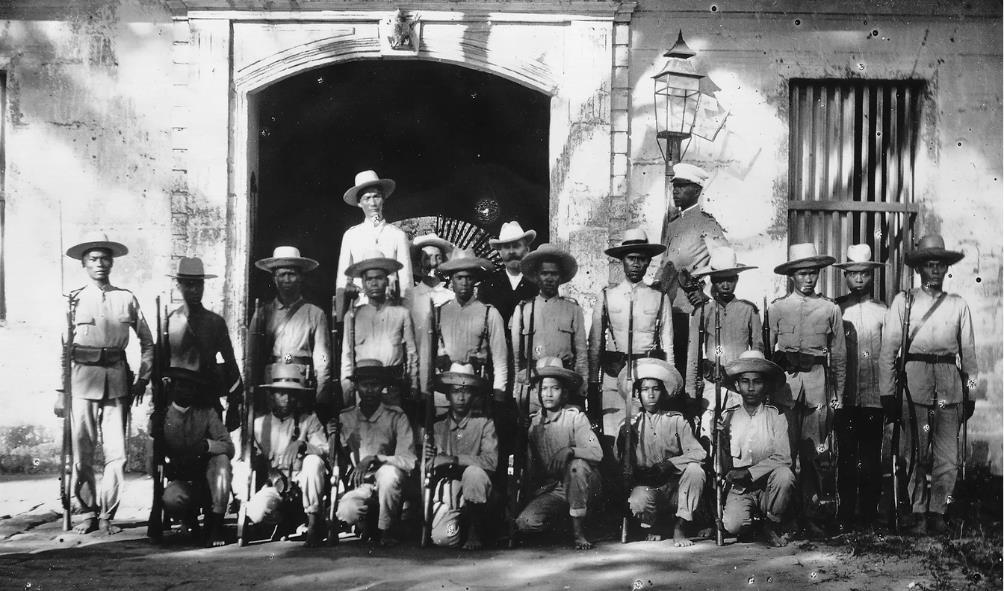
You can see how their strong sense of nationalism fueled protests and uprisings, making Capiz a significant site for revolutionary efforts. The bravery of its residents contributed to the broader movement, showcasing their determination to achieve freedom.
Through their actions, they not only shaped their destiny but also inspired future generations in their quest for independence.
The American Occupation and Changes in Governance
Following the fervor of the Philippine Revolution, the American occupation brought significant changes to governance in Capiz and the rest of the Philippines. You’d notice a shift from Spanish colonial rule to a more structured bureaucratic system, introducing new laws and policies.
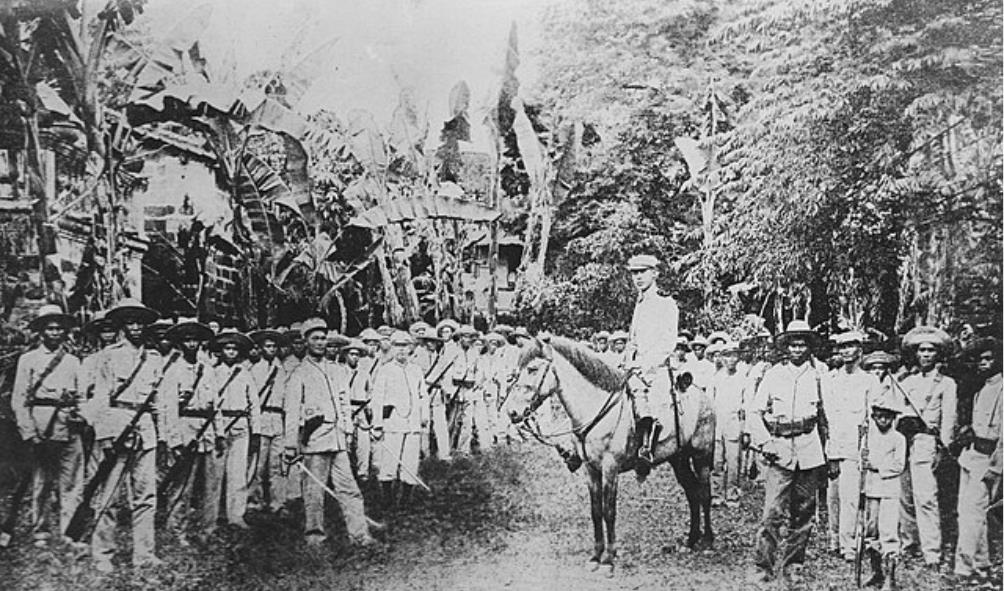
The Americans established public education and improved infrastructure, aiming to modernize the region. Local leaders began to emerge, and you’d see the introduction of elected municipal officials, fostering a sense of civic participation.
However, this era also faced resistance, as some Filipinos opposed American control. Overall, you’d witness a complex blend of progress and tension, as Capiz navigated its new identity under American influence, shaping the region's future in profound ways.
World War II: Capiz's Strategic Importance
With the onset of World War II, Capiz emerged as a crucial strategic location for both the Japanese and American forces. Its position along the Visayan Sea made it an ideal base for military operations.
You’d see Japanese forces quickly occupy the region, using it as a launching point for their campaigns across the Philippines. Meanwhile, American troops recognized Capiz's significance for counterattacks aimed at reclaiming control.
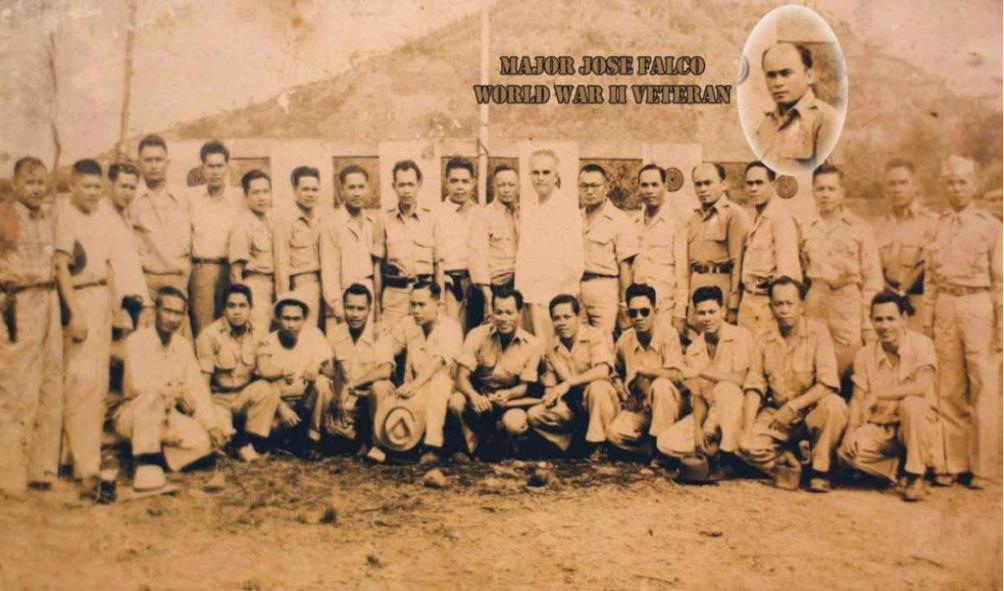
The city’s infrastructure, including airfields and ports, became vital to logistical support and troop movements. As both sides fought fiercely for dominance, you could feel the tension in the air.
Capiz’s strategic importance during this tumultuous time shaped not only its landscape but also the lives of its residents, forever altering the course of history.
Post-War Reconstruction and Development
As the smoke of war cleared, the people of Capiz faced the daunting task of rebuilding their lives and community. You’d witness resilience in every corner, as families worked together to restore homes and businesses.
The local government focused on infrastructure, repairing roads and bridges essential for trade and connectivity. Schools reopened, emphasizing education as a cornerstone for recovery.
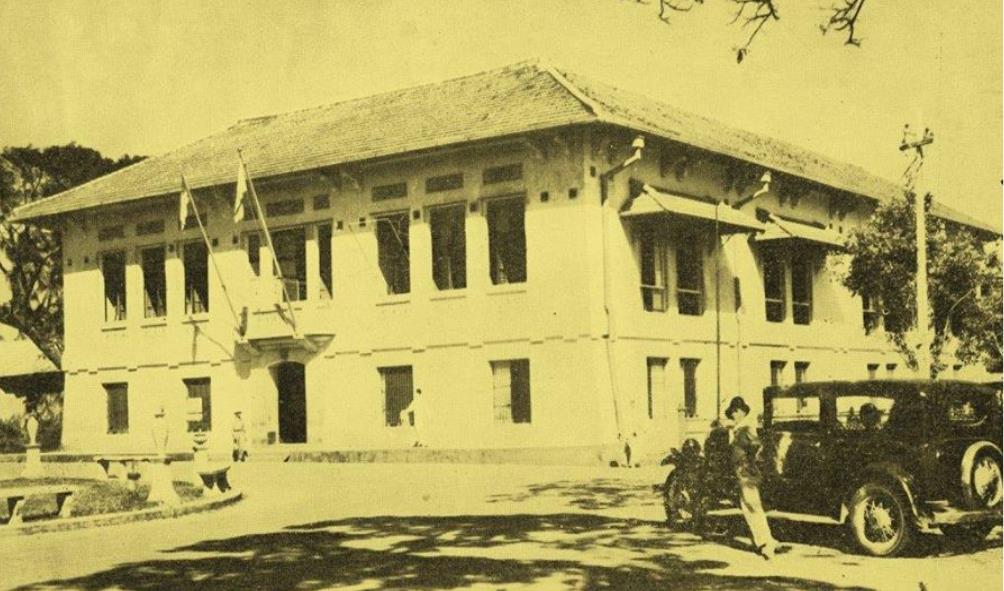
Farmers returned to their fields, revitalizing agriculture and ensuring food security. Community organizations emerged, fostering cooperation and support among residents.
Efforts to attract investors and stimulate economic growth became paramount, leading to new opportunities. Through determination and collaboration, Capiz slowly transformed the scars of war into a foundation for future development, setting the stage for a brighter tomorrow.
Cultural Heritage and Traditions
Capiz's rich cultural heritage and vibrant traditions reflect the resilience and creativity of its people, showcasing a unique blend of influences shaped by history and local customs.
You'll find that festivals like the Sinadya sa Halaran celebrate the bounty of the sea and the spirit of community.
Traditional crafts, such as shell art and pottery, reveal the artistic flair that locals take pride in.
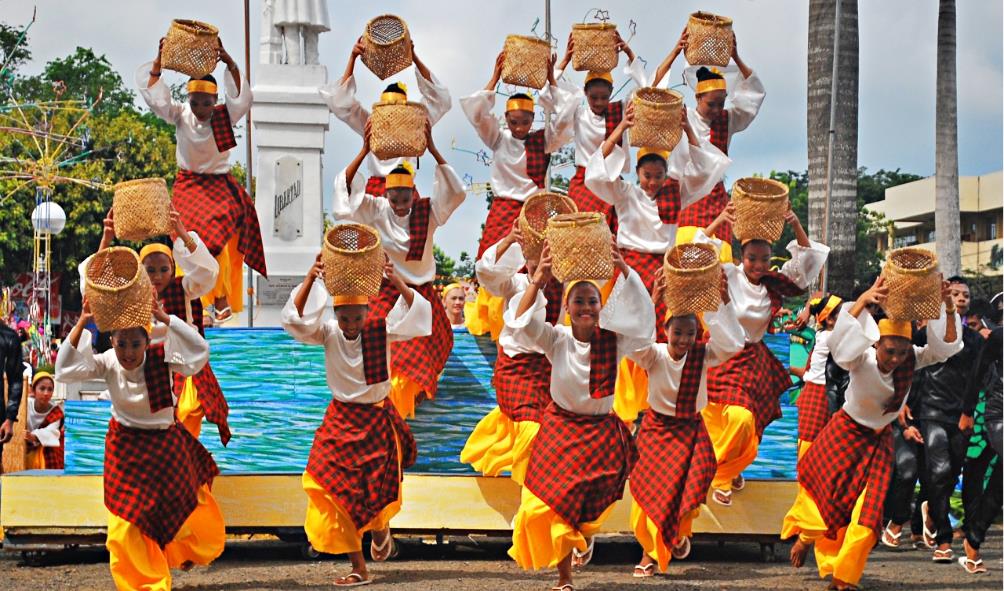
You can also experience the warmth of Capiceño hospitality, which is deeply rooted in their customs.
Culinary traditions, featuring delicacies like seafood and local rice cakes, highlight the region's agricultural richness.
As you explore Capiz, you'll discover how these cultural elements not only preserve history but also foster a strong sense of identity among its people.
Economic Growth: From Agriculture to Fisheries
While exploring Capiz's vibrant culture, you'll notice that its economic growth has been closely tied to its agricultural roots and abundant marine resources.
Historically, Capiz thrived on farming, with rice and root crops forming the backbone of its economy. As you delve deeper, you'll see how the region's fertile lands supported families and communities.
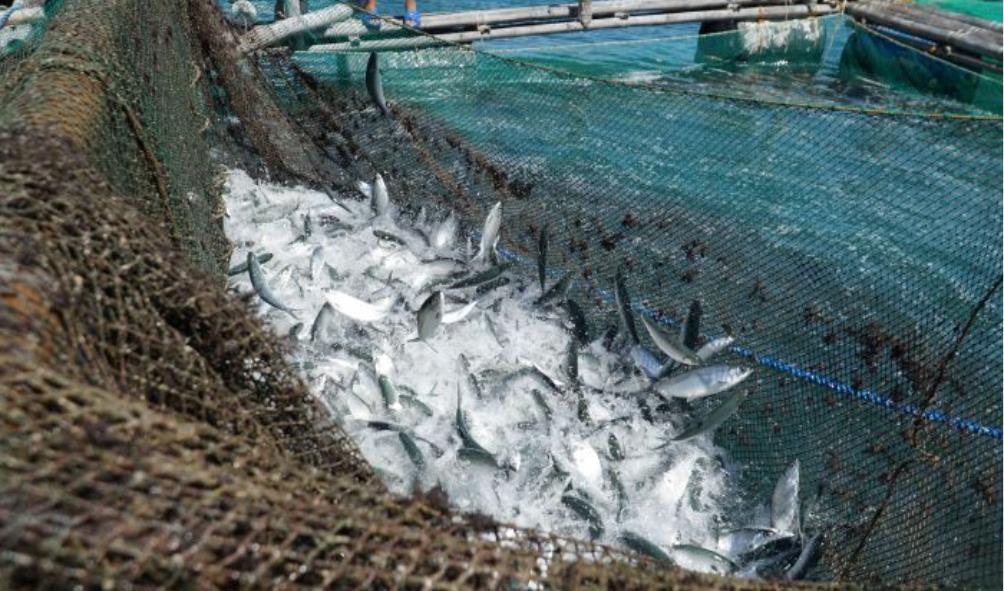
However, over time, fishing emerged as a powerful driver of economic change. The coastal waters teem with seafood, making fisheries a vital industry.
You’ll find local fishermen and women contributing to the economy, utilizing traditional practices alongside modern techniques. This shift not only boosted livelihoods but also connected Capiz to broader markets, showcasing the region's adaptability and resilience in the face of change.
Modern Capiz: A Blend of Tradition and Progress
Though steeped in rich traditions, modern Capiz embraces progress with open arms, blending its cultural heritage with contemporary advancements.
You’ll find vibrant festivals celebrating local customs alongside modern infrastructure that supports economic growth. The fusion of traditional crafts and innovative techniques creates unique products that attract both locals and tourists.
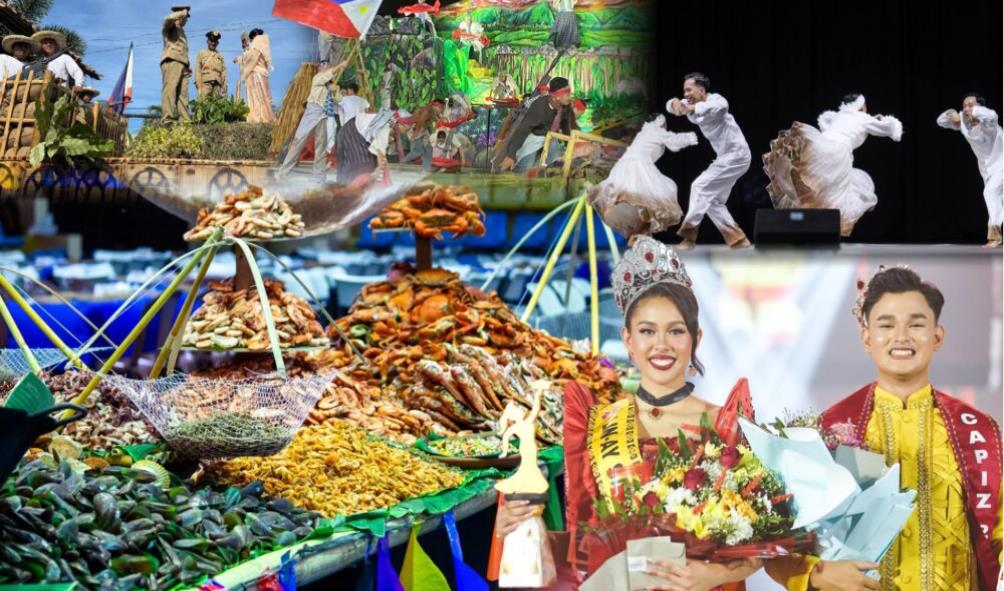
You might explore bustling markets filled with handcrafted goods, while also enjoying the conveniences of modern conveniences like shopping malls and cafes.
Education and technology are thriving, with institutions focusing on developing skills for the future.
As you navigate through Capiz, you’ll witness how the community values its past while actively shaping a promising future, fostering a unique identity that honors both heritage and progress.
Notable Historical Figures From Capiz
As you explore the vibrant landscape of modern Capiz, you'll also encounter a rich tapestry of historical figures who've shaped its identity.
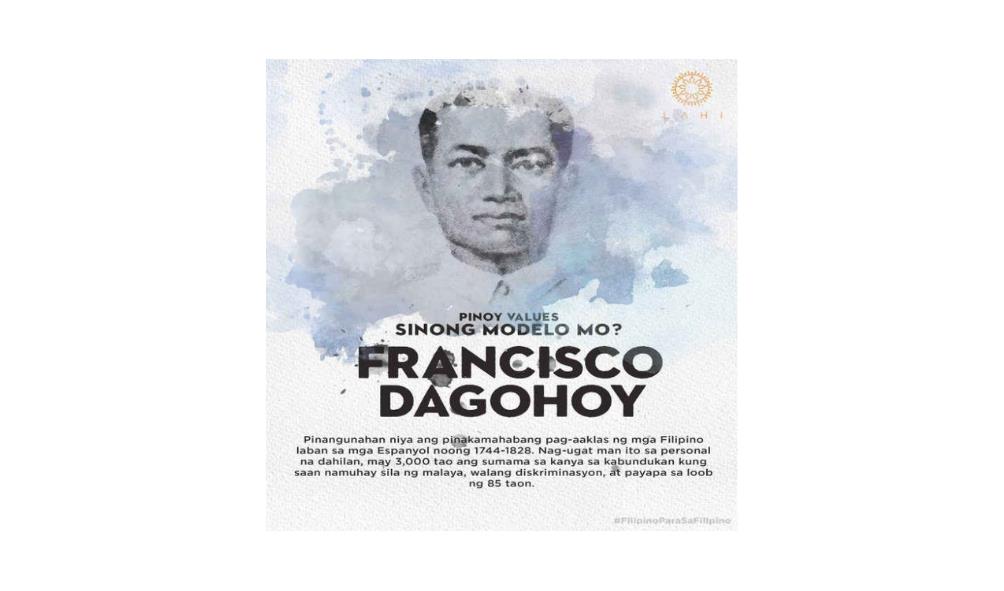
One prominent figure is Francisco Dagohoy, known for leading the longest revolution against Spanish rule in the Philippines. His bravery and resolve inspire many to this day.
You’ll also find the legacy of General Esteban Contreras, a key leader during the Philippine-American War, whose contributions to the struggle for freedom remain significant.
Additionally, you can't overlook the influence of Maria Clara Lobregat, a dedicated public servant who championed education and health in the region.
These figures, among others, illustrate Capiz's deep-rooted history and its ongoing quest for progress and identity.
Conclusion
In conclusion, Capiz's rich history showcases a blend of indigenous roots, colonial influences, and resilience. From the early tribes to the significant roles in revolutions and modern governance, you can see how the province has evolved while preserving its cultural heritage. Today, Capiz stands as a testament to its past, balancing tradition and progress, and continues to thrive through its vibrant communities and economic growth. Embrace the stories that shape Capiz and its enduring spirit.
Statistics
- The province celebrates its founding anniversary every January 1st, marking over 120 years of its establishment.
- The city of Roxas, the province's capital, was founded in 1921 and named after Manuel Roxas, the first President of the independent Republic of the Philippines.
- The province is renowned for its abel fabric production, contributing significantly to the local economy since the early 20th century.
- Capiz was officially established as a separate province in 1901, separating from Iloilo.
External Links
- Official Capiz Province History. Explore the official records and milestones that shaped Capiz over the years.
- Iloilo History Center: Capiz Province. Detailed articles and archives detailing the historical events in Capiz.
- Philippine Department of Tourism: History of Capiz. Insights into the historical landmarks and cultural heritage of Capiz.
- Capiz Heritage Foundation. Dedicated to preserving and promoting the rich history and traditions of Capiz.
How to Trace the Development of Capiz Province
Tracing the development of Capiz Province involves examining its political, economic, and social transformations over time. Begin by reviewing historical timelines that outline major events such as its establishment in 1901 and subsequent administrative changes. Investigate the province's economic growth through its primary industries, including agriculture, fishing, and manufacturing of abel fabric. Analyze population data and migration patterns to understand demographic shifts. Explore the evolution of local governance and infrastructure development by accessing government records and historical documents. Additionally, studying the impact of significant events, such as World War II, on the province's progress will provide a comprehensive view of Capiz's development journey.
Plan the perfect group trip, your way.
Get an instant personalized itinerary. We handle logistics, payments, and provide a dedicated itinerary, while local experts fine-tune every detail. Enjoy full freedom—without the stress of organizing it all.
https://escapetomexiconow.com/tourhero
Recommended Resources:
Discover where freedom, adventure, and opportunity await you.
https://escapetomexiconow.com/
https://escapetomexiconow.info/
https://escapetopanamanow.info/
https://escapetothephilippinesnow.com/
YouTube Channel:
Your next adventure starts here! Join us on YouTube for destination tours, insider advice, and everything you need to make your escape unforgettable.
https://www.youtube.com/@EscapeToMexicoNow