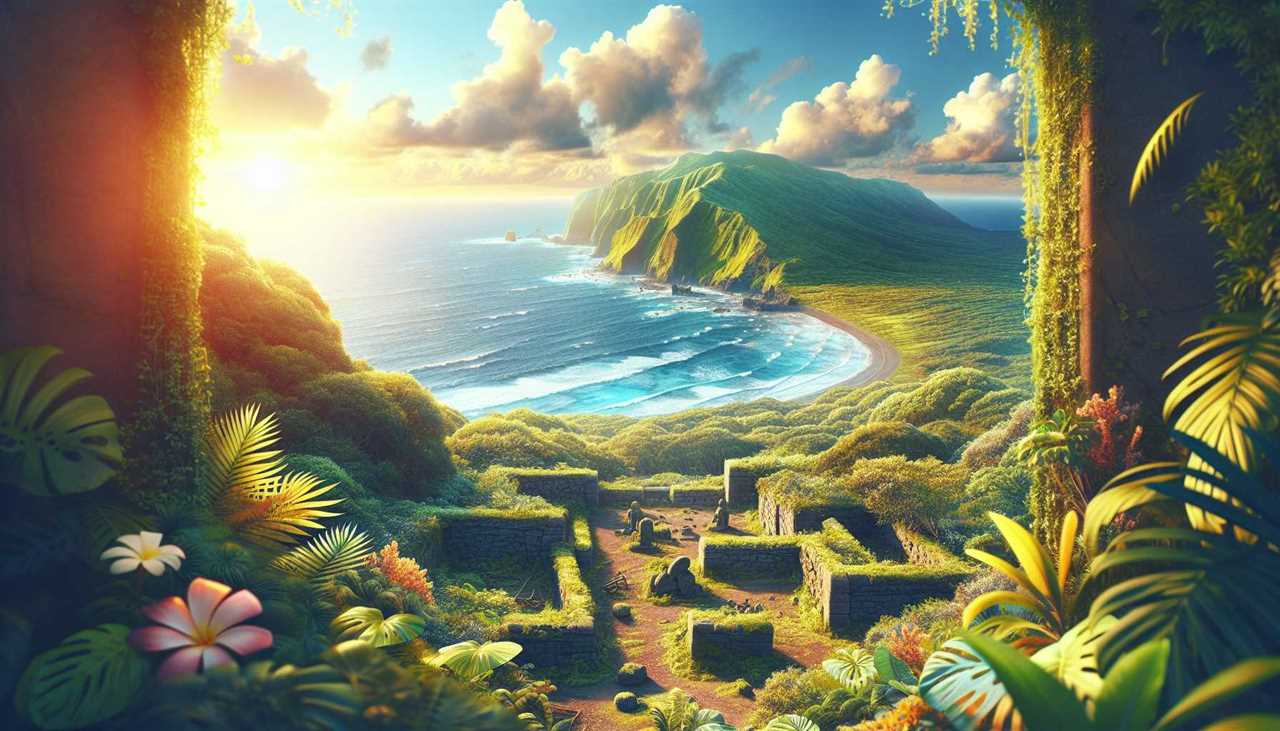
Camiguin's history is a fascinating journey shaped by its volcanic origins and diverse cultures. You’ll find early inhabitants like the Manobo and Higaonon tribes who thrived in harmony with nature. As Spanish colonizers arrived in the 16th century, they introduced changes that would redefine the island. What happened next is a blend of resilience and cultural richness that continues to influence Camiguin today. Discover how these events have sculpted the island's unique identity.
The Origins of Camiguin: Volcanic Beginnings
As you explore the history of Camiguin, you'll discover that its origins are deeply rooted in volcanic activity. This small island is home to several volcanoes, the most famous being Mount Hibok-Hibok.
Formed through centuries of eruptions, the island showcases a unique landscape of lush greenery and rich soil, perfect for agriculture. The volcanic eruptions not only shaped the land but also created hot springs and stunning waterfalls, enhancing its natural beauty.
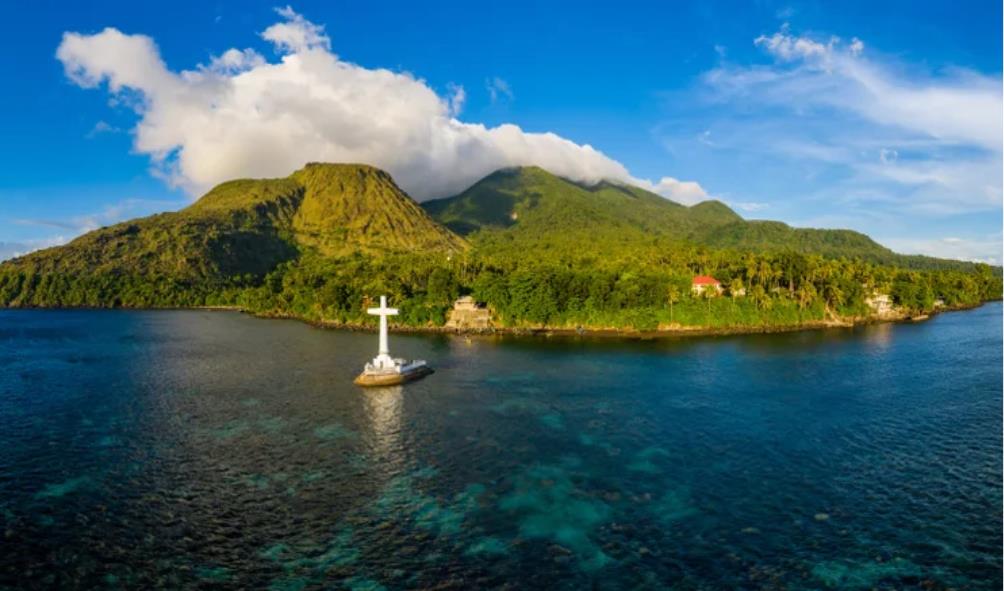
You’ll find that the island’s diverse ecosystems thrive due to these geological processes. Moreover, the volcanic history has played a crucial role in the local culture and traditions, influencing how the people live and interact with their environment.
Camiguin's fiery beginnings truly set the stage for its vibrant identity.
Early Inhabitants and Indigenous Cultures
Exploring Camiguin’s early inhabitants reveals a rich tapestry of indigenous cultures that thrived long before the arrival of colonizers.
You’ll find that the original settlers, primarily the Manobo and the Higaonon tribes, forged a close connection with their natural surroundings. Their knowledge of farming, fishing, and crafting allowed them to sustain their communities.
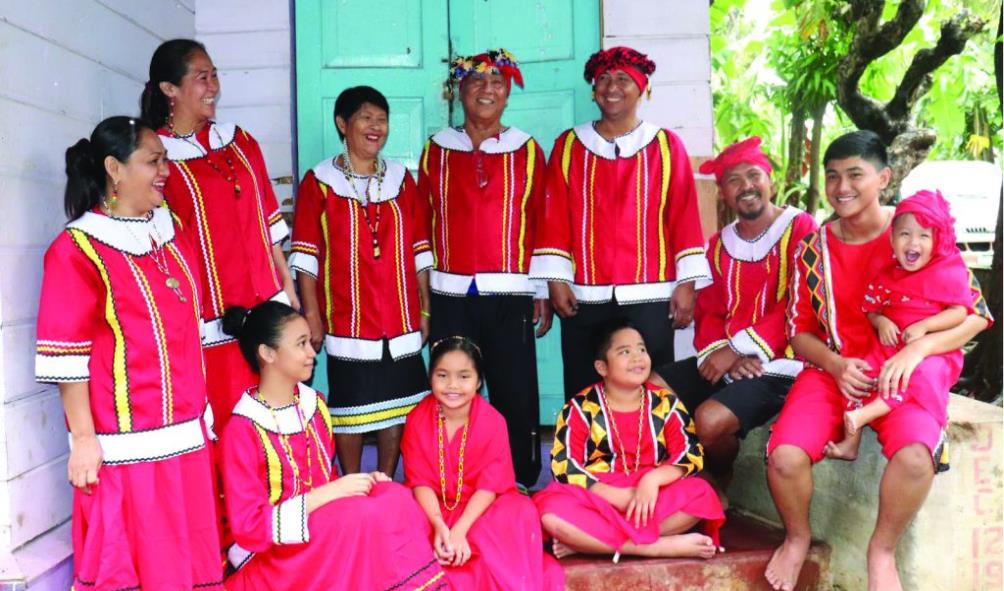
You can see their traditions reflected in the vibrant rituals, music, and art that still echo in local practices today. Additionally, their communal way of life emphasized cooperation and respect for nature, which shaped the island's cultural identity.
As you delve into their stories, you’ll appreciate the resilience and ingenuity of these early communities, setting the stage for Camiguin’s rich cultural heritage.
Spanish Colonization and Its Impact
In the 16th century, Spanish colonization profoundly altered Camiguin's landscape and culture. You’d notice the introduction of new agricultural practices, which transformed the island's economy. The Spaniards brought crops like corn and sugarcane, reshaping local farming methods and food production.
Infrastructure also changed; roads and towns emerged, connecting communities and facilitating trade.
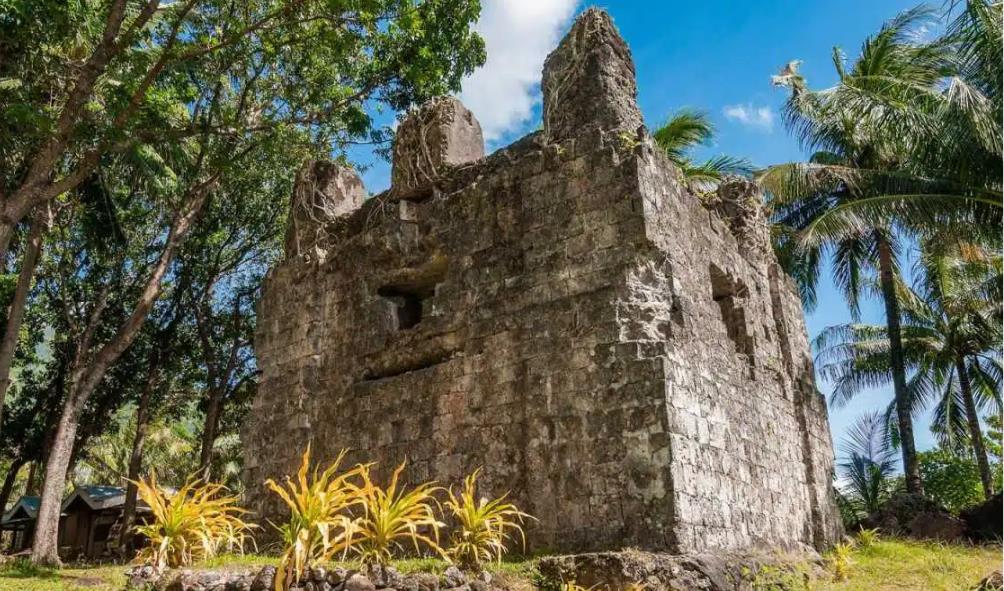
As you explore, you might see remnants of Spanish architecture in churches and government buildings, reflecting their influence on local design. The colonizers established a centralized government, impacting traditional leadership structures and altering social hierarchies.
While the Spanish aimed to impose their rule, local resistance emerged, showcasing the resilience of the island’s inhabitants.
The Role of Christianity in Shaping Society
Although the Spanish colonization brought significant changes to Camiguin, the introduction of Christianity played a pivotal role in shaping the island's society.
You’ll notice how churches became central to community life, serving not just as places of worship but also as social hubs. Through religious teachings, values of compassion, charity, and community solidarity were instilled among the locals.
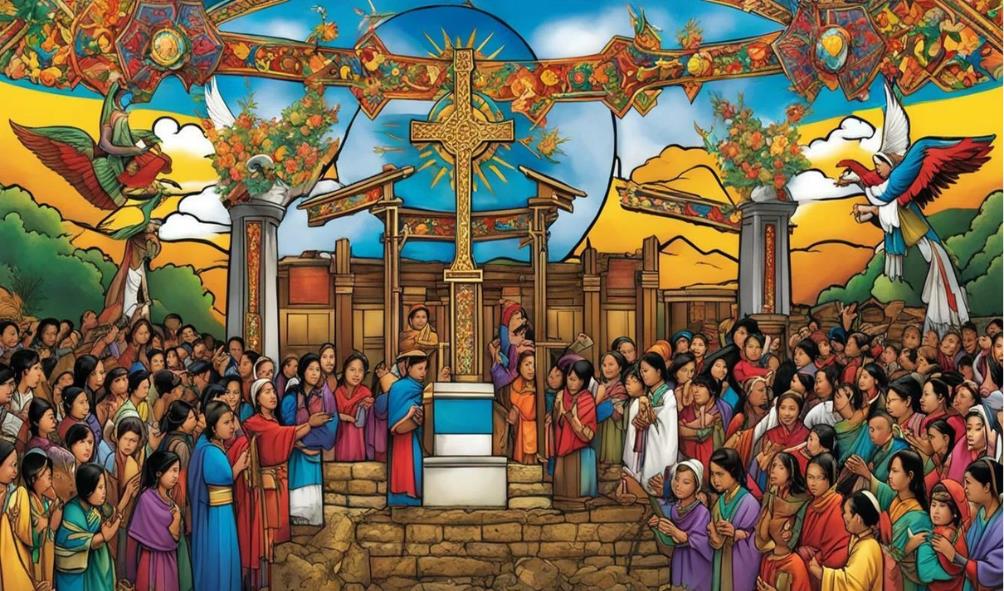
Festivals and rituals celebrated the island's rich cultural heritage, while also reinforcing a collective identity rooted in faith. Christianity also influenced education, leading to the establishment of schools that promoted literacy and moral development.
As you explore Camiguin, you'll see how these religious foundations continue to impact social interactions and community cohesion, creating a unique blend of faith and culture that defines the island today.
The Economic Development of Camiguin
As you delve into the economic development of Camiguin, you'll find that the island's strategic location and natural resources have significantly influenced its growth.
Agriculture plays a pivotal role, with farmers cultivating crops like lanzones and coconut, which thrive in the island's fertile soil. Fishing also contributes to the local economy, providing sustenance and income for many families.
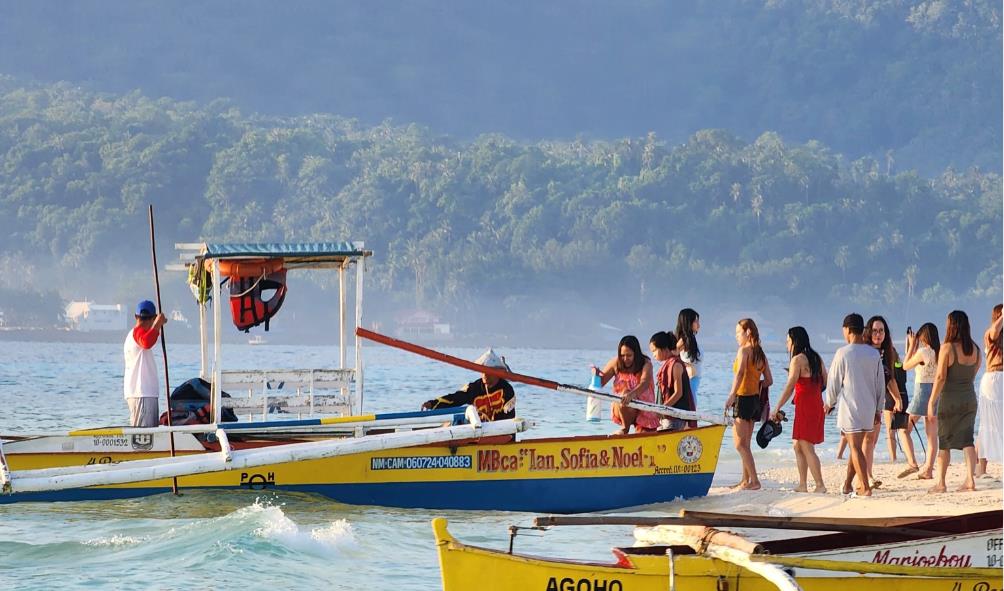
Tourism has emerged as a vital sector, attracting visitors with its stunning landscapes and natural hot springs. The government has implemented various initiatives to promote sustainable tourism, ensuring the preservation of the environment.
Additionally, small businesses and local markets have flourished, supporting the community's economy. Overall, Camiguin's economic landscape continues to evolve, reflecting the resilience and ingenuity of its people.
The Second World War and Its Effects
The economic landscape of Camiguin faced significant upheaval during the Second World War, profoundly impacting the island and its residents.
As Japanese forces occupied the Philippines, you witnessed the disruption of daily life. Agriculture, a primary source of income, suffered as farmland was repurposed for military use. You saw families struggle with food shortages, relying on rationing and barter systems to survive.
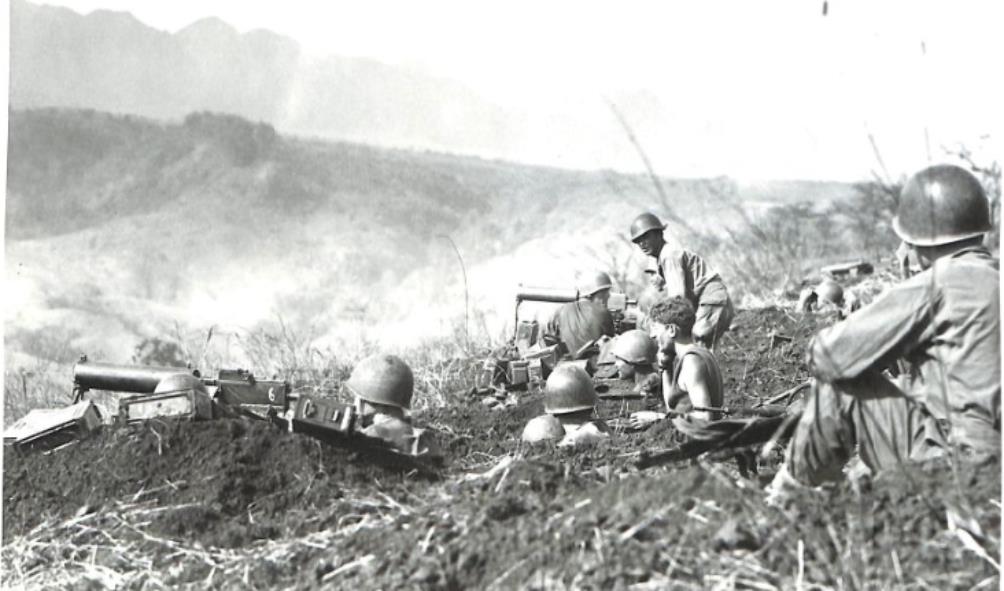
The tourism sector, once thriving, ground to a halt, affecting local businesses. Many of your neighbors joined the resistance, risking their lives for freedom.
Your community faced destruction, with homes and infrastructure damaged by battles. The war’s end left a lasting scar, shaping your island’s identity and resilience, as you all began to navigate the challenges of recovery together.
Post-War Reconstruction and Resilience
With the war finally over, Camiguin’s residents faced the daunting task of rebuilding their lives and communities. You saw the determination in everyone’s eyes as they rolled up their sleeves, ready to restore what was lost.
Homes, schools, and roads had to be reconstructed, but you witnessed a spirit of resilience that brought people together. Neighbors shared resources, and families pooled their efforts to revive local agriculture and businesses.
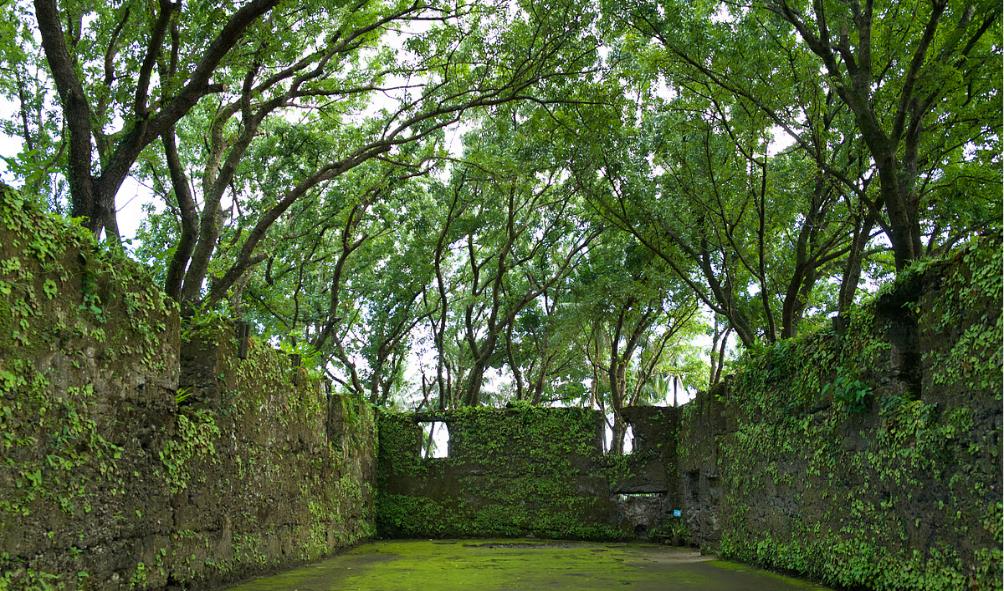
You felt the community’s strength as they organized clean-up drives and fundraisers, igniting hope for the future. Slowly but surely, Camiguin transformed from the ashes of war into a vibrant place once again.
The bonds formed during this challenging time laid the foundation for a stronger, more united island.
Cultural Heritage and Traditions
Although you might think of Camiguin primarily as a beautiful island, its cultural heritage and traditions run deep, shaping the identity of its people.
The island's rich history is reflected in its vibrant festivals, like the Pahiyas and Lanzones Festival, where locals showcase their agricultural bounty and creative spirit.
You'll notice the influence of Spanish colonialism in the architecture of old churches and ancestral homes, which tell stories of resilience and faith.
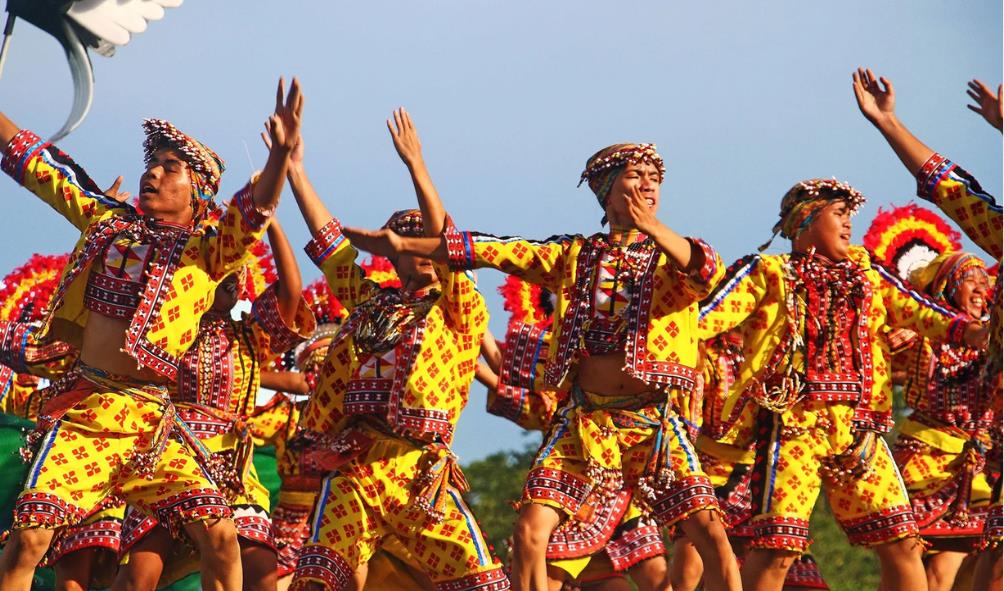
Traditional crafts, such as weaving and pottery, are still practiced, connecting generations.
You'll also find unique culinary delights, blending indigenous and foreign flavors, which highlight the island’s cultural fusion.
Engaging with these traditions, you’ll truly appreciate the essence of Camiguin and its people's enduring spirit.
Modern Developments and Tourism
As you explore Camiguin today, you'll find a blend of modern developments and tourism that enhances the island's charm without overshadowing its rich heritage.
New resorts and eco-friendly accommodations cater to diverse travelers, offering stunning views and easy access to natural attractions. Local businesses thrive, showcasing handmade crafts and delicious cuisine that reflect the island's culture.
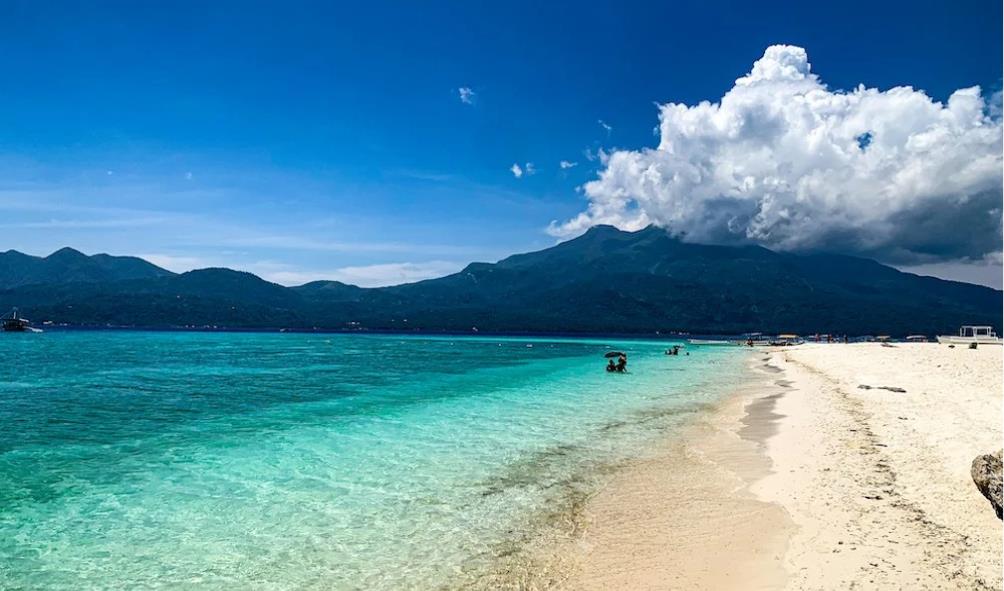
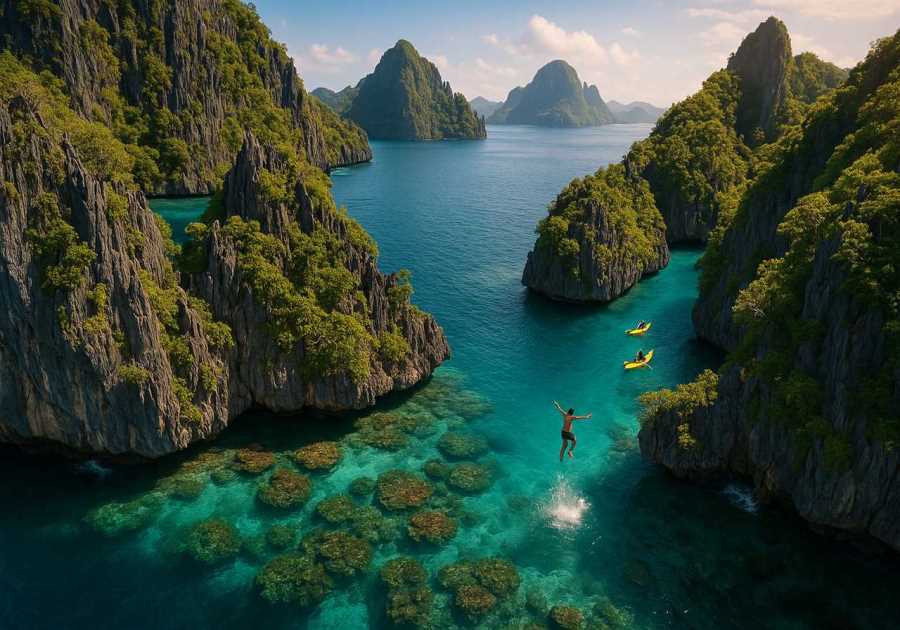
Outdoor activities like hiking, diving, and hot spring visits attract adventure seekers, while well-maintained roads make exploration easier.
Festivals continue to draw visitors, celebrating local traditions with vibrant displays. Sustainable tourism initiatives promote responsible travel, ensuring that Camiguin's beauty remains intact for future generations.
You'll discover that these modern touches only enrich your experience of this enchanting island.
Camiguin Today: A Blend of History and Modernity
Camiguin today stands as a testament to its unique ability to blend history with modernity. You’ll find charming old churches, like the San Nicolas de Tolentino, nestled among contemporary amenities that cater to both locals and tourists.
The island’s rich cultural heritage is celebrated in vibrant festivals, showcasing traditional music and dance, while modern infrastructure enhances accessibility and comfort.
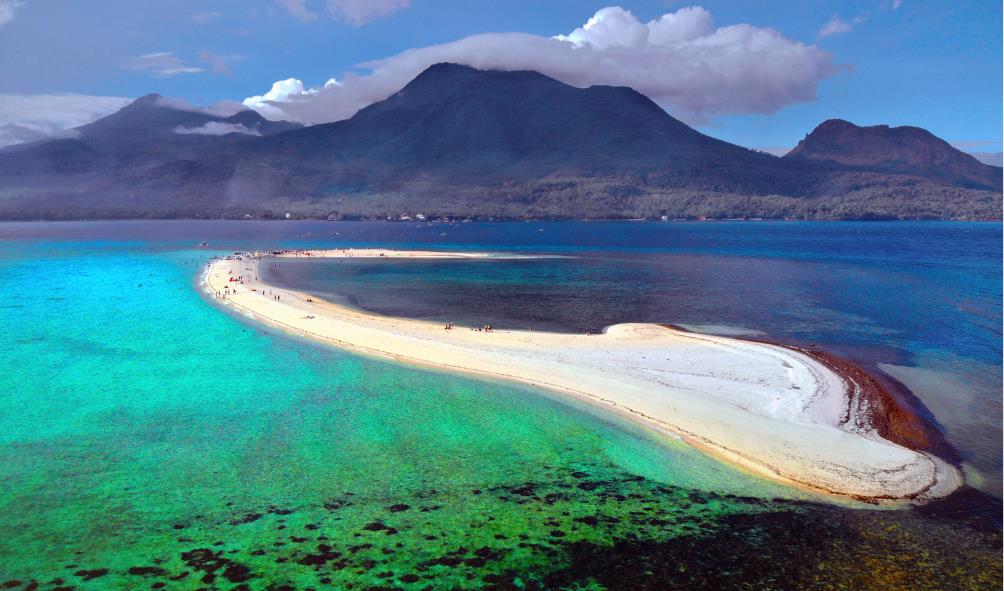
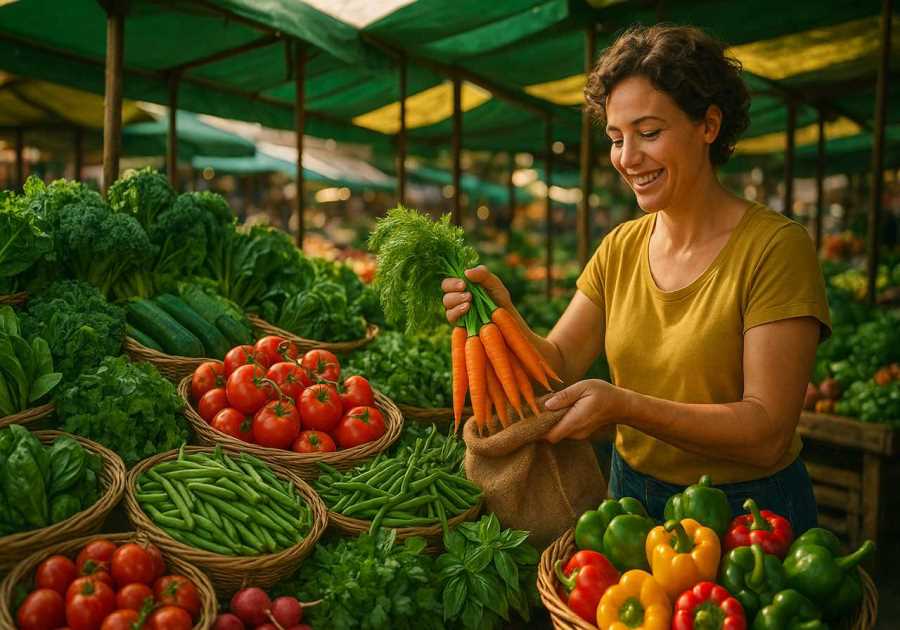
When you explore the natural wonders, like the hot springs or stunning waterfalls, you’re reminded of the island's volcanic origins. Local markets buzz with activity, offering fresh produce alongside modern dining options.
As you stroll through the streets, you can appreciate how Camiguin harmoniously balances its historical roots with the demands of contemporary life, making it a truly enchanting destination.
Conclusion
In conclusion, Camiguin's rich history offers a fascinating journey through volcanic origins, indigenous cultures, and colonial influences. You can see how the island's resilience shines through its post-war reconstruction and vibrant traditions. Today, as you explore Camiguin, you'll experience a unique blend of history and modernity. The island's stunning landscapes, diverse cultures, and warm community spirit invite you to discover and appreciate its legacy, making your visit a memorable adventure.
Statistics
- The island is home to seven volcanic peaks, with Mount Vulcan standing at 1,604 meters as the highest point.
- As of 2023, Camiguin boasts a population of approximately 92,000 residents, reflecting steady growth over the decades.
- Camiguin was officially established as an independent province on June 18, 1966.
- The catastrophic eruption of Mount Hibok-Hibok in 1951 resulted in approximately 1,200 fatalities.
External Links
- Lonely Planet: Camiguin History Shares insights into the island's past and its transformation over the years.
- Travel + Leisure: History of Camiguin Explores the historical sites and cultural evolution of Camiguin for travelers.
- National Geographic: Camiguin History Delivers in-depth narratives and historical context about Camiguin Island.
- Encyclopedia Britannica: Camiguin Island Provides an overview of Camiguin's historical background and geographical significance.
How to Understand Natural Disasters in Camiguin's History
Camiguin has a history marked by significant natural disasters, particularly volcanic eruptions and earthquakes. Begin by studying the major events, such as the 1951 eruption of Mount Hibok-Hibok, which had a profound impact on the island's population and infrastructure. Analyze government and scientific reports detailing the causes and consequences of these disasters. Investigate the recovery and rebuilding efforts that followed each event to understand the resilience of Camiguin's communities. Engaging with local families and survivors can provide personal perspectives on how natural disasters have shaped the island's history.
Want to travel with more time and freedom?
The freedom to travel! Discover free & unique homestays around the world, in exchange for caring for adorable pets.
https://escapetomexiconow.com/ths
Recommended Resources:
Ready to explore life beyond borders? Check out our trusted guides to Mexico, Panama, and the Philippines — your gateways to new adventures, culture, and opportunity.
https://escapetomexiconow.com/
https://escapetomexiconow.info/
https://escapetopanamanow.info/
https://escapetothephilippinesnow.com/
YouTube Channel:
See Mexico like never before! From local culture to travel hacks, our YouTube channel brings the adventure straight to you.
https://www.youtube.com/@EscapeToMexicoNow