Camarines Sur's history is a fascinating journey through time, shaped by its indigenous roots and significant external influences. As you explore its past, you'll find how Spanish colonization altered local cultures and governance. The American occupation introduced educational reforms that further transformed the region. But what about the rich agricultural practices and vibrant festivals that emerged? You'll soon discover how these elements intertwine to create a unique identity that thrives today.
Early Inhabitants and Indigenous Tribes
As you explore the history of Camarines Sur, you'll discover that its early inhabitants were primarily composed of various indigenous tribes, including the Bicolanos, who've lived in the region for centuries.
These tribes cultivated rich traditions, crafts, and languages that reflect their deep connection to the land. You’ll find that their knowledge of agriculture, fishing, and hunting allowed them to thrive in the lush environment.
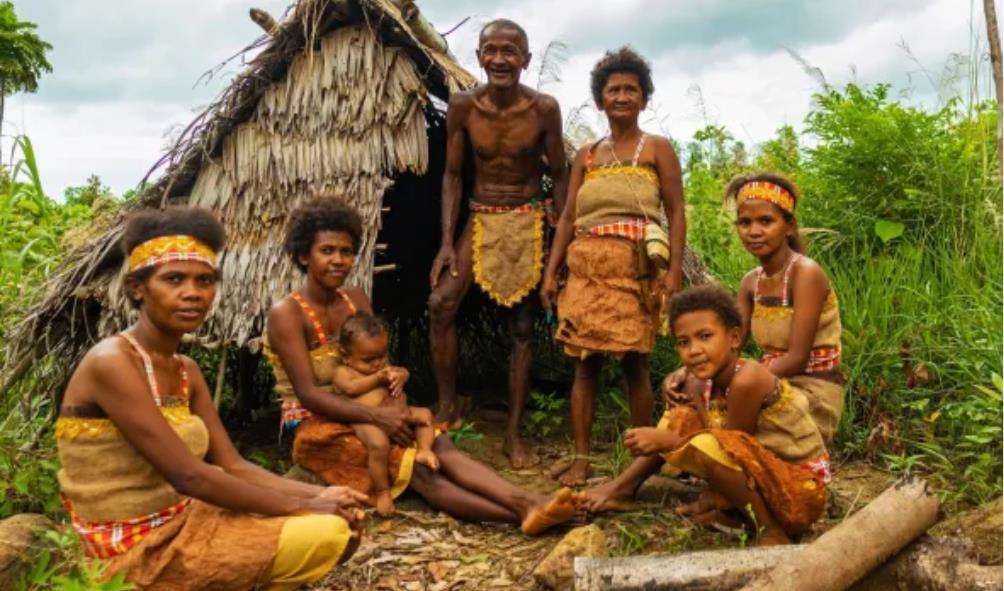
The Bicolanos, for instance, developed unique farming techniques to adapt to the region's volcanic soil. Their vibrant oral histories and rituals have been passed down through generations, preserving their identity.
Understanding these indigenous tribes gives you insight into the cultural foundations of Camarines Sur and highlights the resilience and resourcefulness of its first inhabitants.
Spanish Colonization and Its Impact
While the arrival of Spanish colonizers in the 16th century marked a significant turning point for Camarines Sur, it also brought profound changes to the region's social and cultural landscape.
You'd see the introduction of Christianity, transforming indigenous belief systems and practices. The Spanish established missions, which not only spread the faith but also reshaped community structures.
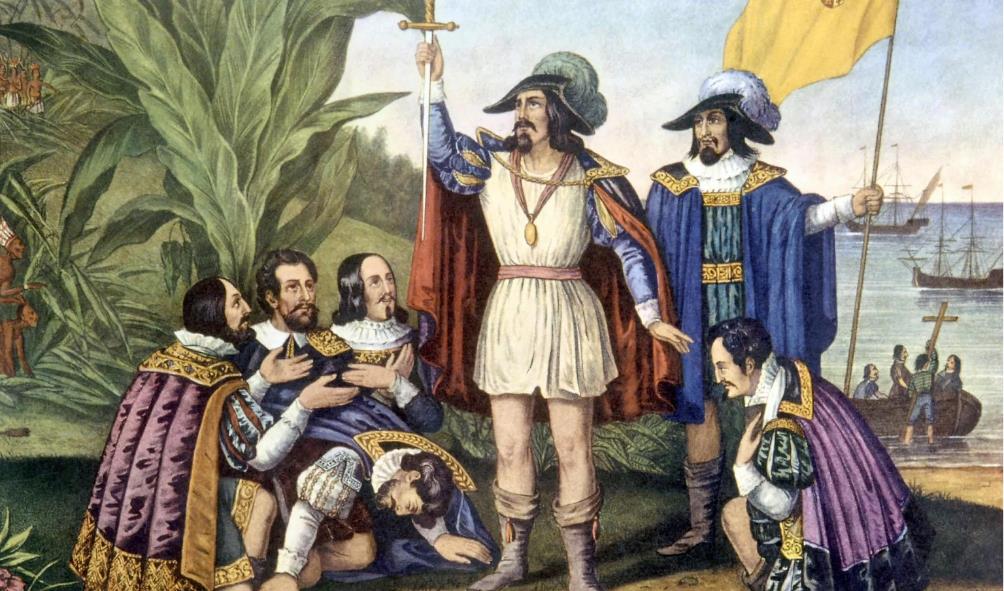
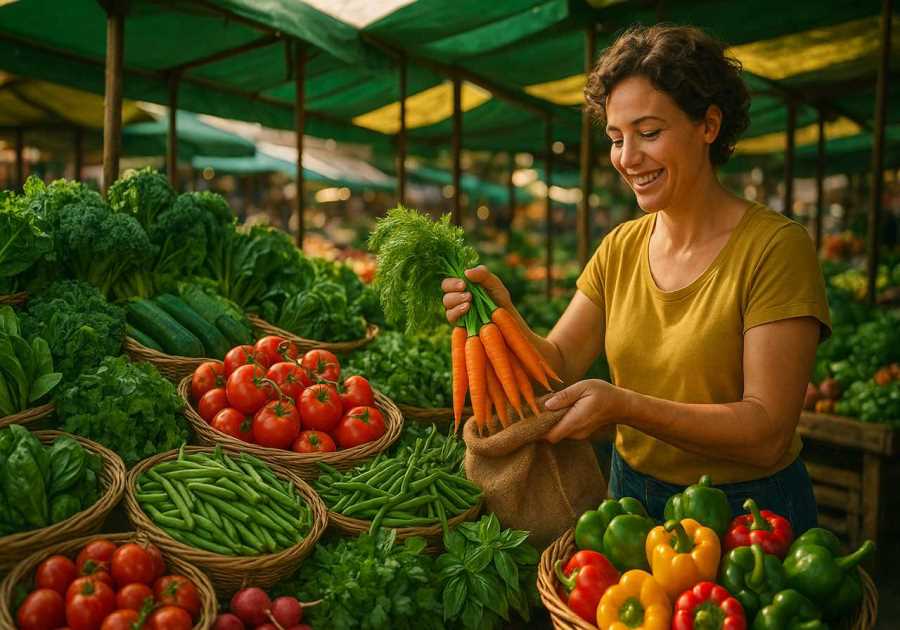
You'd notice new agricultural practices and crops, significantly impacting local economies. The construction of roads and towns facilitated trade and communication, linking Camarines Sur to broader colonial networks.
However, these changes often came at a cost, as local populations faced oppression and exploitation. This period laid the groundwork for modern identity, blending indigenous traditions with Spanish influence that still resonates today.
The American Occupation and Political Changes
When the American forces took control of the Philippines in 1898, Camarines Sur experienced a wave of political and social transformation.
You’d notice how local governance shifted as the Americans established a civil government and introduced new political structures. The traditional leadership underwent changes, and local leaders had to adapt to the new system.
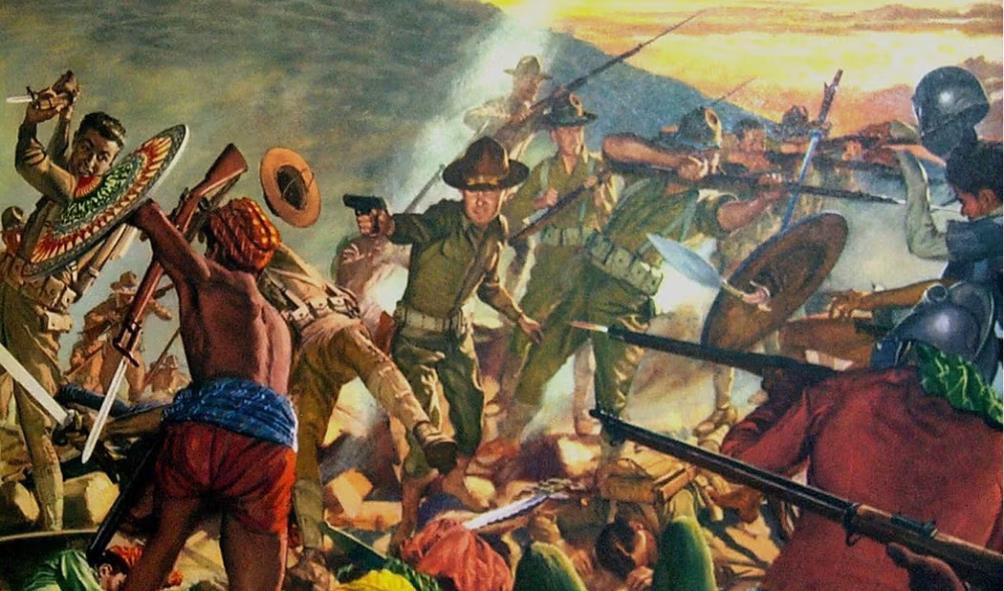
You might’ve seen the introduction of democratic processes, allowing citizens to participate in elections for the first time. This period also brought about changes in law and order, as American authorities enforced new regulations to maintain peace.
With these shifts, the people of Camarines Sur began to embrace new political identities, navigating the complexities of colonial rule while striving for their own representation and rights.
The Rise of Education and Agriculture
During the early 20th century, a significant transformation in education and agriculture took root in Camarines Sur. You’d notice schools sprouting across the province, reshaping the future for countless children. The government prioritized education, establishing primary and secondary institutions, making learning accessible to many.
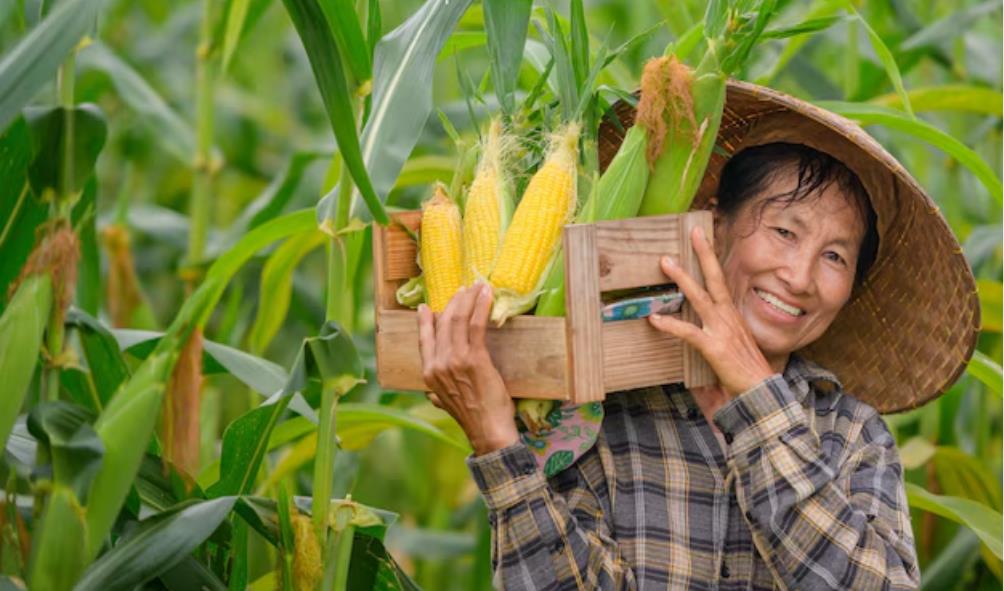
As you walked through rural areas, you’d see farmers adopting modern techniques and crops, boosting agricultural productivity. The introduction of irrigation systems and better farming tools made a noticeable difference. You might even spot agricultural fairs showcasing innovations, encouraging local farmers to collaborate and share knowledge.
This era laid the groundwork for a thriving economy, connecting education and agriculture in a way that empowered the community and improved livelihoods, setting the stage for future growth.
Modern Developments and Cultural Heritage
As modern developments shape Camarines Sur, the province has managed to preserve its rich cultural heritage. You’ll find a harmonious blend of contemporary infrastructure and traditional practices.
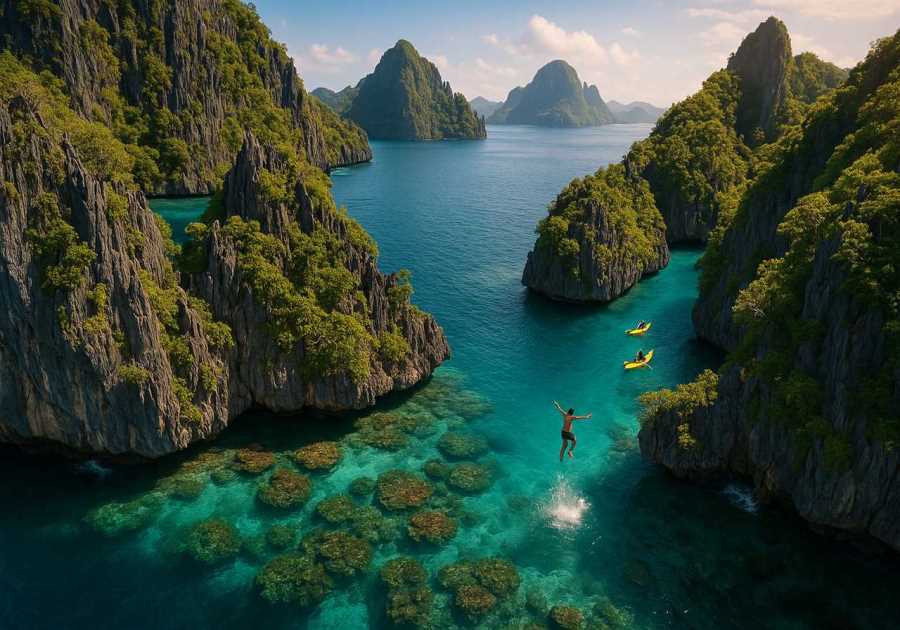
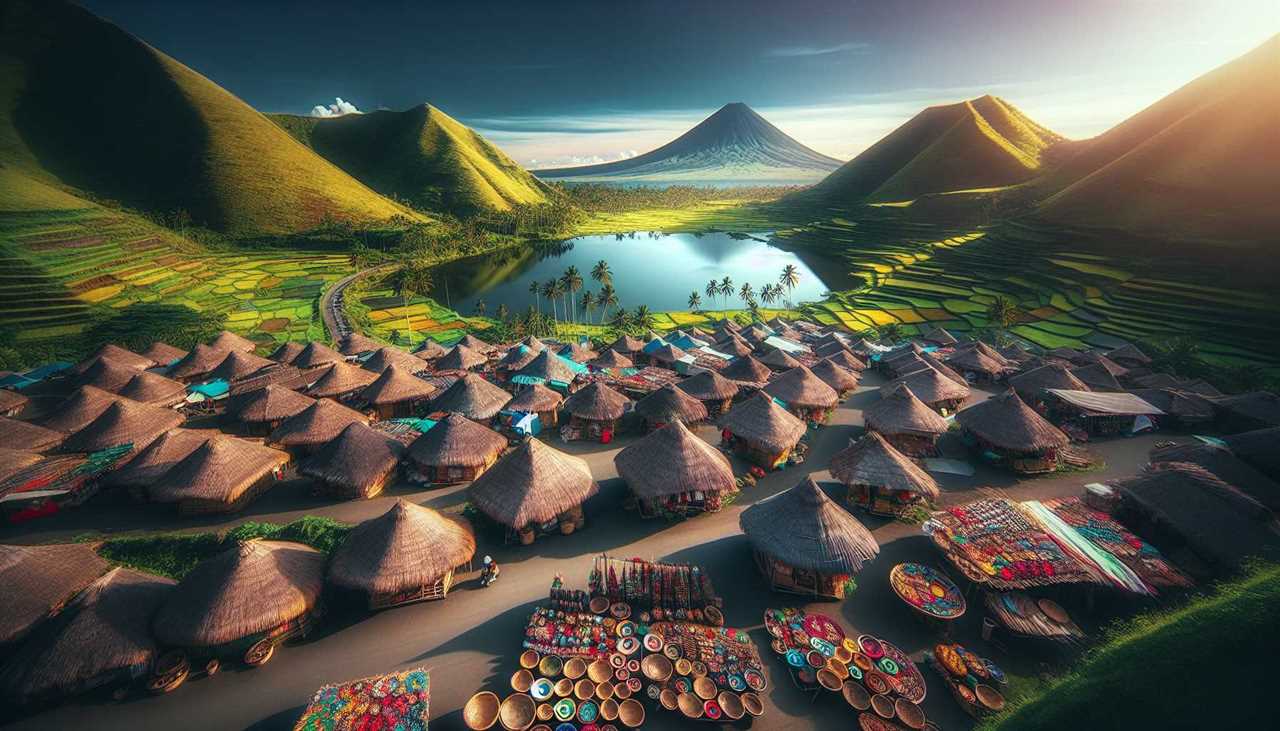
The growth of eco-tourism highlights natural wonders like the Caramoan Islands while promoting local culture. Festivals, such as the Penafrancia, showcase vibrant traditions that connect the past with the present. You can experience local crafts and cuisine, which reflect the area's history and creativity.
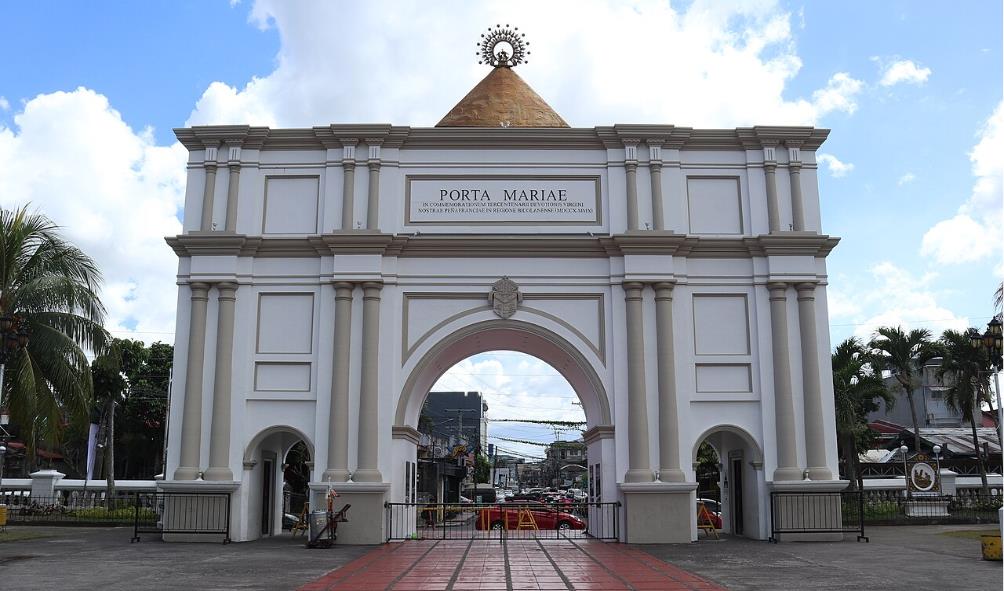
Efforts to protect historical sites, like colonial-era churches, further enhance the province's cultural identity. As you explore, you’ll witness how modernity coexists with heritage, creating a unique atmosphere that enriches both residents and visitors alike.
Embrace the spirit of Camarines Sur as it continues to evolve while honoring its roots.
Conclusion
In conclusion, Camarines Sur's rich history showcases the resilience and adaptability of its people. You can see how the blend of indigenous traditions, Spanish influences, and American governance shaped the region into what it is today. As you explore its vibrant festivals and lush landscapes, you’ll appreciate the harmonious balance between modernity and heritage. This unique identity not only honors the past but also paves the way for a promising future, inviting everyone to experience its charm.
Statistics
- The city of Naga, a major urban center in Camarines Sur, has a population exceeding 170,000 as of 2020.
- In the early 20th century, Camarines Sur saw a 30% increase in agricultural production under American administration.
- The Bicol Region, including Camarines Sur, was a significant battleground with over 20 major engagements during World War II.
- Post-independence, Camarines Sur experienced a 50% growth in infrastructure development from 1960 to 1980.
External Links
- Bicol University's History Department on Camarines Sur offers academic insights and publications on the province's historical development.
- Camarines Sur Provincial Museum showcases artifacts and exhibits detailing the area's historical heritage.
- Official Camarines Sur Provincial Government History provides official records and milestones in the province's development.
- Bicol Historical Society's Camarines Sur Section features scholarly articles and research on the region's past.
How to Assess Camarines Sur's Experience During World War II
Research the events that took place in Camarines Sur during World War II by examining military records and eyewitness accounts. Visit museums and memorials that commemorate the battles and the resilience of the local population, gaining a deeper understanding of the province's wartime experiences and recovery efforts.
Want to travel with more time and freedom?
The freedom to travel! Discover free & unique homestays around the world, in exchange for caring for adorable pets.
https://escapetomexiconow.com/ths
Recommended Resources:
Adventure is calling — are you ready to answer? Discover new places, new lifestyles, and new possibilities in Mexico, Panama, or the Philippines.
https://escapetomexiconow.com/
https://escapetomexiconow.info/
https://escapetopanamanow.info/
https://escapetothephilippinesnow.com/
YouTube Channel:
Your next adventure starts here! Join us on YouTube for destination tours, insider advice, and everything you need to make your escape unforgettable.
https://www.youtube.com/@EscapeToMexicoNow