Camarines Norte's history is a fascinating blend of cultures and events that shaped its identity. From the early indigenous tribes to the influence of Spanish colonization, the province has seen significant transformations. Its role in the Philippine Revolution and the impact of American governance further illustrate its resilience. Yet, as you explore this rich past, you'll uncover how these elements continue to influence the province today. What challenges and progress does modern Camarines Norte face?
Early Inhabitants and Indigenous Tribes
The rich tapestry of Camarines Norte's history begins with its early inhabitants and indigenous tribes, who laid the foundation for the region's culture.
These tribes, including the Agta and the Bicolano, thrived in harmony with nature, cultivating the land and fishing the abundant waters. You can sense their deep connection to the environment through their traditional practices and beliefs.
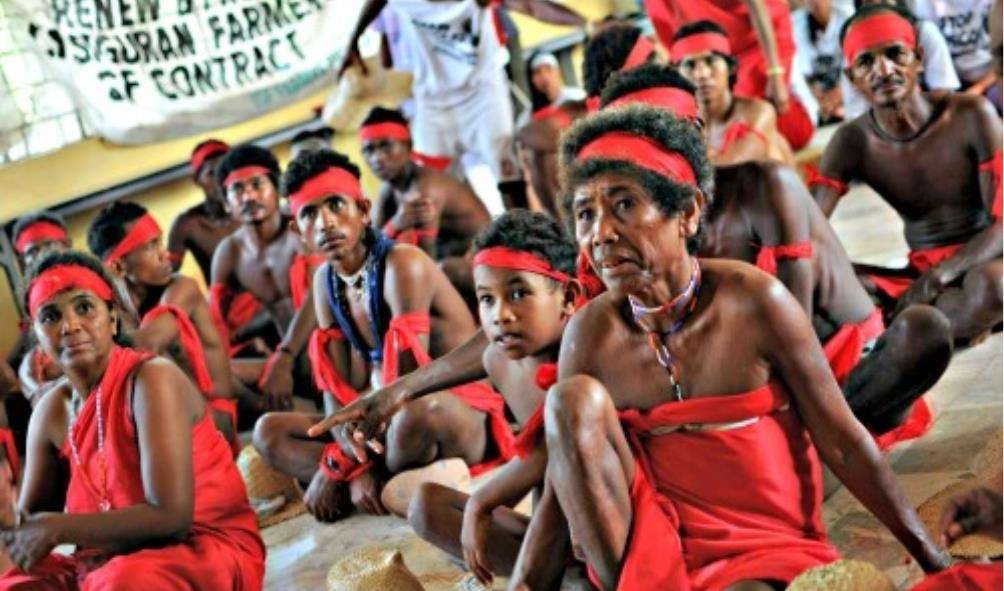
They utilized local resources for shelter, food, and tools, showcasing their resourcefulness. Oral traditions passed down stories, preserving their heritage and identity.
As you explore the region, you might notice remnants of their way of life, from ancient artifacts to sacred sites. Their influence is still evident today, reminding you of the rich cultural legacy that continues to shape Camarines Norte.
Spanish Colonial Era and Its Impact
As Spanish colonizers arrived in the Philippines in the late 16th century, they brought profound changes to Camarines Norte, reshaping its social, political, and economic landscape.
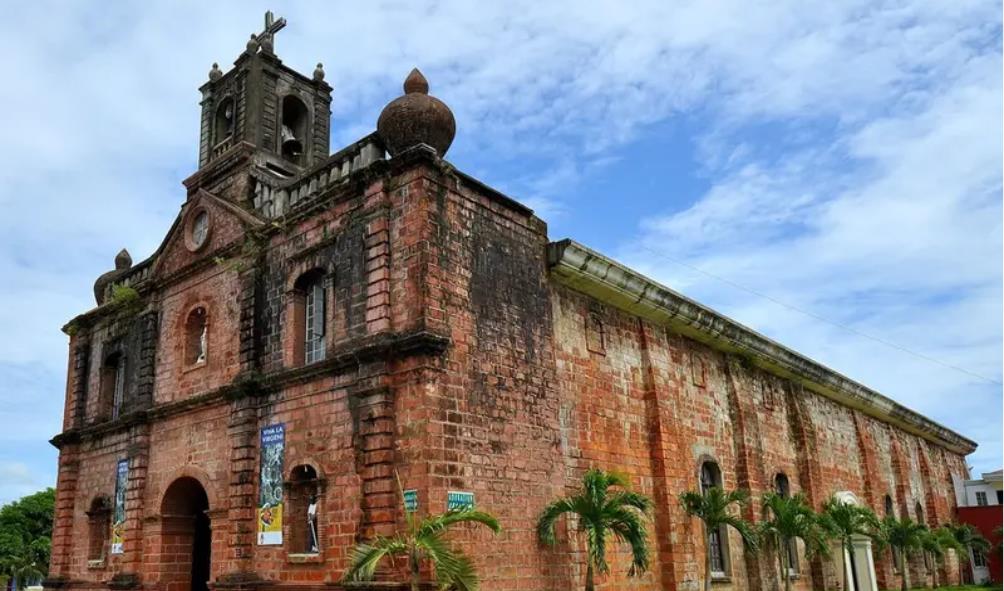
You'd see the introduction of Christianity as missionaries established churches and converted many locals. This shift not only altered spiritual beliefs but also influenced daily life and cultural practices.
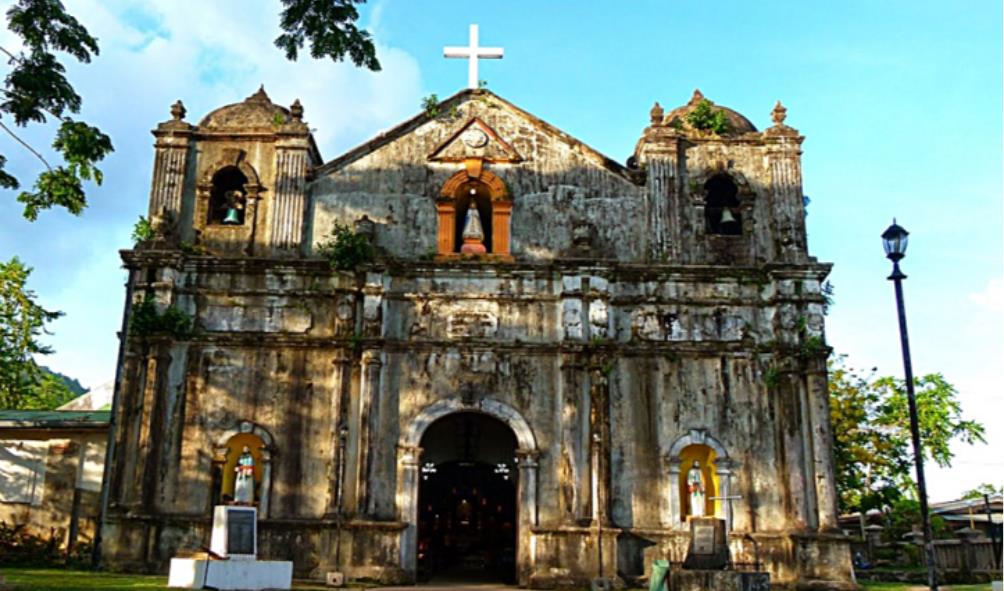
Politically, the Spaniards imposed a centralized government, which disrupted traditional tribal leadership structures.
Economically, they introduced new agricultural techniques and crops, leading to changes in farming practices. The Spanish also initiated trade networks that connected Camarines Norte to broader markets.
While these changes promoted development, they often came at the cost of indigenous culture and autonomy, leaving a lasting impact on the region's identity.
The Role of Camarines Norte in the Philippine Revolution
Although often overshadowed by larger provinces, Camarines Norte played a significant role in the Philippine Revolution against Spanish rule. You’ll find that local leaders and residents actively participated in revolutionary efforts, driven by a desire for freedom.
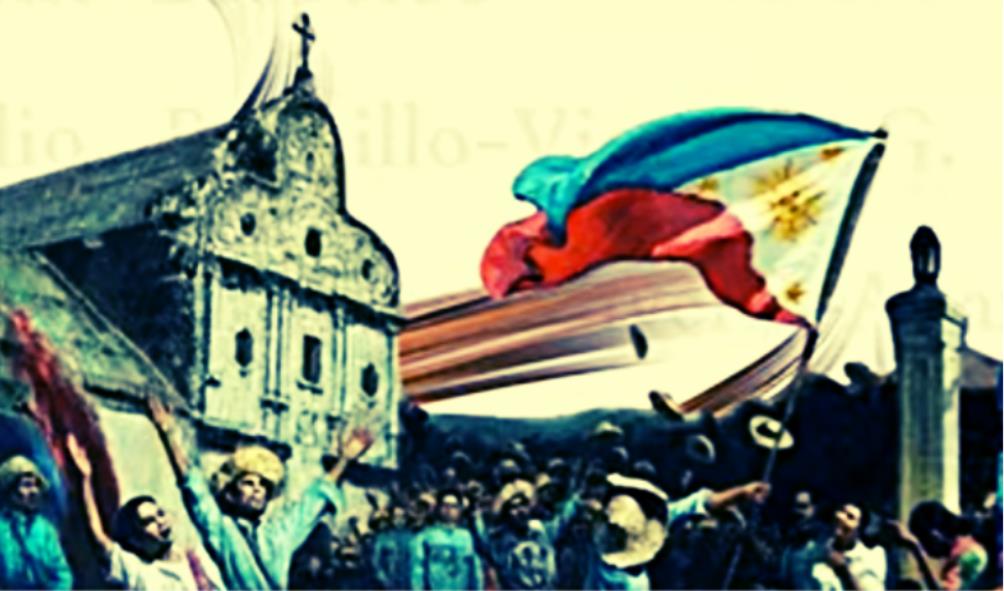
The province served as a strategic base for revolutionary activities, where you could see numerous meetings held to plan uprisings. Notably, the towns of Daet and Jose Panganiban became hotbeds of resistance, nurturing leaders like General Vicente Lukban.
Their courage inspired many to join the fight, fostering a spirit of nationalism that resonated throughout the region. The contributions of Camarines Norte weren't just limited to military actions; the people's unwavering support helped sustain the revolutionary movement, making a lasting impact on the quest for Philippine independence.
American Occupation and Changes in Governance
With the arrival of American forces in 1898, Camarines Norte underwent significant changes in governance, marking a new chapter in its history.
The Americans introduced a centralized administration, replacing the existing Spanish colonial structure. They implemented new laws and established public education, promoting literacy among residents.
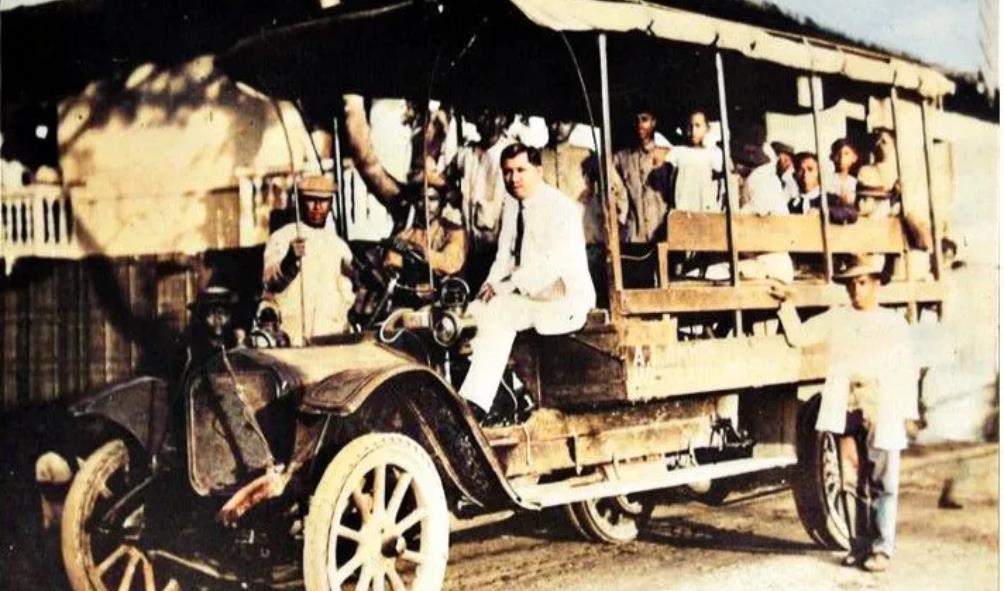
You'd see the introduction of English as the medium of instruction, which aimed to foster a more unified national identity. Local governance shifted to a system of elected officials, allowing citizens to participate in their own political processes for the first time.
This period also saw the establishment of infrastructure improvements, including roads and communication systems, which enhanced connectivity within the province and beyond.
World War II and Its Effects on the Province
The changes brought by American governance set the stage for a turbulent period in Camarines Norte's history during World War II.
As the Japanese occupied the province in 1942, life dramatically shifted. You’d witness fear and uncertainty as local residents endured harsh conditions, with food shortages and economic struggles becoming commonplace.
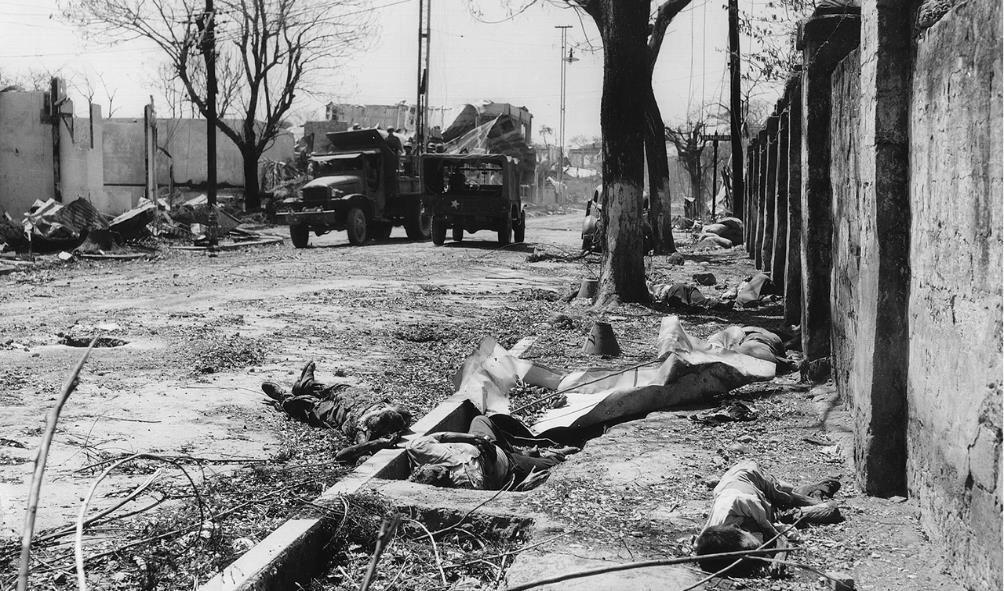
Many men joined the resistance, while others were forced into labor camps. The guerrilla movement gained momentum, with brave individuals risking their lives to fight against the invaders.
You might’ve seen communities banding together, sharing what little resources they had.
Post-War Recovery and Economic Development
As World War II came to an end, Camarines Norte faced the daunting task of rebuilding its war-torn communities and economy.
You’d witness a collective determination among the residents, who worked tirelessly to restore their lives. Agricultural practices modernized, leading to improved crop yields and food security. Local businesses sprang up, providing jobs and stimulating growth.
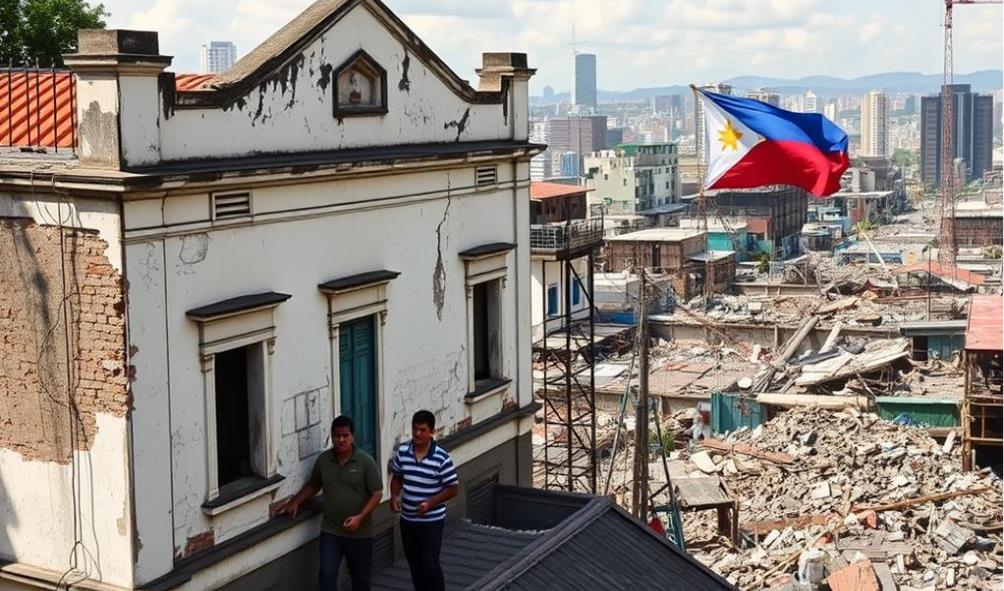
The government initiated infrastructure projects, enhancing roads, schools, and healthcare facilities. These developments fostered a sense of hope and resilience.
You’d see the rise of cooperative organizations, empowering farmers and promoting self-sufficiency. By investing in education and vocational training, the province nurtured a skilled workforce.
Together, the people of Camarines Norte laid the foundation for a brighter future, transforming challenges into opportunities for prosperity.
Cultural Heritage and Traditions
Although you mightn't realize it at first glance, Camarines Norte is rich in cultural heritage and traditions that reflect its unique history and diverse influences.
The local festivals, like the Pahiyas and the Parada ng mga Tsinelas, showcase vibrant colors and lively dances, inviting you to experience the community's spirit.
You’ll find traditional crafts, such as handwoven textiles and pottery, that highlight the skills passed down through generations.
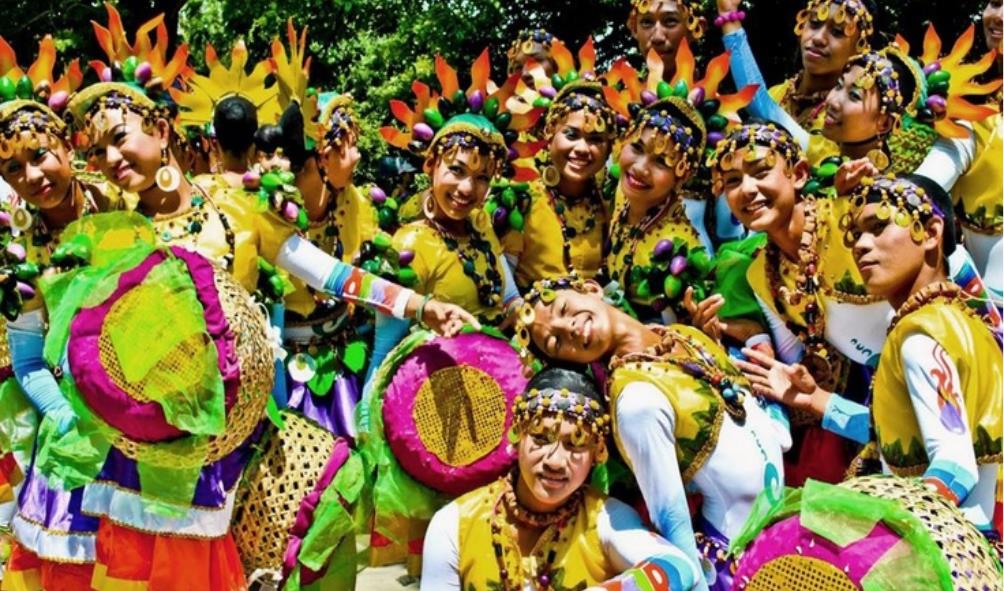
The culinary scene, featuring dishes like tinotungan and bicol express, offers a taste of the region's rich flavors and ingredients.
Additionally, local legends and folklore echo the experiences of its ancestors, keeping their stories alive.
Engaging with these cultural elements allows you to appreciate the true essence of Camarines Norte.
Modern Day Camarines Norte: Challenges and Progress
Camarines Norte's cultural heritage sets the stage for its modern developments, where the community faces both challenges and opportunities.
Today, you’ll notice a blend of tradition and innovation, with local businesses thriving amidst economic shifts. However, the region grapples with issues like environmental degradation and infrastructure deficits.
You might see farmers struggling against climate change, and the youth often seek better job prospects elsewhere. Yet, community initiatives and government programs aim to foster sustainable development.
You can witness vibrant local markets and cultural festivals that celebrate resilience and heritage. As you explore, you’ll find that despite obstacles, the people of Camarines Norte remain determined to progress, embracing both their past and a hopeful future.
Conclusion
In exploring the history of Camarines Norte, you’ll find a province shaped by its resilient people and diverse influences. From its early inhabitants to the impact of colonization, each chapter reveals a story of adaptation and strength. The province's role in significant historical events showcases its enduring spirit. Today, as Camarines Norte navigates modern challenges, it continues to celebrate its rich cultural heritage while striving for progress, making it a unique part of the Philippines' narrative.
External Links
- National Museum Exhibits on Camarines Norte showcases artifacts and exhibitions related to the province's history.
- Philippine History Resource on Camarines Norte explores key events that shaped the region.
- Camarines Norte Official History provides a comprehensive overview of the province's historical development.
- Camarines Norte Bicentennial Celebrations highlights historical milestones celebrated in the province.
How to Explore the Pre-Colonial History of Camarines Norte
Begin your exploration of Camarines Norte's pre-colonial history by visiting local museums and heritage sites that showcase artifacts from indigenous communities. Engage with academic publications and historical texts that detail the early settlements and societal structures of the region. Participate in guided tours led by historians who can provide deeper insights into the lifestyles, customs, and governance of the indigenous populations before Spanish contact. Additionally, attending cultural festivals can offer a living representation of pre-colonial traditions and practices that have been preserved over generations.
Plan the perfect group trip, your way.
Get an instant personalized itinerary. We handle logistics, payments, and provide a dedicated itinerary, while local experts fine-tune every detail. Enjoy full freedom—without the stress of organizing it all.
https://escapetomexiconow.com/tourhero
Recommended Resources:
Dreaming of a fresh start abroad? Explore our curated destination guides to learn how you can make the move with ease.
https://escapetomexiconow.com/
https://escapetomexiconow.info/
https://escapetopanamanow.info/
https://escapetothephilippinesnow.com/
YouTube Channel:
See Mexico like never before! From local culture to travel hacks, our YouTube channel brings the adventure straight to you.
https://www.youtube.com/@EscapeToMexicoNow