

Cagayan's history offers a fascinating glimpse into the evolution of a region shaped by diverse cultures and significant events. From its early Indigenous settlements to the transformative influences of colonial powers, each chapter reveals a unique narrative. As you explore the intricate connections between agriculture, trade, and resistance, you'll uncover the layers that define Cagayan today. What factors contributed to its resilience and adaptation over the centuries?
Early Indigenous Settlements
As you delve into the early indigenous settlements of Cagayan, you'll discover a rich tapestry of cultures and communities that thrived long before colonial influences arrived.
These early inhabitants, primarily belonging to the Ibanag, Itawes, and Gaddang tribes, built vibrant societies centered around agriculture, fishing, and trade. They utilized the fertile lands and abundant rivers to cultivate crops like rice and maize, fostering a sustainable lifestyle.
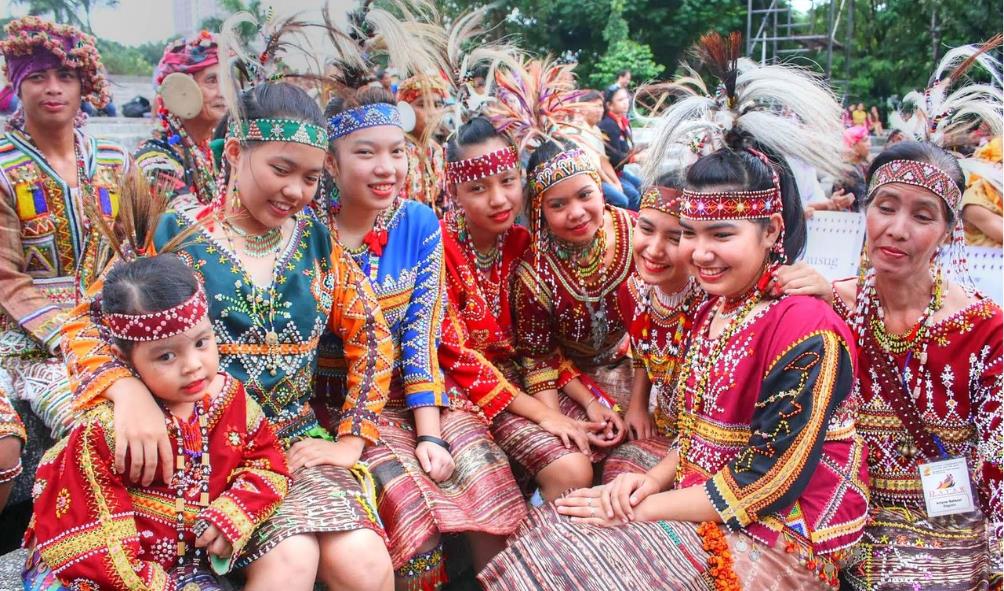
Their intricate social structures featured strong familial bonds and communal cooperation, ensuring survival and prosperity. Moreover, these communities developed unique languages, traditions, and artistic expressions, reflecting their connection to the land.
Each settlement contributed to the region’s cultural heritage, laying a foundation that would endure through the ages, even as outside forces began to encroach.
The Arrival of Spanish Colonizers
The vibrant societies of the Ibanag, Itawes, and Gaddang tribes faced a significant turning point with the arrival of Spanish colonizers in the 16th century.
You'd witness the clash of cultures as the Spanish sought to impose Christianity and their governance. Missions were established, and you’d see Spanish priests working to convert the indigenous people, leading to a blend of traditions.
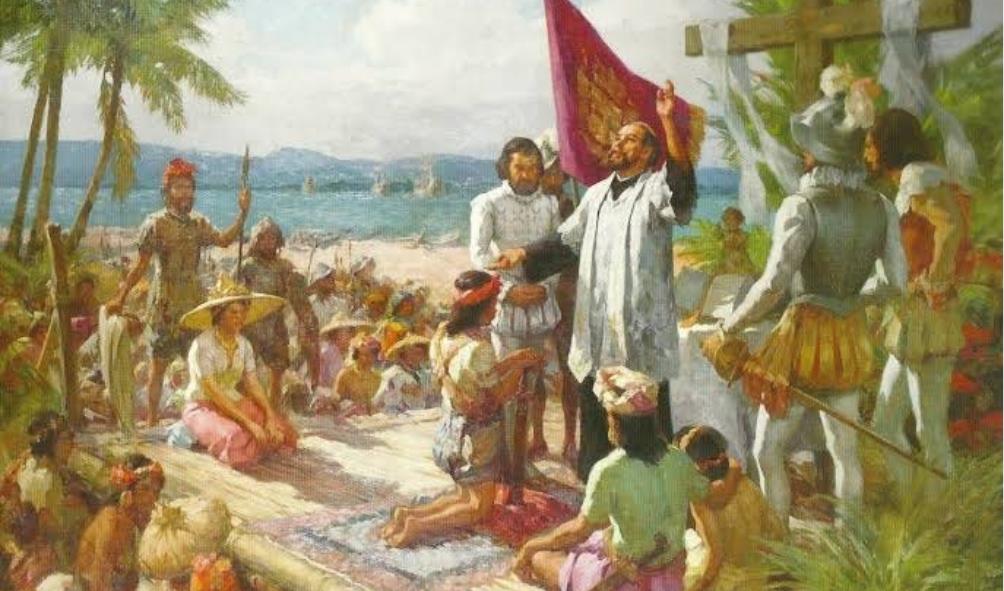
The colonizers introduced new agricultural practices and crops, changing local economies. However, resistance and conflict were common as tribes fought to maintain their identities and territories.
You'd feel the tension rise as alliances formed, and the power dynamics shifted. This era marked the beginning of profound changes, shaping the future of Cagayan and its people in ways that would last for generations.
The Role of Cagayan in the Galleon Trade
Cagayan played a crucial role in the Galleon Trade, serving as a vital link between the Philippines and Mexico during the Spanish colonial period.
You’d find Cagayan’s strategic location made it an ideal departure point for galleons heading to Acapulco. These ships carried valuable goods, including silk, spices, and other commodities, creating a bustling trade route.
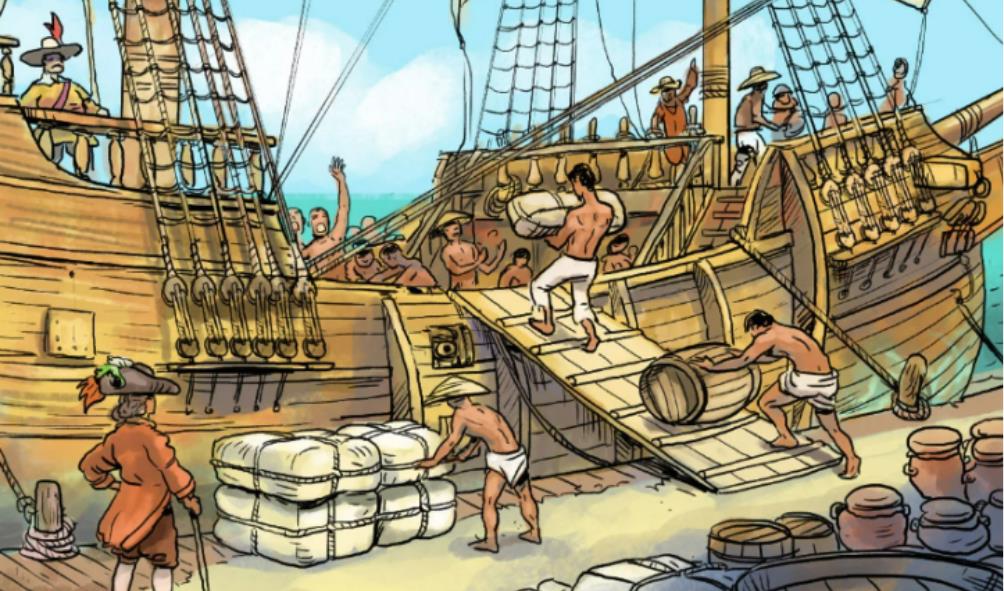
The region’s ports accommodated various vessels, boosting local economies and establishing Cagayan as a center of maritime activity.
As a trader, you’d witness the exchange of not just goods but also ideas and technologies, shaping the local community.
Cagayan’s involvement in this trade network significantly impacted its development and laid the groundwork for future economic endeavors in the region.
Cultural Exchanges and Influences
With the bustling trade routes established during the Galleon Trade, Cagayan became a melting pot of cultures, where diverse influences intertwined. You’d notice how Spanish, Chinese, and indigenous traditions blended, shaping local customs and practices.
Festivals like the Piat Pitong Araw reflect these rich cultural exchanges, showcasing vibrant parades and culinary delights.
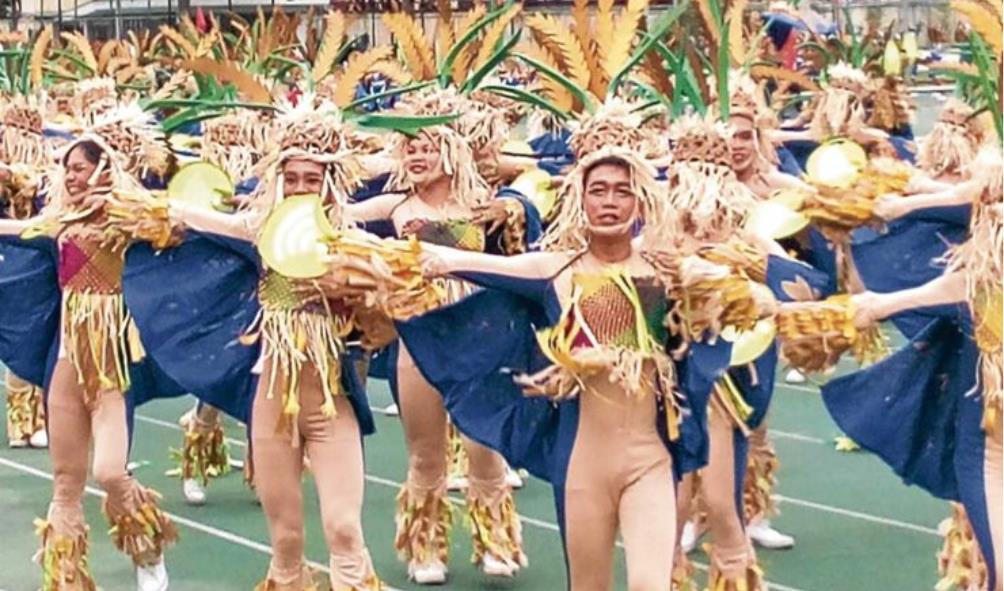
As you explore Cagayan, you’ll encounter various architectural styles, from colonial churches to traditional bahay na bato, each telling a story of its own.
Language, too, absorbed these influences, with loanwords from Spanish and Chinese enriching the local dialects.
The resulting tapestry of cultural diversity not only reflects Cagayan's history but also enhances its identity, inviting you to appreciate the unique heritage forged through centuries of interaction.
The American Colonial Period
As the Philippines transitioned into the American Colonial Period in 1898, Cagayan experienced significant changes that reshaped its social, political, and economic landscape.
You'd notice the introduction of new educational systems, promoting English and modern subjects. The Americans established infrastructure improvements, enhancing transportation and communication throughout the province.
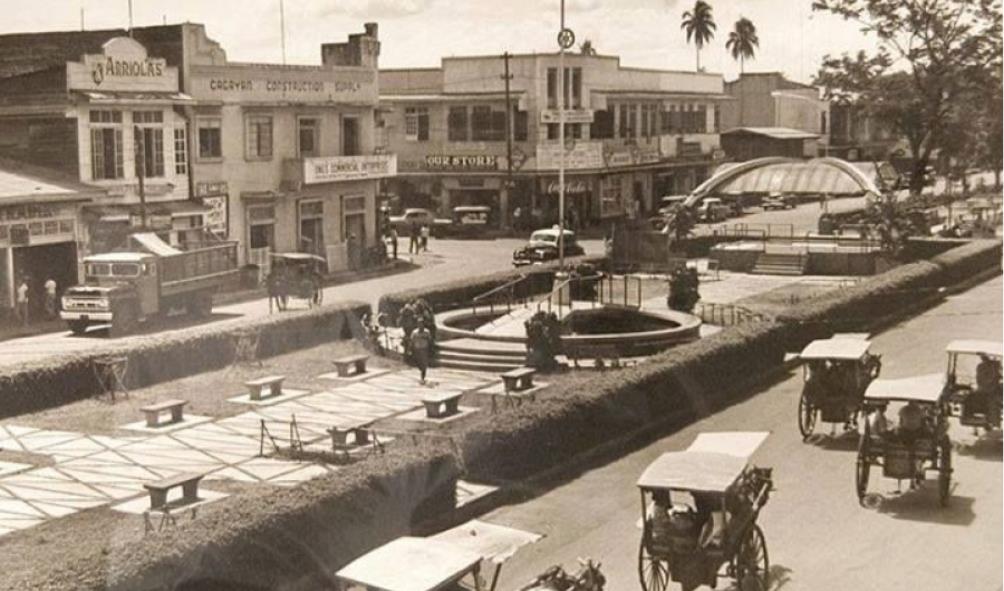
Agriculture flourished with the introduction of new crops and farming techniques, boosting local economies. Politically, locals began participating in governance, albeit under American oversight, which fostered a sense of civic engagement.
The influx of American culture influenced social norms, fashion, and even cuisines, blending seamlessly with local traditions.
Resistance and Resilience During World War II
The American Colonial Period set the stage for the tumultuous years of World War II, during which Cagayan faced immense challenges yet demonstrated remarkable resilience.
As Japanese forces invaded, you and your fellow Cagayans showed incredible courage. Many joined guerrilla movements, fighting back against oppression while risking their lives for freedom.
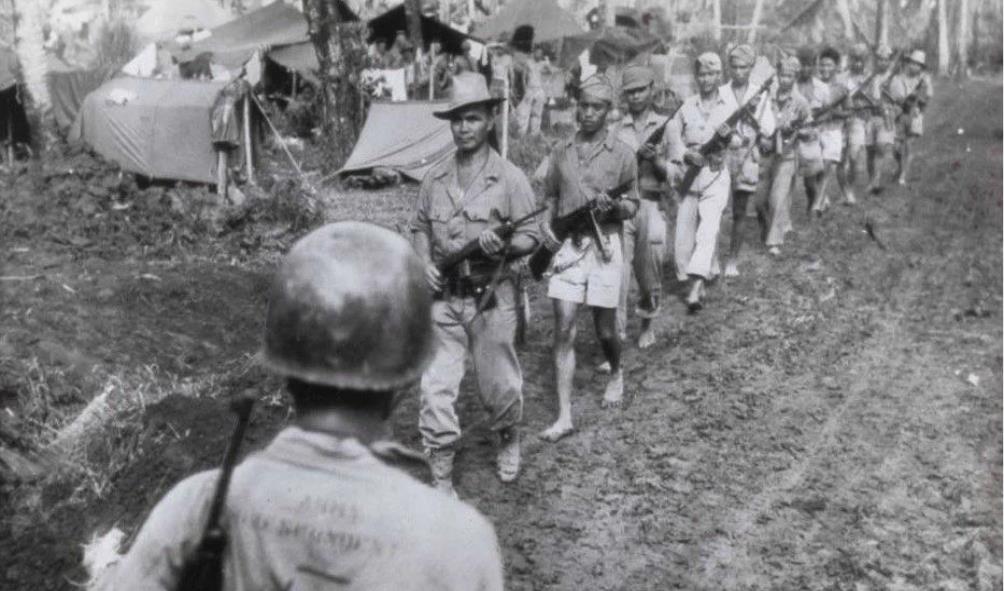
You witnessed the struggle firsthand, with families banding together to support each other, sharing resources, and standing strong in the face of adversity.
The community's spirit shone through, as people organized to protect their homes and loved ones. Even in the darkest times, your determination to resist tyranny kept hope alive.
The bonds forged during this period of struggle laid the foundation for a united Cagayan, ready to reclaim its future.
Post-War Reconstruction and Development
Although the scars of war were still fresh, Cagayan quickly shifted its focus to rebuilding and developing the region in the aftermath of World War II.
You’d witness communities uniting, pooling resources, and working tirelessly to restore homes and infrastructure. Agricultural initiatives sprang up, revitalizing the economy and ensuring food security.
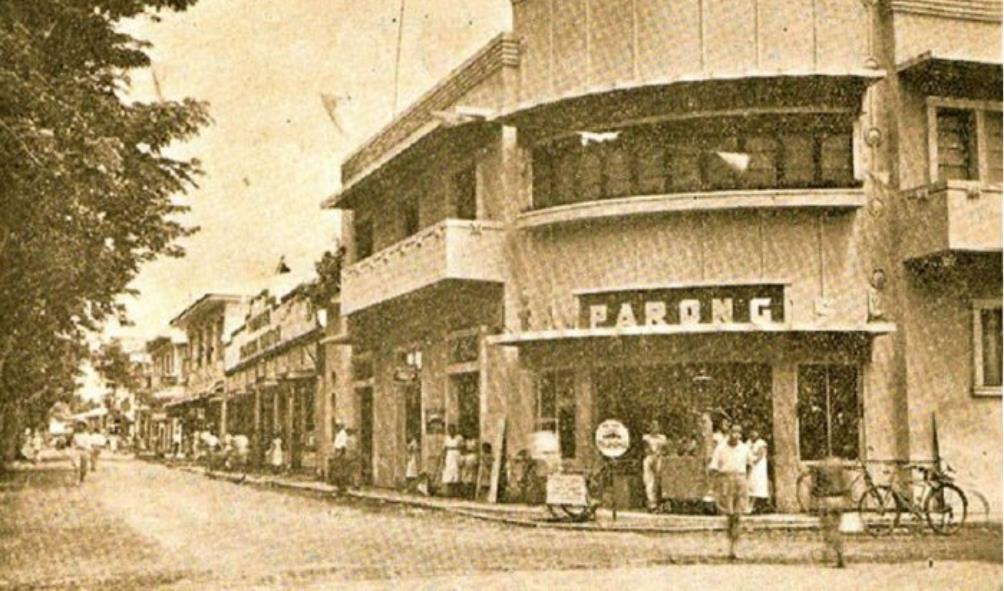
Schools and health facilities were prioritized, recognizing the need for education and healthcare in the recovery process. Local leaders actively sought government support and foreign aid, fostering partnerships that would aid in reconstruction.
As you explore Cagayan’s post-war landscape, you’d see the resilience of its people manifest in new roads, bridges, and public buildings, all symbolizing hope for a brighter future and a commitment to growth despite past hardships.
Cagayan Today: A Blend of Tradition and Modernity
While Cagayan embraces the pulse of modernity, it also cherishes its rich cultural heritage. You’ll notice the vibrant fusion of traditional practices and contemporary lifestyles as you explore the province.
From bustling markets filled with local crafts to modern shopping malls, Cagayan offers diverse experiences. You can savor traditional dishes like longganisa and pancit while enjoying the conveniences of modern dining.
Festivals like the Piat Festival showcase the area's cultural roots, blending colorful parades with contemporary music and dance.
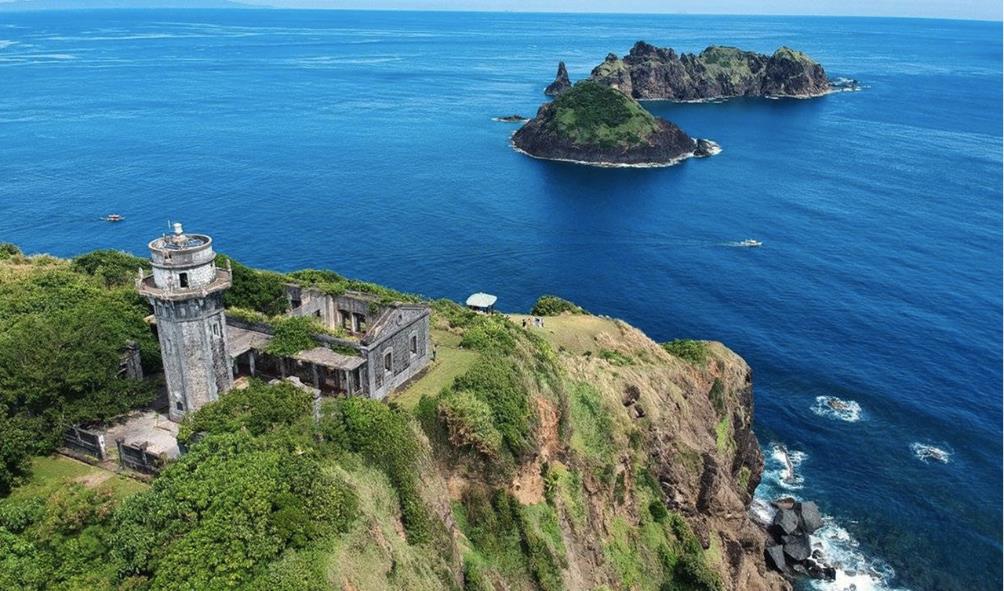
As you wander through its towns, you’ll find historical landmarks standing proudly alongside new developments, reflecting a community that values its past while looking forward to the future.
Cagayan truly embodies a unique blend where tradition meets modernity.
Conclusion
In exploring Cagayan's history, you see a rich tapestry woven from Indigenous roots, Spanish influence, and American modernization. Each era has shaped the region's identity, reflecting resilience and adaptability. Today, Cagayan stands as a vibrant blend of tradition and modernity, where the past informs the present. As you walk through its streets and engage with its people, you witness how history continues to thrive, offering a unique glimpse into the heart of this remarkable region.
Statistics
- As of 2023, Cagayan's population stands at around 1.9 million, underscoring its role as a key cultural and historical center.
- Over 25 historical landmarks in Cagayan date back to the Spanish colonial period, reflecting its rich heritage.
- The Battle of Cagayan in 1582 was the first recorded organized resistance against Spanish forces in the region.
- The name "Cagayan" is derived from the local term "cagay," meaning a network of river tributaries.
External Links
- Cagayan Tourism's history section explores significant events that shaped the region.
- Philippine History Resources: Cagayan presents various historical milestones of the province.
- National Historical Commission of the Philippines offers insights into Cagayan's role in national history.
- History of Cagayan is a dedicated platform for exploring detailed narratives of the province.
How to Utilize Historical Landmarks to Understand Cagayan's Past
Use Cagayan's historical landmarks as a lens to study its past. Visit significant sites like old churches, forts, and heritage buildings to gather information about different historical periods. Each landmark offers clues about the architectural styles, cultural influences, and historical events that have shaped the province. By mapping these sites and documenting their histories, you can create a comprehensive narrative of Cagayan's development and its role in regional history.
Want to travel with more time and freedom?
The freedom to travel! Discover free & unique homestays around the world, in exchange for caring for adorable pets.
https://escapetomexiconow.com/ths
Recommended Resources:
Your next chapter could start anywhere. From the vibrant streets of Mexico to the laid-back beauty of the Philippines, explore destinations where you can truly live your dream.
https://escapetomexiconow.com/
https://escapetomexiconow.info/
https://escapetopanamanow.info/
https://escapetothephilippinesnow.com/
YouTube Channel:
Want a closer look at life in Mexico? Subscribe to our YouTube channel for insider tips, travel guides, and inspiring stories that make planning your escape easier and more exciting.
https://www.youtube.com/@EscapeToMexicoNow