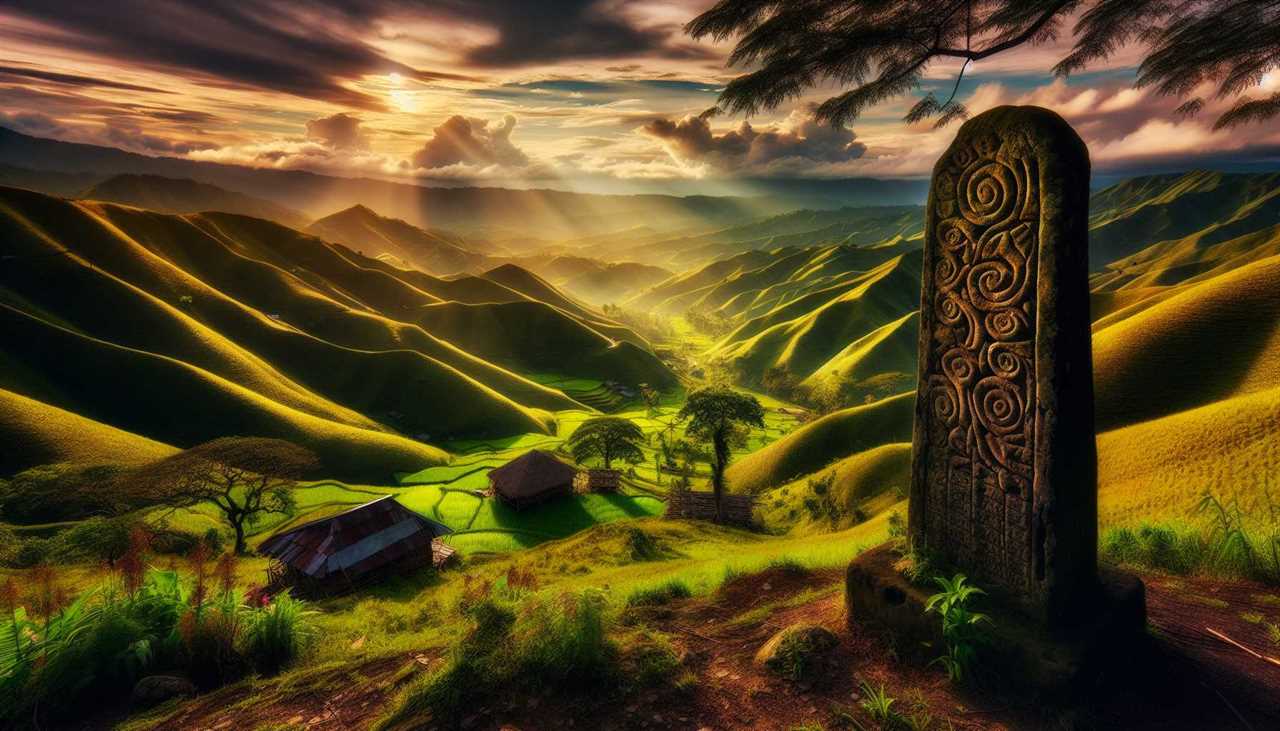
When you think about Bukidnon, you might picture its lush landscapes and vibrant cultures. However, the history of this region is far more complex. It’s shaped by various indigenous groups, colonial influences, and major events like World War II. Each chapter has forged its identity. As we explore these moments, you'll find that Bukidnon’s past holds lessons and insights that continue to impact its future. What stories do these changes reveal?
Early Inhabitants and Indigenous Cultures
As you delve into the early history of Bukidnon, you’ll discover that its rich tapestry of indigenous cultures began long before colonial influences took hold.
The region was home to various ethnic groups, including the Bukidnon, Manobo, and Talaandig. These communities thrived by cultivating rice, corn, and root crops, utilizing traditional farming techniques passed down through generations.
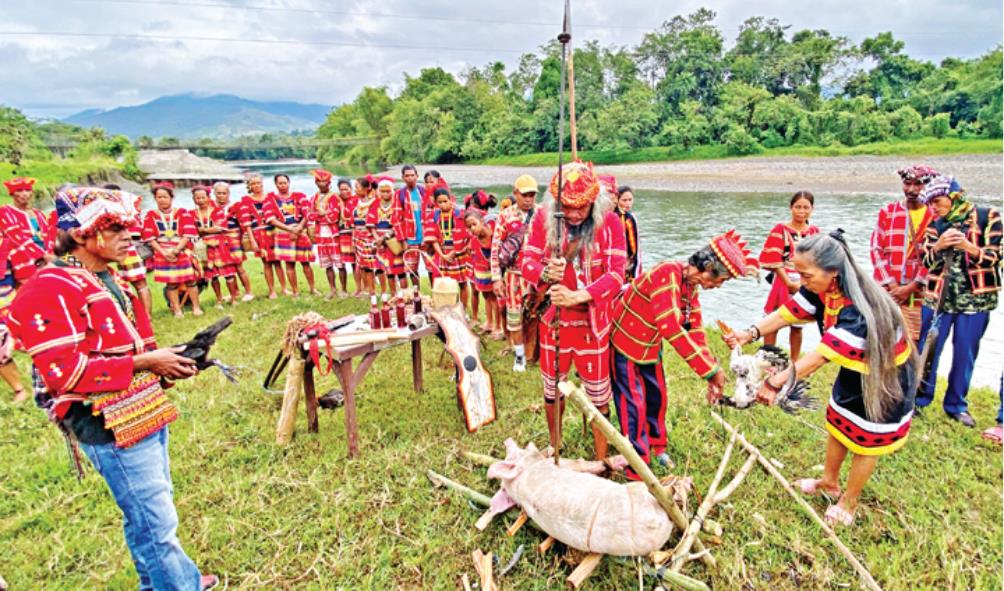
You’ll find that their deep connection to the land shaped their spirituality, reflected in vibrant rituals and art forms. Music and dance played vital roles in their cultural expression, fostering unity and community bonds.
As you explore their oral traditions, you’ll gain insight into their values and beliefs, which continue to resonate within Bukidnon's identity today.
Spanish Colonization and Its Impact
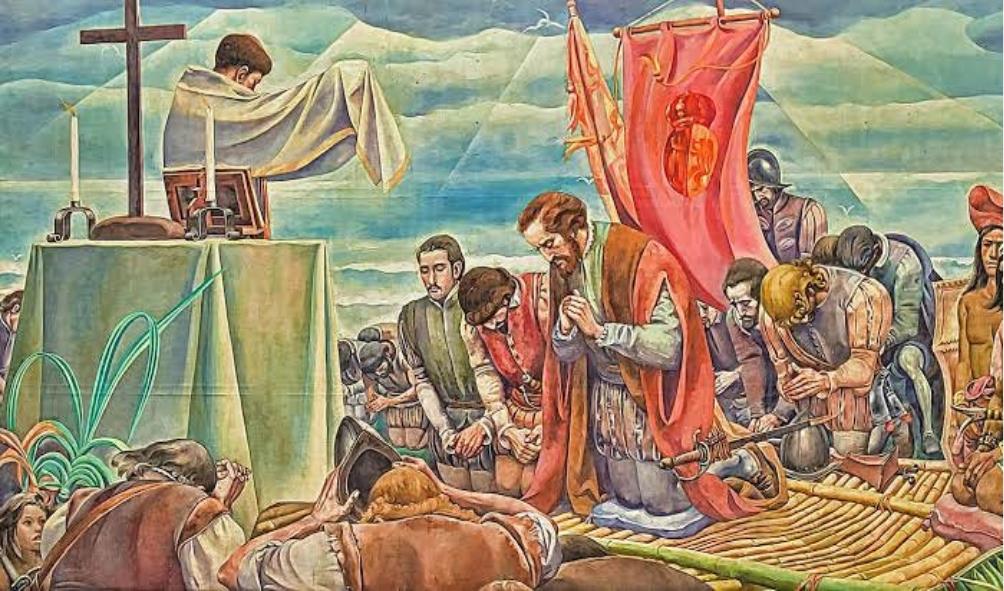
While the arrival of Spanish colonizers in the 16th century marked a significant turning point for Bukidnon, it also brought profound changes to its indigenous cultures.
You’d notice that the Spanish introduced Christianity, leading to the conversion of many locals. They established missions and schools to spread their beliefs and values, often undermining traditional practices.
The imposition of land ownership concepts also disrupted indigenous communal land use, causing conflicts. Economic changes arose as the Spanish introduced new agricultural methods and crops, altering local food systems.
Additionally, the Spanish presence intensified social hierarchies, marginalizing indigenous leaders. Despite these challenges, the resilience of the Bukidnon people allowed them to adapt, creating a unique blend of their traditions with Spanish influences that still echoes today.
The American Occupation and Changes in Governance
The arrival of American forces in the early 20th century ushered in significant changes in governance for Bukidnon, transforming the political landscape.
You'd notice that the Americans implemented a more structured administration, replacing Spanish colonial rule with a system that emphasized local governance. They established municipal governments, allowing residents to participate in decision-making.
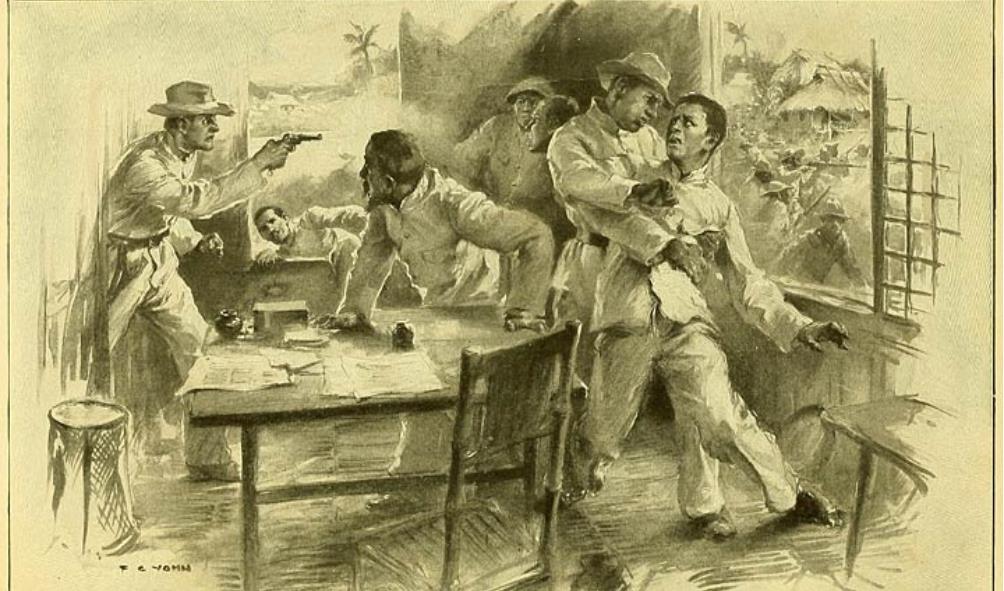
Public education became a priority, introducing English and American ideals to the local populace. The Americans also encouraged land development, leading to increased agricultural production and the growth of new settlements.
As a result, Bukidnon experienced economic growth and a shift in societal norms, with new opportunities arising for its people. This period laid the groundwork for modern governance and community engagement in the region.
World War II and Its Effects on Bukidnon
Despite its relative peace during the early years of American rule, Bukidnon found itself caught in the turmoil of World War II, which deeply impacted its people and landscape.
The Japanese occupation disrupted daily life, forcing many locals into hiding or joining resistance movements. You’d notice the once-thriving communities struggling under the weight of war. Agricultural production plummeted as farmers were either enlisted or too fearful to work the land.
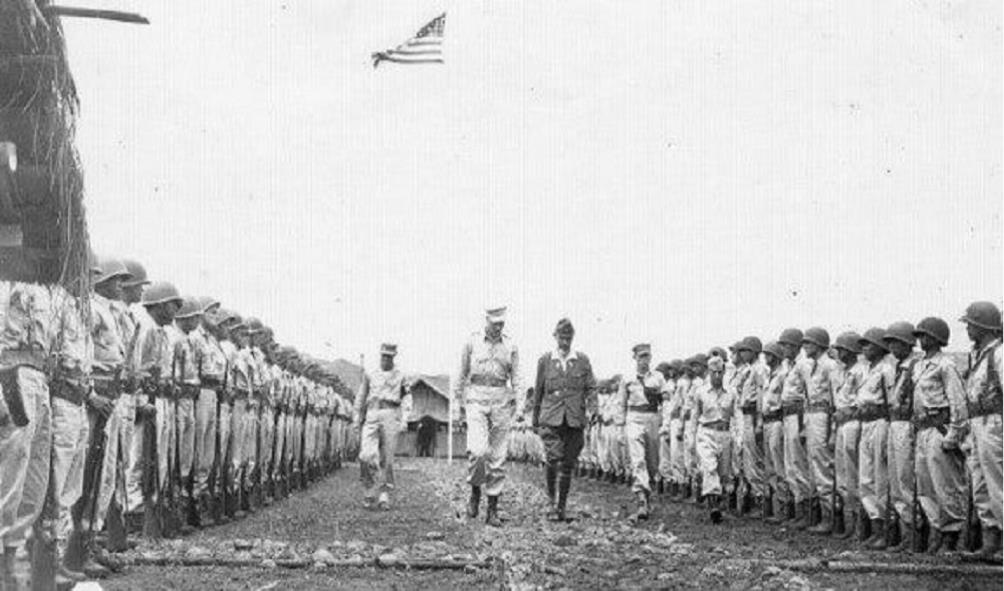
Additionally, infrastructure suffered significant damage, making transportation and communication difficult. The scars of conflict remained long after the war ended, as families mourned lost loved ones and communities worked hard to rebuild.
Ultimately, the war reshaped Bukidnon's identity, instilling resilience in its people as they faced the challenges ahead.
Agricultural Development and Land Reforms
As Bukidnon emerged from the shadows of World War II, agricultural development and land reforms became crucial for revitalizing the region’s economy and ensuring food security.
You’d see initiatives aimed at improving crop yields, introducing modern farming techniques, and providing farmers with access to essential resources.
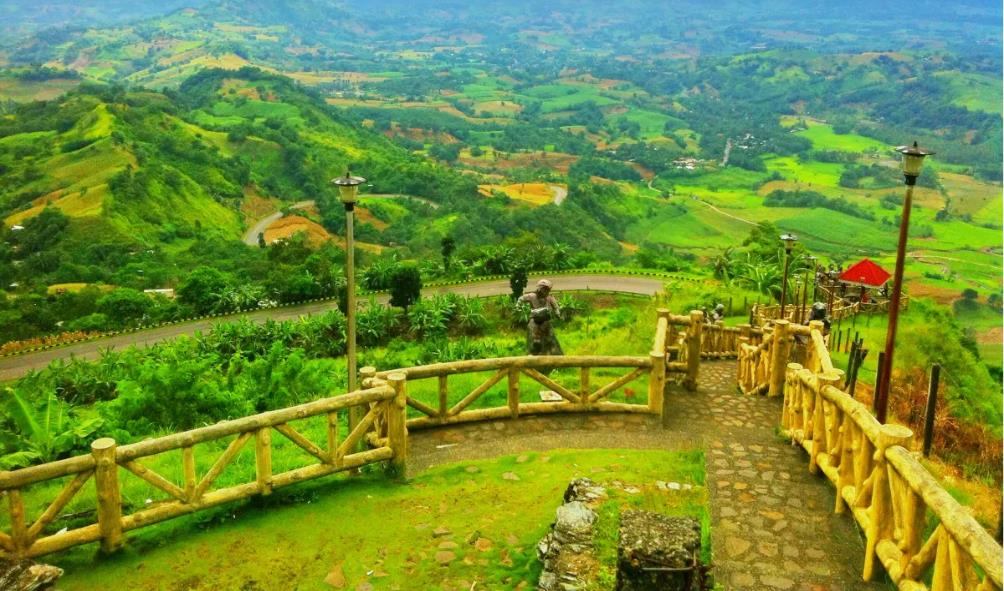
Land reforms sought to redistribute land more equitably, breaking up large estates to empower smallholders. These changes encouraged locals to invest in their farms, fostering a sense of ownership and responsibility.
Cooperative farming also gained traction, allowing farmers to share knowledge and resources.
As these developments unfolded, you could witness Bukidnon's potential as an agricultural powerhouse gradually taking shape, setting the stage for future growth and sustainability in the region.
The Rise of Bukidnon as an Agricultural Hub
Recognizing its fertile lands and favorable climate, Bukidnon quickly transformed into an agricultural hub in the post-war era.
You’ll find that the region became a prime location for various crops, particularly rice, corn, and sugarcane. Farmers adopted modern techniques, leading to increased productivity and economic growth.
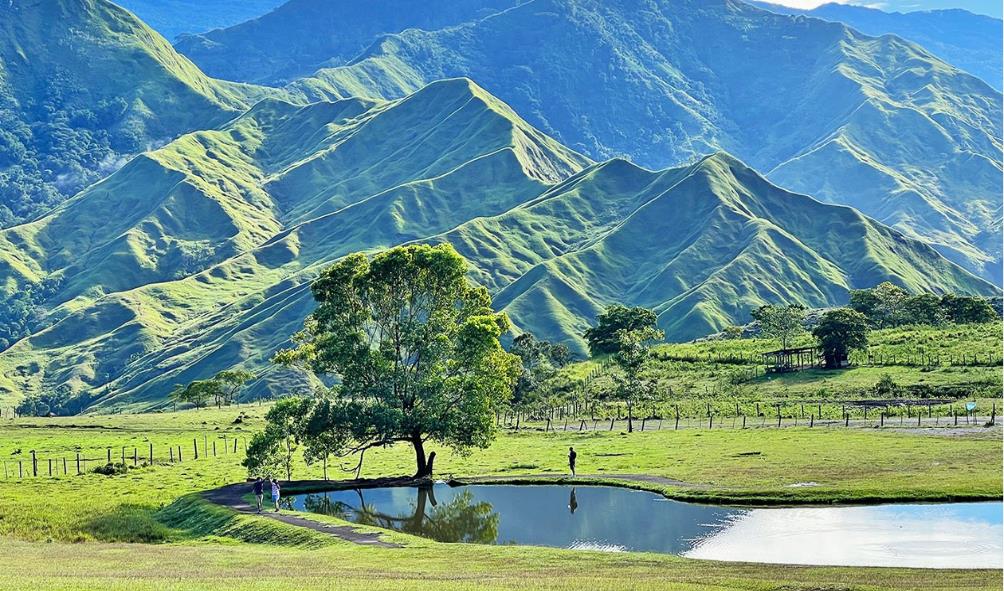
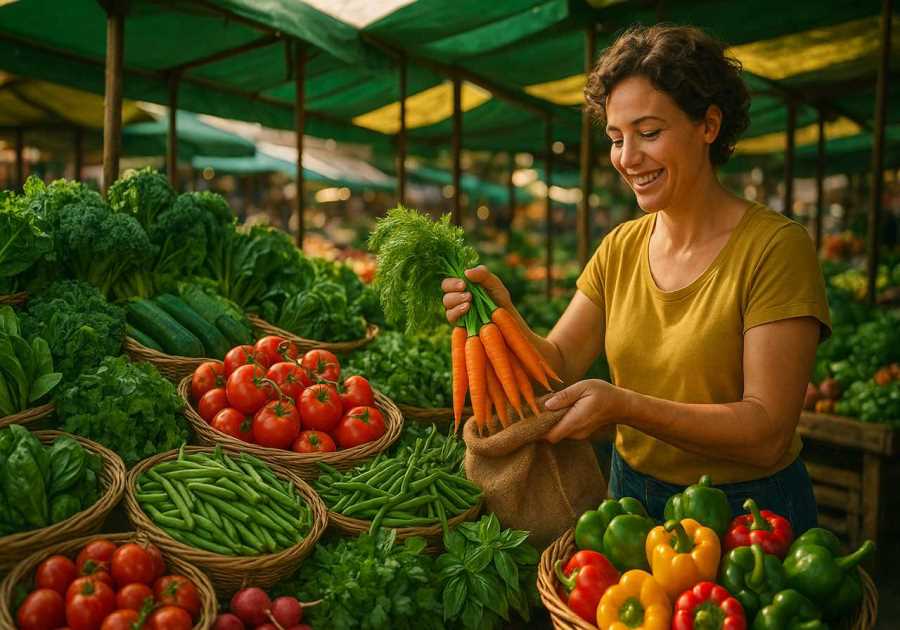
The influx of agribusinesses spurred job creation and infrastructure development, improving the lives of many residents. As you explore Bukidnon, you'll notice the vibrant markets showcasing fresh produce, a testament to the region's agricultural success.
The government also played a significant role, investing in irrigation systems and support programs.
Today, Bukidnon stands as a key player in the Philippines’ agricultural landscape, contributing significantly to the nation’s food security.
The Role of Indigenous Peoples in Modern Bukidnon
Bukidnon's agricultural success isn't just about modern techniques and agribusiness; it’s also deeply intertwined with the contributions of its indigenous peoples.
You’ll find that these communities play a vital role in sustainable farming practices, drawing on generations of knowledge about local crops and ecosystems. Their traditional methods promote biodiversity and soil health, ensuring that the land remains productive for years to come.
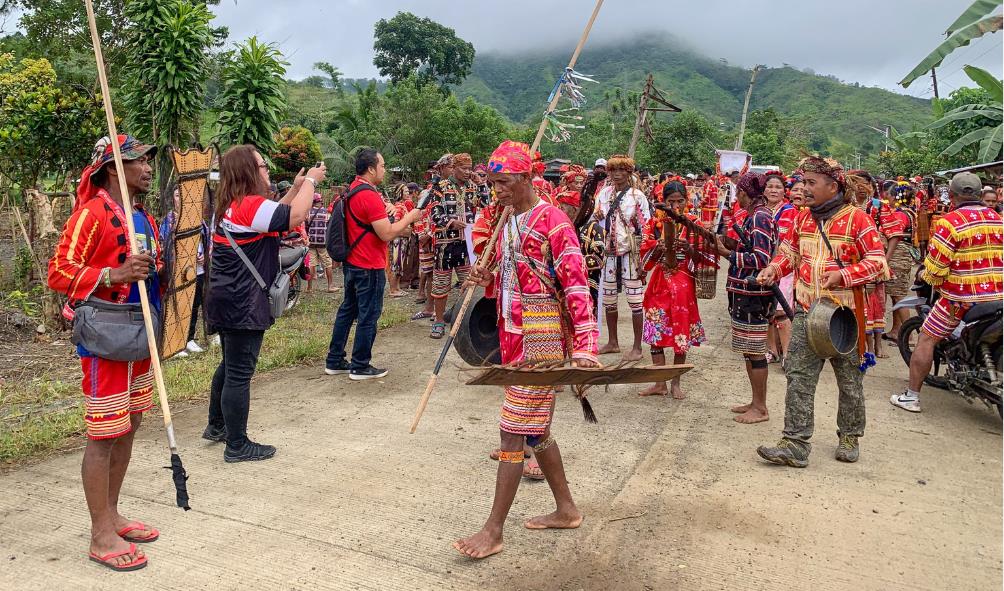
By integrating their practices with contemporary agriculture, they enhance food security and resilience against climate change.
Moreover, indigenous peoples are increasingly involved in decision-making processes regarding land use and resource management, advocating for their rights and cultural heritage.
Their presence enriches Bukidnon, blending tradition with modernity to create a more sustainable future.
Cultural Festivals and Heritage Preservation
While you explore the vibrant landscape of Bukidnon, you’ll encounter a rich tapestry of cultural festivals that celebrate the region’s diverse heritage. Events like the Kaamulan Festival showcase traditional dances, music, and crafts, allowing you to appreciate the significance of indigenous customs.
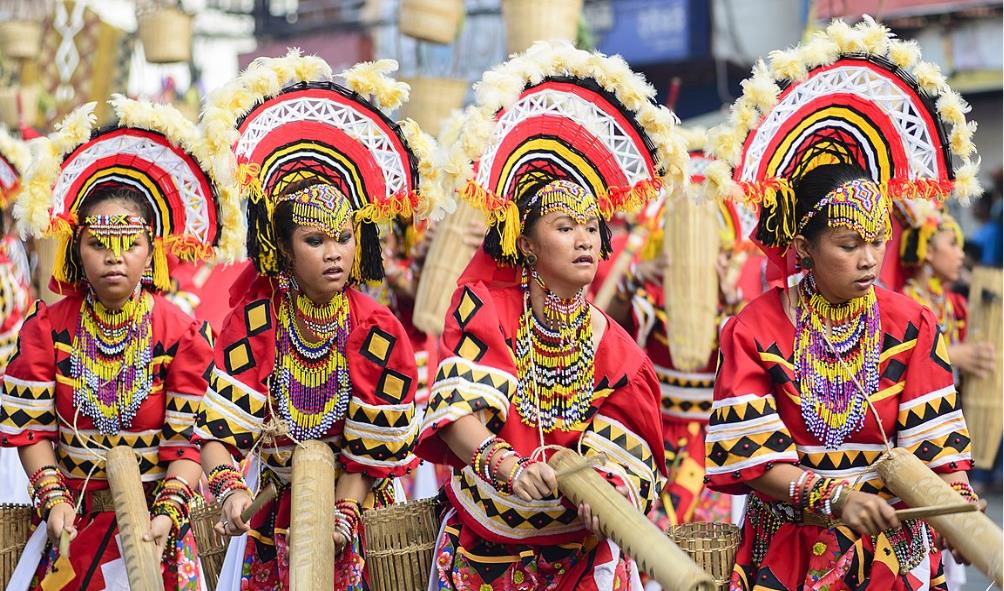
You’ll find locals dressed in colorful attire, sharing stories and traditions passed down through generations. These festivals aren’t just about celebration; they play a crucial role in heritage preservation. By participating, you help keep ancient practices alive and foster community pride.
The blending of modern influences with traditional roots creates a unique cultural identity. As you immerse yourself in these festivities, you’ll gain a deeper understanding of Bukidnon’s history and the importance of preserving its rich cultural landscape.
Current Challenges and Future Prospects
As the landscape of Bukidnon evolves, it faces several challenges that threaten its cultural and environmental integrity. Rapid urbanization and industrialization can undermine traditional practices and community values.
You might notice how agricultural lands shrink, impacting local farmers and food security. Deforestation and climate change also pose significant threats, leading to biodiversity loss and affecting livelihoods dependent on natural resources.
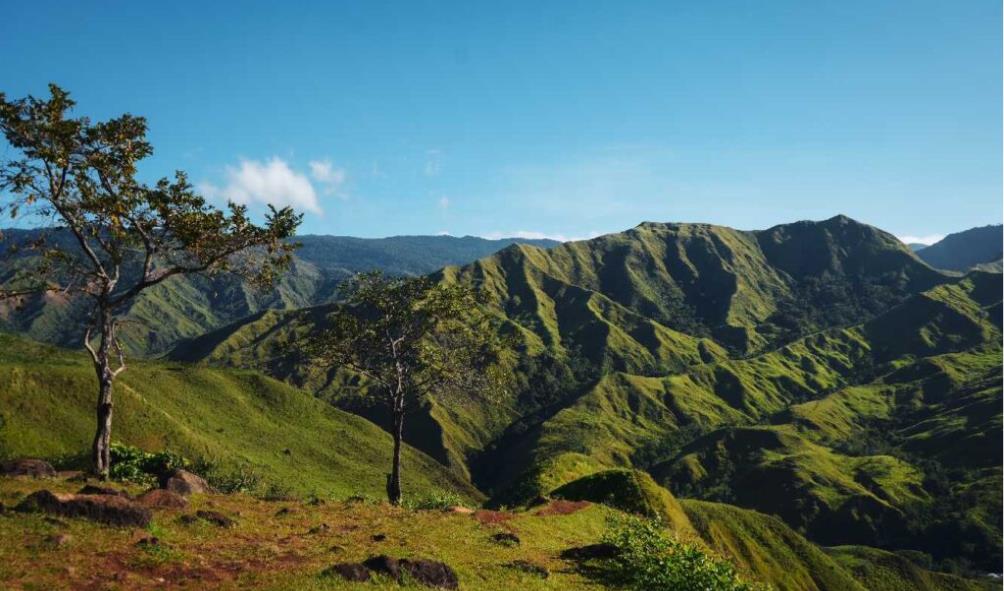
However, Bukidnon's future holds promise. By promoting sustainable practices and eco-tourism, you can empower communities to protect their heritage while fostering economic growth.
Engaging the youth in cultural preservation initiatives will ensure that traditions thrive in modern contexts. With collective efforts, Bukidnon can navigate these challenges, transforming them into opportunities for a brighter, more resilient future.
Conclusion
As you explore Bukidnon’s fascinating history, you’ll see how its indigenous cultures, colonial influences, and resilience shaped the region. Today, Bukidnon stands as a vibrant agricultural hub, blending tradition with modern opportunities. By embracing its rich heritage and confronting current challenges, the people of Bukidnon are paving the way for a sustainable future. So, whether you’re visiting or learning from afar, you’re witnessing a remarkable journey of growth and adaptation that continues to unfold.
Statistics
- As of 2023, the province is divided into 20 municipalities and one highly urbanized city.
- The province spans an area of approximately 10,498 square kilometers, making it the largest province in the Philippines by land area.
- Bukidnon was officially established as a province on March 1, 1917.
- During World War II, Bukidnon was a crucial battleground in the Battle of Bukidnon in 1945.
External Links
- Bukidnon Gazette Features articles and publications related to the province's historical events.
- Official Bukidnon Provincial Government Details the historical milestones of Bukidnon from its establishment to the present day.
- Philippine Department of Tourism: History of Bukidnon Highlights key historical sites and their importance in Bukidnon.
- Philippine History.org: Bukidnon Explores the significant events and developments in Bukidnon's past.
How to Research Bukidnon's Historical Events
Start by identifying key events in Bukidnon's history, such as its formation as a province in 1917 and significant occurrences during World War II. Access academic journals, books, and credible online resources that detail these events. Visit the National Archives of the Philippines to examine original documents and records. Additionally, interviewing local historians and attending seminars can enhance your understanding of Bukidnon's historical timeline.
Want to travel with more time and freedom?
The freedom to travel! Discover free & unique homestays around the world, in exchange for caring for adorable pets.
https://escapetomexiconow.com/ths
Recommended Resources:
Ready to explore life beyond borders? Check out our trusted guides to Mexico, Panama, and the Philippines — your gateways to new adventures, culture, and opportunity.
https://escapetomexiconow.com/
https://escapetomexiconow.info/
https://escapetopanamanow.info/
https://escapetothephilippinesnow.com/
YouTube Channel:
See Mexico like never before! From local culture to travel hacks, our YouTube channel brings the adventure straight to you.
https://www.youtube.com/@EscapeToMexicoNow