
Bohol's history is a tapestry woven with resilience and transformation. You’ll discover how early inhabitants thrived along its coasts and rivers, cultivating a rich cultural heritage. The arrival of Spanish colonizers in 1565 marked a turning point, reshaping the island's social and political landscape. But what really happened during the Blood Compact, and how did Bohol emerge as a key player in the Philippine Revolution? The answers might surprise you.
Early Inhabitants of Bohol
The early inhabitants of Bohol were a resilient people, thriving long before the arrival of colonizers. They built their communities along the coast and rivers, relying on fishing, farming, and trade.
You'd see them cultivating rice, sweet potatoes, and various fruits, showcasing their agricultural skills. Their society was rich with cultural traditions, reflected in their crafts and oral histories. They engaged in barter with neighboring islands, fostering connections that enriched their lives.
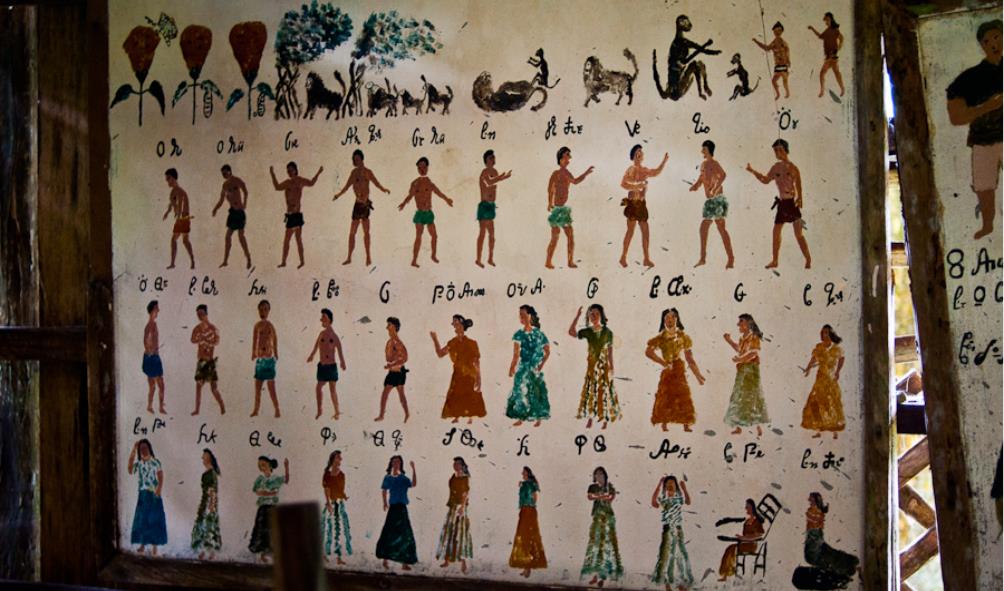
With a deep respect for nature, they practiced sustainable living, ensuring resources were preserved for future generations. Their spiritual beliefs were intertwined with daily life, celebrating festivals that honored their ancestors and the spirits of the land.
This vibrant culture laid the foundation for Bohol's enduring identity.
The Arrival of Spanish Colonizers
In 1565, Spanish colonizers reached Bohol, marking a significant shift in the island’s history.
You’ll notice that this arrival brought not only new governance but also a wave of cultural change. The Spaniards, led by Miguel López de Legazpi, aimed to expand their territory and spread Christianity.
As you observe, the interactions between the locals and the colonizers were complex; while some embraced the new religion, others resisted foreign influence.
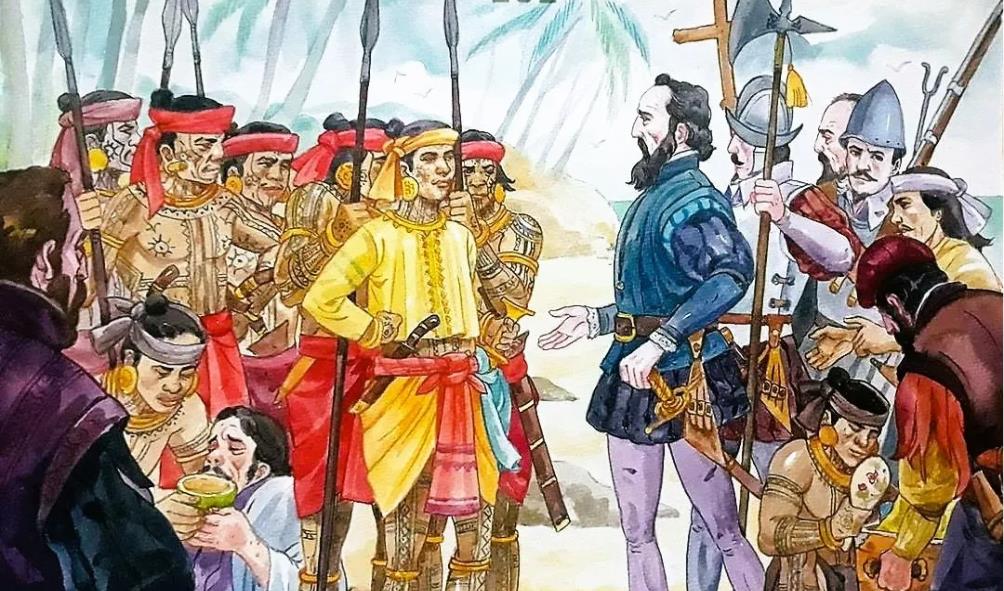
The Spanish established settlements, introducing new agricultural practices and trade routes.
You might find it interesting that this period laid the groundwork for Bohol's integration into the Spanish Empire, forever altering its social, political, and economic landscape.
The island's identity began to evolve in ways that would shape its future.
The Blood Compact and Its Significance
When Spanish colonizers sought to solidify their ties with local leaders, the Blood Compact emerged as a powerful symbol of alliance. This ritual involved a bloodletting ceremony where both parties mixed their blood, signifying a bond stronger than mere words.
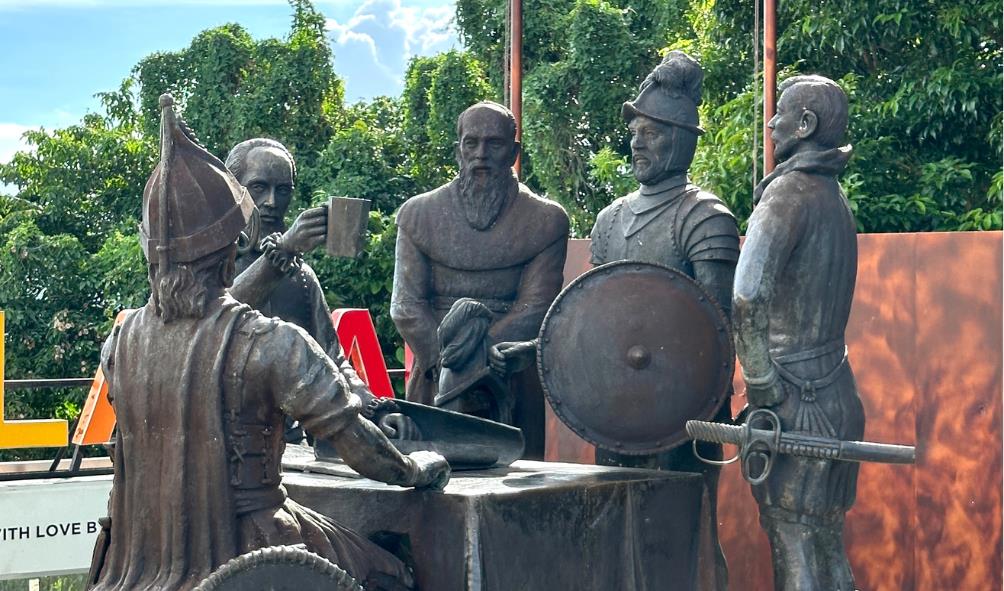
You'd witness the Spanish and local chieftains, such as Datu Sikatuna, sharing wine mixed with their blood, pledging mutual loyalty and friendship. This act wasn’t just a formality; it established trust and cooperation, essential for the colonizers to gain control over the islands.
The Blood Compact laid the groundwork for future interactions, showing how diplomacy could blend with cultural practices. Ultimately, it marked the beginning of a complex relationship between the Spanish and the indigenous people of Bohol.
The Role of Bohol in the Philippine Revolution
Following the early alliances forged during the Blood Compact, Bohol played a significant role in the Philippine Revolution against Spanish rule.
You’ll find that Boholanos, inspired by the desire for freedom, actively participated in the uprising. Key figures emerged, rallying their fellow citizens to join the fight. They formed revolutionary groups and conducted guerrilla warfare to resist Spanish oppression.
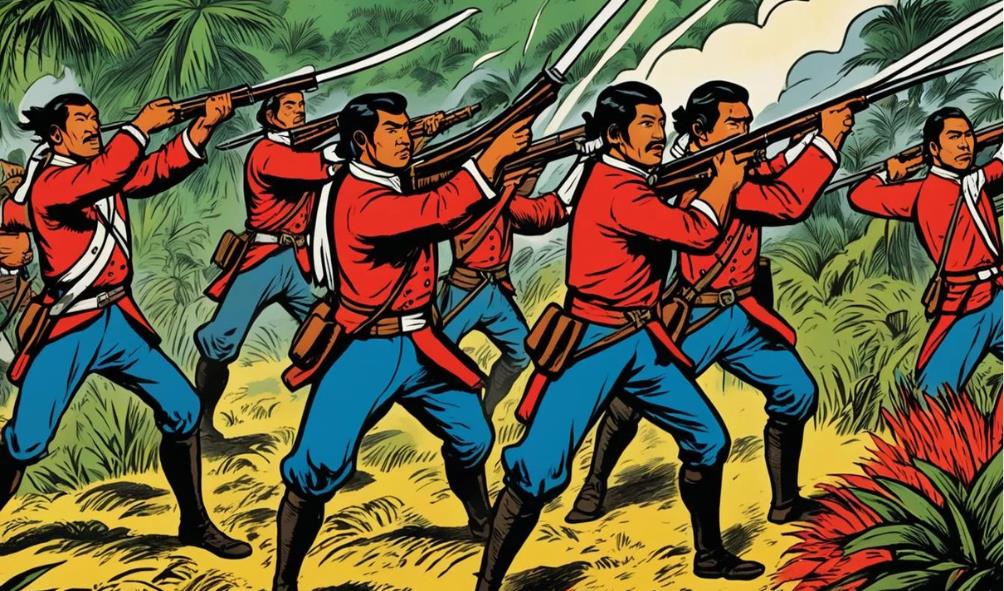
The island's strategic location allowed them to disrupt supply lines and communication between Spanish forces. Bohol's contribution wasn’t just military; it also included the spread of revolutionary ideas, fostering a sense of nationalism among its people.
Their determination exemplified the broader struggle for independence, showcasing Bohol’s vital influence in the quest for a free Philippines during this pivotal time in history.
The American Period and Its Impact
As Bohol transitioned into the American period, residents experienced significant changes that reshaped their society and governance. The Americans introduced a new educational system, emphasizing the importance of English and civic responsibility. This shift helped cultivate a more informed citizenry, empowering locals to participate in governance.
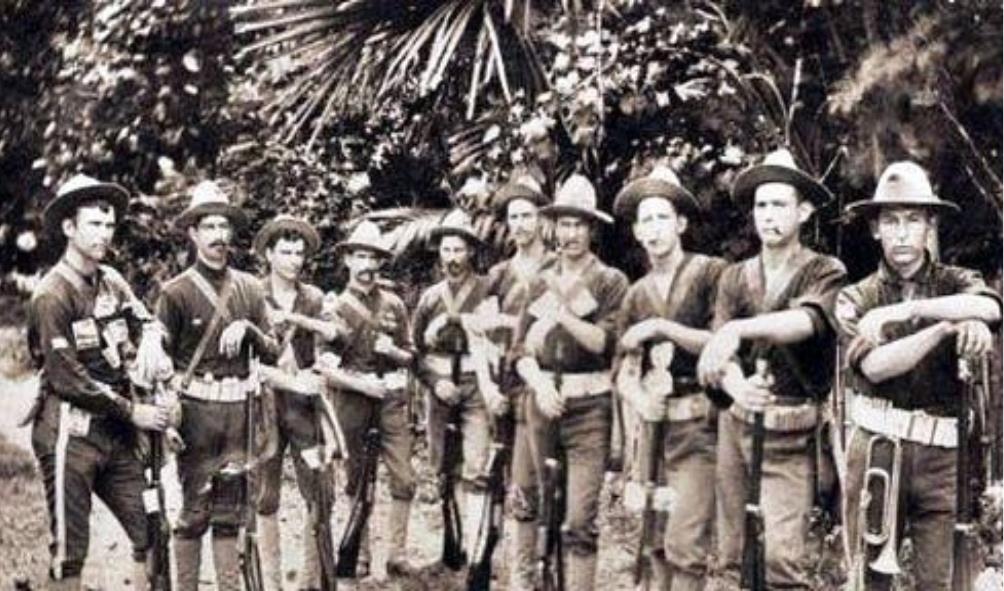
You’d notice improvements in infrastructure, as roads and bridges were built, facilitating better trade and communication. The introduction of public health initiatives also transformed daily life, reducing disease and improving overall well-being.
However, you might also feel the tensions that arose from American imperialism, as some Boholanos resisted foreign control. These changes laid the groundwork for modern Bohol, blending traditional ways with new influences that continue to shape the island's identity today.
World War II and Bohol
Although the threat of World War II loomed large, Boholanos faced a unique set of challenges during the conflict that tested their resilience and unity.
When Japanese forces occupied the Philippines in 1942, Bohol became a strategic location. You'd see guerrilla movements emerge as locals resisted occupation, forming alliances and sharing resources.
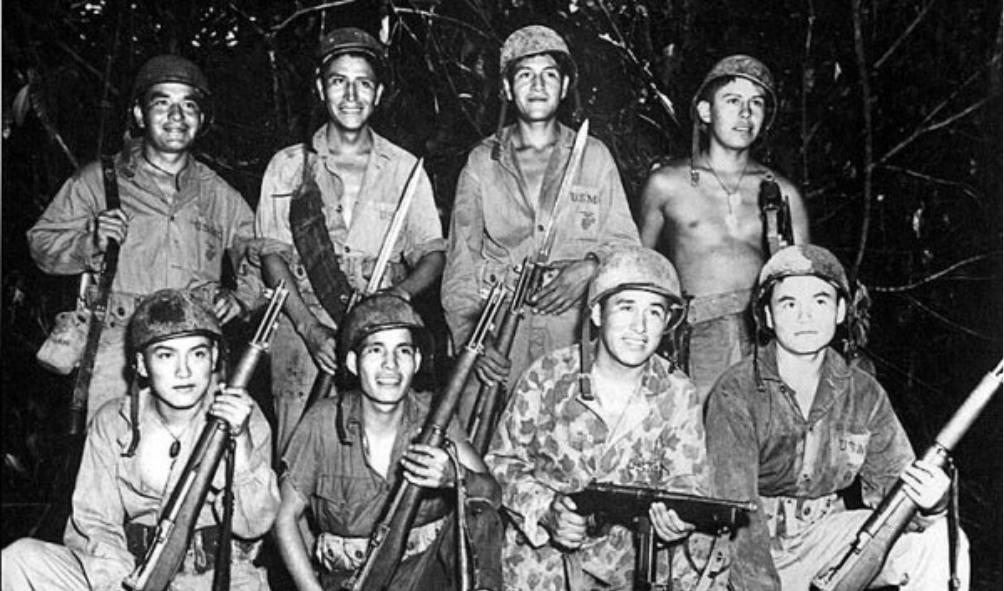
Life turned perilous; food shortages and fear were part of daily existence. Many Boholanos risked their lives to protect their families and communities, hiding from enemy patrols while assisting American soldiers.
Despite the hardships, the spirit of cooperation shone through as families banded together to survive.
Post-War Reconstruction and Development
The end of World War II marked a new chapter for Bohol, as the community rallied to rebuild from the devastation.
You'd see the spirit of resilience in every corner as families worked together to restore their homes and lives. Local leaders prioritized infrastructure, focusing on roads, schools, and healthcare facilities.
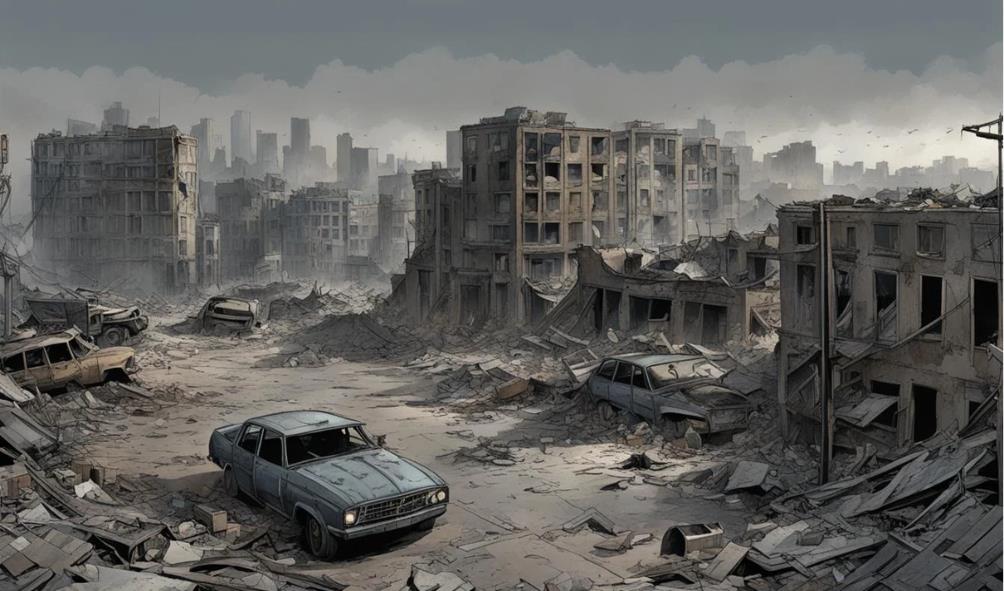
With support from the national government and various organizations, Boholanos began to revitalize their economy, emphasizing agriculture and fishing, which were vital to their livelihood.
You might notice how community cooperatives emerged, fostering collaboration and providing resources for small farmers.
As Bohol slowly regained its footing, the determination of its people shone through, laying the groundwork for future growth and development in the years to come.
Modern Bohol: A Blend of Tradition and Progress
While Bohol embraces its rich cultural heritage, it also strides confidently into the modern age, creating a unique blend of tradition and progress.
You’ll notice that historic landmarks coexist with contemporary infrastructure, showcasing the island’s evolution. Local artisans still craft traditional products, while innovative businesses thrive, attracting tourists and locals alike.
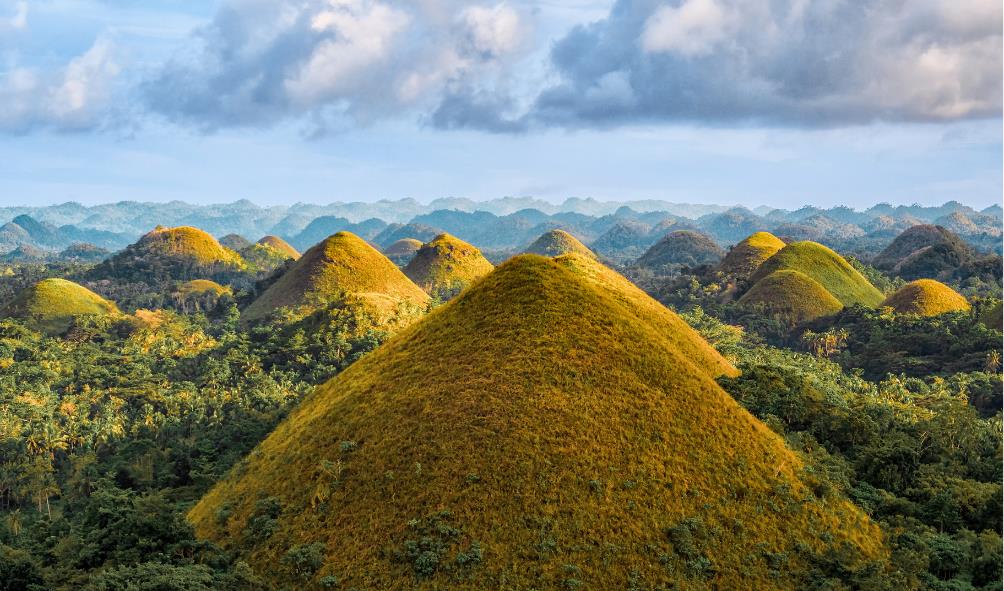
Festivals celebrating Bohol's history, like the Sandugo Festival, seamlessly integrate modern elements, drawing more visitors each year. You can enjoy the stunning natural beauty, from the Chocolate Hills to pristine beaches, alongside vibrant dining and entertainment scenes.
As you explore, you’ll see how the people of Bohol balance their deep-rooted customs with forward-thinking initiatives, ensuring a bright future while honoring the past.
It’s truly a remarkable transformation.
Conclusion
Bohol's rich history is a testament to its resilient spirit and cultural heritage. From the early inhabitants cultivating the land to the transformative impact of Spanish colonization, each chapter has shaped the island's identity. The struggles for freedom during the Philippine Revolution and the challenges of World War II only strengthened its communities. Today, as you explore Bohol's blend of tradition and modernity, you’ll find a vibrant tapestry that celebrates both its past and its bright future.
Statistics
- From 1903 to 2020, Bohol's population grew by an average annual rate of 1.6%.
- Bohol played a pivotal role in the Philippine Revolution against Spanish rule in 1898, contributing numerous revolutionaries.
- The Chocolate Hills, a prominent historical landmark in Bohol, consist of approximately 1,268 individual hills.
- Bohol is home to 48 prehistoric burial sites, reflecting its rich archaeological history.
External Links
- National Historical Commission of the Philippines on Bohol covers significant historical contributions from Bohol.
- History of Chocolate Hills explains the origins and historical significance of Bohol's famous geological formation.
- Bohol Philippines History Page details key historical events that shaped Bohol.
- Wikipedia's Bohol page offers a detailed account of the island province's history.
How to Learn About Bohol's Role in the Philippine Revolution
Bohol played an active role in the Philippine Revolution against Spanish rule in 1898. To learn about this, visit historical sites such as the Balantang Memorial and the First Church of Loboc, which served as meeting points for revolutionaries. Explore museums like the Bohol Regional Museum to view artifacts and exhibits related to the revolution. Additionally, read historical texts and biographies of Boholano heroes who contributed to the fight for independence. These resources collectively provide a comprehensive understanding of Bohol's contributions to the national struggle for freedom.
Want to travel with more time and freedom?
The freedom to travel! Discover free & unique homestays around the world, in exchange for caring for adorable pets.
https://escapetomexiconow.com/ths
Recommended Resources:
Adventure is calling — are you ready to answer? Discover new places, new lifestyles, and new possibilities in Mexico, Panama, or the Philippines.
https://escapetomexiconow.com/
https://escapetomexiconow.info/
https://escapetopanamanow.info/
https://escapetothephilippinesnow.com/
YouTube Channel:
Your next adventure starts here! Join us on YouTube for destination tours, insider advice, and everything you need to make your escape unforgettable.
https://www.youtube.com/@EscapeToMexicoNow