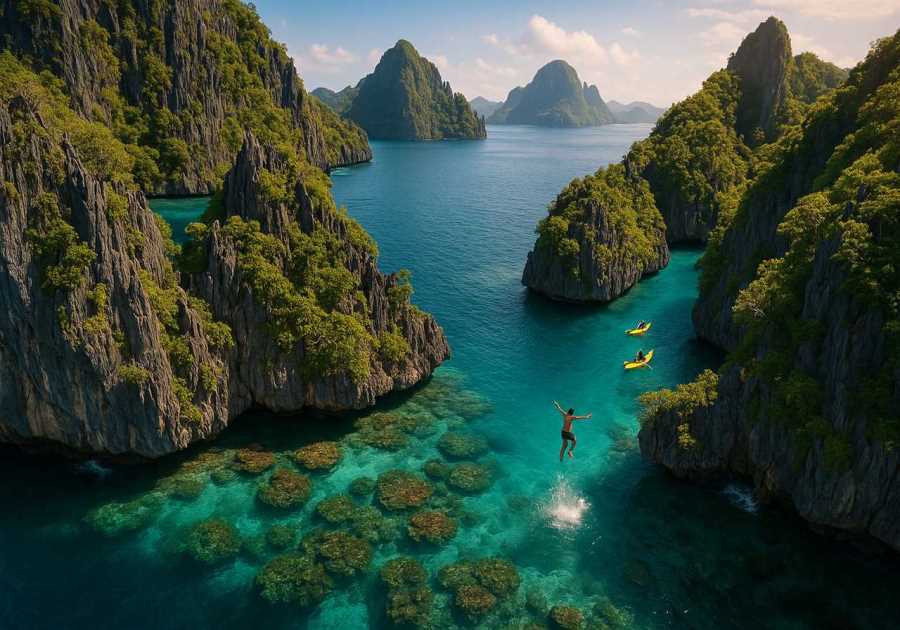

When you explore the history of Biliran, you’ll uncover a tapestry woven from the lives of its early Indigenous Waray inhabitants. Their agricultural and fishing practices set the foundation for the island's culture. As you journey through the Spanish colonial period, you'll see how governance shifted dramatically. But what happened when the Americans arrived, and how did World War II reshape this resilient community? The answers might surprise you.
Early Indigenous Inhabitants
When you explore the history of Biliran, you'll find that the early indigenous inhabitants played a crucial role in shaping the island's culture and identity.
These groups, primarily the Warays, thrived in harmony with the rich natural resources around them. They practiced agriculture, fishing, and hunting, utilizing the lush landscapes to sustain their communities. Their knowledge of the land and sea fostered a deep connection to their environment.
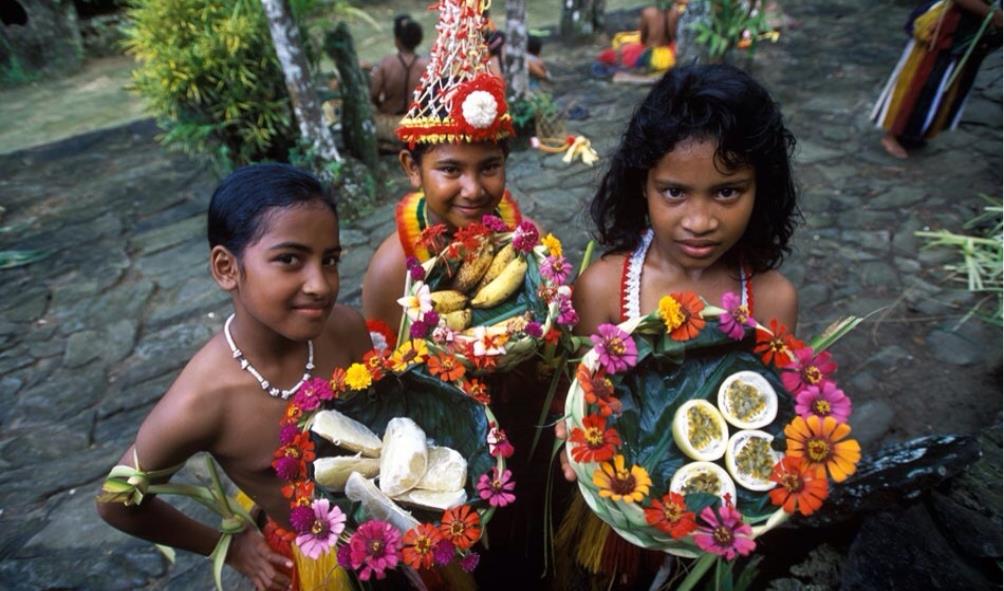
As you learn about their traditions, you'll notice how their rituals and oral histories reflect their beliefs and values. Craftsmanship in weaving and pottery emerged, showcasing their creativity and skills.
Through their communal living, they established a strong sense of identity that still resonates in Biliran's culture today.
Spanish Colonial Period
As the Spanish arrived in the Philippines in the 16th century, they began to influence Biliran's social structure, economy, and religious practices.
You'd notice that the traditional ways of the indigenous people started to shift as the Spanish introduced new governance and land ownership systems. Agriculture flourished with the introduction of cash crops, and you might see how trade expanded due to Spanish colonial policies.
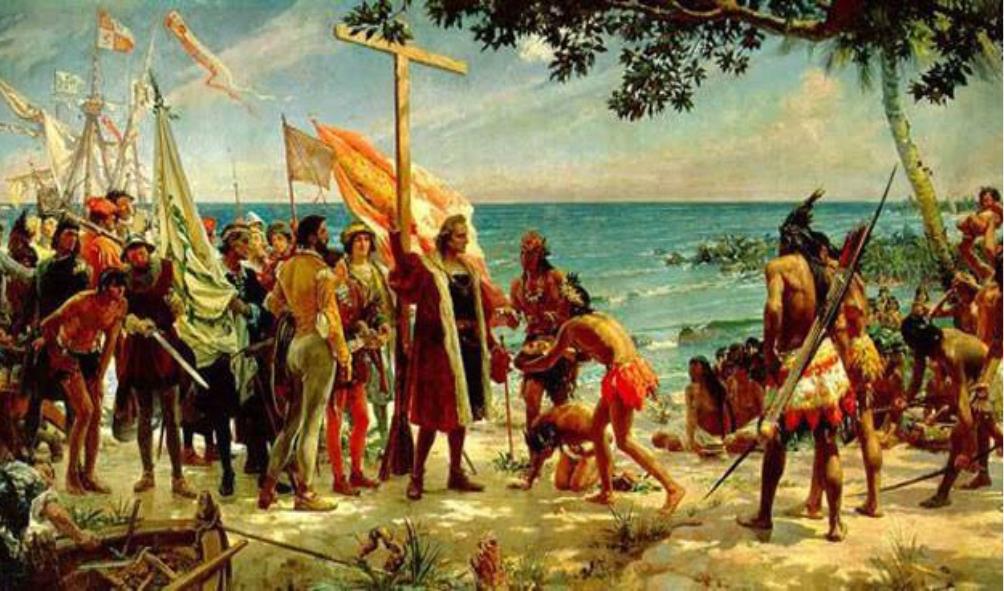
The Catholic Church played a significant role, converting many locals and establishing parishes. You’d witness the construction of churches, schools, and other structures that reflected Spanish architecture.
This period also led to social stratification, with a new elite class emerging. Overall, the Spanish Colonial Period deeply shaped Biliran's identity and community dynamics that linger to this day.
The American Occupation
Although the American Occupation began in the late 19th century, its impact on Biliran was profound and transformative. You’d notice significant changes in governance, education, and infrastructure.
The Americans introduced a public school system, emphasizing English as the medium of instruction, which reshaped the local culture and communication. Roads and bridges were built, connecting remote areas to the mainland and facilitating trade.
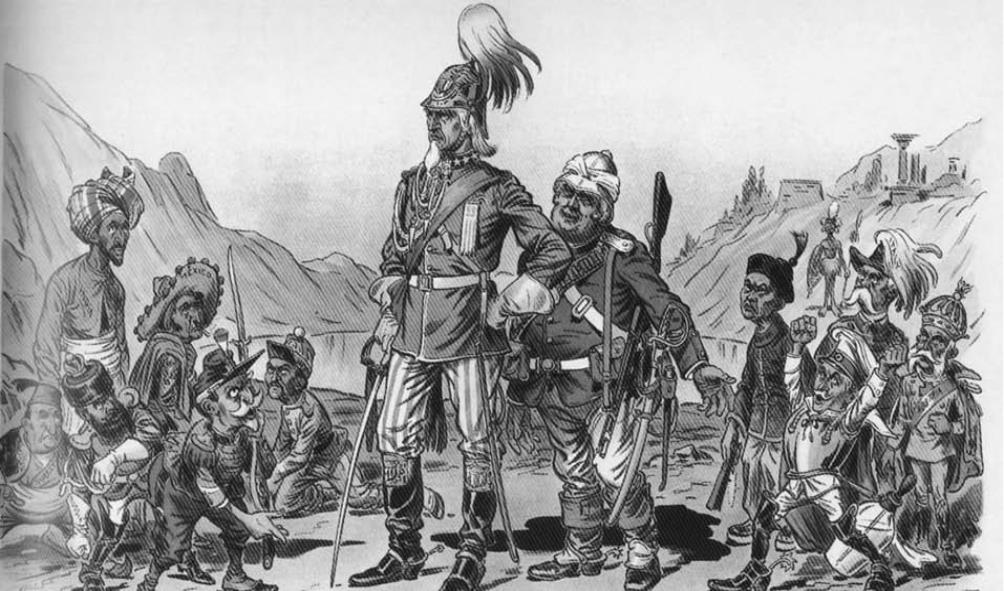
You’d also see improvements in health care, as new medical practices and facilities emerged. The introduction of democratic ideals encouraged local participation in government, allowing residents to have a voice.
This period marked a shift from colonial rule to a more structured administration, laying the foundation for Biliran's future development and integration into the broader national context.
World War II and Its Aftermath
The American Occupation set the stage for significant changes in Biliran, but the onset of World War II brought new challenges and hardships.
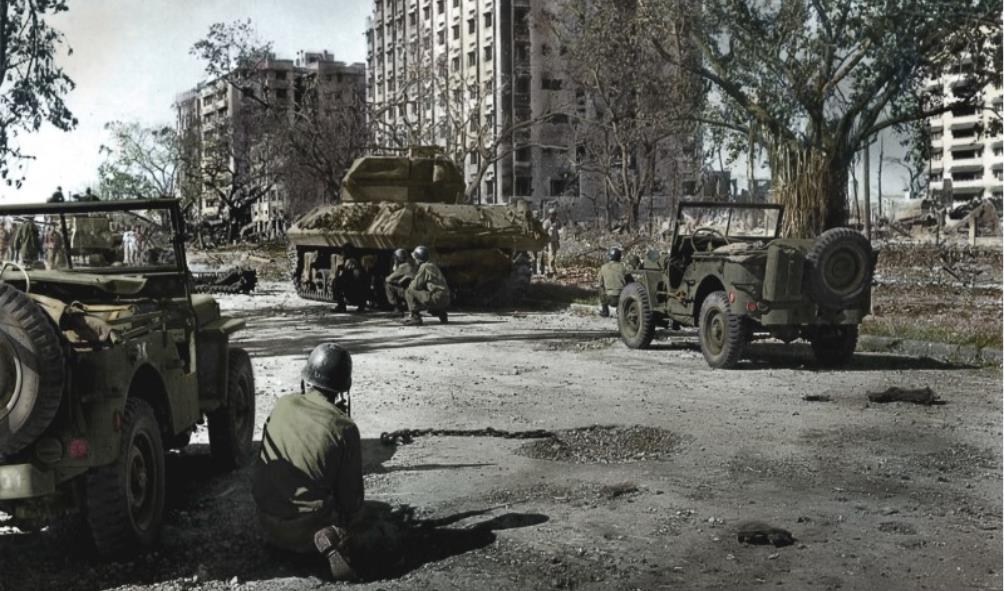
You'd witness the island transform into a battleground, with Japanese forces occupying the area in 1942. Local communities faced food shortages, forced labor, and fear as the war raged on. Families were torn apart, and many residents fled to the mountains to escape the violence.
When the war ended in 1945, Biliran, like much of the Philippines, faced destruction and a long road to recovery. You'd see resilience in the spirit of the people, as they worked to rebuild their homes and lives amid the scars left by conflict, paving the way for a new chapter in their history.
Post-Colonial Developments
Once World War II ended, Biliran began to embrace a new identity as a post-colonial region.
You’ll notice the shift in the local culture, as pride in indigenous heritage flourishes. Community initiatives emerged, focusing on education and self-sufficiency, empowering residents to reclaim their identity.
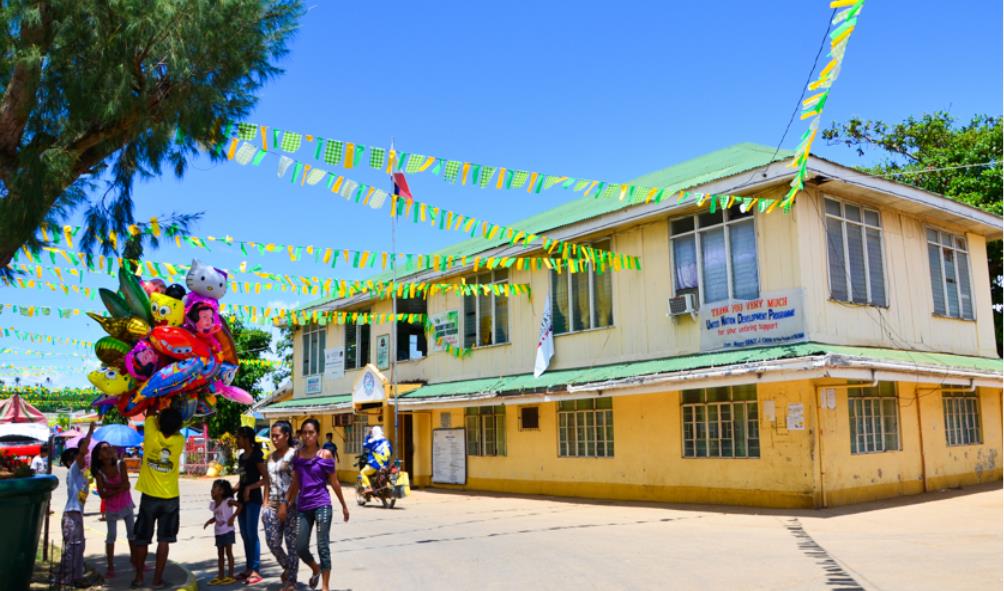
The fishing and agriculture sectors saw revitalization, utilizing traditional practices alongside modern techniques. As you explore the area, you’ll find locals celebrating festivals that reflect their rich history and resilience.
Infrastructure improvements also took shape, with roads and communication systems enhancing connectivity.
This period marked a transformation where people united, fostering a sense of belonging and shared purpose. The spirit of collaboration laid the groundwork for the future, setting the stage for Biliran’s evolving role in the broader national context.
The Rise of Biliran as a Province
As Biliran's residents embraced their post-colonial identity, the region began its journey toward becoming a province in its own right. You could feel the collective aspiration for autonomy and governance.
In 1992, the dream materialized when Biliran was officially inaugurated as a province, separating from Leyte. This shift brought about significant changes, empowering local leaders and fostering a sense of community.
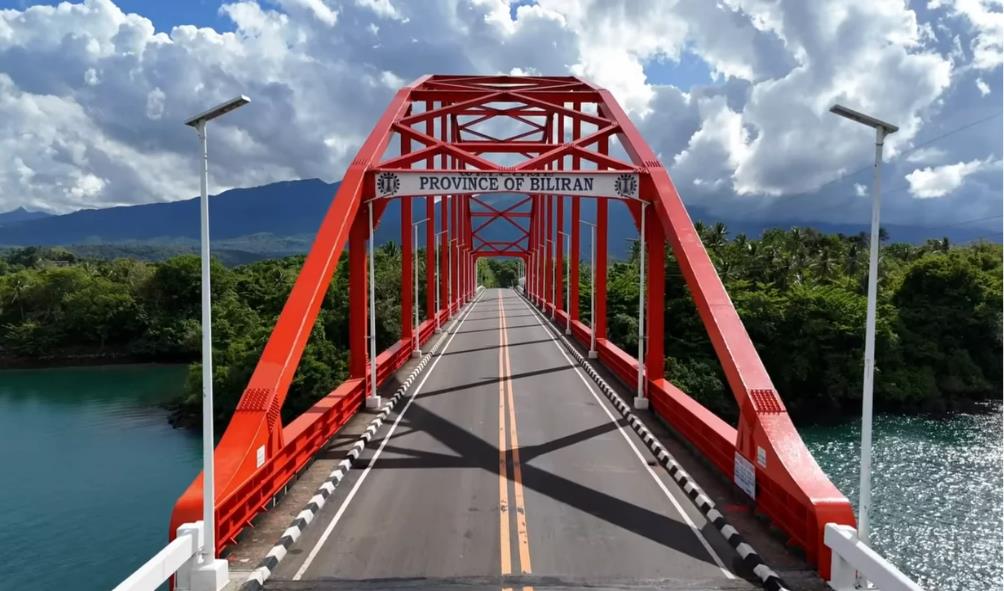
You witnessed the increased focus on infrastructure and public services, which aimed to enhance the quality of life for residents. The establishment of local government units allowed for better representation and participation in decision-making.
The rise of Biliran as a province symbolized not just geographical change, but also a renewed sense of pride and identity among its people.
Cultural Heritage and Traditions
How does Biliran's cultural heritage reflect its unique identity? You’ll find that the island's traditions, festivals, and crafts weave a vibrant tapestry of history and community spirit.
The annual "Sangyaw Festival" showcases local artistry and religious devotion, allowing you to experience Biliran's rich cultural narrative firsthand.
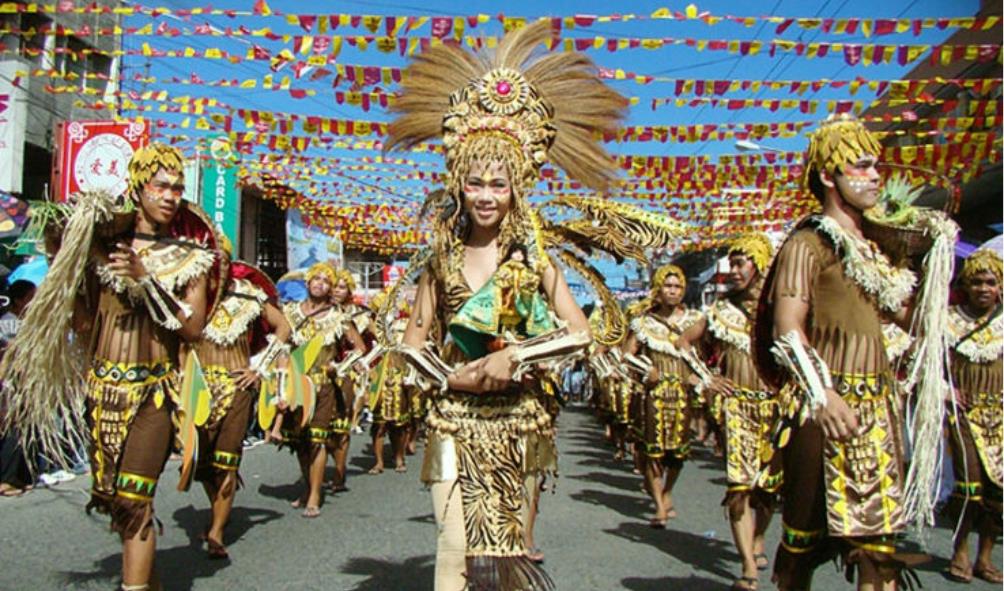
You can also appreciate traditional crafts, like handwoven textiles and intricate wood carvings, that embody the islanders' skills and creativity.
The culinary scene, featuring local delicacies like "pancit habhab," connects you to Biliran’s agricultural roots and shared family values.
Conclusion
In exploring Biliran's rich history, you uncover a tapestry woven from the threads of resilience, culture, and community spirit. From the early Waray inhabitants to the transformative impacts of colonial powers, each era has shaped the province's identity. As you look to the future, you can appreciate how this unique heritage continues to thrive, fostering pride and unity among its people. Biliran's journey is a testament to the strength and determination of its inhabitants.
Statistics
- Biliran was officially recognized as a separate province from Leyte on May 2, 1992, following Republic Act No. 7160.
- In 2007, Biliran experienced a devastating earthquake with a magnitude of 6.0, leading to extensive reconstruction efforts.
- Biliran's economy has historically been based on agriculture, with rice and coconut as primary crops contributing over 60% of local GDP in the 1980s.
- Historical records indicate that Biliran was inhabited by various indigenous groups before Spanish colonization in the 16th century.
External Links
- Follow Biliran Province's official Facebook page for updates on its history and events.
- Read scholarly articles and research papers focusing on the history of Biliran.
- Explore the official website of Biliran Provincial Government for historical insights.
- Watch documentaries and historical footage about Biliran on YouTube.
How to Explore the Historical Sites of Biliran
Begin your journey by visiting key landmarks such as the Biliran Church, which showcases Spanish-era architecture. Utilize local guides to gain deeper insights into each site's significance. Plan your itinerary to include museums and preserved buildings that narrate the province's evolution over centuries. Engaging with local residents can also enhance your understanding of Biliran's heritage as you traverse its historical landscapes.
Want to travel with more time and freedom?
The freedom to travel! Discover free & unique homestays around the world, in exchange for caring for adorable pets.
https://escapetomexiconow.com/ths
Recommended Resources:
Your next chapter could start anywhere. From the vibrant streets of Mexico to the laid-back beauty of the Philippines, explore destinations where you can truly live your dream.
https://escapetomexiconow.com/
https://escapetomexiconow.info/
https://escapetopanamanow.info/
https://escapetothephilippinesnow.com/
YouTube Channel:
Want a closer look at life in Mexico? Subscribe to our YouTube channel for insider tips, travel guides, and inspiring stories that make planning your escape easier and more exciting.
https://www.youtube.com/@EscapeToMexicoNow