
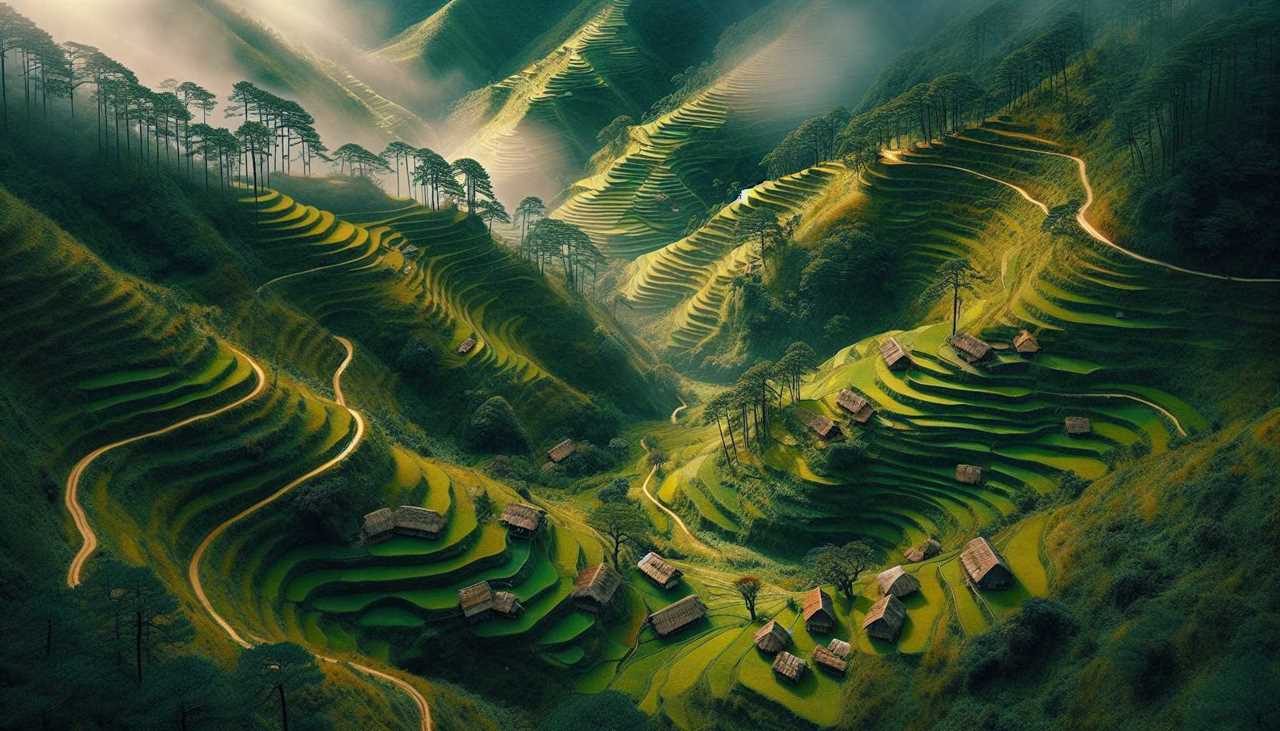
When you think about the history of Benguet, it's hard not to consider the rich heritage of its indigenous tribes. These communities, like the Ibaloi and Kankanaey, shaped the region's agriculture and irrigation practices long before colonization changed everything. As you explore this history, you'll find intriguing shifts brought by Spanish and American influences. But what really transformed Benguet’s landscape was the gold rush. What did this mean for the people and the land?
Early Inhabitants and Indigenous Tribes
As you explore the rich history of Benguet, you'll find that its early inhabitants were primarily composed of various indigenous tribes, each contributing to the area's vibrant culture.
The Ibaloi, Kankanaey, and Kalanguya tribes are just a few examples of those who thrived in this mountainous region. They practiced agriculture, growing rice, vegetables, and root crops, and developed intricate systems of irrigation.
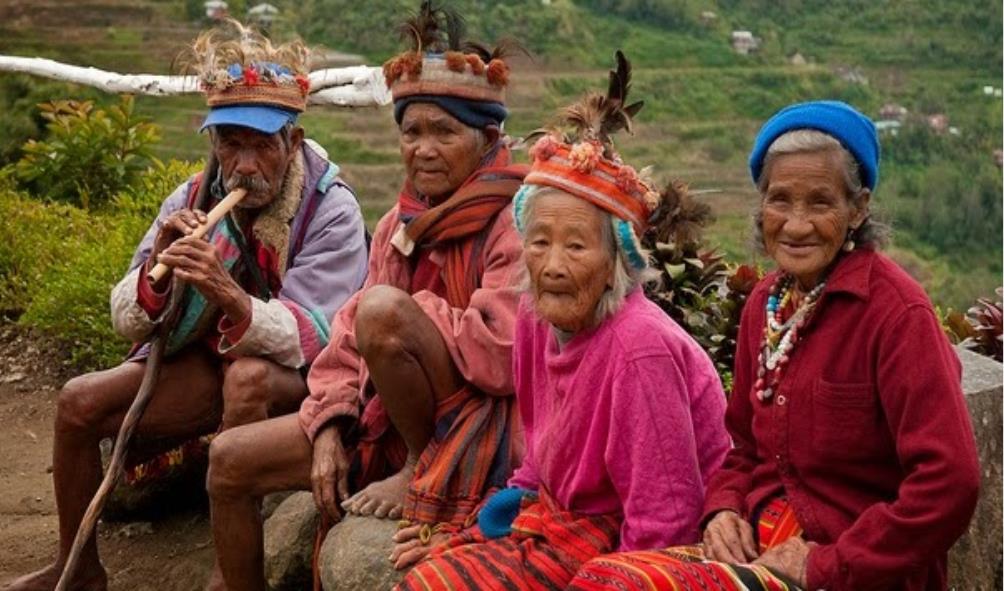
Through their unique traditions, they celebrated life, nature, and spirituality, weaving stories into their daily practices. Social structures were based on communal living, fostering cooperation among tribes.
As you delve deeper, you’ll appreciate how their rich oral history and customs laid the foundation for the identity of Benguet, influencing the region's social fabric that persists today.
Spanish Colonization and Its Impact
The arrival of Spanish colonizers in the 16th century marked a significant turning point for Benguet and its indigenous tribes.
You’d witness the introduction of new religious beliefs, with Catholicism spreading rapidly among the communities. The Spanish aimed to exert control over the region, leading to changes in social structures and the imposition of new governance systems.
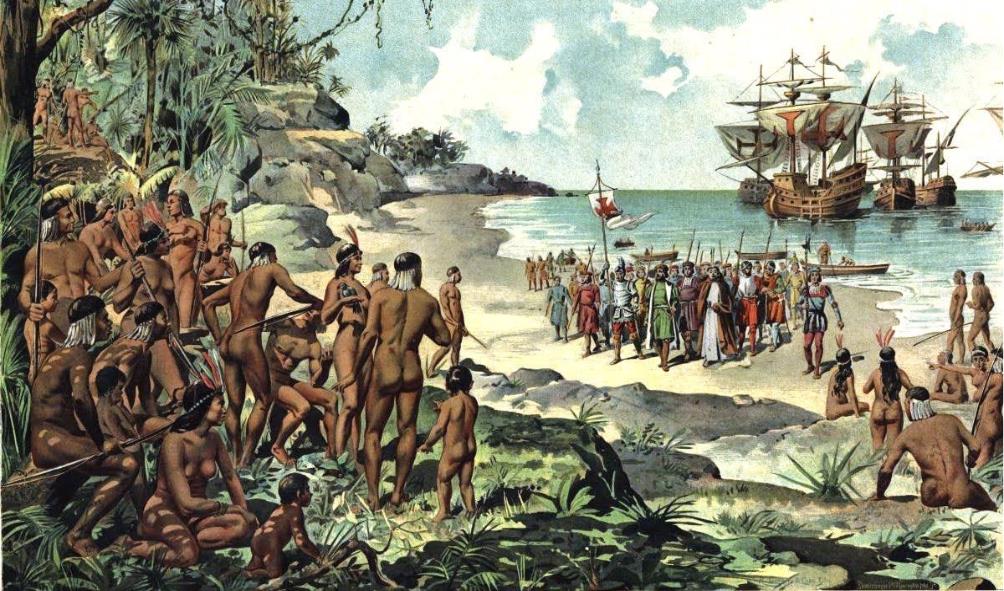
You might notice the forced labor in mines and agricultural fields, reshaping traditional practices and livelihoods. The colonizers' focus on resource extraction often disregarded indigenous rights, creating tensions and resistance.
As you reflect on this period, consider how Spanish colonization influenced your ancestors’ way of life, blending traditional customs with foreign elements and leaving a lasting impact on Benguet’s cultural landscape.
American Colonial Period and Modernization
While the arrival of American colonizers in the early 20th century brought new opportunities for modernization, it also introduced challenges that reshaped Benguet’s landscape.
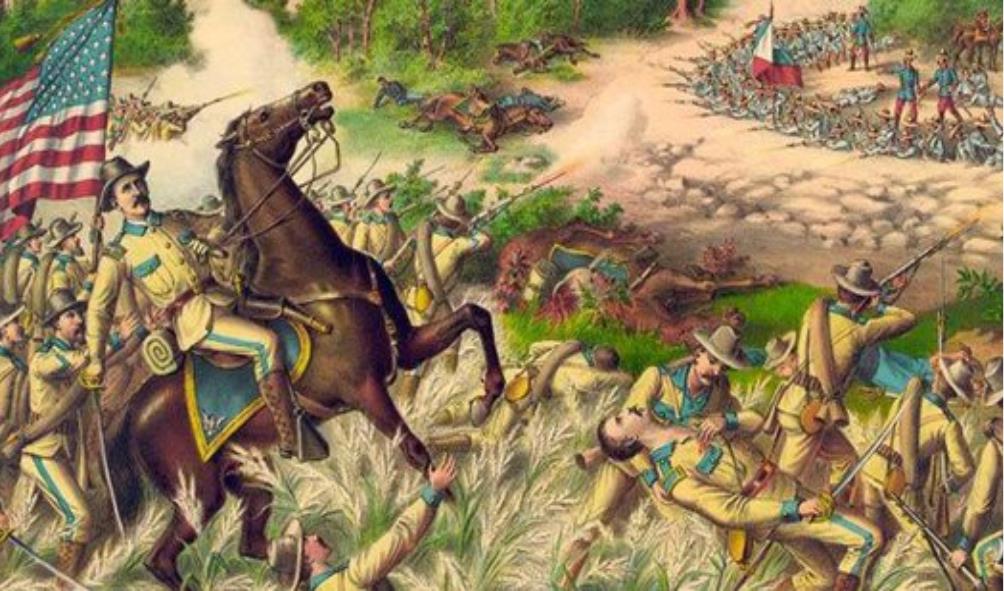
You’ll notice how infrastructure projects, like roads and schools, have transformed daily life for locals. The Americans promoted agricultural advancements, encouraging you to adopt new farming techniques and crops, which significantly boosted productivity.
However, this modernization often came at a cost; traditional practices faced decline as Western influences took hold. As you explore this period, you’ll see how the introduction of new governance structures altered community dynamics, creating both tension and growth.
The Gold Rush and Mining Boom
In the late 19th century, a surge of prospectors flocked to Benguet during the gold rush, drawn by tales of untold wealth hidden in its mountains.
You’d see men digging, panning, and staking claims, hoping for a fortune. Mining camps sprang up, bustling with activity, camaraderie, and competition.
The promise of gold transformed the landscape, as roads and infrastructure developed to support the influx of miners. You'd hear stories of incredible finds, which only fueled more ambition.
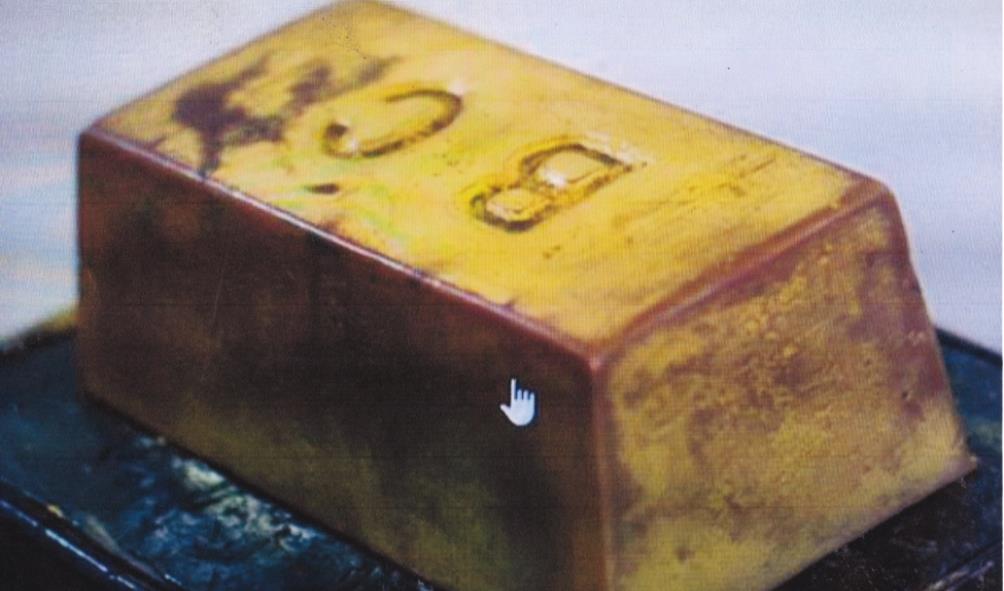
The mining boom attracted not just locals but also adventurers from afar, each dreaming of riches.
However, this gold rush also led to conflicts over land and resources, changing the community dynamics forever.
The allure of gold shaped Benguet’s identity in profound ways.
Development of Agriculture and Cash Crops
As the gold rush began to wane, the focus in Benguet shifted toward agriculture, laying the groundwork for a new economic foundation.
You’ll find that farmers began cultivating various cash crops, including vegetables like carrots, cabbage, and potatoes. The cool climate and fertile soil provided ideal conditions for these crops to thrive.
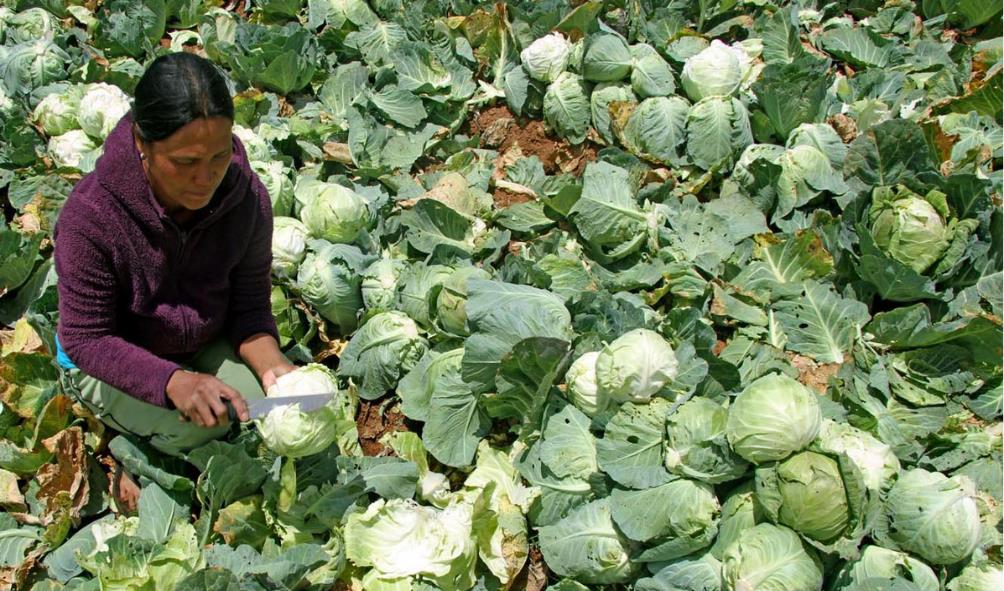
You might notice how local farmers adopted innovative farming techniques, enhancing production and sustainability. As a result, Benguet became known as the "Salad Bowl of the Philippines."
The rise of agriculture not only provided livelihoods but also improved food security in the region.
With cash crops gaining traction, you can see how Benguet transitioned from a mining hub to a thriving agricultural center, boosting its economy and community resilience.
World War II and Its Effects on Benguet
Though the region enjoyed agricultural growth, the onset of World War II brought significant challenges to Benguet. You’d witness the invasion of Japanese forces in 1942, disrupting daily life and agriculture. Many locals were forced to flee their homes, leaving behind crops and livestock.
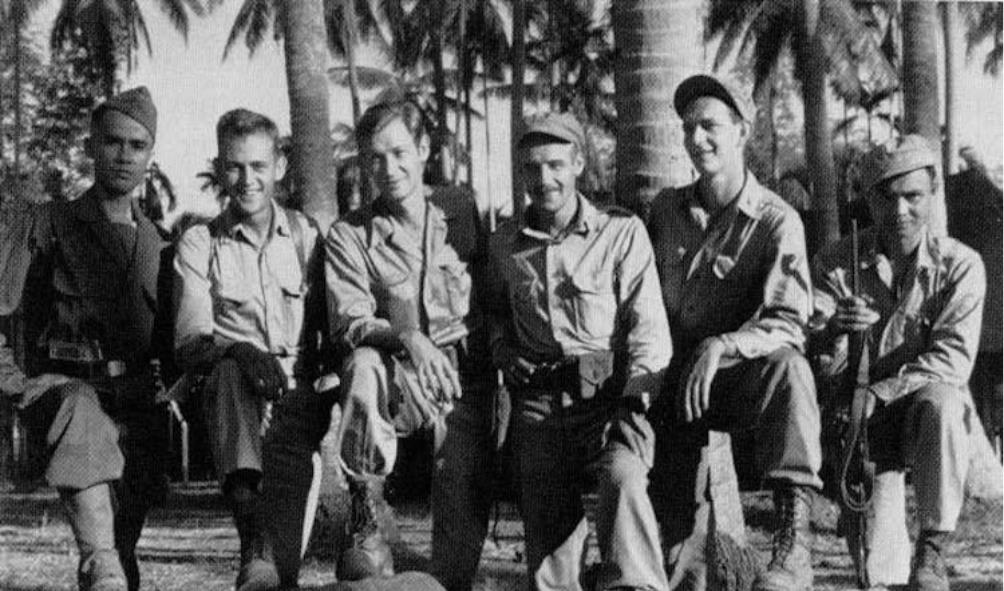
The war imposed hardships, with food shortages becoming common as resources dwindled and trade routes were cut off. You’d find communities struggling to survive amidst the chaos, as young men were drafted into the military, leaving families to fend for themselves.
The once-thriving agricultural sector faced devastation, with many farms destroyed or abandoned. The war's impact on the people of Benguet was profound, altering their way of life and leaving scars that would take years to heal.
Post-War Reconstruction and Growth
After the war ended, Benguet faced the daunting task of rebuilding, yet the resilience of its people sparked a remarkable transformation.
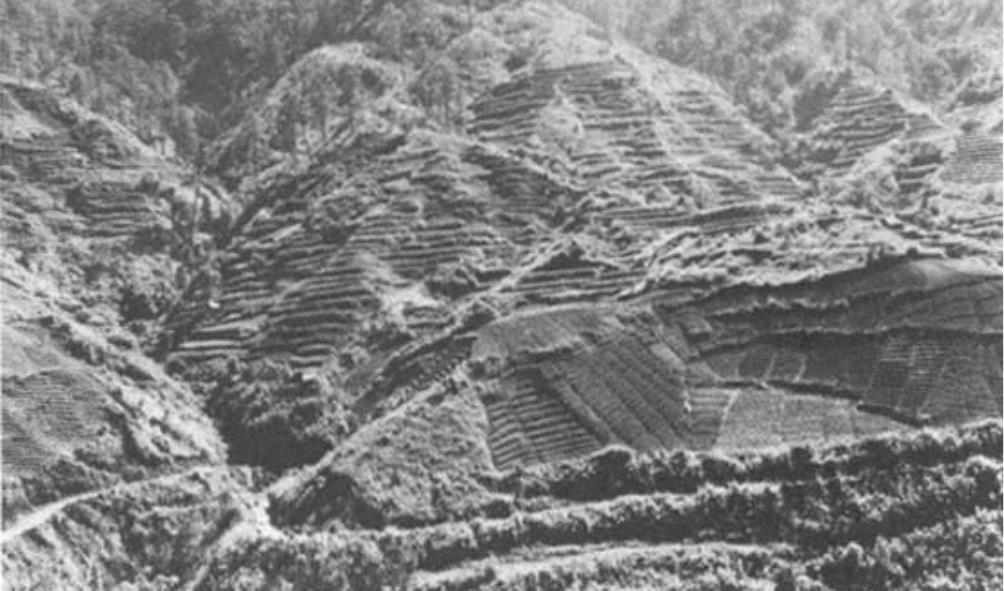
You'd witness communities uniting to restore homes, schools, and infrastructure. Farmers returned to their fields, reviving agriculture and introducing innovative practices that increased productivity. The mining sector also began to flourish again, drawing investments and creating jobs.
As roads improved, access to markets expanded, enabling local products to reach new consumers. People embraced education, understanding its importance for a brighter future.
Cultural Heritage and Contemporary Society
Benguet's rich cultural heritage thrives alongside its contemporary society, reflecting a unique blend of traditions and modernity. You’ll notice traditional practices, like the famous “Panag-apoy” or bonfire festival, still celebrated amidst the growing influence of modern lifestyles.
Locals proudly wear traditional clothing during events, preserving their identity while embracing change. Artisans continue to produce handcrafted goods, blending age-old techniques with contemporary designs.
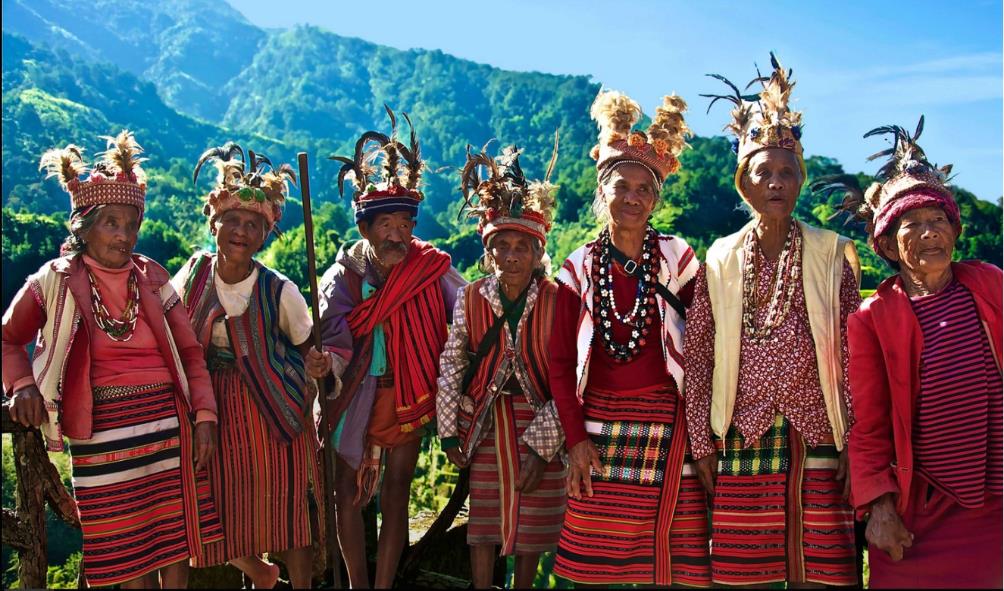
You can explore vibrant markets filled with both traditional and modern products, showcasing the region's creativity. In daily life, you’ll see how the community balances respect for ancestral customs with the conveniences of modern technology.
This dynamic interaction shapes Benguet’s identity, making it a fascinating place where history and present-day life coexist harmoniously.
Conclusion
In conclusion, you've explored Benguet's rich history, from its indigenous roots to the effects of colonization and modernization. You've seen how the gold rush transformed the region and how agriculture has become essential to its economy. The resilience of Benguet's people through war and reconstruction highlights their strength and cultural heritage. Today, you can appreciate how this vibrant history shapes contemporary society, reminding you of the enduring spirit of the Ibaloi, Kankanaey, and Kalanguya tribes.
Statistics
- The mining sector in Benguet has been pivotal, with gold and copper extraction accounting for nearly 40% of the province's revenue.
- Agriculture contributes over 60% to Benguet's local economy, with significant production of vegetables such as carrots, cabbage, and celery.
- Benguet was officially established as a separate province in the Philippines on March 20, 1966.
- Benguet hosts the BenCab Museum, established in 1996, which houses over 500 works of art by National Artist Benedicto Cabrera and other artists.
External Links
- Baguio and Beyond: History of Benguet: Explores the historical ties between Benguet and nearby Baguio City, highlighting key historical sites.
- Wikipedia: Benguet: Provides a comprehensive overview of Benguet's history, geography, and cultural heritage.
- Official Benguet Province Website: Offers detailed historical information and significant events shaping the province.
- National Commission for Culture and the Arts: History of Benguet: Provides insights into the indigenous cultures and historical milestones of the region.
How to Understand Benguet’s Mining History
To grasp Benguet’s mining history, begin by studying the early mining operations that attracted settlers to the region. Analyze the economic impact of gold and copper extraction on the province’s development. Visit historical mining sites and museums to see the tools and techniques used in the past. Additionally, review government records and local archives for detailed accounts of mining activities and their effects on the community. Understanding the environmental and social implications of mining will also provide a balanced perspective on its role in Benguet’s history.
Plan the perfect group trip, your way.
Get an instant personalized itinerary. We handle logistics, payments, and provide a dedicated itinerary, while local experts fine-tune every detail. Enjoy full freedom—without the stress of organizing it all.
https://escapetomexiconow.com/tourhero
Recommended Resources:
Discover where freedom, adventure, and opportunity await you.
https://escapetomexiconow.com/
https://escapetomexiconow.info/
https://escapetopanamanow.info/
https://escapetothephilippinesnow.com/
YouTube Channel:
Your next adventure starts here! Join us on YouTube for destination tours, insider advice, and everything you need to make your escape unforgettable.
https://www.youtube.com/@EscapeToMexicoNow