When you think about Batanes, it’s easy to overlook its rich history shaped by the Ivatan people and their unique adaptations to a challenging environment. From the impact of Spanish colonization to the influence of trade, each chapter reveals how culture and tradition evolved. Yet, as modern challenges arise, the community faces a crucial question: how can they preserve their heritage while adapting to change? The answers may surprise you.
The Early Settlement of the Ivatan People
Although the Ivatan people faced the challenges of their rugged environment, they established one of the earliest settlements in Batanes. You’ll find that their ingenuity and resourcefulness played a crucial role in thriving on these islands.
The Ivatan built sturdy stone houses designed to withstand harsh winds and heavy rains, showcasing their architectural skills. They cultivated rice, taro, and sweet potatoes, ensuring food security despite the difficult terrain. Their fishing techniques allowed them to harvest the rich marine life surrounding Batanes, adding to their sustenance.
Additionally, the Ivatans’ close-knit communities fostered cooperation, enabling them to tackle the challenges of isolation. Through resilience and adaptability, they laid the foundation for a vibrant culture that continues to thrive in Batanes today.
The Influence of Geography on Batanes' Development
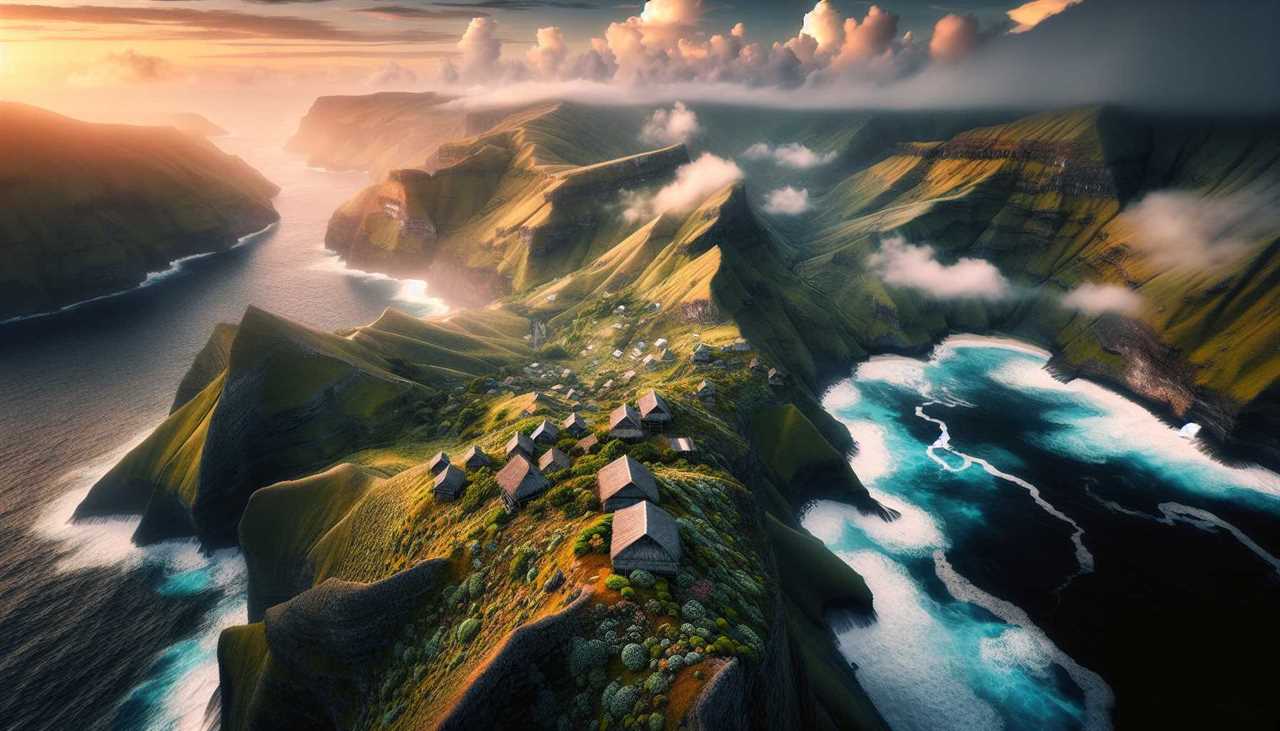
The rugged geography of Batanes has significantly shaped its development and the way of life for the Ivatan people. Nestled amidst the waves of the South China Sea and the Philippine Sea, the islands' steep cliffs and rolling hills create both a natural barrier and a unique ecosystem.
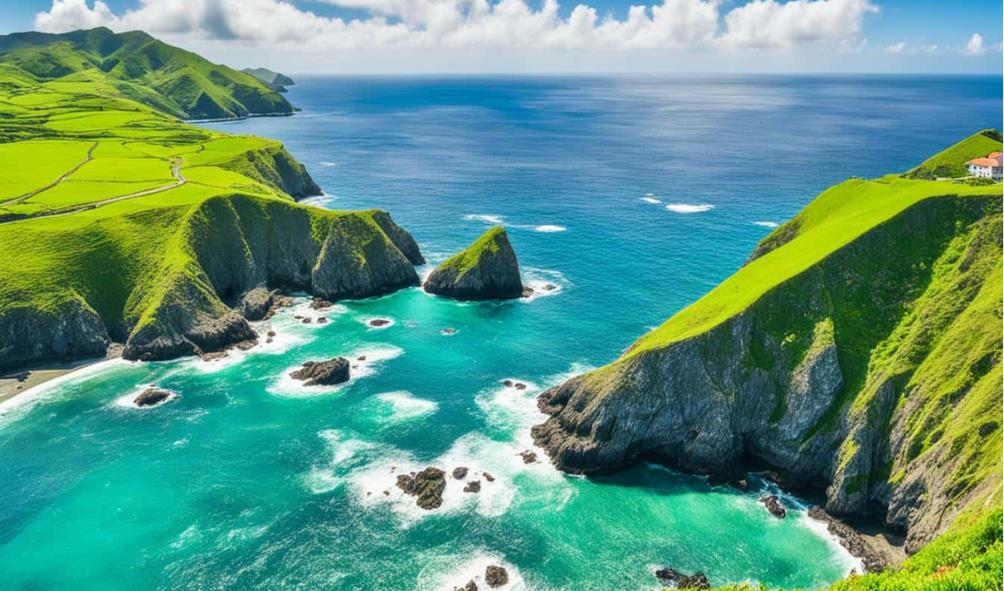
You’ll notice how the isolation prompted the Ivatan to develop distinct agricultural practices, utilizing terraced farming to maximize limited arable land. The constant winds and rain have also influenced the construction of traditional stone houses, designed to withstand harsh weather.
As you explore, you’ll see how this geography fosters a close-knit community, where resourcefulness and resilience are key to survival. The landscape truly defines their culture and way of living.
Spanish Colonization and Its Impact
As Spanish colonizers arrived in Batanes in the late 16th century, they brought significant changes that would reshape the islands' social, political, and economic landscape.
You’d notice how the introduction of Christianity altered local beliefs and practices. The Spaniards established missions, and churches sprang up, changing community dynamics.
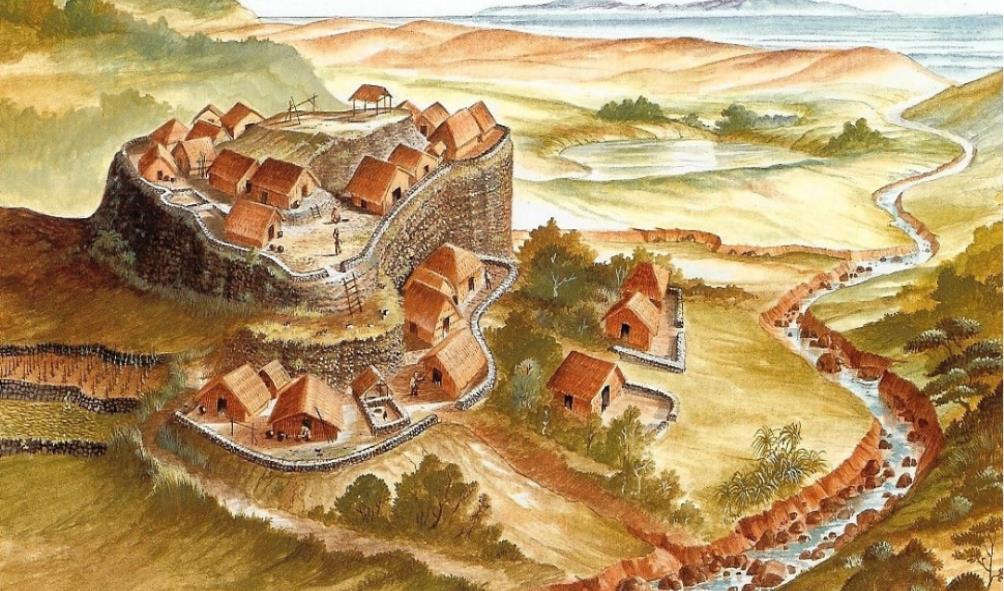
They implemented a new governance system, replacing traditional leadership with colonial authorities, which often led to tensions.
Economically, they introduced new agricultural practices, promoting crops like corn and rice, which altered local diets and farming methods.
Trade patterns shifted as Batanes became more integrated into the colonial economy, affecting local livelihoods.
The Role of Trade and Cultural Exchange
While the arrival of Spanish colonizers significantly impacted Batanes, trade and cultural exchange have also played crucial roles in shaping the islands' identity.
You’ll find that Batanes has long been a hub for commerce, connecting the Philippines with Taiwan and other neighboring regions. The Ivatan people engaged in trade, exchanging goods like fish, rice, and textiles, which enriched their culture and lifestyle.
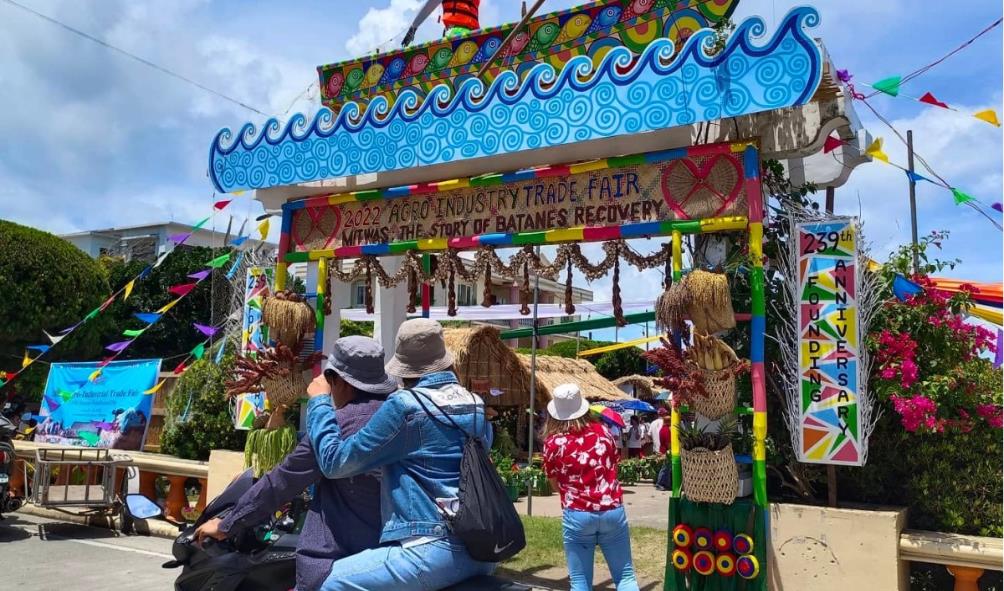
Cultural exchanges brought new ideas, beliefs, and practices that blended with local traditions. As you explore Batanes, you’ll notice influences from various cultures reflected in their crafts, food, and social customs.
This interplay of trade and cultural exchange hasn't only fostered economic growth but also created a diverse and vibrant community that continues to thrive today.
The Ivatan Language and Traditional Practices
Although often overshadowed by the influence of external cultures, the Ivatan language and traditional practices remain vital to the identity of the Ivatan people. When you immerse yourself in the Ivatan language, you’ll notice its unique sounds and structure, reflecting the community's history and values.
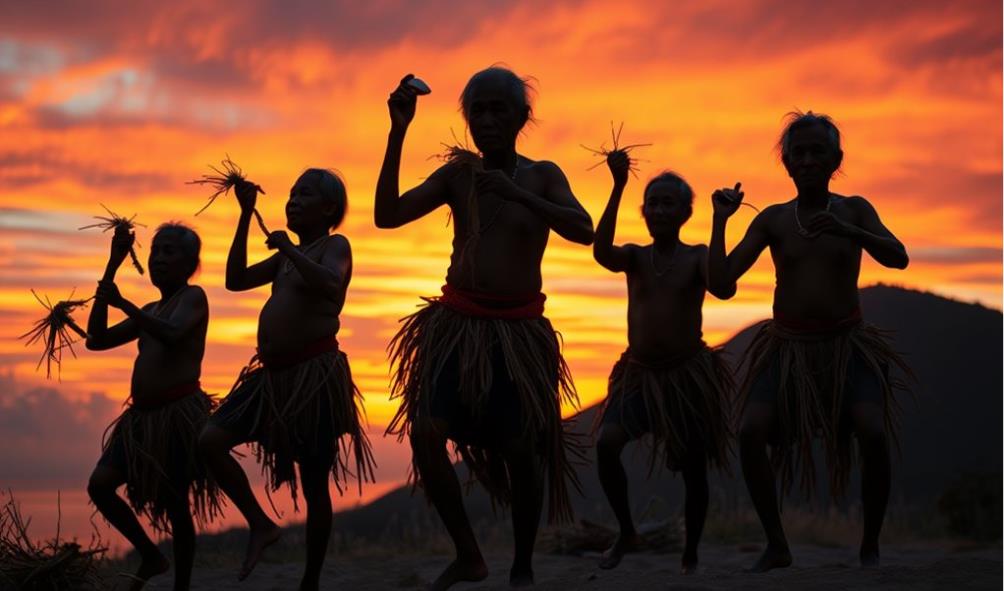
Listening to elders share stories in Ivatan connects you to generations past, emphasizing the importance of oral tradition.
Traditional practices, like boat-making and weaving, showcase the Ivatan's resourcefulness and creativity. You’ll find that rituals, such as the "Pahiyas" harvest festival, strengthen community ties and celebrate shared heritage.
The Arrival of American Governance
The arrival of American governance in Batanes marked a significant shift in the political landscape, transforming the islands' administration and daily life.
You’d see the introduction of new systems that emphasized education, infrastructure, and public health. The Americans prioritized building schools, which allowed Ivatan children to learn in a structured environment and gain skills for future employment.
Roads and communication networks began to develop, connecting the islands more effectively. Additionally, public health initiatives aimed to reduce diseases that had plagued the community.
You’d notice a blend of traditional Ivatan culture with new American influences, shaping a unique identity. This era laid the groundwork for future governance, as the Ivatans adapted to these changes while maintaining their rich cultural heritage.
World War II and Its Effects on Batanes
As World War II erupted, Batanes found itself caught in a turbulent conflict that would deeply impact its inhabitants and landscape.
You'd witness the islands become a strategic military outpost, leading to the arrival of Japanese forces. Fear gripped the locals as their peaceful lives turned into chaos, with bombings and skirmishes disrupting daily routines.

Food shortages and displacement became common, forcing families to seek refuge in the hills. The aftermath left scars on the community, with infrastructure damaged and many lives lost.
You'd see resilience emerge as the Ivatan people banded together, helping one another rebuild amidst the destruction. The war transformed Batanes, shaping its future and leaving a legacy that still resonates today.
Modern Challenges and Adaptations
While Batanes has a rich cultural heritage and stunning landscapes, modern challenges have emerged that test the resilience of its people. Climate change poses significant threats, like rising sea levels and increasingly erratic weather patterns, impacting agriculture and fishing—the backbone of the local economy.
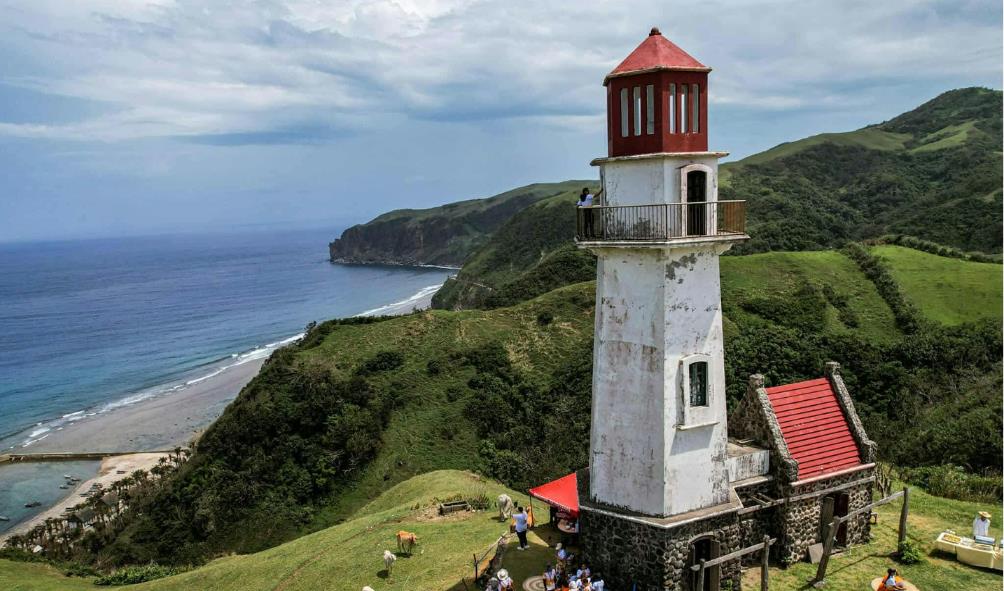
You might notice how younger generations are migrating to urban areas in search of better opportunities, leaving behind an aging population. Additionally, the influx of tourists brings both economic benefits and strains on resources.
To adapt, locals are exploring sustainable practices in farming and tourism, ensuring they protect their environment while fostering growth. Embracing technology and education is also key, helping the community innovate while staying connected to their roots.
Preserving Batanes' Cultural Heritage Today
Although challenges like modernization and tourism threaten Batanes' cultural identity, locals are actively working to preserve their rich heritage.
You’ll find communities engaging in traditional practices, like weaving and fishing, passing skills down through generations.
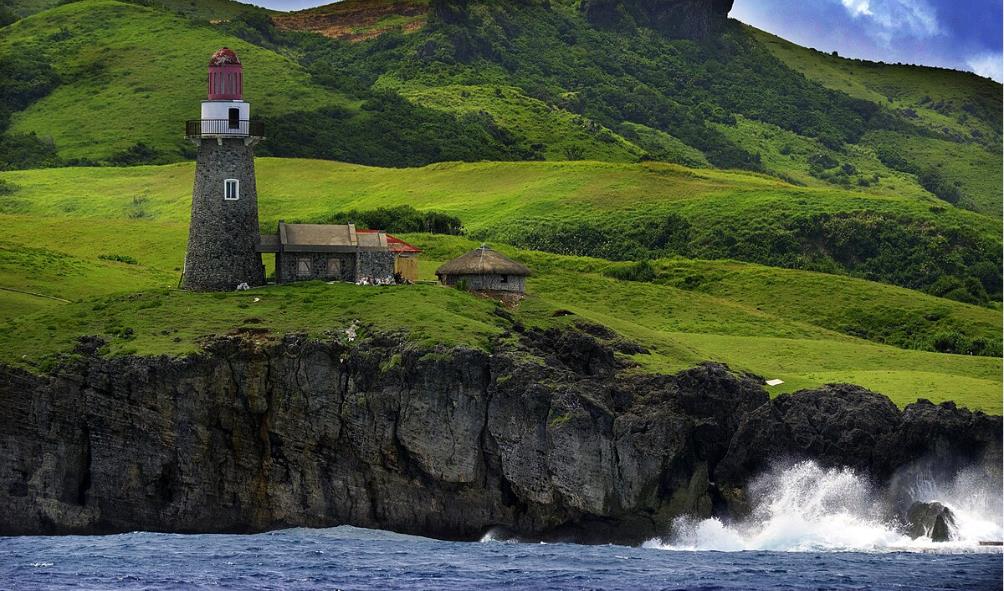
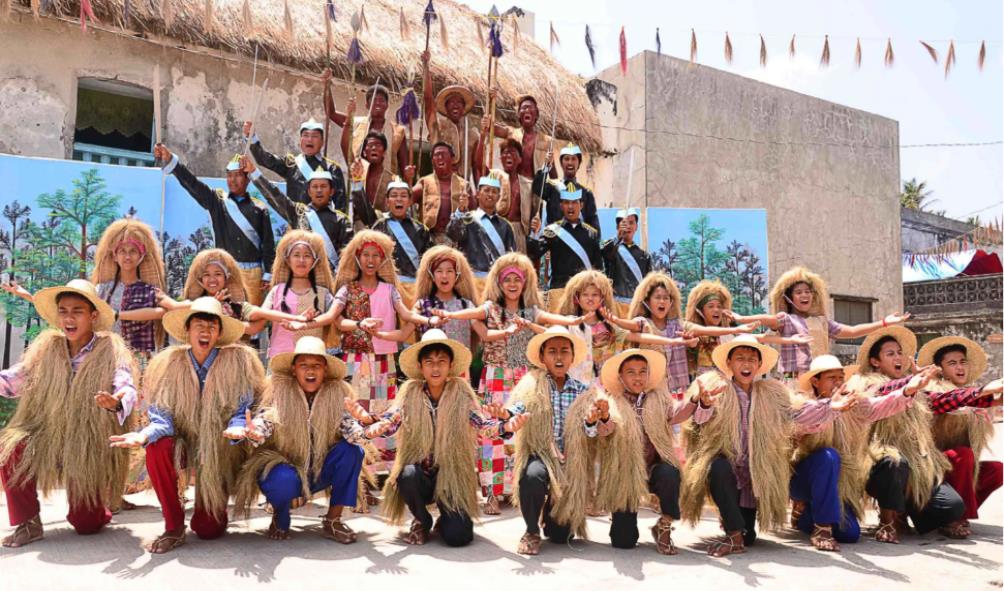
Festivals celebrating Ivatan culture showcase local music, dance, and culinary delights, drawing attention to their unique identity.
You can support these efforts by visiting local artisans and purchasing handmade crafts, ensuring that your contributions help sustain their livelihoods.
Moreover, educational programs in schools emphasize the importance of Batanes' history and customs, fostering pride among the youth.
Conclusion
In exploring Batanes’ rich history, you can see how the Ivatan people have adapted to their environment while facing various challenges. From early settlements to the impacts of colonization and global conflicts, each chapter has shaped its unique culture. Today, as they confront modern issues like climate change, the community’s commitment to preserving their heritage stands strong. By understanding their past, you’re contributing to a future where Batanes' traditions continue to thrive.
Statistics
- The construction of the Basco Lighthouse in 1904 marked a significant development in Batanes' maritime history.
- Historical records show that the population of Batanes has remained below 20,000 residents for over a century.
- Approximately 60% of Batanes' land area is dedicated to agriculture, reflecting its agrarian history.
- Batanes comprises ten inhabited islands, each with its distinct historical background.
External Links
- Batanes - Wikipedia - An extensive overview of Batanes, including its historical background and significant events.
- History of Batanes - Visa Batanes - Learn about the rich historical heritage and milestones of Batanes.
- History of Batanes - Philippine-History.org - A dedicated page on the historical progression of Batanes in the Philippines.
- History of Batanes - Traveling Up - An article detailing the historical landmarks and cultural evolution of Batanes.
How to Research the Cultural Traditions of the Ivatan People
Investigate the rich cultural traditions of the Ivatan people by exploring their festivals, rituals, and daily customs. Study traditional clothing, cuisine, and crafts to appreciate their unique heritage. Engage with local communities through interviews and participation in cultural events to gain authentic perspectives. Utilize ethnographic studies and cultural records that document the Ivatan way of life over generations. This research fosters a deeper understanding of the cultural identity that defines Batanes.
Want to travel with more time and freedom?
The freedom to travel! Discover free & unique homestays around the world, in exchange for caring for adorable pets.
https://escapetomexiconow.com/ths
Recommended Resources:
Adventure is calling — are you ready to answer? Discover new places, new lifestyles, and new possibilities in Mexico, Panama, or the Philippines.
https://escapetomexiconow.com/
https://escapetomexiconow.info/
https://escapetopanamanow.info/
https://escapetothephilippinesnow.com/
YouTube Channel:
Your next adventure starts here! Join us on YouTube for destination tours, insider advice, and everything you need to make your escape unforgettable.
https://www.youtube.com/@EscapeToMexicoNow