

When you think about Bataan, what comes to mind? Its history is layered, shaped by ancient cultures and colonial powers. You’ll find tales of resilience, especially during World War II. The Bataan Death March stands out as a defining moment. But there's more to explore—its rich traditions, vibrant festivals, and the enduring spirit of its people. What events and influences truly shaped Bataan into what it is today?
Ancient Roots and Early Inhabitants
As you delve into the ancient roots of Bataan, you'll discover a rich tapestry of early inhabitants who shaped the region long before the arrival of colonizers.
Indigenous groups, such as the Aeta and Tagalog, thrived here, relying on fishing, hunting, and farming for sustenance. Their deep connection to the land fostered a vibrant culture, rich in traditions and spiritual beliefs.
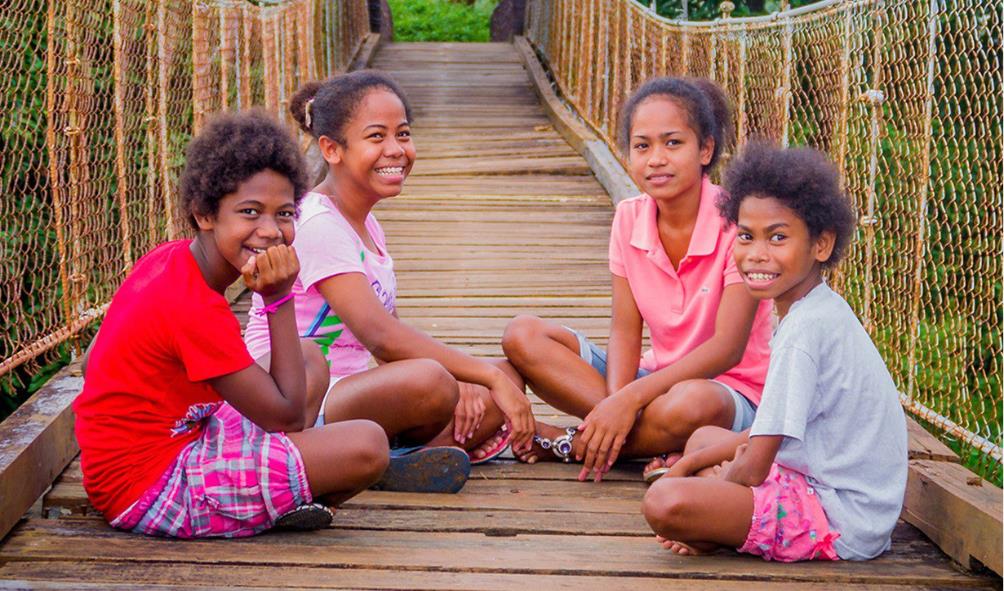
You’d find evidence of early settlements, with tools and pottery unearthed in archaeological sites, showcasing their craftsmanship and daily life.
Trade routes linked Bataan to neighboring regions, allowing cultural exchanges that enriched their communities.
These early inhabitants laid the groundwork for Bataan's identity, creating a legacy that endures even today, reflecting their resilience and adaptability in the face of changing times.
Spanish Colonial Era
When the Spanish arrived in the late 16th century, Bataan underwent a significant transformation that forever altered its landscape and culture.
You'd notice how they established missions and churches, introducing Christianity to the local population. The Spanish implemented a tribute system, requiring residents to pay taxes, which shifted the economy and social structure.
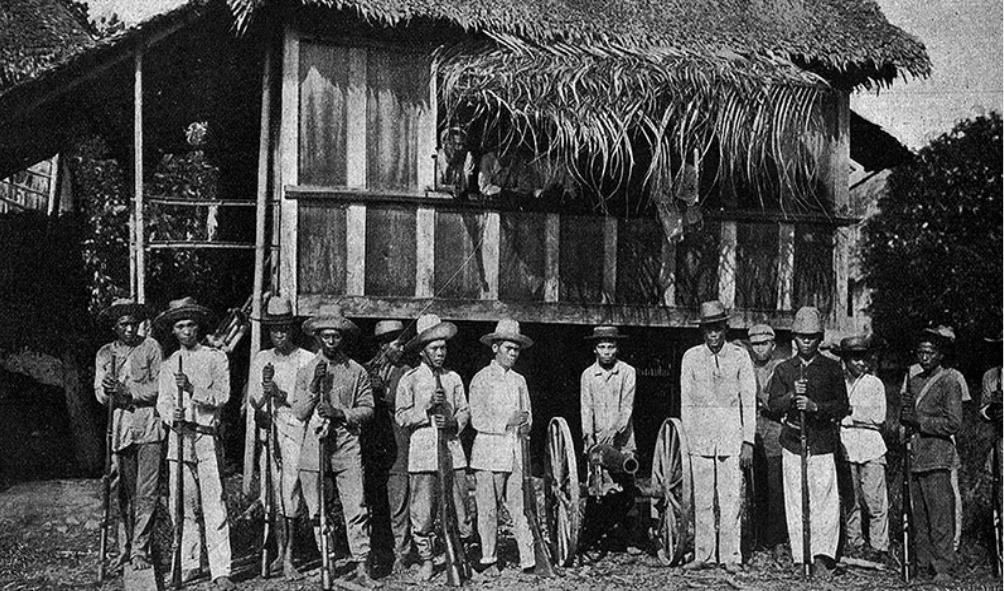
You'd also see the rise of agriculture, with crops like rice and sugarcane becoming vital for trade. The Spanish influence brought new architectural styles, evident in the beautiful churches that still stand today.
Additionally, they introduced various customs and traditions, blending with the indigenous culture. As you explore Bataan, you'll find remnants of this era, echoing the rich history and resilience of its people.
The American Occupation
The American occupation of Bataan began in 1898, marking a profound shift in the region's political and social landscape.
You'd notice the introduction of new governance, as the United States aimed to establish a more democratic framework. Schools opened, and education was prioritized, allowing locals to learn English and gain new skills.
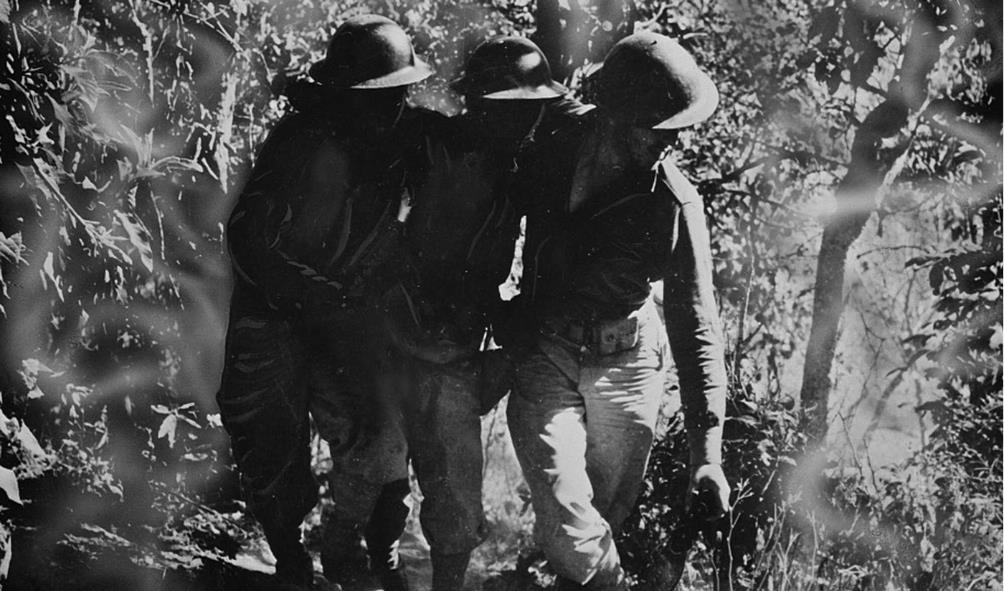
Infrastructure improved, with roads and hospitals built to enhance connectivity and healthcare.
However, this period also brought resistance, as some Filipinos opposed foreign control. You'd see a mixture of hope and frustration among the population, as they navigated the complexities of this new era.
The Americans sought to modernize Bataan while grappling with the challenges of colonial rule, shaping the region's future in ways that would resonate for years to come.
World War II and the Bataan Death March
While tensions escalated in the Pacific during World War II, Bataan became a focal point of immense suffering and bravery.
After the fall of Bataan in April 1942, thousands of American and Filipino soldiers faced the harrowing Bataan Death March. You can imagine the grueling conditions: men marched over 60 miles under the scorching sun, enduring hunger, thirst, and brutal treatment from their captors.
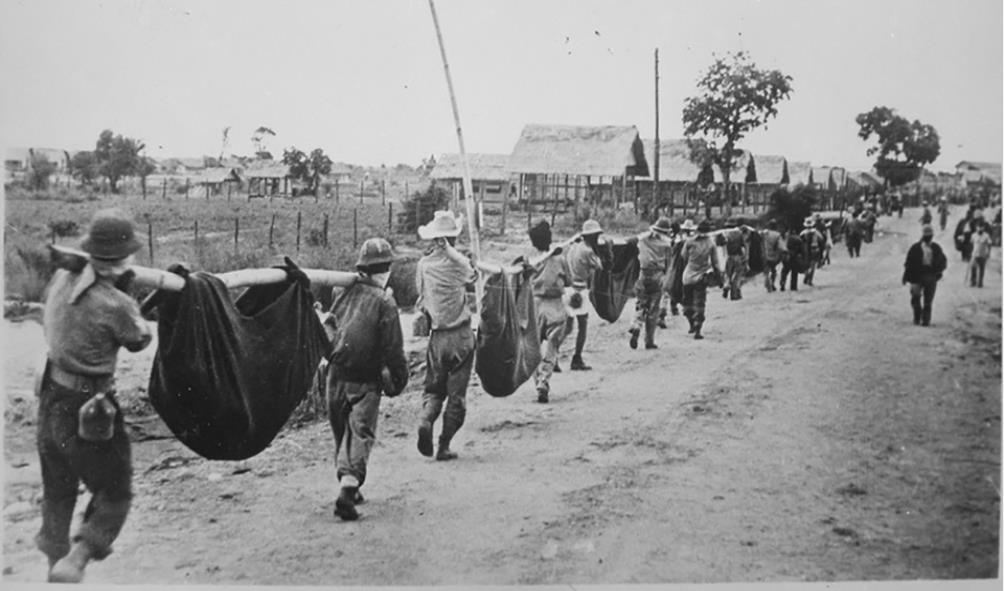
Many didn't survive the journey, succumbing to exhaustion or violence. The march symbolized the resilience and courage of those who fought against overwhelming odds.
It also highlighted the harsh realities of war and the sacrifices made by soldiers. This tragic event remains a vital part of Bataan's history, commemorating both loss and heroism.
Modern Bataan and Cultural Heritage
After the harrowing events of World War II, Bataan has transformed into a vibrant region that honors its rich cultural heritage.
You'll find a blend of history and modernity in its towns, where local festivals celebrate traditions, showcasing colorful costumes, music, and dance. The people of Bataan take pride in their ancestral roots, preserving customs through culinary delights like the famous Bataan delicacies.
Visiting historical sites such as the Mount Samat National Shrine offers a glimpse into the past while reinforcing the importance of remembrance.
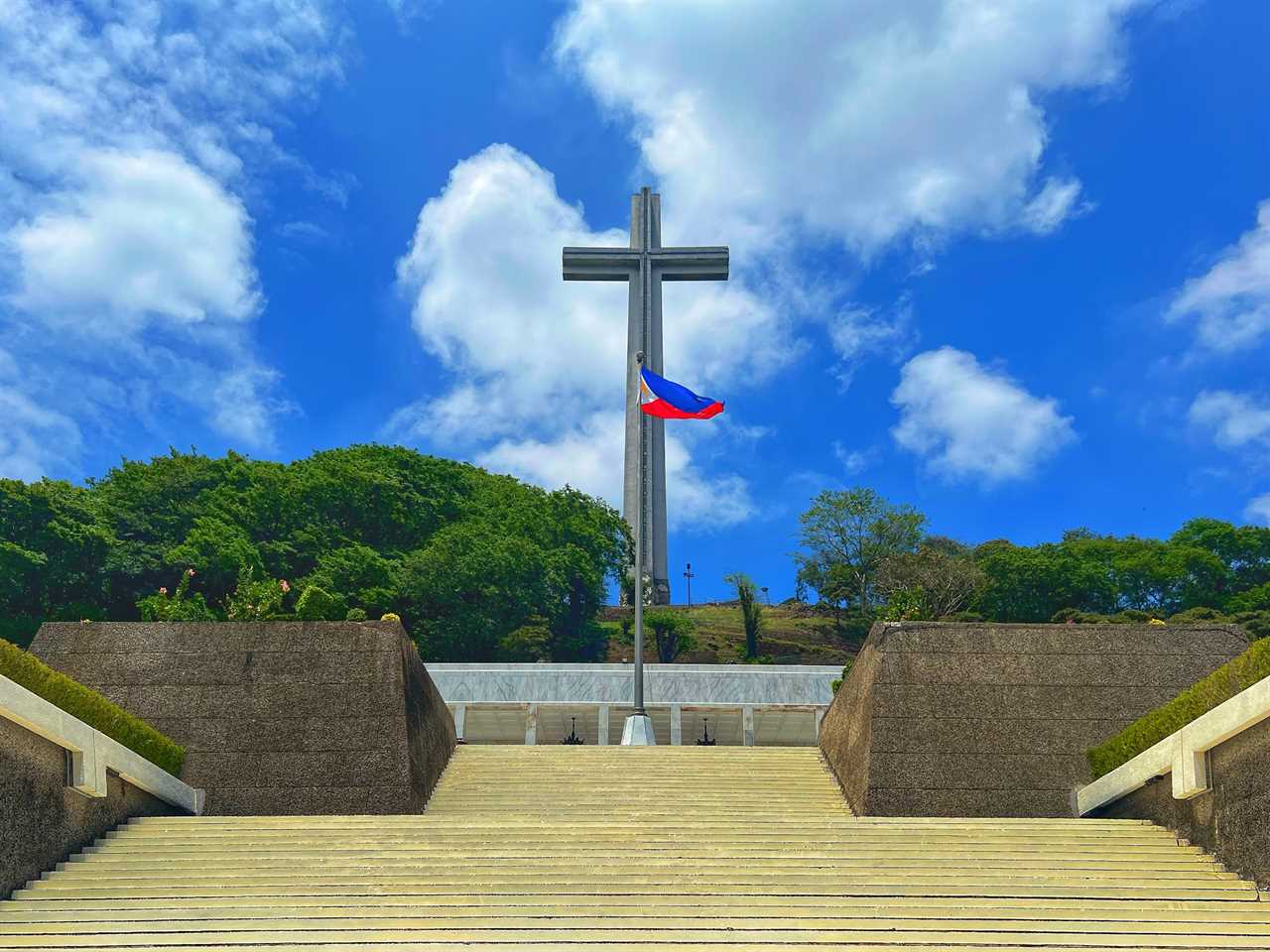
You’ll also discover local artisans who create beautiful crafts, reflecting the region's artistic spirit.
In Bataan, every corner tells a story, inviting you to appreciate its resilience and cultural richness.
Conclusion
In exploring Bataan's history, you uncover a rich blend of cultures and resilience. From its ancient roots to the challenges of World War II, the province showcases a spirit that’s hard to ignore. Today, Bataan thrives as a vibrant region, celebrating its heritage through festivals, delicious cuisine, and historical sites. By appreciating its past, you connect with the people and traditions that continue to shape Bataan’s identity. Embrace this journey and let it inspire you.
Statistics
- During the Bataan Death March, an estimated 10,000 soldiers perished due to brutal conditions.
- In April 1942, over 80,000 Filipino and American troops surrendered to Japanese forces in Bataan.
- After liberation in 1945, Bataan underwent reconstruction that boosted its regional economy by 25% over five years.
- In 1944, Bataan housed approximately 50,000 refugees fleeing the conflict.
External Links
- War History Online: Bataan Death March - Learn about the harrowing experiences of soldiers during the Bataan Death March.
- Bataan Rescue Memorial - Visit the memorial dedicated to the bravery and sacrifice of the Bataan defenders.
- Official Bataan Provincial Government - Access comprehensive information on Bataan's historical landmarks and heritage sites.
- Bataan Rescue Historical Association - Explore detailed accounts and resources about the Battle of Bataan and the subsequent rescue missions.
How to Research the Impact of the Battle of Bataan on Philippine History
Researching the impact of the Battle of Bataan on Philippine history involves examining the battle's short-term and long-term effects on the nation. Start by reviewing historical accounts of the battle and its immediate consequences, including the occupation of the Philippines by Japanese forces. Investigate how the battle influenced Filipino nationalism and the subsequent struggle for independence. Analyze economic, social, and political changes that resulted from the conflict. Utilizing primary sources such as letters, diaries, and official documents provides authentic insights. This research illuminates how the Battle of Bataan shaped the Philippines' path towards sovereignty and its enduring legacy in national identity.
Plan the perfect group trip, your way.
Get an instant personalized itinerary. We handle logistics, payments, and provide a dedicated itinerary, while local experts fine-tune every detail. Enjoy full freedom—without the stress of organizing it all.
https://escapetomexiconow.com/tourhero
Recommended Resources:
Dreaming of a fresh start abroad? Explore our curated destination guides to learn how you can make the move with ease.
https://escapetomexiconow.com/
https://escapetomexiconow.info/
https://escapetopanamanow.info/
https://escapetothephilippinesnow.com/
YouTube Channel:
See Mexico like never before! From local culture to travel hacks, our YouTube channel brings the adventure straight to you.
https://www.youtube.com/@EscapeToMexicoNow