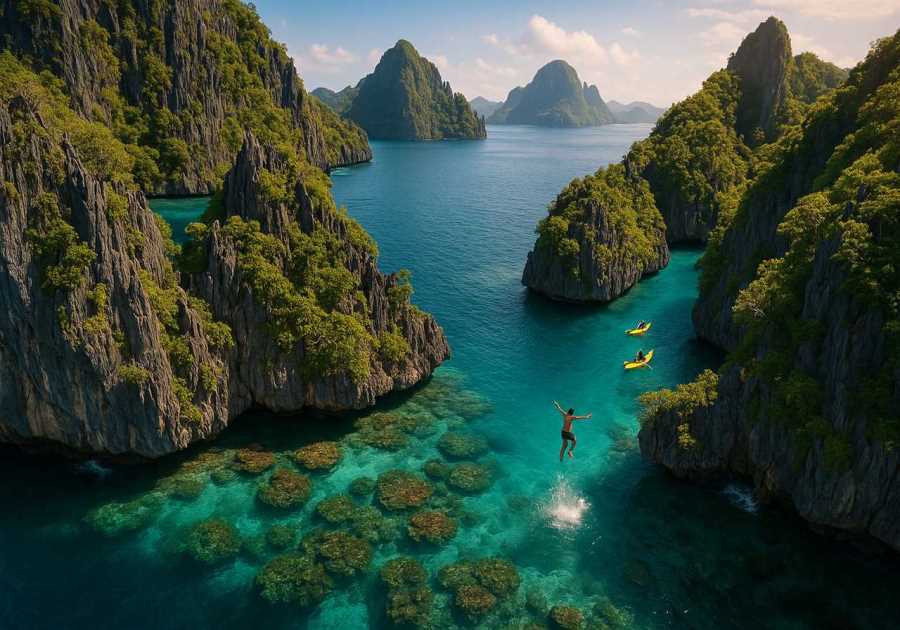
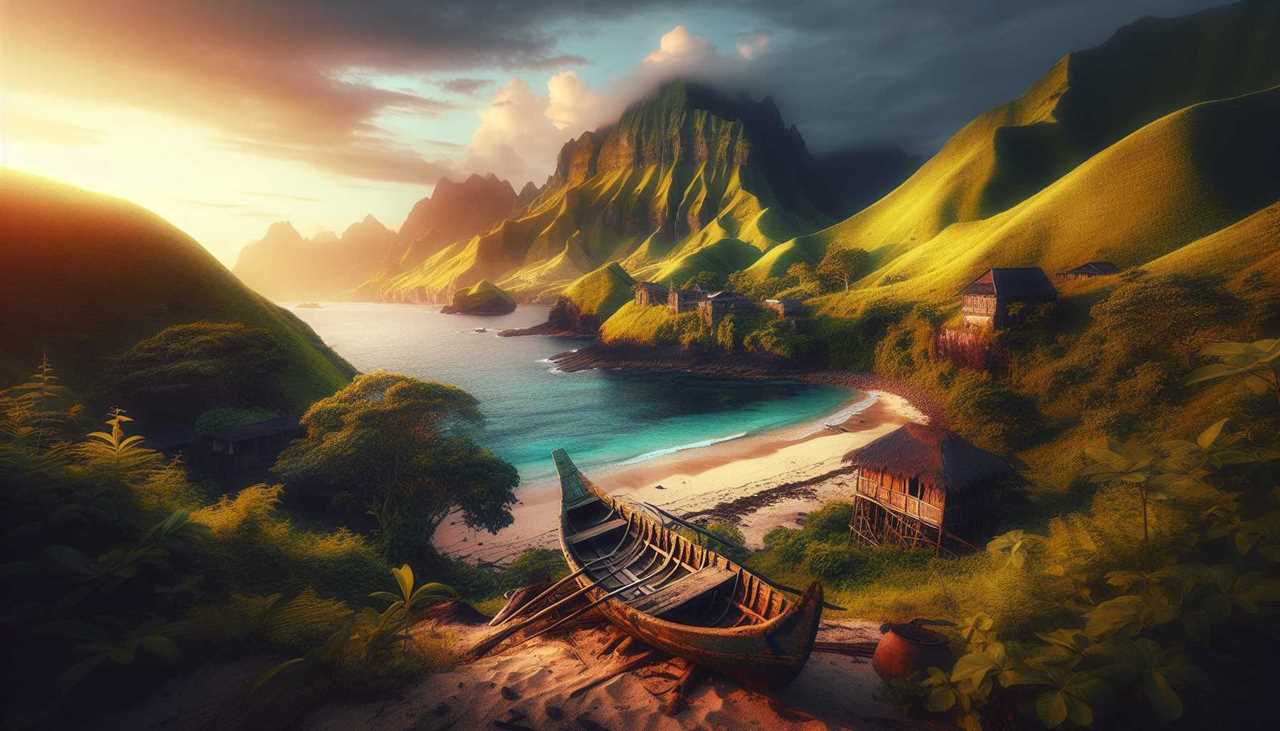
When you explore the history of Aurora Province, you'll find a tapestry woven from indigenous cultures, colonial influences, and modern developments. The Dumagat and Ilongot tribes laid the foundations long before the Spanish arrived, shifting the province's cultural landscape dramatically. As you trace the path through American occupation and the challenges of World War II, you'll uncover how these events shaped the vibrant community we see today. What transformations followed in the wake of such a tumultuous past?
Indigenous Roots and Early Settlements
As you explore the history of Aurora Province, you'll find that its roots run deep in the rich traditions and cultures of Indigenous peoples.
The Dumagat and Ilongot tribes, among others, have called this land home for centuries. They thrived on the abundant natural resources, relying on fishing, hunting, and farming to sustain their communities.
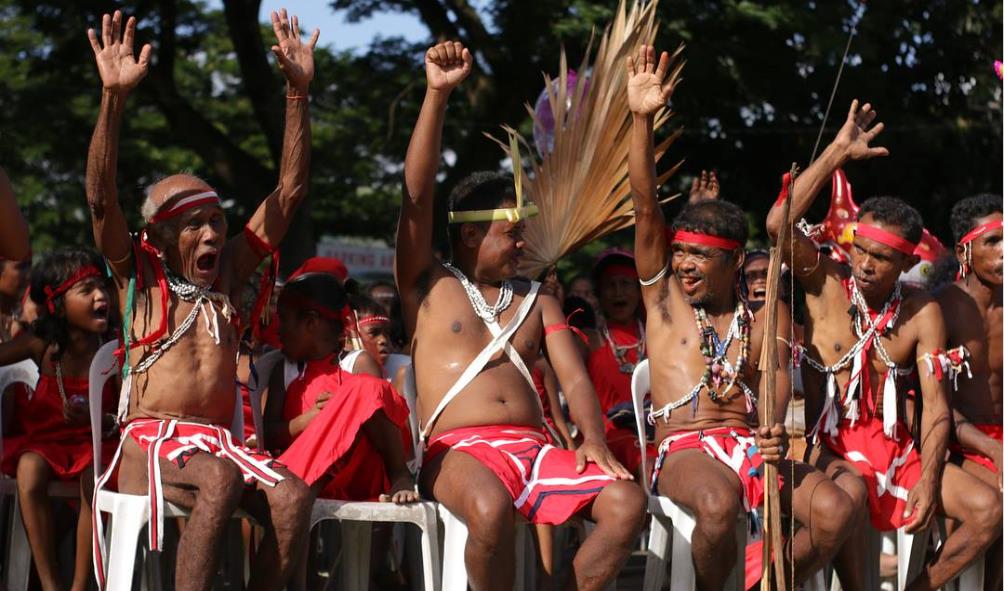
Their deep connection to the land is reflected in their vibrant rituals and oral traditions, which have been passed down through generations.
You’ll notice how their craftsmanship, especially in weaving and wood carving, showcases their respect for nature.
These early settlements laid the groundwork for the province’s diverse culture, fostering a sense of identity that continues to resonate within the community today.
Spanish Colonial Era
The arrival of Spanish colonizers in the 16th century marked a significant turning point for Aurora Province, changing its landscape and cultural dynamics forever.
You'd witness the establishment of missions and churches, as the Spanish aimed to convert indigenous people to Christianity. The introduction of new crops and farming techniques transformed local agriculture, impacting daily life.
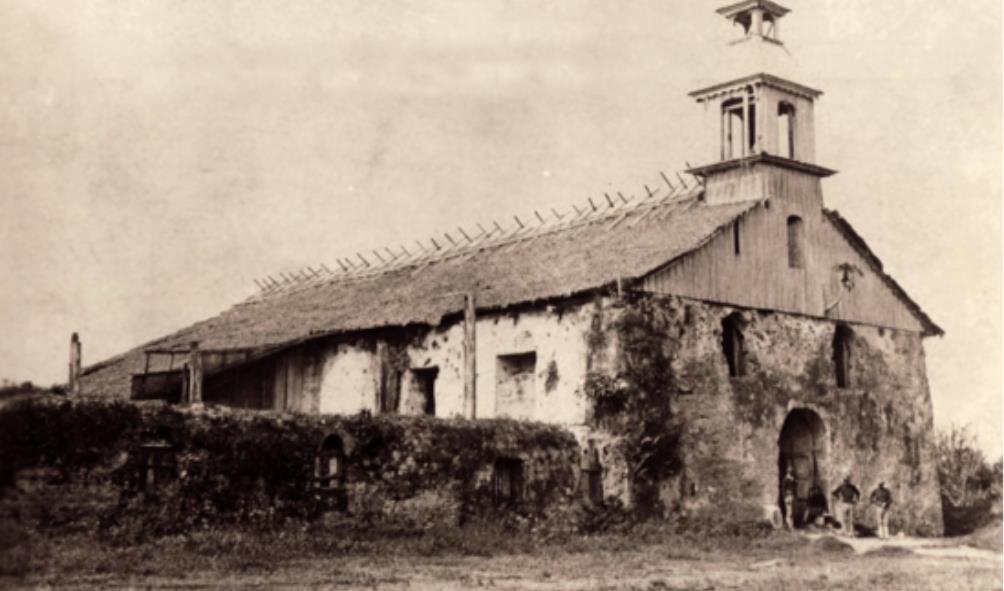
Spanish rulers implemented a new governance system, leading to the creation of towns and a more structured society. While you might admire the architectural beauty of colonial churches, the era also brought challenges, including forced labor and land dispossession.
Resistance emerged, but the Spanish influence deeply rooted itself, shaping the cultural identity of Aurora, evident in traditions, language, and community practices that persist today.
The American Occupation
When American forces took control of the Philippines in 1898, Aurora Province entered a new chapter marked by significant social and political changes.
You’ll notice how the Americans introduced new educational systems, promoting English as the medium of instruction. This shift helped shape a more modern identity for the province.
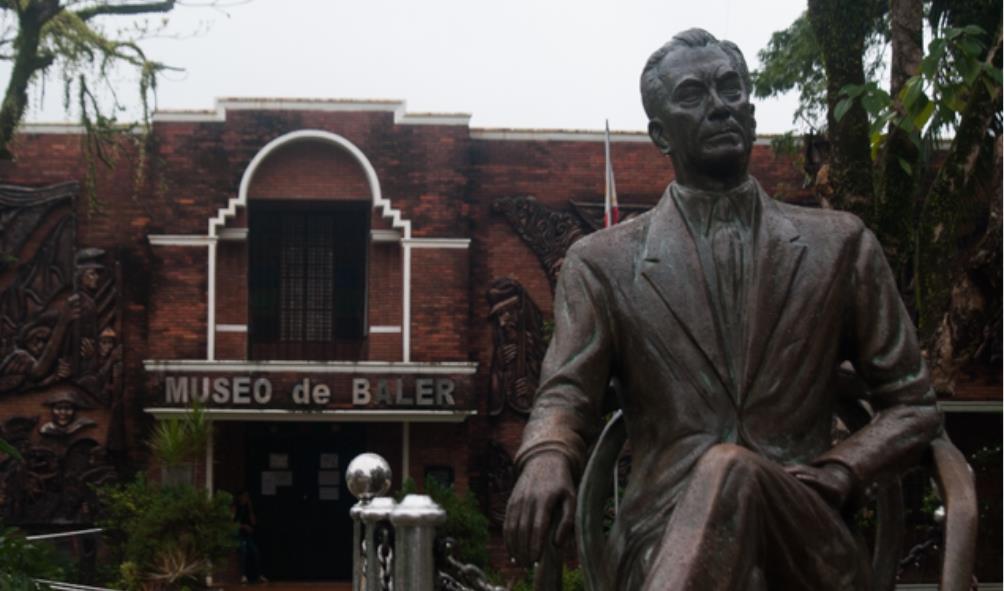
Additionally, infrastructure improvements began, including roads and communication systems, fostering economic growth.
Politically, the Americans established a new government structure, replacing Spanish colonial rule. Local leaders were often co-opted into the new system, creating a blend of traditional and American influences.
While many welcomed these changes, others resisted, sparking tension.
World War II and Its Impact
Following the American Occupation, Aurora Province faced new challenges with the outbreak of World War II. The Japanese invasion in 1942 brought devastation and hardship to the region.
You'd witness the destruction of homes and infrastructure, as well as the displacement of families. Many locals were forced into labor or joined resistance groups, fighting against the occupiers.
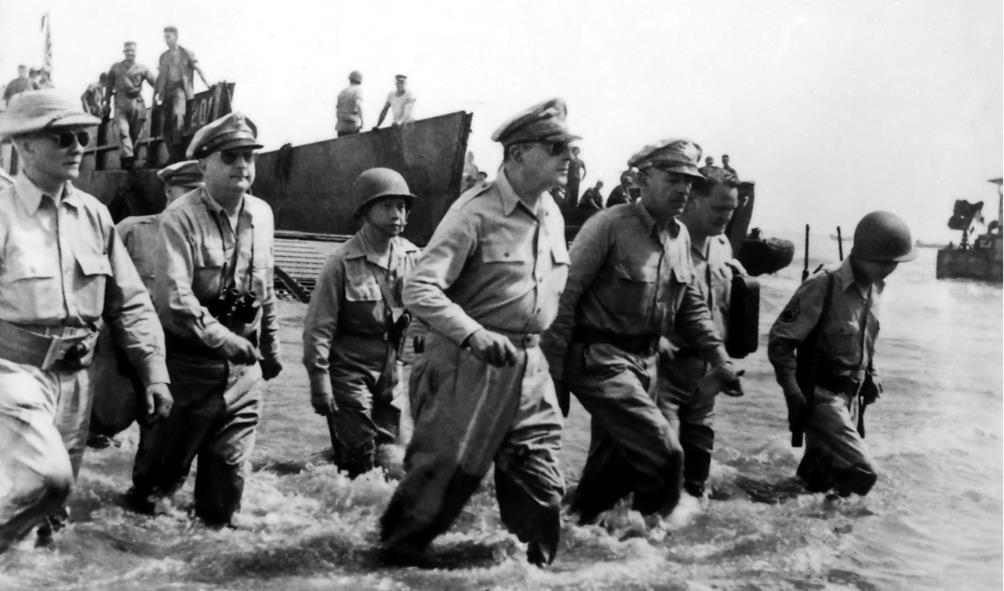
The conflict disrupted agricultural production, leading to food shortages and economic struggles. You’d feel the tension as guerrilla warfare intensified, and the province became a battleground.
The legacy of this tumultuous period shaped community resilience, as survivors forged bonds to rebuild their lives. The scars of war left a lasting impact, reminding everyone of the sacrifices made for freedom and peace.
Post-War Development and Modernization
As the dust settled after World War II, Aurora Province began to embrace a new era of development and modernization.
You’d witness improvements in infrastructure, as roads and bridges were constructed, connecting remote areas to urban centers.
Agricultural advancements took center stage, with new techniques boosting crop yields and enhancing local livelihoods.
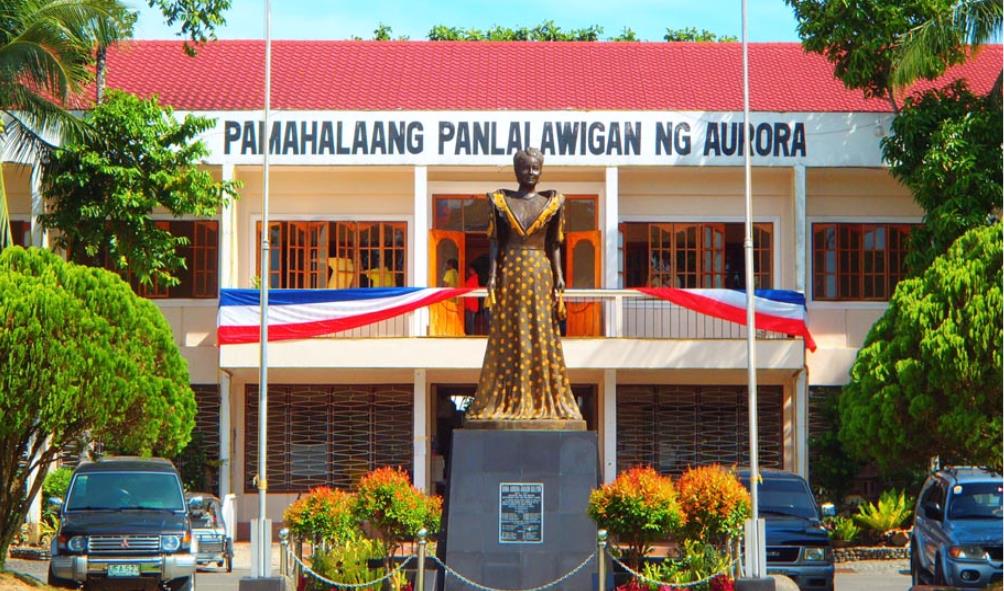
Education also flourished, with schools established to provide better opportunities for the youth.
The province invested in healthcare, ensuring access to essential services for its residents.
You’d see a growing sense of community pride as local businesses thrived, fostering economic growth.
Environmental conservation efforts emerged, balancing development with the preservation of natural resources.
Cultural Heritage and Tourism Today
Aurora Province’s modernization has paved the way for a flourishing cultural heritage and vibrant tourism sector. You’ll find a unique blend of indigenous traditions and contemporary influences that create an enchanting atmosphere.
From the stunning beaches of Baler to the historical landmarks scattered throughout the province, there’s something for everyone.
You can immerse yourself in local festivals like the Aurora Day Festival, which showcases traditional dances and artistry.
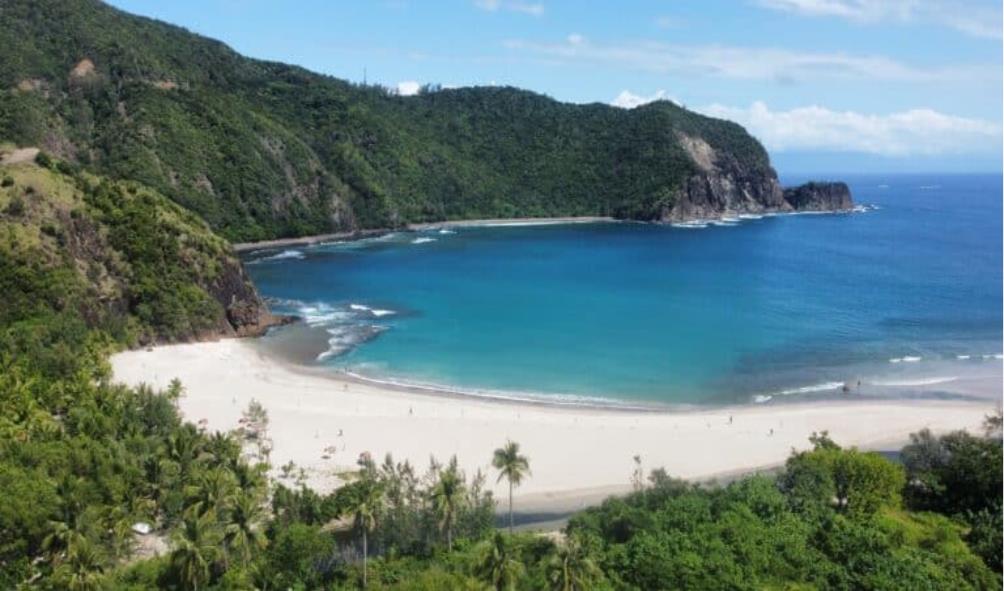
Exploring the lush landscapes will lead you to hidden gems like the Ditumabo Falls, perfect for adventure seekers.
As you taste the local cuisine, you’ll discover flavors that reflect the rich cultural tapestry of the region.
Aurora Province invites you to experience its heritage while enjoying modern amenities, making it a must-visit destination.
Conclusion
In exploring the rich history of Aurora Province, you can see how its indigenous roots and colonial past shaped its vibrant culture today. The resilience of the Dumagat and Ilongot tribes, combined with the influences of Spanish and American occupations, has created a unique tapestry of heritage. As you dive into its post-war modernization and the flourishing tourism sector, you’ll appreciate how Aurora honors its past while embracing a bright future.
Frequently Asked Questions
What is the significance of Aurora in Philippine history?
Aurora holds significance as the birthplace of Aurora Quezon, a notable advocate for social causes. Additionally, its role during pivotal moments in Philippine history, such as resistance movements during World War II, underscores its importance in the nation's narrative.
What were the major historical events in Aurora?
Aurora has witnessed several key events, including its development during the American colonial period with the establishment of logging industries. During World War II, the province was a site of resistance against Japanese occupation. Post-war, Aurora focused on agriculture and infrastructure development, shaping its modern identity.
How has Aurora developed throughout its history?
Over the decades, Aurora has evolved from a logging hub to a province focused on agriculture, tourism, and sustainable development. Investments in infrastructure, education, and healthcare have contributed to its growth and improved the quality of life for its residents.
Who were the indigenous people of Aurora?
The indigenous communities in Aurora include groups such as the Dumagat and Aeta. These communities have rich cultural traditions and have historically relied on the province's natural resources for their livelihoods.
Statistics
- The province was named in honor of Aurora Quezon, the wife of the second President of the Philippines.
- The Casiguran Ironman triathlon, established in 1994, is a major annual event attracting thousands of participants.
- In 1970, logging was the primary industry in Aurora, contributing to 60% of its economy.
- Aurora Province was officially established on June 14, 1951, separating from Quezon Province.
External Links
- Encyclopaedia Britannica - Aurora: Get an overview of Aurora's historical milestones and cultural heritage.
- SEARCA - History of Aurora: Read scholarly articles and research on the historical aspects of Aurora.
- Philippine History - Aurora: Discover significant historical events that have shaped Aurora Province.
- Wikipedia - Aurora Province: Access detailed information about the history and development of Aurora Province.
How to Learn about Indigenous Tribes in Aurora Province
Start by identifying the main indigenous groups in Aurora, such as the Dumagat and Aeta, and researching their histories and cultural practices. Visit tribal communities to observe their daily lives and participate in cultural exchanges, ensuring to do so respectfully and with permission. Study anthropological and ethnographic studies that document their traditions, languages, and social structures. Attend cultural workshops and performances that showcase indigenous music, dance, and crafts. Engage with community leaders and members to gain deeper insights into their heritage and current challenges. Supporting local indigenous initiatives and organizations can also provide valuable learning opportunities and promote the preservation of their cultural legacy.
Plan the perfect group trip, your way.
Get an instant personalized itinerary. We handle logistics, payments, and provide a dedicated itinerary, while local experts fine-tune every detail. Enjoy full freedom—without the stress of organizing it all.
https://escapetomexiconow.com/tourhero
Recommended Resources:
Discover where freedom, adventure, and opportunity await you.
https://escapetomexiconow.com/
https://escapetomexiconow.info/
https://escapetopanamanow.info/
https://escapetothephilippinesnow.com/
YouTube Channel:
Your next adventure starts here! Join us on YouTube for destination tours, insider advice, and everything you need to make your escape unforgettable.
https://www.youtube.com/@EscapeToMexicoNow