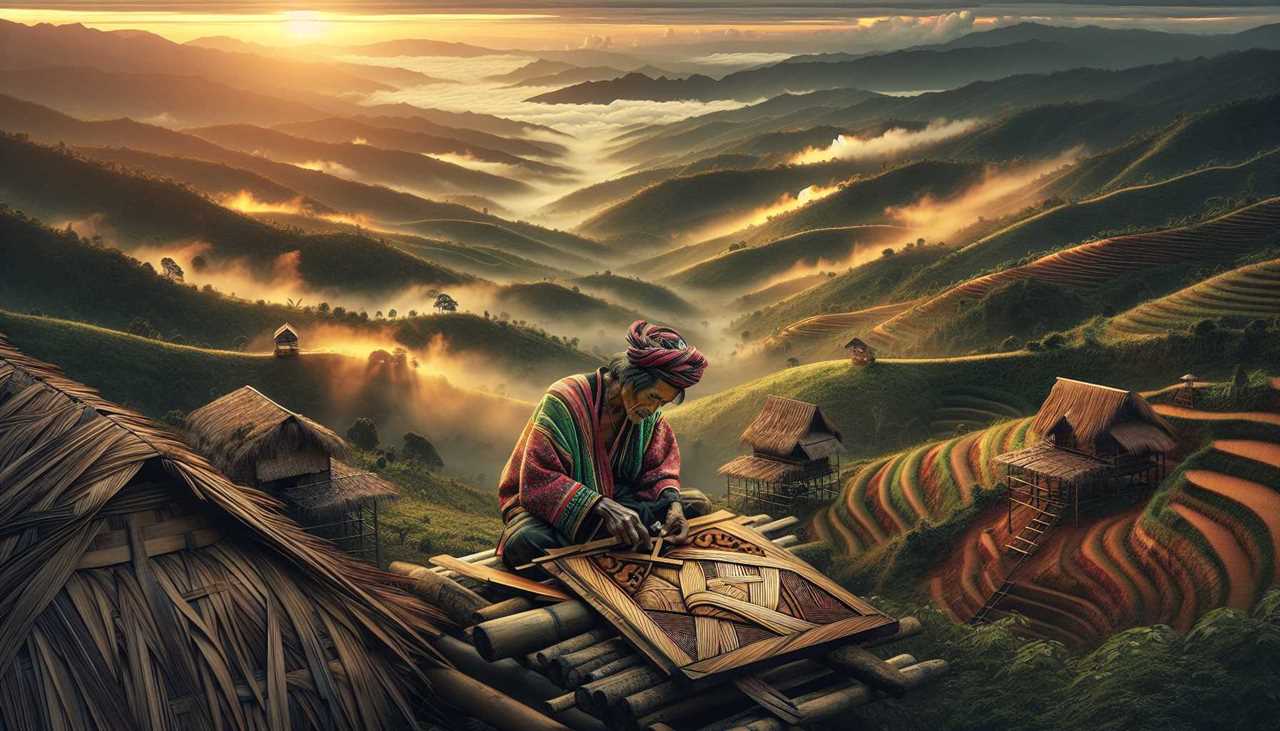
As you explore the history of Apayao, you'll uncover a tapestry woven from the traditions of its indigenous peoples and the profound changes brought by colonization. Each era, from early settlements to the struggles for autonomy, reveals how the community adapted and persevered. The journey doesn't stop there, though. Understanding these shifts is essential to grasping the province's current identity and future. What might surprise you next?
Early Settlements and Indigenous Peoples
As you explore the early settlements of Apayao, you'll discover that the region was home to diverse indigenous peoples long before colonial influences arrived.
These communities thrived in harmony with their environment, practicing agriculture, hunting, and fishing. The people of Apayao developed rich traditions, oral histories, and unique languages that reflected their deep connection to the land.
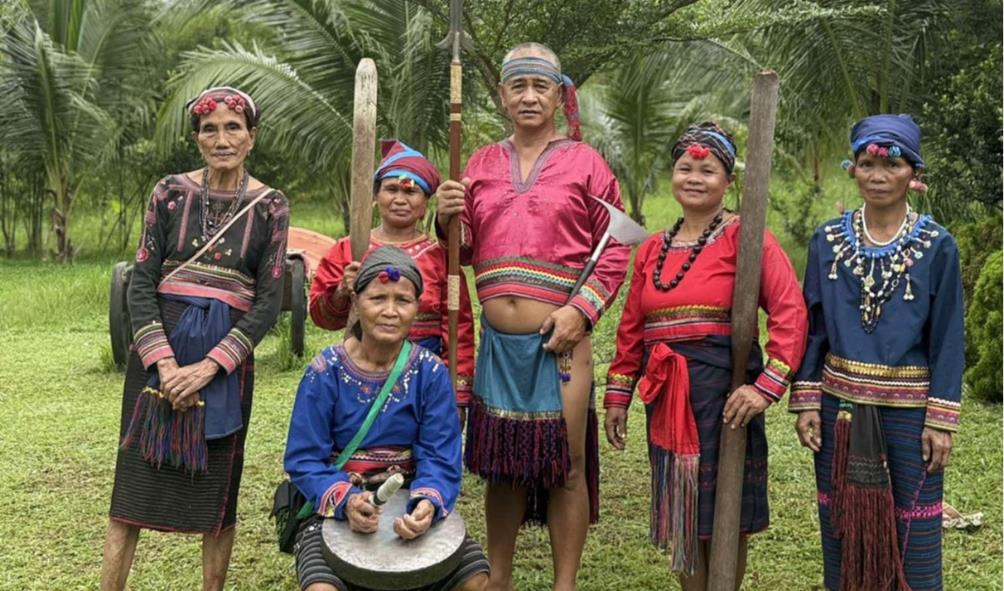
You'll find that they constructed intricate villages, often near rivers, which served as vital resources for sustenance and trade. Social structures were built around kinship ties, fostering strong community bonds.
As you delve deeper, you'll appreciate how their customs and beliefs shaped their identity and resilience, laying the foundations for the vibrant culture that persists in Apayao today.
Spanish Colonization and Its Impact
The arrival of Spanish colonizers in the 16th century marked a significant turning point for the indigenous peoples of Apayao. You witnessed a rapid shift in your way of life as the Spaniards imposed their culture and religion.
Missionaries tried to convert you to Christianity, often disregarding your traditional beliefs. This led to a blend of customs, but it also caused tension and conflict.
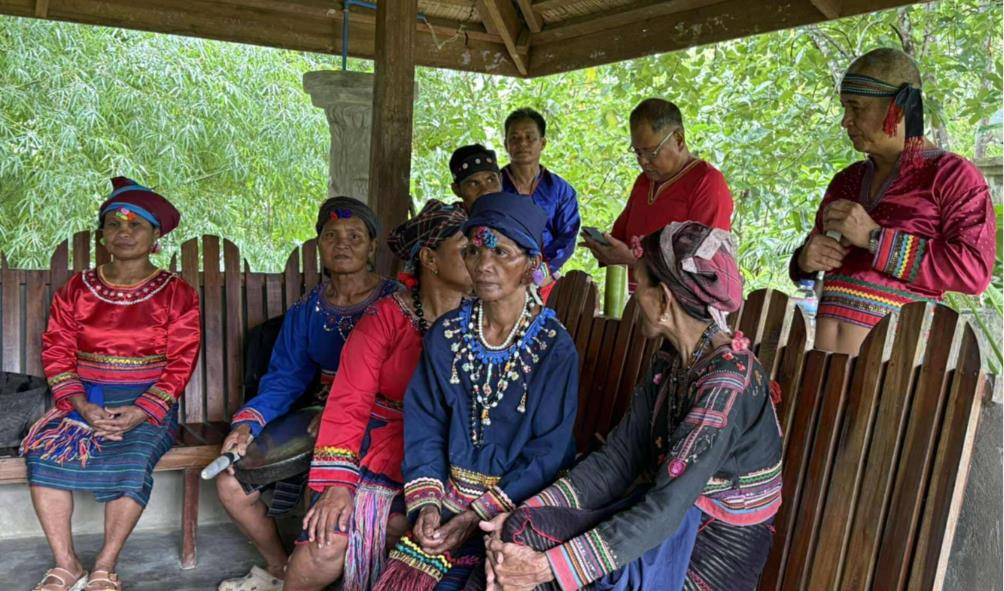
The Spanish introduced new agricultural practices, which changed your farming techniques and food sources. However, their control often meant loss of land and autonomy.
You experienced forced labor and taxation, which strained your communities. Overall, Spanish colonization profoundly influenced your society, leaving a legacy that still resonates in Apayao today.
The American Era and Administrative Changes
While Spanish rule left a profound impact on Apayao, the arrival of American colonizers in the early 20th century brought about significant administrative changes that reshaped the region.
The Americans introduced a new governance system, emphasizing education, public health, and infrastructure development. You’d notice schools springing up, offering formal education to local children, which was a shift from the previous focus on religious instruction.
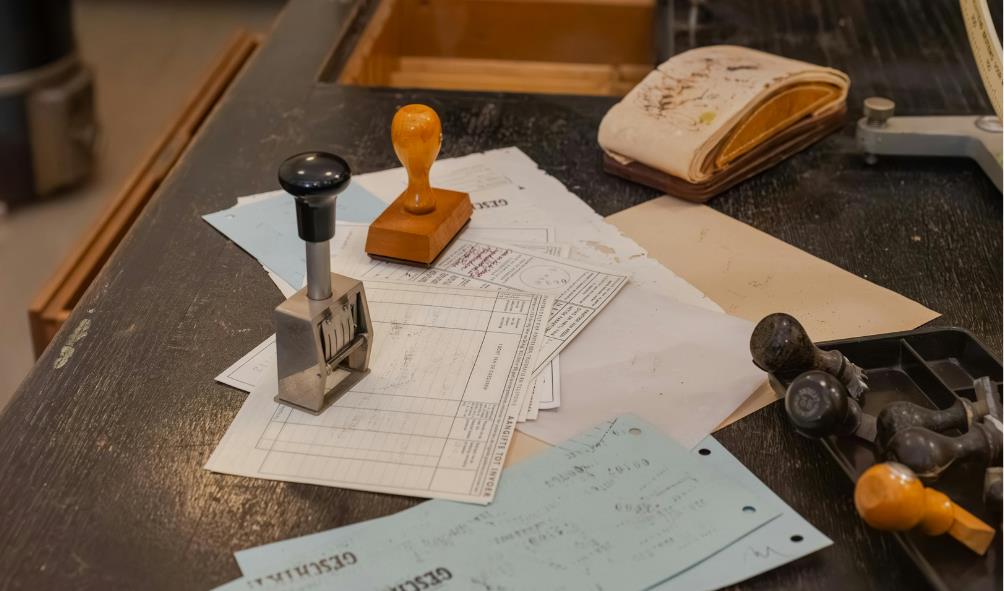
The American administration also established a more organized approach to local governance, creating municipalities and appointing local leaders. This shift aimed to foster local participation in governance, encouraging a sense of community.
Ultimately, these changes laid the groundwork for modern administrative practices in Apayao, influencing its evolution well into the future.
World War II and Its Effects on Apayao
World War II significantly impacted Apayao, altering its social, economic, and political landscape.
You’d witness the disruption of daily life as Japanese forces occupied the region, leading to fear and uncertainty among the locals. Many families faced food shortages and economic instability due to the destruction of farms and trade routes.
The war also forced communities to band together for survival, fostering a sense of unity among the residents.
Politically, the conflict weakened colonial authority, paving the way for emerging local leaders to step up.
As you navigate this period, you’d see how the resilience of the people shaped Apayao's future, setting the stage for post-war recovery and eventual recognition of their rights and needs.
Struggles for Recognition and Autonomy
As Apayao emerged from the shadows of World War II, its residents faced a new battle for recognition and autonomy.
You'd witness communities striving to reclaim their identity and assert their rights. Many locals felt marginalized, struggling against a government that often overlooked their needs. They organized grassroots movements, advocating for acknowledgment of their unique culture and aspirations.

Numerous discussions and negotiations took place, as people sought to establish a more equitable relationship with the national government. Through these efforts, they aimed to secure better access to resources, education, and infrastructure.
Each step taken was a testament to their resilience and determination, as they fought not just for themselves, but for future generations to thrive in a recognized, autonomous Apayao.
The Establishment of Apayao as a Province
Following years of advocacy and grassroots movements, Apayao officially became a province on June 18, 1991, marking a significant milestone in its quest for recognition and self-governance.
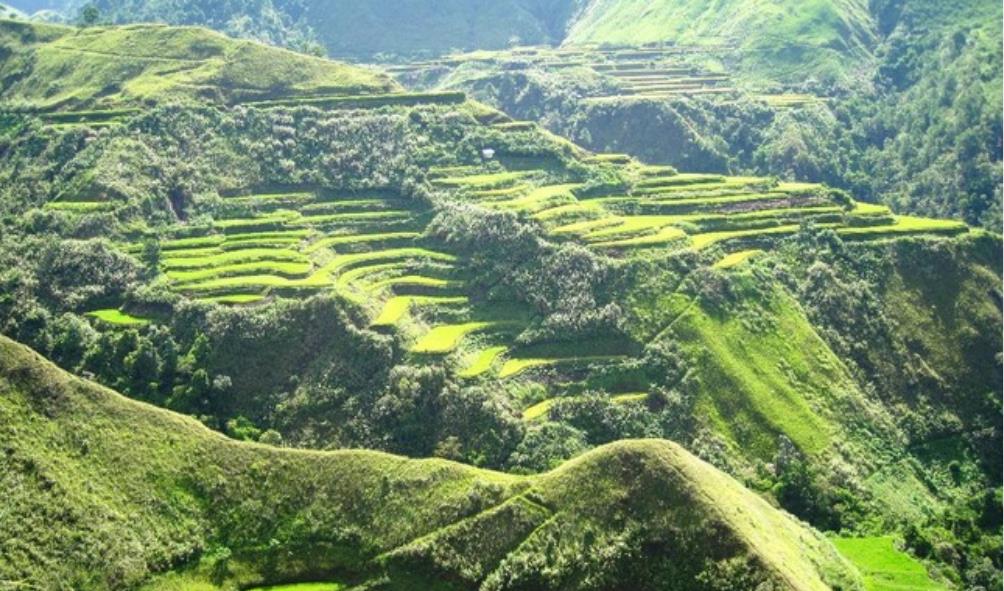
You can imagine the excitement and pride that filled the hearts of its residents as they witnessed their long-held dreams materialize. The creation of the province not only aimed to enhance local governance but also sought to empower the community to make decisions that directly impact their lives.
With newfound autonomy, Apayao could now focus on developing its resources and improving public services. This pivotal moment laid the groundwork for a brighter future, enabling you and your fellow Apayaos to cultivate a stronger identity and work towards a more prosperous and self-sufficient province.
Cultural Heritage and Modern Developments
While Apayao embraces its rich cultural heritage, it’s also experiencing modern developments that reshape its identity.
As you explore the province, you’ll notice traditional festivals and local crafts thriving alongside new technologies and infrastructure. The community's connection to its indigenous roots remains strong, with rituals and customs celebrated in daily life.
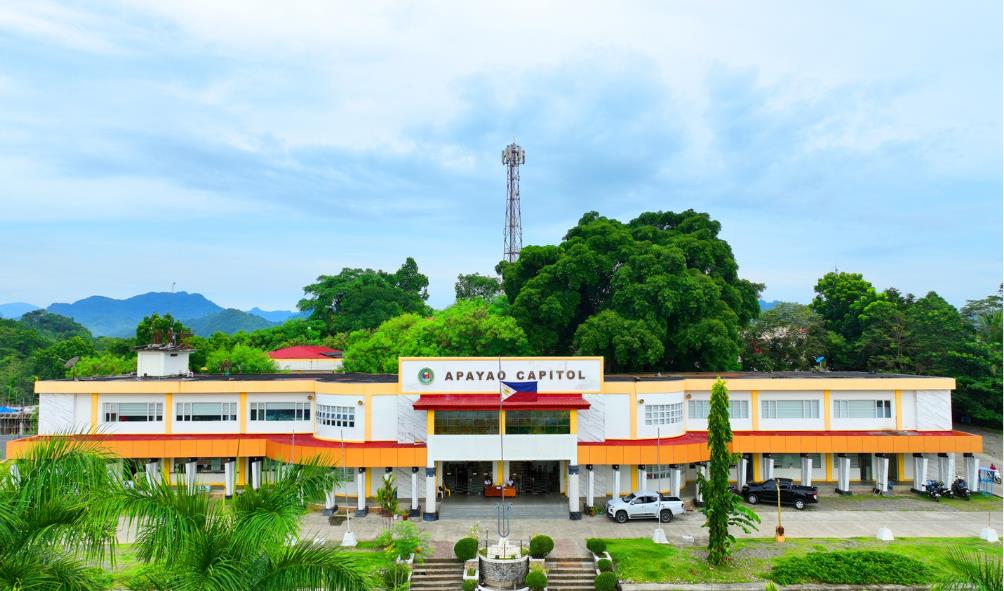
Yet, you can see how educational advancements and economic initiatives are providing new opportunities. The rise of eco-tourism showcases Apayao’s natural beauty while promoting sustainable practices.
Local artisans blend traditional techniques with contemporary designs, attracting a broader audience.
Through these developments, Apayao balances preserving its cultural legacy with embracing progress, allowing you to witness a vibrant fusion of the past and the future.
Conclusion
In exploring the history of Apayao, you see a story of resilience and transformation. From its rich indigenous roots to the challenges of colonization and war, the people of Apayao have continually fought for their rights and identity. Today, as you witness the blend of cultural heritage and modern developments, you realize that the spirit of the community remains strong. Apayao's journey is a testament to the enduring strength and unity of its people.
Statistics
- Apayao is home to more than 15 recognized indigenous tribes, each with its unique traditions.
- The indigenous population constitutes approximately 70% of Apayao's total residents, reflecting its rich cultural heritage.
- Since 1995, Apayao has had five different provincial governors leading its development.
- Agricultural activities have historically accounted for over 60% of Apayao's local economy since its establishment.
External Links
- Apayao - Encyclopedia Britannica Access a detailed overview of Apayao's historical background and key events.
- Apayao Provincial History Explore the comprehensive history of Apayao, detailing its establishment and cultural heritage.
- History of Apayao Gain insights into the indigenous tribes and historical milestones of Apayao.
- Academic Research on Apayao History Delve into scholarly articles and research studies focusing on Apayao's past.
How to Trace the Origins of Indigenous Tribes in Apayao
Tracing the origins of indigenous tribes in Apayao involves researching the ancestry, migration patterns, and cultural practices of groups such as the Isneg and Tinguian. Historical accounts and anthropological studies provide insights into how these tribes settled in the region, adapted to the environment, and maintained their traditions. By examining linguistic patterns, folklore, and social structures, one can understand the deep-rooted heritage of these indigenous communities in Apayao's history.
Want to travel with more time and freedom?
The freedom to travel! Discover free & unique homestays around the world, in exchange for caring for adorable pets.
https://escapetomexiconow.com/ths
Recommended Resources:
Ready to explore life beyond borders? Check out our trusted guides to Mexico, Panama, and the Philippines — your gateways to new adventures, culture, and opportunity.
https://escapetomexiconow.com/
https://escapetomexiconow.info/
https://escapetopanamanow.info/
https://escapetothephilippinesnow.com/
YouTube Channel:
See Mexico like never before! From local culture to travel hacks, our YouTube channel brings the adventure straight to you.
https://www.youtube.com/@EscapeToMexicoNow