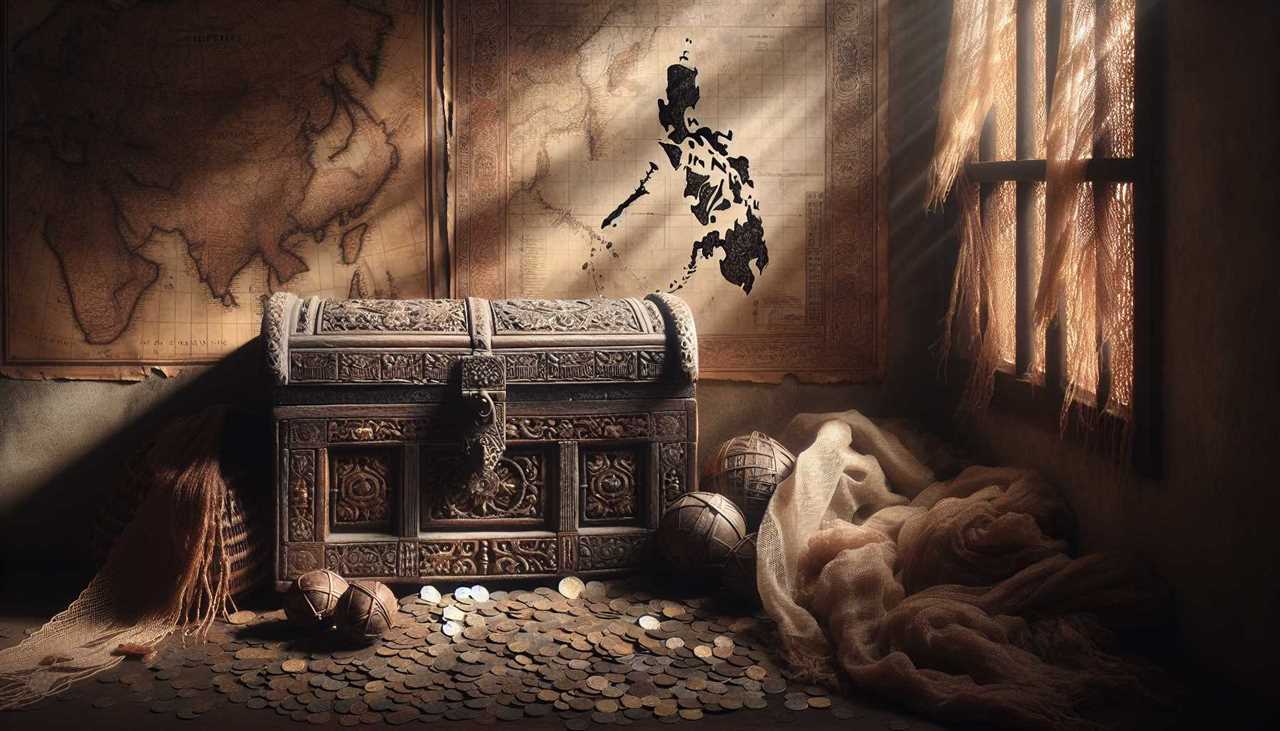
When you explore the history of antiques in the Philippines, you uncover a fascinating blend of cultural influences. From indigenous pottery to Spanish-influenced designs, each era adds layers to the nation's artistic heritage. You might wonder how these pieces reflect the identity of Filipinos today and what challenges lie ahead for preservation. As you consider this, think about the stories these antiques could tell and the significance they hold in modern society.
The Pre-Colonial Era: A Glimpse Into Indigenous Artifacts
Although many people associate the Philippines with its colonial history, the Pre-Colonial Era offers a rich tapestry of indigenous artifacts that reveal the deep cultural heritage of the islands.
You'll discover beautifully crafted pottery, intricate textiles, and unique metalwork that showcase the skills of early Filipino artisans. Each artifact tells a story about the daily lives, beliefs, and traditions of various indigenous groups.
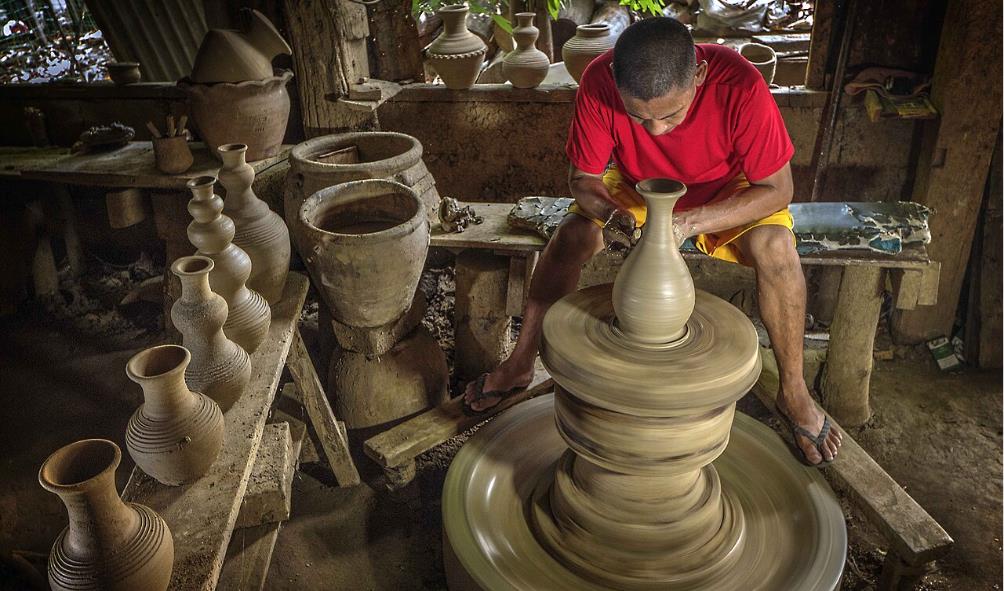
Engaging with these items allows you to appreciate the artistry and ingenuity of your ancestors. From the vibrant designs of woven baskets to the spiritual significance of ritual objects, these treasures invite you to explore a world that existed long before foreign influence.
Delving into this era enriches your understanding of the Philippines' diverse cultural narrative.
Spanish Colonial Influence on Philippine Antiques
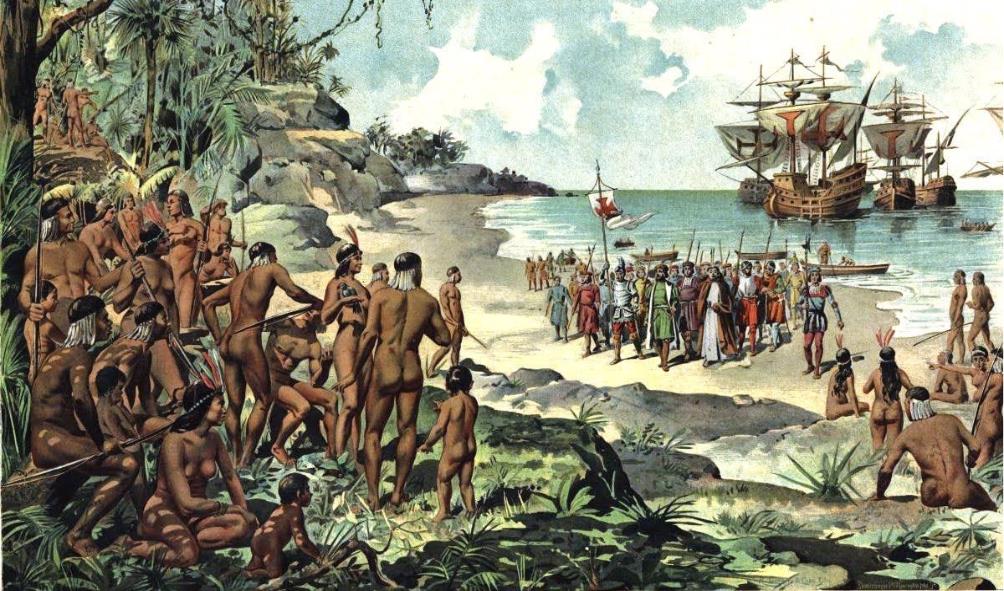
The arrival of Spanish colonizers in the 16th century marked a significant turning point in the development of Philippine antiques. You’ll notice that their influence is evident in various artifacts, from religious icons to furniture styles.
The Spaniards introduced new materials, techniques, and designs, blending them with local craftsmanship. For instance, baroque architecture and intricate woodwork became prominent in churches and homes alike.
You can see how the fusion of Spanish and indigenous elements created unique pieces, such as the "cajón" or wooden chest, often adorned with carvings reflecting both cultures.
Additionally, pottery and textiles evolved, showcasing vibrant colors and patterns inspired by Spanish aesthetics. This rich heritage continues to shape the identity of Philippine antiques today.
The Impact of Chinese Trade on Local Craftsmanship
As Chinese traders navigated the seas to reach the Philippines, they brought with them not just goods but also a rich tradition of craftsmanship that would profoundly influence local artisans.
You can see this impact in the intricate designs of textiles, ceramics, and jewelry crafted by Filipino artisans. The techniques and materials introduced by the Chinese, like silk and porcelain, inspired local craftspeople to innovate and refine their own practices.
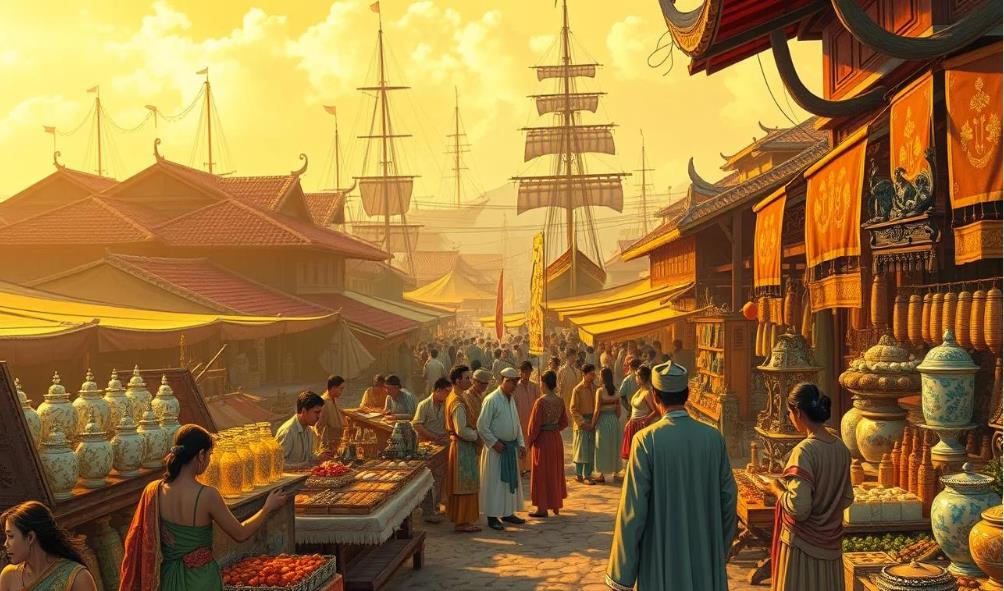
You might notice how these influences merged with indigenous styles, creating unique pieces that reflect a blend of cultures. This cross-pollination not only elevated local craftsmanship but also fostered trade relationships, establishing a vibrant market for both Chinese and Filipino products.
Ultimately, this exchange enriched the artistic heritage of the Philippines.
The American Colonial Period and Its Legacy
When the United States took control of the Philippines in 1898, it ushered in a period of significant change that reshaped the islands' social, political, and cultural landscape.
You'd notice the introduction of a new educational system, which aimed to promote English and American values. This period also saw the establishment of a democratic government, allowing Filipinos to participate in governance, albeit under American oversight.
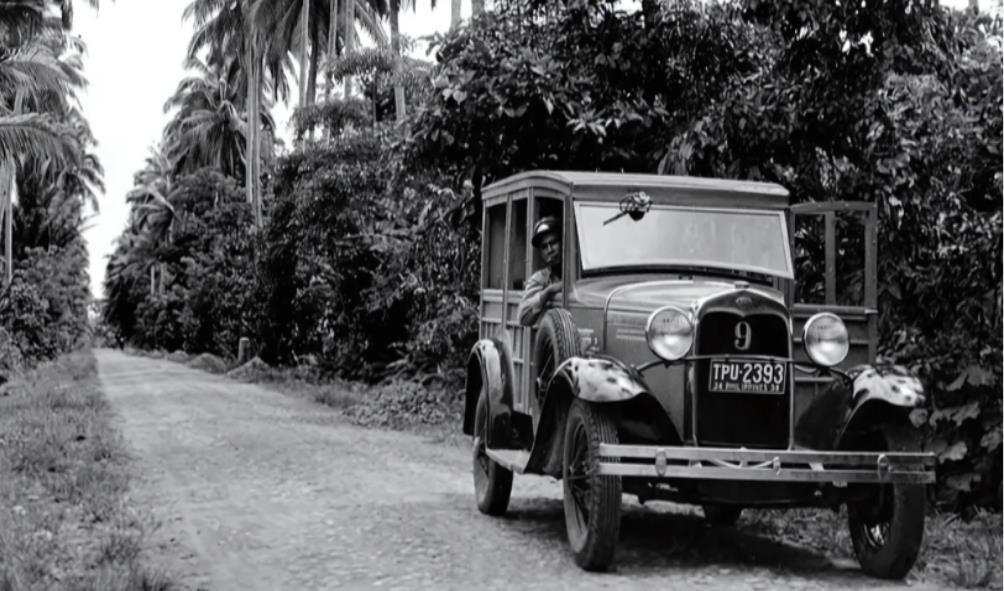
American influence permeated daily life, affecting everything from architecture to cuisine. You'll see the emergence of new political movements as Filipinos seek greater autonomy.
However, this American colonial legacy is a double-edged sword, blending modernization with struggles for identity. Understanding this era provides context for the Philippines' ongoing evolution and its rich tapestry of cultural influences.
Notable Antique Styles and Techniques in the Philippines
Moreover, metalwork techniques, such as damascening and silversmithing, display a fusion of Spanish and local designs.
Ceramics, often adorned with colorful glazes, reveal Chinese influences mixed with Filipino themes.
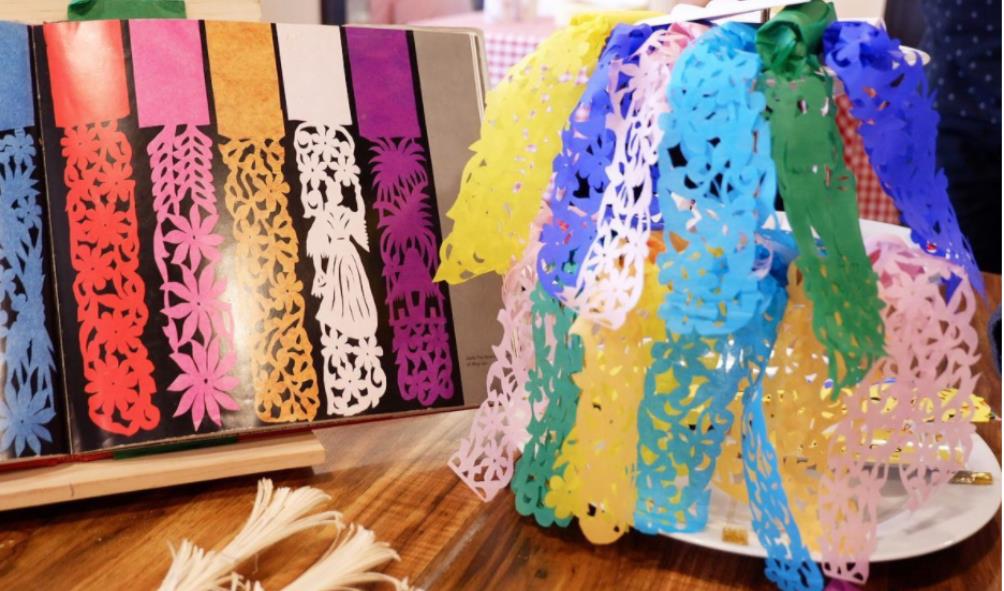
Lastly, the unique "pabalat" paper-cut art tells stories from Filipino folklore.
Each piece offers a glimpse into the Philippines' rich history, making these antiques not just beautiful but deeply meaningful.
The Role of Antiques in Filipino Culture and Identity
Antiques in the Philippines serve as vital connectors to the nation’s cultural heritage and identity. When you explore these treasures, you’re not just admiring their beauty; you’re engaging with stories of resilience, artistry, and tradition.
Each piece reflects unique Filipino craftsmanship, showcasing methods passed down through generations. You might find that these objects inspire a sense of pride and belonging, reminding you of shared histories and experiences.
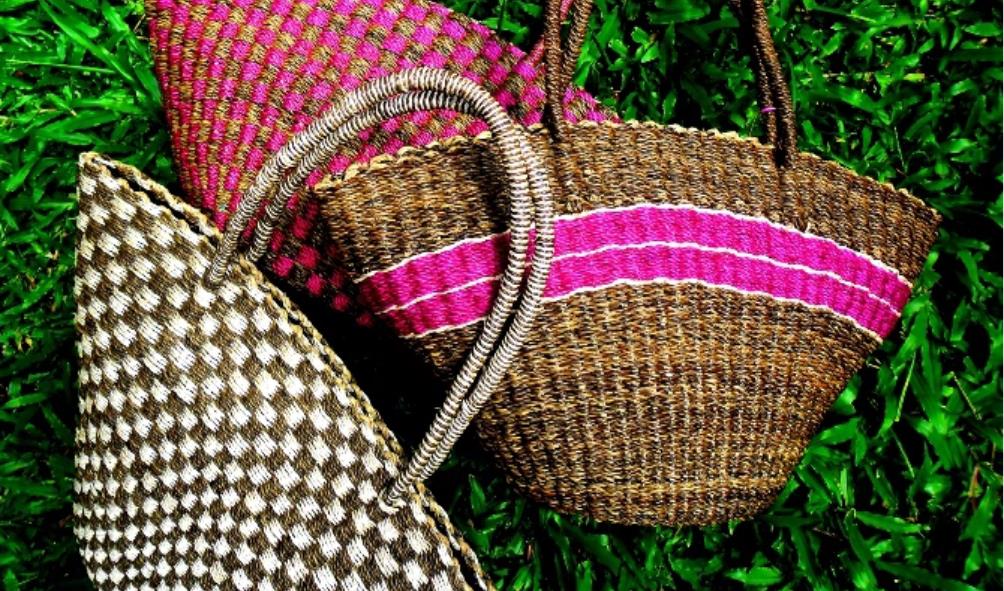
Antiques also foster connections among families, as heirlooms often carry emotional significance and family narratives. By valuing these artifacts, you help preserve a collective identity that transcends time.
In a rapidly changing world, antiques ground you, offering a tangible link to the rich tapestry of Filipino culture.
Preservation Efforts for Antique Collections
Preserving antique collections is crucial not only for maintaining cultural heritage but also for ensuring future generations can appreciate these historical artifacts.
You can contribute to these efforts by supporting local museums and cultural institutions that specialize in conservation. Participating in community workshops on proper handling and storage techniques helps protect these treasures.
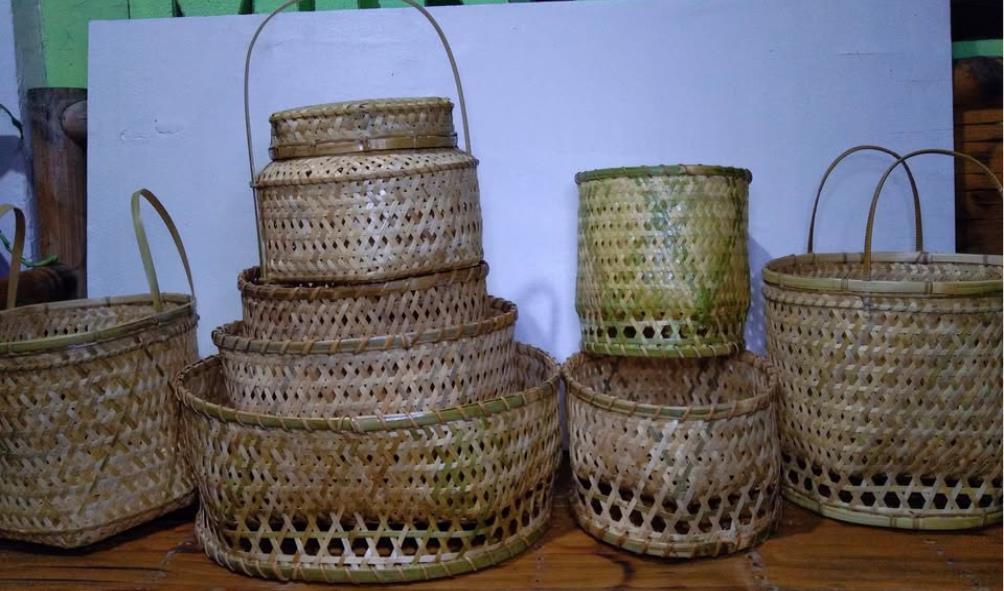
Additionally, advocating for policies that promote heritage preservation can make a significant impact. Educating yourself about the specific needs of various antiques, from wood to textiles, enables you to take informed actions.
Regularly checking the condition of your own collections and addressing any signs of deterioration is vital. By actively engaging in preservation efforts, you help keep the rich history of Antiques alive for everyone to enjoy.
Modern Trends in Antique Collecting
As the interest in vintage items grows, modern trends in antique collecting reflect a blend of nostalgia and contemporary aesthetics.
You’ll notice collectors increasingly seek pieces that tell a story, often favoring items that evoke memories of the past while fitting seamlessly into modern spaces. Homeowners are integrating antiques with minimalist designs, creating unique focal points.
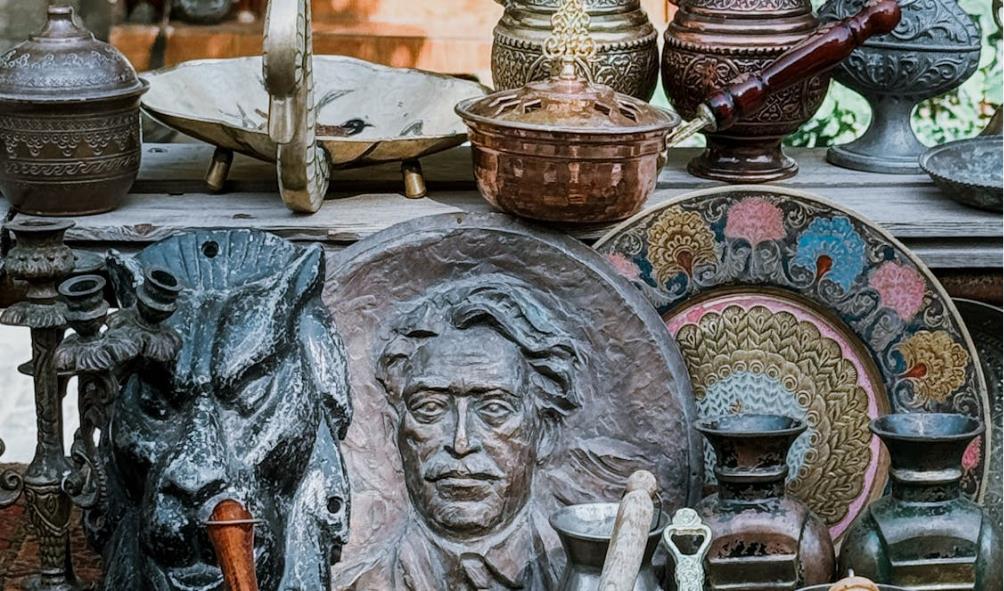
Online platforms have made it easier for you to discover and purchase rare finds, expanding accessibility beyond local markets.
Additionally, upcycling antiques into functional yet stylish decor has become popular. This trend not only preserves history but also promotes sustainability.
The Future of Philippine Antiques: Challenges and Opportunities
While the future of Philippine antiques is filled with potential, it also faces significant challenges that can shape its trajectory. You’ll find that the growing interest in cultural heritage can boost the market, but countering this are issues like counterfeiting and a lack of preservation.
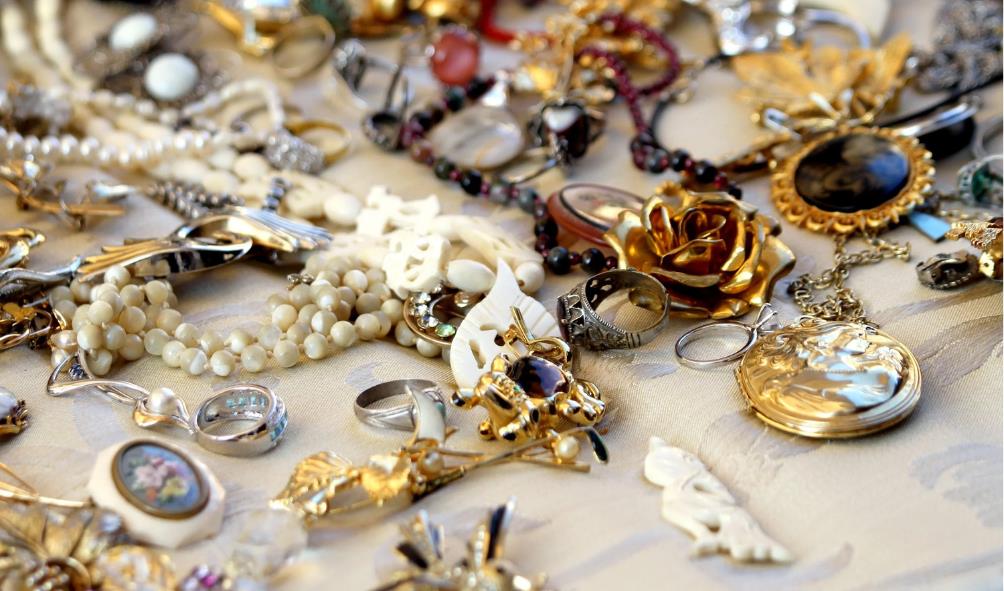
As a collector or enthusiast, you must advocate for better regulations and ethical sourcing to protect genuine pieces. Opportunities also lie in digital platforms, where you can showcase and trade antiques globally, reaching a wider audience.
Collaborating with local artisans can revive traditional craftsmanship, ensuring that these treasures are appreciated for generations. By being proactive and informed, you can help navigate the complexities of this vibrant field, turning challenges into opportunities for the future of Philippine antiques.
Conclusion
In conclusion, the journey of antiques in the Philippines reveals a vibrant blend of cultures and craftsmanship that shapes the nation’s identity. By understanding their historical significance, you can appreciate the artistry behind each piece. As you explore modern trends and preservation efforts, remember the importance of safeguarding this heritage for future generations. Embrace the challenges and opportunities that lie ahead, and keep the spirit of Filipino culture alive through the treasures of the past.
Statistics
- By 1950, the agricultural sector in Antique contributed to 70% of the province's GDP, underscoring its importance to the local economy.
- As of 1903, Antique was officially established as a separate province in the Philippines with an initial population of approximately 150,000 residents.
- The population of Antique grew by an average annual rate of 1.5% between 1903 and 2000, reaching over one million inhabitants by the turn of the century.
- Historical records indicate that over 60% of Antique's land area was dedicated to farming and fisheries in the early 20th century.
External Links
- Wikipedia: Antique Province offers a comprehensive overview of the historical development of Antique, Philippines.
- Philippines Travel Guide: Antique History explores the rich historical heritage and key historical sites in Antique.
- National Commission for Culture and the Arts: Antique History highlights Antique's cultural and historical significance.
- Britannica: Antique offers an in-depth historical account of Antique's evolution within the Philippines.
How to Explore the Key Historical Events in Antique
Begin by identifying significant milestones in Antique's history, such as the establishment of the province in 1903 during the American colonial period. Investigate the impact of World War II on the region, including battles and resistance efforts by local guerrillas. Analyze the role of Antique in the People Power Revolution of 1986, noting the high voter turnout and political engagement of its residents. Additionally, explore the development of infrastructure and industries post-independence, which contributed to the province's economic growth. By studying these events, one can appreciate Antique's resilience and its contributions to the broader national narrative of the Philippines.
Want to travel with more time and freedom?
The freedom to travel! Discover free & unique homestays around the world, in exchange for caring for adorable pets.
https://escapetomexiconow.com/ths
Recommended Resources:
Adventure is calling — are you ready to answer? Discover new places, new lifestyles, and new possibilities in Mexico, Panama, or the Philippines.
https://escapetomexiconow.com/
https://escapetomexiconow.info/
https://escapetopanamanow.info/
https://escapetothephilippinesnow.com/
YouTube Channel:
Your next adventure starts here! Join us on YouTube for destination tours, insider advice, and everything you need to make your escape unforgettable.
https://www.youtube.com/@EscapeToMexicoNow