When you think about Albay, you might picture its stunning landscapes or vibrant festivals. Yet, the region's history reveals a complex narrative of indigenous communities, colonization, and resilience. From early settlements to the impact of World War II, each chapter shapes the identity of Albay today. Understanding these layers can deepen your appreciation for this unique province and its cultural heritage. What stories lie beneath the surface waiting to be uncovered?
Early Indigenous Settlements
Long before colonial influences shaped its landscape, Albay was home to vibrant indigenous settlements.
You’d find communities thriving along the fertile plains and near the bountiful coast. The early inhabitants practiced agriculture, cultivating rice, root crops, and various fruits, which provided sustenance and trade. They developed intricate social structures, with leaders guiding their people and maintaining harmony.
Artisans crafted tools and pottery, showcasing their creativity and skills. Spiritual beliefs are intertwined with nature, leading to rituals and ceremonies honoring deities and ancestors.
You can imagine the lively markets filled with goods and the rich cultural exchanges taking place. These indigenous peoples laid the foundation for what would become a diverse and dynamic region, their legacy echoing through Albay’s history.
Spanish Colonization
As the indigenous settlements thrived in Albay, the arrival of Spanish explorers in the 16th century marked a significant turning point.
You’ll notice that the Spanish sought to expand their empire and convert the local population. They established settlements and claimed land, introducing new agricultural practices, crops, and livestock.
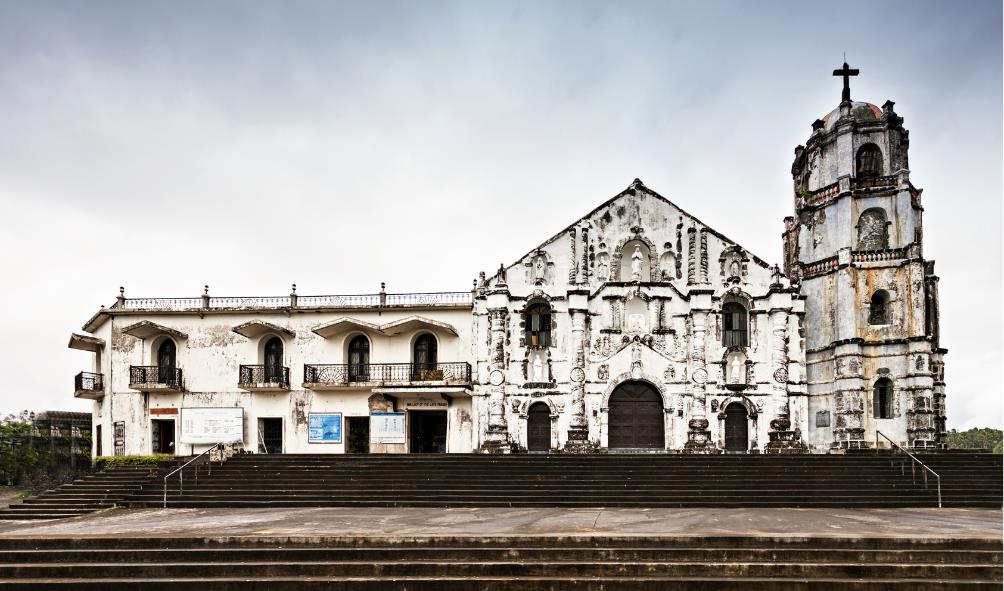
The Spanish also built forts and churches, changing the landscape of Albay dramatically. You might find it interesting that this colonization brought about new trade routes, connecting Albay to different parts of the world.
However, it also led to resistance from the indigenous people, who fought to maintain their identity and way of life. This clash of cultures laid the foundation for the complex history that followed in Albay.
The Role of Christianity
While the Spanish colonization of Albay aimed primarily at territorial expansion, it also brought Christianity to the forefront of local life.
You’d notice that the arrival of missionaries transformed the cultural landscape. Churches sprang up, becoming centers of community and faith. You’d see how the teachings of Christianity influenced local traditions and customs, blending with indigenous beliefs.
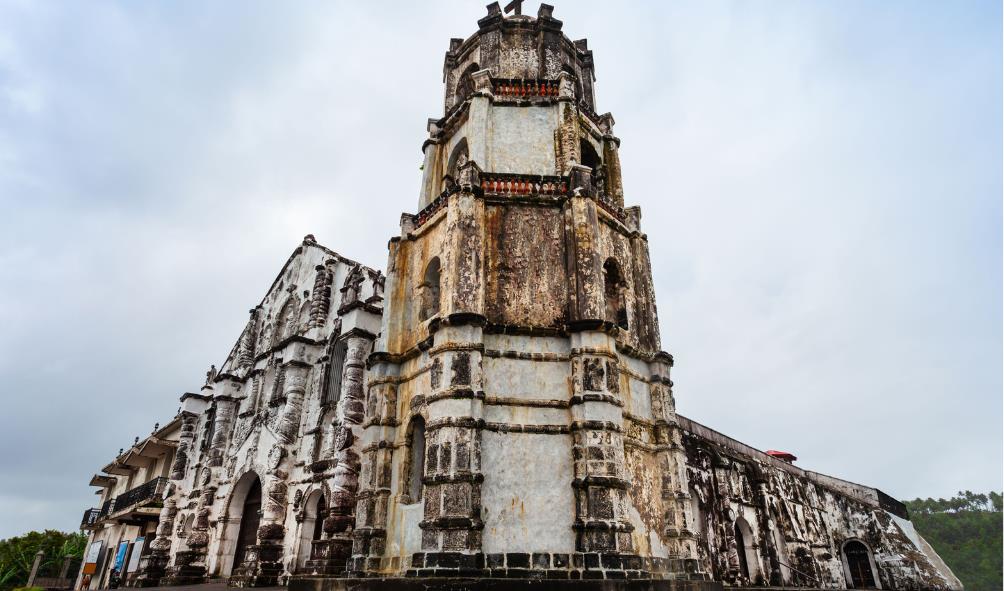
Baptisms, weddings, and festivals became vibrant expressions of faith, drawing people together. The Catholic Church played a vital role in education, establishing schools that shaped future generations.
Over time, you’d witness the emergence of strong religious communities, fostering resilience and unity. This newfound spiritual identity not only connected individuals but also laid the groundwork for social structures that persist to this day in Albay.
The Bicol Wars
Although the Bicol Wars marked a tumultuous period in the region's history, they also highlighted the resilience and determination of the Bicolano people.
You'd find that these conflicts, primarily arising from Spanish colonial rule, showcased the fierce spirit of the locals who fought for their rights and autonomy.
The wars, particularly during the late 19th century, ignited a sense of nationalism among the Bicolanos, uniting them against oppressive forces.
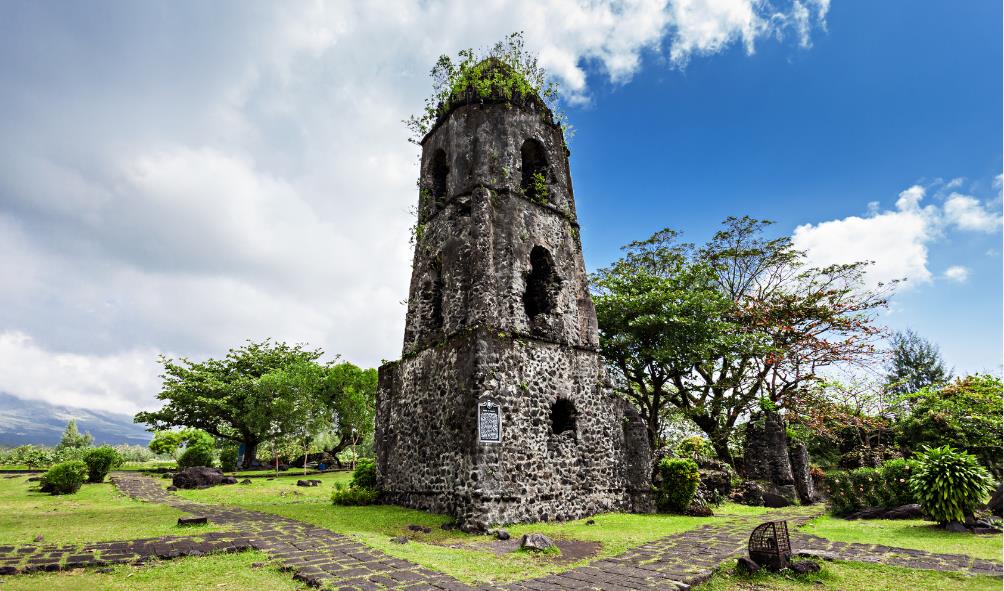
You'll see how the struggles weren't just about battles but also about identity and culture.
The bravery of local leaders inspired many to resist and seek justice.
Ultimately, these wars laid the groundwork for future movements, forging a deeper sense of community and pride among the Bicolano people.
American Period and Governance
The American Period transformed governance in Albay, introducing new systems that reshaped the political landscape.
You'd notice a shift towards a more structured administration, with officials trained in American-style governance. The Americans implemented the civil service system, promoting meritocracy over patronage.

Local governments gained more autonomy, allowing citizens to participate in decision-making. You'd see the establishment of municipal councils, where elected representatives addressed community needs.
Education became a priority, with schools built to foster civic responsibility and national consciousness. The introduction of English as the medium of instruction changed the way people communicated and accessed information.
World War II Impact
As Albay experienced advancements in governance during the American Period, the onset of World War II brought significant disruption and hardship.
You’d witness the transformation of everyday life as Japanese forces occupied the region in 1942. The once-thriving communities faced severe food shortages, and many families struggled to survive.
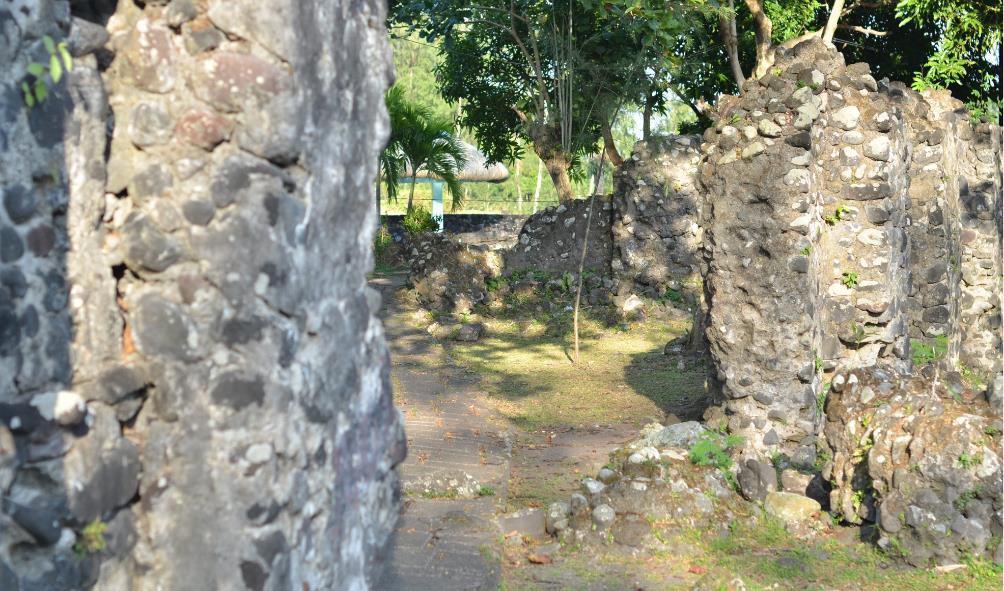
You’d hear stories of courage and resilience, as locals banded together to support each other amid the chaos. The war also affected infrastructure; roads and buildings were damaged or destroyed, hindering recovery efforts.
As you navigate through this tumultuous time, you’ll see the impact of war on the spirit of the people. Despite the challenges, Albay’s residents remained determined to endure, showcasing their strength and unity in the face of adversity.
Post-War Reconstruction
Once the dust had settled from World War II, Albay faced the monumental task of rebuilding its war-torn communities. You’d see the resilience of the people as they rolled up their sleeves to clear debris and start anew.
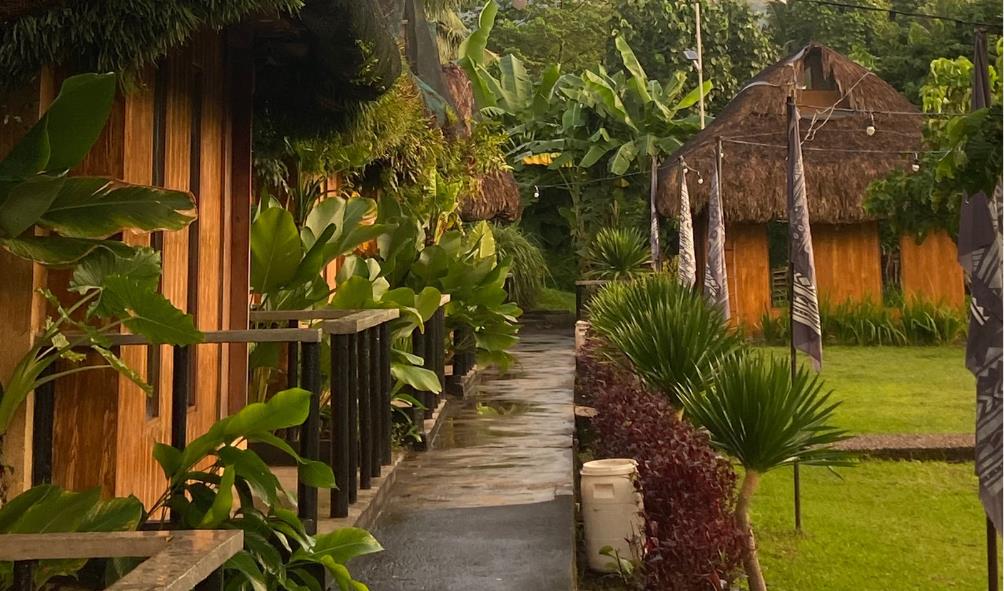
Homes, schools, and infrastructure lay in ruins, but the spirit of unity drove the locals to collaborate on reconstruction efforts. Government assistance, along with support from various organizations, played a crucial role in restoring basic services and housing.
As you walked through the streets, you’d witness the emergence of new buildings and the revitalization of local economies. With determination and hope, Albay began to transform itself, laying the foundation for a brighter future while honoring the sacrifices made during the war.
Cultural Heritage and Festivals
Despite the challenges of post-war recovery, Albay’s rich cultural heritage and vibrant festivals shine brightly, offering a glimpse into the region's history and traditions.
You’ll encounter a blend of indigenous and colonial influences, evident in the local architecture, traditional crafts, and culinary delights.
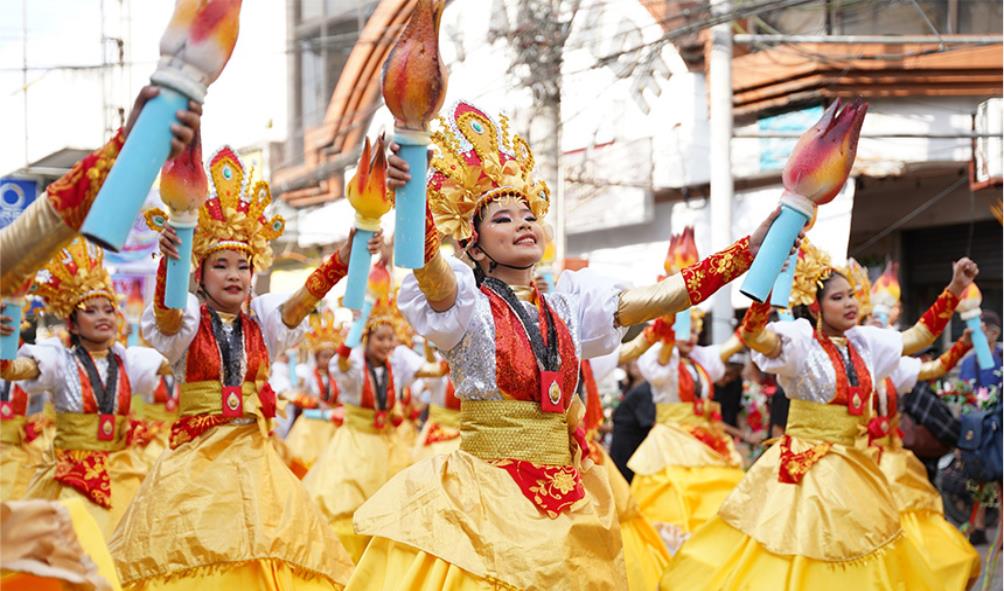
The annual Peñafrancia Festival, held in September, showcases the community’s deep devotion and unity, featuring colorful processions and lively street dances.
You can also experience the Ibalong Festival, which celebrates local legends with performances that engage and entertain.
These events not only foster communal spirit but also preserve Albay's unique identity.
Modern Developments and Tourism
While the cultural richness of Albay is undeniable, modern developments are reshaping the region and boosting its tourism industry.

You’ll find new infrastructure, like improved roads and airports, making travel easier and more convenient. Eco-friendly resorts and hotels are popping up, attracting visitors eager to experience Albay’s natural beauty.
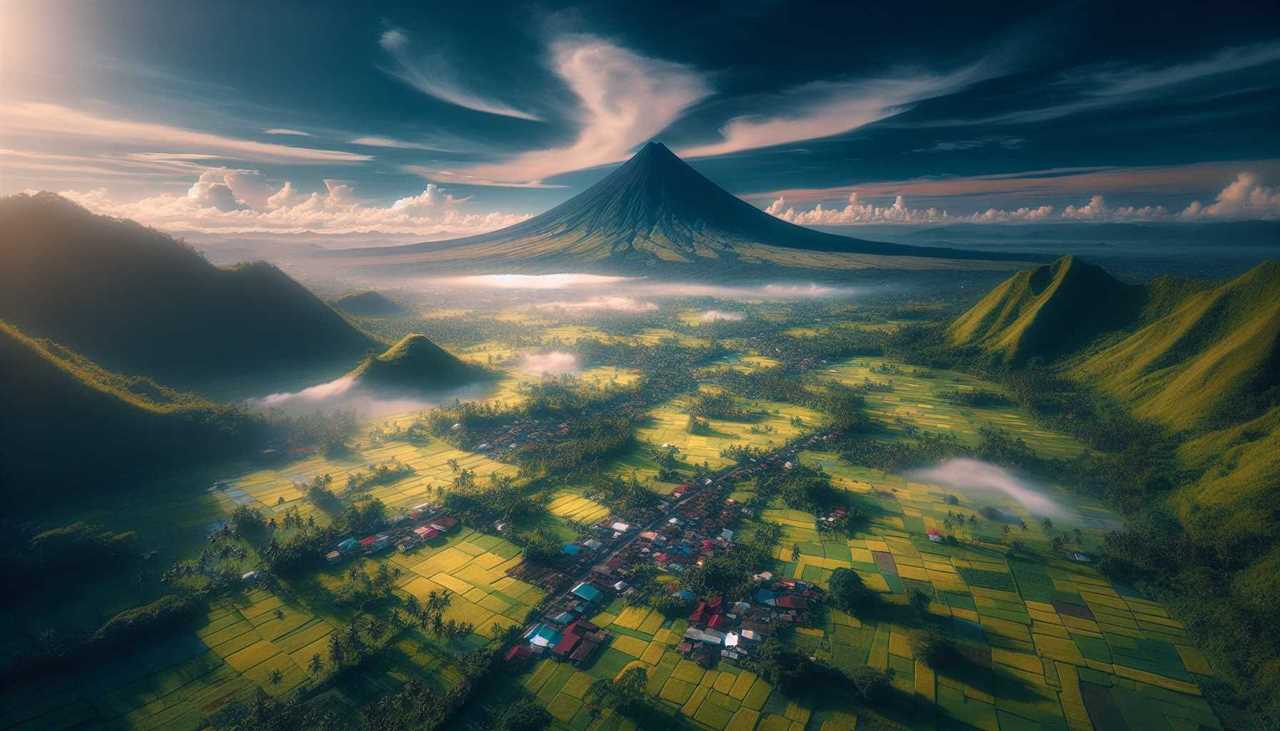
The local government’s focus on sustainable tourism encourages you to explore stunning sites like Mayon Volcano and breathtaking beaches. Festivals continue to thrive, blending tradition with modern flair, ensuring you’ll have a unique experience.
Moreover, local businesses are embracing digital marketing, reaching a wider audience and enticing tourists to visit. With all these changes, Albay is becoming a must-visit destination, offering something for everyone.
Conclusion
In exploring Albay's rich history, you can appreciate how the blend of indigenous cultures and Spanish influences shaped its identity. The resilience shown during the Bicol Wars and the subsequent American period laid the foundation for modern governance and community spirit. Today, you’ll find a vibrant mix of traditions and festivals that celebrate this unique heritage. As you visit, you’ll see how the past continues to influence Albay's culture and tourism, making it a fascinating destination.
Statistics
- Albay's historical trade activities in the 19th century contributed to the establishment of more than 20 key trading ports.
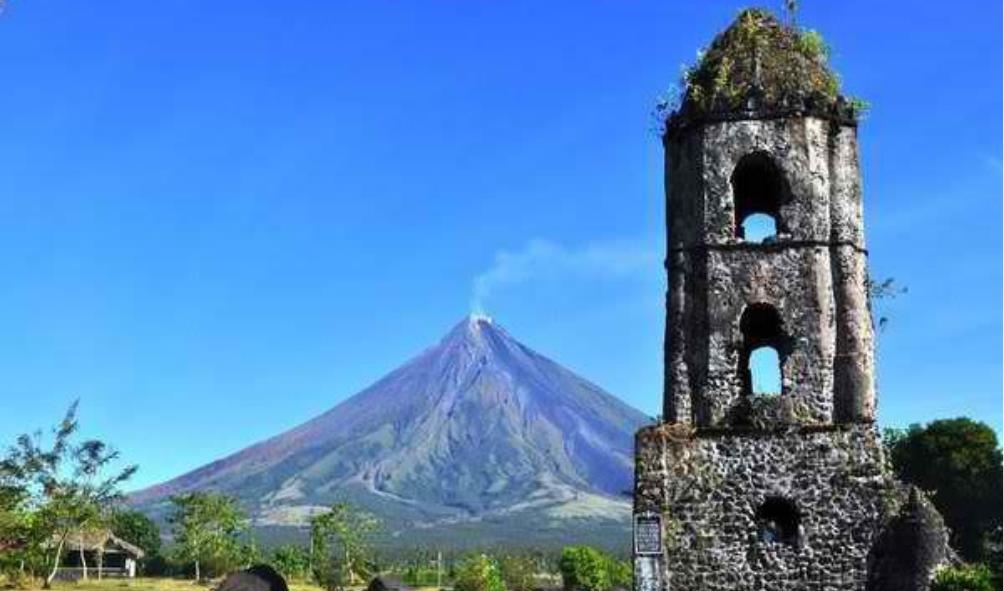
- The eruption of Mount Mayon in 1814 is one of the most significant historical events recorded in Albay's history.
- Albay played a crucial role in the Philippine Revolution of 1896, with over 200 local leaders actively participating.
- Albay was officially established as a province in 1616, making it one of the oldest provinces in the Bicol region.
External Links
- Philippine History Online: Heritage of Albay Learn about the major historical milestones and figures that shaped Albay.
- History of Albay - Official Provincial Website Explore the comprehensive history of Albay, detailing its establishment and significant historical events.
- National Commission for Culture and the Arts: Albay History Access detailed articles and resources on the cultural and historical heritage of Albay.
- Bicol Tourism: Albay Historical Sites Discover the key historical landmarks and their significance in Albay's development.
Plan the perfect group trip, your way.
Get an instant personalized itinerary. We handle logistics, payments, and provide a dedicated itinerary, while local experts fine-tune every detail. Enjoy full freedom—without the stress of organizing it all.
https://escapetomexiconow.com/tourhero
Recommended Resources:
Dreaming of a fresh start abroad? Explore our curated destination guides to learn how you can make the move with ease.
https://escapetomexiconow.com/
https://escapetomexiconow.info/
https://escapetopanamanow.info/
https://escapetothephilippinesnow.com
YouTube Channel:
See Mexico like never before! From local culture to travel hacks, our YouTube channel brings the adventure straight to you.
https://www.youtube.com/@EscapeToMexicoNow