

When you consider the history of Agusan Del Norte, you'll find a tapestry woven from the resilience of Indigenous tribes and the influences of colonization. The story begins with the Manobo and Higaonon, whose way of life was deeply connected to the land. As you explore this rich past, you'll see how Spanish and American governance reshaped the province, leading to the modern challenges and transformations it faces today. What aspects of this evolution stand out to you?
Early Indigenous Settlements
As you explore the history of Agusan Del Norte, you'll find that early indigenous settlements played a crucial role in shaping the region.
These communities of the Manobo, Higaonon, and other tribes thrived along the banks of rivers and fertile plains, utilizing the abundant resources for agriculture, hunting, and fishing.
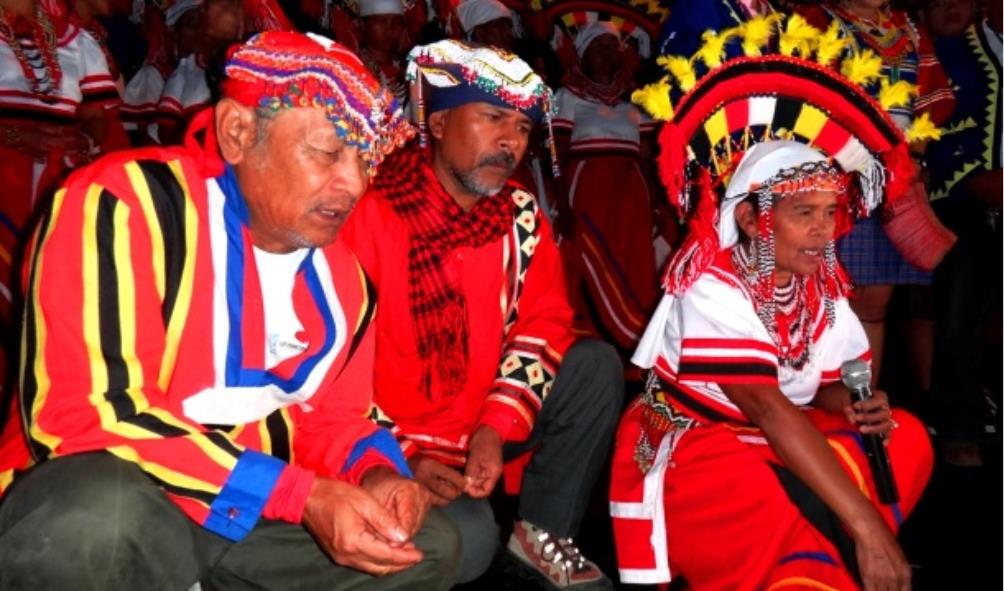
Their deep connection to the land fostered a rich cultural heritage, including traditional crafts, rituals, and oral histories.
You’ll notice how these early settlers developed intricate social structures and sustainable practices, establishing a balance with nature that’s still relevant today.
The legacy of their ingenuity and resilience is evident in the customs and traditions that continue to influence the people of Agusan Del Norte, creating a unique cultural tapestry.
Spanish Colonization and Its Impact
When the Spanish arrived in the Philippines in the 16th century, they brought profound changes that would reshape Agusan Del Norte and its communities.
You’ll notice that the Spanish introduced Christianity, significantly altering indigenous beliefs and practices. This conversion often led to the establishment of parishes and schools, embedding new cultural norms.
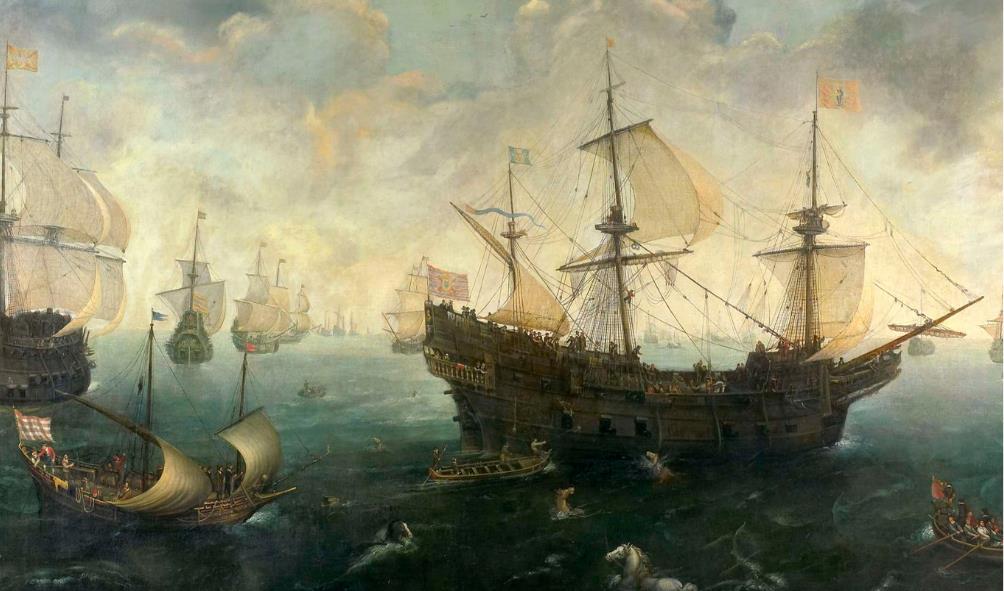
The Spanish also implemented a system of governance, creating a hierarchy that affected local leadership structures. As they explored the region, they initiated trade routes, increasing commerce and contact with other areas.
However, this colonization wasn't without conflict; resistance arose among indigenous groups, leading to strife.
American Occupation and Governance
While the Spanish influence deeply rooted itself in Agusan Del Norte, the arrival of American forces in the early 20th century brought another wave of transformation.
You’d notice that the Americans introduced a new system of governance, emphasizing education, infrastructure, and public health. They established schools, making education more accessible, and you could see the construction of roads and bridges that connected remote areas.

The Americans also implemented various agricultural programs, which aimed to boost local production and improve livelihoods.
However, this period wasn’t without challenges, as resistance arose from some groups who opposed foreign rule.
Post-War Developments and Challenges
After World War II, Agusan Del Norte faced a mix of opportunities and challenges that significantly influenced its development.
You’d witness the region's push for agricultural expansion, with farmers eager to reclaim and cultivate the land. Yet, the aftermath of war left many communities struggling with infrastructure damage and economic instability.
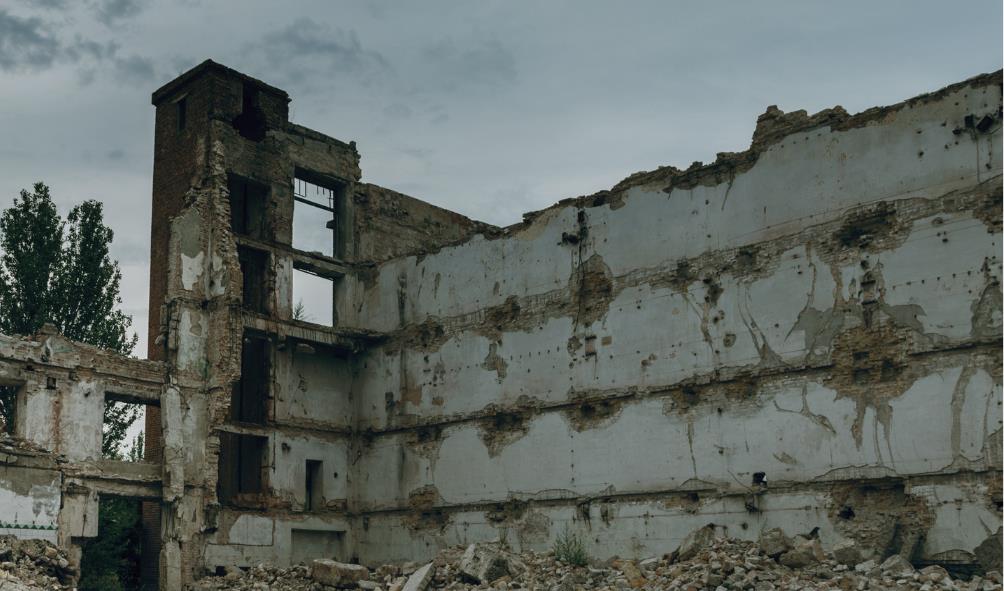
As you explore the emerging logging industry, you’d see both the promise of jobs and the rising concerns about environmental degradation.
Local governance began to evolve, striving to address the needs of a growing population while grappling with limited resources.
Social unrest occasionally flared up, reflecting the tension between progress and preservation.
Contemporary Agusan Del Norte: Growth and Transformation
Emerging from the challenges of the post-war era, contemporary Agusan Del Norte has embraced growth and transformation that reflect its resilience and adaptability.
You’ll notice how the province has developed its infrastructure, enhancing connectivity and accessibility. The local economy thrives on agriculture, tourism, and small to medium enterprises, creating numerous opportunities for residents.
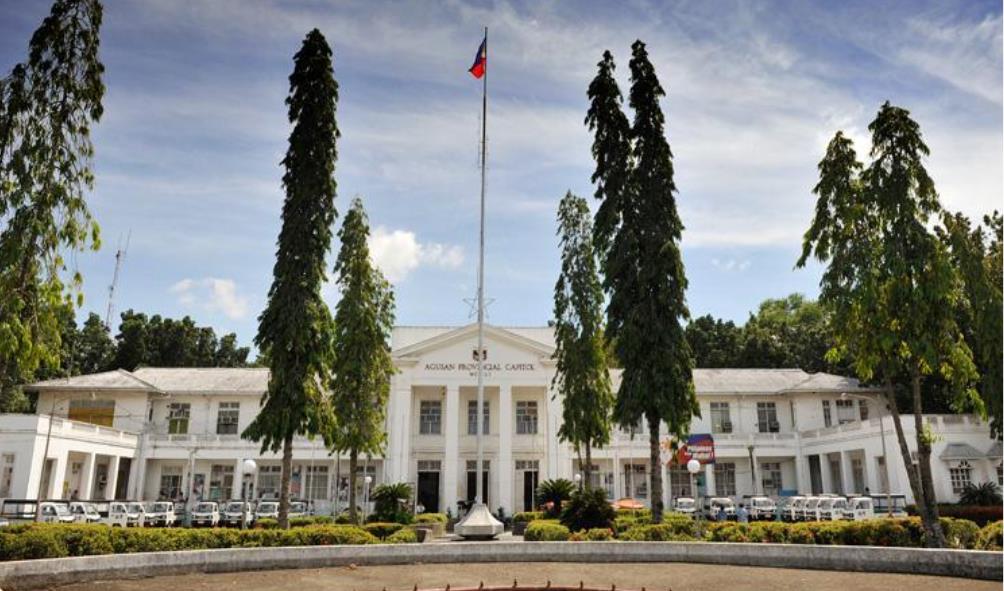
As you explore, you’ll encounter vibrant communities that celebrate their cultural heritage while integrating modern advancements. Education and healthcare have significantly improved, contributing to a better quality of life.
The local government actively promotes sustainable practices, ensuring that progress doesn’t compromise the environment. In Agusan Del Norte, you can witness a dynamic blend of tradition and innovation, paving the way for a brighter future for all its inhabitants.
Conclusion
In conclusion, you've seen how Agusan Del Norte evolved from the resilience of Indigenous tribes to the influences of Spanish and American governance. This rich history shaped its cultural landscape and set the stage for modern development. Today, as you explore the province, you can appreciate the blend of tradition and progress, witnessing how communities thrive while honoring their heritage. Agusan Del Norte's journey is a testament to the strength and adaptability of its people.
Statistics
- During the Spanish colonial era, Agusan del Norte was part of the larger Caraga province and played a key role in regional missionary efforts.
- The Butuan River, a major waterway in Agusan del Norte, extends over 30 kilometers through the province.
- Archaeological findings suggest that Agusan del Norte has been inhabited for over 40,000 years, highlighting its long history of human settlement.
- Agusan del Norte spans an area of approximately 2,757 square kilometers, positioning it as a significant province within the Caraga region.
External Links
- Department of Education - History of Agusan del Norte - Offers educational resources and historical data about Agusan del Norte.
- Official Agusan del Norte Government Portal - Features historical milestones and important events in the province's development.
- Philippine History Online - Contains articles and resources focused on the historical aspects of Agusan del Norte.
- Encyclopedia Britannica - Agusan del Norte - Details the historical background and key historical figures of the province.
How to Research the Early History of Agusan del Norte
Begin by accessing local archives and libraries that house historical documents related to Agusan del Norte. Visit the provincial library or the National Library of the Philippines to find records such as old maps, government documents, and personal narratives. Engage with local historians and elders who can provide firsthand accounts and oral histories of the region. Utilize online databases and digital archives that offer historical data and scholarly articles on Agusan del Norte. Additionally, explore archaeological studies that shed light on the earliest human settlements in the area. Combining these resources will give you a comprehensive understanding of the province's origins and development over time.
Want to travel with more time and freedom?
The freedom to travel! Discover free & unique homestays around the world, in exchange for caring for adorable pets.
https://escapetomexiconow.com/ths
Recommended Resources:
Ready to explore life beyond borders? Check out our trusted guides to Mexico, Panama, and the Philippines — your gateways to new adventures, culture, and opportunity.
https://escapetomexiconow.com/
https://escapetomexiconow.info/
https://escapetopanamanow.info/
https://escapetothephilippinesnow.com/
YouTube Channel:
See Mexico like never before! From local culture to travel hacks, our YouTube channel brings the adventure straight to you.
https://www.youtube.com/@EscapeToMexicoNow