

In today’s fast-paced world, you might feel the weight of burnout pressing down. In the Philippines, this issue is gaining traction, prompting a shift towards mental wellness. With government initiatives and community support, people are beginning to find their footing again. But how exactly are these changes taking shape? Let’s explore the evolving landscape of mental health in the country and the steps being taken to foster balance and resilience.
Understanding the Mental Health Landscape in the Philippines
Understanding the mental health landscape in the Philippines is crucial, especially as awareness grows around this often-overlooked issue. You’ll find that mental health challenges are prevalent, yet stigma persists, making it hard for people to seek help.
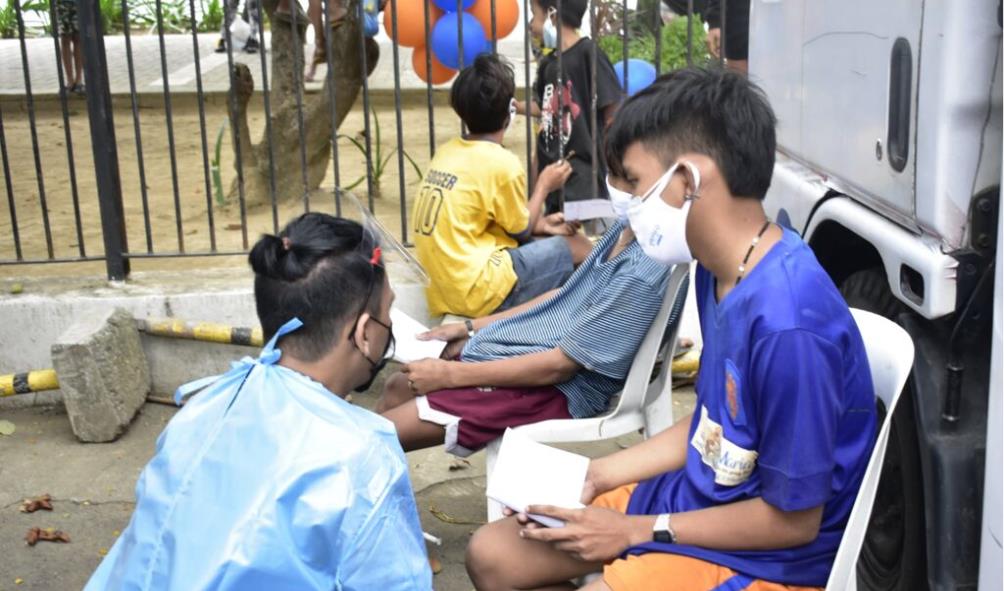
Many Filipinos still view mental health as a taboo topic, which creates barriers to open conversations. The government has made strides in addressing these challenges, like implementing the Mental Health Act of 2018, but resources remain limited.
Community support plays a vital role, and NGOs are stepping up to fill the gaps. It’s essential to foster a culture of understanding and acceptance, so people feel empowered to prioritize their mental well-being.
The Impact of Burnout on Filipino Workers and Students
As the demands of work and academics intensify, many Filipino workers and students are experiencing burnout, which significantly impacts their mental health and overall well-being.
You may feel overwhelmed, leading to fatigue, anxiety, and a lack of motivation. This constant pressure can drain your energy, making it hard to concentrate on tasks or studies.
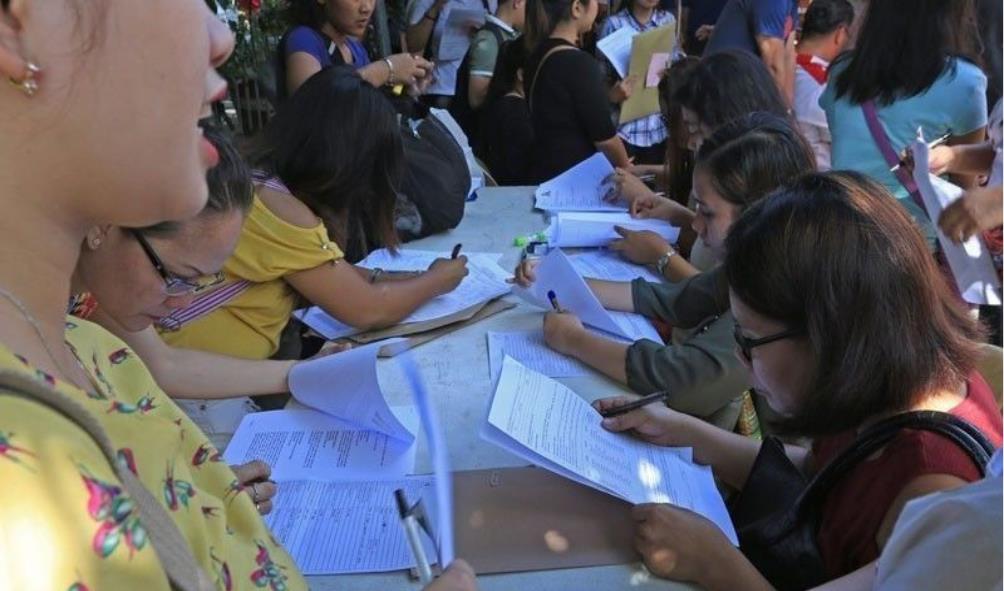
Relationships with colleagues and classmates might suffer as you withdraw or become irritable. Additionally, burnout can affect your physical health, increasing the risk of illnesses and leading to absenteeism.
Recognizing these symptoms is crucial, as they not only hinder your productivity but also diminish your quality of life. It's essential to address burnout early to restore balance and promote a healthier mindset in both work and academic environments.
Government Initiatives for Mental Health Awareness
In recent years, the Philippine government has launched several initiatives aimed at raising mental health awareness and improving access to care. One significant step is the implementation of the Mental Health Act, which promotes mental health services and aims to integrate them into primary healthcare.
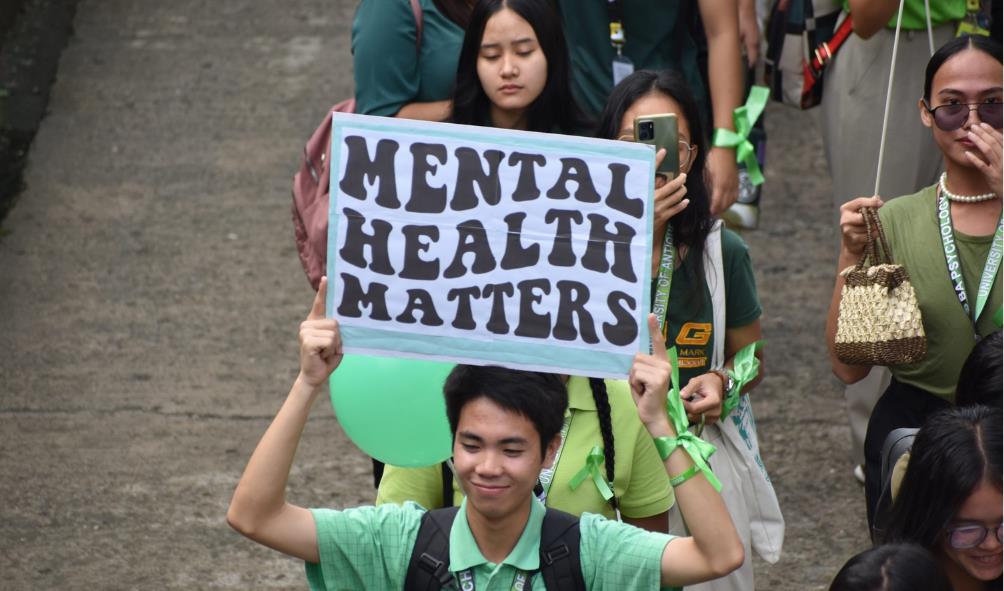
You might notice awareness campaigns in schools and workplaces, encouraging open conversations about mental health. Additionally, the government often collaborates with NGOs to provide training for mental health professionals and community workers.
These initiatives not only help you understand mental health better but also reduce stigma associated with seeking help. By actively engaging in these programs, you can contribute to a more supportive environment for yourself and those around you, fostering a culture of understanding and acceptance.
Community Support Systems: Building Resilience Together
Building on the government's mental health initiatives, community support systems play a vital role in fostering resilience among individuals.
When you connect with others in your community, you create a network that helps everyone cope with stress and challenges. Local support groups, peer counseling, and neighborhood activities provide safe spaces for sharing experiences and feelings. You’ll find that simply talking with someone who understands can lighten your burden.
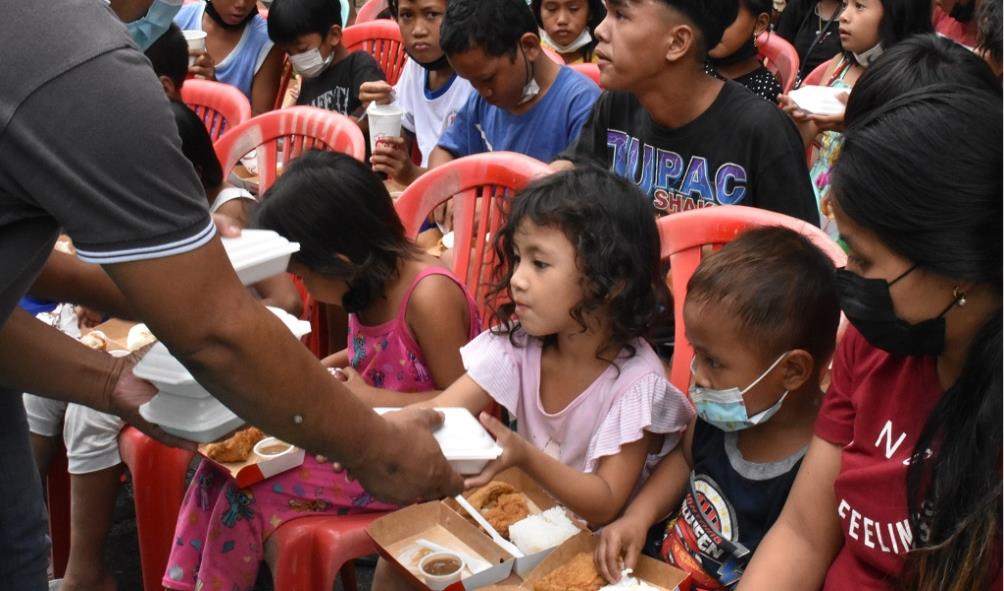
Engaging in community events also strengthens bonds, reminding you that you're not alone. By participating in these support systems, you contribute to a culture of empathy and understanding, which ultimately enhances mental health for everyone involved.
Together, you can build resilience and create a brighter future for your community.
The Role of Education in Promoting Mental Wellness
Education plays a crucial role in promoting mental wellness by equipping individuals with the knowledge and skills they need to manage their mental health effectively. When you learn about mental health, you gain insights into your emotions and behaviors, helping you recognize stressors and cope with them better.

Schools and universities can implement mental health programs, teaching coping strategies and resilience. By fostering an environment where mental health is prioritized, you’ll feel more supported and empowered.
Moreover, education can help reduce stigma, encouraging open conversations about mental health issues. When you understand that mental wellness is as important as physical health, you’re more likely to seek help when needed, leading to a healthier, balanced life.
Workplace Strategies to Combat Burnout
Mental health awareness doesn’t stop at the classroom; it extends into the workplace, where burnout has become a pressing issue. To combat this, you can implement several effective strategies.
First, encourage open communication about mental health, allowing employees to express their concerns without judgment.
Next, promote flexible work hours to help your team balance personal and professional responsibilities.

Consider organizing regular breaks throughout the day, giving everyone a chance to recharge.
Additionally, provide resources for mental health support, such as counseling services or workshops.
Cultivating a positive work environment, where achievements are celebrated, can also boost morale.
Cultural Shifts Towards Prioritizing Mental Health
As awareness of mental health issues grows, many Filipinos are beginning to embrace the importance of prioritizing well-being in their daily lives.
You might notice more open conversations about mental health in your community, whether it’s at work, school, or among friends. People are sharing their experiences and supporting one another, breaking the stigma that once surrounded these topics.

Local organizations and social media campaigns are promoting self-care practices, encouraging you to seek help and connect with resources.
With schools incorporating mental health education into their curriculums, younger generations are learning to value their mental well-being from an early age.
This cultural shift is creating a more compassionate society, where you and others can recognize the significance of mental health in achieving a balanced life.
Success Stories: Individuals Finding Balance
With the growing emphasis on mental health, many individuals in the Philippines are discovering effective ways to achieve balance in their lives.
You might find inspiration in stories of people who’ve embraced mindfulness practices, like yoga and meditation, to combat stress. Others have sought therapy, opening up about their struggles and learning coping strategies.

Community support plays a crucial role too; groups are forming where individuals share experiences, fostering connection and understanding.
Balancing work and personal life is another key aspect; many are setting boundaries to prioritize their well-being.
These success stories remind you that finding balance is possible, and taking small steps can lead to significant changes in your mental health journey.
Future Directions for Mental Health in the Philippines
While there’s been significant progress in addressing mental health issues in the Philippines, the journey ahead holds even greater potential for change. You’ll notice a growing recognition that mental health is just as vital as physical health.
By promoting awareness and education, you can help reduce stigma and encourage open conversations. The integration of mental health services in schools and workplaces will also be crucial, ensuring support is accessible to everyone.

Furthermore, investing in training more mental health professionals will make a significant difference in service delivery. You can advocate for government policies prioritizing mental health funding, facilitating community-based programs, and fostering collaboration between various sectors.
Together, we can create a future where mental well-being is prioritized and supported nationwide.
Conclusion
As the Philippines embraces a more compassionate approach to mental health, you play a crucial role in this journey. By fostering open conversations, supporting community initiatives, and prioritizing self-care, you can help combat burnout and promote well-being. Remember, it's not just about surviving but thriving. Together, let's build a future where mental health is valued, resilience is nurtured, and balance is achievable for everyone. Your efforts can make a real difference in creating a healthier society.
Statistics
- In the Philippines, approximately 60% of employees report experiencing burnout due to work-related stress and pressure.
- Workplace wellness programs in the Philippines have led to a 40% decrease in absenteeism due to mental health issues.
- Government initiatives in the Philippines have allocated an additional 50% in funding for mental health services since 2018.
- Over 70% of Filipinos believe that mental health awareness has improved significantly in the last decade.
External Links
- International Labour Organization: Mental Health in the Workplace in the Philippines - Explores the impact of mental health on productivity and workplace dynamics in the Philippines.
- SunStar: Mental Health Programs and Their Impact in the Philippines - Discusses the effectiveness of mental health programs and their positive impact on communities in the Philippines.
- World Health Organization: Mental Health and Psychosocial Support in the Philippines - This resource provides insights into the mental health initiatives and support systems in place in the Philippines.
- UNDP: Mental Health in the Philippines - Offers a comprehensive analysis of the mental health landscape and challenges in the Philippines.
How to Recognize Symptoms of Burnout in the Philippines
Recognizing symptoms of burnout is the first step towards restoring mental health. Common signs include chronic fatigue, irritability, decreased productivity, and feelings of cynicism or detachment from work. In the Philippines, cultural factors such as "hiya" (shame) and "utang na loob" (debt of gratitude) can exacerbate these symptoms, as individuals may feel obligated to overwork themselves. It's crucial to pay attention to both physical and emotional indicators. Regularly assess your stress levels and work-life balance. If you notice persistent symptoms, consider seeking professional help or talking to someone you trust. Early recognition can lead to effective intervention and prevent more severe mental health issues.
Want to travel with more time and freedom?
The freedom to travel! Discover free & unique homestays around the world, in exchange for caring for adorable pets.
https://escapetomexiconow.com/ths
Recommended Resources:
Your next chapter could start anywhere. From the vibrant streets of Mexico to the laid-back beauty of the Philippines, explore destinations where you can truly live your dream.
https://escapetomexiconow.com/
https://escapetomexiconow.info/
https://escapetopanamanow.info/
https://escapetothephilippinesnow.com/
YouTube Channel:
Want a closer look at life in Mexico? Subscribe to our YouTube channel for insider tips, travel guides, and inspiring stories that make planning your escape easier and more exciting.
https://www.youtube.com/@EscapeToMexicoNow