You often notice that locals don’t stress about counting calories, yet they seem to thrive on healthy, vibrant diets. Instead of rigid restrictions, they embrace whole foods and listen to their bodies. This intuitive approach fosters a balanced relationship with food, allowing them to enjoy meals without guilt. But what exactly drives this lifestyle? Understanding the deeper connections between food, culture, and community might just reveal the secrets behind their well-being.
The Rise of Intuitive Eating
As you explore the concept of intuitive eating, you'll find it's gaining popularity for a reason. This approach encourages you to listen to your body's hunger cues rather than strictly following diets or calorie counting.
By tuning into your natural instincts, you can foster a healthier relationship with food. You’ll learn to differentiate between emotional and physical hunger, allowing you to eat when you're truly hungry and stop when you’re satisfied.
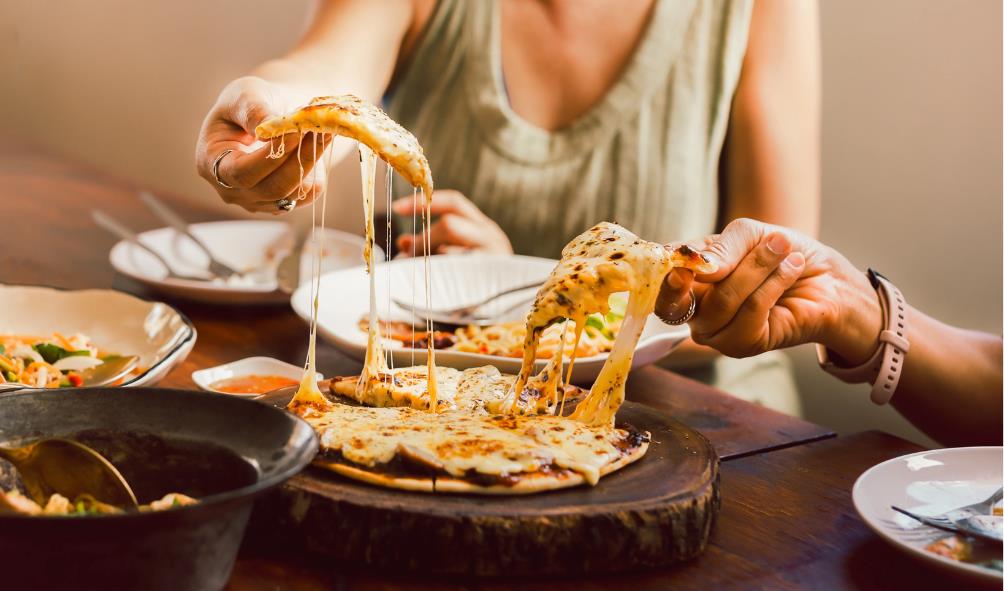
Intuitive eating promotes body positivity, helping you appreciate your body as it is. It’s not just about food; it’s about respecting yourself and your needs.
In a world obsessed with diet culture, embracing this method can lead to long-term health and well-being without the stress of constant restriction.
Embracing Traditional Eating Habits
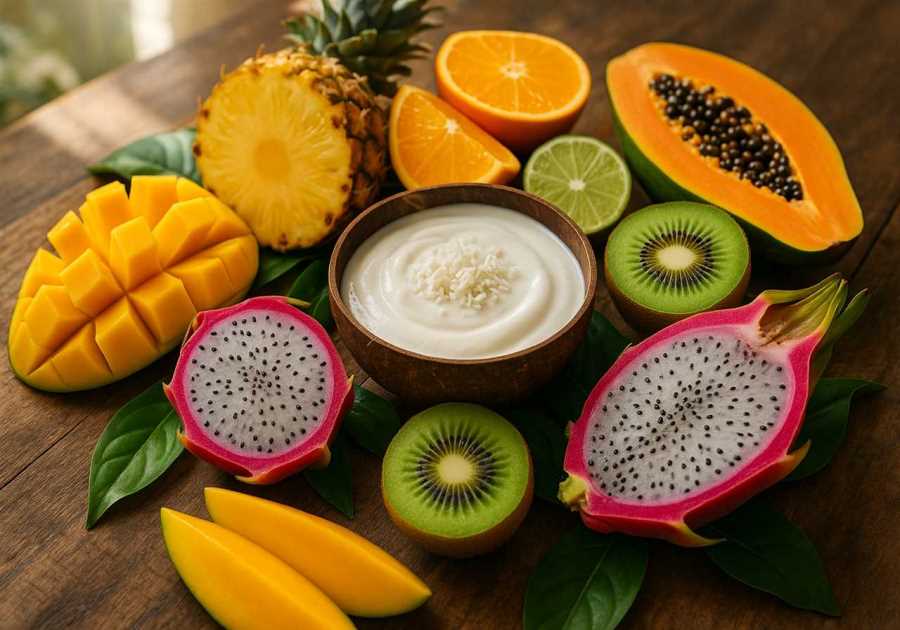
While modern diets often promote quick fixes and fads, embracing traditional eating habits can offer a more sustainable path to health. You’ll find that these time-honored practices prioritize whole, unprocessed foods, allowing your body to thrive naturally.
Local ingredients often take center stage, providing essential nutrients and flavors that nourish you. By cooking meals from scratch, you connect with your food, ensuring quality and fostering mindfulness about what you consume.
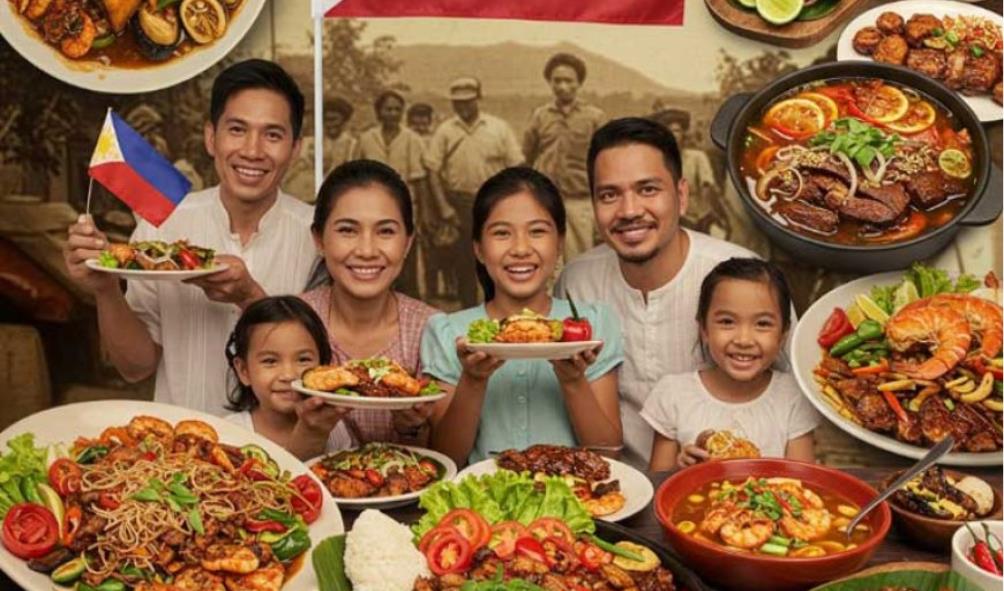
Traditional eating also encourages seasonal variety, which enhances your diet and supports local agriculture. You can adopt portion sizes that feel right for your body, rather than adhering to restrictive guidelines.
Ultimately, embracing these habits not only promotes health but also enriches your culinary experience and deepens your connection to culture.
The Role of Community in Food Choices
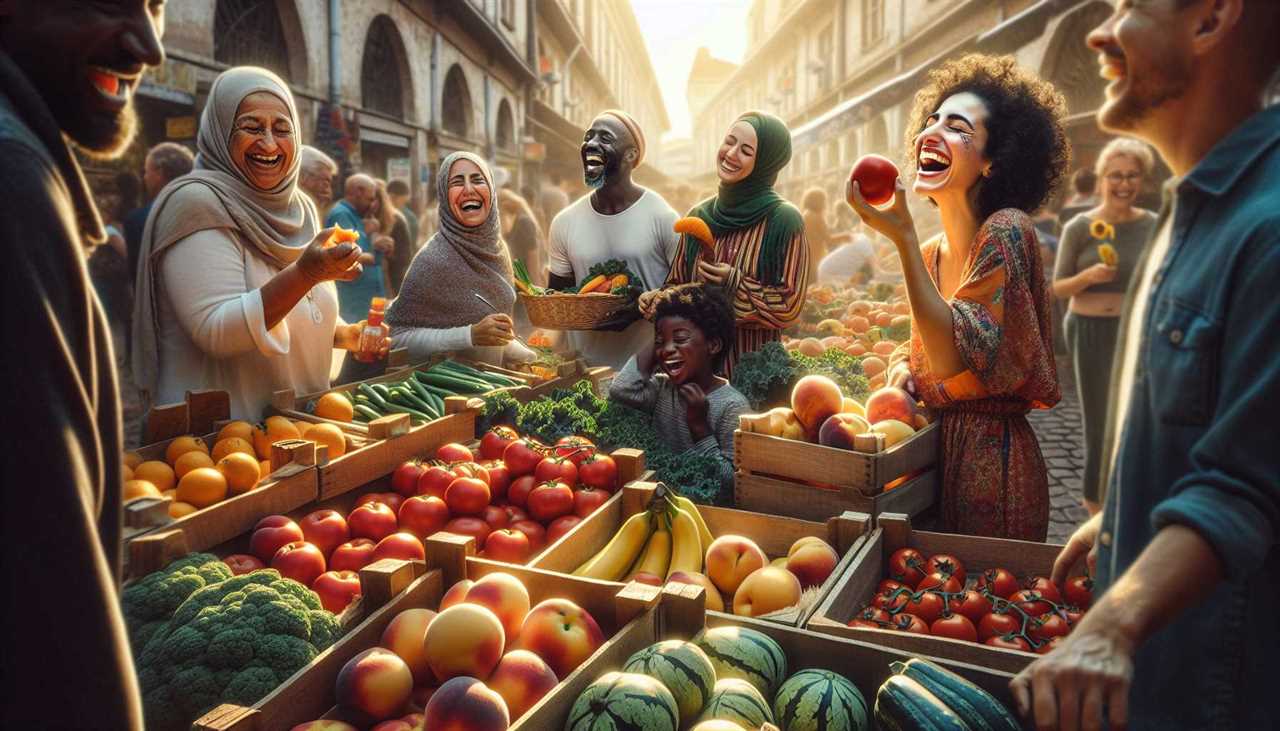
Community plays a significant role in shaping our food choices, influencing what we eat and how we prepare meals. When you share meals with friends or family, you’re not just enjoying food; you're also absorbing their cultural traditions and cooking styles.
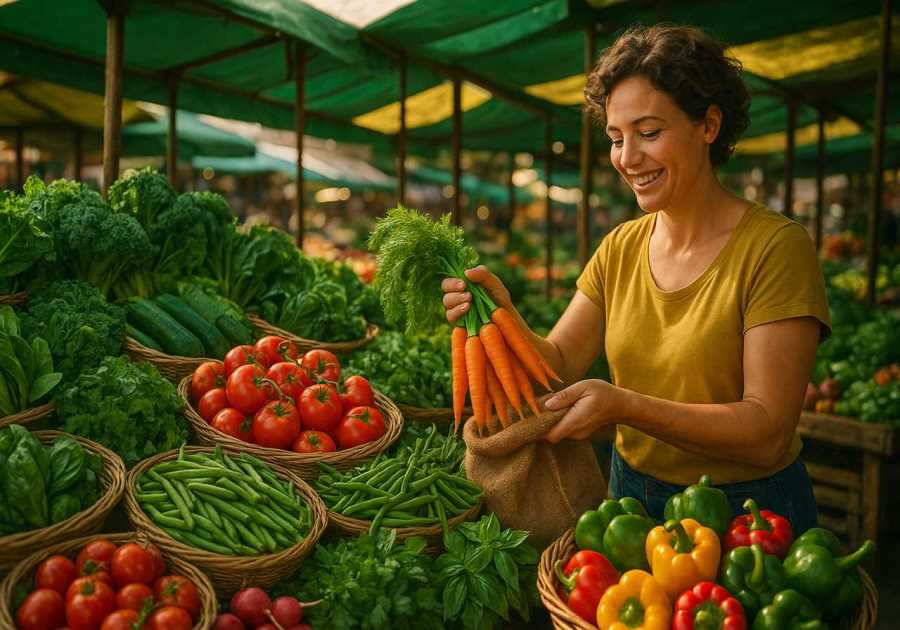
These shared experiences create a sense of belonging and encourage healthier eating habits. Local markets and community gardens foster connections, making fresh ingredients readily available and promoting seasonal eating.
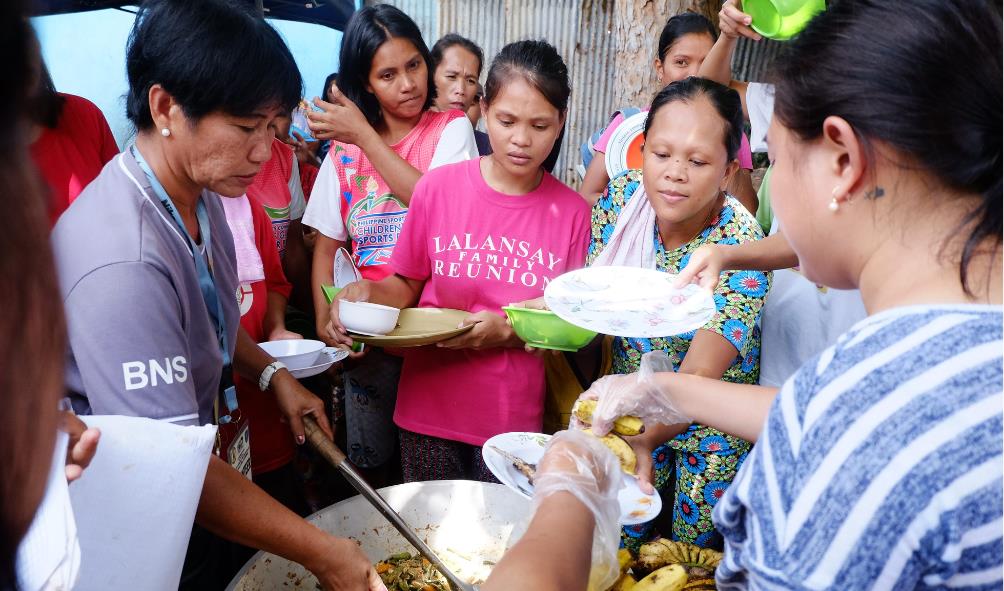
Plus, when you're part of a community that values nutritious food, it’s easier to adopt similar habits. You might find yourself trying new recipes or ingredients simply because others are doing the same.
Ultimately, the support of a community can inspire you to make better food choices without even realizing it.
Mindfulness and the Eating Experience
How often do you pause to truly savor your meals? Mindfulness in eating isn’t just a trend; it’s a powerful practice that enhances your overall experience.
When you focus on each bite, you engage your senses fully. You notice the flavors, textures, and aromas, making your meal more enjoyable. This practice can help you appreciate your food, leading to a greater sense of fulfillment.
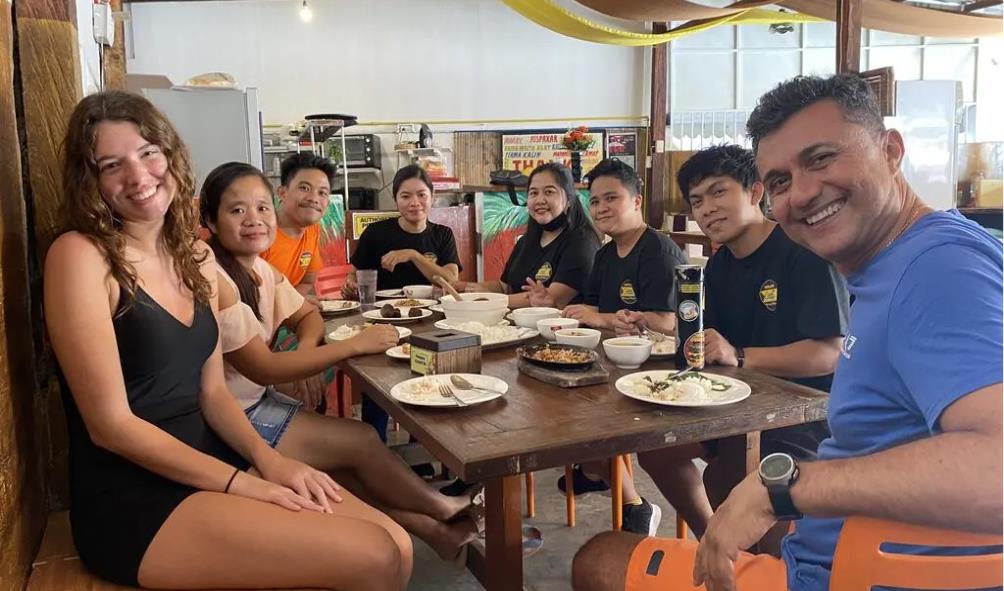
Rather than rushing through meals, take the time to chew slowly and reflect on what you’re eating. You’ll find that you’re more in tune with your body’s hunger cues, which can naturally guide your portion sizes.
Ultimately, mindfulness transforms eating from a routine task into a rich experience, fostering a deeper connection to your food and your health.
Quality Over Quantity: Savoring Food
After embracing mindfulness in your eating habits, you'll likely notice the impact of savoring food and prioritizing quality over quantity.
Instead of rushing through meals, take time to truly appreciate each bite. Choose fresh, wholesome ingredients that excite your taste buds, and focus on the flavors and textures in front of you.

When you savor your food, you’ll find satisfaction in smaller portions, reducing the urge to overeat. This approach not only enhances your dining experience but also fosters a deeper connection with the food you consume.
By valuing quality, you naturally cultivate a healthier relationship with your meals, allowing you to enjoy every moment without the stress of counting calories.
Savoring food transforms eating into a joyful ritual.
Understanding Nutritional Needs
While you may enjoy savoring each bite of your meals, understanding your nutritional needs is essential for maintaining a healthy lifestyle.
You should focus on incorporating a variety of nutrients into your diet. Pay attention to macronutrients like proteins, carbohydrates, and healthy fats. Each plays a vital role in your overall health.

Don’t forget about micronutrients—vitamins and minerals that support bodily functions. Listening to your body's hunger cues can help you gauge how much you need. Eating a colorful plate often indicates a balanced intake of nutrients.
Instead of counting calories, think about the quality of the food you consume. By prioritizing nutrient-dense foods, you'll naturally meet your body's needs while enjoying your meals to the fullest.
The Impact of Cultural Attitudes Towards Food
Cultural attitudes towards food shape not only what we eat but also how we relate to our meals. When you grow up in a culture that celebrates communal dining, you’re more likely to enjoy food as a social experience rather than just fuel.
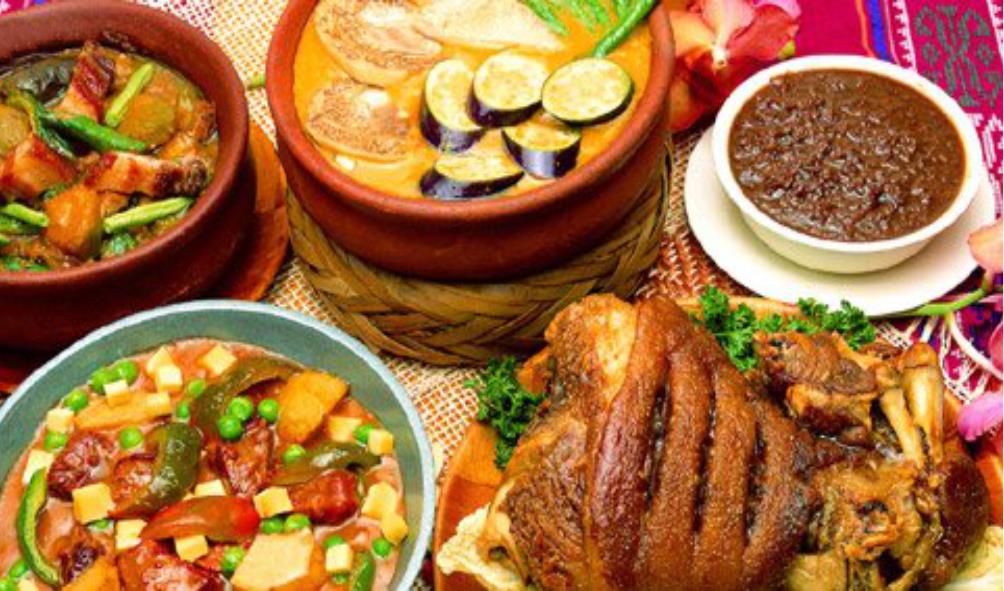
This perspective fosters mindfulness and appreciation for ingredients, often leading to healthier choices. If your culture emphasizes fresh, seasonal produce, you might naturally gravitate towards whole foods, avoiding processed options.
Moreover, viewing meals as a time for connection rather than a rush can reduce stress and promote healthier digestion. By embracing these cultural values, you cultivate a positive relationship with food that nurtures both your body and spirit, allowing you to thrive without focusing on calorie counts.
The Benefits of Home-Cooked Meals
When you choose to cook at home, you not only control the ingredients but also the flavors and nutrition of your meals.
Home-cooked meals allow you to experiment with fresh, whole foods that nourish your body. You can select seasonal produce, lean proteins, and healthy fats, ensuring your meals are both delicious and nutritious.
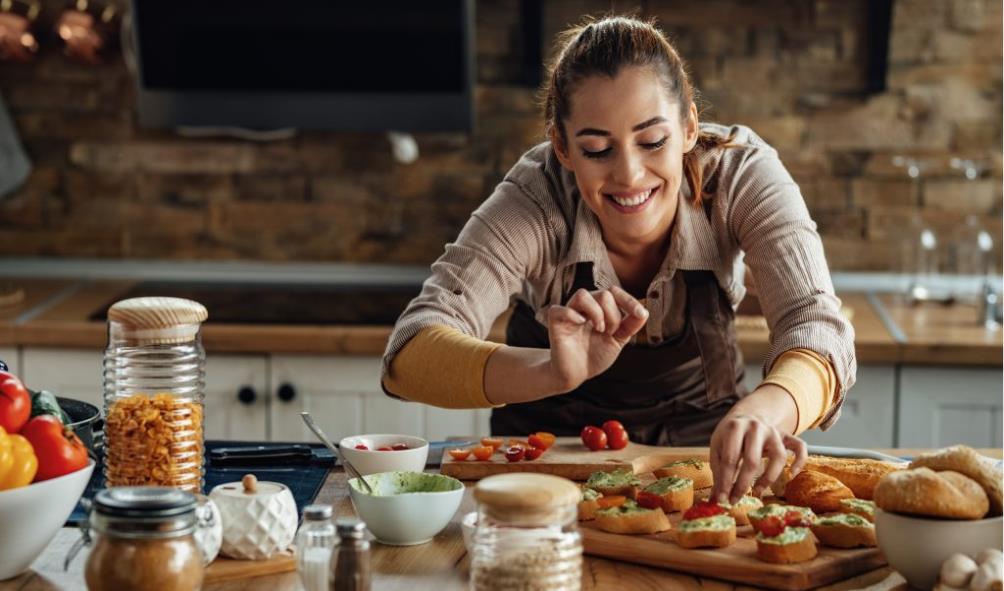
By cooking for yourself, you can adjust portion sizes and minimize added sugars and unhealthy fats often found in restaurant meals.
Plus, preparing meals at home fosters a deeper connection with your food, enhancing your appreciation for what you eat.
You'll likely find that cooking becomes a creative outlet, making it easier to enjoy balanced meals that satisfy your cravings without the guilt.
Moving Beyond Diet Culture
Cooking at home not only empowers you to create nourishing meals but also sets the stage for a healthier mindset around food.
When you ditch diet culture, you start to focus on what your body truly needs rather than rigid rules. Listen to your cravings and eat intuitively; that’s where real balance lies.

Embrace the idea that food is more than just fuel—it’s a source of joy and connection. By stepping away from calorie counting and restrictive diets, you free yourself to enjoy a variety of foods without guilt.
Celebrate your culinary creations and the satisfaction they bring. Remember, health isn’t a number; it’s about feeling good in your body and enjoying the experience of eating.
Conclusion
In a world obsessed with dieting and calorie counting, embracing intuitive eating and whole foods can transform your relationship with food. By prioritizing seasonal ingredients, enjoying community meals, and practicing mindfulness, you can nourish your body without the stress of strict rules. Focus on quality over quantity, listen to your body's cues, and reconnect with traditional eating habits. This approach not only fosters lasting health but also enriches your life through shared experiences and cultural connections.
External Links
- Forbes discusses why calorie counting may not be the best strategy for weight loss and health.
- MindBodyGreen explains the benefits of intuitive eating and the drawbacks of calorie counting.
- The Nutrition Society provides insights into the limitations of calorie counting and its impact on health.
- Healthline discusses why calorie counting may not be necessary for maintaining a healthy lifestyle.
How to Adopt Intuitive Eating for Better Health
Intuitive eating is a powerful approach that allows individuals to listen to their bodies rather than fixating on numbers. To adopt this practice, start by tuning into your hunger and fullness cues. Eat when you’re hungry and stop when you’re satisfied. Focus on the flavors and textures of your food, and try to eliminate distractions during meals. This mindfulness can lead to a healthier relationship with food, as you learn to trust your body’s signals. Remember, intuitive eating is not about restriction; it’s about enjoying a variety of foods that nourish you.
Want to travel with more time and freedom?
The freedom to travel! Discover free & unique homestays around the world, in exchange for caring for adorable pets.
https://escapetomexiconow.com/ths
Recommended Resources:
Adventure is calling — are you ready to answer? Discover new places, new lifestyles, and new possibilities in Mexico, Panama, or the Philippines.
https://escapetomexiconow.com/
https://escapetomexiconow.info/
https://escapetopanamanow.info/
https://escapetothephilippinesnow.com/
YouTube Channel:
Your next adventure starts here! Join us on YouTube for destination tours, insider advice, and everything you need to make your escape unforgettable.
https://www.youtube.com/@EscapeToMexicoNow