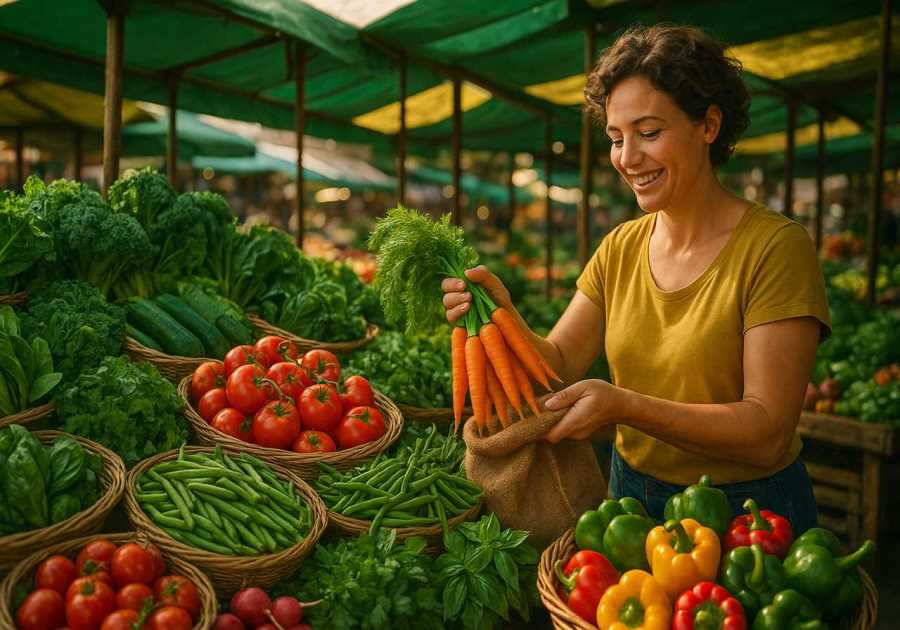
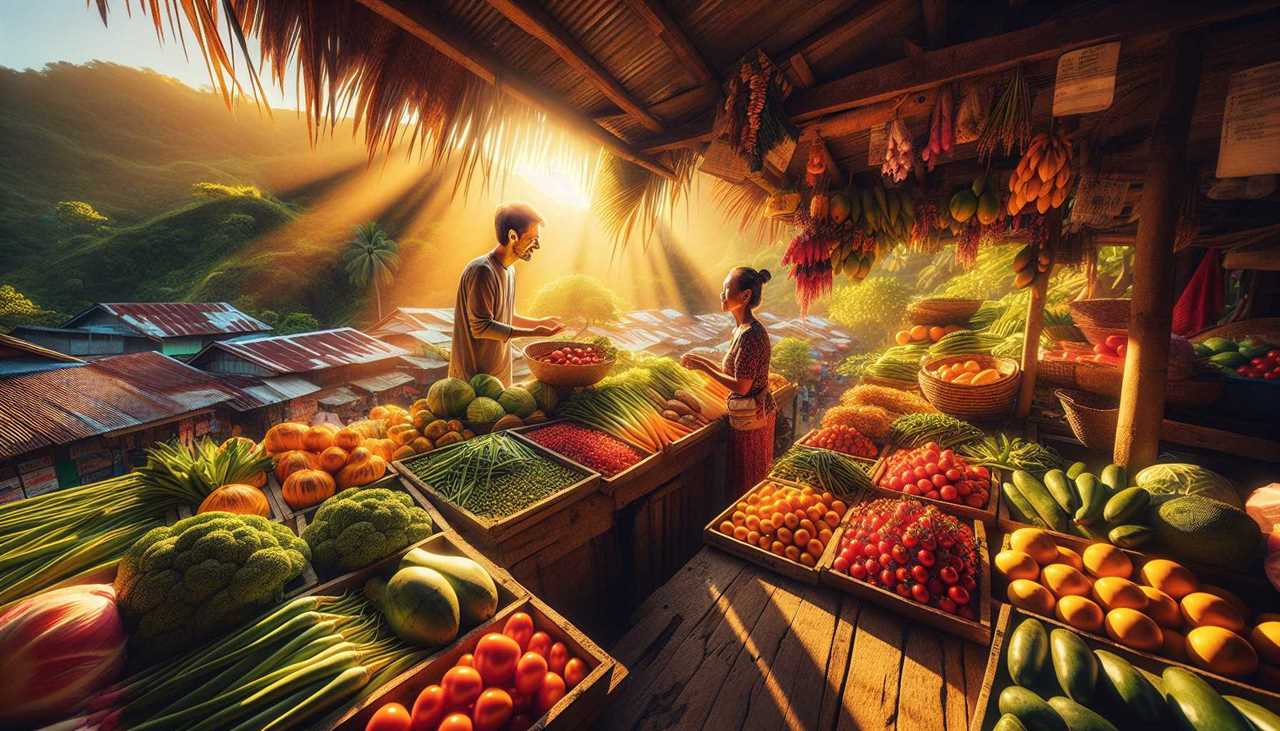
You might wonder why fresh produce is so plentiful in the Philippines. The country's tropical climate plays a significant role, providing ideal conditions for year-round cultivation. But it’s not just the weather; factors like rich biodiversity and fertile soil also contribute. As you explore further, you'll discover how traditional farming methods and government support enhance agricultural practices, making local markets thrive with vibrant offerings. What else fuels this abundance?
Tropical Climate and Its Benefits
The tropical climate in the Philippines creates an ideal environment for growing fresh produce. With warm temperatures and abundant rainfall, you’ll find that fruits and vegetables thrive year-round.

This consistent climate means you can enjoy a diverse array of produce, from mangoes to calamansi, all fresh and flavorful. The long growing season allows farmers to cultivate multiple crops annually, ensuring a steady supply.
You’ll also notice that local markets brim with vibrant options, making it easy to incorporate fresh ingredients into your meals. Plus, the rich soil, nourished by organic matter and minerals, enhances the quality of the produce.
Rich Biodiversity of the Archipelago
With a tropical climate supporting thriving agriculture, the Philippines showcases an incredible richness in biodiversity. You’ll find an array of fruits, vegetables, and herbs unique to the archipelago, each adapted to the local environment.

The diverse ecosystems—from lush rainforests to coastal areas—provide habitats for countless species, enriching the agricultural landscape. As you explore local markets, you’ll discover exotic produce like mangosteen, durian, and calamansi, which thrive due to this biodiversity.
This variety not only enhances your culinary experience but also promotes resilience against pests and diseases. By fostering such a rich array of plants, the Philippines ensures a steady supply of fresh and nutritious produce, making it a paradise for food lovers and health enthusiasts alike.
Fertile Soil and Agricultural Practices
While exploring the agricultural landscape of the Philippines, you'll quickly notice the significance of its fertile soil in supporting diverse crops.
This rich soil, enriched by volcanic activity and organic matter, provides an ideal environment for cultivating everything from rice to tropical fruits. Farmers take advantage of this natural bounty by implementing effective agricultural practices that enhance productivity.
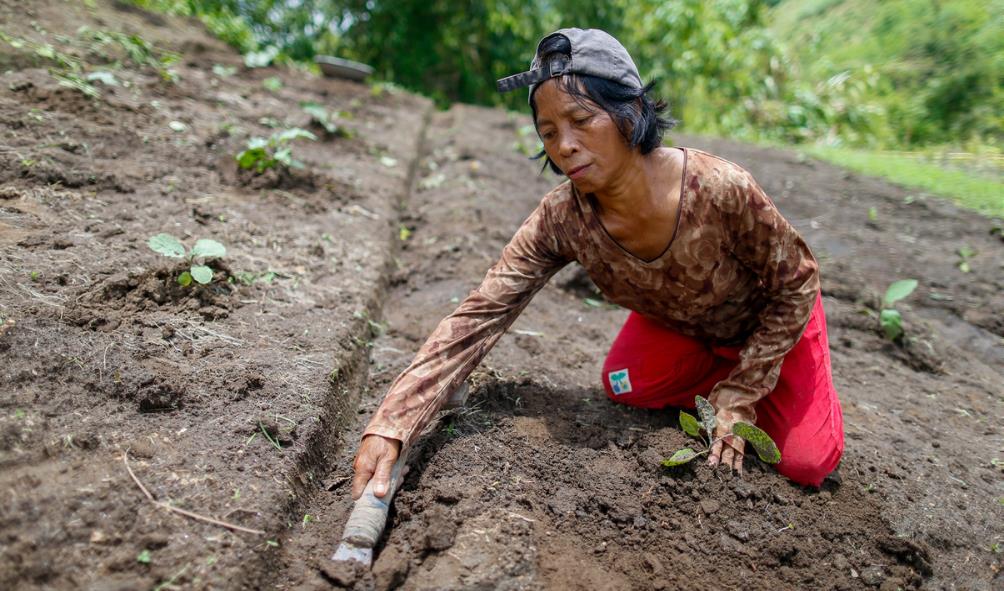
Crop rotation, for instance, helps maintain soil health and prevent depletion of nutrients. Additionally, the Philippines' climate, with its consistent rainfall and warm temperatures, allows for year-round planting.
You'll find that many farmers utilize sustainable methods, ensuring that they not only maximize yield but also protect the environment.
These factors together contribute to the abundant fresh produce available throughout the nation.
Traditional Farming Techniques
Although modern technology has made its mark on agriculture, traditional farming techniques remain vital in the Philippines. You’ll find that many farmers still rely on methods passed down through generations.
These techniques, like crop rotation and intercropping, promote soil health and biodiversity. By planting multiple crops together, you can reduce pests and diseases while maximizing yield.
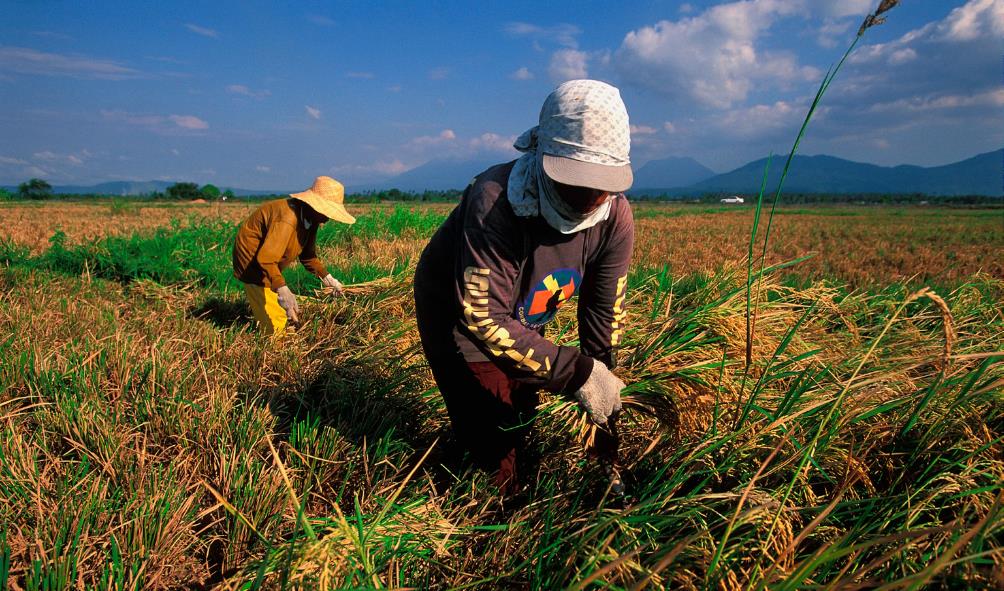
Using organic fertilizers, such as compost and animal manure, enriches the soil without harmful chemicals. Additionally, farmers often practice rainwater harvesting to ensure a steady water supply during dry seasons.
Embracing these time-honored methods not only sustains local ecosystems but also fosters a deep connection between communities and their land.
When you appreciate these traditions, you support a resilient agricultural heritage that thrives in the Philippines.
Government Support for Agriculture
Government support plays a crucial role in strengthening the agricultural sector in the Philippines.
You’ll find that various programs and policies are in place to boost productivity and ensure food security. Financial assistance, such as subsidies and low-interest loans, helps farmers invest in better equipment and technology.
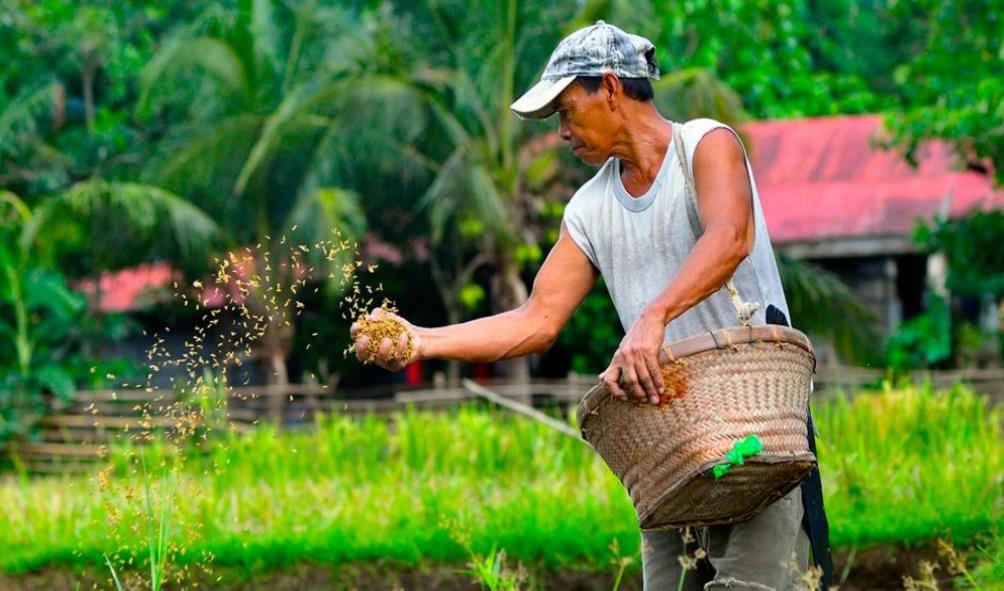
Training programs enhance your skills, teaching you modern farming techniques and sustainable practices. Additionally, the government promotes crop diversification, encouraging you to grow various produce that can thrive in different climates.
Research initiatives also focus on improving crop resilience against pests and climate change. With this backing, farmers like you can cultivate high-quality fresh produce, contributing to the nation’s economy and ensuring a stable food supply for everyone.
Local Markets and Distribution Channels
Local markets and distribution channels play a vital role in connecting fresh produce from farms to consumers across the Philippines.
You’ll find vibrant markets in towns and cities, where farmers sell their products directly. This direct selling not only ensures freshness but also supports local economies.
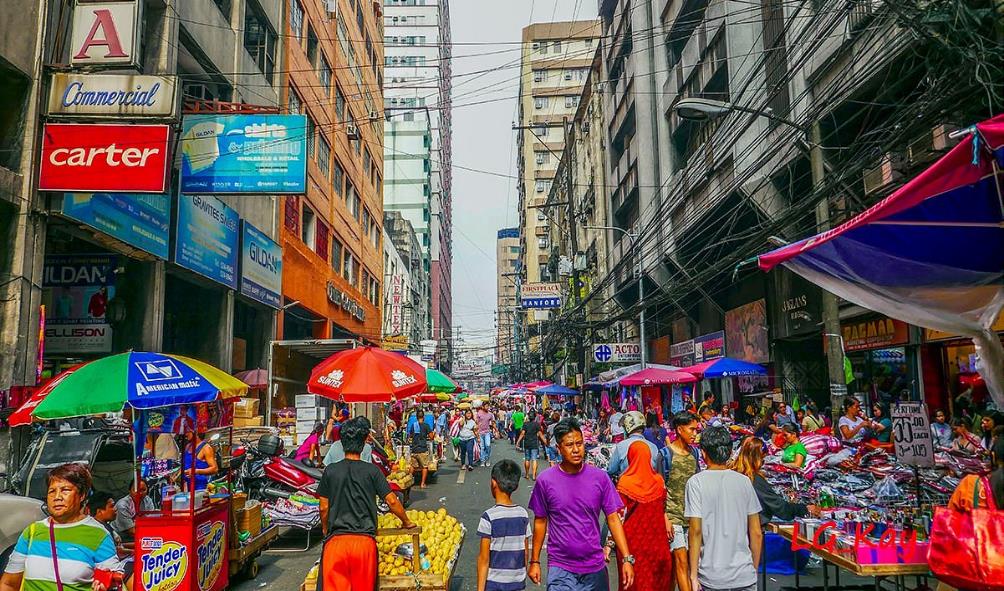
Distribution channels, including trucks and delivery services, help transport produce from rural areas to urban centers efficiently. You'll notice how these channels maintain a steady supply of fruits and vegetables, making them accessible to everyone.
Additionally, local cooperatives often facilitate this process, ensuring fair prices for both farmers and consumers.
Growing Demand for Organic Produce
As you explore local markets, you might notice a growing preference for organic produce among consumers. This shift stems from an increasing awareness of health and environmental issues. People are becoming more conscious of what they eat and how it affects their well-being.
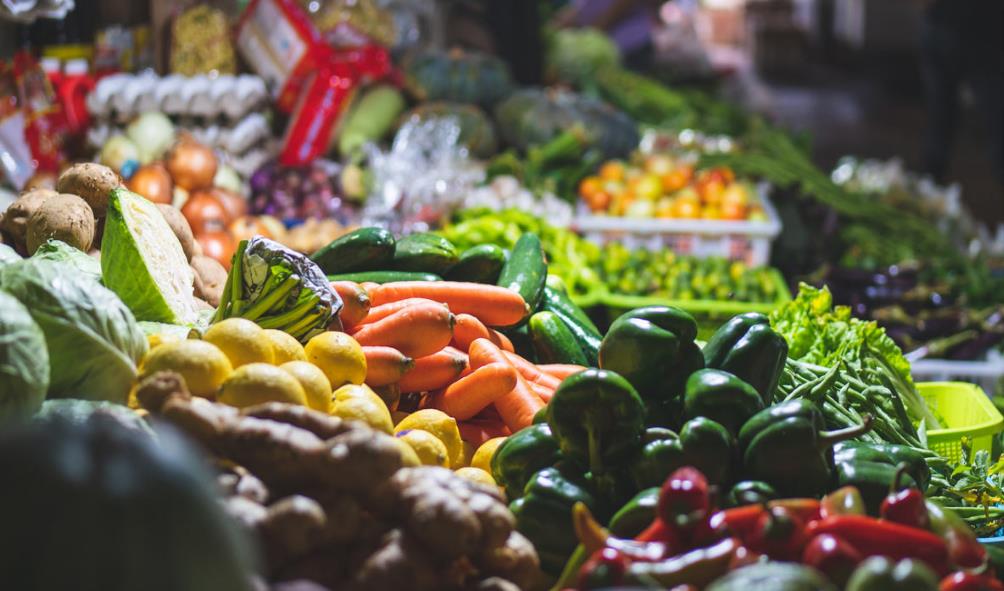
Organic fruits and vegetables, free from harmful pesticides and chemicals, are now seen as healthier options. Farmers are responding to this demand by adopting organic farming practices, which not only benefit their crops but also promote sustainable agriculture.
You’ll find vibrant organic stalls popping up alongside traditional ones, showcasing the diversity of fresh produce available. The love for organic options fosters a tighter connection between consumers and local farmers, creating a thriving community that values quality and sustainability.
Conclusion
In conclusion, the Philippines' abundant fresh produce thrives thanks to its tropical climate, rich biodiversity, and fertile soil. You'll appreciate the dedication of local farmers using traditional techniques and benefiting from government support. As you explore vibrant local markets, you'll find a growing demand for organic options that reflect the country’s commitment to sustainability. Embrace the flavors and freshness of the Philippines, and enjoy the unique offerings that make its produce truly exceptional.
Statistics
- Approximately 30% of the country's total land area is dedicated to agriculture, providing ample space for cultivating a variety of fresh produce.
- The country's strategic location in the tropics results in a climate that supports year-round farming, offering an abundance of fresh produce throughout the year.
- The Philippines is the second-largest producer of coconut in the world, contributing significantly to the global supply of this versatile fruit.
- The agricultural sector employs about 25% of the Filipino workforce, highlighting its importance in producing fresh produce.
External Links
- The [Asian Development Bank](https://www.adb.org) discusses projects and investments in the Philippine agricultural sector, emphasizing sustainability and productivity.
- The [Department of Agriculture of the Philippines](https://www.da.gov.ph) outlines government initiatives and programs that support the agricultural sector and fresh produce availability.
- The [International Rice Research Institute](https://www.irri.org) shares research and developments in rice production, a staple crop in the Philippines.
- The [Food and Agriculture Organization of the United Nations](http://www.fao.org) offers insights into the agricultural practices and crop production in the Philippines.
How to Analyze the Role of Government Support in Agricultural Abundance
Government policies and support play a pivotal role in ensuring the abundance of fresh produce in the Philippines. The Department of Agriculture implements programs aimed at improving agricultural productivity and sustainability. Initiatives include providing farmers with access to modern technology, offering training programs, and investing in infrastructure like irrigation systems. These efforts help increase crop yields and reduce post-harvest losses. Additionally, government support for research and development leads to innovations in farming practices. Analyzing these policies highlights the importance of institutional support in maintaining the country's agricultural abundance.
Plan the perfect group trip, your way.
Get an instant personalized itinerary. We handle logistics, payments, and provide a dedicated itinerary, while local experts fine-tune every detail. Enjoy full freedom—without the stress of organizing it all.
https://escapetomexiconow.com/tourhero
Recommended Resources:
Dreaming of a fresh start abroad? Explore our curated destination guides to learn how you can make the move with ease.
https://escapetomexiconow.com/
https://escapetomexiconow.info/
https://escapetopanamanow.info/
https://escapetothephilippinesnow.com/
YouTube Channel:
See Mexico like never before! From local culture to travel hacks, our YouTube channel brings the adventure straight to you.
https://www.youtube.com/@EscapeToMexicoNow