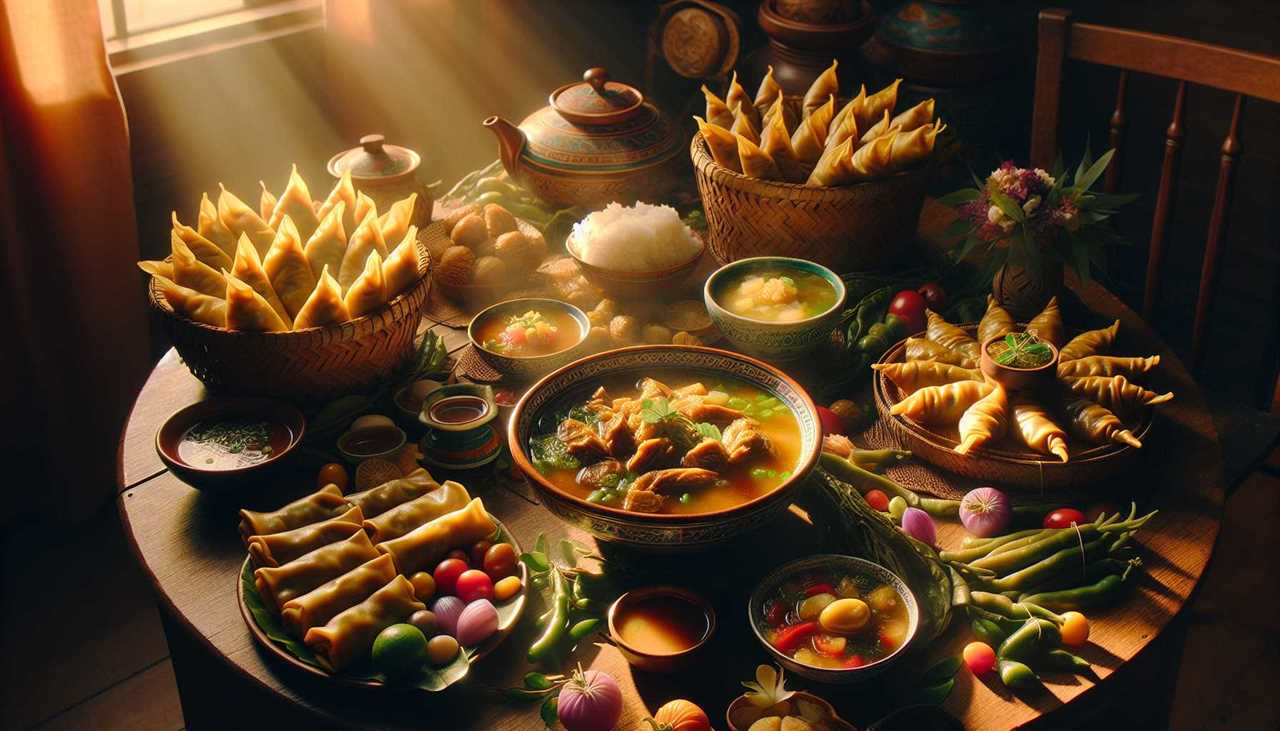
Filipino home cooking is a treasure trove of flavors that often goes unnoticed. Its rich history weaves together influences from various cultures, creating a unique culinary experience. Signature dishes offer a taste of tradition, but it’s the community aspect that truly makes it special. As you explore the vibrant ingredients and the stories behind each meal, you'll discover why this cuisine deserves a spotlight on the global stage. What makes it so captivating?
The Rich History and Cultural Influences of Filipino Cuisine
When you dive into Filipino cuisine, you'll quickly discover its rich history shaped by various cultural influences.
Spanish colonization introduced ingredients like tomatoes and spices, which blended with local flavors. Chinese traders brought noodles and cooking techniques, enriching the culinary landscape further.
You’ll notice the impact of American cuisine too, with fast food and influences on local dining habits. Each region in the Philippines has a unique twist, showcasing indigenous practices and local resources.
This fusion creates a vibrant tapestry of flavors that reflects the nation's diverse heritage. By appreciating these influences, you’ll gain a deeper understanding of the dishes that define Filipino home cooking, making each meal a story worth sharing and celebrating.
Signature Dishes That Showcase Filipino Flavors
Filipino flavors come alive in signature dishes that reflect the country’s diverse culinary heritage.
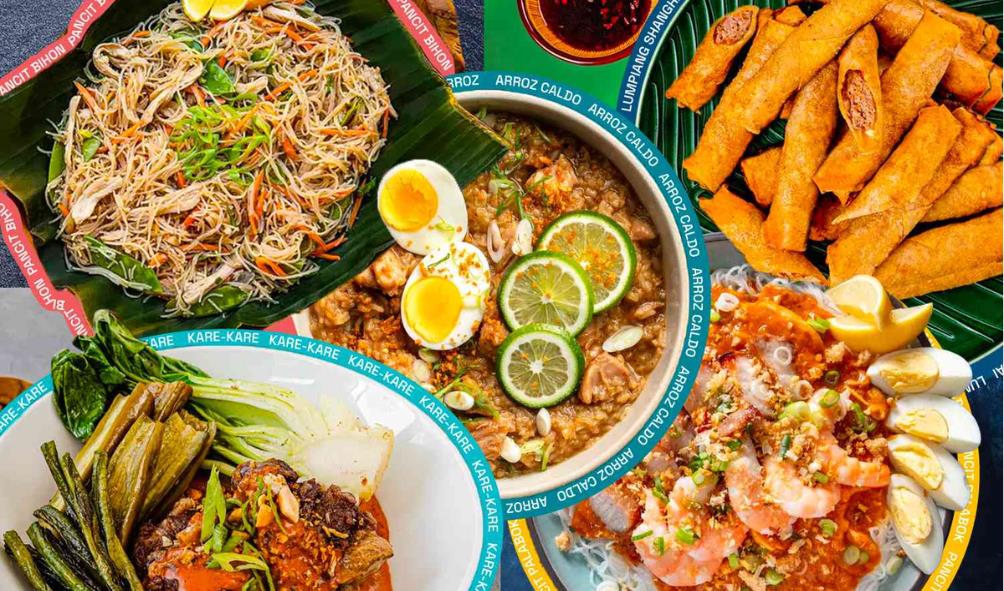
Take adobo, for instance, with its savory, tangy marinade that blends soy sauce, vinegar, garlic, and spices. You can’t forget about sinigang, a sour soup that showcases tamarind and fresh vegetables, offering a refreshing contrast to the richness of other dishes.
Lechon, the famous roasted pig, is a centerpiece at celebrations, known for its crispy skin and tender meat.
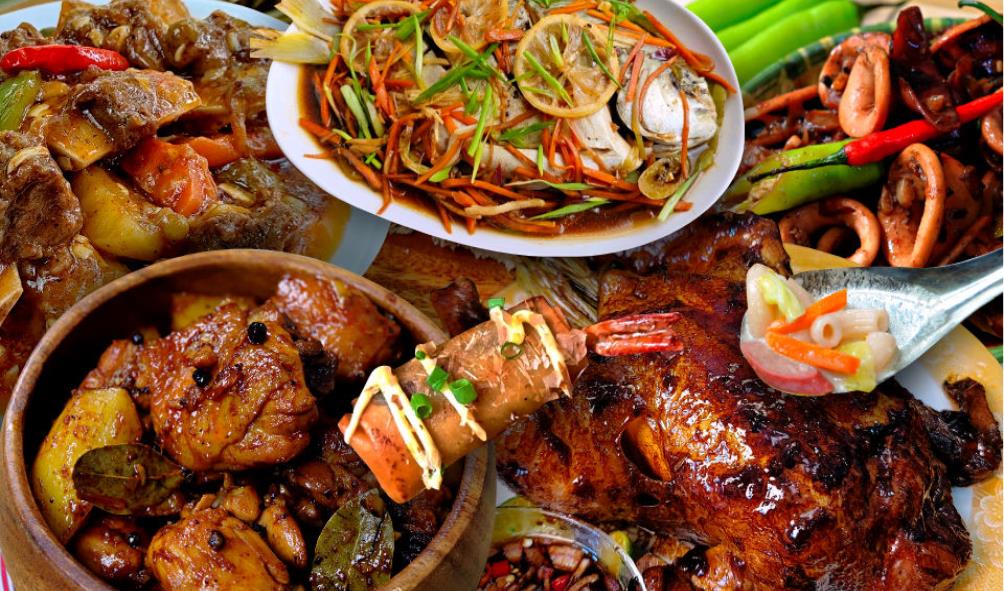
Then there’s lumpia, Filipino spring rolls, filled with a mix of meats and vegetables, perfect for sharing.
Each dish tells a story, inviting you to explore the rich flavors and traditions that make Filipino cuisine truly special.
Discover these culinary gems and savor every bite!
The Importance of Community and Family in Filipino Cooking
Gathering around the table for a meal is more than just sharing food; it’s about connecting with loved ones and celebrating culture.
In Filipino cooking, every dish tells a story, often passed down through generations. You might find your family members gathered in the kitchen, each playing a role in preparing a beloved recipe, reinforcing bonds while creating delicious memories.
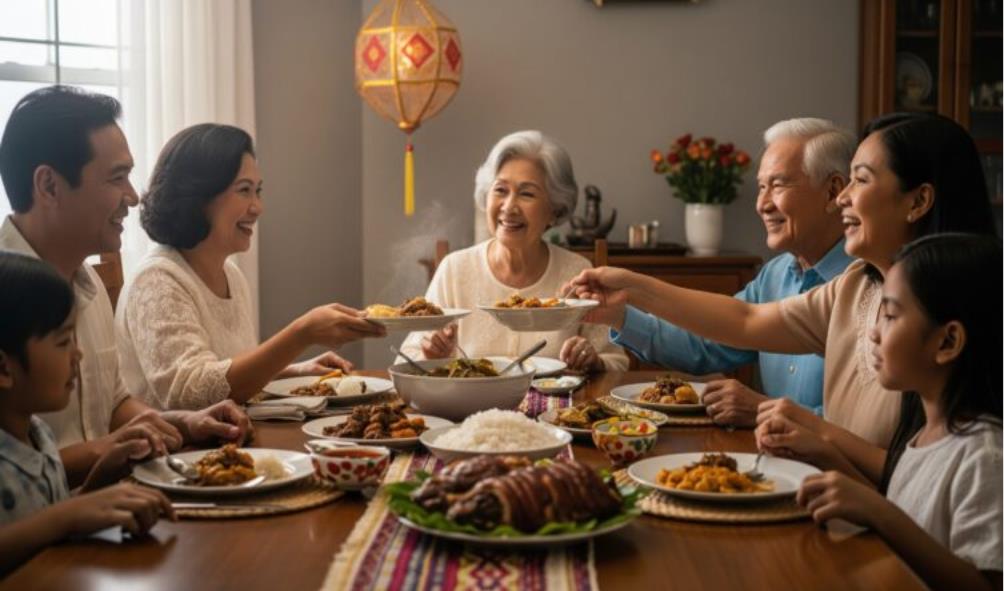
These moments foster a sense of belonging and community, as sharing meals strengthens relationships. It’s not just about the flavors; it’s about the laughter, the stories, and the traditions that accompany each dish.
When you cook and share with family, you’re not just feeding your stomach; you’re nourishing your soul and keeping the spirit of Filipino culture alive.
Unique Ingredients That Define Filipino Dishes
While exploring the vibrant world of Filipino cuisine, you'll quickly discover that unique ingredients play a crucial role in defining its rich flavors.
From the tangy notes of calamansi, a small citrus fruit, to the umami depth of bagoong, a fermented shrimp paste, these components create a symphony of taste.
You'll find the distinct aroma of lemongrass and the earthy essence of turmeric adding character to dishes like sinigang and kare-kare.
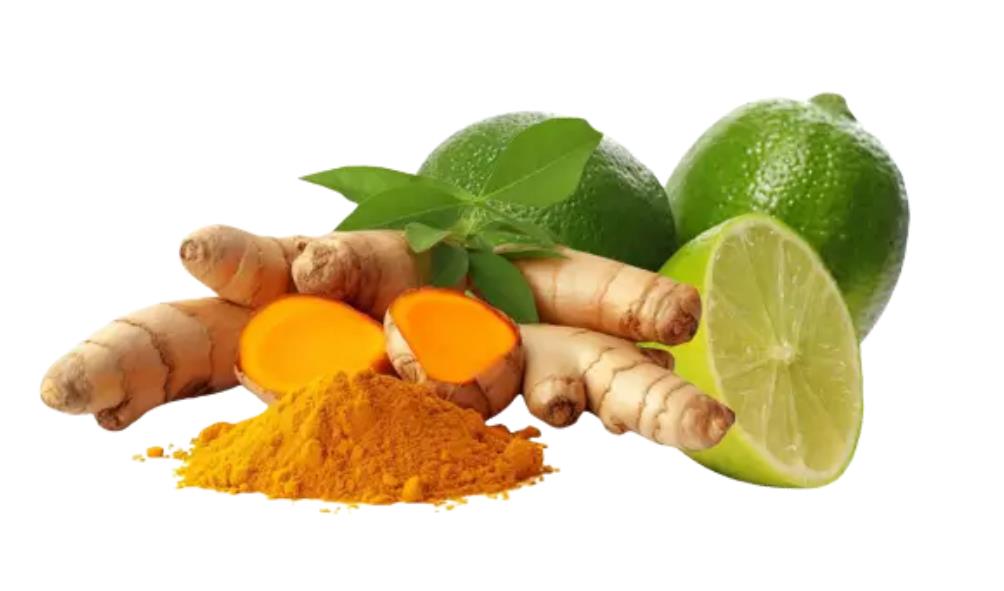
Don’t forget the vibrant colors and textures brought by vegetables like sitaw (string beans) and talong (eggplant).
Each ingredient tells a story, reflecting the Philippines' diverse history and culture.
Embracing these unique flavors will undoubtedly deepen your appreciation for Filipino home cooking.
The Global Appeal and Future of Filipino Home Cooking
As you explore the culinary landscape, you'll find that Filipino home cooking is winning hearts around the globe. Its rich flavors and diverse ingredients resonate with many who seek comfort in meals that tell a story.
Dishes like adobo and sinigang offer a unique blend of sweet, sour, and savory, making it hard to resist.
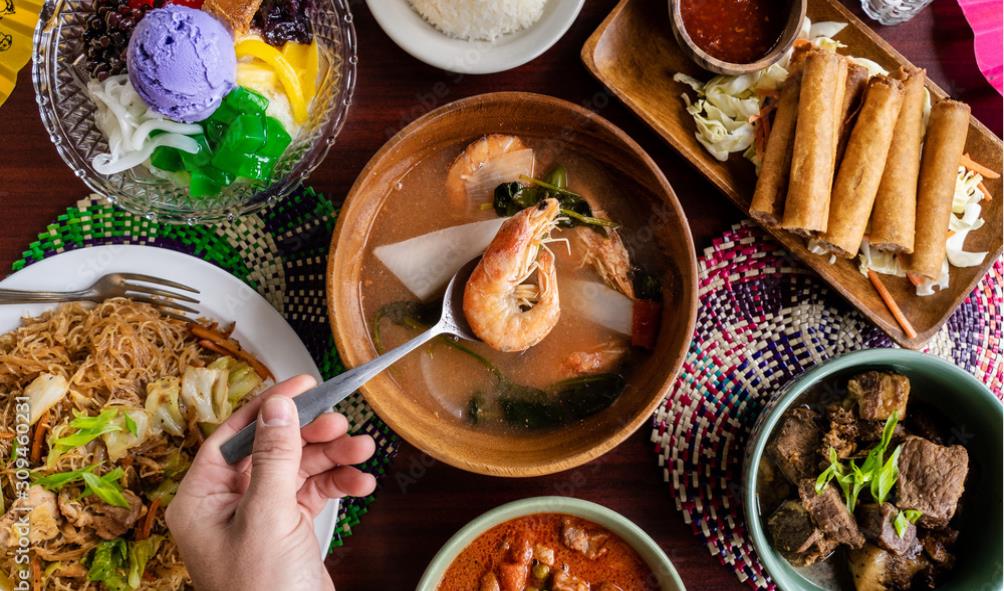
The rise of food festivals and social media showcases these delightful flavors, drawing in curious food lovers. Filipino chefs and home cooks alike are now sharing their culinary heritage through pop-up restaurants and online platforms, further broadening its appeal.
As more people discover the warmth and heart of Filipino cooking, its future looks bright, promising a lasting place on the global culinary stage.
Conclusion
In conclusion, Filipino home cooking deserves global recognition for its rich flavors and cultural significance. By embracing its diverse influences and signature dishes, you not only celebrate a unique culinary tradition but also foster connections with family and community. As more people discover the vibrant essence of Filipino cuisine, it paves the way for a bright future where these cherished recipes can be shared and enjoyed worldwide. So, dive into this delicious journey and savor every bite!
Statistics
- Filipino cuisine incorporates influences from Spanish, Chinese, and American culinary traditions, making it one of the most eclectic and flavorful cuisines globally.
- According to a survey, 78% of Filipinos believe that their traditional dishes should be promoted on a global scale to showcase the country's culinary heritage.
- Filipino cuisine features a diverse array of flavors and ingredients, with over 100 regional dishes that reflect the country's rich cultural history.
- Filipino food is gaining popularity internationally, with a 30% increase in the number of Filipino restaurants opening in major cities around the world over the past five years.
External Links
- The Kitchn provides insights into Filipino food traditions and why they resonate with a global audience.
- Vice explores the cultural heritage of Filipino food and its journey towards global recognition.
- Food & Wine provides an overview of Filipino cuisine and highlights its unique flavors and dishes that deserve global attention.
- Saveur features a collection of authentic Filipino recipes that showcase the diversity and richness of Filipino home cooking.
How To Host a Filipino Food Tasting Event
Hosting a Filipino food tasting event is an excellent way to introduce others to the flavors of the Philippines. Start by selecting a variety of dishes that represent different regions, such as lumpia, kare-kare, and halo-halo. Create small tasting portions to allow guests to sample multiple dishes. Prepare informative cards that describe each dish's ingredients and cultural significance. Consider incorporating traditional music and decorations to create an authentic atmosphere. This immersive experience will not only delight the palate but also foster a deeper appreciation for Filipino culinary traditions.
Plan the perfect group trip, your way.
Get an instant personalized itinerary. We handle logistics, payments, and provide a dedicated itinerary, while local experts fine-tune every detail. Enjoy full freedom—without the stress of organizing it all.
https://escapetomexiconow.com/tourhero
Recommended Resources:
Discover where freedom, adventure, and opportunity await you.
https://escapetomexiconow.com/
https://escapetomexiconow.info/
https://escapetopanamanow.info/
https://escapetothephilippinesnow.com/
YouTube Channel:
Your next adventure starts here! Join us on YouTube for destination tours, insider advice, and everything you need to make your escape unforgettable.
https://www.youtube.com/@EscapeToMexicoNow