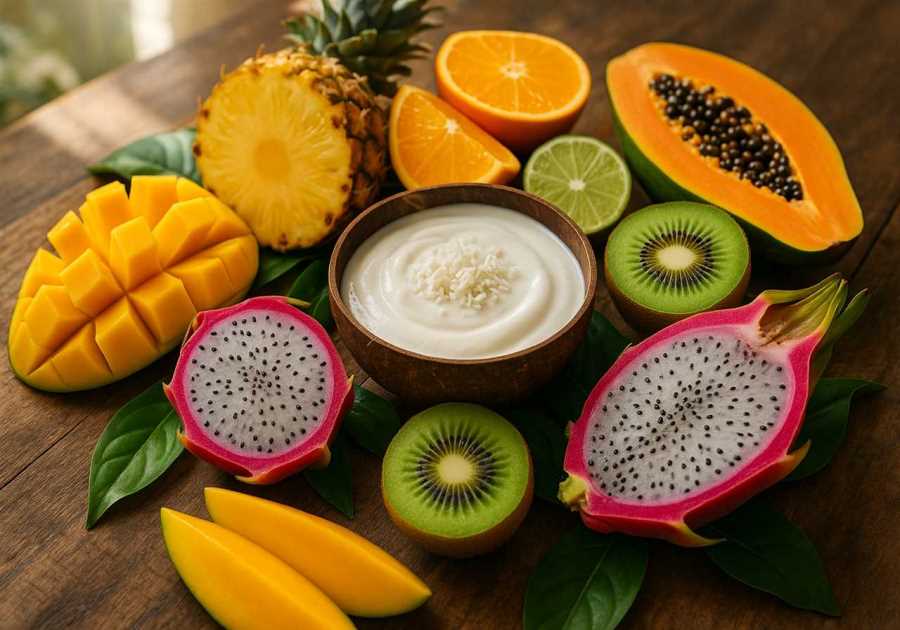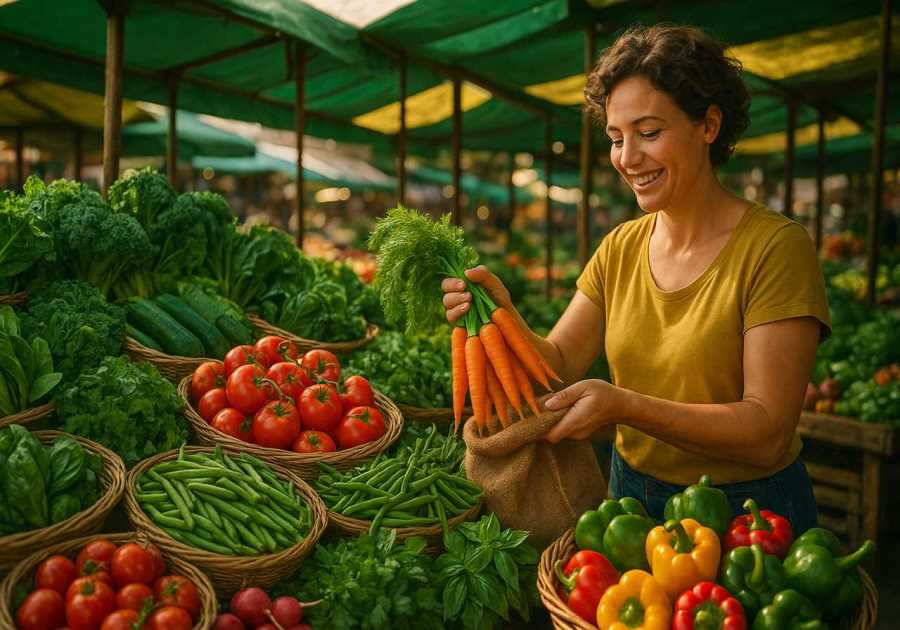
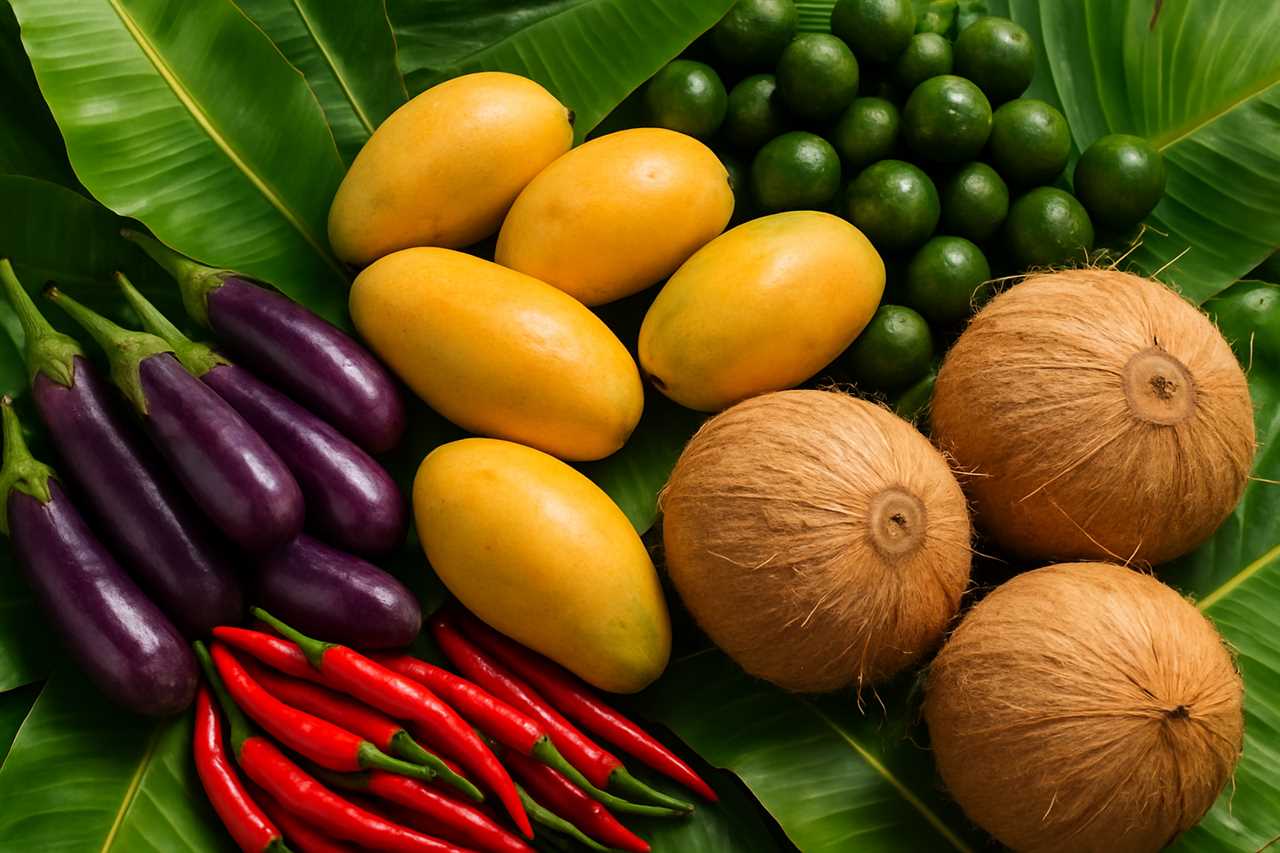
When you think of Filipino cuisine, tropical harvests immediately come to mind. They’re not just ingredients; they shape flavors and textures that make every dish unique. From the sweetness of mangoes to the heartiness of root vegetables, each element plays a crucial role. But there's more to explore in this culinary landscape. What other ingredients elevate these traditional recipes to something extraordinary?
The Sweetness of Mangoes
Mangoes, often hailed as the "king of fruits," bring an irresistible sweetness that captivates anyone who takes a bite. Their vibrant yellow-orange flesh is juicy and fragrant, making them a favorite among locals and visitors alike.
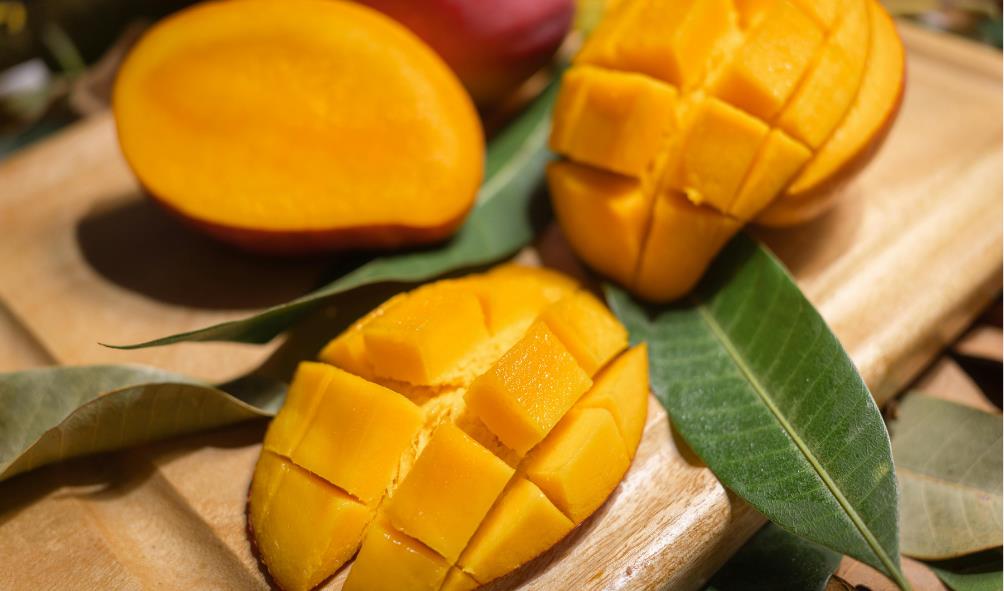
When you sink your teeth into one, you experience a perfect balance of sweetness and slight tartness that dances on your palate. In Filipino cuisine, mangoes shine in various dishes, from fresh salads to desserts like mango sticky rice.
You might even enjoy them in a refreshing smoothie or just sliced with a sprinkle of salt. No matter how you savor them, mangoes are more than just a fruit; they’re a symbol of tropical bliss that embodies the essence of the Philippines.
The Heartiness of Root Vegetables
While you might think of fruits when imagining tropical harvests, root vegetables in Filipino cuisine offer a hearty and comforting experience.
These versatile ingredients, like sweet potatoes, taro, and cassava, form the backbone of many traditional dishes. You can enjoy them boiled, mashed, or even fried, adding a rich texture to your meals.
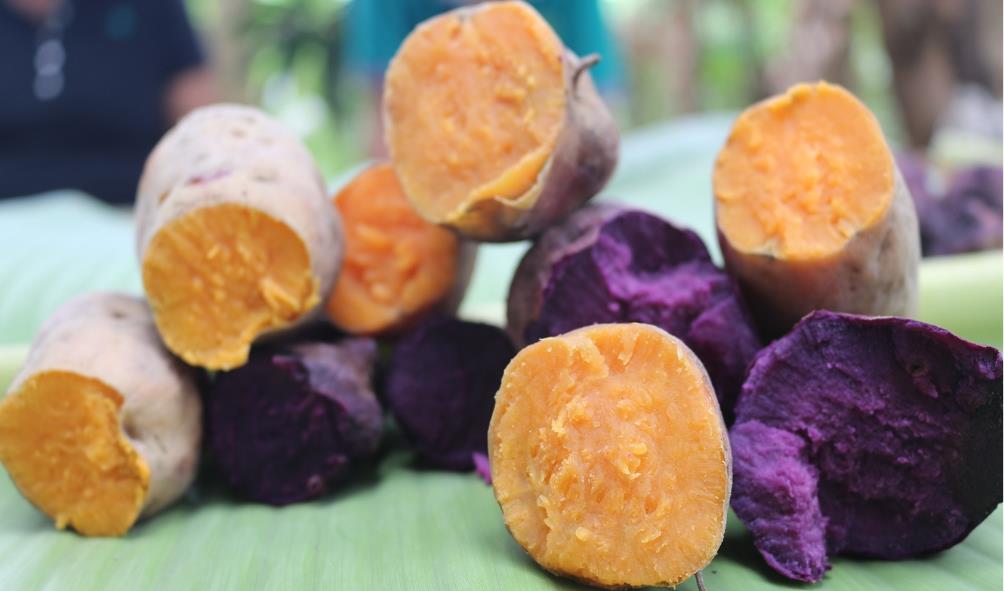
They're often incorporated into savory stews, giving depth and nutrition to your favorite recipes. Plus, their natural sweetness balances perfectly with savory flavors, making every bite satisfying.
Whether you’re savoring a warm bowl of ginataang bilo-bilo or enjoying crispy camote fries, root vegetables will always leave you feeling nourished.
The Zesty Flavor of Calamansi
Calamansi, often called the "Philippine lime," packs a zesty punch that elevates countless dishes and beverages. You’ll find this vibrant fruit in marinades, dipping sauces, and refreshing drinks, adding a unique tartness that’s hard to resist.
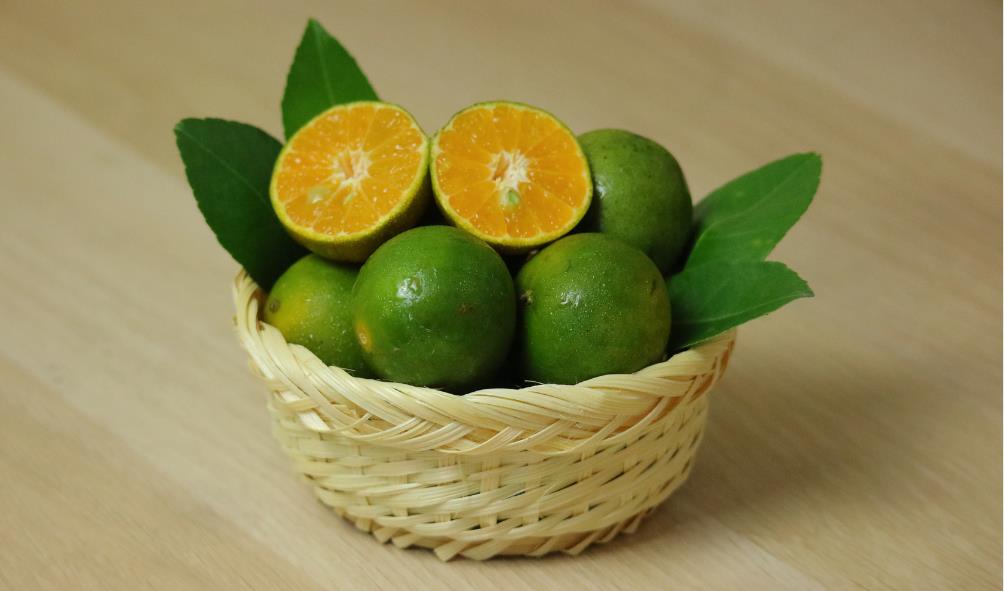
When you squeeze calamansi over grilled meats or seafood, it brightens the flavors, making every bite more delicious. In desserts, its tangy essence balances sweetness, creating a delightful contrast.
You might also enjoy it in a classic calamansi juice, a perfect thirst quencher on hot days. This small citrus fruit isn’t just a flavor enhancer; it’s a staple in Filipino kitchens, reflecting the country’s love for fresh, bold tastes.
Try incorporating it into your meals, and experience the magic of calamansi firsthand.
The Creamy Richness of Coconut
Coconut brings a creamy richness that complements the vibrant flavors of Filipino cuisine beautifully. You’ll find it in numerous dishes, enhancing their textures and tastes.
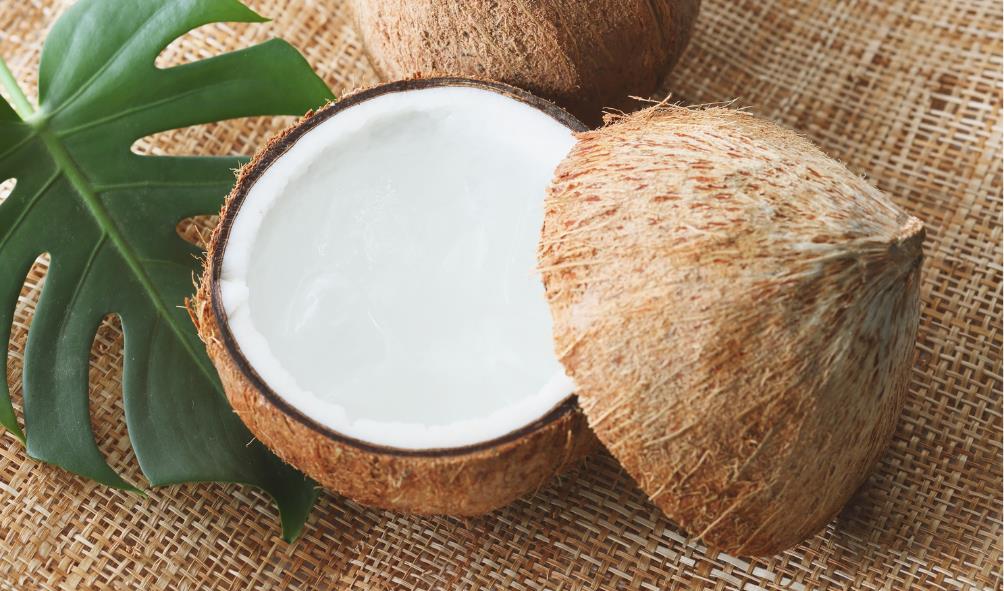
Whether it’s the velvety coconut milk in a savory kare-kare or the delightful grated coconut sprinkled on top of puto, this ingredient adds depth to every bite.
You might even enjoy it in desserts like bibingka or leche flan, where it creates a luscious mouthfeel that’s hard to resist. The sweetness of coconut balances well with spices, making each dish more satisfying.
The Versatility of Taro
Taro, with its unique flavor and texture, plays a versatile role in Filipino cuisine that goes beyond mere side dishes. You can enjoy it in various forms, from savory to sweet.
Think of creamy taro soups or hearty stews, where it adds an earthy depth, enhancing the overall dish. You can also find taro in popular snacks like the traditional “taro cake” or even as a filling in pastries.
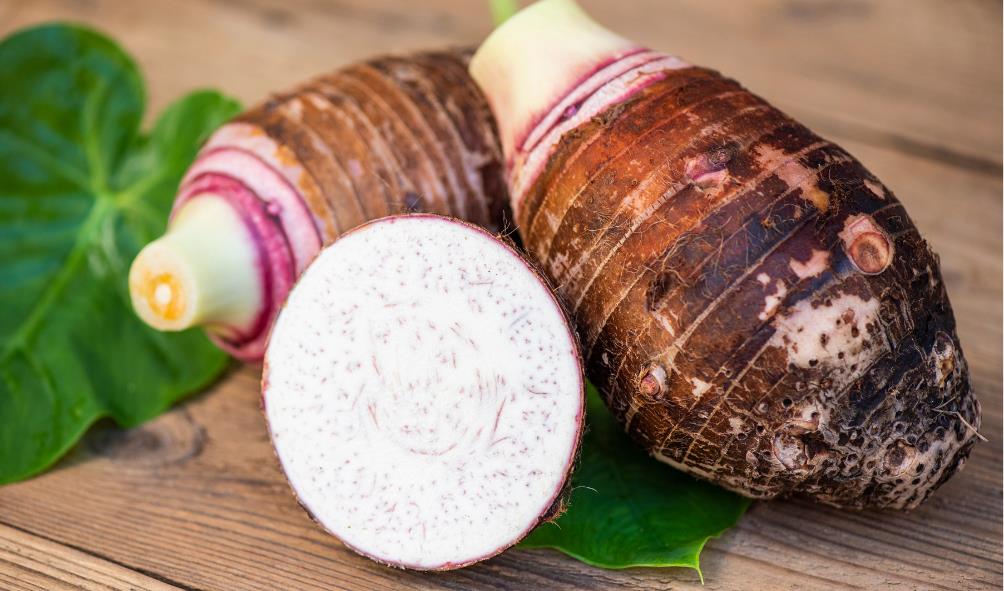
Its adaptability extends to desserts, too; taro ice cream and halo-halo showcase its sweetness and creamy consistency. Whether you’re mashing, frying, or baking, taro can elevate any meal.
It’s not just an ingredient; it’s a staple that brings comfort and familiarity to your dining experience.
The Nutty Goodness of Cassava
While exploring the diverse world of Filipino cuisine, you can't overlook cassava, a root vegetable celebrated for its nutty flavor and versatile uses. This starchy delight can be boiled, fried, or grated into a flour, making it a staple ingredient in many beloved dishes.
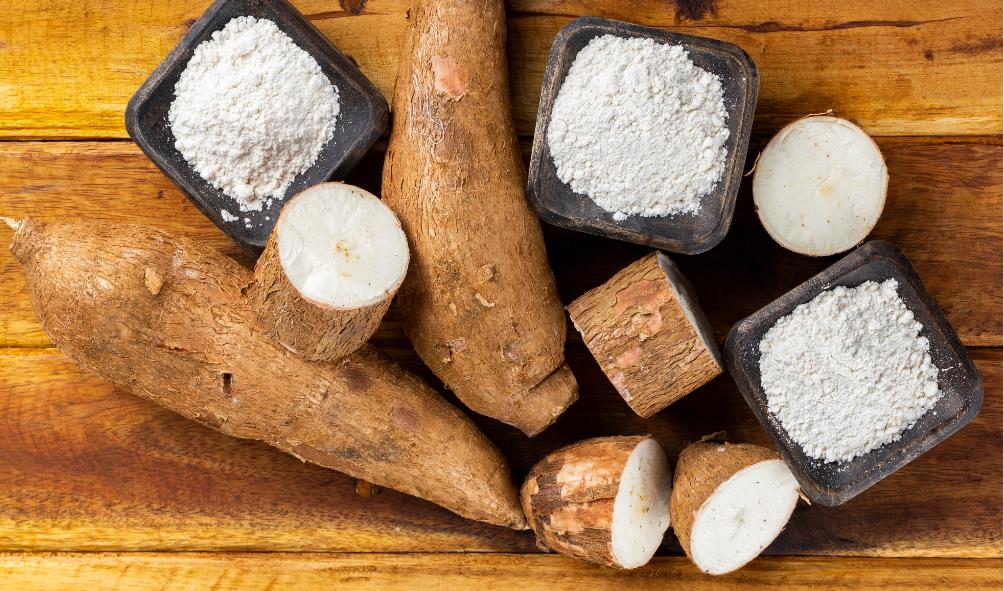
You might enjoy cassava cakes, where it’s mixed with coconut milk and sugar, creating a chewy, sweet treat. Another favorite is cassava suman, a sticky rice cake wrapped in banana leaves, perfect for breakfast or snacks.
It’s not just about taste; cassava’s gluten-free nature makes it an excellent option for those with dietary restrictions. Embrace cassava in your culinary adventures, and you'll discover its nutty goodness enhances everything from desserts to savory meals.
The Brightness of Pineapples
Although you might think of pineapples as just a sweet tropical fruit, they play a vibrant role in Filipino cuisine that goes beyond their juicy flavor.
You’ll find pineapples in a variety of dishes, from savory to sweet, enhancing meals with their bright, tangy taste. In classic recipes like sweet and sour pork, the fruit adds a refreshing contrast, balancing rich flavors.
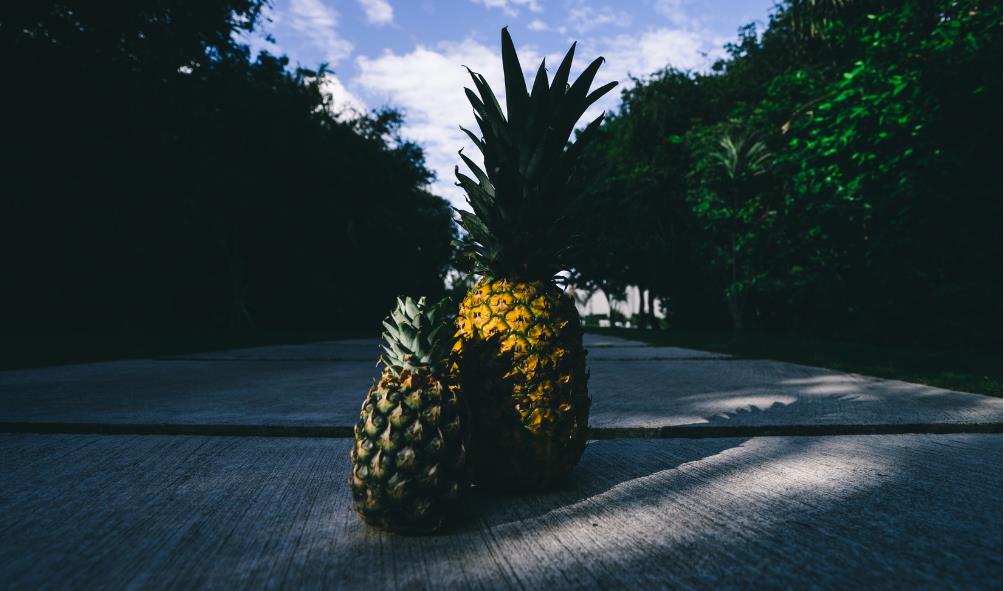
You can also enjoy them fresh in salads or as a topping for grilled dishes, bringing a burst of color and sweetness.
Pineapples are often used in beverages, like the popular pineapple juice or piña colada, making every sip a tropical escape.
Their versatility truly embodies the essence of Filipino culinary creativity.
The Aromatic Essence of Lemongrass
Lemongrass, with its distinct citrus aroma, is a staple in Filipino cuisine that elevates dishes to new heights. You’ll often find it in savory soups, marinades, and even grilled meats.
Its fresh, zesty flavor adds a bright note that complements both seafood and poultry beautifully. When you simmer lemongrass in broth, it infuses the liquid with a fragrant essence that enhances the overall experience of your meal.
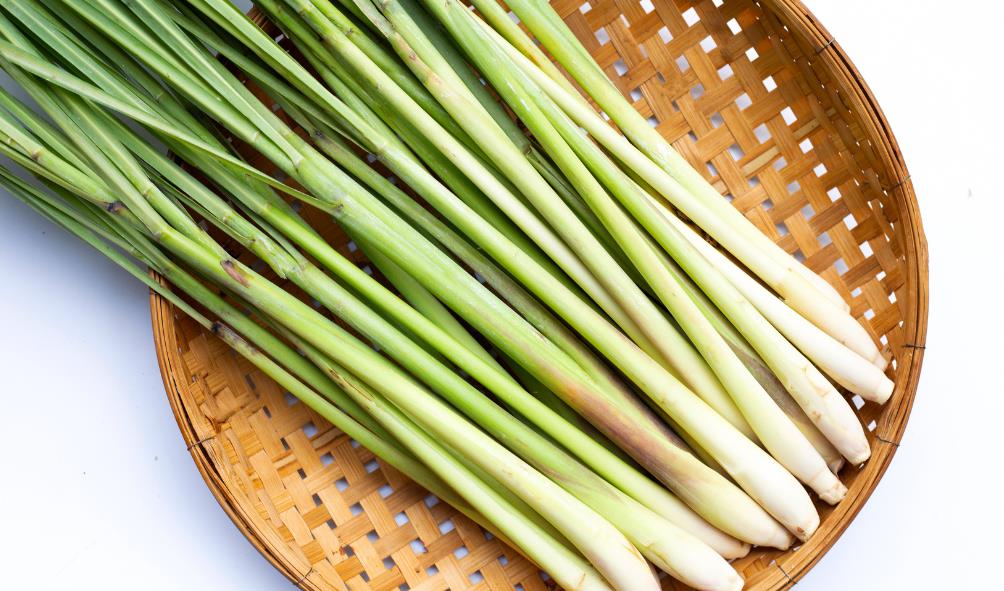
You can also use it in teas for a refreshing drink that aids digestion. Whether you’re cooking adobo or a simple vegetable stir-fry, lemongrass brings a unique vibrancy that’s hard to replicate.
Don’t underestimate this humble herb; it’s a key player in creating authentic Filipino flavors.
The Spiciness of Chili Peppers
Chili peppers pack a punch in Filipino cuisine, bringing heat and depth to a variety of dishes. You’ll find them in everything from spicy adobo to savory sinigang, enhancing flavors and tantalizing your taste buds.
Whether you prefer the mild heat of long green peppers or the fiery kick of bird’s eye chili, these vibrant ingredients play a crucial role in creating that authentic Filipino experience.
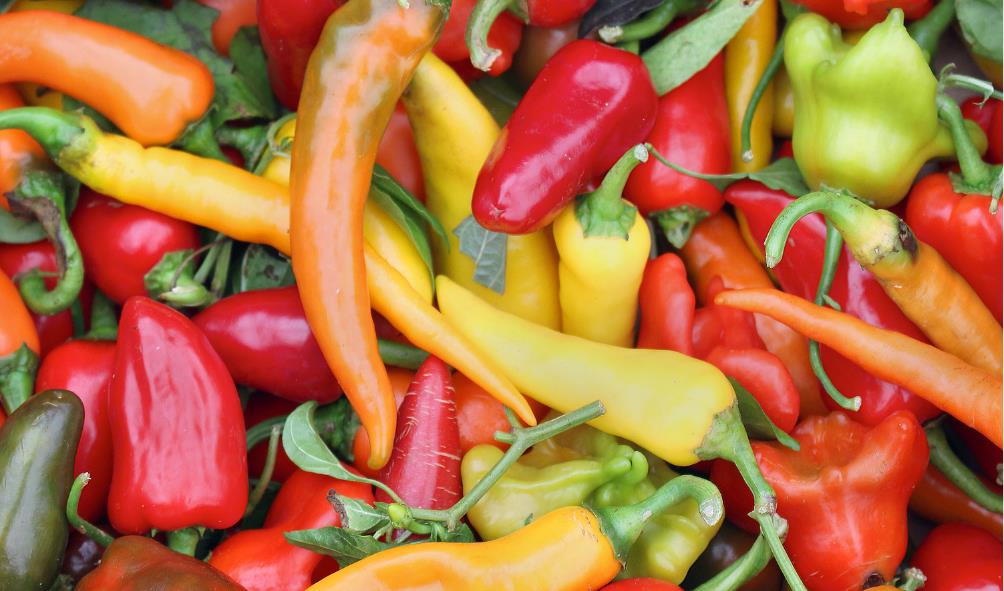
You can’t ignore the unique balance of spicy and sour that defines many traditional meals. As you savor each bite, you’ll appreciate how chili peppers not only elevate the dish but also connect you to the culture.
Embrace the spiciness, and you’ll discover a whole new world of flavor in every meal.
The Unique Textures of Sago and Tapioca
Sago and tapioca bring delightful textures to Filipino desserts and dishes, captivating your palate with their unique qualities.
When you bite into sago pearls, you experience a soft, chewy sensation that plays beautifully against creamy concoctions like leche flan or coconut milk. Tapioca, with its smooth and slightly rubbery texture, adds a satisfying element to sweet treats like buko salad or the classic tapioca pudding.
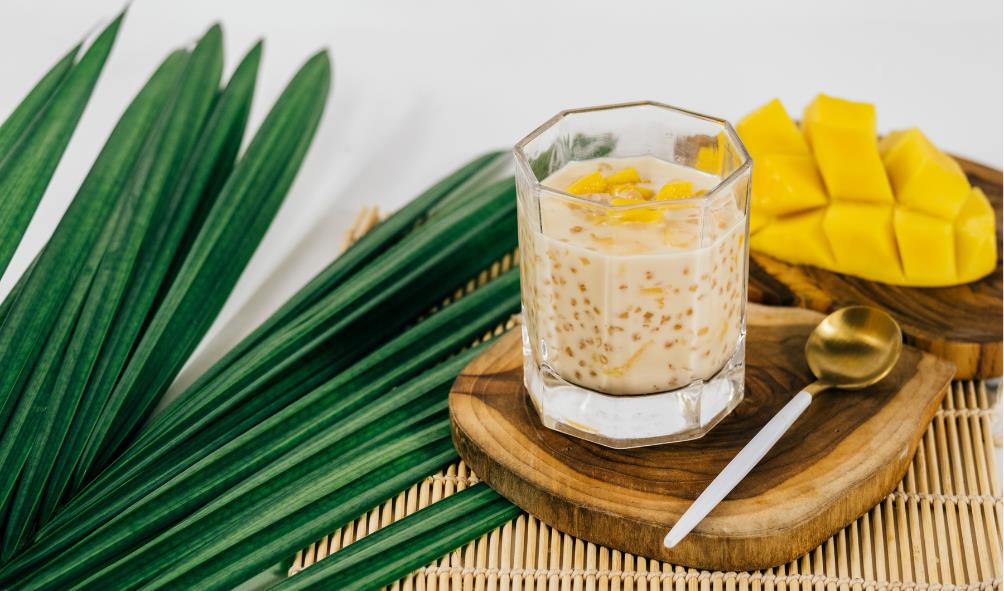
Both ingredients have a knack for absorbing flavors, enhancing the overall taste of the dish.
Whether you're savoring the comforting warmth of a dessert soup or enjoying a refreshing cold drink, the interplay of textures keeps each bite exciting.
Conclusion
In exploring the tropical harvests that shape Filipino cuisine, you’re not just tasting ingredients; you’re experiencing a vibrant culture. Each fruit and vegetable adds its own flair, from the sweetness of mangoes to the zesty kick of calamansi. Embrace the creamy richness of coconut and the heartiness of root vegetables as you cook and savor these flavors. So next time you're in the kitchen, remember these treasures and let them inspire your culinary adventures!
Statistics
- The Philippines ranks as the third-largest producer of papayas in the world, with an annual production of about 157,000 metric tons.
- Rice is a staple in Filipino cuisine, with the country producing over 19 million metric tons annually.
- In 2022, the Philippines produced approximately 2.5 million metric tons of mangoes, making it one of the top producers globally.
- Bananas are the Philippines' top agricultural export, with an annual production exceeding 9 million metric tons.
External Links
- FAO in the Philippines highlights the country's agricultural landscape, including mango production.
- International Rice Research Institute details the role of rice in Filipino agriculture and food security.
- Philippine Star explores the cultural and economic impact of durian in Filipino cuisine.
- Dole Philippines showcases the importance of pineapple as an export product in the country.
How to Cook Filipino Papaya Salad
Filipino papaya salad, also known as "achara," is a tangy side dish made from pickled green papaya. To prepare it, start by peeling and shredding a green papaya. In a bowl, combine the shredded papaya with salt, and let it sit for about an hour to draw out excess moisture. Rinse and drain the papaya. In a separate saucepan, combine vinegar, sugar, garlic, ginger, and onions, and bring to a boil. Pour this pickling mixture over the papaya and mix well. Allow the salad to marinate in the refrigerator for at least a day before serving. This vibrant dish pairs well with grilled meats and fish.
Plan the perfect group trip, your way.
Get an instant personalized itinerary. We handle logistics, payments, and provide a dedicated itinerary, while local experts fine-tune every detail. Enjoy full freedom—without the stress of organizing it all.
https://escapetomexiconow.com/tourhero
Recommended Resources:
Discover where freedom, adventure, and opportunity await you.
https://escapetomexiconow.com/
https://escapetomexiconow.info/
https://escapetopanamanow.info/
https://escapetothephilippinesnow.com/
YouTube Channel:
Your next adventure starts here! Join us on YouTube for destination tours, insider advice, and everything you need to make your escape unforgettable.
https://www.youtube.com/@EscapeToMexicoNow