When you explore traditional cooking methods, you'll find they play a crucial role in preserving the natural flavors of ingredients. Techniques like slow roasting and steaming not only enhance taste but also maintain essential nutrients. Each method has its unique benefits, showcasing the true essence of what you’re cooking. As you consider these approaches, you might wonder which technique best suits your favorite dishes and how they can elevate your culinary experience.
Slow Roasting: Unlocking Depth of Flavor
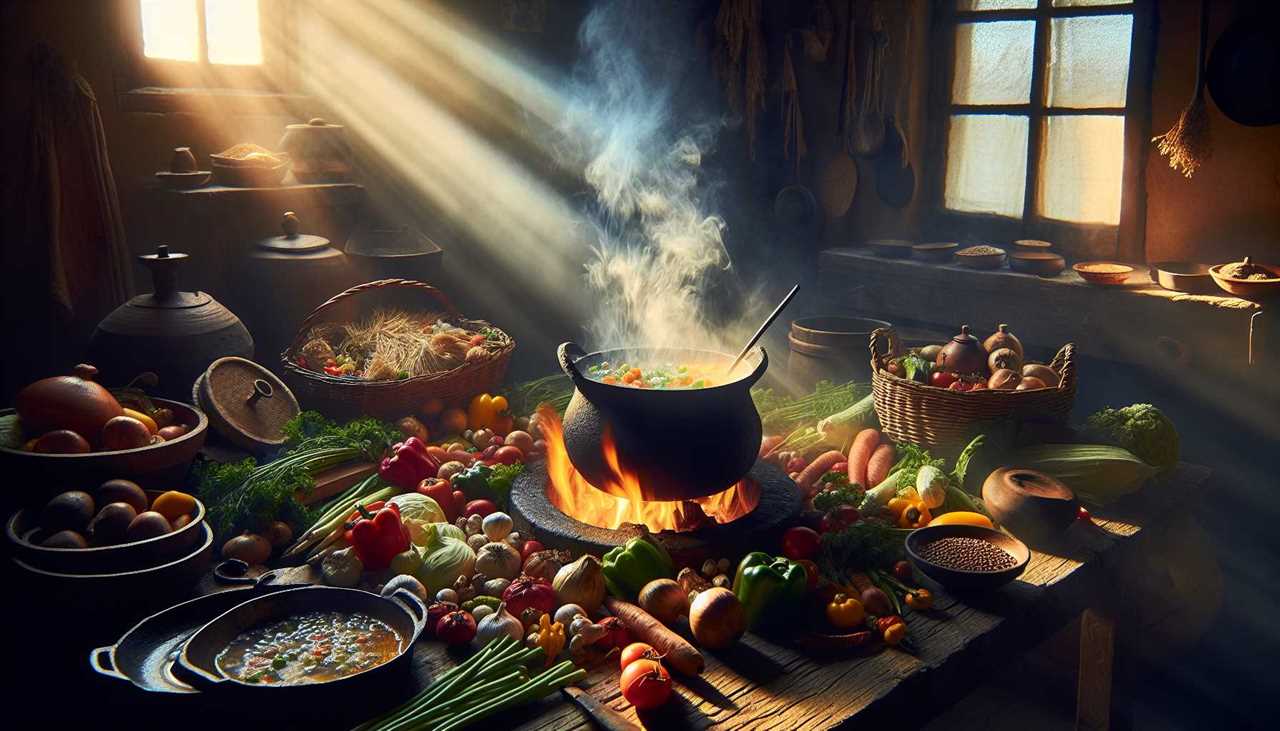
When you slow roast a dish, you're not just cooking; you're coaxing out deep, rich flavors that transform the ingredients. This method allows the natural sugars in meats and vegetables to caramelize slowly, creating a satisfying depth of taste.
You’ll notice that tougher cuts of meat become tender and juicy, while root vegetables develop a sweeter profile. As you set the oven low and let time work its magic, the aromas fill your kitchen, inviting everyone to gather around.
You can experiment by adding herbs and spices, enhancing the flavor even further. Plus, the slow roasting technique makes it easy to prepare large meals without constant attention, letting you enjoy the cooking process and share delicious results with family and friends.
Steaming: Preserving Nutrients and Taste
Steaming stands out as one of the healthiest cooking methods, as it locks in nutrients and enhances the natural flavors of your ingredients.
When you steam vegetables, for instance, they retain their vibrant colors, texture, and essential vitamins, making them a great addition to any meal.
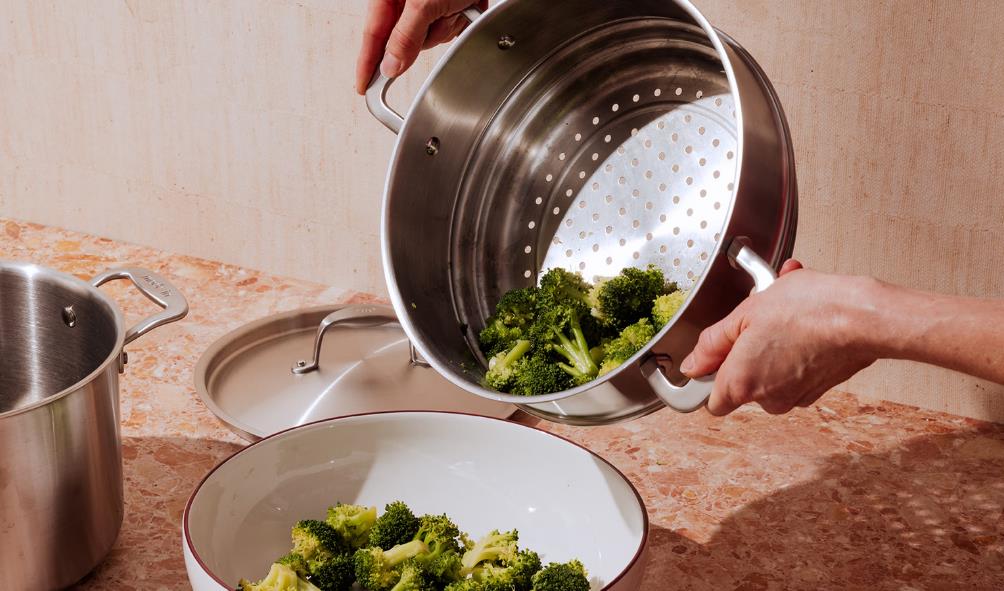
You’ll find that steaming doesn’t require added oils or fats, keeping your dishes lighter and healthier.
This method also works wonders for proteins like fish and chicken, allowing them to stay moist and tender without losing their inherent taste.
Plus, the process is quick, which means you can enjoy delicious, nutrient-packed meals without spending hours in the kitchen.
Braising: The Art of Infusing Richness
Braising embodies the art of infusing richness into meals, transforming humble ingredients into hearty dishes. This technique combines both dry and wet cooking methods, allowing flavors to meld beautifully over time.
Start by searing your meat in a hot pan to create a golden crust, sealing in juices and adding depth. Once browned, add aromatic vegetables and herbs, followed by a flavorful liquid like broth or wine.
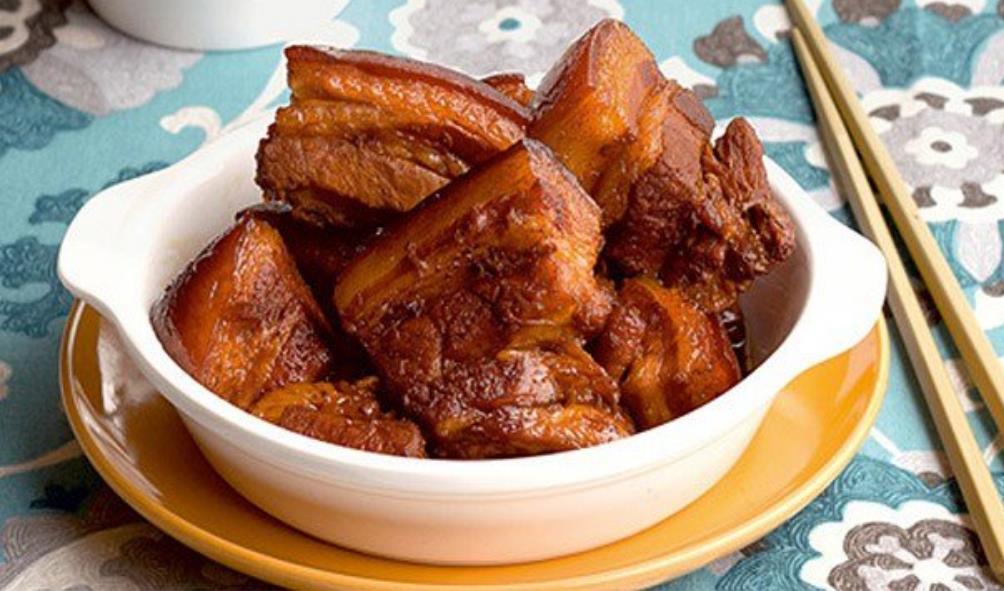
Cover the pot and let it simmer gently, either on the stovetop or in the oven. This slow cooking process breaks down tough fibers, resulting in tender meat that practically melts in your mouth.
The liquid reduces, creating a luscious sauce that enhances the natural flavors, making every bite a delight.
Grilling: Charred Goodness and Natural Juices
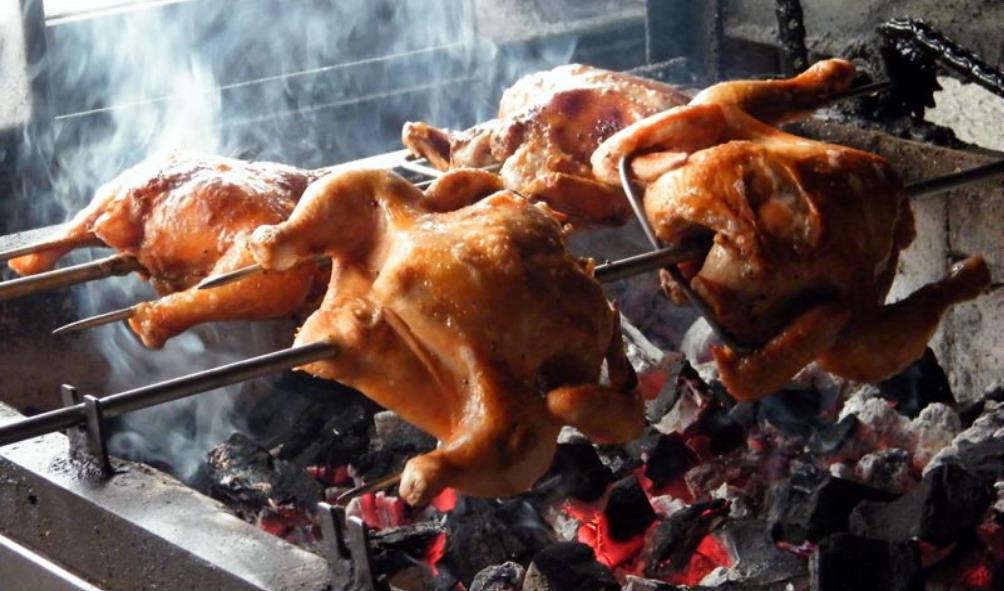
Grilling brings out the natural flavors of ingredients while adding a delicious char that enhances every bite.
When you fire up the grill, you create a unique environment where high heat caramelizes sugars and seals in moisture. Whether it’s meat, vegetables, or seafood, the direct flames impart a smoky flavor that’s hard to replicate.
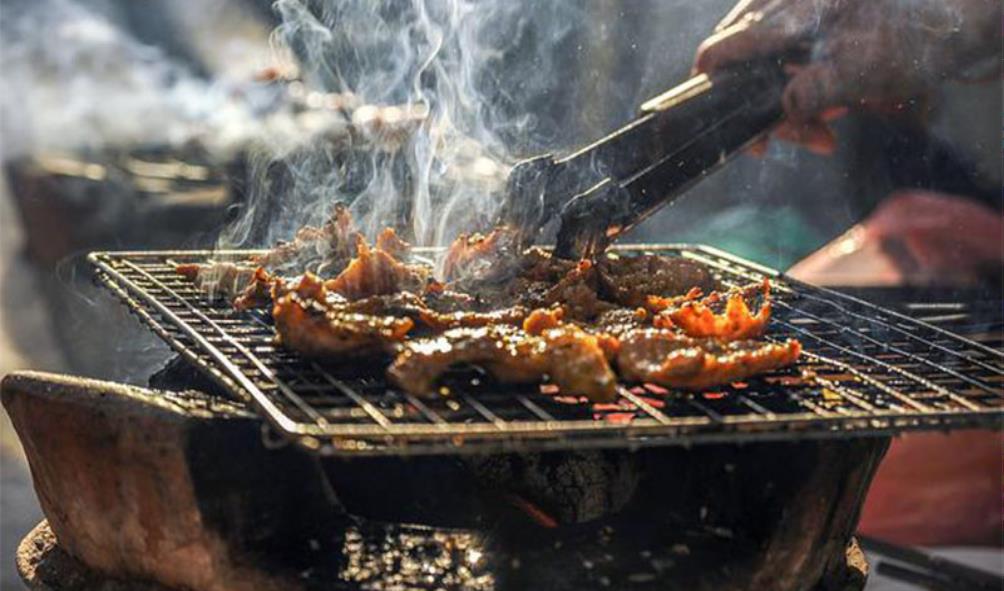
You’ll notice how the grill marks not only look appealing but also contribute to that crispy texture you crave.
Don't forget to marinate or season your ingredients beforehand; it makes a world of difference. As your food cooks, keep an eye on it to prevent over-charring.
The result? Juicy, flavorful dishes that celebrate the essence of each ingredient, making your grilling experience truly unforgettable.
Poaching: Gentle Cooking for Delicate Ingredients
While many cooking methods rely on high heat to transform ingredients, poaching offers a gentle approach that's perfect for delicate foods like fish, eggs, and fruits.
This technique involves simmering your ingredients in a flavorful liquid, allowing them to cook evenly without losing moisture or texture. You’ll want to use just below boiling temperatures, ideally between 160°F and 180°F. This ensures your ingredients remain tender and juicy, preserving their natural flavors.
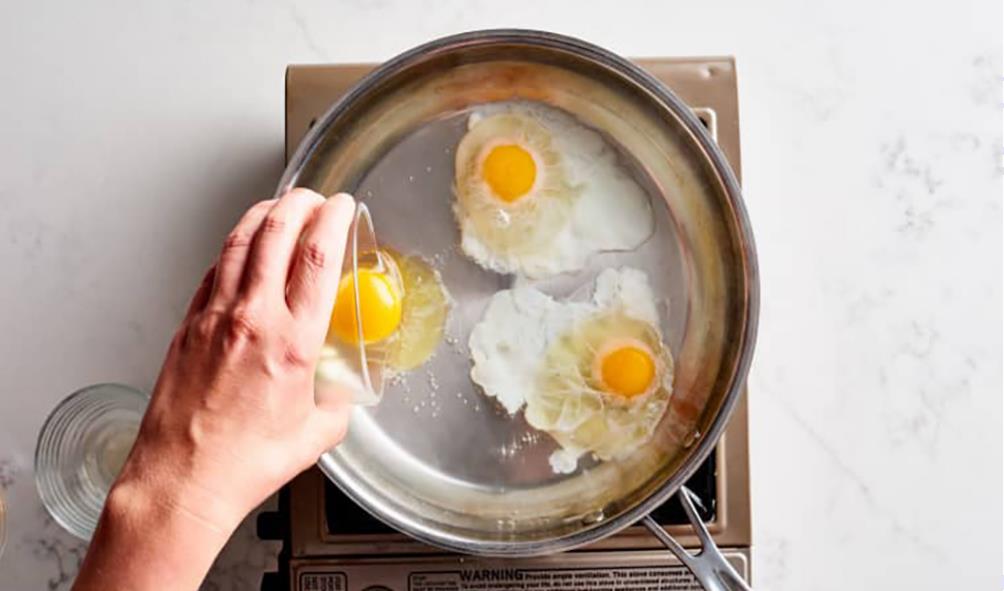
For an added touch, consider poaching in broth, wine, or even herbal infusions to enhance the taste. When done right, poached dishes maintain their vibrant colors and delicate flavors, making them a delightful addition to your culinary repertoire.
Give poaching a try, and you’ll appreciate its subtle elegance!
Sautéing: Quick Cooking for Maximum Flavor
Sautéing brings a burst of flavor to your dishes, especially when you need a quick cooking method that preserves the essence of your ingredients. By using high heat and a small amount of fat, you can quickly cook vegetables, meats, and seafood while locking in their natural flavors.
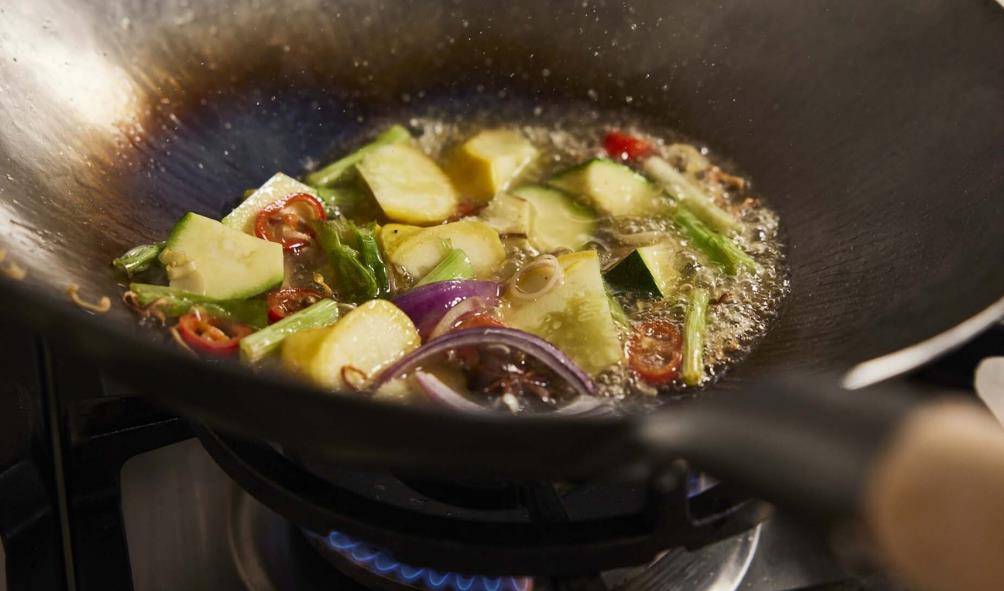
The key is to prep your ingredients beforehand, cutting them into uniform pieces for even cooking. As you heat the oil, add your ingredients in batches to avoid overcrowding the pan, which can lead to steaming instead of sautéing.
Stir occasionally to ensure a lovely caramelization without burning. Experiment with aromatics like garlic or herbs for an extra flavor kick. You’ll enjoy vibrant, delicious meals in no time!
Fermentation: Enhancing Taste Through Time
After mastering quick cooking methods like sautéing, exploring fermentation opens up a whole new world of flavor.
This ancient technique not only preserves food but also enhances its taste, creating complex layers you won't find in fresh ingredients alone. As you ferment, beneficial bacteria transform sugars into acids, producing unique flavors and aromas.
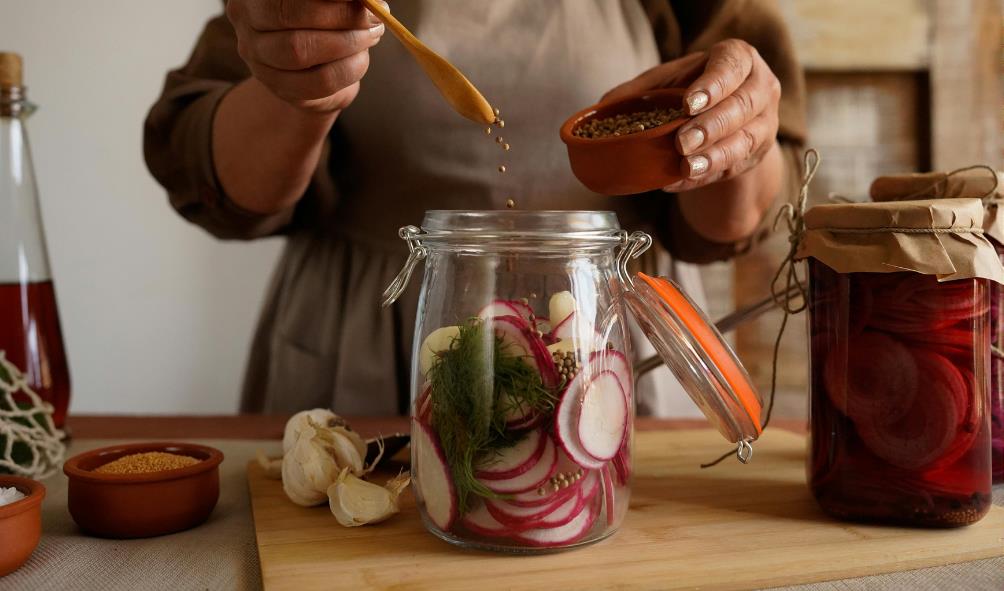
Think of tangy sauerkraut or rich kimchi—each bite offers a delightful burst of savory goodness. Plus, fermentation boosts nutritional value, making your meals healthier.
You don’t need fancy equipment; just a few jars and the right ingredients can kickstart this process.
Baking: Transforming Ingredients With Heat
Baking is a transformative culinary art that turns simple ingredients into delicious creations through the magic of heat. When you mix flour, water, and yeast, you’re not just combining elements; you’re setting the stage for a flavorful process.

As the dough rises and bakes, it develops a unique texture and aroma that’s hard to resist. You’ll find that baking brings out the natural sweetness in fruits and enhances the richness of chocolate.
By controlling temperature and time, you create a perfect crust while maintaining a moist interior. Whether you’re making bread, pastries, or cakes, each recipe tells a story of transformation.
Conclusion
Incorporating traditional cooking methods into your kitchen can truly elevate your meals. By slow roasting, steaming, or poaching, you’ll unlock rich flavors while preserving the nutrients that make your ingredients shine. Each technique brings something unique to the table, enhancing the natural essence of what you’re cooking. So, next time you’re in the kitchen, consider these methods to create delicious, healthy dishes that celebrate the true flavors of your food. Happy cooking!
Statistics
- Roasting vegetables can increase their sweetness by up to 25%, as the heat caramelizes the natural sugars present in the food.
- Fermentation not only preserves food but also enhances its natural flavors, with a 20% increase in umami taste, making it a popular method for flavor preservation.
- Grilling over an open flame can enhance the natural taste of foods, with a reported 30% increase in flavor intensity due to the Maillard reaction.
- Using clay pots for cooking can improve flavor retention by 15% due to their ability to circulate moisture and heat evenly.
External Links
- BBC Good Food explains the benefits of steaming, a cooking method that preserves the natural flavors and nutrients of food.
- The Spruce Eats explains slow cooking and its benefits for maintaining the natural taste of ingredients.
- Bon Appétit offers tips on roasting vegetables, highlighting how this method enhances their natural sweetness.
- MasterClass offers insights into clay pot cooking, a traditional method that enhances flavor retention through even heat distribution.
How to Grill for Enhanced Natural Flavors
Grilling is a popular method that enhances the natural flavors of food through the Maillard reaction, which occurs when food is seared over high heat. To grill effectively, preheat your grill to a high temperature. Season your food with salt, pepper, and your choice of herbs or marinades. Place the food directly on the grill grates, allowing it to sear and develop a flavorful crust. Turn the food once to cook evenly on both sides. Grilling imparts a smoky flavor that complements the natural taste of meats, vegetables, and even fruits, making it a versatile cooking method.
Want to travel with more time and freedom?
The freedom to travel! Discover free & unique homestays around the world, in exchange for caring for adorable pets.
https://escapetomexiconow.com/ths
Recommended Resources:
Adventure is calling — are you ready to answer? Discover new places, new lifestyles, and new possibilities in Mexico, Panama, or the Philippines.
https://escapetomexiconow.com/
https://escapetomexiconow.info/
https://escapetopanamanow.info/
https://escapetothephilippinesnow.com/
YouTube Channel:
Your next adventure starts here! Join us on YouTube for destination tours, insider advice, and everything you need to make your escape unforgettable.
https://www.youtube.com/@EscapeToMexicoNow