Rice isn't just a food in the Philippines; it's part of daily life and cultural identity. You’ll find it at every meal, symbolizing unity among families and friends. But beyond its role at the table, rice offers vital nutrients that contribute to a healthy diet. As you explore its significance, you might wonder how different regions in the Philippines celebrate and utilize this staple in their unique ways.
Historical Significance of Rice in Filipino Culture
Rice holds a central place in Filipino culture, shaping traditions and daily life for centuries. You’ll find that rice isn’t just a staple food; it’s woven into the very fabric of Filipino identity.
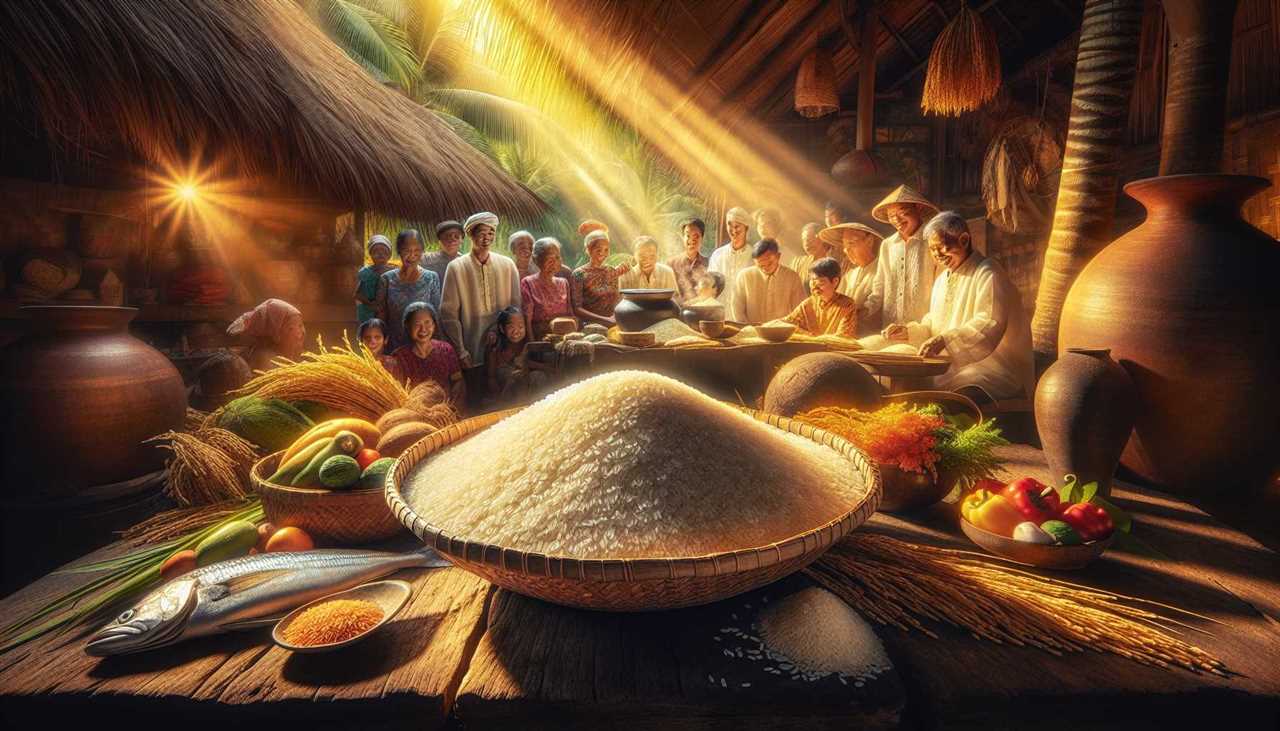
From the intricate rituals during planting and harvesting to the vibrant festivals celebrating rice, its significance is profound. Families often gather for meals where rice serves as the foundation, symbolizing unity and sustenance.
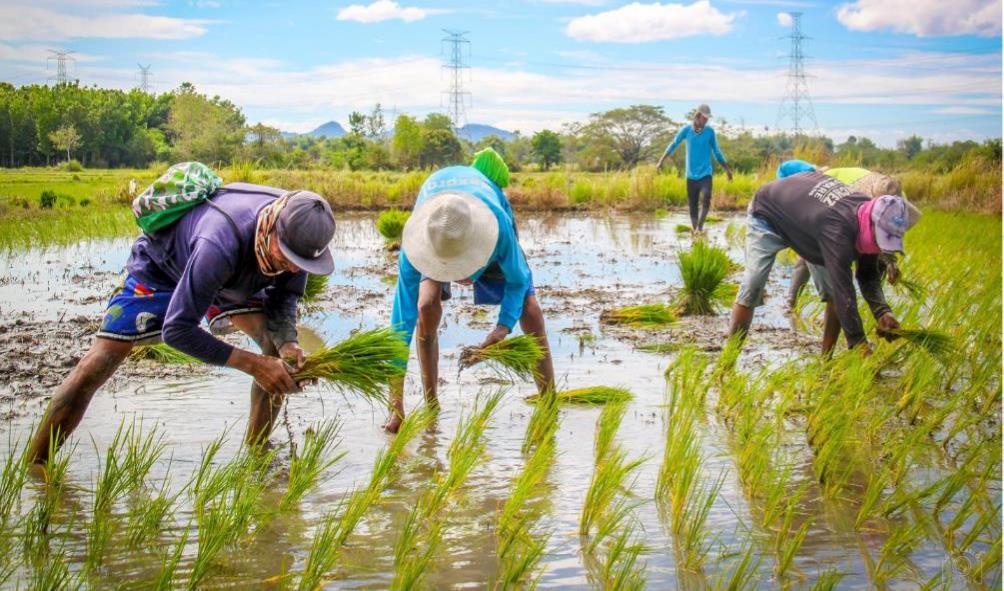
You might also notice that rice is a key element in various cultural practices, such as weddings and religious ceremonies. Historical accounts reveal that rice cultivation has been vital for economic stability, enabling communities to thrive.
In short, rice embodies the resilience and communal spirit of the Filipino people, reflecting their rich heritage.
Nutritional Benefits of Rice
While many people enjoy rice as a beloved staple, its nutritional benefits make it a valuable addition to any diet.
Rice is a great source of carbohydrates, providing you with the energy you need for daily activities. It’s low in fat and cholesterol-free, making it heart-healthy.
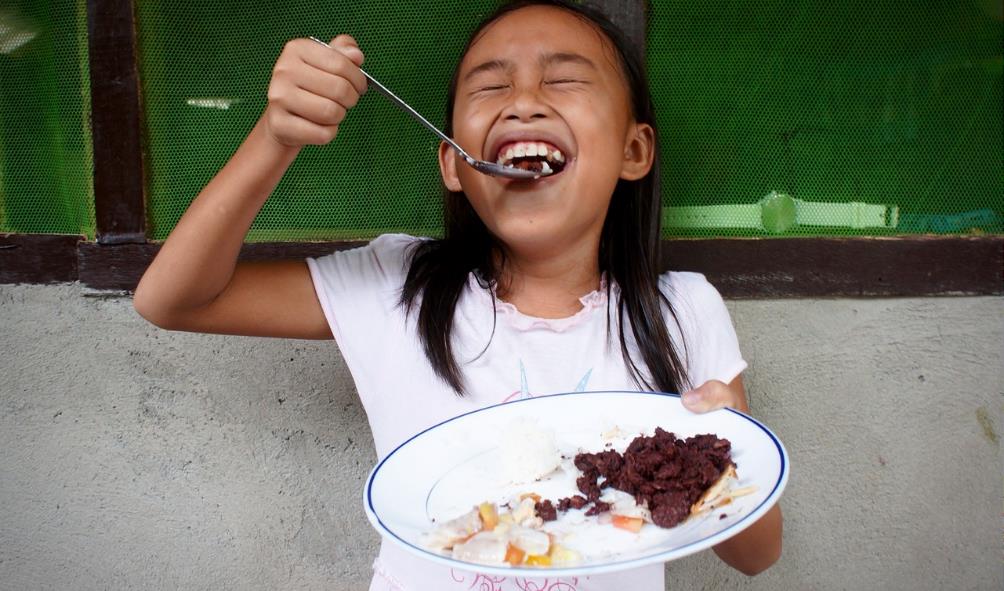
Additionally, rice contains essential vitamins and minerals, like B vitamins, which aid in metabolism and promote overall health.
Brown rice, in particular, offers more fiber, helping with digestion and keeping you full longer.
Incorporating rice into your meals can also support a balanced diet when paired with proteins and vegetables.
Types of Rice Commonly Consumed in the Philippines
When exploring the culinary landscape of the Philippines, you'll find a rich variety of rice types that cater to different tastes and preparations.
Jasmine rice is a popular choice, known for its fragrant aroma and fluffy texture, perfect for pairing with savory dishes.
Then there's glutinous rice, often used in sweet desserts like suman and puto, which provides a chewy consistency that many love.
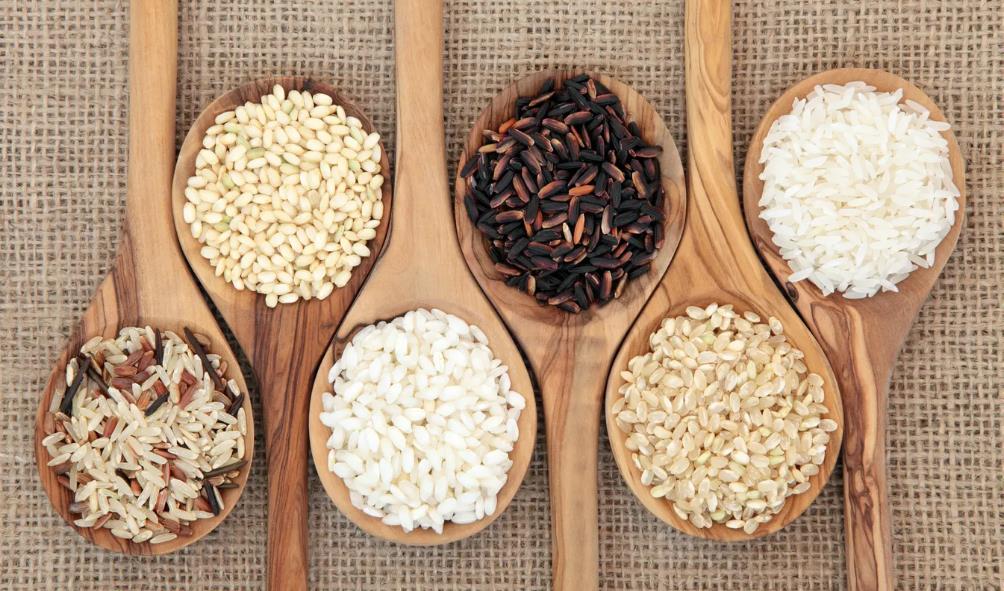
Long-grain rice is also common, offering versatility for everyday meals.
Meanwhile, brown rice, packed with nutrients, has gained popularity among health-conscious consumers.
Lastly, you can't forget about local rice varieties like Sinandomeng and Dinorado, which bring unique flavors and textures to the table, showcasing the rich agricultural heritage of the Philippines.
Traditional Cooking Methods for Rice
In Filipino kitchens, traditional cooking methods for rice play a vital role in preserving cultural heritage and enhancing flavors. One popular method is steaming rice in a bamboo steamer, allowing the grains to absorb moisture evenly.
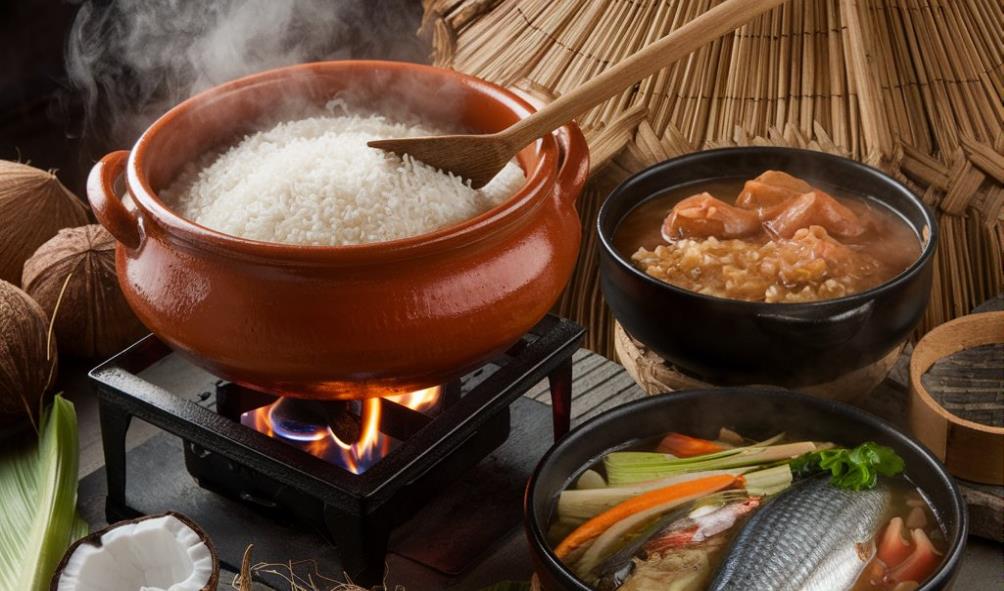
You might also find the use of clay pots, which give rice a unique, slightly smoky taste. Another technique involves cooking rice over an open flame, where you can enjoy the aroma of toasted grains.
For added flavor, many Filipinos mix in coconut milk or spices during cooking, elevating the dish. Whether you’re using a simple pot or a more intricate method, these techniques not only produce delicious rice but also connect you to the rich traditions of Filipino cooking.
Rice in Filipino Celebrations and Festivals
Rice is more than just a staple food in Filipino culture; it’s a central element in many celebrations and festivals.
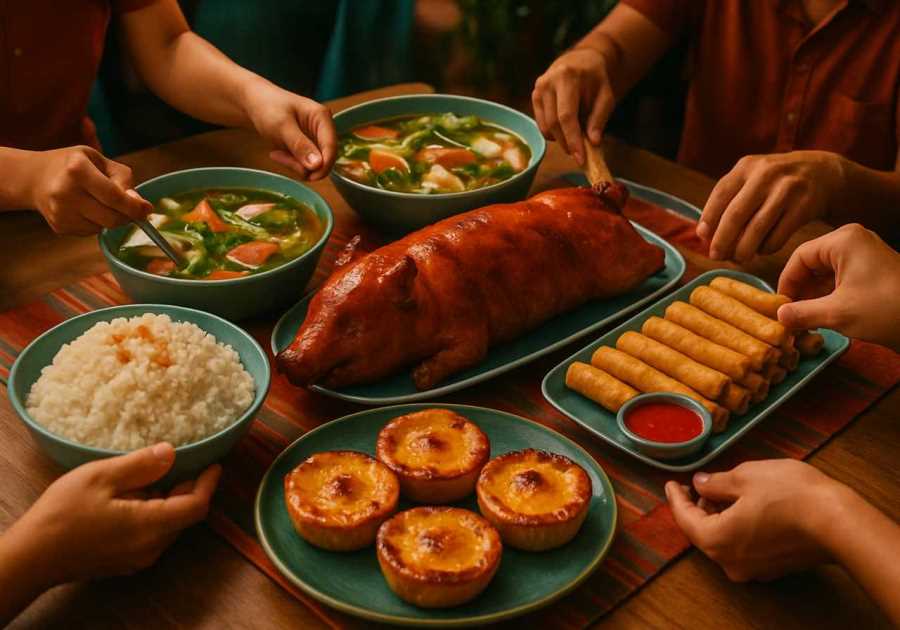
During important occasions like weddings, birthdays, and fiestas, you’ll often find rice served in various forms, symbolizing prosperity and abundance. Dishes like "arroz caldo" or "paella" not only highlight rice but also bring families together.
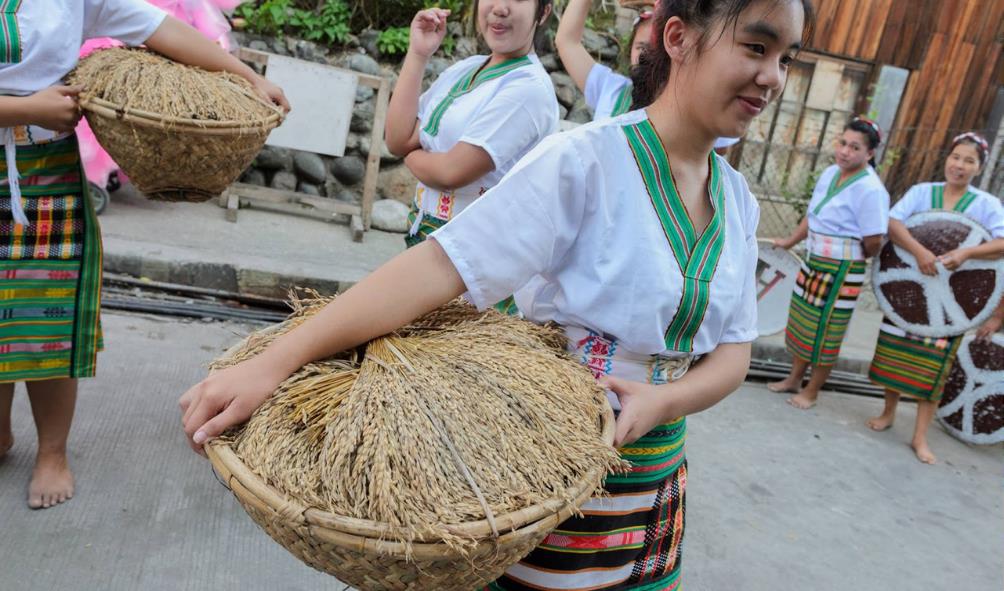
Festivals like the "Pahiyas" in Quezon celebrate rice's significance, showcasing colorful rice decorations and showcasing the community's gratitude for a bountiful harvest.
As you participate in these events, you’ll notice that rice isn’t just food; it’s a unifying force that strengthens bonds and fosters a sense of belonging among Filipinos.
Embracing rice in these celebrations enriches your experience and connection to Filipino culture.
Rice Varieties and Regional Differences
Celebrations that showcase rice's role in Filipino life also highlight the diverse varieties cultivated across the archipelago. You’ll find that each region boasts its unique types, influenced by local climate and traditions.
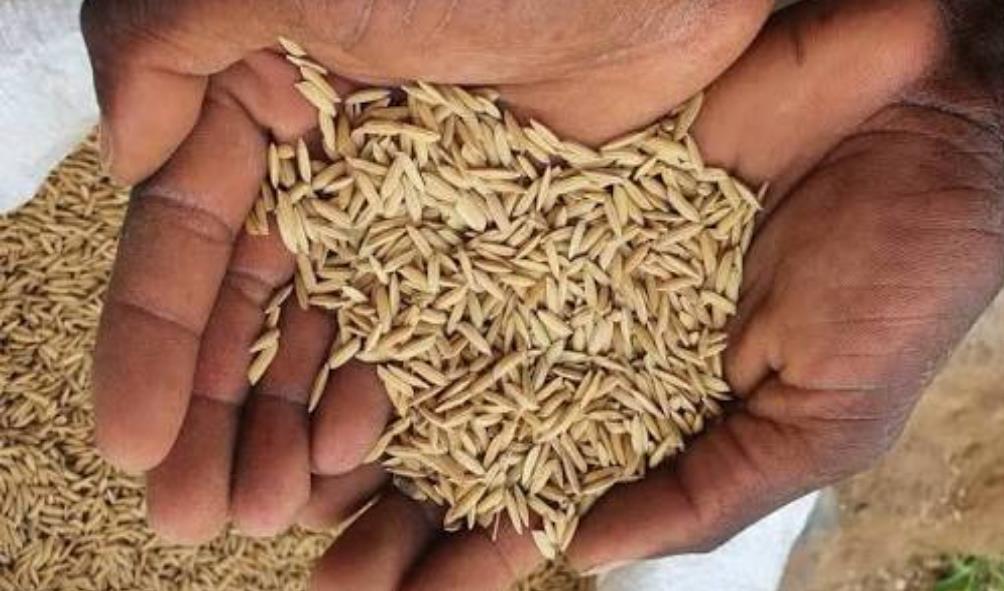
In the north, for instance, you might encounter the aromatic "Jasmine" rice, prized for its fragrance. Meanwhile, the central regions cultivate "Malagkit" or sticky rice, essential for many traditional delicacies. Down south, the "Dinorado" variety stands out, known for its soft texture and sweet flavor.
Each variety serves not just as food but also as a reflection of the local culture and agricultural practices. By appreciating these differences, you deepen your understanding of how rice shapes regional identities and culinary experiences in the Philippines.
The Cultural Symbolism of Rice
Many Filipinos recognize rice as more than just a staple food; it symbolizes life, prosperity, and community.
When you gather with family and friends, rice often takes center stage, connecting you through shared meals and traditions. It represents sustenance and abundance, reminding you of the hard work and dedication that goes into farming.
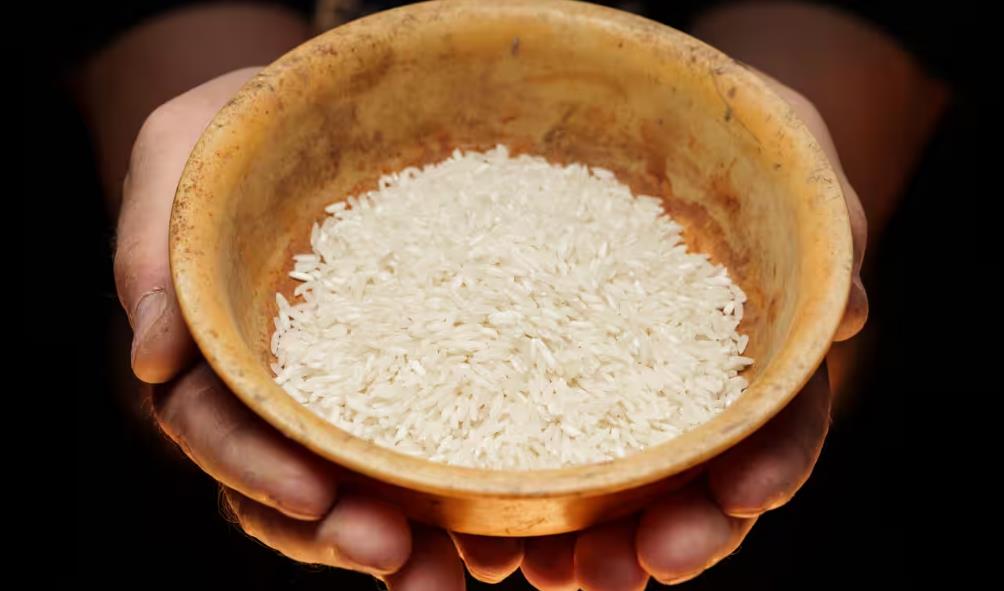
In rituals and celebrations, rice plays a significant role, whether in weddings or harvest festivals, emphasizing unity and gratitude. You might notice it featured in various forms, from steamed rice to rice cakes, each with its own cultural significance.
Ultimately, rice embodies not only nourishment but also the spirit of Filipino identity, weaving together stories of resilience and hope within every grain.
Modern Trends and Innovations in Rice Consumption
How has the way you consume rice changed in recent years? You might notice a shift toward healthier options, like brown rice and quinoa blends.
With an increasing focus on nutrition, many are opting for whole grains, rich in fiber and nutrients. You'll also find instant rice products that save time while still offering convenience.
Innovative recipes are popping up, combining rice with diverse ingredients, expanding flavors and textures in your meals.
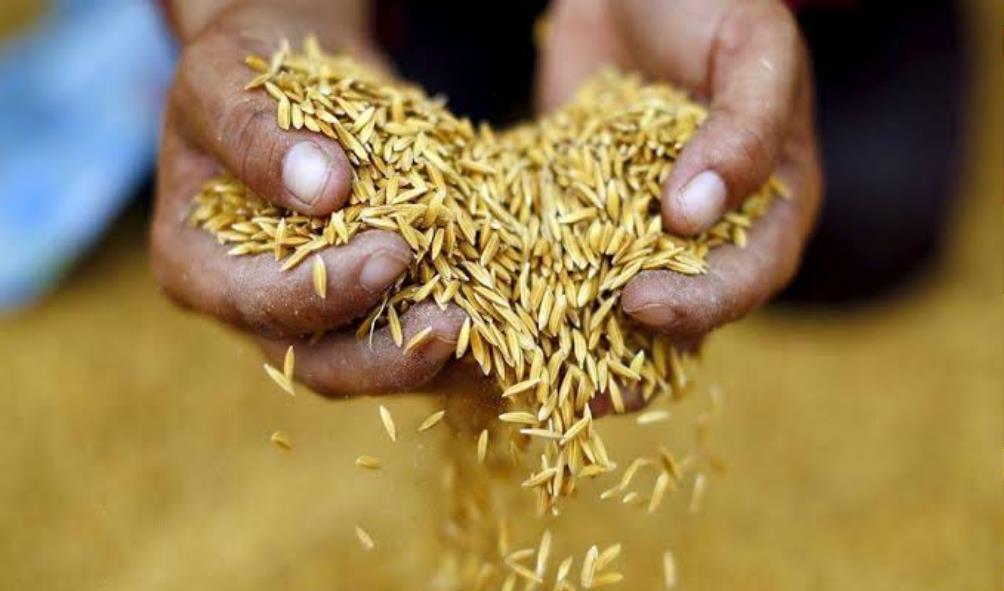
Meal prepping with rice dishes has become popular, making it easier to maintain a balanced diet throughout the week.
Don't forget about rice alternatives, like cauliflower rice, gaining traction for low-carb diets.
These trends reflect your evolving preferences and the importance of rice in modern Filipino cuisine.
Conclusion
In conclusion, rice isn't just a staple in your diet; it’s a vital part of your culture and identity as a Filipino. Its nutritional benefits support your health, while its presence at family meals and celebrations strengthens bonds and traditions. As you explore the various types and cooking methods, you'll appreciate the rich history and symbolism rice carries. Embracing modern trends in rice consumption can further enhance your culinary experiences, keeping this beloved grain at the heart of your life.
Statistics
- Approximately 80% of Filipino farmers are engaged in rice farming, highlighting its significance in the country's agricultural sector.
- The Philippines is one of the world's largest importers of rice, importing around 2.5 million metric tons annually to meet domestic demand.
- Rice farming occupies about 4.7 million hectares of land in the Philippines, which is roughly 30% of the country's total agricultural land.
- Rice is a staple food in the Philippines, with the average Filipino consuming around 120 kilograms of rice per year.
External Links
- Food and Agriculture Organization of the United Nations - Rice Factsheets: This resource offers comprehensive information on rice's global significance, including its role in Filipino nutrition and agriculture.
- Philippine Rice Research Institute (PhilRice): PhilRice is dedicated to developing high-yielding and cost-reducing technologies for Filipino rice farmers.
- World Bank - Philippines Rice Tariffication Act: This article discusses the impact of rice tariffication on the Filipino economy and food security.
- Rappler - The State of the Philippine Rice Industry: Rappler explores the current challenges and developments in the rice industry in the Philippines.
How to Incorporate Rice into a Balanced Filipino Diet
Incorporating rice into a balanced Filipino diet involves pairing it with a variety of nutrient-rich foods. Start by serving rice with vegetables like kangkong (water spinach) or ampalaya (bitter melon) to add fiber and vitamins. Include protein sources such as fish, chicken, or tofu to create a well-rounded meal. Consider using brown rice or mixing it with white rice for added nutrients and fiber. Mind portion sizes to maintain a balanced calorie intake, especially if rice is a constant in every meal. By diversifying the accompaniments and being mindful of portions, rice can be a healthy part of the Filipino diet.
Want to travel with more time and freedom?
The freedom to travel! Discover free & unique homestays around the world, in exchange for caring for adorable pets.
https://escapetomexiconow.com/ths
Recommended Resources:
Ready to explore life beyond borders? Check out our trusted guides to Mexico, Panama, and the Philippines — your gateways to new adventures, culture, and opportunity.
https://escapetomexiconow.com/
https://escapetomexiconow.info/
https://escapetopanamanow.info/
https://escapetothephilippinesnow.com/
YouTube Channel:
See Mexico like never before! From local culture to travel hacks, our YouTube channel brings the adventure straight to you.
https://www.youtube.com/@EscapeToMexicoNow