When you think about Filipino home cooking, the first thing that comes to mind is the vibrant array of native ingredients that shape each dish. From the essential rice that forms the backbone of every meal to the fresh seafood caught from the surrounding waters, each component plays a crucial role. But there's so much more to explore, including the local vegetables and unique spices that elevate these flavors. What other elements contribute to this rich culinary tapestry?
Rice: The Staple of Filipino Meals
Rice is the heart of Filipino meals, serving as a foundation for countless dishes. You’ll find it at every gathering, from daily family dinners to festive celebrations.
This staple isn’t just a side; it’s a key player in many traditional recipes. Whether you’re savoring a comforting bowl of sinigang or enjoying adobo, rice perfectly absorbs the flavors, enhancing each bite.
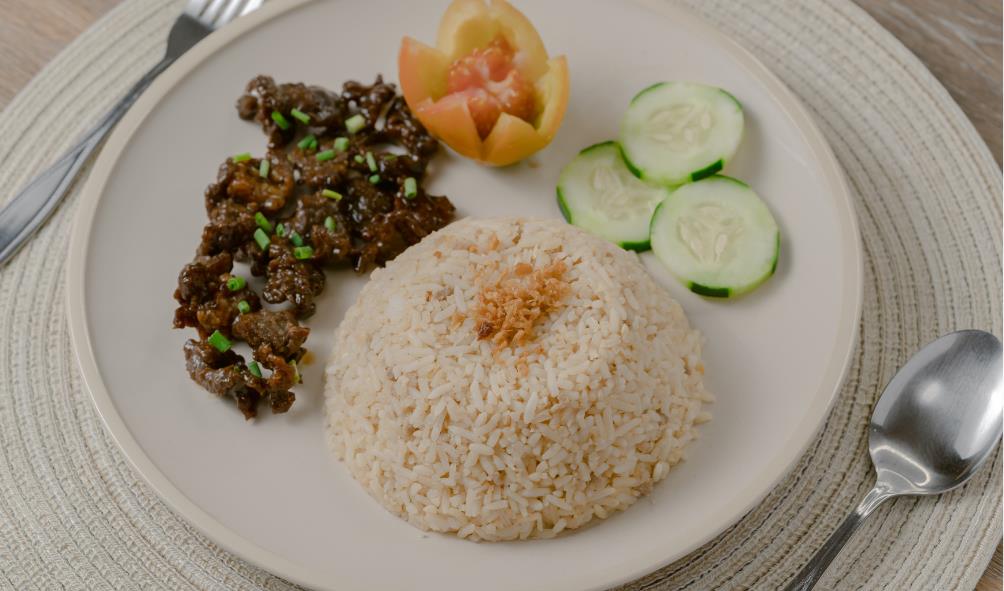
The variety of rice available, like jasmine or sticky rice, adds unique textures and tastes to your meals. You might even enjoy it in desserts, such as suman or biko.
Cooking rice to perfection can be an art, but mastering it will elevate your Filipino dishes. So, let rice be your canvas in the vibrant world of Filipino cuisine!
Seafood: Bounty From the Surrounding Waters
The flavors of the sea play a significant role in Filipino cuisine, complementing the heartiness of rice perfectly. Fresh seafood, whether it’s succulent shrimp, tender squid, or flaky fish, brings a vibrant taste to your dishes.
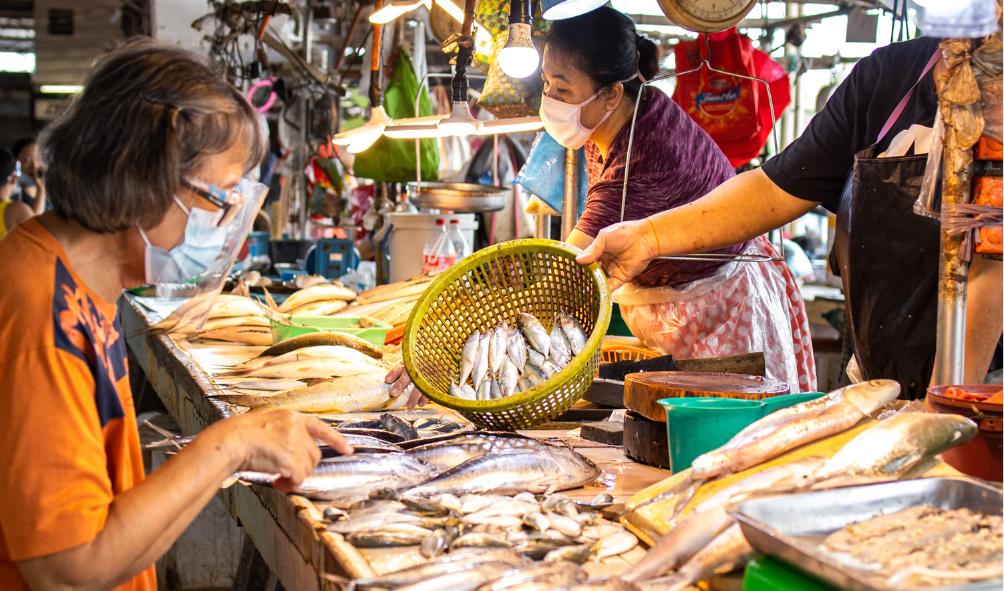
You’ll often find these ingredients in staples like sinigang, where their natural brininess enhances the broth’s tanginess. Grilled seafood, marinated in local spices, adds a smoky flavor that’s hard to resist.
You can also savor seafood in dishes like adobo, which showcases the harmony of sweet, salty, and sour notes. With a rich variety of coastal catches available, you’ll never run out of ways to incorporate these ocean treasures into your meals, making your Filipino dining experience truly special.
Tropical Fruits: Nature’s Sweet Delights
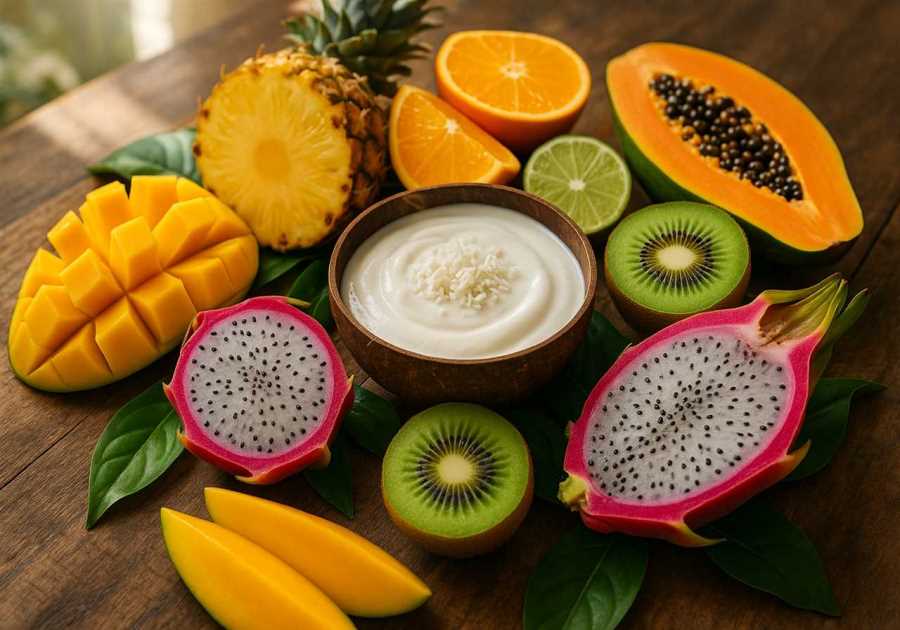
What could be more refreshing than a plate filled with tropical fruits on a hot day? In the Philippines, fruits like mangoes, pineapples, and bananas aren't just snacks; they’re nature’s sweet delights.
You can enjoy the juicy sweetness of a ripe mango, its golden flesh perfectly complementing your summer vibes. Pineapples bring a zesty twist, adding a burst of flavor to any dish.
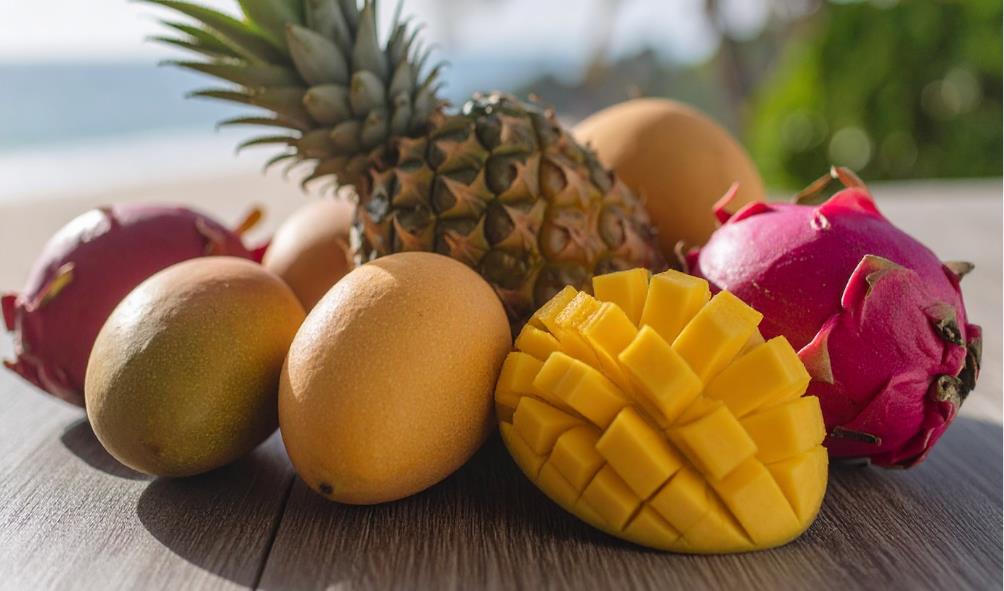
Bananas, versatile and energy-boosting, are perfect for breakfast or a quick snack. You might even stumble upon lesser-known fruits like langka (jackfruit) or chico (sapodilla), each offering unique tastes and textures.
Incorporating these tropical treasures into your meals not only elevates your dishes but also brings a taste of the Philippines' vibrant natural bounty to your kitchen.
Vegetables: A Palette of Local Produce
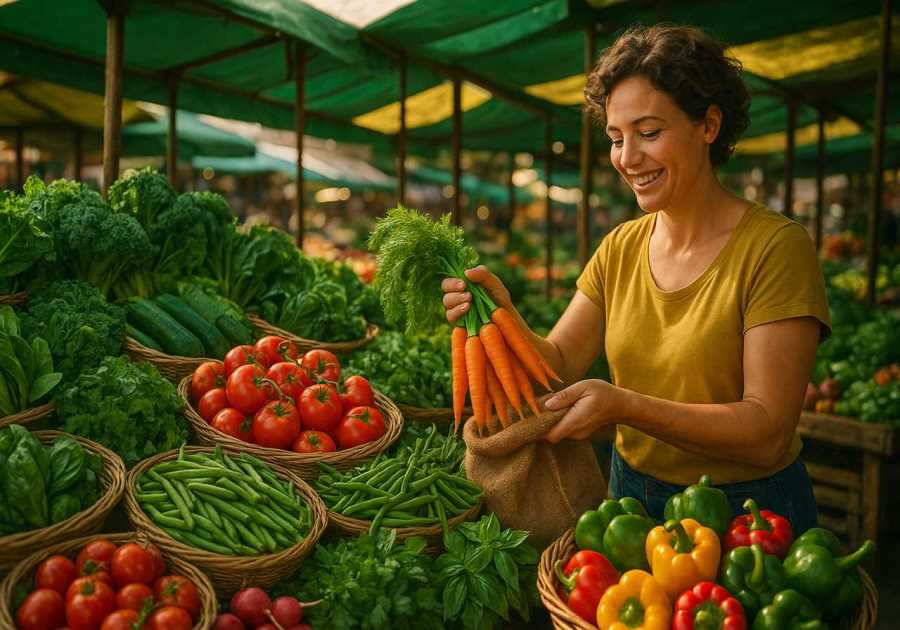
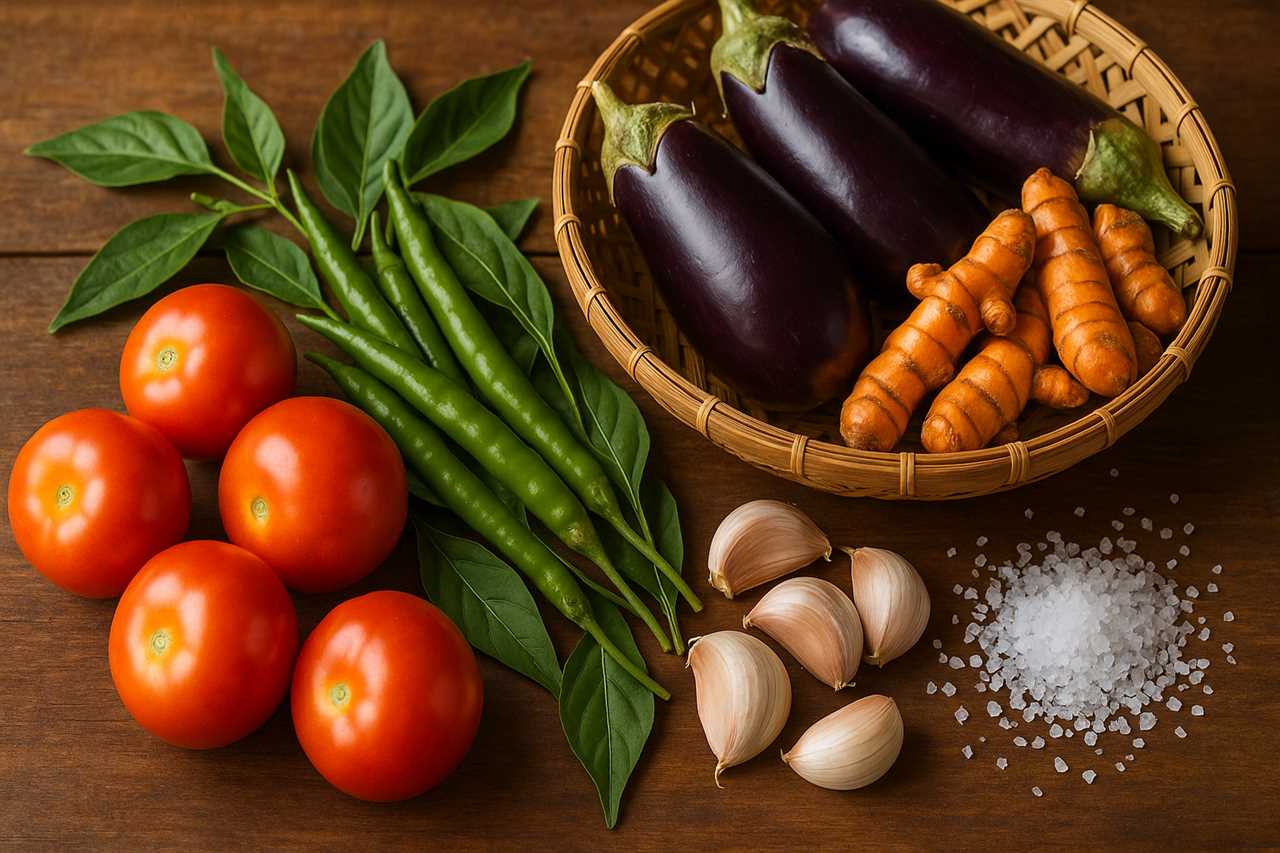
While exploring Filipino home cooking, you'll quickly discover that vegetables play a crucial role in creating vibrant and nutritious dishes. From the crunchy green beans to the tender eggplants, each local produce brings its unique flavor and texture.
You’ll often find ingredients like sitaw (string beans), ampalaya (bitter melon), and kangkong (water spinach) in various recipes, showcasing the country’s rich agricultural bounty.
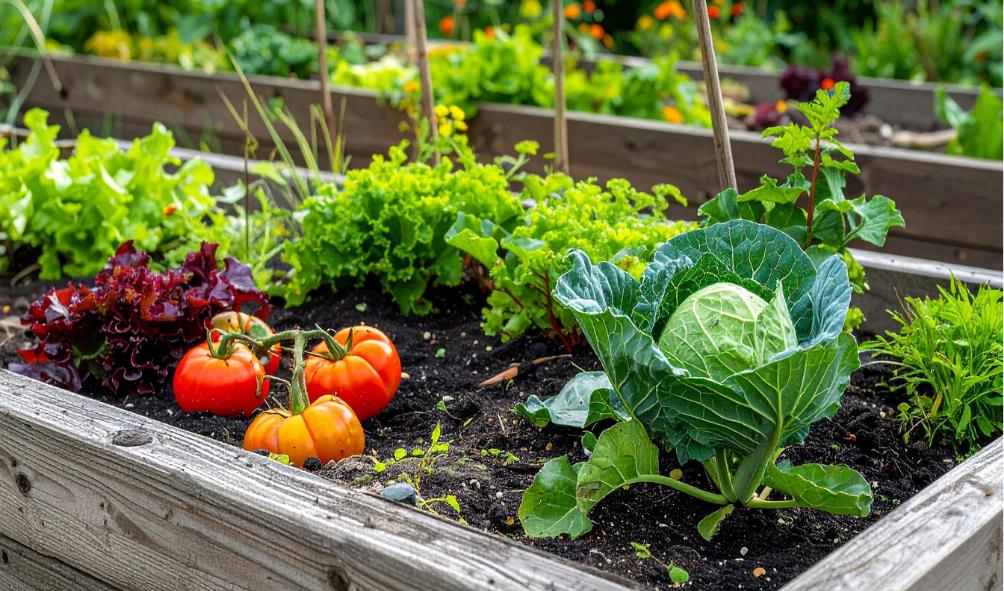
These vegetables not only enhance the dishes’ visual appeal but also provide essential nutrients. You might enjoy pinakbet, a mixed vegetable stew that highlights the natural sweetness of squash and the slight bitterness of ampalaya.
Incorporating these local vegetables into your meals will deepen your appreciation for the diverse culinary landscape of the Philippines.
Herbs and Spices: Flavor Enhancers
In Filipino cuisine, herbs and spices elevate dishes, transforming simple ingredients into flavorful masterpieces. You’ll find staples like garlic, onion, and ginger at the heart of many recipes, providing a savory base that enhances every bite.
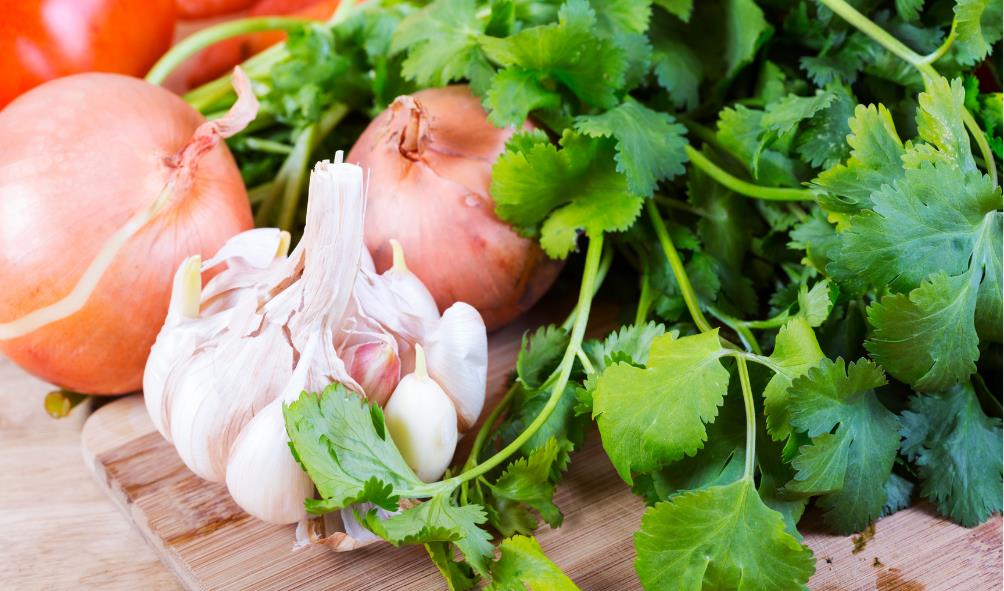
Cilantro and green onions add freshness, while bay leaves infuse a subtle depth of flavor, creating a comforting aroma. Don’t forget about the heat! Chili peppers bring that perfect kick, whether you prefer it mild or fiery.
For a unique twist, try using lemongrass or calamansi, which add bright, zesty notes that awaken your palate.
Coconut: The Versatile Ingredient
Coconut serves as a cornerstone in Filipino cooking, bringing both richness and versatility to a wide array of dishes. You can enjoy coconut in various forms—whether it’s fresh, grated, or as creamy coconut milk. It adds a unique sweetness and depth to recipes, making it perfect for desserts like bibingka and puto.
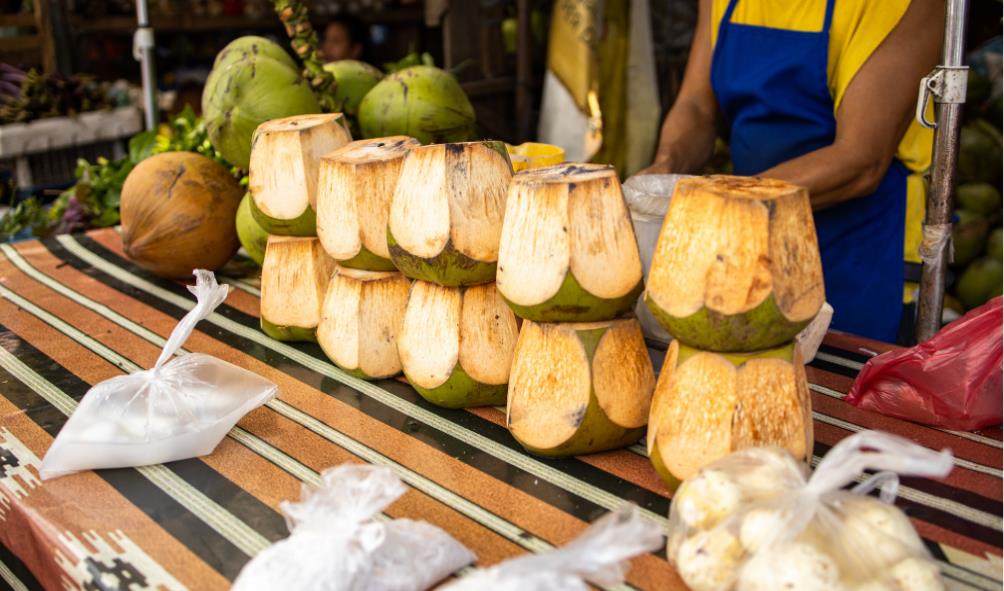
When you cook savory dishes, coconut enhances flavors, balancing spices in stews like ginataang gulay. You’ll also find coconut oil being used for frying, imparting a subtle aroma that complements many meals.
Don't forget about coconut water, a refreshing drink that hydrates and invigorates. With its multifaceted uses, coconut truly embodies the essence of Filipino cuisine, making it an indispensable ingredient in your kitchen.
Meat: A Tradition of Protein
Filipino cuisine thrives on a variety of proteins, with meat playing a central role in creating hearty, flavorful dishes. From tender pork adobo to succulent beef sinigang, each dish showcases the rich flavors that meat brings to the table.
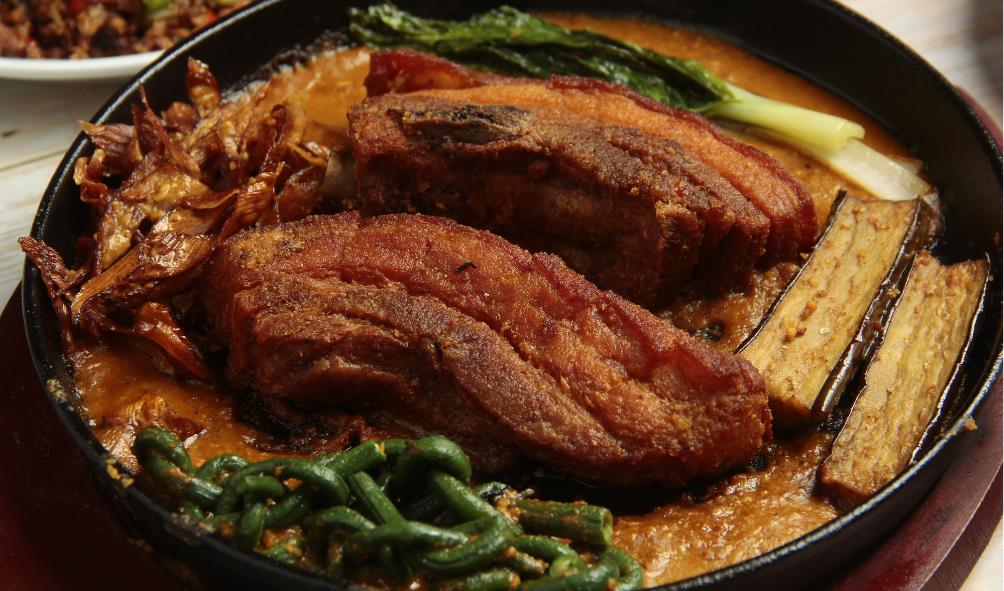
You’ll often find chicken, fish, and even exotic meats like goat or carabao featured prominently in traditional recipes. Cooking methods, such as grilling, stewing, or frying, enhance the natural tastes of the meat while allowing you to experiment with different textures.
Whether it’s a family gathering or a simple weeknight meal, these meat-based dishes create a sense of comfort and nostalgia. Embracing the diverse meats of Filipino cuisine is about celebrating tradition, flavor, and the joy of sharing meals with loved ones.
Native Condiments: Adding Depth to Dishes
While exploring the vibrant world of Filipino cuisine, you’ll quickly discover that native condiments play a crucial role in elevating flavors and adding depth to dishes.
From the tangy kick of vinegar in adobo to the umami richness of patis (fish sauce), these ingredients transform simple meals into culinary experiences. You’ll find that bagoong (fermented shrimp paste) enhances savory dishes, while calamansi juice adds a refreshing zest.
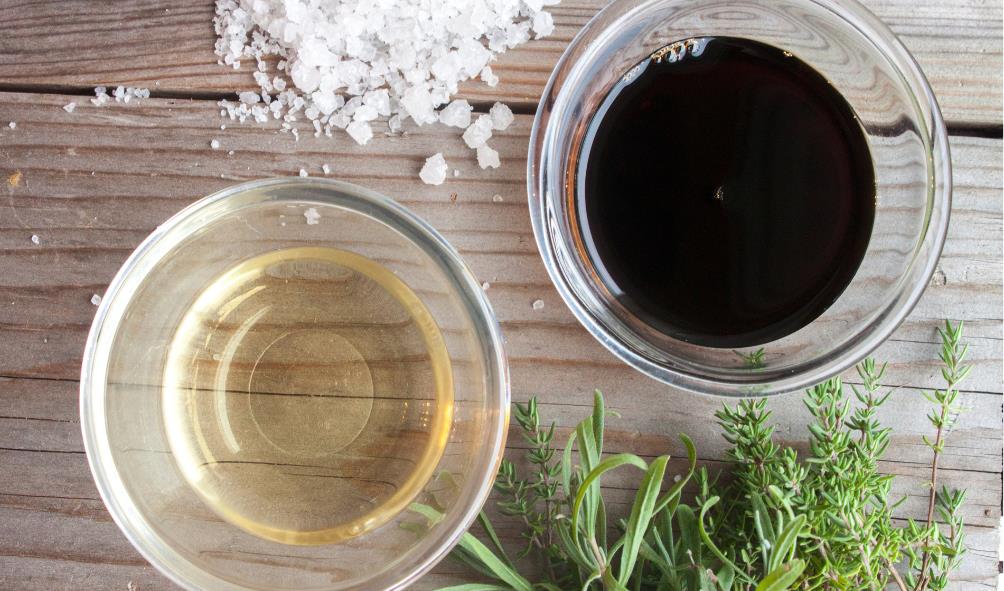
Don’t forget about spicy variants like siling labuyo (bird’s eye chili) for that extra heat! Each condiment carries a unique story and tradition, connecting you to the heart of Filipino culture.
As you cook, experimenting with these flavors will help you create authentic dishes that celebrate the essence of home cooking.
Grains and Legumes: Nutritional Powerhouses
When you dive into the heart of Filipino home cooking, grains and legumes emerge as essential components that not only provide sustenance but also pack a nutritional punch.
Rice, the staple of every meal, offers energy and essential carbohydrates. Pair it with legumes like mung beans and chickpeas, and you’ll get a boost of protein and fiber, keeping you full and satisfied.
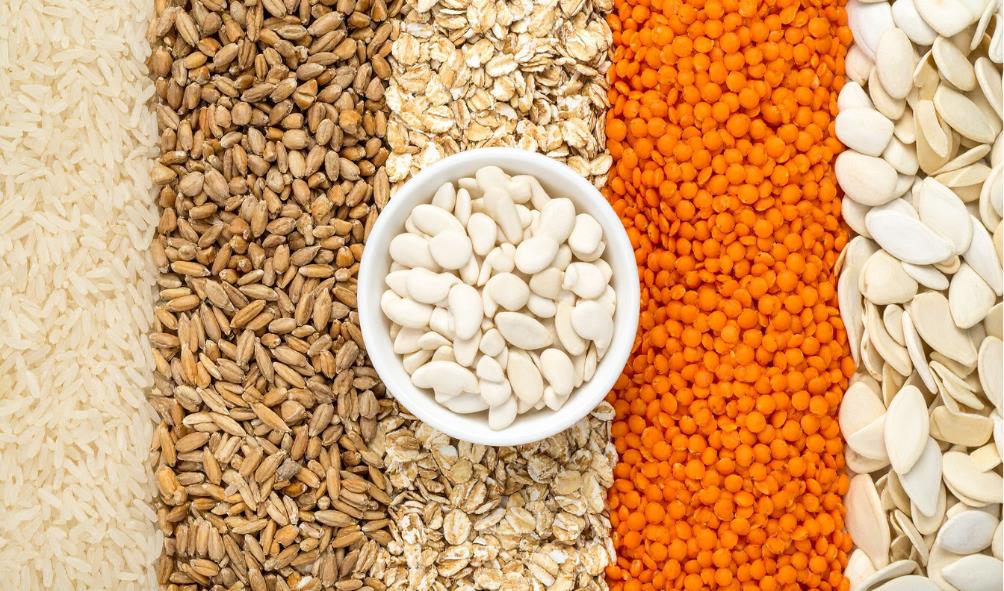
These ingredients are versatile too—whether in hearty stews or simple side dishes, they adapt beautifully. You’ll also find that grains like corn and millet add unique flavors and textures to your meals.
Incorporating these powerhouses into your cooking not only enhances your dishes but also supports a balanced, nourishing diet, making every meal a celebration of health.
Conclusion
In summary, Filipino home cooking showcases a vibrant tapestry of native ingredients that bring each dish to life. From the staple rice that anchors meals to the fresh seafood and tropical fruits that add unique flavors, every component plays a vital role. With an array of vegetables, herbs, and spices enhancing the experience, you can truly appreciate the depth and richness of Filipino cuisine. Embrace these ingredients, and you'll discover the heart of the Philippines in your cooking.
Statistics
- Fish sauce, known as patis, is a common seasoning in 85% of Filipino kitchens, adding depth and umami to a variety of dishes.
- Rice is a staple in 98% of Filipino households, often serving as the base for meals and a key component in dishes like sinangag (garlic fried rice) and lugaw (rice porridge).
- Banana leaves are used in 70% of Filipino homes for cooking and serving food, imparting a unique aroma and flavor to dishes such as suman and bibingka.
- Ginger is a key ingredient in 75% of Filipino homes, used in soups and stews like tinola and arroz caldo to enhance flavor and provide health benefits.
External Links
- Ang Sarap: Filipino Food 101 - Basic Ingredients - This article covers the basic ingredients that are staples in Filipino kitchens and their culinary significance.
- Kawaling Pinoy: Filipino Ingredients - A comprehensive guide to Filipino ingredients, offering tips on how to use them in home cooking.
- The Kitchn: 10 Essential Filipino Ingredients - A list of ten must-have ingredients for anyone looking to cook authentic Filipino dishes at home.
- Serious Eats: Filipino Cooking Ingredients Guide - This guide provides an overview of essential Filipino ingredients, explaining their roles in traditional dishes.
How to Cook with Ginger in Filipino Cuisine
Ginger is a key ingredient in Filipino cooking, valued for its aromatic and medicinal properties. To use ginger in your dishes, start by peeling and slicing or grating it, depending on the recipe. In savory dishes like tinola or arroz caldo, sauté ginger with garlic and onions to build a flavorful base. Its subtle heat and fragrance complement chicken and seafood dishes beautifully. Ginger can also be used in beverages like salabat, a traditional ginger tea, which is both refreshing and soothing. Incorporate ginger into your cooking to add warmth and depth to your Filipino meals.
Plan the perfect group trip, your way.
Get an instant personalized itinerary. We handle logistics, payments, and provide a dedicated itinerary, while local experts fine-tune every detail. Enjoy full freedom—without the stress of organizing it all.
https://escapetomexiconow.com/tourhero
Recommended Resources:
Dreaming of a fresh start abroad? Explore our curated destination guides to learn how you can make the move with ease.
https://escapetomexiconow.com/
https://escapetomexiconow.info/
https://escapetopanamanow.info/
https://escapetothephilippinesnow.com/
YouTube Channel:
See Mexico like never before! From local culture to travel hacks, our YouTube channel brings the adventure straight to you.
https://www.youtube.com/@EscapeToMexicoNow