When you think about the fresh food culture of the Philippine Islands, it’s hard not to appreciate the vibrant local markets and their seasonal ingredients. Each visit reveals a rich array of produce, connecting you with the land and its traditions. As you explore the role of community in meal preparation and the significance of culinary heritage, you might wonder how these elements shape not just what’s on the table, but also the bonds between families.
The Importance of Local Markets
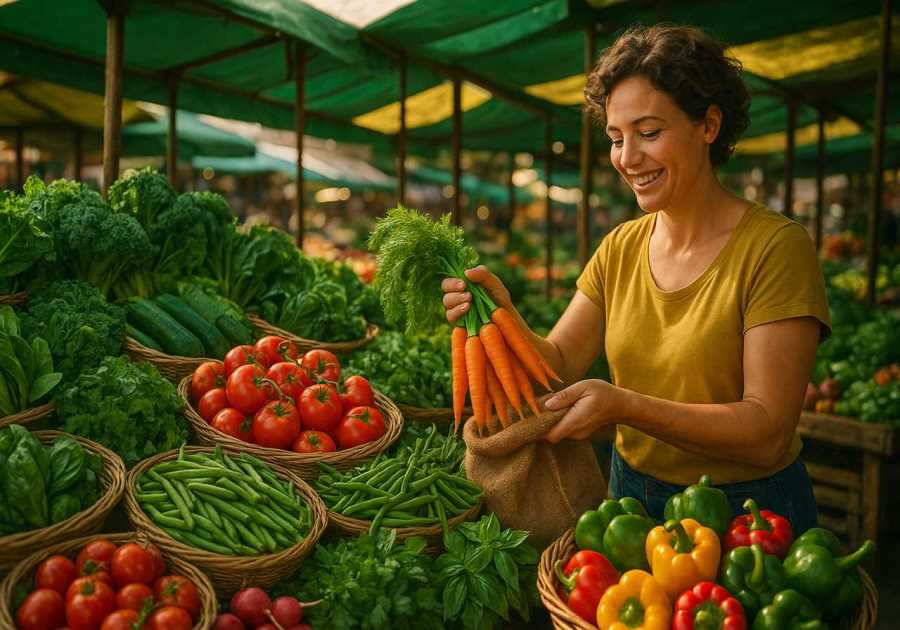
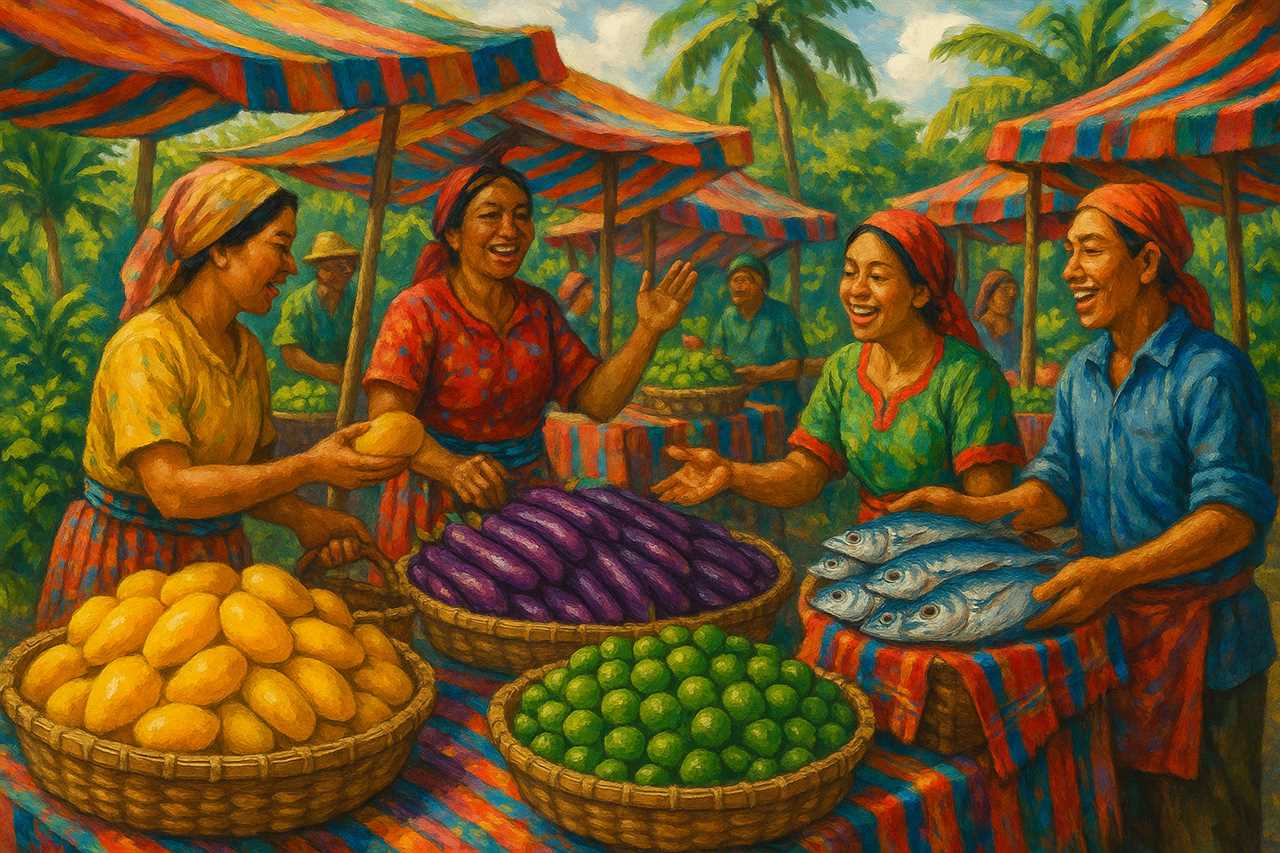
Local markets are the heartbeat of the Philippine islands, buzzing with life and vibrant colors. When you step into these markets, you’ll feel the energy and warmth of the community.
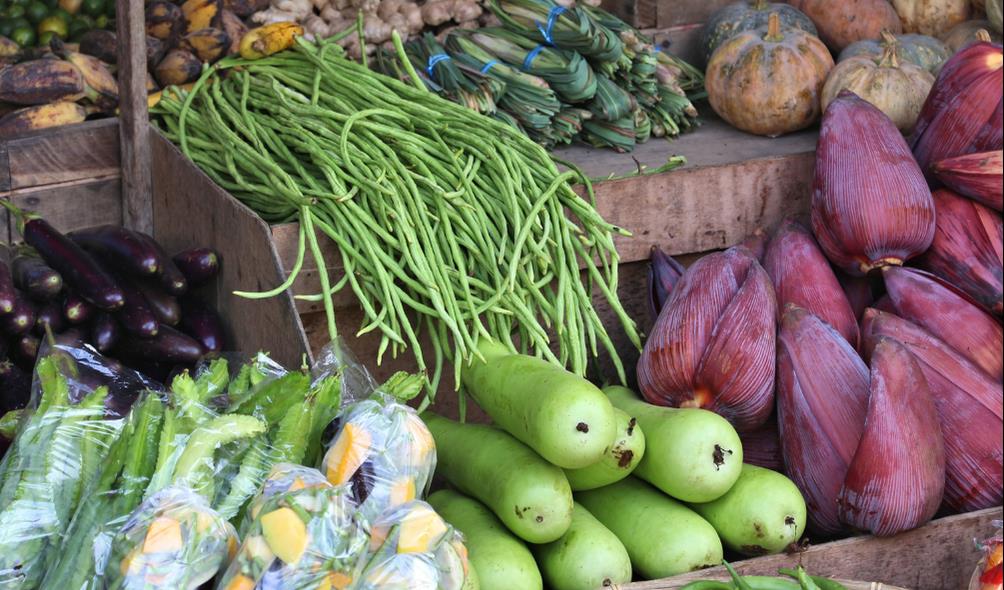
Fresh produce, local delicacies, and handmade crafts surround you, showcasing the rich culture and traditions of the islands. You’ll discover that these markets offer more than just food; they’re a space for social connection and exchange.
Vendors greet you with smiles, sharing stories and recipes that connect generations. Shopping locally supports farmers and artisans, fostering economic growth within the community.
Seasonal Ingredients and Their Impact
When you embrace the concept of seasonal ingredients, you unlock a world of flavors that reflect the cycles of nature and the islands' unique climate.
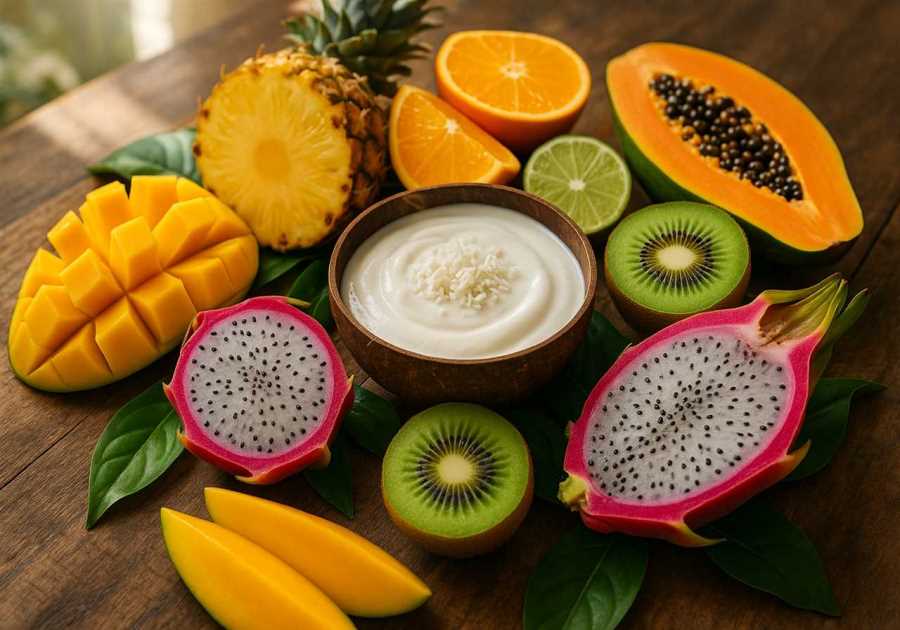
You’ll discover vibrant fruits like mangoes and pineapples in the summer, bursting with sweetness, while root vegetables like kamote and taro shine during the rainy season.
This connection to seasons not only enhances your meals but also supports local farmers who cultivate these ingredients at their peak.
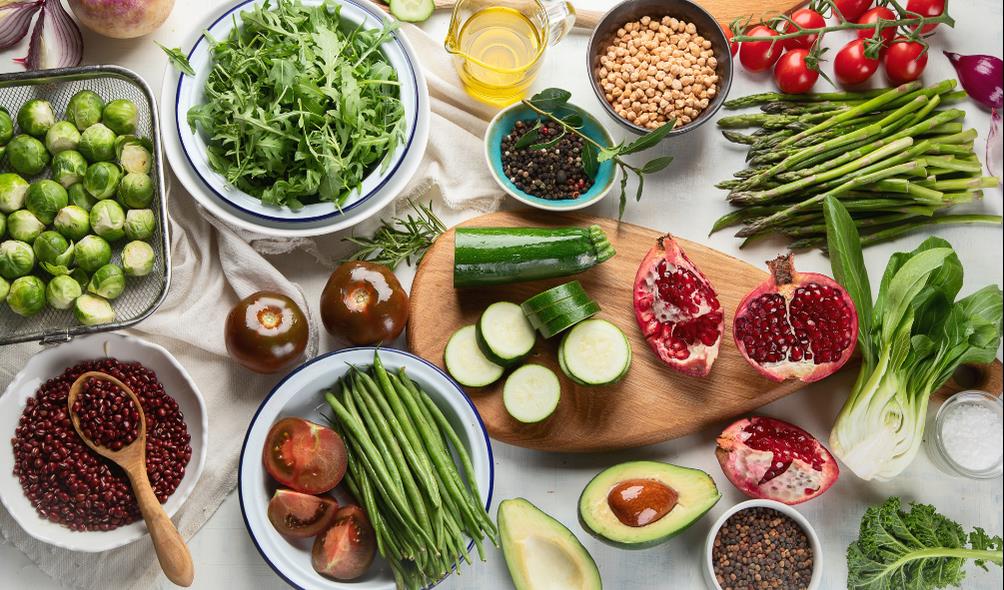
By choosing seasonal produce, you’re enjoying fresher, tastier options that are rich in nutrients.
Plus, you'll find that seasonal ingredients often come at lower prices, making your culinary adventures both delicious and economical.
Engaging with what's in season truly deepens your appreciation for the rich food culture of the Philippines.
Traditional Cooking Methods
The heart of Filipino cuisine beats through its traditional cooking methods, which showcase the islands’ rich culinary heritage.
You’ll often find families using techniques like grilling, steaming, and sautéing, each adding unique flavors to the dishes. For instance, grilling over charcoal brings a smoky aroma that enhances meats and vegetables alike.
Steaming, a healthier option, preserves the natural taste and nutrients of ingredients.
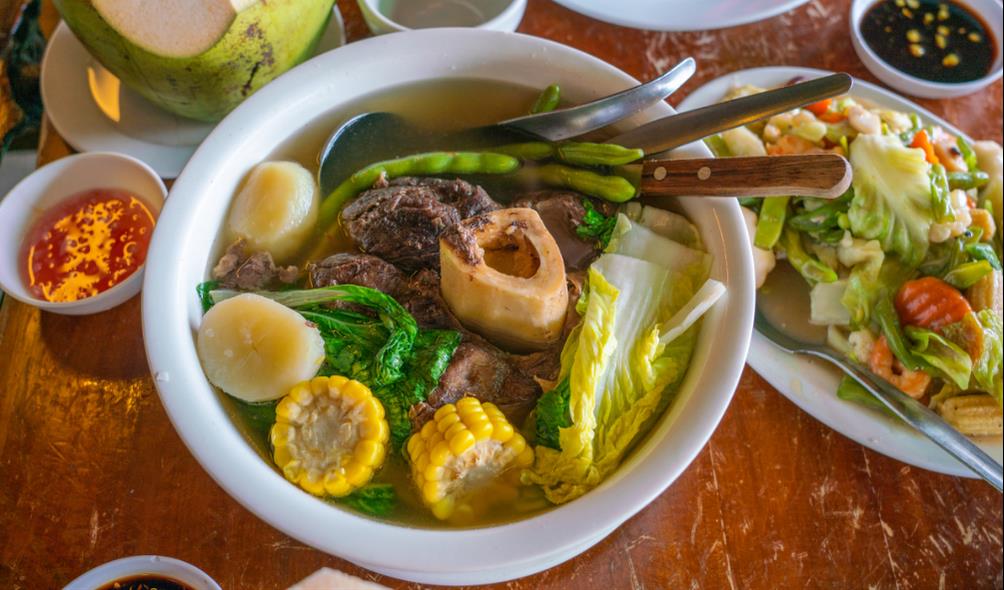
Sautéing in garlic and onions forms the base of many beloved recipes, infusing warmth and depth into each bite.
Don’t forget about the traditional use of clay pots, which impart a distinct flavor to stews.
These methods not only connect you to the land but also to generations of cooks who’ve cherished these practices.
The Role of Seafood in Filipino Cuisine
Filipino cuisine is deeply influenced by its geography, with seafood playing a vital role in the diet of many islanders.
You’ll find a diverse array of seafood options, from fresh fish to shellfish, all reflecting the rich marine resources surrounding the Philippines.
Popular dishes like sinigang na isda (fish soup) and kinilaw (ceviche) showcase the country’s culinary creativity using seasonal catches.
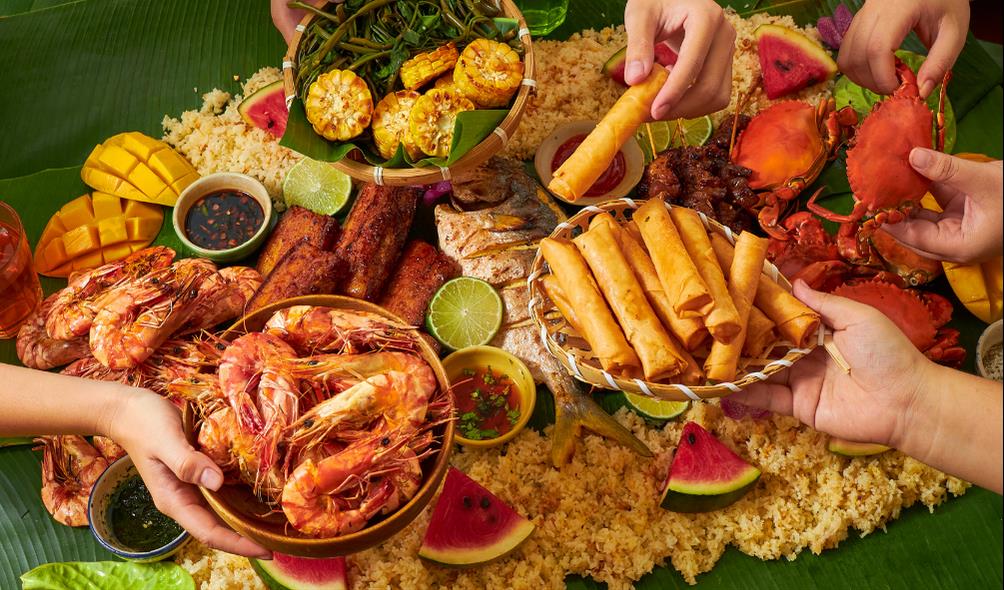
You can savor the unique flavors of grilled or fried seafood, often enhanced with local spices and dipping sauces.
Seafood not only offers nutritional benefits but also connects communities to their coastal heritage.
When you enjoy these dishes, you’re experiencing a culture that celebrates the ocean's bounty and its significance in daily life.
Community and Family Meal Traditions
Though often rooted in individual family practices, community and family meal traditions in the Philippines foster a strong sense of togetherness. When you gather around a table filled with fresh food, like grilled fish or hearty stews, it’s more than just a meal; it’s a bonding experience. You share stories, laughter, and a piece of your culture with each bite.
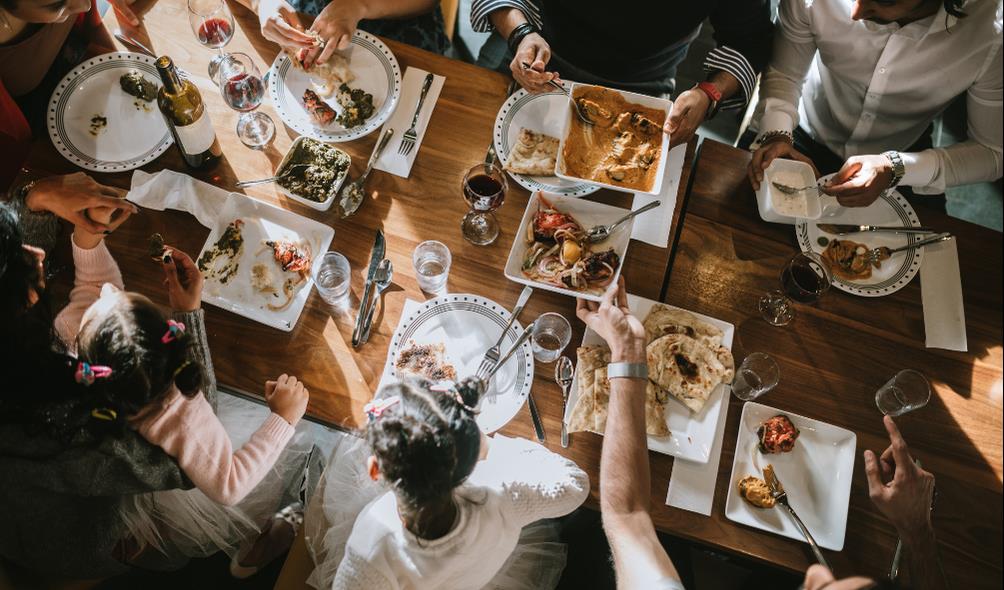
In many households, nipa huts or outdoor spaces become the backdrop for these gatherings, allowing everyone to enjoy the beautiful surroundings. Each dish has its significance, reflecting love and care.
Whether it's a simple family dinner or a community potluck, these traditions remind you of the importance of connection, where every shared meal strengthens relationships and creates lasting memories.
Celebrating Festivals With Fresh Food
Festivals in the Philippines burst with vibrant energy, featuring an array of fresh food that highlights local flavors and traditions.
You'll find stalls overflowing with ripe mangoes, sweet pineapples, and succulent lechon, each dish telling a story of its origin. As you wander through the festivities, the aroma of grilled seafood and sizzling street food draws you in, inviting you to savor every bite.
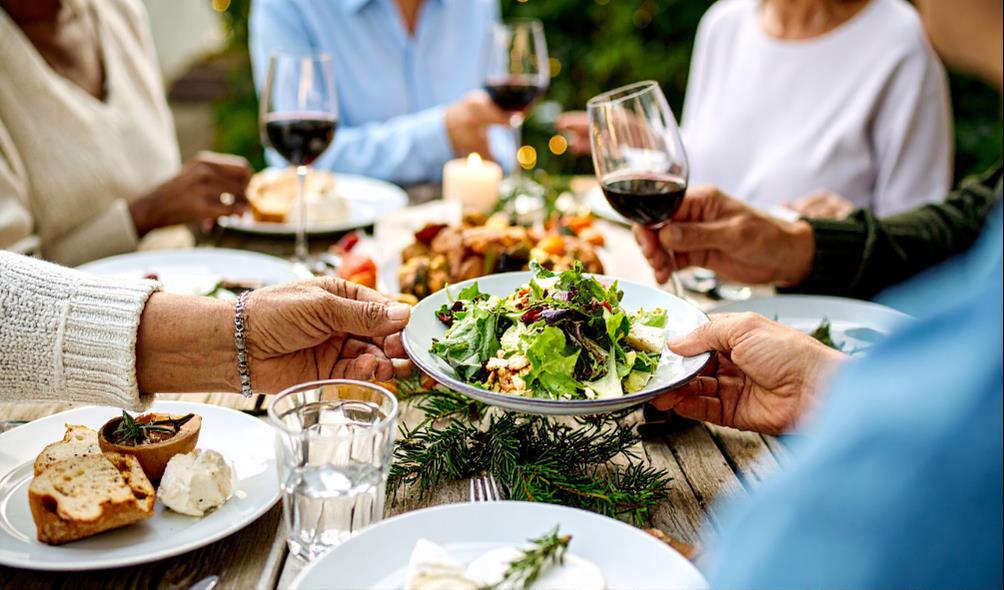
Locals take pride in showcasing their culinary heritage, often preparing traditional dishes from family recipes passed down through generations. You can't help but join in the communal spirit, sharing meals with friends and family.
Every festival becomes a celebration of life, love, and the fresh bounty of the land, making each moment unforgettable.
Sustainable Practices in Agriculture
As the demand for fresh produce grows, many farmers in the Philippine Islands are embracing sustainable practices to ensure the health of their land and communities.
You’ll find that these farmers have shifted to organic methods, reducing reliance on chemical fertilizers and pesticides. Instead, they use natural compost and crop rotation to enrich the soil and promote biodiversity.

Additionally, many are adopting agroforestry techniques, integrating trees with crops to enhance soil quality and provide shade.
You might also notice farmers participating in community-supported agriculture (CSA), directly connecting with consumers to promote local food systems.
Preserving Culinary Heritage Through Recipes
While many cultures face the risk of losing their culinary traditions, the Philippine Islands are actively preserving their rich food heritage through cherished recipes passed down through generations.
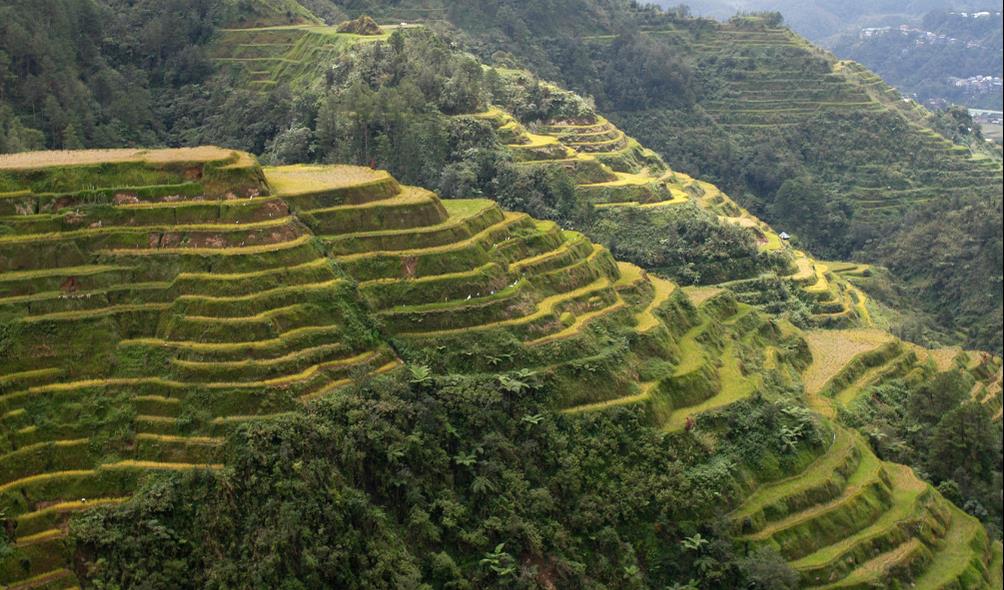
You’ll find that these recipes often reflect local ingredients, seasonal changes, and regional flavors, creating a unique culinary identity. Families gather to share dishes like adobo, sinigang, and lechon, ensuring these meals remain a centerpiece of gatherings.
Conclusion
In the vibrant tapestry of Philippine food culture, you can truly appreciate the beauty of local markets and seasonal ingredients. As you gather with family and friends, sharing meals prepared with love, you celebrate not just flavors but also deep-rooted traditions. By embracing sustainable practices and preserving cherished recipes, you help keep this culinary heritage alive. So next time you enjoy a fresh meal, remember you’re part of a rich history that connects communities and nourishes the soul.
Statistics
- The fishing industry is a vital part of the fresh food culture, with the country producing over 4 million metric tons of fish and seafood each year.
- The country is home to over 20,000 different plant species, with a significant number being edible and contributing to the diverse fresh food offerings.
- Rice is a staple food in the Philippines, with the average Filipino consuming around 120 kilograms of rice annually.
- In the Philippines, approximately 70% of the population relies on agriculture as a primary source of livelihood, which significantly influences the fresh food culture.
External Links
- Rappler examines how food is an integral part of Filipino identity and cultural expression.
- FAO Philippines provides an overview of agriculture in the Philippines and its impact on food culture.
- TasteAtlas lists some of the most popular dishes in the Philippines, highlighting the country's culinary diversity.
- Philstar provides insights into the Filipino food culture and why certain eating habits are prevalent in the country.
How to Enjoy Fresh Filipino Street Food
Experiencing Filipino street food is a must for any food enthusiast. Begin by visiting local markets or street vendors where you can find a variety of offerings. Try popular snacks like isaw (grilled chicken intestines), kwek-kwek (deep-fried quail eggs), and balut (fertilized duck egg). Pair these with refreshing drinks like buko juice (coconut water) or sago't gulaman (sweet tapioca and jelly drink). Be adventurous and sample different items to get a full taste of the vibrant street food culture. Remember to practice food safety by choosing vendors with high turnover and clean preparation areas.
Want to travel with more time and freedom?
The freedom to travel! Discover free & unique homestays around the world, in exchange for caring for adorable pets.
https://escapetomexiconow.com/ths
Recommended Resources:
Ready to explore life beyond borders? Check out our trusted guides to Mexico, Panama, and the Philippines — your gateways to new adventures, culture, and opportunity.
https://escapetomexiconow.com/
https://escapetomexiconow.info/
https://escapetopanamanow.info/
https://escapetothephilippinesnow.com/
YouTube Channel:
See Mexico like never before! From local culture to travel hacks, our YouTube channel brings the adventure straight to you.
https://www.youtube.com/@EscapeToMexicoNow