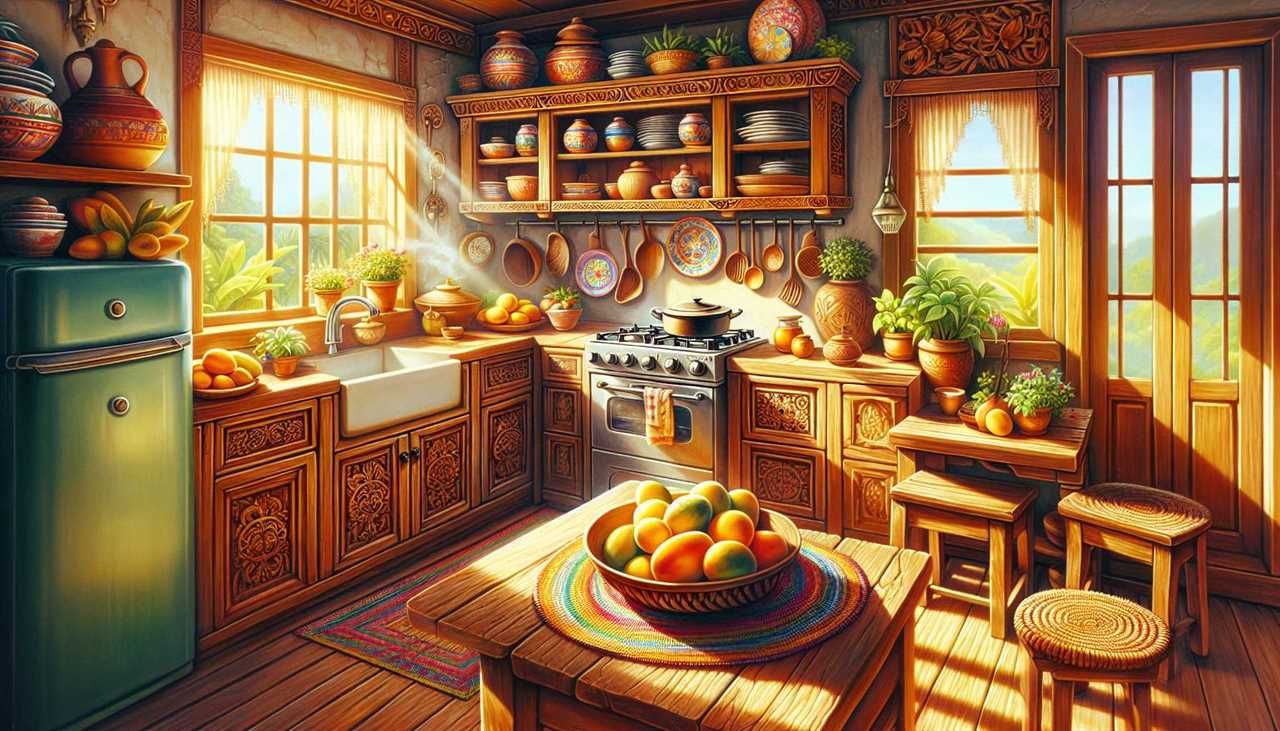
When you step into a Filipino home kitchen, you're immediately enveloped by a sense of warmth and familiarity. The inviting aromas of simmering dishes bring back memories of family gatherings filled with laughter and stories. Each corner reflects a rich culture of hospitality, where meals are more than just food—they're connections. But what truly makes these kitchens feel like home? Let's explore the elements that transform these spaces into comforting sanctuaries.
The Heart of the Home: A Gathering Space
The kitchen is often called the heart of the home, and for good reason. It’s where you gather with family and friends, sharing stories and laughter over a simmering pot of adobo.
The aroma of freshly cooked meals invites everyone in, creating a warm atmosphere that draws people together. You’ll find that the kitchen table becomes a hub of conversation, where you catch up on each other’s lives while enjoying a delicious meal.

Whether it’s preparing food together or simply enjoying a cup of coffee, these moments foster connection and strengthen bonds.
In a Filipino home, the kitchen isn't just a place for cooking; it’s a cherished gathering space that nurtures relationships and creates lasting memories.
Traditional Recipes Passed Down Through Generations
While you might find modern recipes in cookbooks and online, nothing compares to the comfort of traditional Filipino dishes passed down through generations.
These cherished recipes often evoke memories of your grandmother's kitchen, where the aroma of adobo simmered on the stove or the sweet scent of leche flan filled the air. You can recreate these flavors by following the time-honored techniques that your family has perfected over the years.
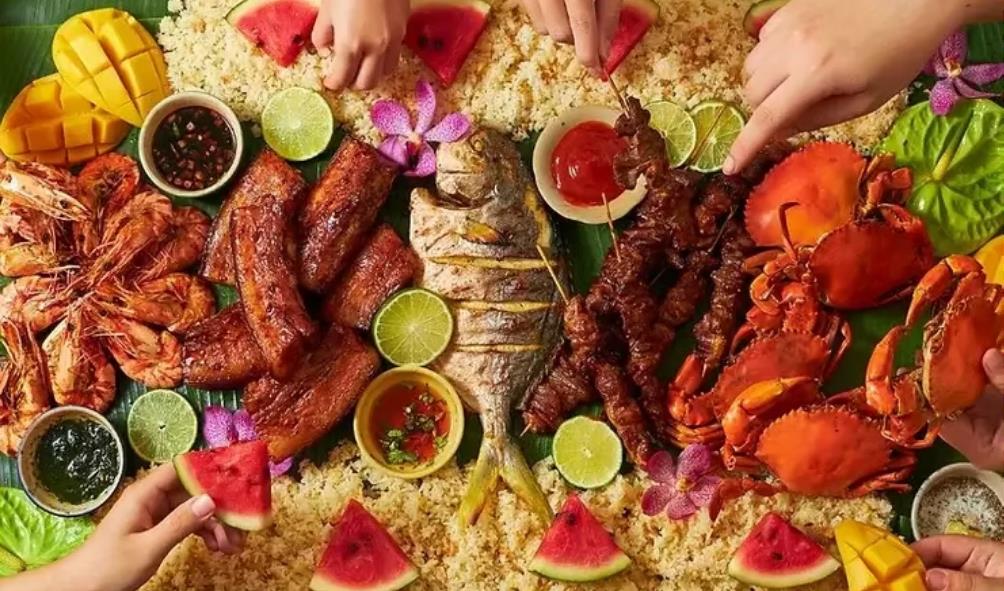
Each dish tells a story, connecting you to your roots and inviting you to share it with loved ones. As you cook these traditional meals, you're not just preparing food; you're preserving a legacy that strengthens bonds and brings warmth to your home.
Embrace these recipes, and let them nourish both body and spirit.
The Role of Food in Filipino Culture
Food plays a central role in Filipino culture, serving as more than just sustenance. It’s a way to connect with family, friends, and community. When you gather around the table, you’re not just sharing a meal; you’re sharing stories, laughter, and love.
Celebrations like fiestas and holidays feature traditional dishes that reflect regional diversity and personal heritage. Each plate tells a story about your ancestry and customs.
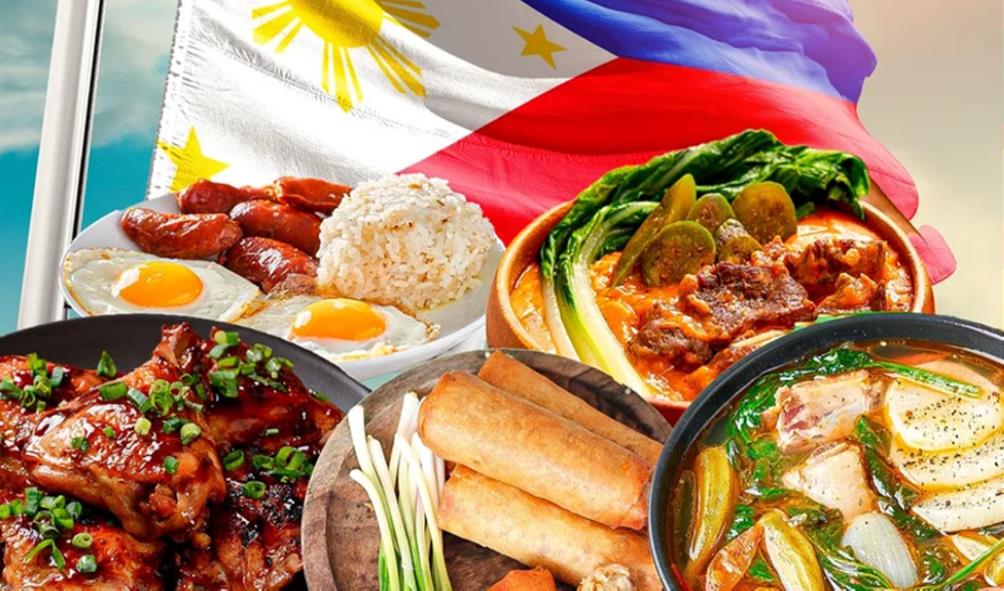
You’ll notice that food often symbolizes hospitality, as offering a meal to guests is a cherished tradition. Through cooking and sharing, you create bonds and foster relationships.
In Filipino culture, food isn’t merely a necessity; it’s an expression of identity, warmth, and togetherness that enriches your everyday life.
Aromas That Evoke Memories
Even before you step into a Filipino kitchen, the aromas can transport you to cherished moments of your childhood. The scent of garlic sizzling in oil might remind you of your grandmother’s adobo, a dish that warms your heart.
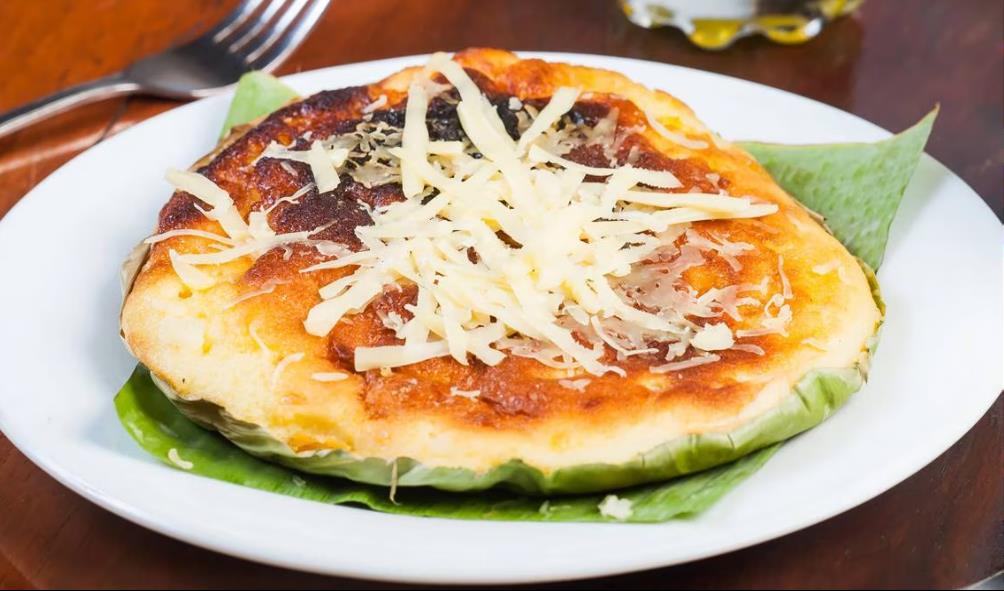
The sweet fragrance of freshly baked bibingka can bring back memories of family gatherings during Christmas. Perhaps the smell of simmering sinigang evokes rainy afternoons spent with loved ones.
Each aroma tells a story, wrapping you in nostalgia. You can almost hear laughter and chatter, feel the warmth of shared meals. These scents don’t just fill the kitchen; they fill your soul, creating a comforting connection to your roots that you carry with you, no matter where life takes you.
The Importance of Family Mealtime
Gathering around the table for family mealtime isn't just about eating; it’s a vital tradition that strengthens bonds and fosters connection.
In today’s fast-paced world, these moments become a sanctuary where you can share stories and laughter, making cherished memories. You find comfort in the familiar dishes, each bite sparking conversations about your day.
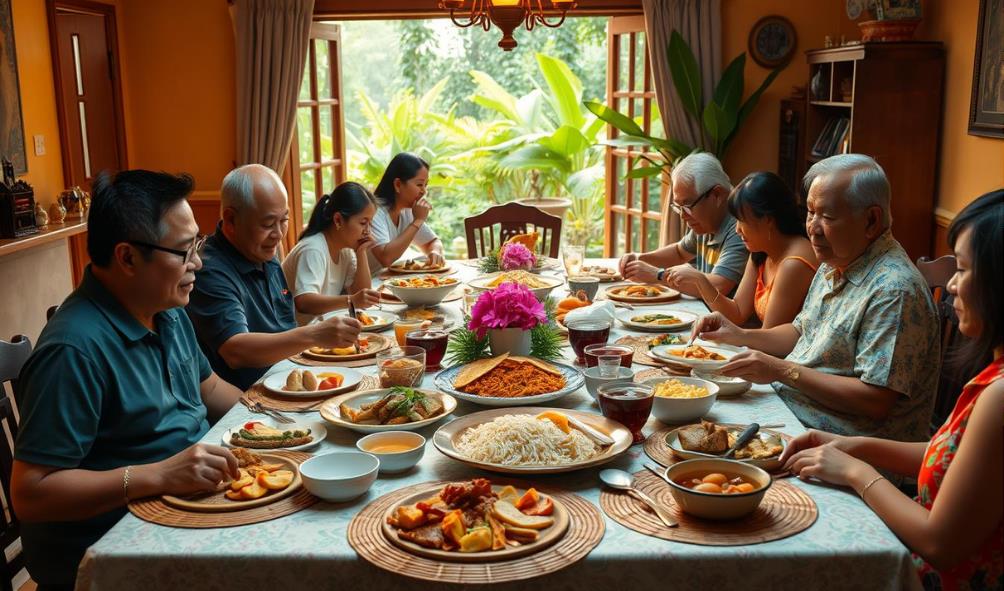
It’s during these meals that you learn about each other’s lives, dreams, and challenges. Family mealtime creates a sense of belonging, reinforcing your ties and offering support.
Plus, it encourages healthy eating habits, as you’re less likely to grab fast food when a home-cooked meal awaits.
Celebrating Festivals and Special Occasions
When you think about celebrating festivals and special occasions in a Filipino home, the kitchen often transforms into a vibrant hub of activity and joy.
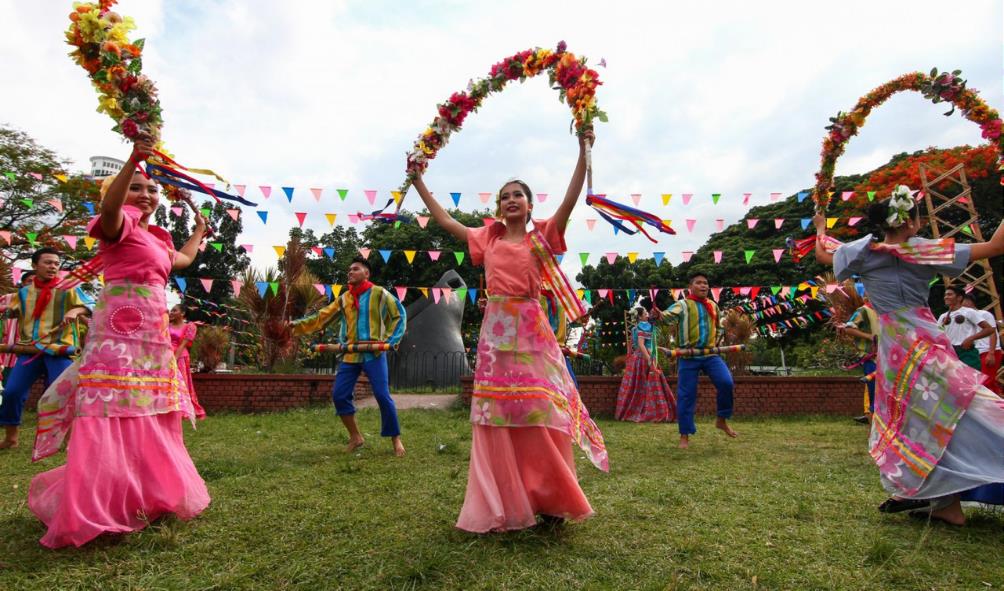
The aroma of simmering dishes fills the air as family members gather to prepare traditional delicacies like lechon, lumpia, and adobo. You can feel the excitement as everyone pitches in, sharing stories and laughter while chopping vegetables or stirring sauces.
Special occasions bring out colorful decorations, and the kitchen becomes a canvas of Filipino culture. As you savor each bite of the lovingly prepared food, you create lasting memories with loved ones. These celebrations remind you that food is more than just sustenance; it’s a way to honor heritage and strengthen bonds, bringing everyone closer together.
Kitchen Tools and Utensils: A Cultural Reflection
In a Filipino kitchen, the tools and utensils serve as storytellers, each with a history that reflects the country’s rich culinary heritage. You’ll find the iconic wooden ladle, or "salu-salo," used for stirring and serving, which has been passed down through generations. The "banga," a clay pot, showcases traditional cooking methods, while the "kaldereta" pot highlights resourcefulness in meal preparation.
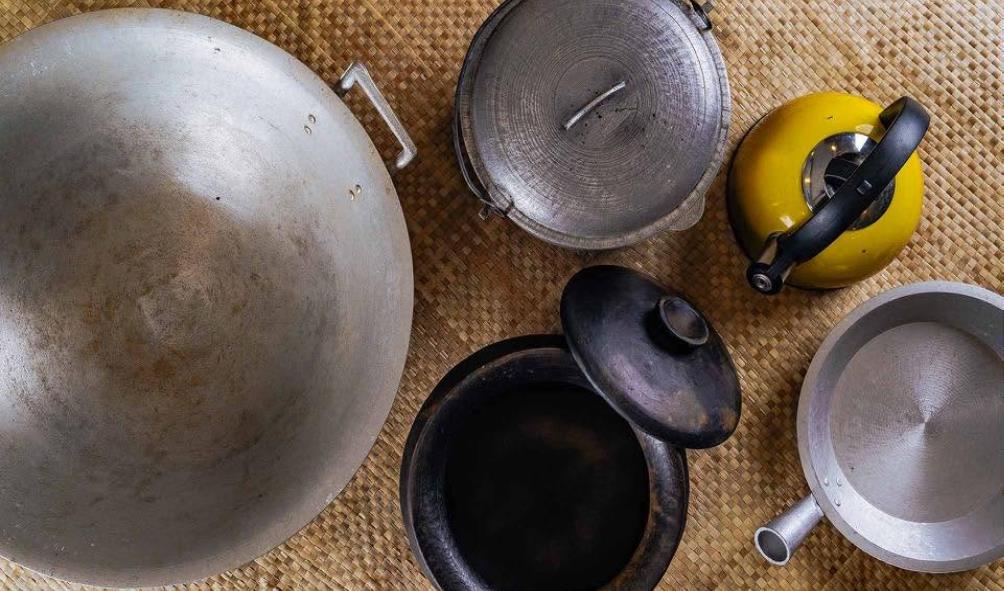
Every tool has a purpose, from the "kutsara" and "tinidor" to the "kalan," each contributing to the unique flavors of Filipino cuisine.
When you cook with these utensils, you're not just preparing a meal; you’re connecting with your roots. Each dish you create becomes a piece of cultural history, celebrating the vibrant tapestry of Filipino life.
The Influence of Regional Cuisines
While exploring the diverse flavors of Filipino cuisine, you'll quickly notice how regional influences shape each dish. From the rich, coconut-based curries of the Bicol region to the savory, soy-sauce marinated meats of the Ilocos, every area adds its unique twist.
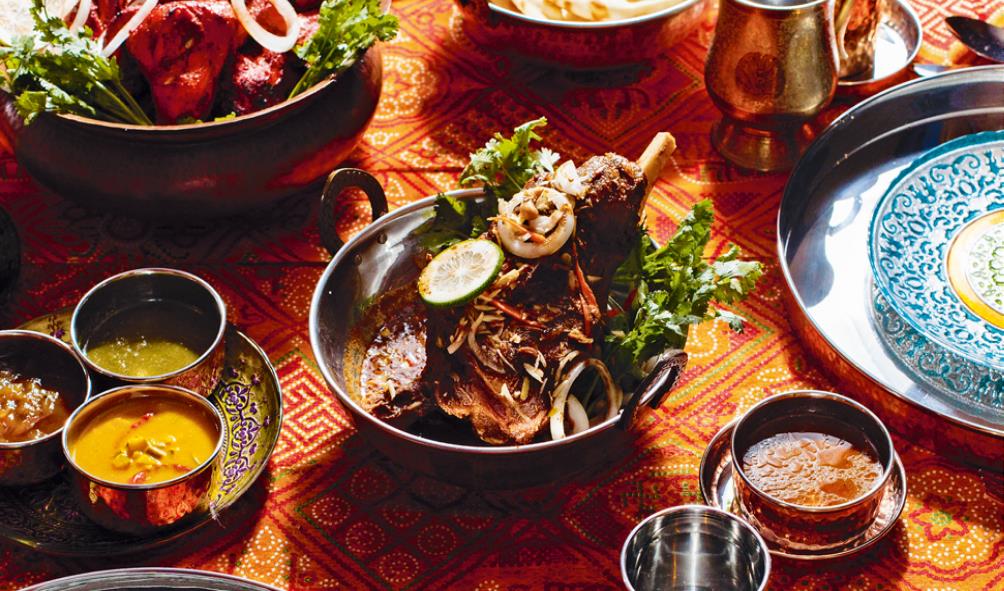
You might find that the vibrant flavors of Mindanao's dishes reflect its Indigenous heritage, while the seafood-centric meals of Cebu highlight its coastal geography. Each region boasts ingredients that tell a story, whether it’s the use of local vegetables or distinctive spices.
As you savor these dishes, you’re not just tasting food; you’re experiencing a tapestry of culture and tradition that binds Filipino families together, showcasing the beauty of regional diversity in every bite.
Creating a Welcoming Atmosphere
A welcoming atmosphere in a Filipino home kitchen often stems from a blend of warmth, familiarity, and the tantalizing aromas of home-cooked meals.
To create this inviting space, start by ensuring your kitchen is clean and organized. Incorporate vibrant colors through dishes or wall decor that reflect your culture. Invite natural light in by opening curtains or using warm lighting to create a cozy ambiance.
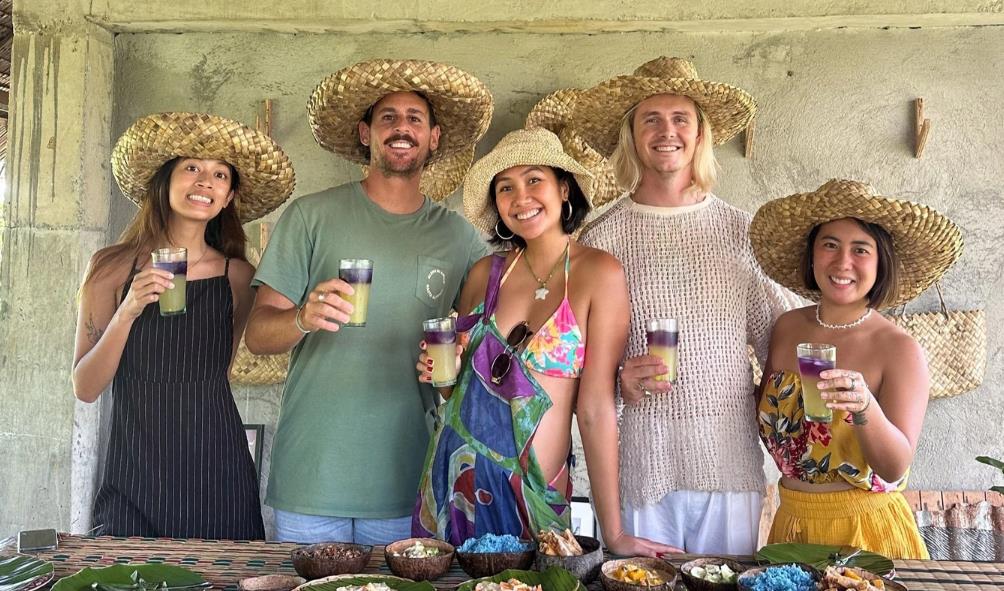
Gather family and friends around a large dining table, where laughter and conversation flow easily. You might also consider playing soft music in the background, adding to the overall comfort.
Most importantly, fill the kitchen with love and shared memories, making it a place where everyone feels at home and eager to gather.
Conclusion
Stepping into a Filipino home kitchen feels like embracing a warm hug. It’s a space where traditions come alive through shared meals and laughter, connecting generations. The aromas and flavors stir up cherished memories, reminding you of the importance of family and togetherness. Whether it’s a simple dinner or a festive celebration, these kitchens are the heart of every home, inviting you to create new stories while honoring the past. So, gather around and savor the comfort that awaits!
Statistics
- Over 60% of Filipino families consider the kitchen as the heart of the home, where family members gather to share meals and stories.
- Approximately 70% of Filipino households prioritize having a kitchen layout that allows for easy movement and accessibility, reflecting the importance of functionality in home design.
- Traditional Filipino kitchens often incorporate natural materials such as bamboo and rattan, which provide a sense of warmth and comfort.
- The inclusion of modern appliances in Filipino kitchens has increased by 25% in the past decade, enhancing convenience and efficiency in meal preparation.
External Links
- Houzz showcases a range of Filipino kitchen designs that emphasize comfort and functionality.
- SunStar discusses the significance of the kitchen in Filipino homes and its role in family life.
- Food & Wine explores the influence of Filipino kitchens and their comforting cuisine globally.
- Pinoy House Plans offers a variety of kitchen design ideas that reflect the comfort and style of Filipino homes.
How to Design a Functional Filipino Kitchen
Designing a functional Filipino kitchen involves creating a space that supports the diverse cooking methods and social activities typical in Filipino homes. Start by considering the layout; an open concept is ideal for facilitating movement and interaction. Incorporate ample counter space for meal preparation and consider a central island for additional workspace and seating. Ensure that storage solutions are both practical and accessible, using cabinets and shelves to organize kitchen essentials. Natural materials like bamboo or wood can add warmth, while large windows promote ventilation. Lastly, include modern appliances that complement traditional cooking tools, ensuring the kitchen is equipped for both contemporary and traditional Filipino dishes.
Want to travel with more time and freedom?
The freedom to travel! Discover free & unique homestays around the world, in exchange for caring for adorable pets.
https://escapetomexiconow.com/ths
Recommended Resources:
Ready to explore life beyond borders? Check out our trusted guides to Mexico, Panama, and the Philippines — your gateways to new adventures, culture, and opportunity.
https://escapetomexiconow.com/
https://escapetomexiconow.info/
https://escapetopanamanow.info/
https://escapetothephilippinesnow.com/
YouTube Channel:
See Mexico like never before! From local culture to travel hacks, our YouTube channel brings the adventure straight to you.
https://www.youtube.com/@EscapeToMexicoNow