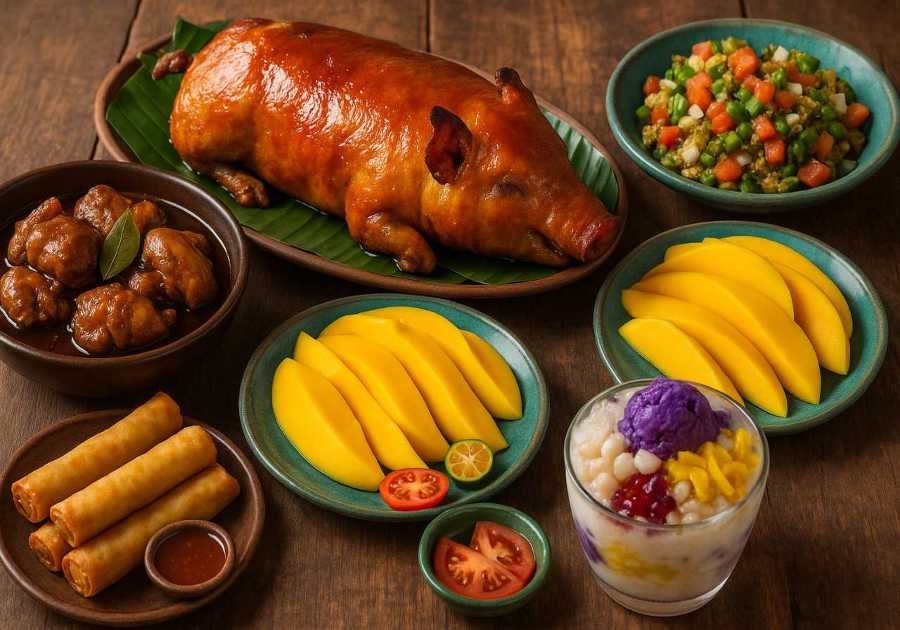
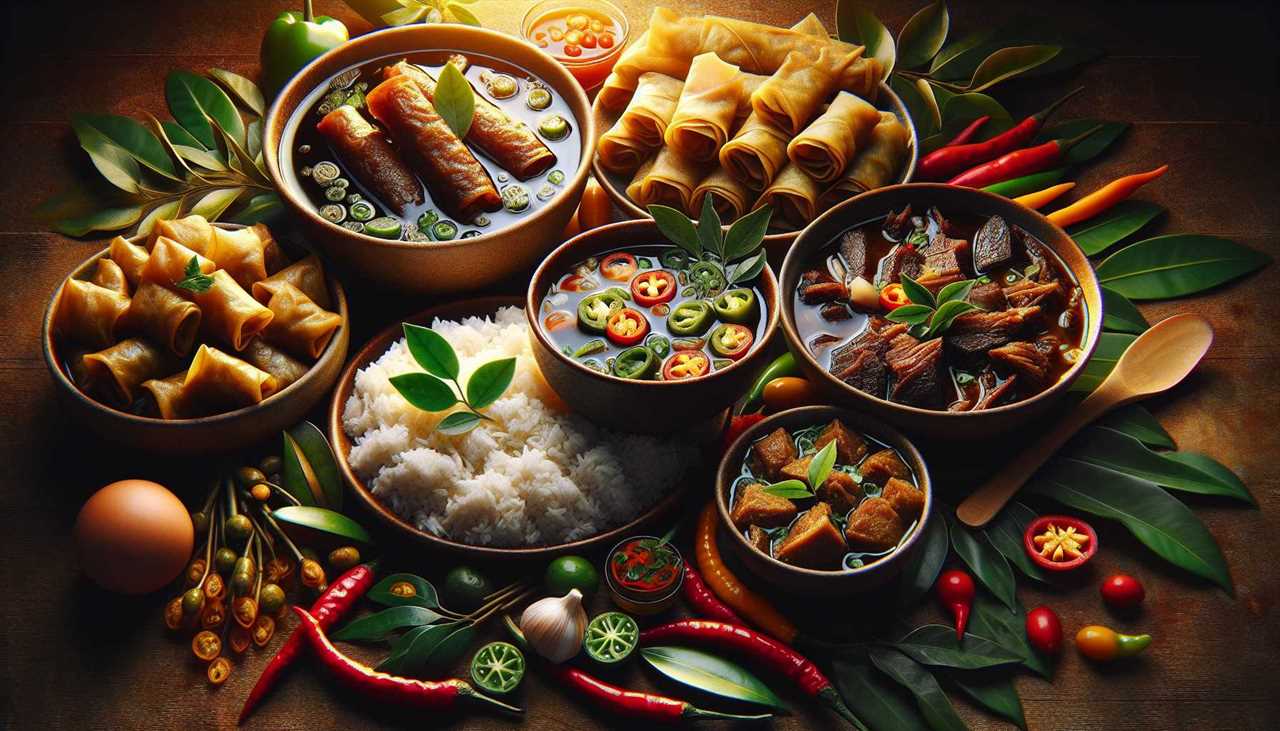
When you think about food that truly connects you to a culture, Filipino cuisine often stands out. It’s a celebration of fresh, local ingredients and time-honored techniques. Each dish tells a story, from the savory adobo to the tangy sinigang. But there's more to explore beyond the flavors. The communal aspect of dining in Filipino culture invites a deeper connection to both the food and its heritage. What other surprises await as you uncover these culinary traditions?
The Rich Culinary Heritage of Filipino Cuisine
Filipino cuisine is a vibrant tapestry woven from centuries of cultural influences and local traditions. As you dive into this culinary world, you'll notice the blend of indigenous flavors and the impact of Spanish, Chinese, and American cooking.
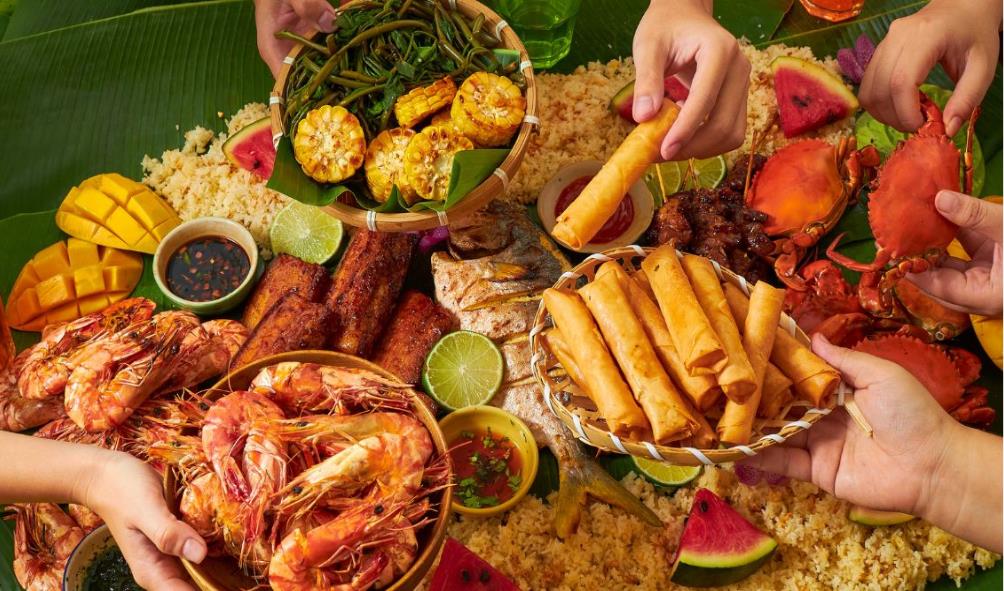
Each region offers unique dishes that reflect its history and geography. You’ll savor hearty meals that celebrate communal dining, highlighting the importance of family and friendship. Street food, like isaw and lumpia, showcases local creativity and resourcefulness, while festive dishes like lechon embody celebrations.
The rich culinary heritage isn’t just about food; it’s an experience that brings people together. So, when you explore Filipino cuisine, you’re not just tasting flavors; you’re engaging with a culture that’s rich, diverse, and deeply rooted in tradition.
Key Ingredients That Define Filipino Dishes
At the heart of every Filipino dish are key ingredients that reflect the country's rich agricultural resources and diverse cultural influences.
Rice, a staple, is the foundation of many meals, often paired with flavorful viands. You'll find soy sauce and vinegar, essential for marinades and dipping sauces, adding depth to dishes like adobo.
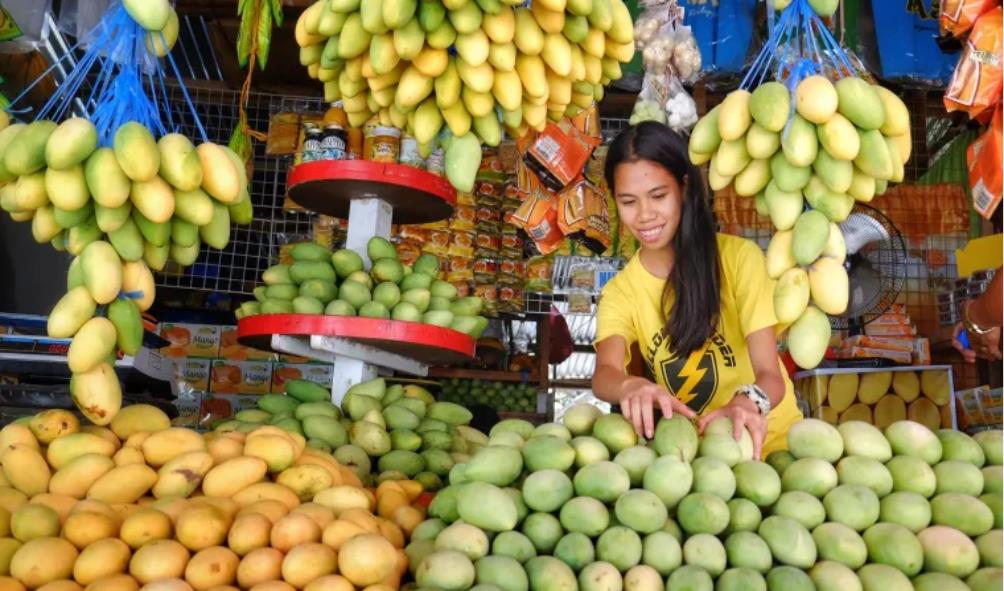
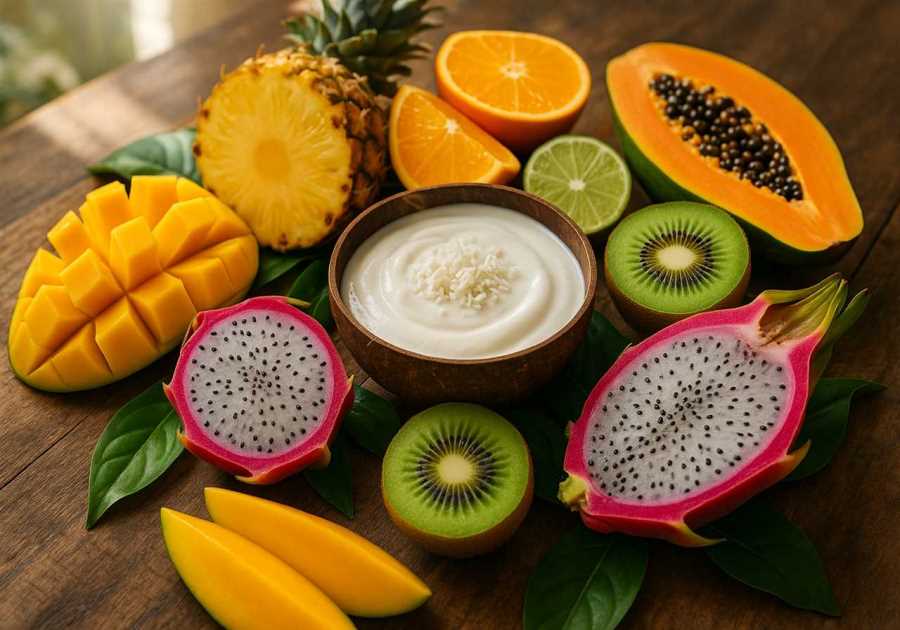
Tropical fruits, such as mangoes and bananas, bring sweetness and freshness, while vegetables like eggplant and bitter melon provide balance.
Seafood, from the surrounding waters, often features prominently, showcasing the bounty of the sea.
Spices like garlic, onion, and ginger enhance flavors, creating that distinct Filipino taste. Each ingredient tells a story, connecting you to the land and the culture in every bite.
Traditional Cooking Techniques and Their Importance
While exploring Filipino cuisine, you'll quickly discover that traditional cooking techniques play a crucial role in shaping the flavors and textures of dishes. Methods like sautéing, stewing, and grilling not only enhance the taste but also preserve the natural essence of ingredients.
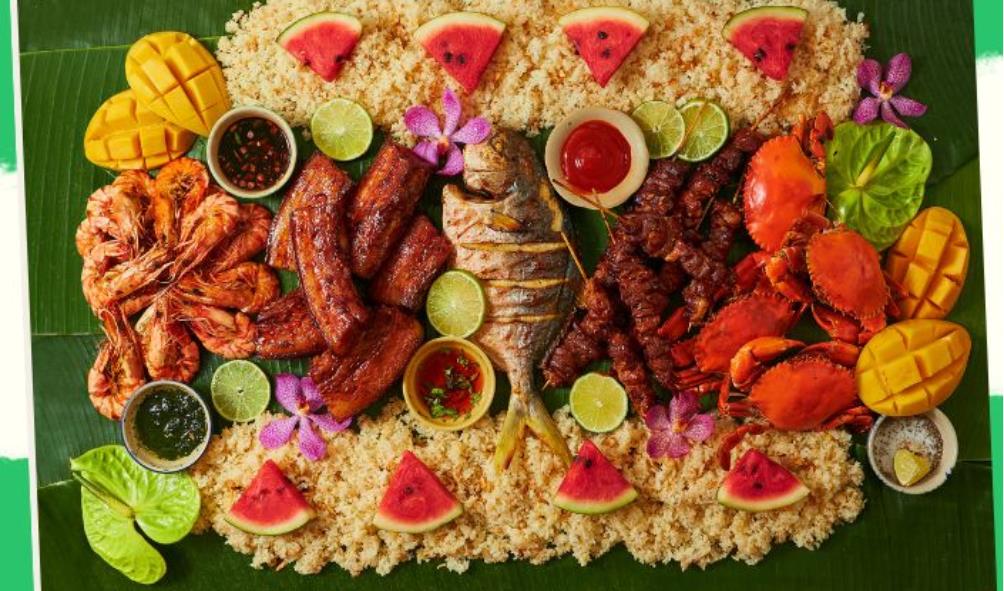
Each technique carries its own cultural significance, passed down through generations, connecting you to the rich history of the Philippines. For instance, slow-cooking adobo allows the meat to absorb the marinade, creating a deep, savory flavor.
Using bamboo for grilling or steaming, as in the case of puto, showcases the resourcefulness of Filipino cooks. Embracing these techniques gives you a deeper appreciation for the art of Filipino cooking and the stories behind each dish.
Health Benefits of Embracing Filipino Food
Embracing Filipino food offers numerous health benefits that can enhance your overall well-being. The emphasis on fresh vegetables, lean proteins, and whole grains in traditional dishes provides essential nutrients your body craves.
You’ll find that many Filipino meals incorporate ingredients like turmeric, garlic, and ginger, known for their anti-inflammatory and immune-boosting properties.
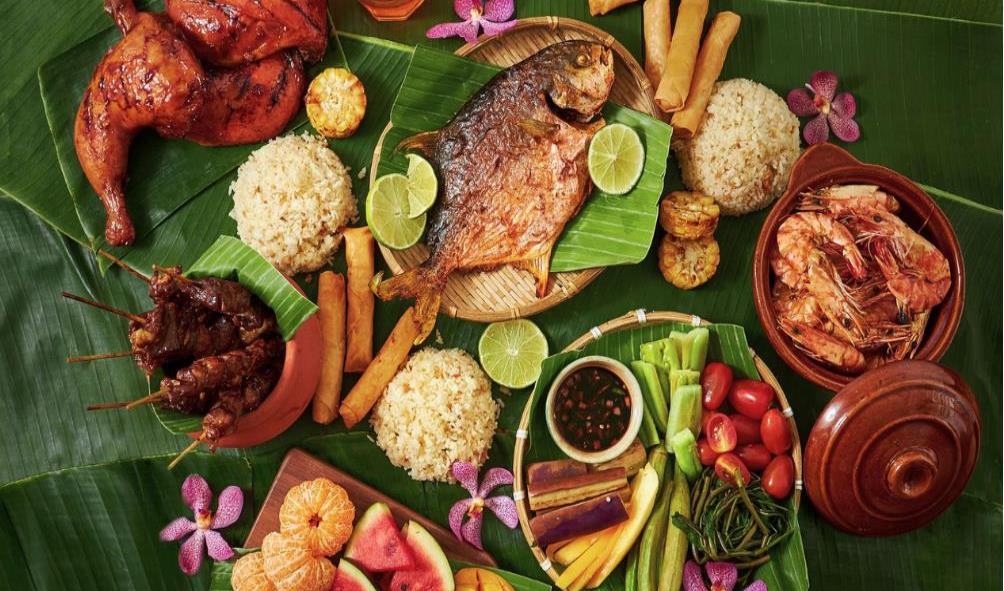
Additionally, the use of healthy cooking methods, such as grilling or steaming, reduces unhealthy fats while preserving flavors and nutrients.
Eating Filipino food can also promote portion control, as many dishes are served family-style, encouraging shared meals and mindful eating.
Exploring Regional Variations in Filipino Cuisine
How does the diversity of the Philippines' regions influence its cuisine? Each region boasts unique ingredients and cooking methods shaped by its geography and culture.
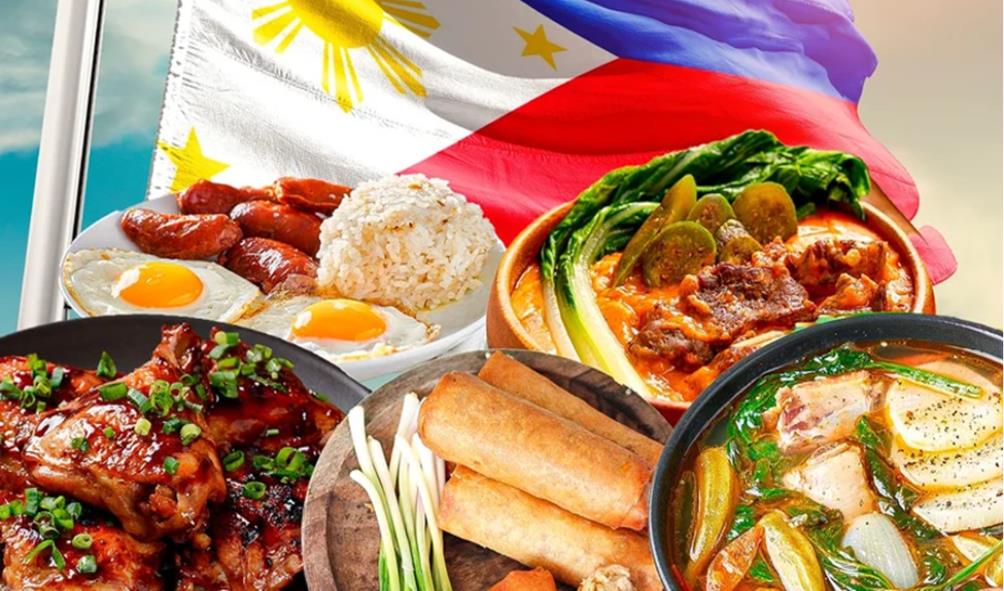
In Luzon, you might savor the rich flavors of Kare-Kare, a peanut stew, while the Visayas offers the tangy delight of Sinigang, a sour soup. Meanwhile, Mindanao showcases vibrant dishes like Satti, skewered meat served with a spicy sauce.
The use of local produce, seafood, and spices creates a tapestry of flavors across the archipelago. You’ll notice that traditions, festivals, and even climate play a role in these culinary variations.
How to Incorporate Filipino Dishes Into Your Diet
Incorporating Filipino dishes into your diet can be a delightful adventure that introduces you to new flavors and cooking techniques. Start by exploring iconic dishes like adobo, sinigang, and lumpia.
You can easily adapt recipes to fit your dietary preferences, swapping ingredients as needed. Try cooking adobo with tofu or using lean meats for a healthier twist. Experiment with sinigang by adding your favorite vegetables or using a low-sodium broth.
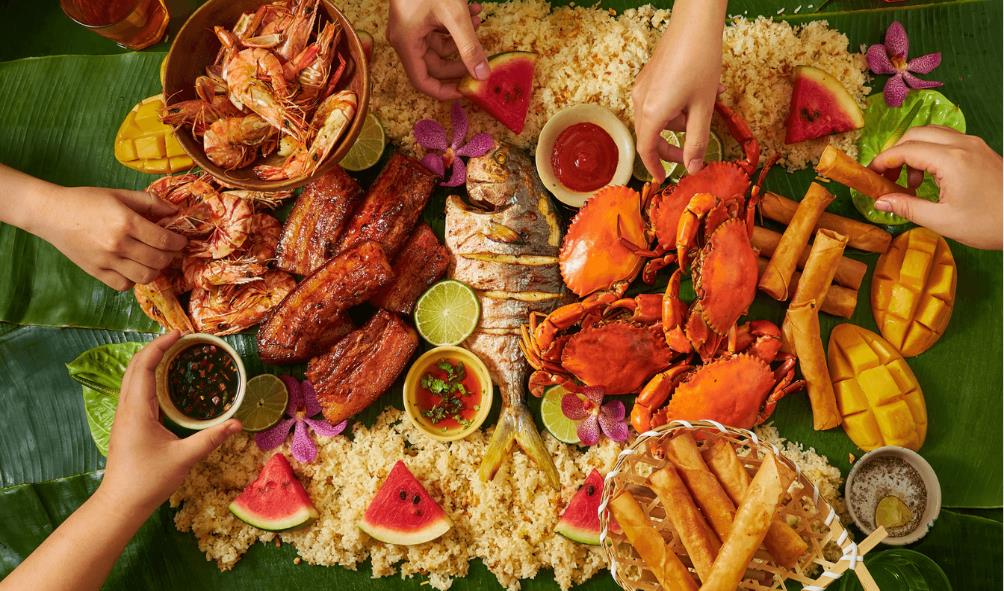
Don't forget to include traditional sides like garlic rice or pickled vegetables to enhance your meals. Visit local Filipino markets for authentic ingredients, or find online recipes for inspiration.
With a bit of creativity, you’ll enjoy the unique tastes of Filipino cuisine while nourishing your body.
Celebrating Community and Togetherness Through Food
Food in Filipino culture isn’t just about nourishment; it’s a powerful way to bring people together. When you gather around the table for a feast, you’re not just enjoying a meal; you’re creating bonds that last a lifetime.
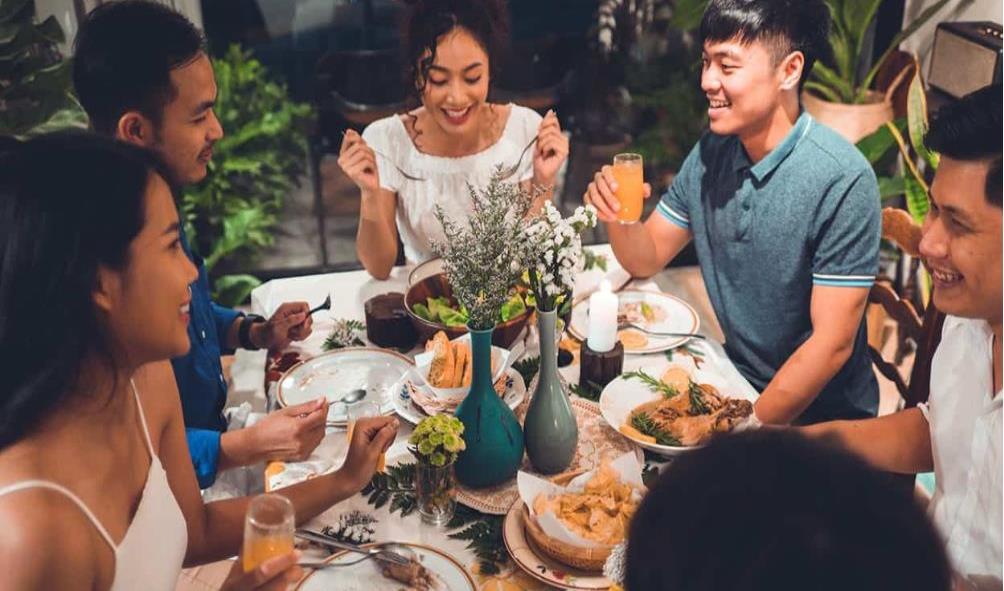
Each dish tells a story, from the rich flavors of adobo to the sweet delight of leche flan. Sharing these meals fosters a sense of belonging and community. You’ll find that celebrations, whether big or small, revolve around food, encouraging laughter and conversation.
Invite friends and family to join you in preparing traditional dishes, and you’ll strengthen connections while rediscovering the joy of togetherness. In every bite, you taste the love, history, and unity that Filipino cuisine embodies.
Conclusion
Rediscovering Filipino cuisine invites you to celebrate not just the flavors but also the rich traditions that come with each dish. By embracing fresh ingredients and time-honored cooking techniques, you not only enhance your meals but also foster a deeper connection to the culture. So, gather your loved ones, explore the regional variations, and enjoy the communal experience that Filipino food offers. Dive into this culinary journey and savor the vibrant tastes that unite us all.
Statistics
- Tourism data indicates that food tourism in the Philippines has increased by 40% in recent years, with visitors eager to experience the unique flavors of Filipino dishes.
- Studies reveal that 75% of Filipinos believe that their cuisine is a crucial part of their cultural identity, underscoring the importance of traditional food in community life.
- The demand for Filipino cookbooks has surged by 50% in the last decade, reflecting a growing interest in learning about and preserving traditional cooking methods.
- In a recent survey, 68% of Filipinos reported that they prefer traditional dishes over fast food, indicating a strong cultural attachment to their culinary heritage.
External Links
- TasteAtlas: Filipino Cuisine - Discover the rich and diverse dishes that define traditional Filipino cooking.
- The Kitchn: A Beginner's Guide to Filipino Cuisine - An introduction to the essential ingredients and dishes of Filipino cooking.
- Filipino Food Movement - A nonprofit organization dedicated to promoting and preserving Filipino culinary heritage.
- CNN Travel: Filipino Food - Explore iconic Filipino dishes that showcase the country's culinary diversity.
How to Cook Pancit: A Filipino Noodle Delight
Pancit is a versatile noodle dish that is a must-try in Filipino cuisine. To cook pancit, start by soaking rice noodles in warm water until soft. In a pan, sauté garlic and onions, then add sliced chicken or shrimp. Incorporate vegetables like carrots, cabbage, and snow peas. Add soy sauce and a bit of broth, then toss in the drained noodles. Stir-fry until the noodles are well-coated and heated through. Garnish with sliced green onions and lemon wedges. Serve hot for a satisfying meal that captures the vibrant flavors and textures of Filipino cooking.
Want to travel with more time and freedom?
The freedom to travel! Discover free & unique homestays around the world, in exchange for caring for adorable pets.
https://escapetomexiconow.com/ths
Recommended Resources:
Adventure is calling — are you ready to answer? Discover new places, new lifestyles, and new possibilities in Mexico, Panama, or the Philippines.
https://escapetomexiconow.com/
https://escapetomexiconow.info/
https://escapetopanamanow.info/
https://escapetothephilippinesnow.com/
YouTube Channel:
Your next adventure starts here! Join us on YouTube for destination tours, insider advice, and everything you need to make your escape unforgettable.
https://www.youtube.com/@EscapeToMexicoNow