When you explore the regional flavors of the Philippines, you uncover tales of culture, history, and identity. Every dish—from Luzon's adobo to Mindanao's spicy creations—reflects local practices and past influences. These culinary delights aren't just meals; they're a connection to community and tradition. As you consider the significance of these flavors, you'll start to see how food weaves together the rich narratives of the Filipino experience. What stories do these tastes hold?
The Culinary Heritage of Luzon
When you explore the culinary heritage of Luzon, you'll discover a vibrant tapestry of flavors that reflect the region's rich history and diverse cultures.
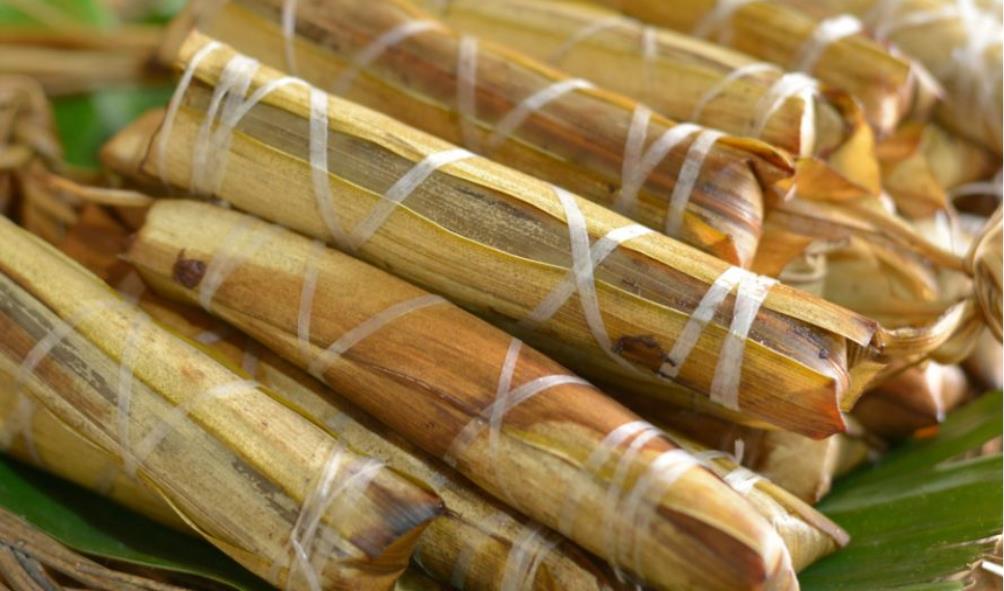
From the savory adobo of Ilocos to the sweet and sticky suman of the Cordilleras, each dish tells a story. You can't miss the famous longganisa, a flavorful sausage that varies from town to town.
Regional specialties like pinakbet, a vegetable medley, highlight the local agriculture, while dishes like sinigang showcase the love for sour flavors.
Street food, like fish balls and kwek-kwek, adds to the bustling food scene. Embracing these culinary delights not only satisfies your palate but also connects you to the heart and soul of Luzon’s heritage, making every bite a cultural experience.
The Flavors of the Visayas
As you delve into the flavors of the Visayas, you'll find a culinary landscape that bursts with freshness and creativity.
Here, seafood takes center stage, with dishes like kinilaw, a refreshing raw fish salad marinated in vinegar and citrus. Don't miss the iconic lechon, a whole roasted pig that's crispy on the outside and tender within.
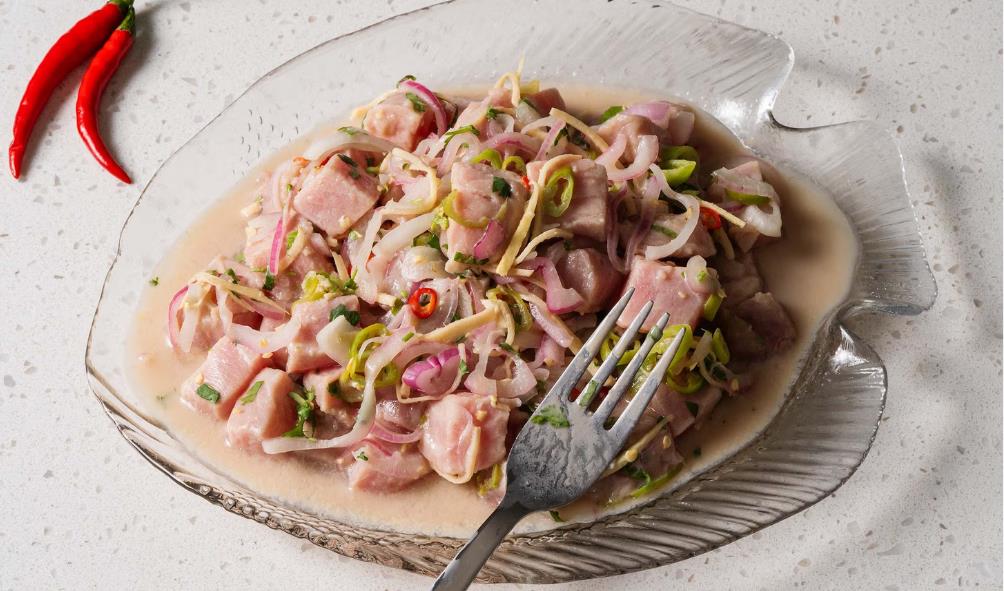
The region also showcases its agricultural bounty through hearty rice dishes, like the savory arroz caldo, perfect for any occasion.
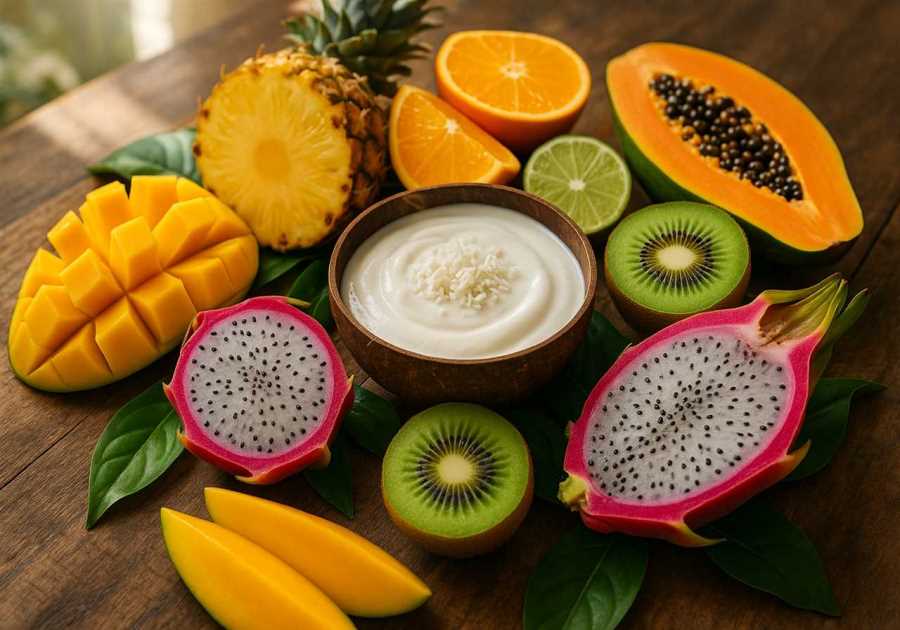
You'll taste the sweetness of ripe mangoes in desserts, and sip on refreshing beverages made from coconut water.
Each bite tells a story of local traditions and influences, inviting you to savor the Visayan spirit and its vibrant culinary heritage.
The Spices of Mindanao
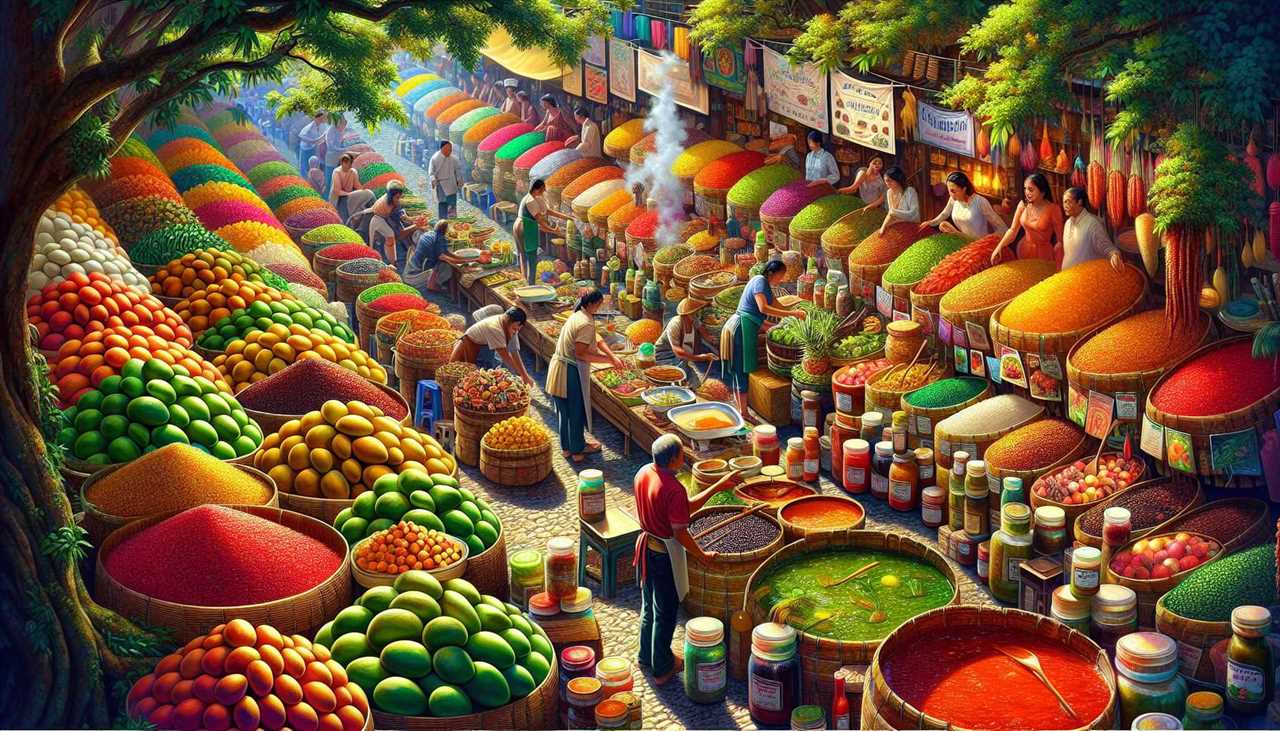
Mindanao’s culinary scene captivates with its bold and vibrant spices, inviting you to explore a world of flavors that reflect the region’s rich cultural tapestry.
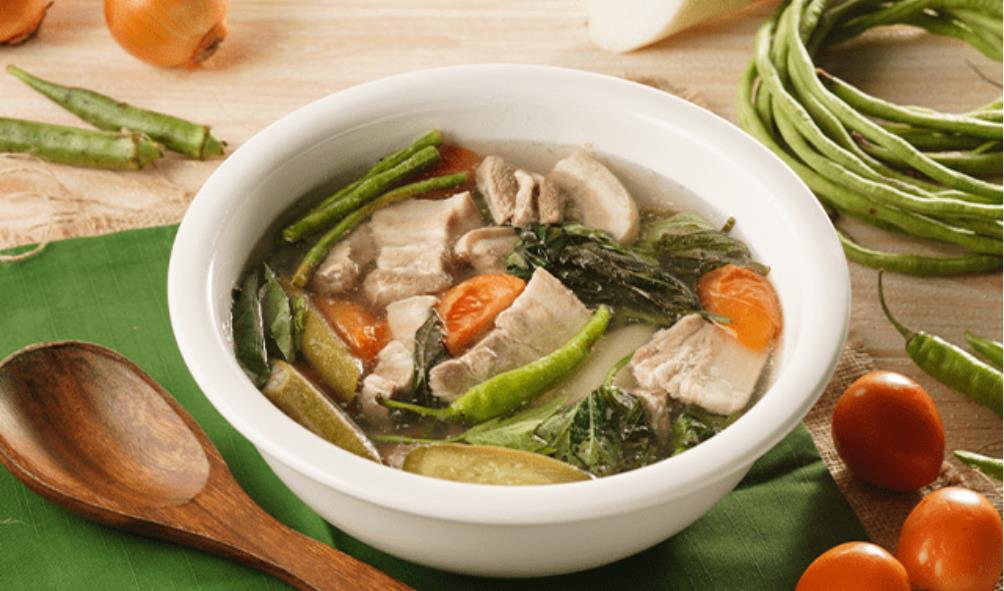
Here, you’ll encounter unique ingredients like tanglad (lemongrass) and siling labuyo (bird's eye chili) that bring depth and heat to dishes. You might find yourself savoring the aromatic blend of spices in a traditional beef rendang or the zesty punch of a Mindanao-style sinigang, enhanced by local herbs.
The use of coconut milk in curries adds a creamy richness that’s hard to resist. As you indulge in these dishes, you’ll appreciate how Mindanao’s spices not only tantalize your taste buds but also tell stories of its diverse heritage and vibrant communities.
Influences From Colonial History
The culinary landscape of the Philippines has been significantly shaped by its colonial history, influencing everything from cooking techniques to ingredient choices.
Spanish colonization introduced ingredients like tomatoes, garlic, and onions, which became staples in many Filipino dishes. You might notice how the fusion of flavors reflects this heritage, as seen in adobo and sinigang.
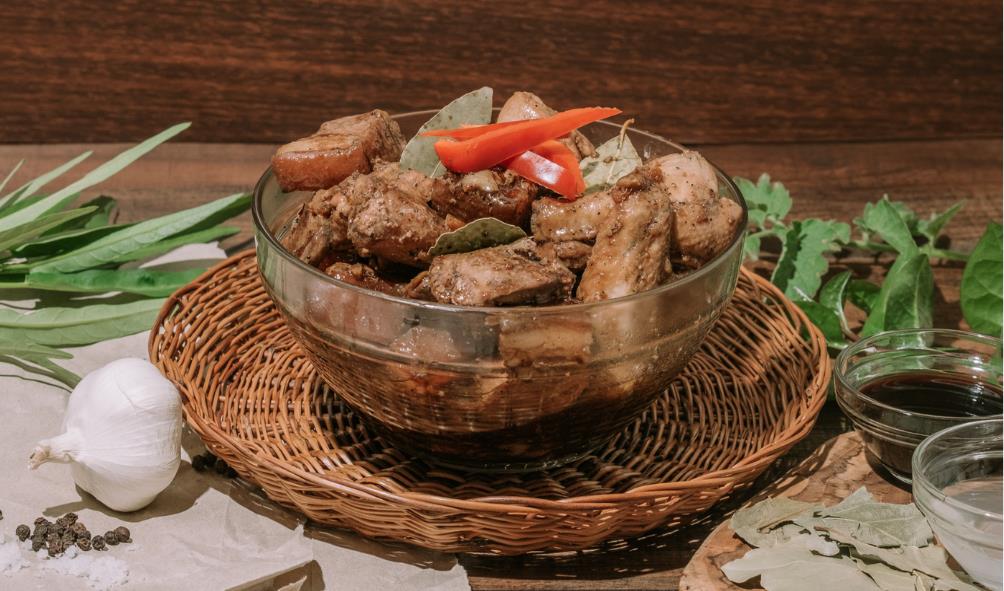
The American influence brought fast food culture, altering dining habits and introducing items like hamburgers and hotdogs, which now hold a place in local cuisine.
Chinese immigrants also contributed by integrating stir-frying techniques and noodles, enriching the food scene even further.
Each of these influences tells a story, showcasing how the Philippines has evolved into a vibrant tapestry of flavors, deeply rooted in its diverse colonial past.
The Role of Indigenous Ingredients
While many dishes showcase the Philippines' colonial influences, indigenous ingredients form the backbone of Filipino cuisine, adding depth and authenticity to flavors.
From the rich, earthy taste of native rice varieties to the tangy zest of calamansi, these elements create a unique culinary identity.
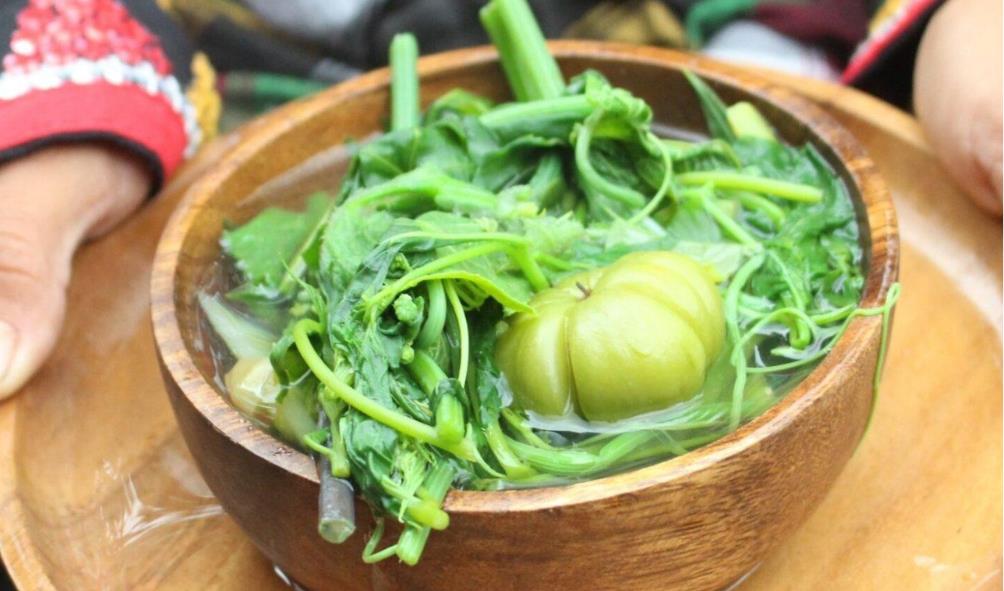
You’ll discover that local herbs like tanglad (lemongrass) and siling labuyo (bird's eye chili) elevate dishes, providing a distinct aroma and heat.
Traditional staples like ube and coconut enrich both sweet and savory recipes, grounding them in the region's agricultural heritage.
Celebrations and Festivals Through Food
Filipino celebrations and festivals are often a feast for the senses, showcasing the vibrant tapestry of the country’s culinary heritage. You’ll find streets lined with colorful stalls, each offering a unique dish that tells a story.
During fiestas, lechon, or roasted pig, takes center stage, symbolizing abundance and festivity. You can’t miss local specialties like pancit and adobo, prepared with love and shared among friends and family.
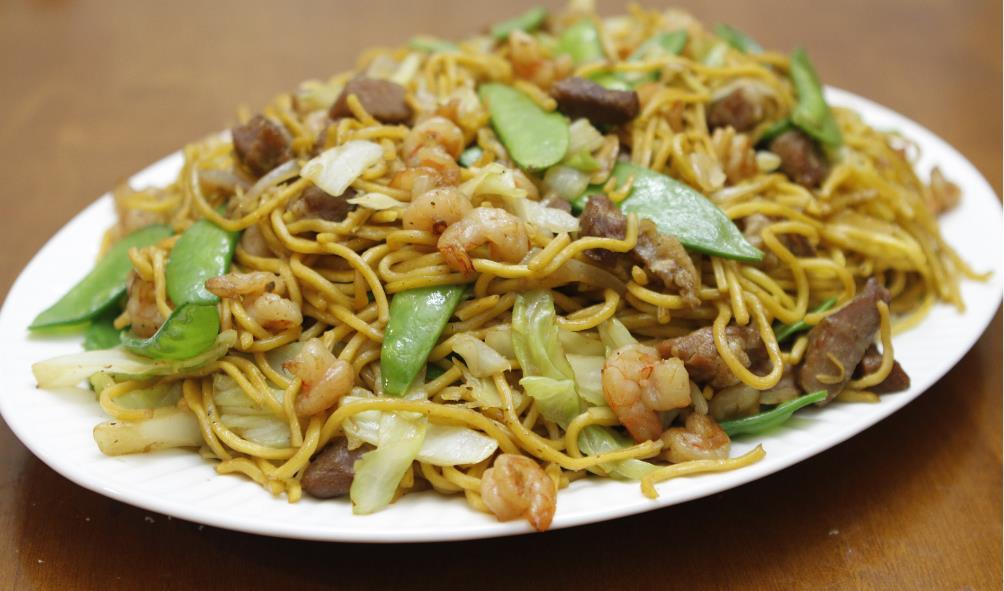
Every bite connects you to the community’s traditions and history. Festivals like Sinulog and Pahiyas elevate this experience, where food becomes a central part of the celebration.
As you indulge in these flavors, you’ll discover how deeply intertwined food is with Filipino culture, making every festival an unforgettable culinary journey.
The Future of Filipino Cuisine
What does the future hold for Filipino cuisine as it continues to evolve?
You’ll likely see a fusion of traditional flavors with global influences, making Filipino dishes more accessible and appealing to a wider audience.
As chefs experiment, you might discover innovative takes on classic recipes, showcasing regional ingredients in new ways.
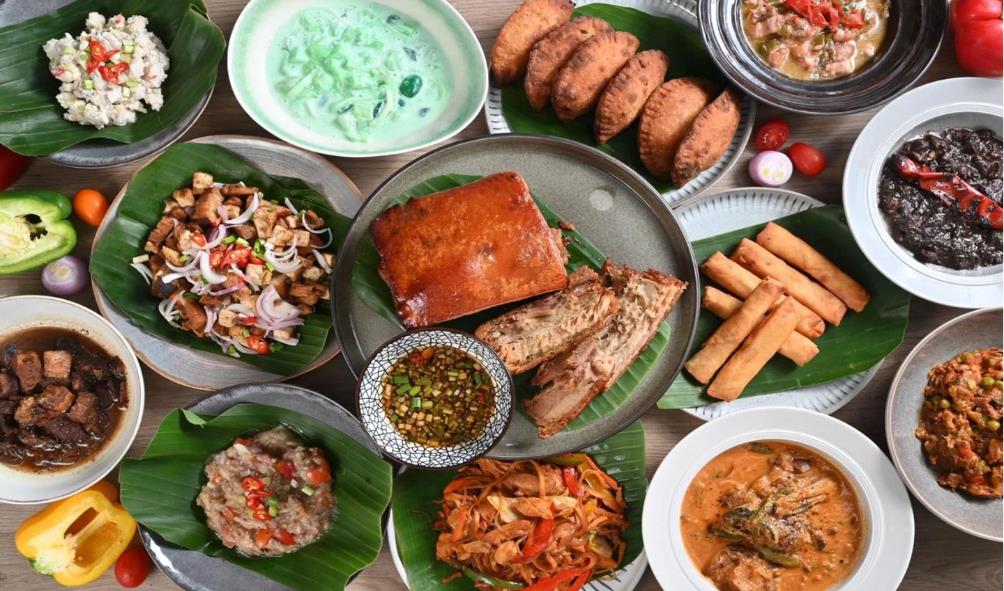
Sustainability will also play a crucial role; expect to see an emphasis on local sourcing and eco-friendly practices.
With the rise of food technology, you'll experience exciting advancements in preparation and presentation.
Social media will amplify unique culinary stories, connecting you to the rich heritage behind each dish.
As Filipino cuisine gains recognition worldwide, you'll be part of a movement celebrating authenticity while embracing modernity.
Conclusion
In exploring the regional flavors of the Philippines, you've uncovered a rich culinary heritage that reflects the country's vibrant culture and history. Each dish tells a story, connecting you to local traditions and communities. As you savor the diverse tastes from Luzon, the Visayas, and Mindanao, you not only celebrate these unique ingredients but also the shared identity of the Filipino people. Embracing this culinary journey ensures that these delicious stories continue to thrive for generations to come.
Statistics
- Surveys reveal that 70% of island-hoppers feel a greater sense of gratitude and appreciation for life after experiencing diverse island communities.
- Research indicates that individuals who engage in island-hopping report a 25% improvement in mental well-being, as they experience new cultures and environments.
- Island-hopping can reduce stress levels by 35%, thanks to the calming effects of nature and the slower pace of island life.
- Data shows that 60% of people who island-hop develop stronger interpersonal relationships, as shared experiences foster deeper connections.
External Links
- HuffPost highlights the joy and life-changing experiences that come from island-hopping, emphasizing the emotional benefits of travel.
- Travel + Leisure provides practical tips for island-hopping, helping travelers make the most of their journeys and broaden their perspectives.
- National Geographic offers a comprehensive guide on island-hopping, detailing the best destinations and experiences to enrich your travels.
- BBC Travel discusses how island-hopping can fundamentally change your perspective on life, highlighting personal stories and experiences.
How to Use Island-Hopping to Expand Your Cultural Understanding
Island-hopping offers a unique opportunity to immerse yourself in diverse cultures. Start by researching the islands you plan to visit, focusing on their traditions, languages, and cuisines. Engage with local communities by participating in cultural events, trying traditional dishes, and learning a few basic phrases in the local language. This active participation will not only deepen your understanding but also foster meaningful connections with the locals. Document your experiences through journaling or photography to reflect on how these cultural interactions have broadened your perspective on life.
Want to travel with more time and freedom?
The freedom to travel! Discover free & unique homestays around the world, in exchange for caring for adorable pets.
https://escapetomexiconow.com/ths
Recommended Resources:
Ready to explore life beyond borders? Check out our trusted guides to Mexico, Panama, and the Philippines — your gateways to new adventures, culture, and opportunity.
https://escapetomexiconow.com/
https://escapetomexiconow.info/
https://escapetopanamanow.info/
https://escapetothephilippinesnow.com/
YouTube Channel:
See Mexico like never before! From local culture to travel hacks, our YouTube channel brings the adventure straight to you.
https://www.youtube.com/@EscapeToMexicoNow