You’ve probably enjoyed coconut in various dishes, but have you ever considered its journey from grove to table? The process is more than just harvesting; it involves traditional methods, careful processing, and a wealth of cultural significance. As you explore this fascinating journey, you’ll discover how coconuts not only enrich our diets but also impact sustainable farming practices. What’s the real story behind those creamy delights and health benefits?
The Life Cycle of a Coconut
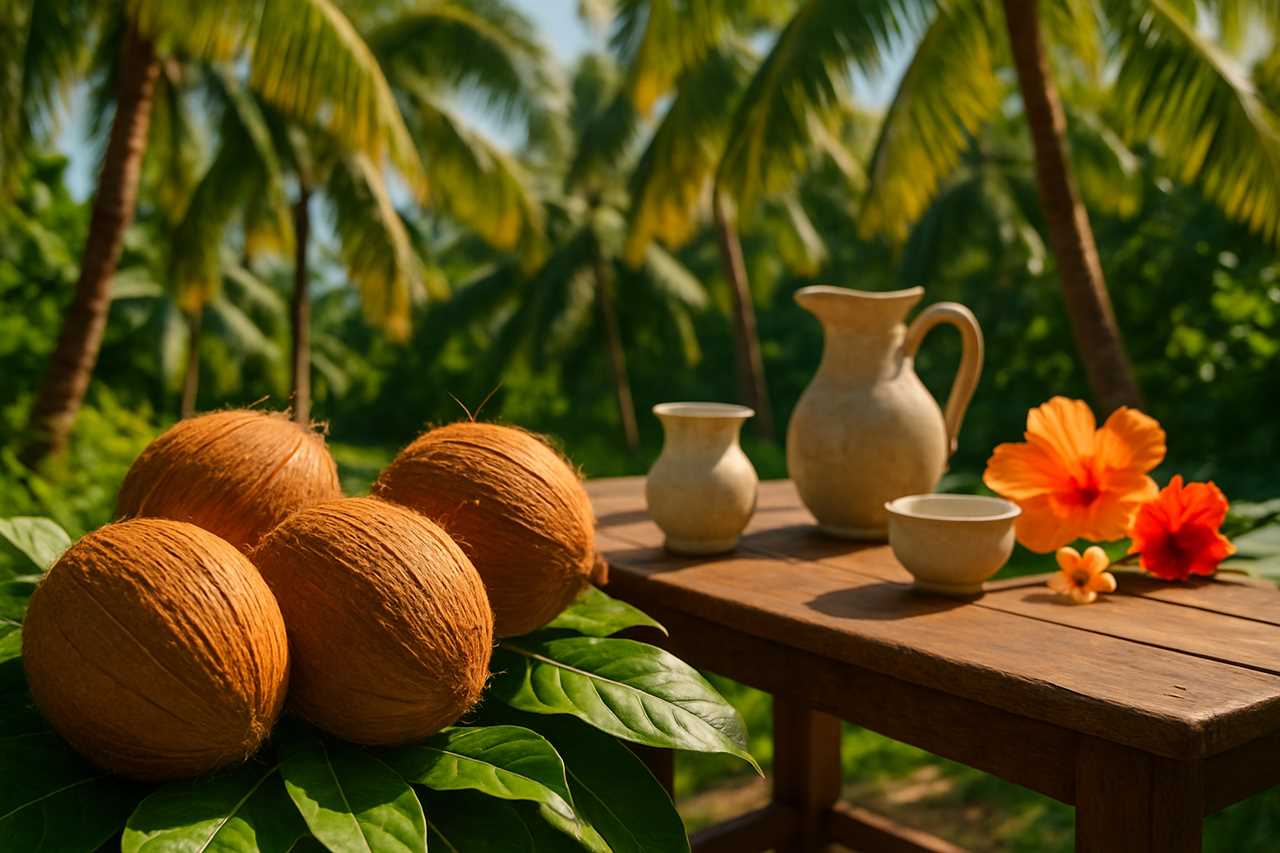
The life cycle of a coconut begins when a mature coconut falls from its tree, often landing on the sandy shore or lush ground below.
Once it’s on the ground, the outer husk can start to decompose, allowing moisture to penetrate the hard shell. This moisture triggers germination, where the coconut begins to sprout.
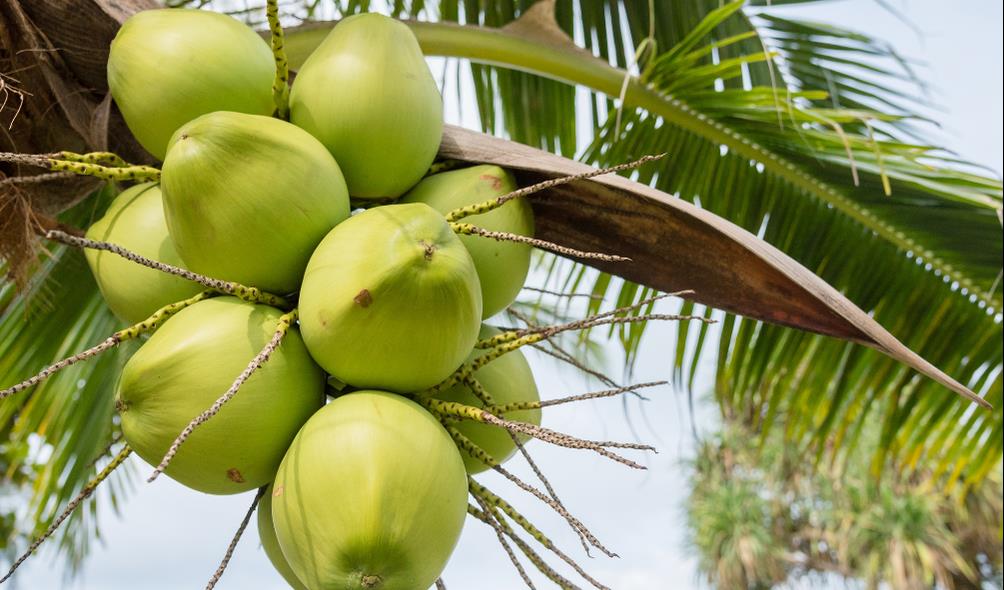
You’ll see a small shoot emerge, eventually developing into a new coconut palm. Over the next few years, the palm grows taller, developing leaves and establishing a strong root system.
As it matures, the tree will flower and produce coconuts, completing the cycle. This process can take several years, but when it’s done, you’ll have fresh coconuts ready for harvest and enjoyment.
Traditional Harvesting Techniques
While modern machinery has transformed many agricultural practices, traditional harvesting techniques for coconuts remain deeply rooted in culture and community.
You might find yourself witnessing skilled harvesters, often called “coconut climbers,” using a simple yet effective method. With a rope tied around their waist and a machete in hand, they deftly scale the tall palm trees.
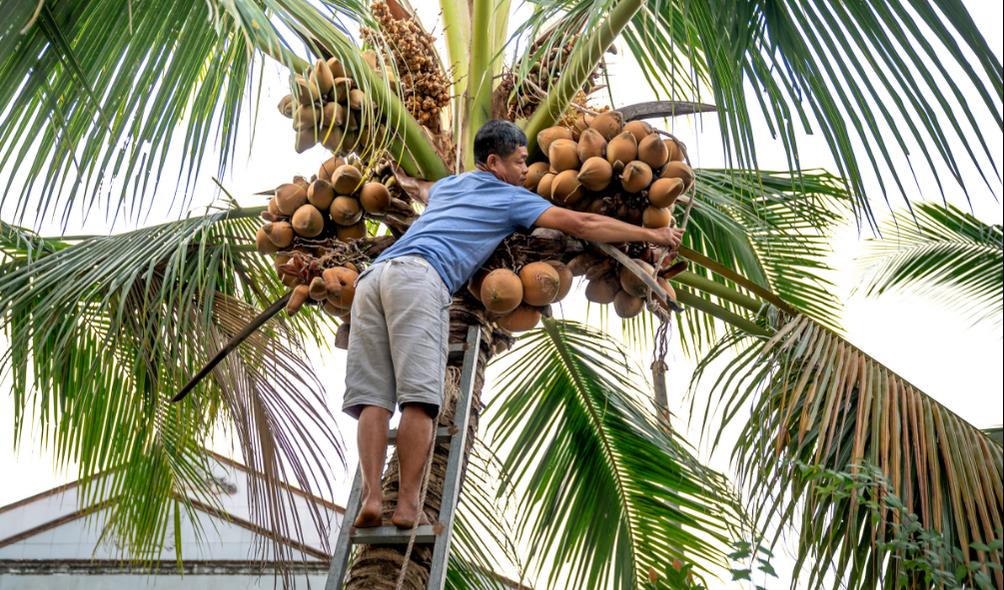
Once at the top, they expertly cut the coconuts from their fronds, letting them fall to the ground below. This method not only preserves the quality of the coconuts but also fosters a strong connection to the land.
Engaging in these traditional practices, you can appreciate the knowledge passed down through generations, ensuring that the coconut harvest remains a vibrant part of local culture.
Processing Methods: From Raw to Refined
Once you've harvested coconuts, the journey from raw to refined begins, showcasing a variety of processing methods.
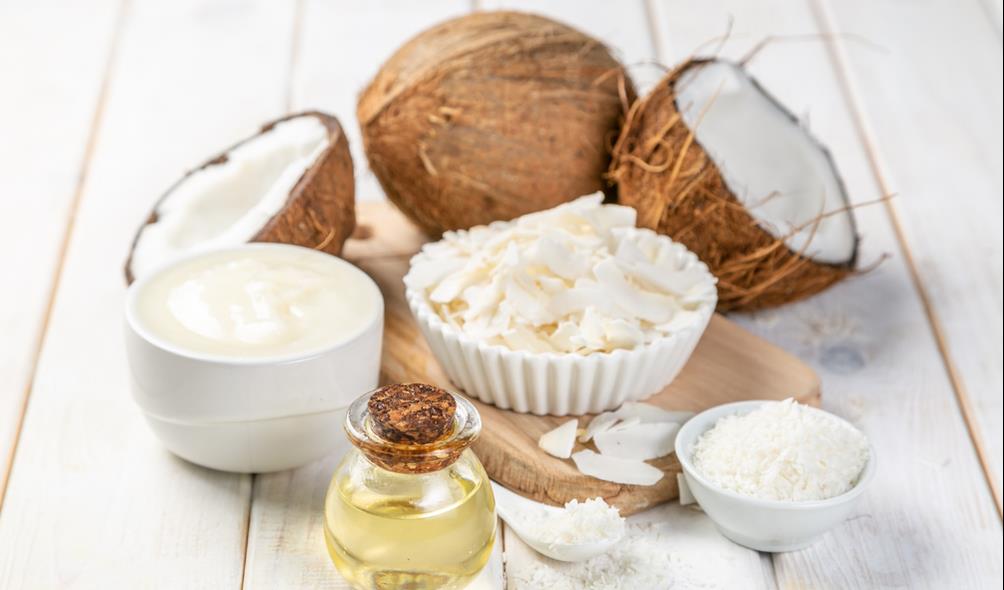
First, you'll crack open the coconuts and separate the water from the meat. You can then shred the meat to extract coconut milk, which can be used in countless recipes.
For oil, you might dry the shredded meat and press it to release the rich oil, transforming it into a cooking staple.
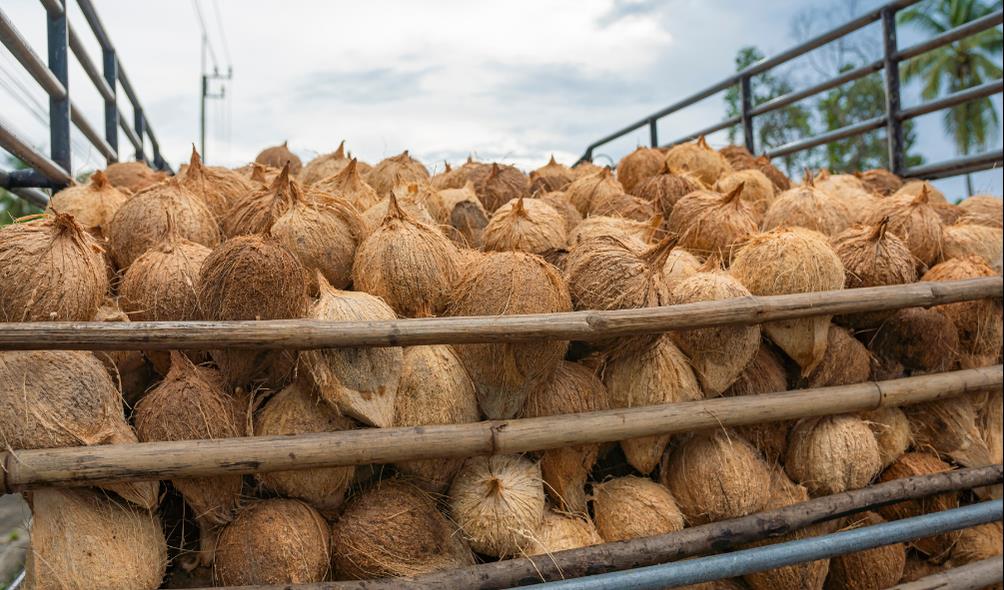
If you’re aiming for desiccated coconut, simply dry the shredded meat until it’s moisture-free for a versatile ingredient.
Each method highlights the coconut's versatility, allowing you to enjoy its unique flavors and benefits in various forms.
Embrace these techniques to elevate your culinary creations!
Nutritional Benefits of Coconuts
Coconuts pack a powerful nutritional punch, offering a range of health benefits that can enhance your diet. They're rich in healthy fats, particularly medium-chain triglycerides (MCTs), which can boost your energy and support weight management.
Plus, coconuts contain dietary fiber, aiding digestion and promoting a feeling of fullness. You'll also find essential minerals like potassium, magnesium, and iron, which can help maintain proper bodily functions.
The antioxidants in coconuts help combat oxidative stress, supporting your overall health. Incorporating coconut water into your routine can keep you hydrated and replenish electrolytes.
With their unique profile, coconuts can easily become a nutritious addition to your meals, providing you with vital nutrients that contribute to your well-being.
Culinary Uses Across Cultures
As you explore the diverse culinary uses of coconuts across cultures, you'll discover that this versatile fruit plays a vital role in various cuisines around the world.
In Southeast Asia, you might enjoy coconut milk in curries or desserts, adding richness and depth. In the Caribbean, shredded coconut enhances sweet treats like cakes and pies, while in India, fresh coconut is often a key ingredient in chutneys and snacks.
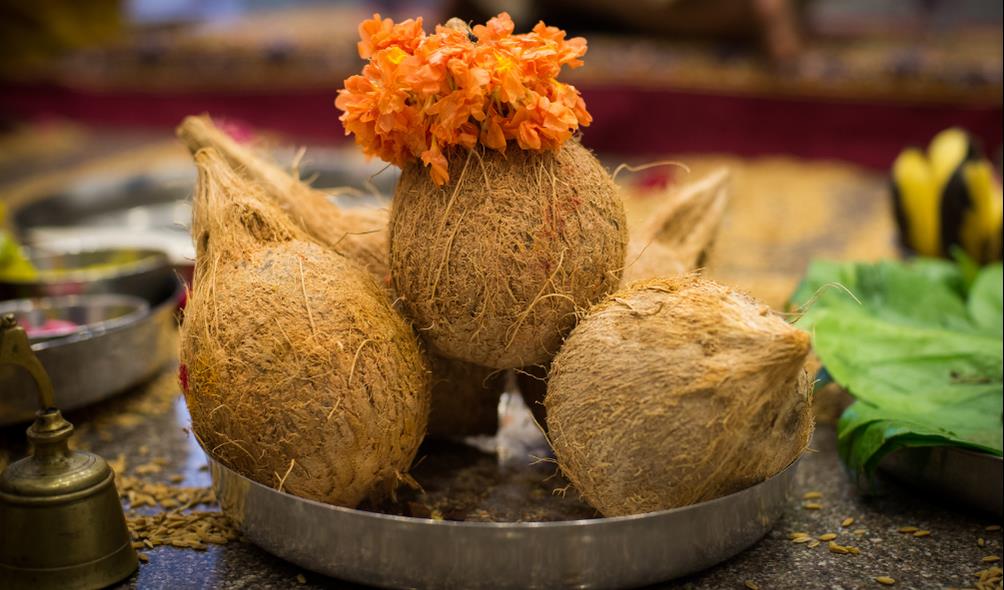
You’ll also find coconut oil being embraced for frying and baking. In Pacific Island nations, the entire coconut is utilized, from the water to the flesh, in traditional dishes.
Whether you’re sipping coconut water or savoring a coconut curry, each bite connects you to a rich tapestry of culinary traditions.
The Rise of Coconut Products in Global Markets
With the growing appreciation for diverse culinary traditions, coconut products have surged in popularity worldwide. You're likely noticing coconut oil, milk, and flour on grocery shelves more than ever.
Health enthusiasts tout their nutritional benefits, from medium-chain fatty acids in coconut oil to the versatility of coconut milk in vegan cooking. As you explore international cuisines, you’ll find coconut in dishes from Thai curries to Caribbean desserts, bridging cultural gaps and appealing to a global palate.
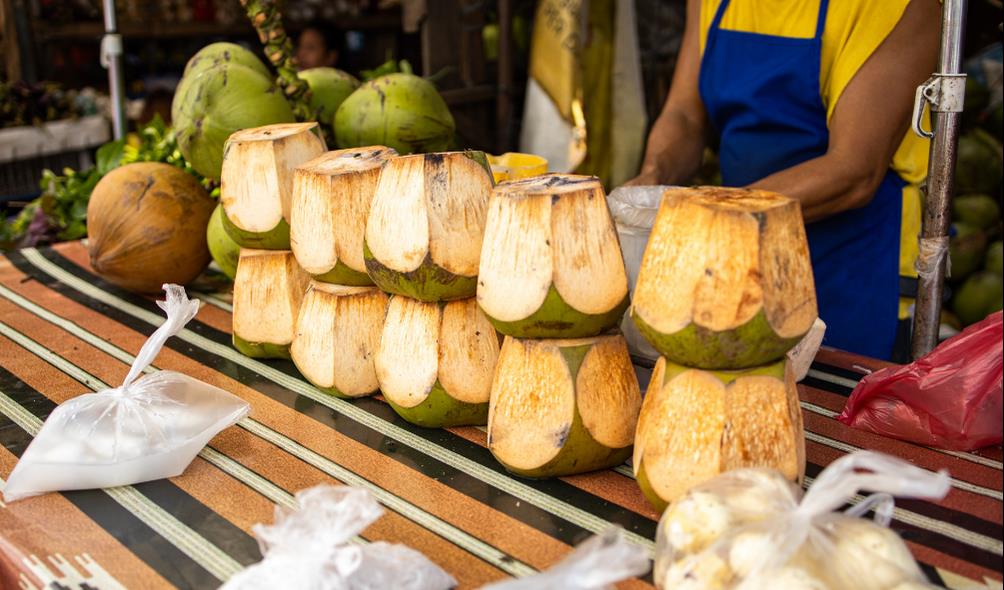
E-commerce platforms make it easier for you to access these products, driving demand even further. Whether you’re baking, cooking, or simply experimenting, coconut products offer endless possibilities for enhancing your meals.
Join the trend and discover how coconut can elevate your culinary experiences!
Sustainable Practices in Coconut Farming
While the demand for coconut products grows, so does the need for sustainable practices in coconut farming. You can support eco-friendly methods by choosing organic fertilizers and implementing integrated pest management. These techniques help reduce chemical use and promote healthier ecosystems.
Rotating crops and intercropping with legumes can enhance soil health and reduce erosion, while also maximizing land productivity. Encouraging biodiversity on your farm can attract beneficial insects and improve pollination.
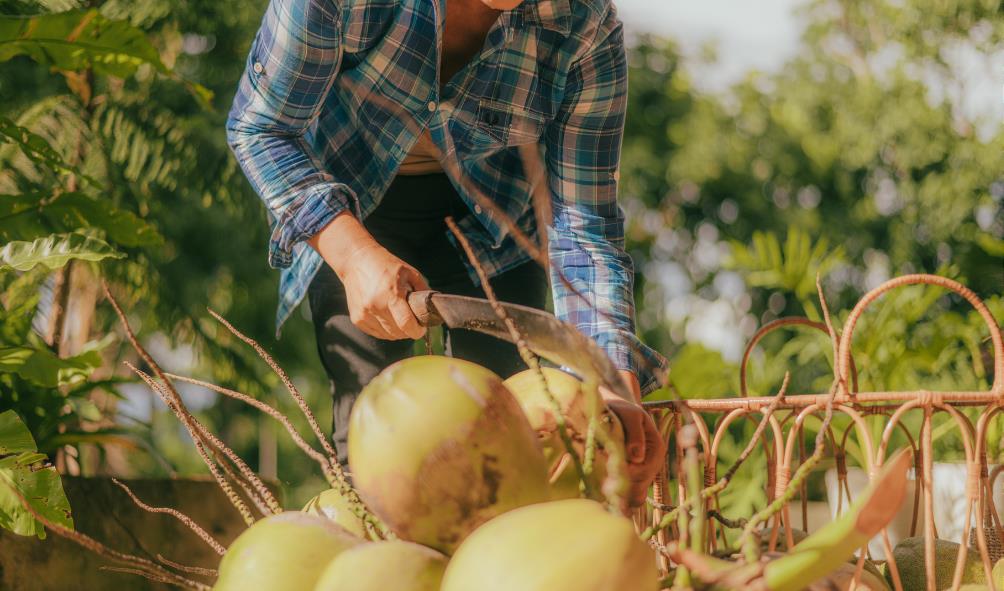
You’ll also want to ensure fair labor practices for workers involved in coconut production. By prioritizing these sustainable approaches, you not only contribute to environmental health but also support local communities and ensure a brighter future for the coconut industry.
Together, we can make a difference, one grove at a time.
Conclusion
In conclusion, the journey of coconuts from groves to your dinner table is a testament to nature's bounty and human ingenuity. By appreciating traditional harvesting techniques and embracing sustainable practices, you can enjoy the rich flavors and health benefits coconuts offer. Whether you’re using creamy coconut milk in a dish or drizzling coconut oil on your meals, you’re partaking in a global tradition that celebrates this remarkable fruit. So, savor every bite and enjoy the goodness of coconuts!
Statistics
- Coconut oil is widely used in cooking and is valued for its health benefits, with the market size expected to reach $8.4 billion by 2025.
- In the United States, coconut milk sales have surged, with an estimated market value of $1.1 billion by 2026, as consumers seek dairy alternatives.
- Indonesia, the Philippines, and India are the top three producers of coconuts, collectively accounting for over 70% of the world's coconut supply.
- The global market for coconut products, including coconut oil, milk, and water, is projected to grow at a compound annual growth rate of 10.6% from 2021 to 2028.
External Links
- MarketWatch: Coconut Milk Market Trends provides an overview of the growth projections for the coconut milk market as a popular dairy alternative.
- Grand View Research: Coconut Products Market Analysis presents an analysis of the growth trends and market size of coconut products.
- BBC News: The Rise of Coconut Water explores the increasing popularity and market demand for coconut water as a natural beverage choice.
- World Atlas: Top Coconut Producing Countries offers insights into the leading coconut-producing nations and their contributions to the global market.
How to Use Coconut Shells in Crafting
Coconut shells can be repurposed into creative crafts. Start by cleaning the shells thoroughly and allowing them to dry. They can be cut or carved into various shapes using a small saw or knife. Sand the edges to smooth them out. Coconut shells make excellent bowls, planters, or candle holders. For added decoration, paint or varnish the shells to enhance their appearance. They can also be used as natural scoops or ladles. Coconut shell crafts are eco-friendly and add a rustic charm to home decor.
Want to travel with more time and freedom?
The freedom to travel! Discover free & unique homestays around the world, in exchange for caring for adorable pets.
https://escapetomexiconow.com/ths
Recommended Resources:
Adventure is calling — are you ready to answer? Discover new places, new lifestyles, and new possibilities in Mexico, Panama, or the Philippines.
https://escapetomexiconow.com/
https://escapetomexiconow.info/
https://escapetopanamanow.info/
https://escapetothephilippinesnow.com/
YouTube Channel:
Your next adventure starts here! Join us on YouTube for destination tours, insider advice, and everything you need to make your escape unforgettable.
https://www.youtube.com/@EscapeToMexicoNow