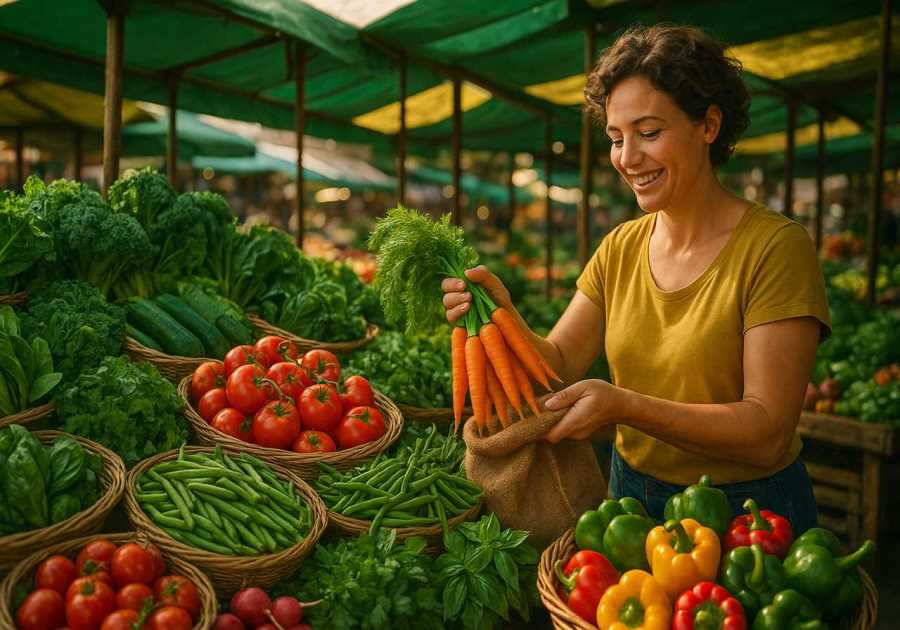

In the Philippines, the "Farm to Fork" movement is gaining traction, and it’s reshaping how you think about food. By connecting directly with local farmers, you can access fresh, organic produce while supporting sustainable practices. This approach not only highlights the diversity of regional flavors but also fosters a sense of community. What’s more, it invites you to explore the stories behind your meals—stories that could change your perspective on what you eat.
The Roots of the Farm to Fork Movement in the Philippines
The Farm to Fork movement in the Philippines has deep roots that trace back to a growing awareness of food sustainability and local agriculture.
You’ll find that this movement emphasizes the importance of knowing where your food comes from and how it’s produced. By connecting with local farmers, you’re not just supporting the economy; you’re also promoting environmentally friendly practices.
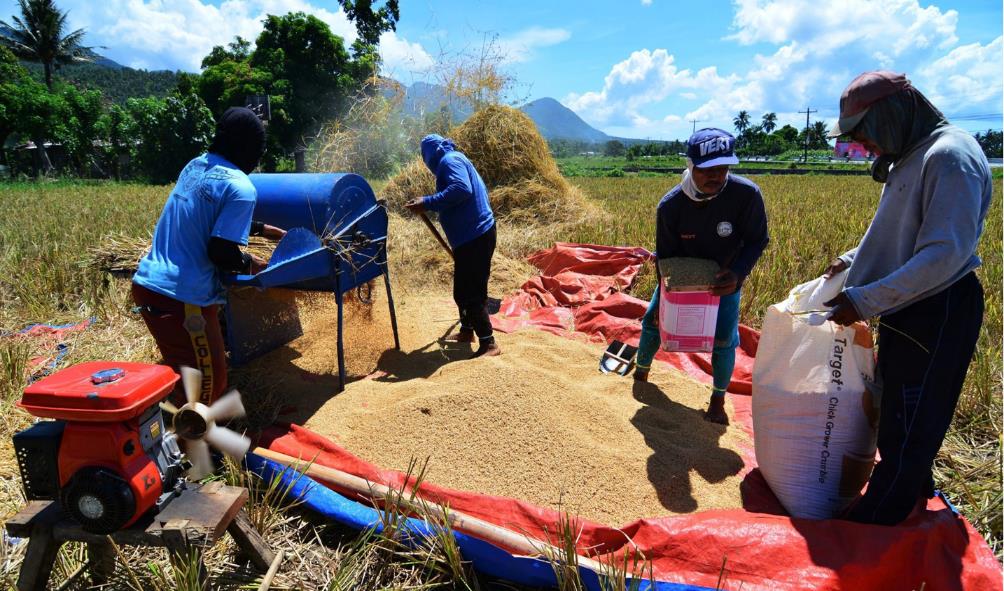
This grassroots approach encourages you to make conscious choices about what you eat, fostering a sense of community. As you explore local markets, you’ll discover a rich diversity of fresh produce and traditional foods, reinforcing the value of seasonal eating.
Engaging with this movement helps you appreciate the intricate relationship between food, culture, and the land, ultimately enriching your dining experience.
Celebrating Local Farmers and Artisanal Producers
Celebrating local farmers and artisanal producers is a vital part of the Farm to Fork movement in the Philippines. When you support these dedicated individuals, you’re not just buying food; you’re investing in your community and preserving culinary traditions.
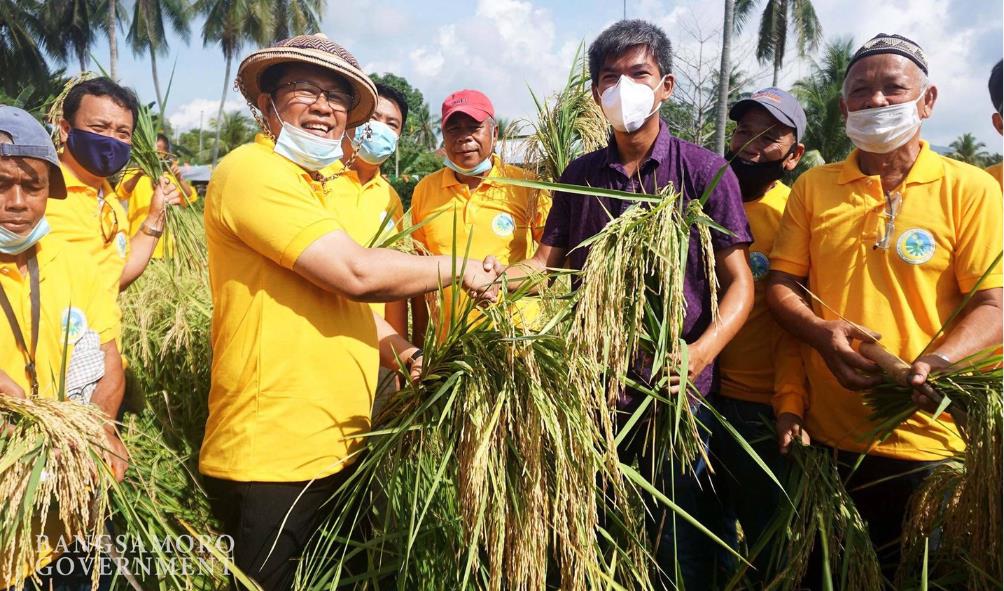
Local farmers work tirelessly to grow fresh, organic produce, often using age-old techniques that reflect the rich heritage of the land. Artisanal producers craft unique products, from handcrafted cheeses to traditional sauces, showcasing the diverse flavors of the region.
The Importance of Seasonal and Sustainable Eating
Supporting local farmers and artisanal producers naturally leads to an appreciation for seasonal and sustainable eating.
When you choose to eat with the seasons, you’re not just enjoying fresher, more flavorful foods; you're also reducing your carbon footprint. Seasonal ingredients require less transportation and support local ecosystems.

By prioritizing sustainable practices, you're helping to preserve the land and its resources for future generations. It’s a win-win situation: you get delicious meals while contributing to the health of the planet.
Plus, seasonal produce often has higher nutritional value.
A Culinary Journey Through Philippine Regional Flavors
How do the diverse flavors of the Philippines tell the story of its rich cultural heritage? From the spicy kick of Bicol's chili-laden dishes to the savory sweetness of Cebu's lechon, each region offers a distinct culinary experience.
You can taste the influence of history with every bite, whether it’s the Chinese-inspired noodles of Manila or the Spanish-infused paella from the coastal areas.

As you explore local markets, you'll find fresh ingredients that reflect the land's bounty, like the aromatic herbs from the mountains and the seafood from the shores.
Each dish serves as a connection to the local community, showcasing traditions passed down through generations.
Embrace this culinary journey, and let each flavor transport you through the Philippines' vibrant cultural tapestry.
Community Supported Agriculture: Strengthening Local Ties
As you delve into the world of Community Supported Agriculture (CSA), you'll discover a powerful movement that not only strengthens local ties but also fosters a deeper connection between consumers and farmers.
By joining a CSA, you support local farmers directly, ensuring they receive fair compensation for their hard work. You'll enjoy fresh, seasonal produce while building relationships with those who grow your food.
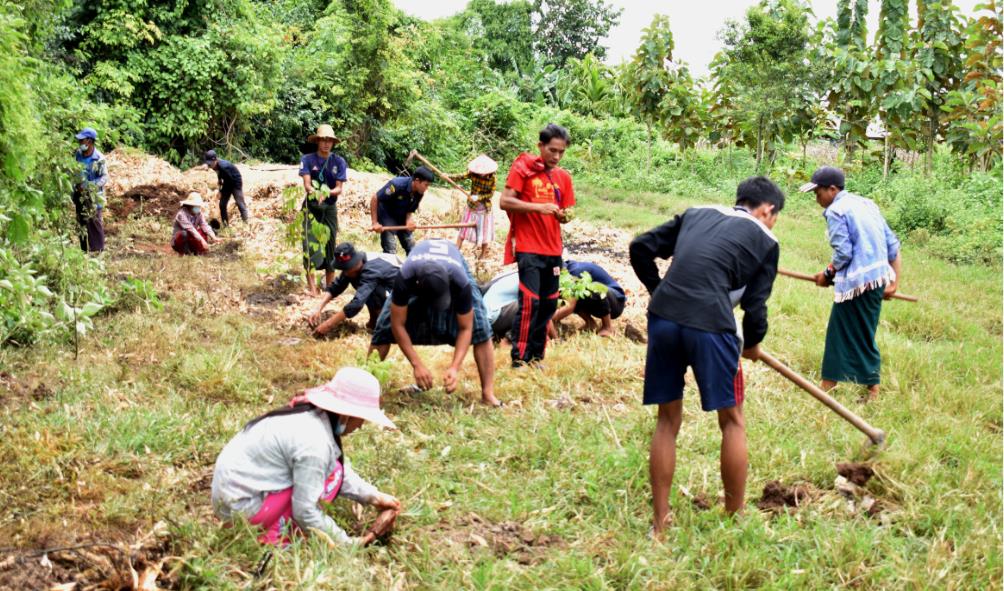
This partnership cultivates a sense of community, as members often gather for farm events, workshops, and harvest days. You gain insight into sustainable practices and the importance of local ecosystems.
Ultimately, CSA empowers you to make informed choices about your food sources, enriching both your diet and your community.
The Role of Farmers' Markets in Promoting Fresh Ingredients
Farmers' markets play a crucial role in promoting fresh ingredients, bringing together local farmers and consumers in a vibrant setting.
When you visit these markets, you get access to seasonal produce, meats, and artisanal products directly from the source. This connection not only ensures you’re getting the freshest items but also supports local agriculture.
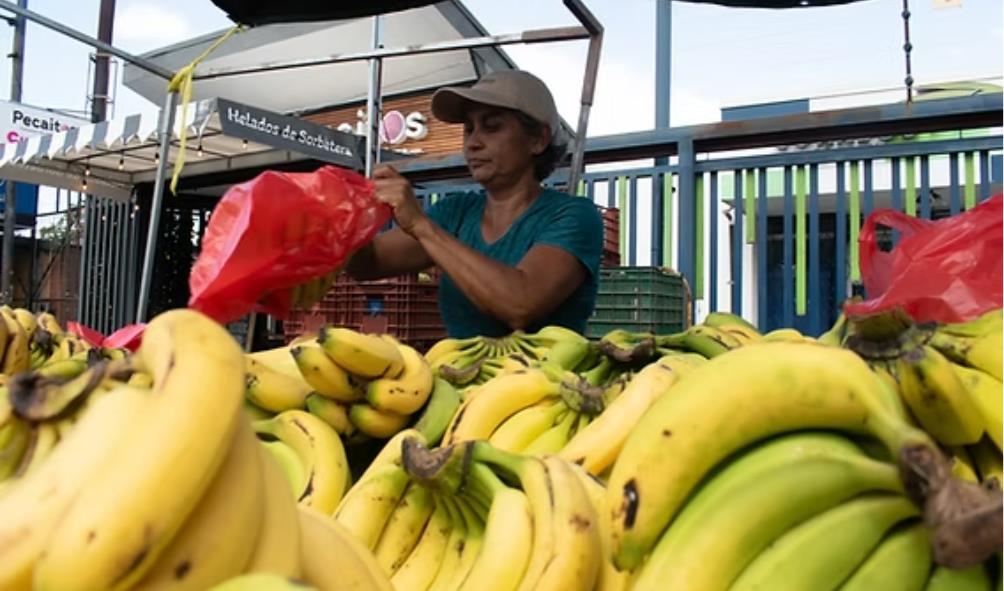
By choosing to shop at farmers' markets, you’re helping to reduce the carbon footprint associated with transporting food long distances. You’ll also discover unique varieties of fruits and vegetables that you won’t find in traditional grocery stores.
Plus, interacting with farmers gives you insights into sustainable practices and cultivation methods.
Connecting With Nature: Farm Tours and Experiences
To truly connect with nature, consider immersing yourself in farm tours and experiences that bring you closer to the land and its bounty.
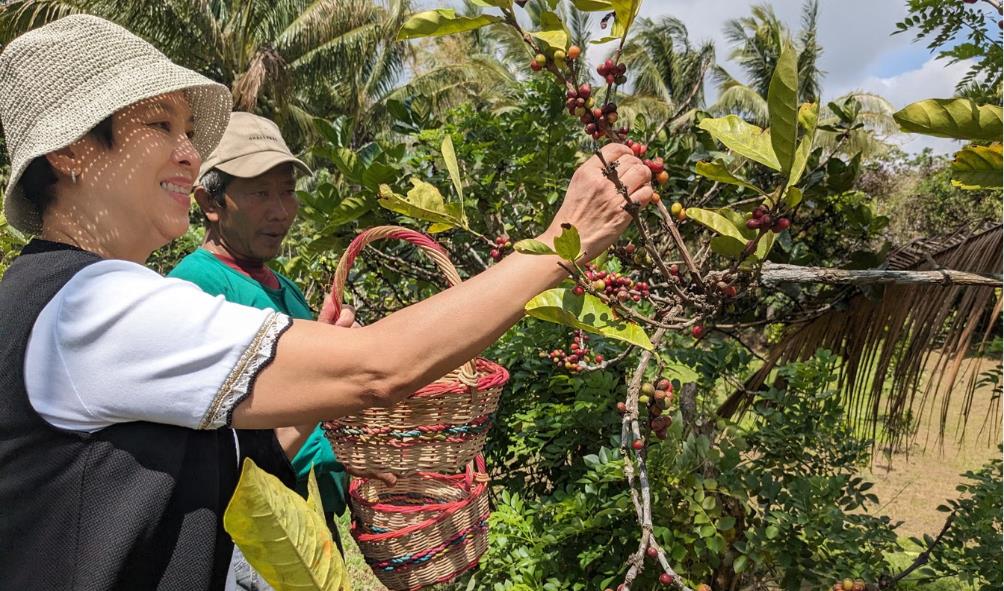
These hands-on adventures let you explore lush greenery, meet passionate farmers, and learn about sustainable practices. You’ll pick fresh fruits or vegetables straight from the ground, savoring the joy of farm-to-table living.
Guided tours often highlight local flora and fauna, deepening your appreciation for the ecosystem. Engage in workshops that teach traditional cooking methods or organic farming techniques, fostering a deeper understanding of food production.
The Future of Food: Innovations in Sustainable Agriculture
While the demand for food continues to rise, innovations in sustainable agriculture are paving the way for a more resilient future.
You’ll see vertical farming techniques sprouting up in urban areas, maximizing space and minimizing waste. Hydroponics and aquaponics are gaining traction, allowing you to grow fresh produce without soil while conserving water.
Furthermore, advancements in biotechnology help develop crops that resist pests and climate challenges, ensuring food security.
You can also participate in community-supported agriculture (CSA), connecting directly with local farmers and receiving seasonal produce.
Embracing regenerative farming practices enriches soil health and biodiversity, promoting a balanced ecosystem.
Conclusion
In embracing the Farm to Fork movement, you’re not just choosing fresh, local produce; you’re supporting a vibrant community of farmers and artisans. By prioritizing seasonal eating and engaging with your local food system, you deepen your connection to the land and its rich culinary heritage. Together, let’s celebrate the flavors of the Philippines while fostering sustainability and health. Your choices matter—every meal can be a step toward a brighter, more sustainable future for everyone.
Statistics
- Recent reports estimate that farm-to-fork practices contribute approximately 12% to the country’s overall agricultural GDP, showcasing their economic significance.
- Research indicates that farm-to-fork initiatives can reduce food waste by up to 50%, significantly benefiting both farmers and consumers.
- In the Philippines, around 70% of the population lives in rural areas, where farm-to-fork practices are integral to daily life and community sustainability.
- Approximately 90% of farmers in the Philippines practice traditional farming methods, preserving local food systems and biodiversity.
External Links
- FAO Philippines: Sustainable Food Systems - This resource discusses sustainable food systems and their relevance in the context of the Philippines.
- Farm to Fork in the Philippines: A World Bank Feature - This article discusses the importance of sustainable agriculture and local food systems in the Philippines.
- Department of Agriculture: Farm to Fork - The official Department of Agriculture page detailing government initiatives related to farm-to-fork practices.
- Philippines Farm to Fork Advocacy by Rappler - An overview of the advocacy efforts to promote farm-to-fork practices in the country.
How to Support Local Farmers in the Philippines
Supporting local farmers is essential for a thriving farm-to-fork movement. Start by purchasing directly from farmers at markets or through CSAs. This not only ensures that farmers receive fair compensation but also strengthens your local economy. Volunteer your time at local farms or participate in community gardening projects to gain firsthand experience of agricultural practices. Advocate for policies that support local agriculture by attending town hall meetings and engaging with local government representatives. Lastly, spread the word about your favorite local farms to encourage others to support them as well.
Want to travel with more time and freedom?
The freedom to travel! Discover free & unique homestays around the world, in exchange for caring for adorable pets.
https://escapetomexiconow.com/ths
Recommended Resources:
Your next chapter could start anywhere. From the vibrant streets of Mexico to the laid-back beauty of the Philippines, explore destinations where you can truly live your dream.
https://escapetomexiconow.com/
https://escapetomexiconow.info/
https://escapetopanamanow.info/
https://escapetothephilippinesnow.com/
YouTube Channel:
Want a closer look at life in Mexico? Subscribe to our YouTube channel for insider tips, travel guides, and inspiring stories that make planning your escape easier and more exciting.
https://www.youtube.com/@EscapeToMexicoNow