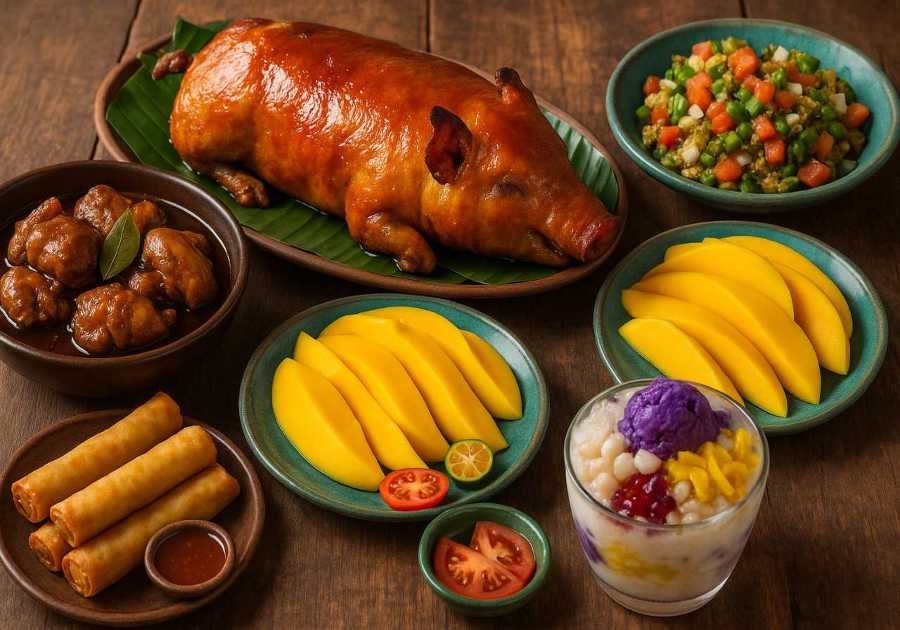

When you explore the regional flavors of the Philippines, you'll find a rich tapestry of culinary delights that reflects the country's diverse culture. Each region offers distinctive dishes, from the heat of Bicol’s spicy fare to the savory perfection of Visayan lechon. As you uncover these flavors, you'll start to see how history has shaped Filipino cuisine in unexpected ways. What surprises await as you journey through this vibrant culinary landscape?
The Culinary Heritage of Luzon
When you explore the culinary heritage of Luzon, you'll discover a vibrant tapestry of flavors and traditions that reflect the region's rich history and diverse cultures.
From the savory dishes of Ilocos, like bagnet and empanada, to the hearty meals of the Cordilleras, such as pinikpikan, each bite tells a story.

Don't miss the sweet treats from Pampanga, known as the culinary capital, where you can indulge in halo-halo and bibingka.
The fusion of indigenous ingredients and influences from Chinese, Spanish, and American cuisines creates a unique dining experience.
As you savor these dishes, you’ll appreciate how Luzon’s culinary landscape invites you to connect with its past, celebrating the people and traditions that make it truly special.
Bicol's Spicy Delights
Bicol's culinary scene is renowned for its bold and spicy flavors that awaken your taste buds with every bite.
When you think of Bicol, you can't skip the iconic Bicol Express. This dish combines pork, coconut milk, and fiery chili peppers, creating a delightful balance of heat and creaminess.

You'll also want to try Laing, made from dried taro leaves simmered in coconut milk, delivering a rich, earthy flavor that packs a punch.
Another must-try is the spicy tinola, a chicken soup infused with ginger and topped with green chilies.
Each dish reflects the region's passion for spice, ensuring every meal is an adventure.
The Flavors of the Visayas
As you journey through the Visayas, you'll discover a vibrant tapestry of flavors that reflect the region's rich cultural heritage.
You'll savor the iconic lechon, a roasted pig that's a centerpiece at celebrations, crispy on the outside and succulent within.
Don't miss out on the sweet, sticky delicacy of bibingka, made from rice flour and coconut milk, often enjoyed during fiestas.

The region's seafood is equally tempting; try fresh scallops baked with garlic and cheese or kinilaw, a refreshing ceviche made from local fish.
Pair your meals with local beverages like tuba, a fermented coconut drink, or refreshing buko juice.
Every bite and sip offers a glimpse into the Visayan way of life, making your culinary adventure truly unforgettable.
Mindanao's Unique Ingredients
While exploring Mindanao, you'll encounter a rich array of unique ingredients that showcase the region's diverse agricultural bounty and cultural influences.
One standout is the native cacao, known for its rich flavor, perfect for making chocolate delicacies. You can also taste the vibrant flavors of durian, often called the "king of fruits," with its creamy texture and distinct aroma.

Don't miss the tangy calamansi, a citrus fruit that adds brightness to dishes. Additionally, Mindanao is home to various rice varieties, like tinawon, known for its fragrant, sticky quality.
You’ll also find local herbs and spices, such as ginger and lemongrass, enhancing the flavors of traditional dishes. Each ingredient tells a story of Mindanao’s rich heritage and culinary creativity.
The Influence of Colonialism on Filipino Cuisine
Colonialism profoundly shaped Filipino cuisine, introducing a blend of flavors and cooking techniques that reflect the nation's complex history.
When you explore Filipino dishes, you’ll notice the Spanish influence, evident in favorites like adobo and paella. The Chinese brought stir-frying and the use of soy sauce, enriching the culinary landscape with dishes like lumpia and pancit.

American colonization introduced fast food and popularized the use of canned goods, creating unique fusion dishes like spaghetti with sweet sauce.
Each layer of influence tells a story, inviting you to savor the past while enjoying contemporary flavors.
As you dive into Filipino cuisine, you’re not just tasting food; you’re experiencing a rich tapestry woven from centuries of cultural exchange and adaptation.
Street Food: A Taste of Everyday Life
Street food embodies the vibrant essence of Filipino culture, offering a quick and delicious way to experience everyday life in the country.
As you stroll through bustling streets, you'll encounter vendors serving a variety of mouthwatering delights. Grab some skewered isaw (grilled chicken intestines) or crispy fish balls, both perfect for a quick snack.

Don’t miss out on the sweet goodness of taho, a warm silken tofu treat drizzled with caramel syrup. Each bite reflects the locals' creativity and resourcefulness.
You’ll notice that street food isn’t just about the taste; it’s an experience that connects you to the community.
Festivals and Food: Celebrating Culture Through Cuisine
Food plays a central role in the vibrant festivals of the Philippines, where celebrations come alive with colorful displays and culinary delights.

As you wander through bustling streets during events like the Sinulog or Ati-Atihan, you'll encounter a feast for the senses. Locals prepare traditional dishes, showcasing regional specialties that reflect their unique cultures. You can savor lechon, a whole roasted pig, or indulge in sweet treats like bibingka and puto bumbong.
These festivals aren’t just about food; they’re a way for communities to come together, sharing stories and preserving traditions. You’ll find that every bite tells a story, connecting you to the rich history and diverse cultures that make the Philippines a culinary paradise.
Regional Variations of Adobo
While many people recognize adobo as the national dish of the Philippines, its regional variations reveal a fascinating tapestry of flavors and cooking techniques.
In Luzon, you might encounter adobo cooked with soy sauce and vinegar, giving it a rich, savory punch. Travel to the Visayas, and you’ll find adobo with coconut milk, adding a creamy twist that balances the dish’s tanginess.

Meanwhile, in Mindanao, locals often spice it up with chili peppers and turmeric, creating a vibrant, aromatic experience.
Each region’s unique ingredients reflect local culture and traditions, making every version of adobo special.
Seafood and Coastal Influences
The rich culinary landscape of the Philippines goes beyond adobo, with seafood playing a pivotal role in many regional dishes.
From the bustling markets of Cebu to the coastal towns of Palawan, you'll find an abundance of fresh fish, shrimp, and mollusks.
Try sinigang na isda, a sour soup that perfectly highlights the day's catch, or indulge in kinilaw, a refreshing ceviche made with raw fish marinated in vinegar and citrus.

Don't miss out on local specialties like grilled pusit (squid) or the famous seafood platter from Davao.
Each bite connects you to the ocean's bounty, showcasing the vibrant coastal influences that define Filipino cuisine.
Experience these flavors, and you'll understand the Philippines' deep maritime heritage.
The Rise of Modern Filipino Cuisine
As Filipino chefs embrace innovation, modern Filipino cuisine is blossoming into a vibrant culinary movement that pays homage to tradition while incorporating global influences.
You’ll find dishes that elevate classic flavors, transforming staples like adobo and sinigang into artful presentations that surprise the palate.
Chefs are experimenting with local ingredients, using techniques borrowed from international cuisines, creating a fusion that feels both familiar and exciting.

This culinary renaissance isn't just about food; it's about storytelling, connecting you to the rich heritage of the Philippines.
As you explore modern Filipino eateries, you'll taste the passion and creativity that define this movement.
Get ready to experience a new wave of flavors that celebrate the past while looking boldly toward the future.
Conclusion
Exploring the regional flavors of the Philippines is a delicious journey that reflects the country's rich culinary heritage. From the spicy dishes of Bicol to the savory delights of the Visayas, each region offers something unique. You’ll discover how colonial influences shaped these vibrant flavors and how festivals celebrate this diverse culture. Whether you savor a classic adobo or indulge in modern Filipino cuisine, there’s always something new to taste and enjoy. Get ready to dig in!
Statistics
- The Visayas region is famous for its seafood dishes, with specialties such as kinilaw, a type of Filipino ceviche, showcasing the area's abundant marine resources.
- The Philippines' diverse geography and cultural influences have resulted in a rich tapestry of regional dishes, making it a culinary destination worth exploring.
- In the Philippines, there are over 7,641 islands, each offering a unique culinary experience reflecting their diverse cultural heritage.
- Bicol Express, a spicy dish made with pork and chili peppers, originates from the Bicol region and highlights the area's love for fiery flavors.
External Links
- Filipino Food Movement is dedicated to promoting Filipino cuisine and its regional variations, celebrating the rich flavors of the Philippines.
- Rappler's Guide to Regional Dishes highlights some of the best regional dishes in the Philippines, offering insights into their origins and ingredients.
- Experience Philippines provides an overview of the diverse culinary landscape across the Philippine islands.
- Lakwatsero's Philippine Food Travel Guide offers a comprehensive guide to experiencing the local flavors while traveling through the Philippines.
How to Discover the Unique Flavors of Mindanao
Mindanao's culinary scene is influenced by its rich cultural diversity. To explore these flavors, start in Davao City, where you can taste durian and pomelo. Venture to Marawi to experience the Maranao cuisine, with dishes like beef rendang and piaparan. The region's Muslim heritage is evident in its use of spices and coconut milk. Attend local festivals to enjoy traditional dishes and watch cultural performances. Engaging with local chefs and participating in cooking demonstrations can provide insights into the preparation and cultural significance of Mindanao's cuisine, offering a deeper connection to its rich heritage.
Want to travel with more time and freedom?
The freedom to travel! Discover free & unique homestays around the world, in exchange for caring for adorable pets.
https://escapetomexiconow.com/ths
Recommended Resources:
Your next chapter could start anywhere. From the vibrant streets of Mexico to the laid-back beauty of the Philippines, explore destinations where you can truly live your dream.
https://escapetomexiconow.com/
https://escapetomexiconow.info/
https://escapetopanamanow.info/
https://escapetothephilippinesnow.com/
YouTube Channel:
Want a closer look at life in Mexico? Subscribe to our YouTube channel for insider tips, travel guides, and inspiring stories that make planning your escape easier and more exciting.
https://www.youtube.com/@EscapeToMexicoNow