
When you cook with the seasons in the tropics, you unlock a world of vibrant flavors and fresh produce. The wet season brings a bounty of juicy fruits and hearty greens, while the dry season invites lighter, zesty dishes. Embracing these seasonal ingredients not only enhances your meals but also supports local farmers. Curious about how to make the most of these ingredients in your kitchen? Let’s explore the unique offerings of each season.
Understanding Tropical Seasons and Their Impact on Cooking
As you explore the vibrant world of tropical cooking, you'll quickly realize that the seasons play a crucial role in shaping flavors and ingredients.

Tropical climates often feature wet and dry seasons, each bringing unique produce and spices to your kitchen. During the dry season, you'll find fruits like mangoes and papayas ripening under the sun, perfect for fresh salsas and desserts.
Conversely, the wet season introduces a bounty of leafy greens and root vegetables, ideal for hearty stews and curries. Understanding these seasonal shifts helps you make the most of what's available, ensuring every dish bursts with freshness.
The Bounty of Wet Season Produce
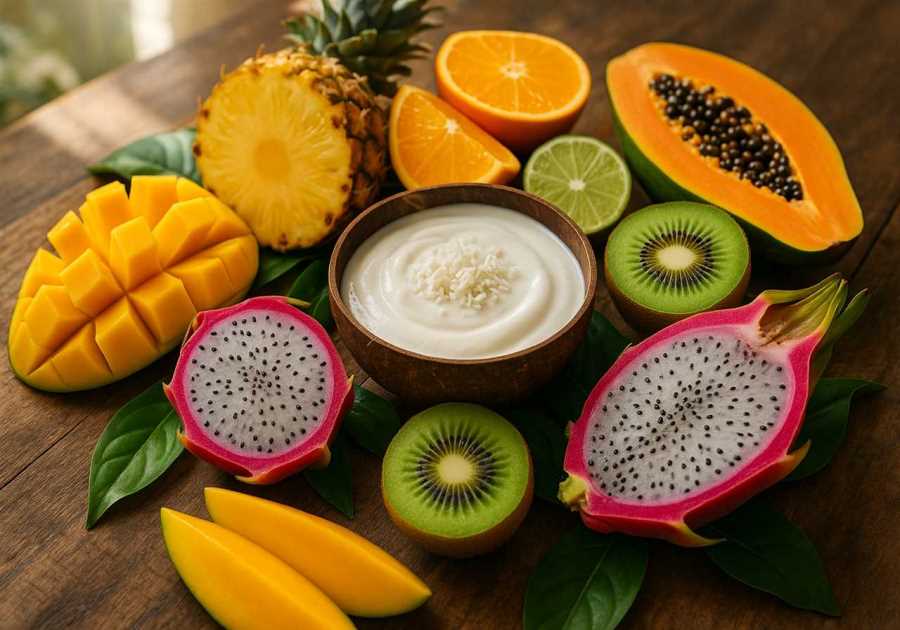
There's something magical about the wet season, as it brings a vibrant array of produce that's perfect for hearty, comforting dishes. You’ll find juicy mangoes, ripe avocados, and luscious pineapples, each bursting with flavor.
The damp conditions create a perfect environment for leafy greens and root vegetables, making your salads and stews extra nourishing. Imagine adding fresh okra to your gumbo or using tender taro in your curries—these ingredients thrive when the rains come.

Don't overlook the diverse array of herbs, like cilantro and basil, which flourish during this season, enhancing your meals with their fragrant notes.
Embrace the wet season's bounty and let your creativity flow in the kitchen, crafting dishes that celebrate these seasonal treasures.
Celebrating Dry Season Ingredients
The dry season brings a unique selection of ingredients that invite you to create lighter, more vibrant dishes.
You’ll find an abundance of fresh herbs, citrus fruits, and crunchy vegetables like bell peppers and cucumbers. These ingredients not only enhance your meals but also provide refreshing flavors perfect for warm weather.

Embrace the zesty notes of lime or lemon, elevating your dishes with a splash of brightness. Think about incorporating local greens, such as spinach and kale, which thrive during this time.
As you explore, remember to celebrate the natural sweetness of tropical fruits like mangoes and pineapples.
Experimenting with these ingredients won't only invigorate your palate but also connect you to the rhythms of the dry season.
Flavorful Recipes for Each Season
Every season offers a bounty of flavors just waiting to be explored in your kitchen.
During the wet season, whip up a hearty coconut curry using fresh vegetables and herbs. The bright, tangy notes will elevate your meals and warm your soul.
In the dry season, grill juicy pineapples or mangoes for a sweet and smoky side dish that’ll impress anyone at your table.

For the cooler months, try a spicy soup featuring seasonal greens and legumes; it'll keep you cozy and satisfied.
Finally, embrace the transition to harvest season with a vibrant salad that combines ripe tomatoes, avocados, and zesty lime.
These recipes not only celebrate seasonal ingredients but also invite you to savor every bite.
Happy cooking!
Sustainable Cooking Practices in the Tropics
In the tropics, embracing sustainable cooking practices can make a significant difference for both the environment and your palate.
Start by sourcing local ingredients, which not only support farmers but also reduce your carbon footprint. Choose seasonal produce to enjoy peak flavors and nutritional value.

When cooking, opt for methods that conserve energy, like steaming or sautéing, instead of deep frying. You can also minimize food waste by repurposing leftovers into new dishes or composting scraps.
Consider using eco-friendly cooking tools, like bamboo utensils or reusable containers.
Tips for Selecting and Storing Tropical Ingredients
Sourcing local ingredients is just the beginning of enjoying the vibrant flavors of the tropics; knowing how to select and store them properly is equally important.
When choosing tropical fruits and vegetables, look for vibrant colors and firm textures—this indicates freshness. Avoid any with bruises or soft spots. For herbs, opt for those with a strong aroma; this means they’re fresh and flavorful.

Once you've selected your ingredients, store them correctly to maintain their freshness. Most tropical fruits, like mangoes and papayas, should ripen at room temperature, while leafy greens thrive in the fridge.
Keep spices in airtight containers, away from sunlight. By taking these steps, you'll ensure your tropical ingredients remain delicious and ready for your culinary adventures!
Conclusion
By embracing seasonal cooking in the tropics, you not only enhance your meals with fresh, vibrant flavors but also support local farmers and sustainability. Whether you’re whipping up a hearty coconut curry during the wet season or enjoying a refreshing citrus salad in the dry season, you’ll discover the joy of cooking with what nature provides. So, dive into the bounty of tropical produce and let each season inspire your culinary adventures!
Statistics
- Approximately 80% of the world's coconut production comes from tropical countries, making coconut milk and oil essential ingredients in tropical cooking.
- In tropical regions, the wet and dry seasons influence the planting and harvesting cycles, with rice being a primary crop that thrives in these conditions, particularly in Southeast Asia.
- More than 70% of the world's coffee is produced in tropical climates, with countries like Brazil, Vietnam, and Colombia leading in production, impacting both local and global culinary practices.
- The tropical climate supports the year-round cultivation of spices such as ginger, turmeric, and black pepper, which are integral to the region's culinary traditions.
External Links
- National Geographic's Food Journeys in the Tropics takes readers on a culinary journey through tropical regions, highlighting seasonal cooking practices.
- The Spruce Eats' Guide to Tropical Cuisine explores the diverse culinary traditions and ingredients unique to tropical regions.
- TasteAtlas' Most Popular Tropical Fruits showcases a variety of tropical fruits and their culinary applications around the world.
- Saveur's Tropical Cooking Recipes features a collection of recipes that highlight the vibrant flavors of tropical cuisine.
How to Cook Sustainably with Tropical Ingredients
Sustainable cooking with tropical ingredients involves making mindful choices that support the environment and local communities. Start by sourcing ingredients from local farmers and markets, which reduces the carbon footprint associated with transportation. Choose organic and fair-trade products when available, as these practices promote environmental health and fair labor conditions. Be conscious of food waste by using all parts of the produce, such as turning fruit peels into zests or composting scraps. Additionally, opt for plant-based meals more frequently, as they tend to have a lower environmental impact. By adopting these practices, you contribute to a more sustainable food system while enjoying the rich flavors of tropical cuisine.
Want to travel with more time and freedom?
The freedom to travel! Discover free & unique homestays around the world, in exchange for caring for adorable pets.
https://escapetomexiconow.com/ths
Recommended Resources:
Adventure is calling — are you ready to answer? Discover new places, new lifestyles, and new possibilities in Mexico, Panama, or the Philippines.
https://escapetomexiconow.com/
https://escapetomexiconow.info/
https://escapetopanamanow.info/
https://escapetothephilippinesnow.com/
YouTube Channel:
Your next adventure starts here! Join us on YouTube for destination tours, insider advice, and everything you need to make your escape unforgettable.
https://www.youtube.com/@EscapeToMexicoNow