When you think about cooking the Filipino way, it's all about embracing simplicity and flavor. Fresh ingredients bring dishes to life, while bold seasonings create a unique taste. You might find comfort in the communal aspect of sharing meals, but there’s more to discover. The connection between food and culture runs deep, revealing stories and traditions that nourish both body and soul. What makes these meals so special?
The Heart of Filipino Cuisine: Fresh Ingredients
Fresh ingredients are the lifeblood of Filipino cuisine, infusing each dish with vibrant flavors and textures.
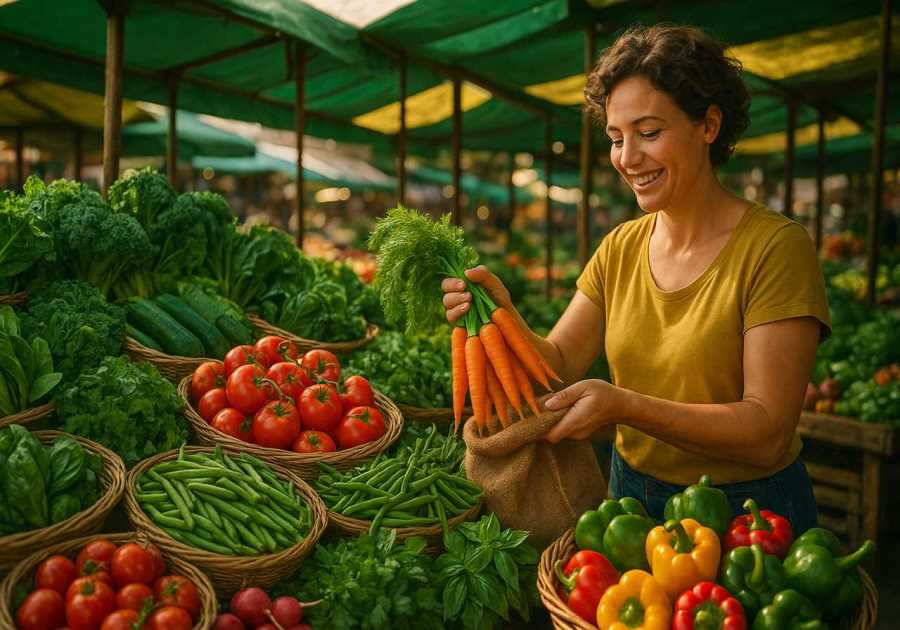
When you cook, consider sourcing seasonal produce from local markets. Think ripe tomatoes, crunchy vegetables, and fragrant herbs. These elements elevate your meals, making them not just tasty but also healthy.
You'll notice that ingredients like fresh seafood and quality meats play a crucial role, too. They bring authenticity and depth to your recipes.
Embrace the natural goodness of ingredients, and your dishes will shine. Remember, cooking isn't just about following recipes; it's about connecting with the food.
Bold Flavors: The Art of Seasoning
While many dishes in Filipino cuisine shine with fresh ingredients, it's the bold flavors from seasoning that truly elevate them. You’ll find that seasoning is an art form in itself, blending salty, sour, and umami elements to create unforgettable tastes.
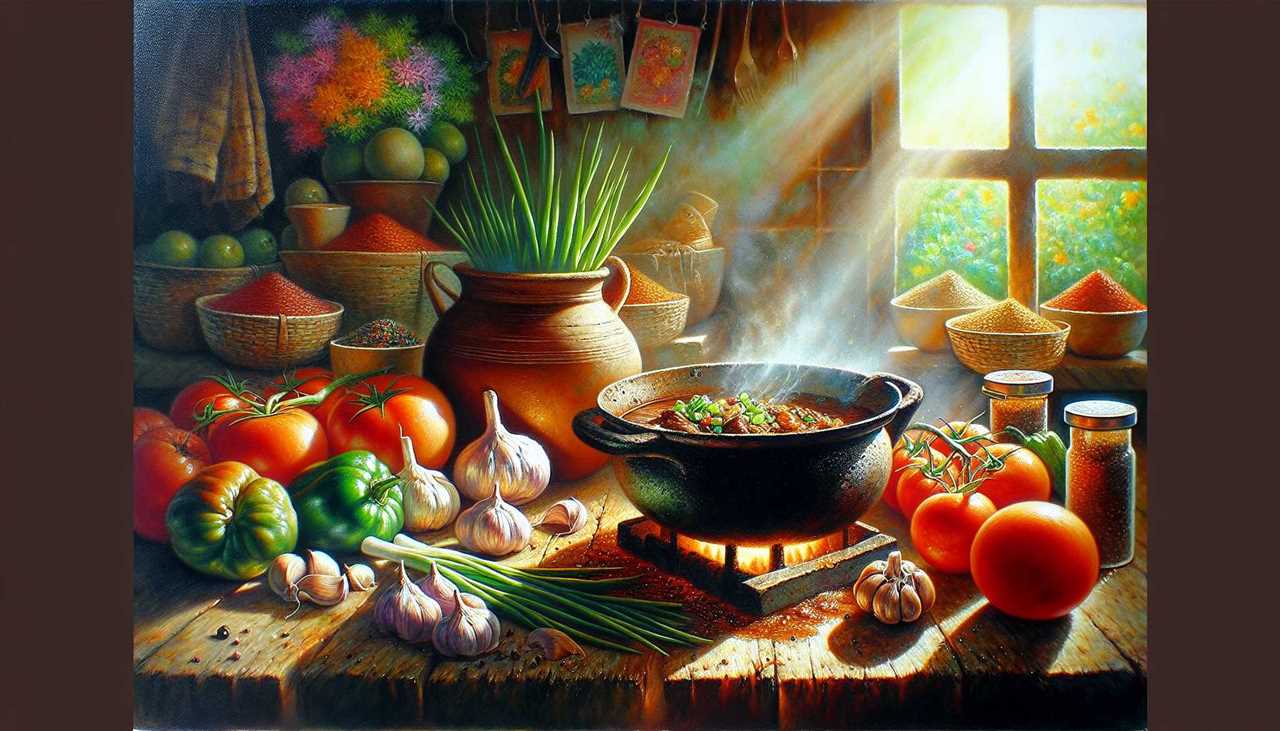
Start with staples like soy sauce, vinegar, and fish sauce; they’re essential for that signature Filipino flavor. Don’t forget about garlic, onion, and ginger, which add depth and richness.
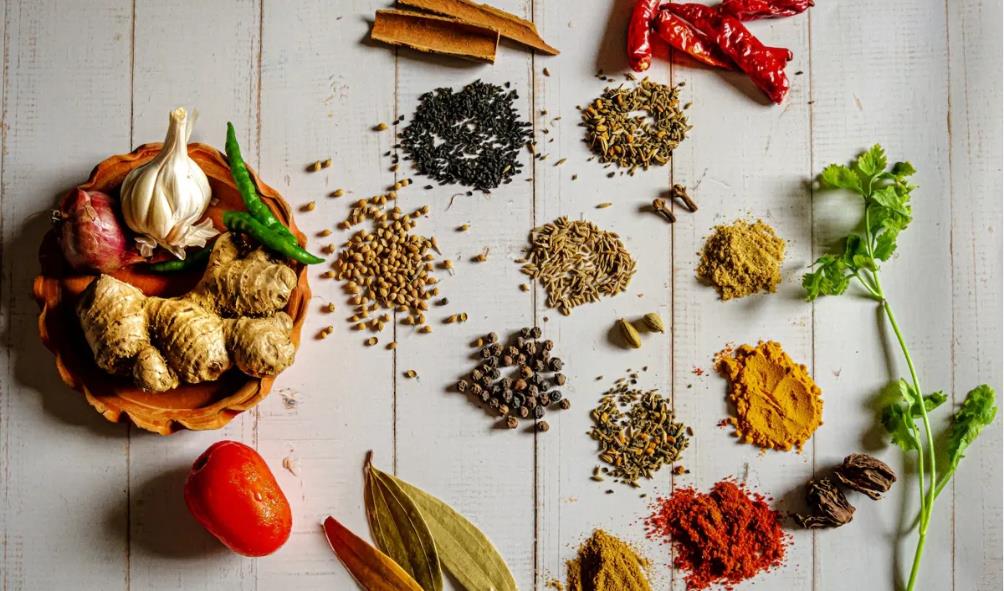
Experiment with spices like black pepper, chili, and bay leaves to make each dish come alive. Remember, balancing these flavors is key—too much of one can overpower the dish.
Trust your palate, and you'll discover how seasoning can turn a simple meal into a vibrant culinary experience.
Cooking Techniques: From Stewing to Grilling
Cooking techniques in Filipino cuisine offer a diverse range of methods that bring out the unique flavors of each dish.
You’ll find stewing, a popular method where ingredients simmer slowly, allowing spices and aromatics to meld beautifully. This technique is perfect for dishes like adobo, where the meat absorbs the rich, savory sauce.

Grilling, on the other hand, imparts a smoky flavor that enhances the natural taste of ingredients. Whether you’re barbecuing skewers of marinated chicken or grilling fresh seafood, the results are mouthwatering.
Other techniques, like sautéing and frying, also play crucial roles in creating that signature Filipino taste. By mastering these methods, you’ll elevate your cooking and impress family and friends with authentic flavors.
Iconic Filipino Dishes to Try at Home
When it comes to Filipino cuisine, iconic dishes like adobo, sinigang, and lechon are must-tries that capture the heart of the culture.
Adobo, with its savory marinade of soy sauce, vinegar, and spices, offers a comforting flavor that’s hard to resist.
Sinigang, a sour soup often made with tamarind, brings a refreshing tang to your table, perfect for any weather.
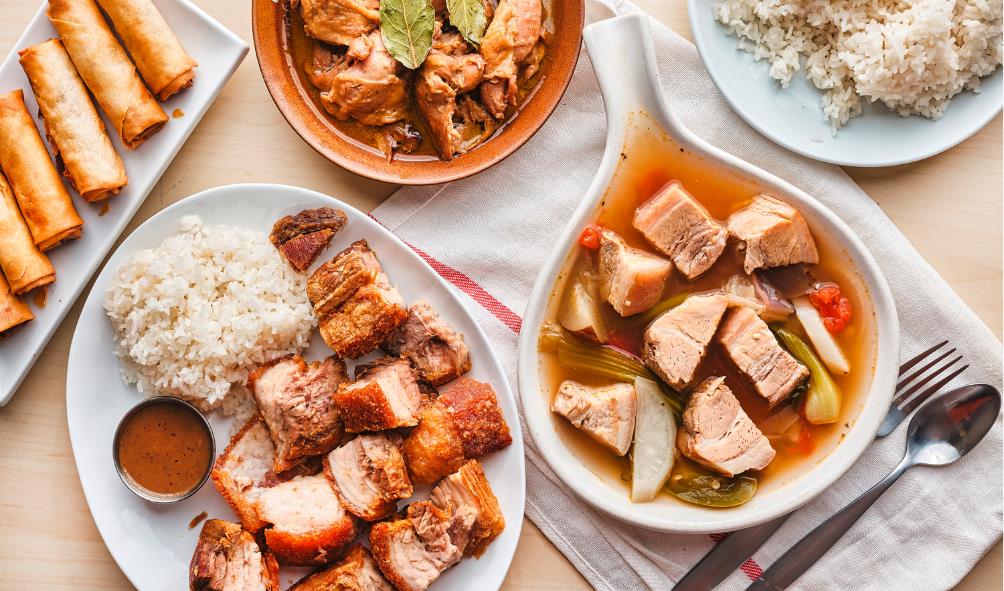
Then there's lechon, a whole roasted pig known for its crispy skin and juicy meat—it's a centerpiece at celebrations.
You can also explore dishes like kare-kare, a rich oxtail stew with peanut sauce, or lumpia, crispy spring rolls filled with savory goodness.
Each dish invites you to experience the warmth and richness of Filipino flavors right at home.
The Role of Rice in Filipino Meals
Rice holds a central place in Filipino meals, serving as the foundation for nearly every dish. Whether you're enjoying adobo, sinigang, or kare-kare, rice is there to soak up the flavors and complete your plate.
It’s not just a side; it’s an essential component that brings balance to your meal. You’ll often find it steamed or fried, sometimes mixed with garlic or spices for added flavor.
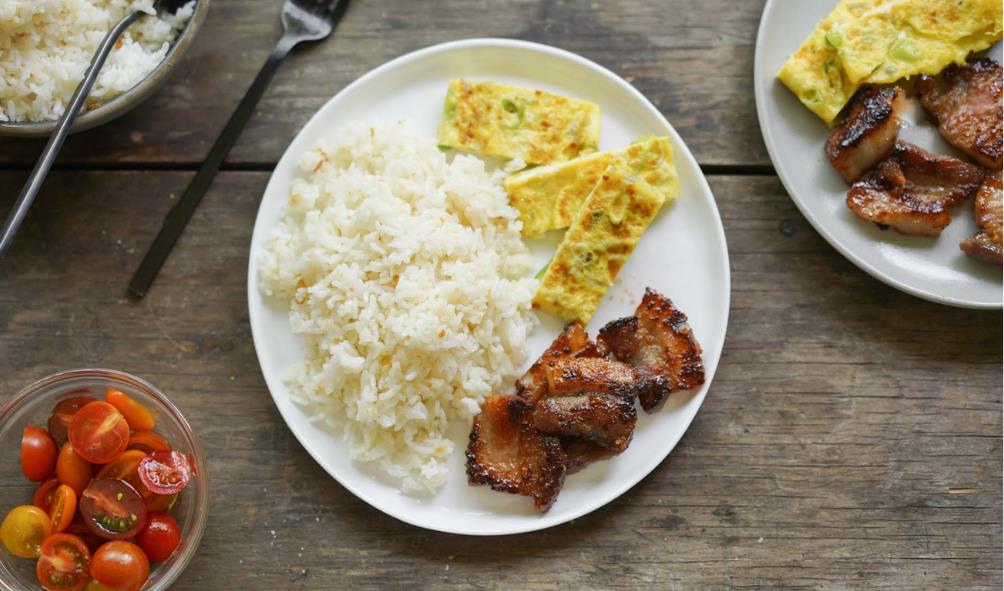
The texture of rice complements the heartiness of meat and the freshness of vegetables, creating a satisfying experience. Plus, rice is versatile and affordable, making it accessible for everyone.
It’s more than food; it’s a staple that embodies the Filipino way of life and hospitality.
Embracing Communal Dining: Sharing Food and Stories
Sharing meals is a cherished tradition in Filipino culture, where food becomes a medium for connection. When you gather around the table with family and friends, you're not just enjoying delicious dishes; you’re weaving together stories and memories that bind you closer.
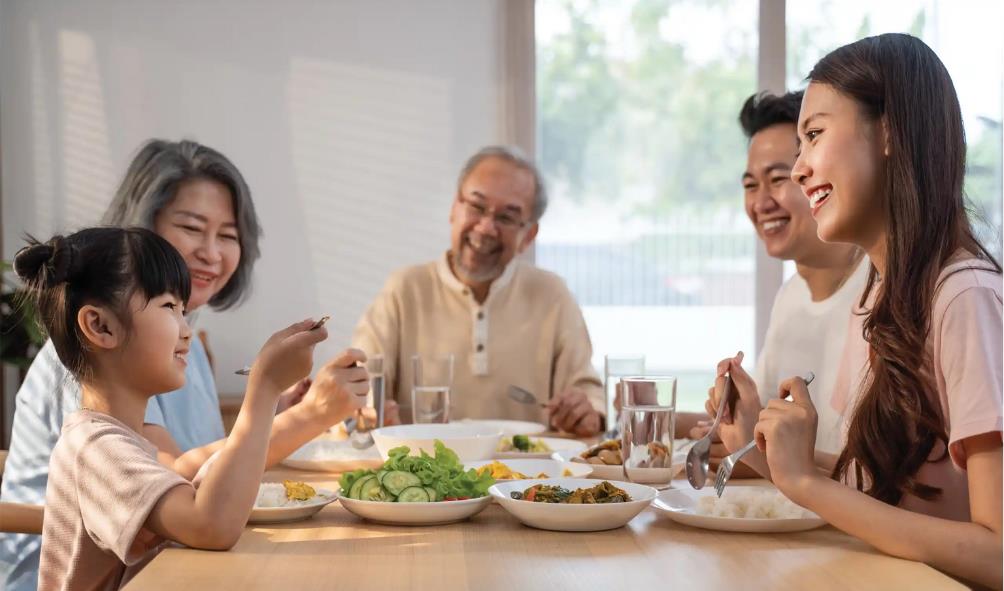
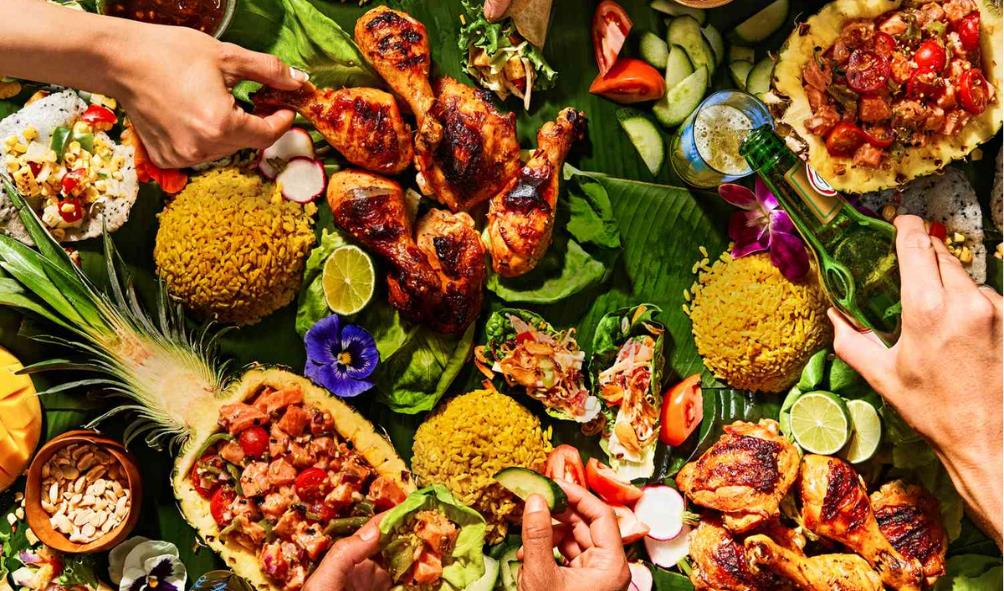
Each meal invites laughter, conversation, and a sense of belonging. You might find yourself passing around a steaming pot of adobo or a platter of lumpia, encouraging everyone to dig in and savor each bite.
This communal dining experience fosters a warm atmosphere where everyone feels included. It’s in these shared moments that relationships deepen, and bonds strengthen, reminding you that food is more than sustenance—it's a celebration of life and togetherness.
The Healing Power of Traditional Ingredients
Although modern medicine plays a vital role in health, traditional Filipino ingredients often offer their own unique healing properties.
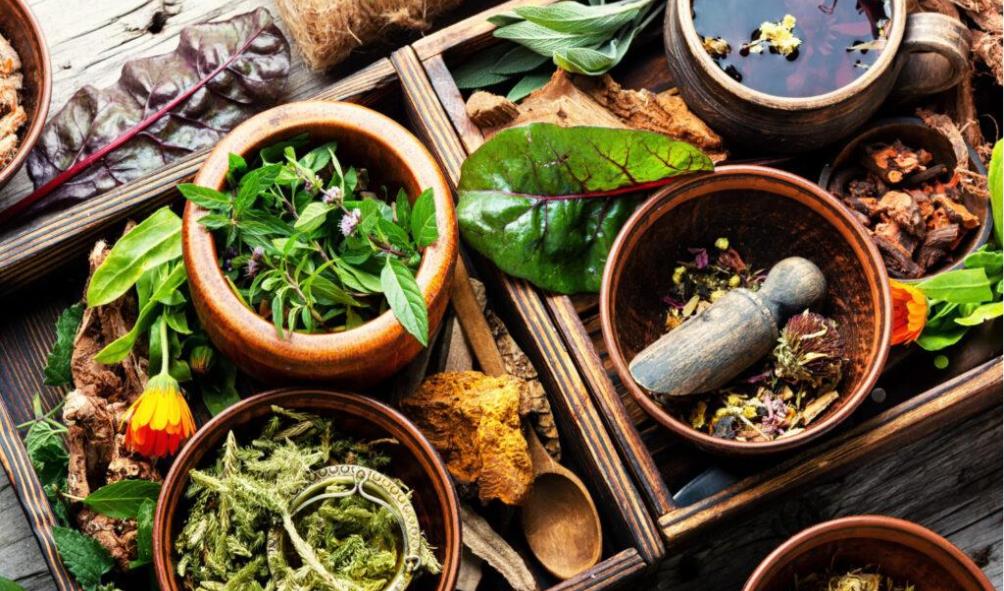
For instance, ginger, known as "luya," isn’t just a spice; it’s a remedy for colds and nausea. Turmeric, or "luyang dilaw," boasts anti-inflammatory benefits, making it a staple in various dishes.
You’ll find that malunggay, or moringa, is packed with vitamins and minerals, promoting overall wellness. Additionally, calamansi juice serves as a natural detoxifier, helping to boost your immune system.
Celebrating Filipino Festivals Through Food
When you think of Filipino festivals, the vibrant array of food that fills the tables immediately comes to mind. Each celebration showcases unique dishes that reflect the region’s culture and traditions.
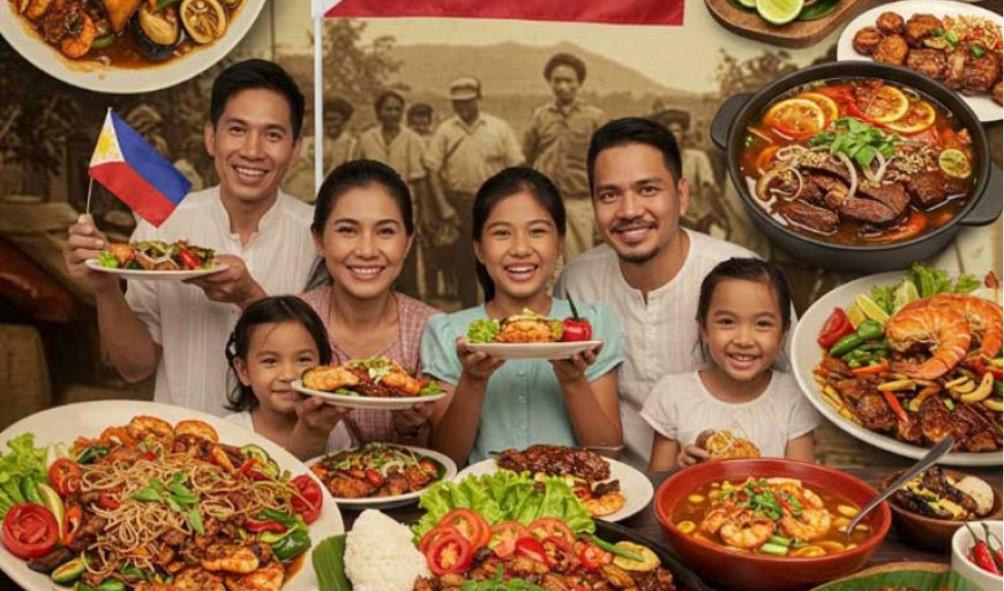
You’ll find lechon, a whole roasted pig, as the centerpiece at many gatherings. It's a dish that symbolizes abundance and community. Alongside it, you can savor kakanin, sweet rice cakes, and various savory stews like afritada and kare-kare.
Festivals also feature local delicacies, like puto and bibingka, which sweeten the festive atmosphere. Sharing these meals with family and friends strengthens bonds and creates lasting memories.
Conclusion
In cooking the Filipino way, you embrace a vibrant tapestry of flavors and traditions that nourish both body and soul. By using fresh ingredients and bold seasonings, you create dishes that not only satisfy hunger but also foster connection with family and friends. Whether you’re stewing, grilling, or sharing a meal, each experience invites you to celebrate culture and community. So gather around the table, enjoy the food, and let the stories flow—it's a heartfelt journey worth savoring!
Statistics
- Data indicates that over 90% of Filipino households consume rice daily, underlining its role as a staple food in the Filipino diet.
- Statistics reveal that nearly 40% of Filipino recipes can be easily adapted for vegetarian or vegan diets, reflecting the versatility of the cuisine.
- Approximately 80% of Filipino dishes are rice-based, highlighting the grain's significance in daily meals across the country.
- Research indicates that traditional Filipino ingredients like ginger and turmeric are utilized in over 50% of local recipes for their health benefits.
External Links
- Filipino Food - A resource highlighting the cultural significance of Filipino cooking, with recipes that are simple yet rich in flavor.
- Ang Sarap - A food blog that explores Filipino cuisine with a focus on traditional recipes and modern twists, emphasizing healing ingredients.
- Filipino Food Recipes - Offers a variety of authentic Filipino recipes, showcasing the healing properties of traditional ingredients.
- Cooking Pinoy - A site dedicated to Filipino cooking, offering a variety of recipes that are easy to prepare and delicious.
How To Make Lechon Kawali: Crispy Fried Pork Belly
Lechon kawali is a crispy and indulgent Filipino dish that is sure to impress. Begin by boiling pork belly in water with salt, garlic, and bay leaves until tender. Once cooked, remove the pork and let it cool. After cooling, score the skin to help it crisp up later. Heat oil in a deep pan and fry the pork belly, skin side down, until golden brown and crispy. Flip it to cook the meat side for a few more minutes. Drain excess oil and let it rest before slicing. Serve with a side of liver sauce or vinegar dipping sauce for a delightful combination of flavors.
Plan the perfect group trip, your way.
Get an instant personalized itinerary. We handle logistics, payments, and provide a dedicated itinerary, while local experts fine-tune every detail. Enjoy full freedom—without the stress of organizing it all.
https://escapetomexiconow.com/tourhero
Recommended Resources:
Discover where freedom, adventure, and opportunity await you.
https://escapetomexiconow.com/
https://escapetomexiconow.info/
https://escapetopanamanow.info/
https://escapetothephilippinesnow.com/
YouTube Channel:
Your next adventure starts here! Join us on YouTube for destination tours, insider advice, and everything you need to make your escape unforgettable.
https://www.youtube.com/@EscapeToMexicoNow