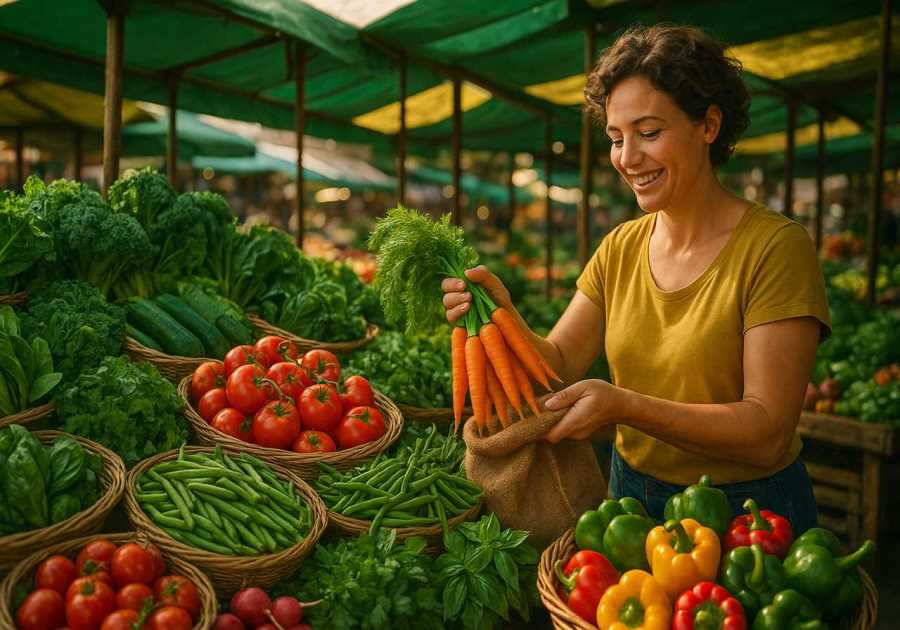
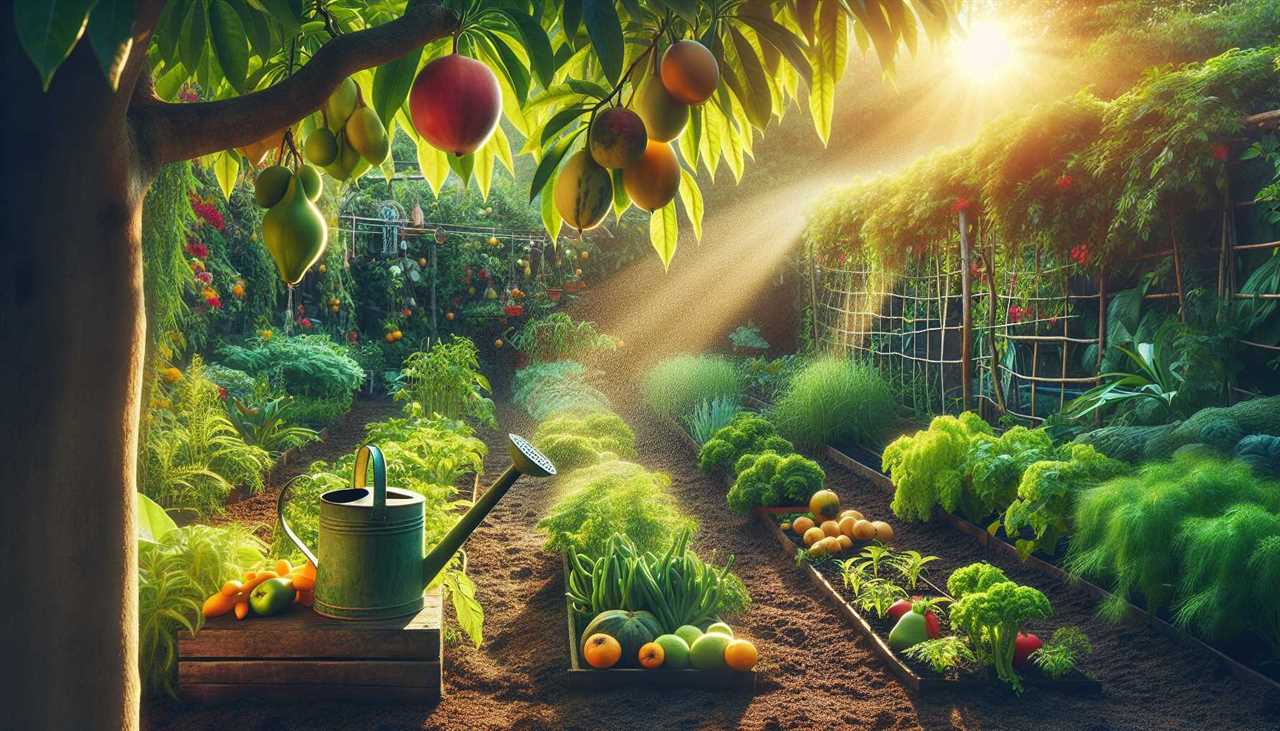
Backyard farming in the tropics presents a unique opportunity for you to cultivate fresh, organic produce right at home. With the right techniques, you can maximize your space and grow a variety of crops year-round. Embracing sustainable practices not only benefits your garden but also enhances the local ecosystem. Curious about how to choose the best plants and care for them in your tropical climate? Let's explore the essentials for a thriving backyard farm.
The Benefits of Backyard Farming in Tropical Regions
Backyard farming in tropical regions offers a wealth of benefits that can transform your living space into a sustainable haven. You’ll enjoy fresh, organic produce right at your doorstep, reducing your grocery bills and your carbon footprint.
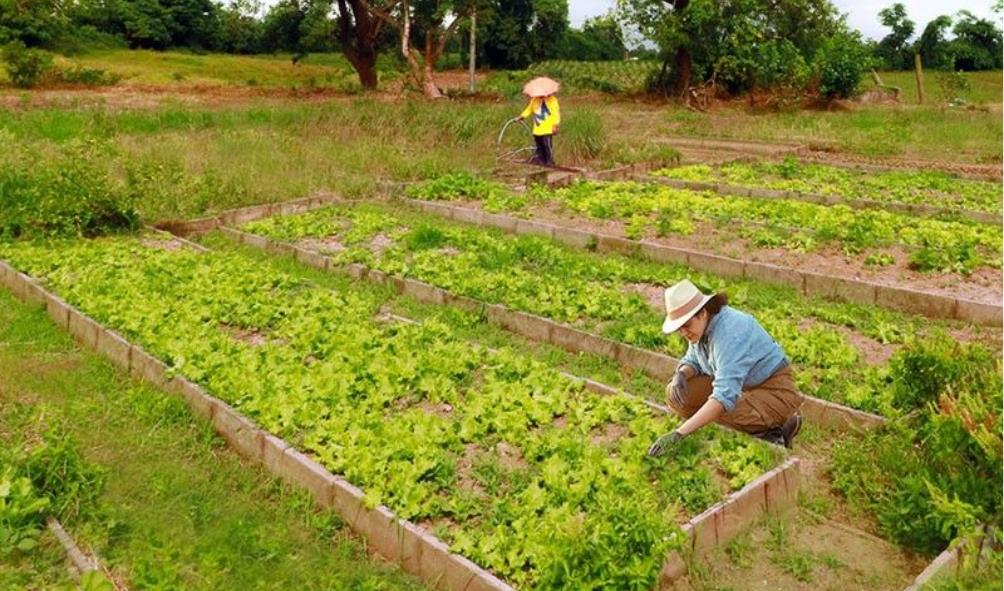
Additionally, it’s a fantastic way to reconnect with nature, promoting mental well-being and reducing stress. Engaging in gardening can also provide physical exercise, keeping you fit and active.
Furthermore, you’ll foster a sense of community by sharing excess harvests with neighbors and friends. Plus, cultivating a diverse garden enhances local biodiversity, attracting beneficial insects and pollinators.
Choosing the Right Crops for Your Tropical Garden
Selecting the right crops for your tropical garden can significantly enhance your backyard farming experience.
Start by considering your climate and soil type. Tropical regions are perfect for growing a variety of fruits and vegetables, so think about what you enjoy eating.
Crops like tomatoes, peppers, and eggplants thrive in the heat, while leafy greens like spinach and kale can provide shade for more delicate plants. Herbs such as basil and cilantro also flourish in tropical conditions.
Don’t forget to plant seasonal crops to maximize your harvest throughout the year. Keep an eye on local pests and disease resistance when choosing your plants.
Essential Gardening Techniques for Tropical Climates
How can you ensure your garden thrives in the tropics? Start by selecting the right location, ideally with partial shade to protect plants from the intense sun.
Implement raised beds to improve drainage, as heavy rains can lead to root rot. Use organic mulch to retain moisture and suppress weeds.
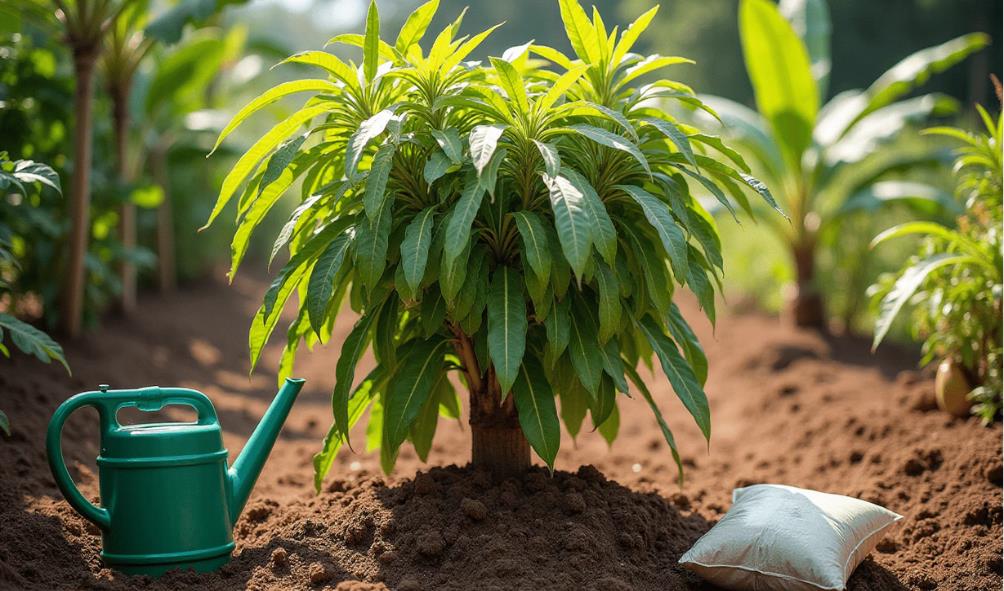
Water your plants early in the morning or late afternoon to reduce evaporation. Embrace companion planting, pairing crops that benefit each other, like tomatoes with basil.
Regularly check for pests and diseases, using organic solutions when necessary. Lastly, enrich your soil with compost to enhance fertility.
Maximizing Small Spaces for Your Backyard Farm
In small spaces, it’s possible to create a thriving backyard farm with a bit of creativity and planning.
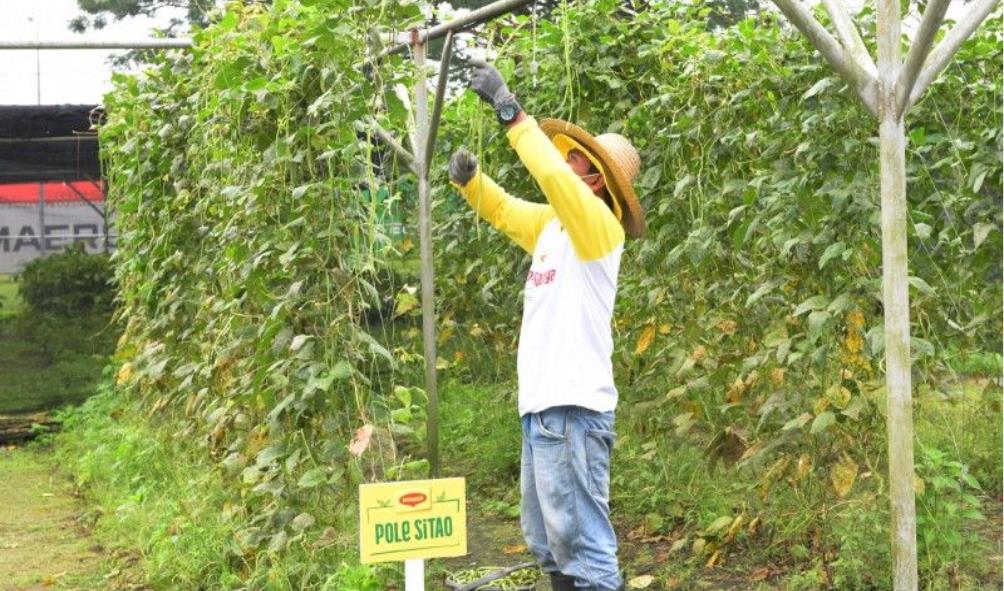
Start by utilizing vertical gardening techniques; install wall planters or trellises to grow climbing plants like beans and cucumbers. You can also use hanging pots to maximize your available area.
Consider raised beds or container gardening for easy access and better soil control. Group plants with similar water and sunlight needs to make care more manageable.
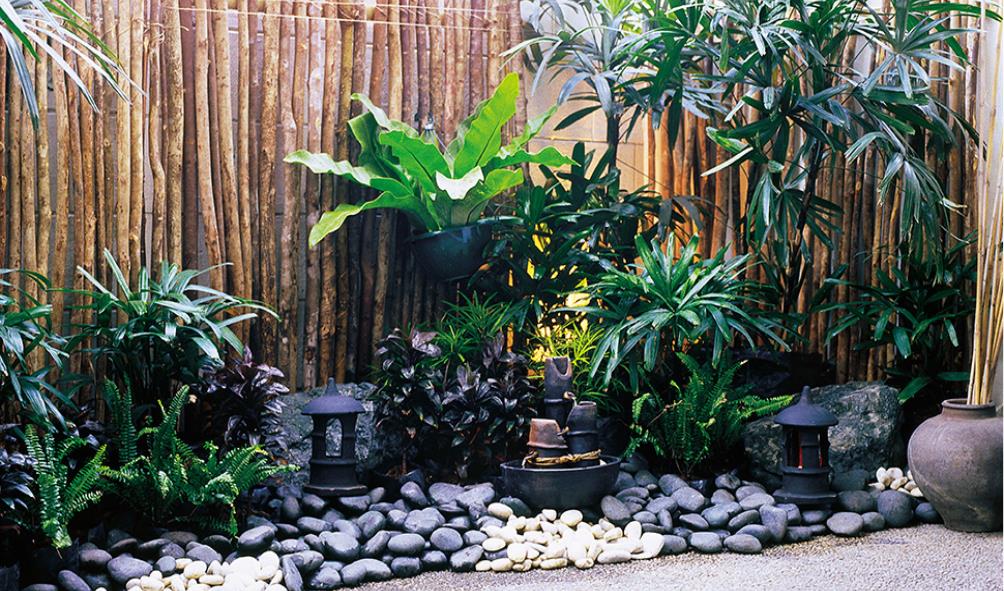
Don’t forget to incorporate companion planting to boost productivity and deter pests.
Lastly, think about growing herbs and small vegetables that can double as decorative elements.
With these strategies, you’ll make every inch of your backyard count while enjoying fresh produce right at home.
Organic Practices for Sustainable Backyard Farming
While embracing organic practices may seem daunting at first, it’s a rewarding way to cultivate a sustainable backyard farm.
Start by enriching your soil with natural compost made from kitchen scraps and yard waste. This not only nourishes your plants but also enhances soil structure.
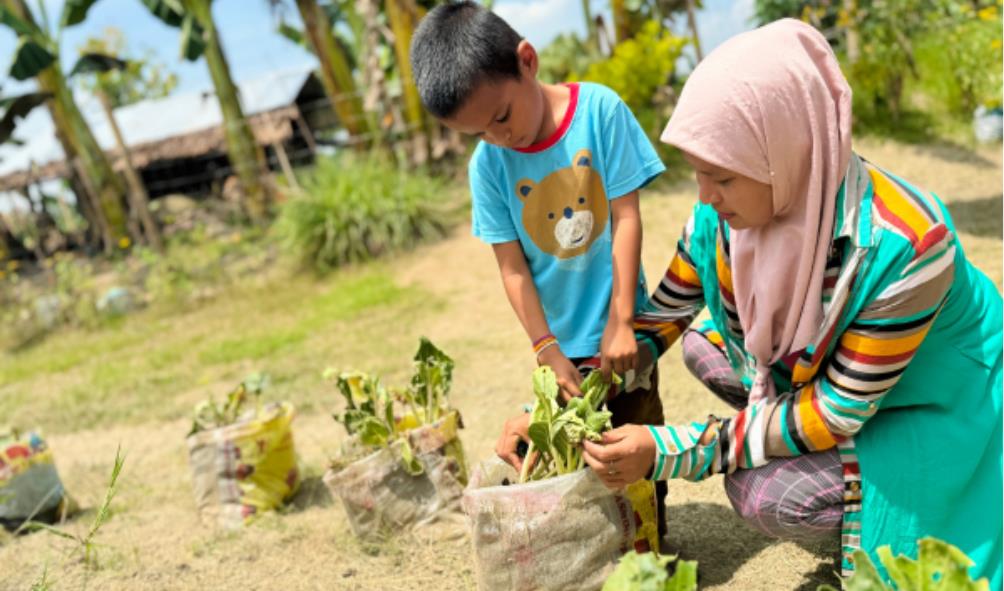
Next, choose native plants and heirloom varieties that thrive in your tropical climate, reducing the need for chemical fertilizers.
Utilize crop rotation to maintain soil health and prevent nutrient depletion. Incorporate companion planting to boost growth and deter pests naturally.
Lastly, collect rainwater for irrigation, conserving resources while ensuring your plants stay hydrated.
Pest Management Strategies for Tropical Gardens
Effective pest management is crucial for maintaining a healthy tropical garden, especially since the warm climate can attract a variety of unwanted visitors.
Start by regularly inspecting your plants for signs of pests. Hand-picking insects like caterpillars or using a strong spray of water can remove many pests easily. You can also introduce beneficial insects, like ladybugs, which prey on aphids.
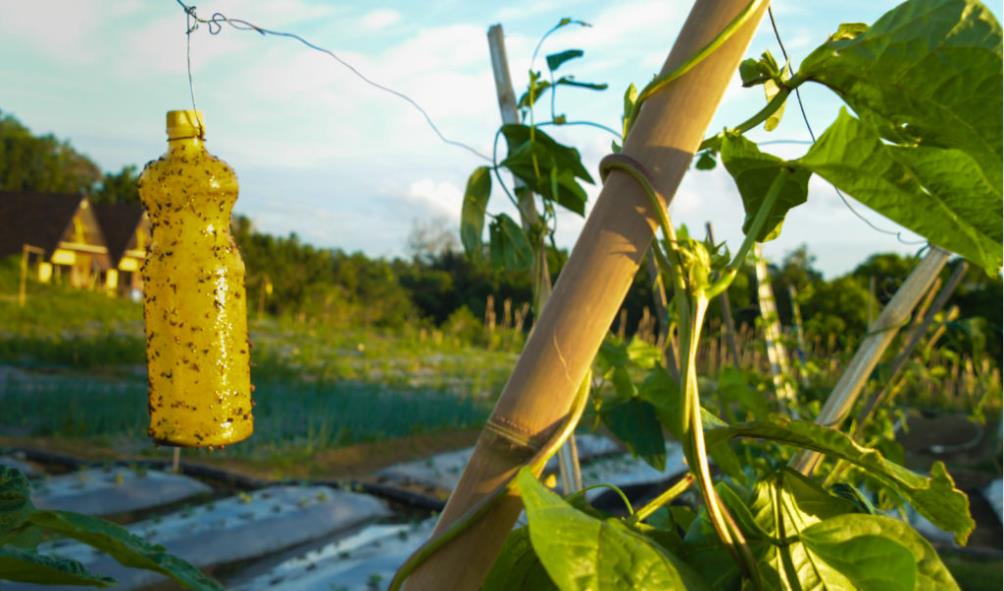
Consider using organic insecticidal soaps or neem oil as safe treatments that won’t harm your plants. Planting companion plants—like marigolds—can repel pests naturally.
Rotate your crops annually to disrupt pest life cycles. Finally, keeping your garden tidy, removing debris, and maintaining healthy soil will help strengthen plants against pest attacks.
Harvesting and Storing Your Homegrown Produce
After successfully managing pests in your tropical garden, it’s time to focus on harvesting and storing the fruits of your labor.
Start by picking your produce at the right time—early morning is often best, as it’s cooler and the plants are hydrated. Use sharp, clean tools to avoid damaging the fruits. Handle everything gently to prevent bruising.
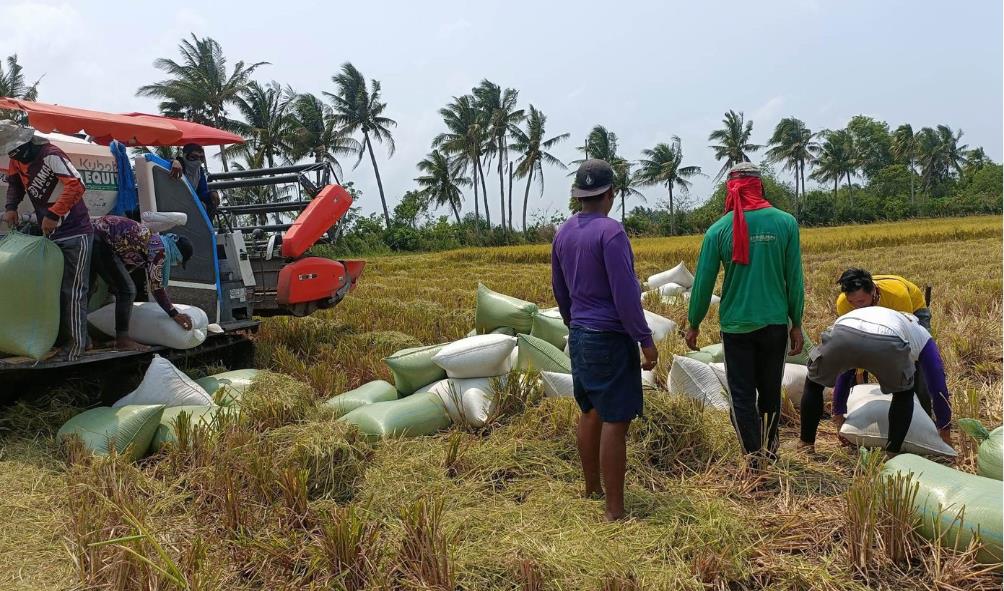
Once harvested, clean your produce and remove any damaged parts.
For storage, consider your options: some items, like tomatoes and peppers, do well at room temperature, while others, like leafy greens, require refrigeration. Use breathable bags or containers to maintain freshness.
Label everything with dates, and enjoy your homegrown bounty while it lasts! Proper harvesting and storage ensure you get the most from your hard work.
Building a Community Around Backyard Farming
As you dive into the rewarding world of backyard farming, consider the benefits of building a community around your efforts. Connecting with fellow gardeners can enhance your experience, providing support, resources, and inspiration.
Join local gardening clubs or online forums to share tips and tricks. You can exchange seeds, plants, and even harvests, fostering a sense of camaraderie.
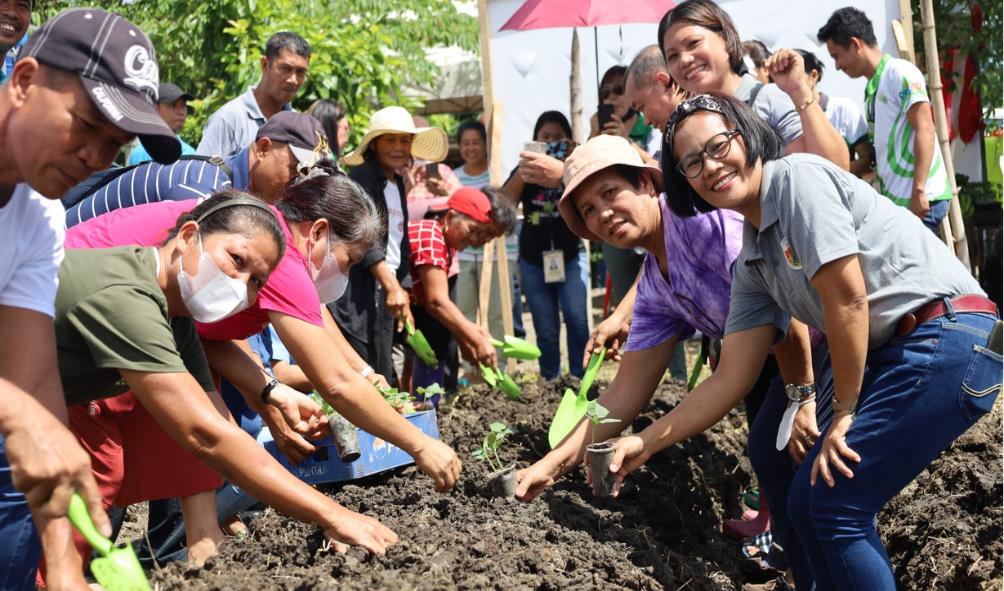
Organizing community events like potlucks or workshops can also strengthen your bonds, creating a network of like-minded individuals passionate about sustainable living.
Plus, working together on projects like community gardens can amplify your impact, making fresh produce accessible for all.
Ultimately, building a community enriches your backyard farming journey, creating lasting friendships and shared success.
Conclusion
Backyard farming in the tropics is an enriching journey that connects you with nature while providing fresh, organic produce. By choosing the right crops and using sustainable practices, you can create a thriving garden even in small spaces. Embracing these techniques not only boosts your health but also strengthens community ties through shared harvests. So grab your gardening tools, get your hands dirty, and enjoy the rewarding experience of growing your own food right at home!
Statistics
- Over 70% of backyard farmers in the tropics utilize organic farming techniques to maintain soil fertility and reduce chemical use.
- Studies indicate that backyard farming can improve food security for 80% of participating households in tropical areas.
- Households practicing backyard farming in tropical regions report a 25% reduction in food expenses on average.
- Backyard farming in the tropics can increase food production by up to 40% due to the favorable climate and extended growing seasons.
External Links
- Gardener's Supply Company offers gardening tools and products, along with tips for tropical gardening success.
- Hobby Farms shares practical advice and stories from small-scale farmers, including those in tropical regions.
- Food and Agriculture Organization of the United Nations (FAO) offers reports and resources on sustainable agriculture and food security in tropical areas.
- Tropical Permaculture offers extensive resources on sustainable gardening practices in tropical climates.
How to Create a Sustainable Tropical Vegetable Garden
Creating a sustainable tropical vegetable garden involves thoughtful planning and resource management. Begin by selecting a diverse range of vegetables that are well-suited to the tropical climate, such as okra, eggplant, and chili peppers. Prepare the soil with compost and organic fertilizers to boost fertility. Implement crop rotation and companion planting to maintain soil health and reduce pest infestations. Use organic mulches to conserve moisture and suppress weeds. Establish a rainwater harvesting system to provide sustainable irrigation. Encourage beneficial insects by planting flowers and herbs that attract pollinators. By focusing on sustainable practices, you can enjoy a productive vegetable garden year-round.
Plan the perfect group trip, your way.
Get an instant personalized itinerary. We handle logistics, payments, and provide a dedicated itinerary, while local experts fine-tune every detail. Enjoy full freedom—without the stress of organizing it all.
https://escapetomexiconow.com/tourhero
Recommended Resources:
Discover where freedom, adventure, and opportunity await you.
https://escapetomexiconow.com/
https://escapetomexiconow.info/
https://escapetopanamanow.info/
https://escapetothephilippinesnow.com/
YouTube Channel:
Your next adventure starts here! Join us on YouTube for destination tours, insider advice, and everything you need to make your escape unforgettable.
https://www.youtube.com/@EscapeToMexicoNow