When you think about Filipino comfort food, it’s easy to focus on the flavors and aromas that tantalize your taste buds. However, these dishes do much more than fill your stomach; they connect you to your heritage and evoke cherished memories. Each bite can transport you back to family gatherings or festive celebrations. But what lies beneath these culinary delights? The answer reveals a deeper significance that binds communities and nurtures resilience.
The Role of Food in Filipino Culture
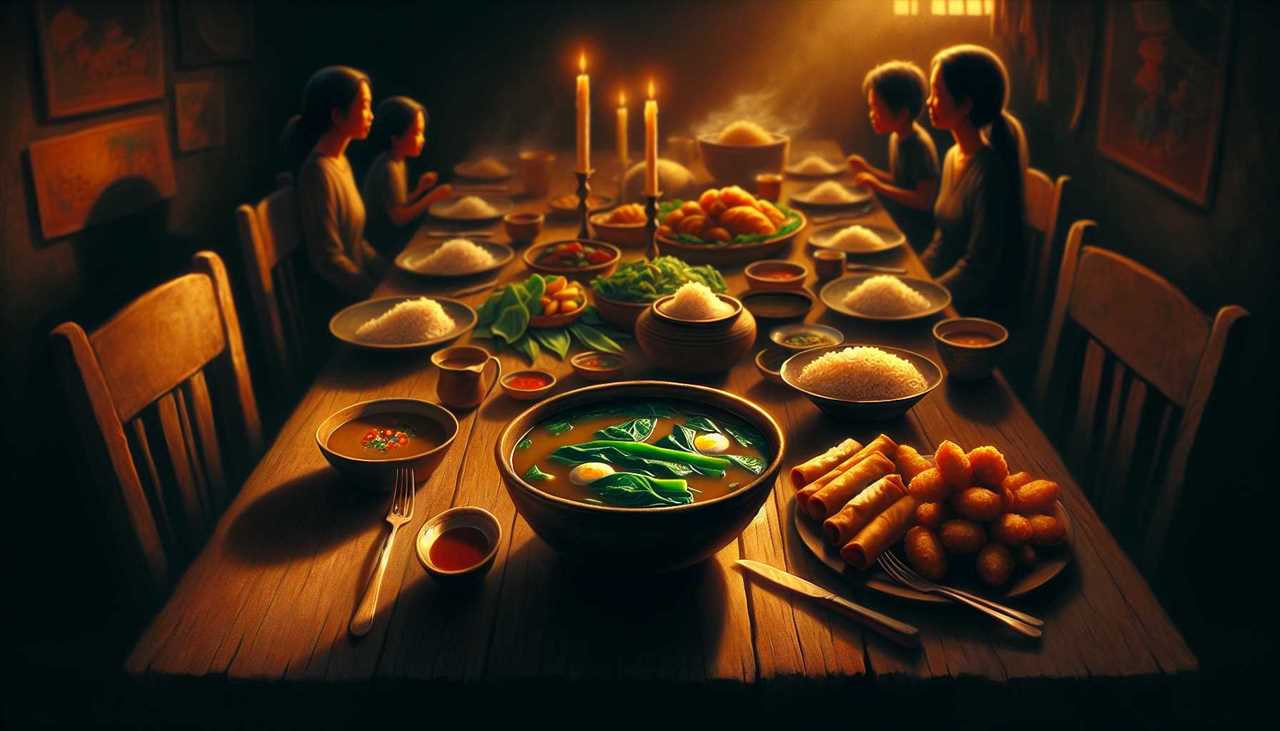
Food plays a central role in Filipino culture, serving not just as sustenance but as a way to connect with family and friends. When you gather around the table, you're not just sharing a meal; you're creating memories.
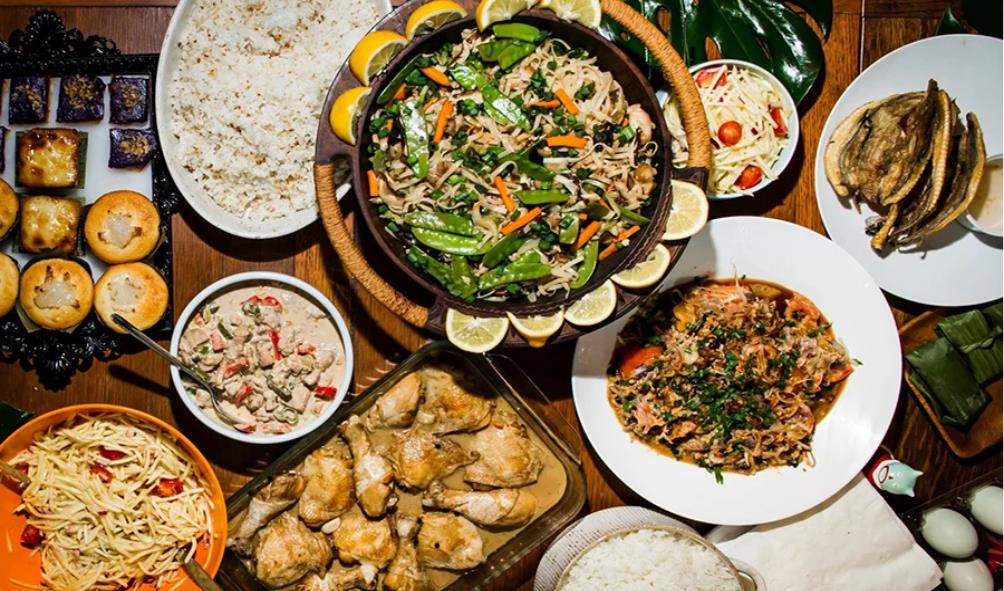
Each dish carries stories of heritage, reflecting the diverse influences that shape Filipino cuisine. From celebratory feasts to everyday meals, food becomes a medium for expression, love, and warmth.
You'll notice that sharing is essential; families often serve dishes family-style, encouraging everyone to partake and bond. Cooking together fosters collaboration and strengthens relationships, making every meal an event.
Nostalgia and Memory Through Flavor
Whenever you take a bite of your favorite Filipino dish, memories from your childhood often come rushing back. The rich flavors and comforting aromas transport you to family meals shared around the table, where laughter and stories filled the air.
Each taste evokes moments spent with loved ones, reminding you of the warmth and love that surrounded those gatherings. You can almost hear your grandmother’s laughter as you savor her signature adobo or the way your mother carefully prepared sinigang on rainy days.
These dishes serve as a bridge to your past, connecting you to your roots and heritage. It’s not just about the food; it’s about the stories and emotions tied to every delicious bite, creating a sense of belonging.
Family Gatherings: A Culinary Tradition
As families gather around the table, the kitchen comes alive with the sounds of sizzling pans and the fragrant aroma of dishes being prepared.
You can feel the warmth in the air, where laughter and chatter blend with the rich scents of adobo, sinigang, and lumpia. These meals aren’t just about food; they symbolize togetherness and love.
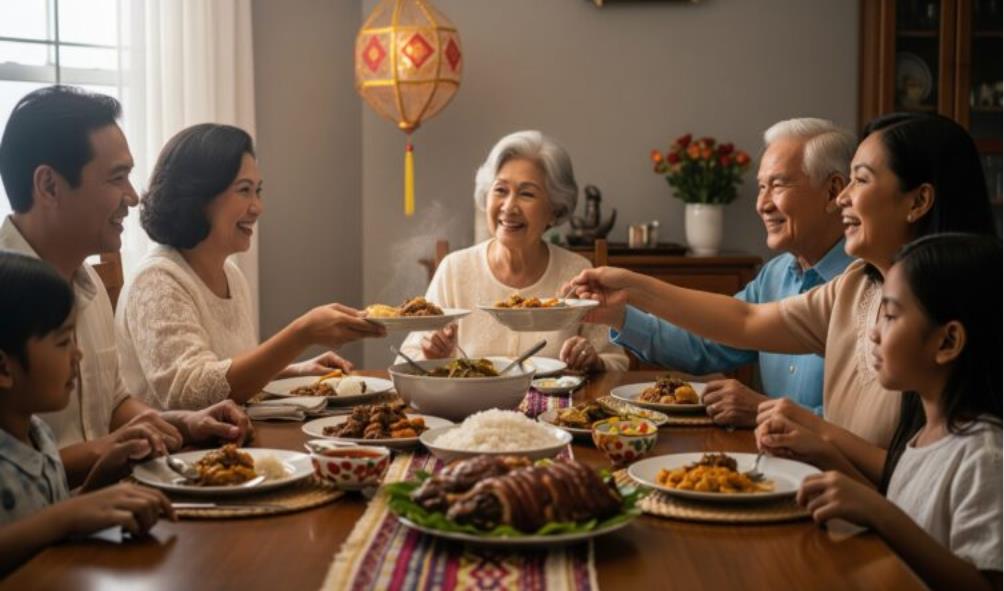
Each dish carries stories, passed down through generations, binding you to your roots. As you share hearty servings, you create new memories, reinforcing family bonds.
The act of cooking becomes a ritual, where everyone plays a part, whether chopping vegetables or stirring the pot. In these moments, the kitchen transforms into a sacred space, nurturing both body and soul.
Festivals and Celebrations: Food as Connection
While you celebrate Filipino festivals, the vibrant spread of dishes becomes a vital connection to culture and community. Each plate tells a story, representing regional flavors and traditions passed down through generations.
You might find yourself savoring lechon at a town fiesta or enjoying bibingka during Christmas celebrations. These dishes don’t just satisfy hunger; they foster bonds among family and friends.
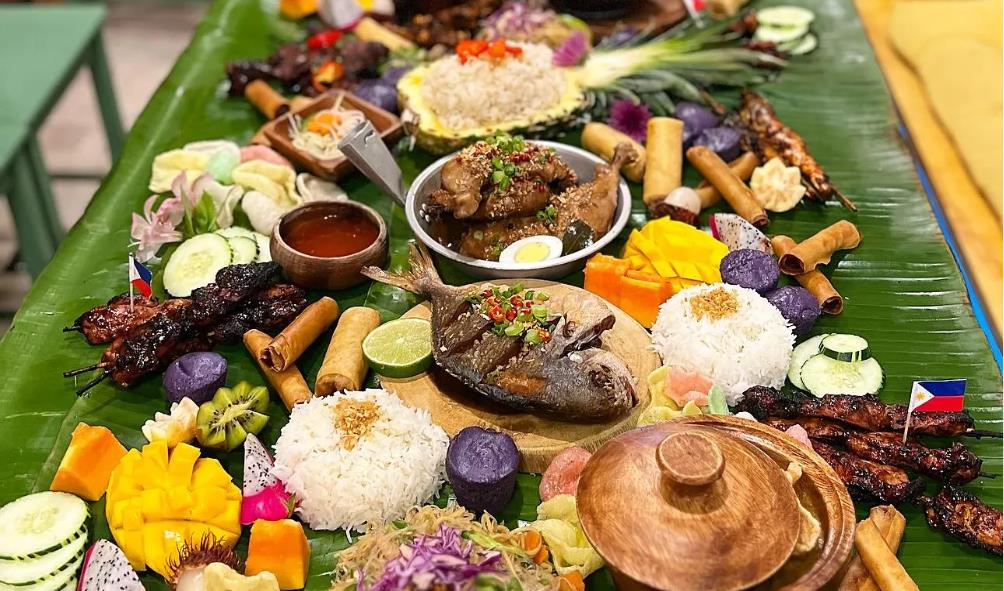
As you gather around a table brimming with food, laughter, and shared memories fill the air. You connect with your roots, embracing the rich tapestry of Filipino heritage.
Festivals become more than just events; they transform into communal experiences that highlight the importance of food in uniting people, reminding you of the joy that comes from sharing culinary delights.
The Significance of Sharing Meals
How does sharing a meal deepen your connections with others? When you gather around a table, you create a space for conversation, laughter, and bonding. Each dish served invites stories and memories, allowing you to learn more about each other. You’re not just nourishing your bodies; you’re nurturing relationships.
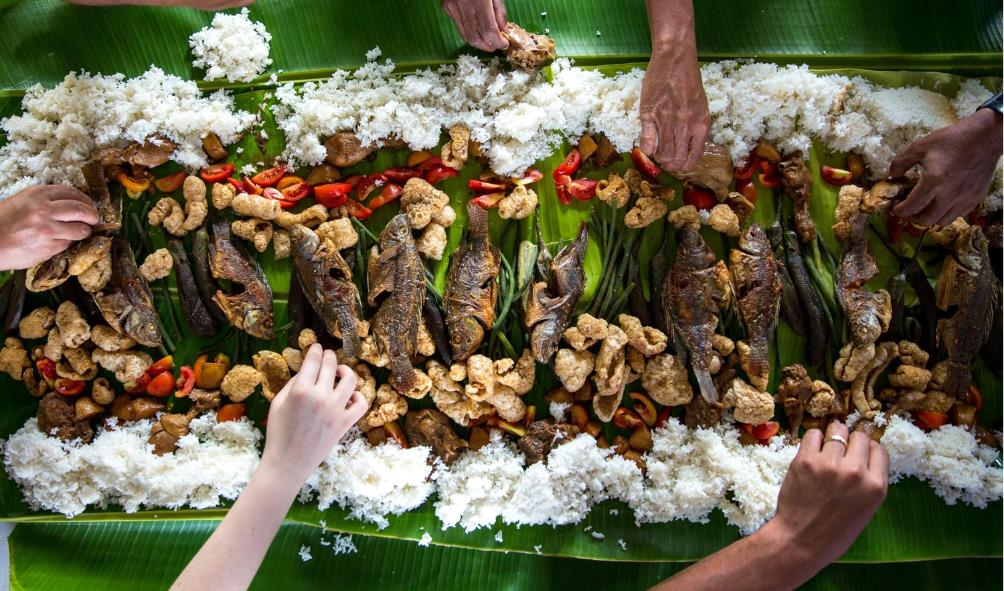
In Filipino culture, meals often symbolize hospitality and warmth. When you share food, you’re offering a piece of yourself, and that act fosters trust and camaraderie.
Whether it’s a simple home-cooked dish or a festive feast, the act of sharing transforms the experience into something meaningful. It’s a reminder that life’s greatest moments are often enjoyed together, reinforcing the idea that community thrives on shared experiences and connections.
Recipes Passed Down Through Generations
Sharing meals not only strengthens bonds but also keeps cherished traditions alive through recipes passed down through generations.
When you gather around the table, you're not just enjoying a meal; you're experiencing a slice of history. Imagine your grandmother teaching you how to prepare adobo, sharing her secrets while you chop garlic and simmer soy sauce.
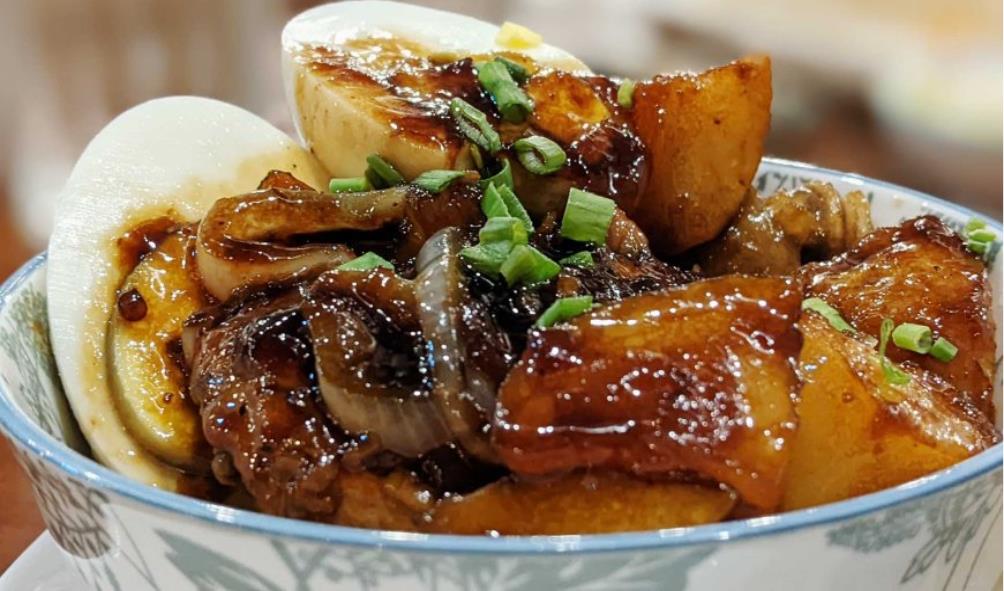
Each step connects you to your roots, allowing you to carry on family customs. You might add your twist, but the essence remains, creating a unique blend of past and present.
These recipes hold stories of love, laughter, and resilience. By cooking and sharing these dishes, you honor your heritage, ensuring that the flavors of your ancestors continue to nourish not just your body, but your soul.
Comfort Food as a Source of Resilience
When life throws challenges your way, comfort food often becomes a refuge, providing not just nourishment but also a sense of stability. Each bite of your favorite dish can evoke memories of family gatherings, laughter, and love, reminding you of your roots.
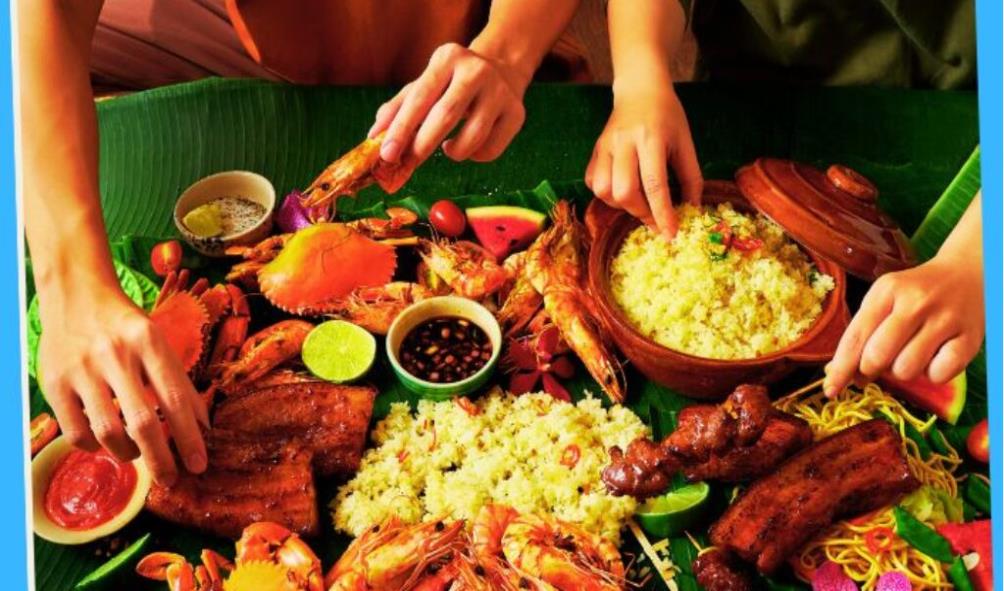
It’s this emotional connection that fuels your resilience, allowing you to face difficulties with a little more strength. Whether it’s a steaming bowl of sinigang or warm puto, these meals serve as a reminder that you're not alone.
In moments of stress, they ground you, offering a familiar taste of home. By indulging in comfort food, you’re not just satisfying your hunger; you’re also nurturing your spirit, arming yourself with the comfort needed to navigate life’s ups and downs.
The Healing Power of Filipino Cuisine
Although life's challenges can leave us feeling overwhelmed, the healing power of Filipino cuisine offers solace and comfort. Each dish tells a story, evoking memories of family gatherings and shared laughter.
When you savor a warm bowl of sinigang, the tangy broth wraps around you like a warm embrace, soothing your spirit. The rich flavors of adobo remind you that resilience can be found in simplicity.
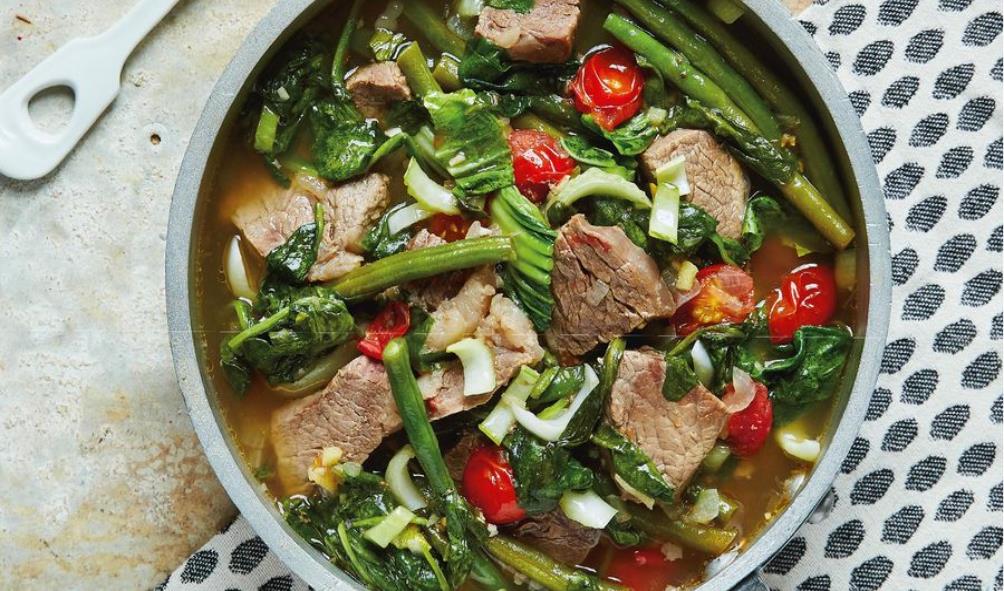
As you enjoy a plate of lumpiang shanghai, you connect with not just the food, but the love and care that went into its preparation. Filipino cuisine transcends mere sustenance; it nourishes your soul.
Each bite can uplift your mood, reminding you that even in tough times, you’re never truly alone.
Conclusion
In every bite of Filipino comfort food, you're not just tasting rich flavors; you're savoring memories and connections that bind you to your heritage. These meals do more than satisfy your hunger—they nourish your soul, reminding you of family gatherings and the joy of shared moments. As you enjoy each dish, you’re participating in a beautiful tradition that fosters resilience and belonging. So, the next time you indulge, remember: you’re feasting on history, love, and connection.
Statistics
- In a recent poll, 80% of respondents stated that cooking traditional comfort food helps them connect with their heritage and cultural identity.
- According to food industry experts, the demand for Filipino comfort food has increased by 50% over the past five years, reflecting its growing popularity both locally and internationally.
- Studies show that 75% of people associate comfort food with emotional well-being, highlighting the psychological benefits of enjoying familiar flavors.
- Filipino comfort food often serves as a cultural bridge, with 87% of Filipinos indicating that traditional dishes evoke strong memories of family gatherings and celebrations.
External Links
- The Kitchn - What Is Comfort Food? provides insights into the definition and cultural relevance of comfort food across different cuisines.
- BBC Good Food - What is Comfort Food? outlines the characteristics of comfort food and its role in everyday life.
- Food Network - What is Comfort Food? explores various comfort food dishes and their cultural significance.
- NPR - Why Comfort Food Is Comforting discusses the psychological aspects of comfort food and its emotional significance.
How To Understand the Emotional Connection to Filipino Comfort Food
Understanding the emotional connection to Filipino comfort food involves recognizing its role in cultural identity and family traditions. Many dishes, such as adobo and sinigang, are often associated with family gatherings and celebrations. To grasp this connection, engage in conversations with family members about their favorite dishes and the memories tied to them. Document these stories and the recipes, as they serve as a bridge to the past and a way to maintain cultural heritage. By appreciating the narratives behind these foods, one can better understand why they resonate deeply with many Filipinos.
Want to travel with more time and freedom?
The freedom to travel! Discover free & unique homestays around the world, in exchange for caring for adorable pets.
https://escapetomexiconow.com/ths
Recommended Resources:
Ready to explore life beyond borders? Check out our trusted guides to Mexico, Panama, and the Philippines — your gateways to new adventures, culture, and opportunity.
https://escapetomexiconow.com/
https://escapetomexiconow.info/
https://escapetopanamanow.info/
https://escapetothephilippinesnow.com/
YouTube Channel:
See Mexico like never before! From local culture to travel hacks, our YouTube channel brings the adventure straight to you.
https://www.youtube.com/@EscapeToMexicoNow