Food in the Philippines isn't just about sustenance; it’s a vital thread that weaves communities together. When you gather around a table for a meal, whether it's a festive occasion or a simple family dinner, you’re participating in a rich tradition. Each dish tells a story, reflecting cultural heritage and regional diversity. But what happens when these culinary experiences go beyond the plate? The answer lies in the deeper connections forged through shared meals and collective memories.
The Role of Food in Filipino Culture
Food is more than just sustenance in Filipino culture; it’s a vibrant expression of identity and community. When you share a meal with someone, you’re not just feeding them; you’re forging bonds and creating memories.
Each dish carries stories of heritage, showcasing local ingredients and traditional techniques passed down through generations. You’ll notice how gatherings often revolve around food, whether it’s a simple family dinner or a festive celebration.
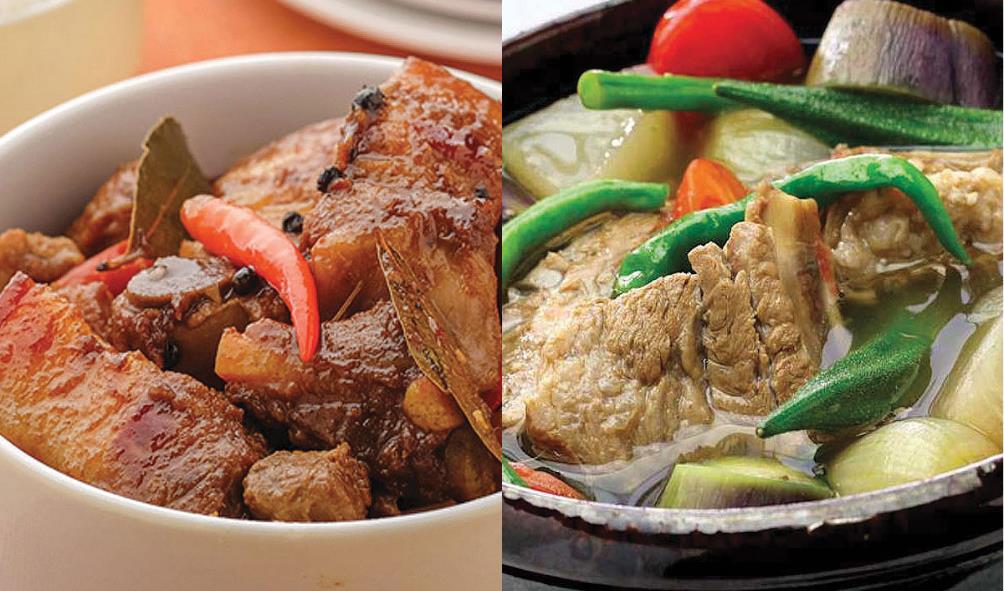
Through meals like adobo or sinigang, you experience the warmth of Filipino hospitality. It’s about coming together, sharing laughter, and supporting one another.
Food acts as a unifying force, reminding you of your roots while also inviting you to embrace new flavors and experiences within the rich tapestry of Filipino culture.
Traditional Celebrations and Culinary Practices
While many cultures celebrate milestones and special occasions with unique customs, the Philippines stands out with its vibrant traditions that revolve around culinary practices.
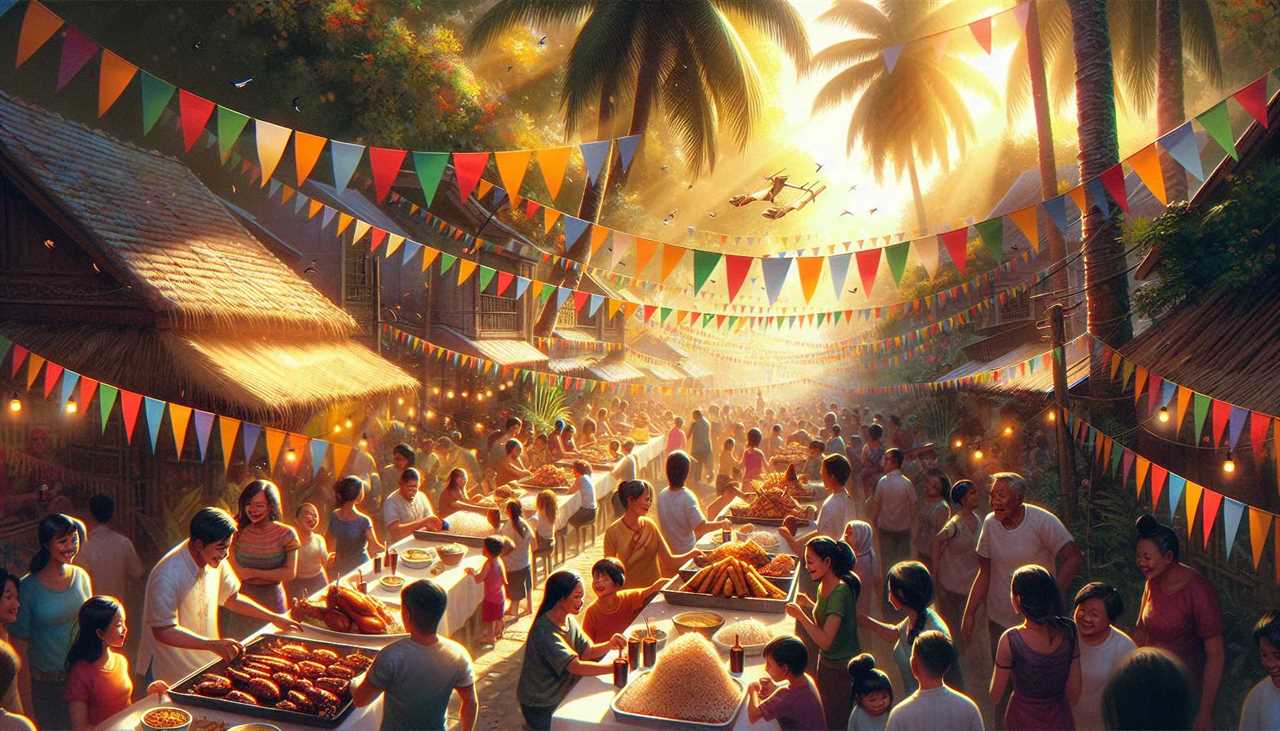
You’ll find that food takes center stage during fiestas, weddings, and holidays, where families and friends gather to share an array of dishes. For example, during Christmas, you can’t miss the Noche Buena, a feast filled with lechon, hamon, and various desserts.
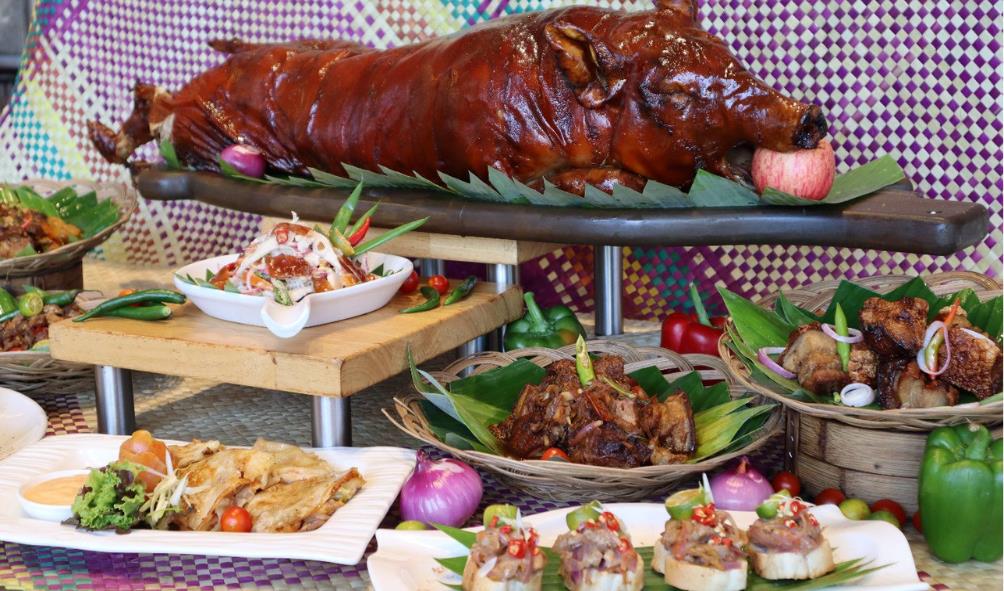
Each dish tells a story and reflects the region’s heritage. As you participate in these celebrations, you’ll experience the warmth and camaraderie that food fosters.
Cooking together becomes a bonding experience, creating lasting memories. In the Philippines, every celebration is a reminder of how culinary practices unite communities through shared love for food.
The Influence of Regional Flavors and Dishes
Celebrations in the Philippines aren't only about the gatherings but also showcase the rich tapestry of regional flavors and dishes that define the country’s culinary landscape. Each region boasts its unique specialties, from the spicy adobo of Luzon to the sweet lechon of Cebu.
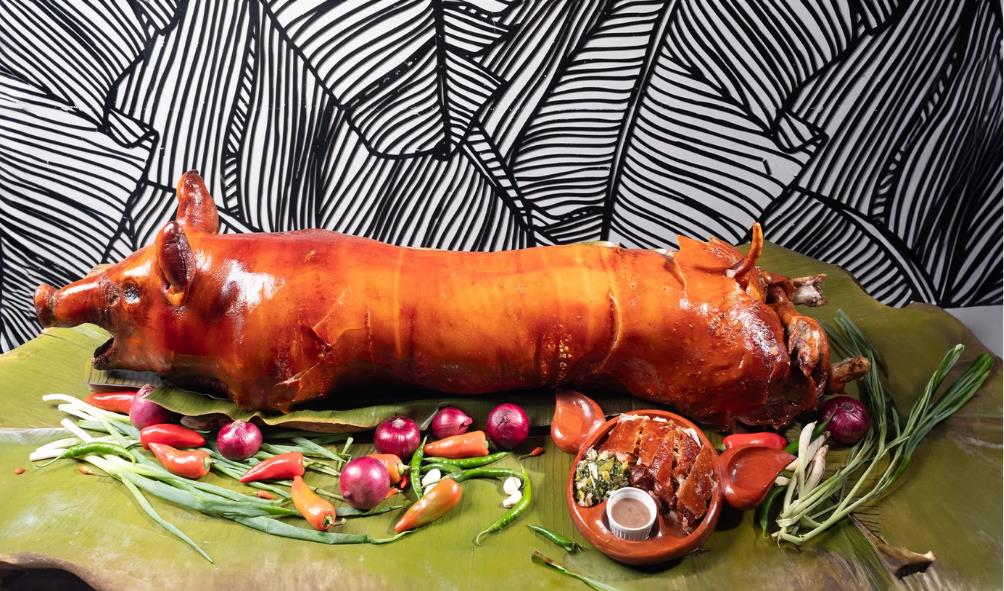
When you participate in a festival, you’re not just tasting food; you’re experiencing the local culture and traditions. You might savor the tangy sinigang, a staple of comfort, or the vibrant flavors of Bicol’s laing, which reflects the area's agricultural bounty.
These dishes are often prepared using age-old recipes passed down through generations, connecting you to the community’s history. With each bite, you’re drawn into a shared experience, strengthening bonds and celebrating diversity.
Family Gatherings: The Heart of Filipino Dining
When you gather with family in the Philippines, the dining table becomes a vibrant centerpiece that brings everyone together. The aroma of delicious dishes fills the air, igniting excitement and anticipation.
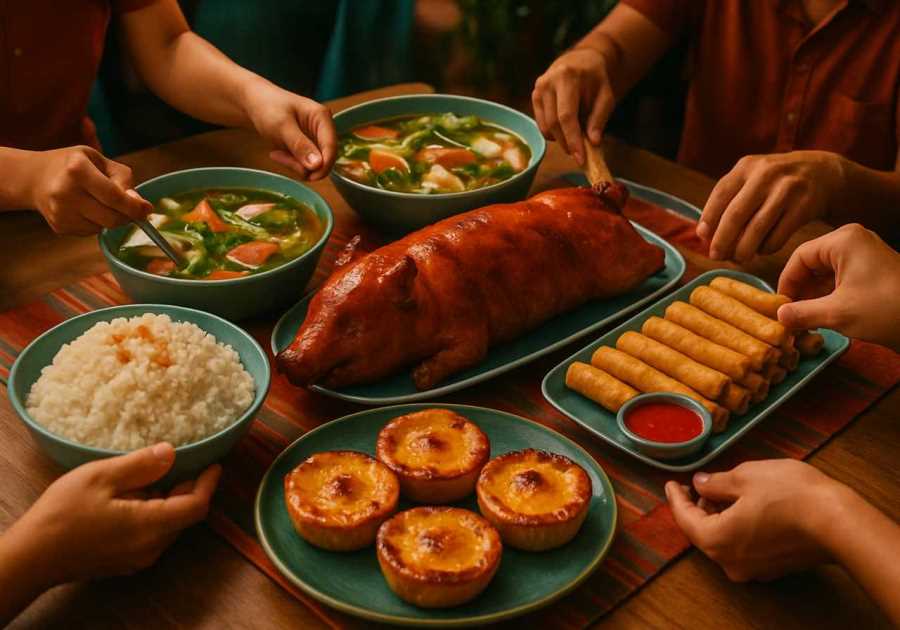
As you settle in, laughter and stories flow just as freely as the food. Each meal is a celebration, whether it’s a simple Sunday lunch or a grand fiesta. You’ll find favorites like adobo, sinigang, and lechon, each plate telling a story of family heritage.
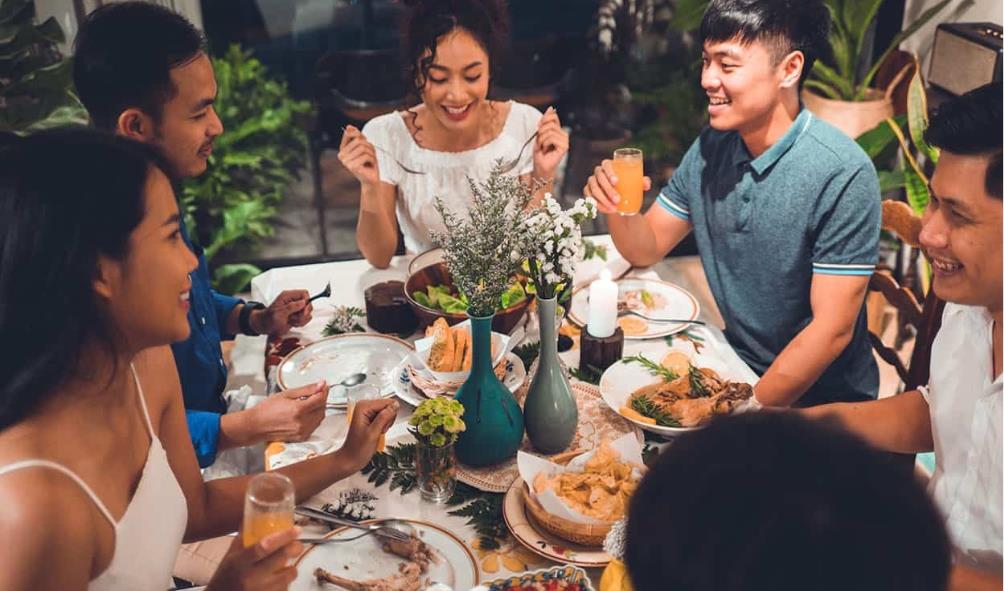
Sharing food strengthens bonds, inviting everyone to partake in the experience. You pass dishes around, encouraging seconds and thirds, fostering a sense of togetherness.
In these moments, you realize that it's not just about the food; it's about the love and connection that truly nourish the soul.
Food as a Medium for Community Bonding
Food plays a crucial role in fostering community bonds in the Philippines. When you share a meal, it’s not just about the food; it’s about creating connections.
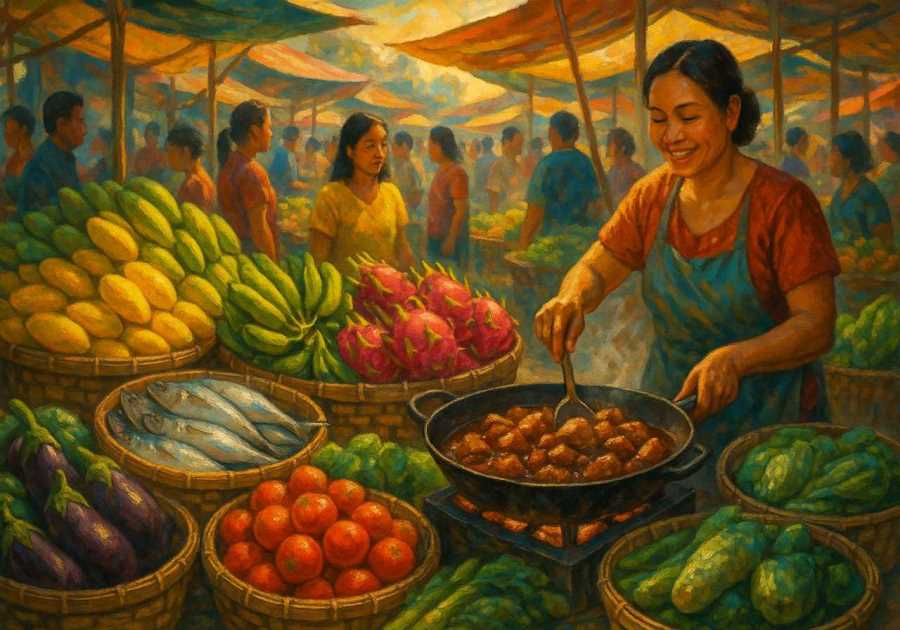
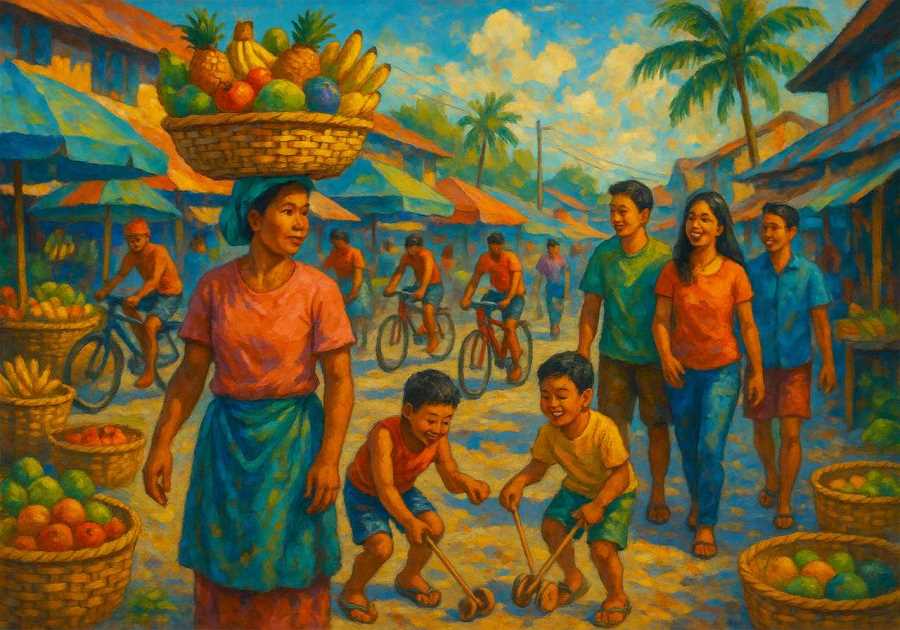
From simple street food stalls to festive gatherings, you’ll find that culinary experiences invite conversation and laughter. You bond with your neighbors over a plate of adobo or a bowl of sinigang, exchanging stories and traditions.
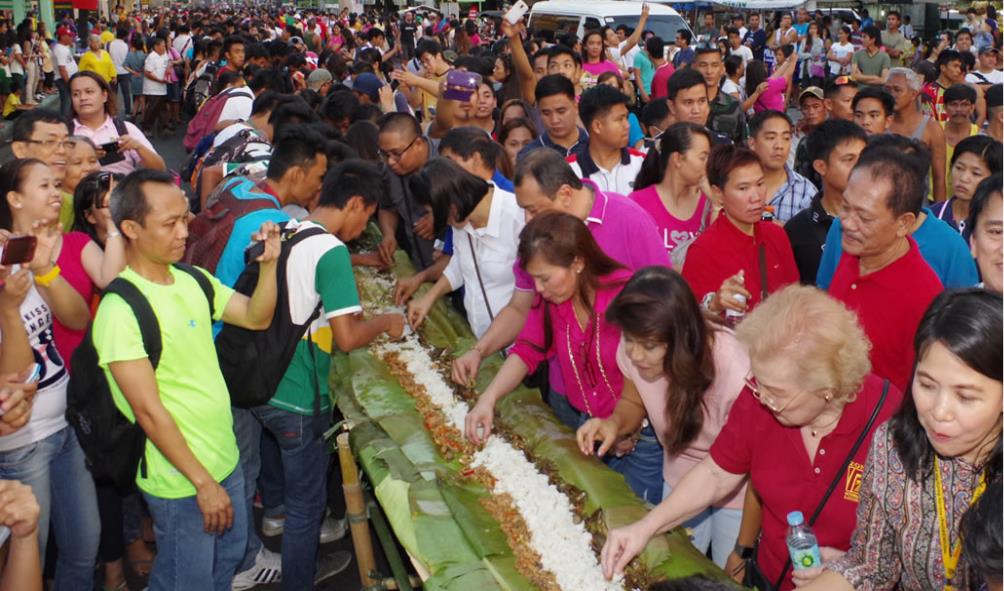
During local festivals, food becomes a centerpiece, showcasing the rich culture and diversity of your community. Preparing dishes together can strengthen relationships, as you learn from one another and share your culinary secrets.
Ultimately, food acts as a bridge, linking individuals and nurturing a sense of belonging within the vibrant tapestry of Filipino life.
The Importance of Shared Meals
Sharing a meal strengthens bonds within a community, creating lasting memories and deepening connections. When you gather with friends, family, or neighbors, you share not just food but stories, laughter, and experiences. Each bite becomes a symbol of unity, reminding everyone that togetherness is vital.
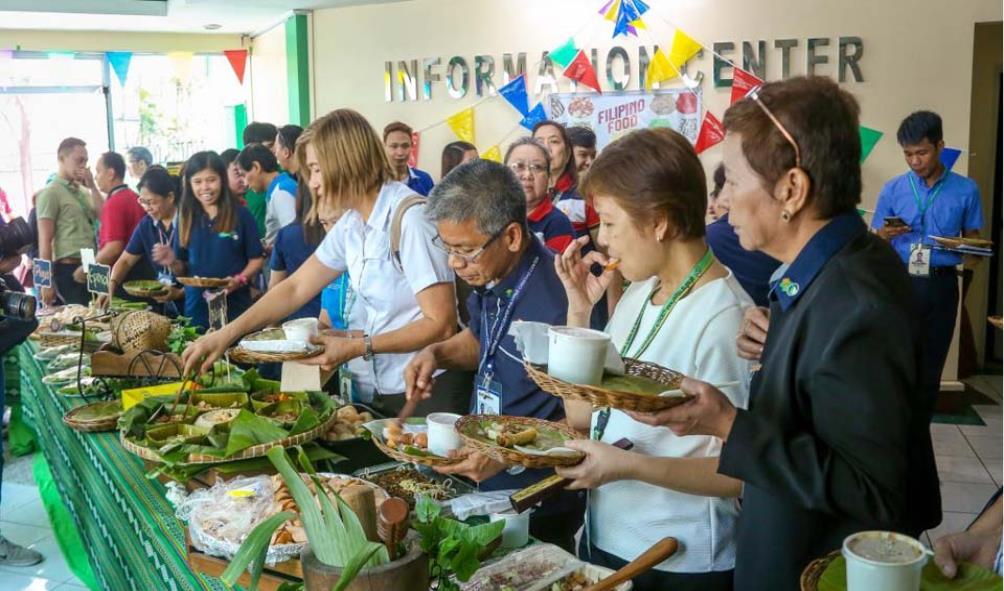
You might find yourself passing dishes around, engaging in lively conversations, or simply enjoying each other's company in comfortable silence. These shared moments foster trust and understanding, making your community feel more like a family.
Whether it’s a simple lunch or a festive feast, these meals encourage collaboration and support, reinforcing the idea that you’re never alone. Ultimately, shared meals nurture relationships that stand the test of time, enriching your community’s spirit.
Culinary Heritage and Identity
Culinary heritage shapes your identity and connects you to your roots, as traditional dishes often tell the story of a culture's history and values.
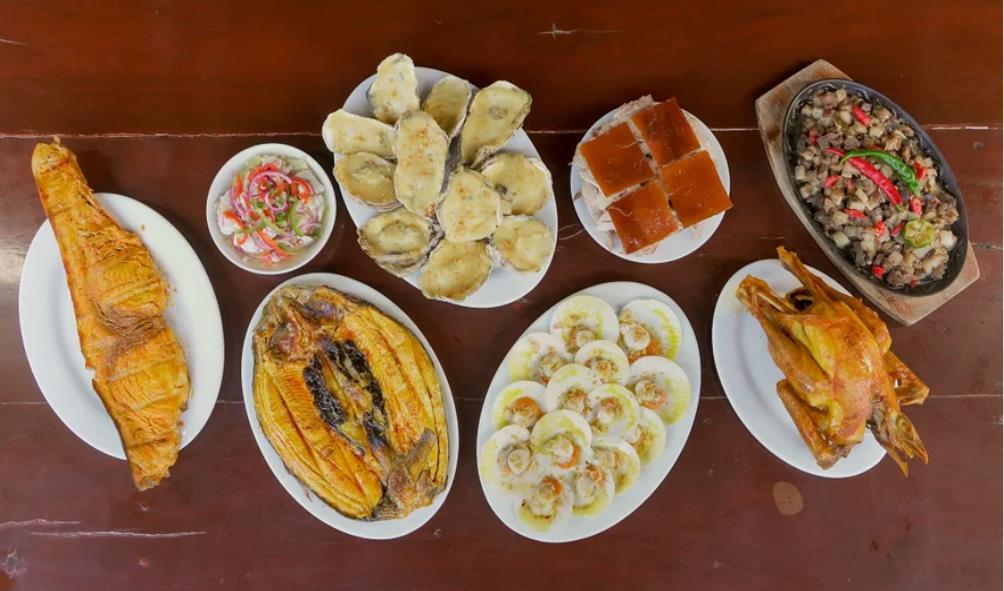
In the Philippines, each region boasts unique flavors and cooking methods, reflecting local ingredients and customs. When you savor adobo, sinigang, or lechon, you're not just enjoying a meal; you’re experiencing centuries of tradition and family recipes passed down through generations.
Food becomes a means of preserving your culture, allowing you to share stories with friends and loved ones. Celebrating special occasions with traditional dishes strengthens your bond to your heritage and creates a sense of belonging.
Food and Social Responsibility in Communities
While you might think of food as simply a source of nourishment, it plays a crucial role in fostering social responsibility within communities. Sharing meals can create bonds and a sense of belonging, encouraging people to support one another.
When you participate in local food drives or community kitchens, you're not just feeding others; you’re also promoting kindness and compassion. These acts of generosity help address food insecurity and build trust among residents.
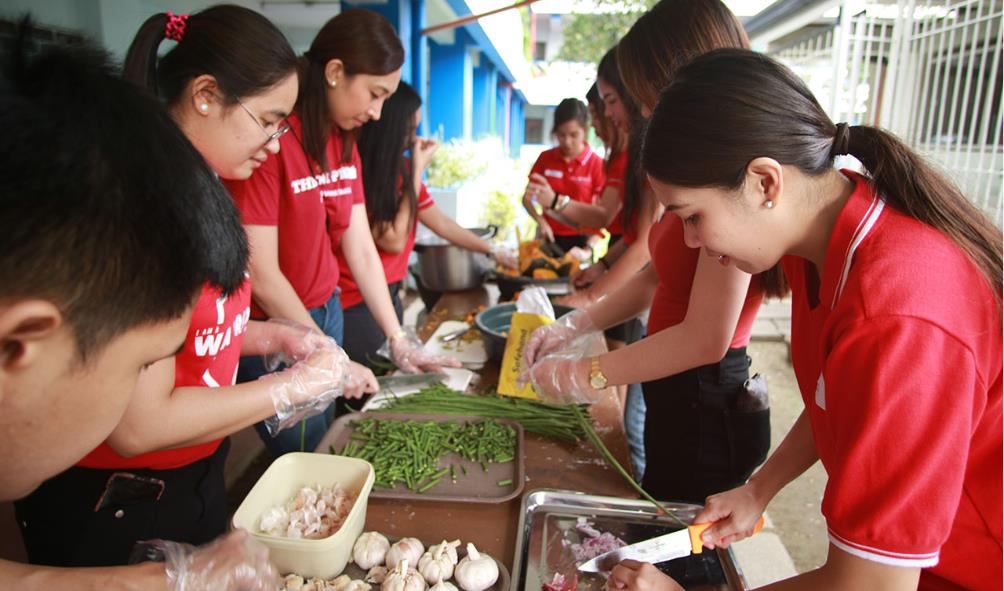
By sourcing ingredients from local farmers, you’re also supporting the economy and reducing environmental impact. Engaging in communal cooking or potlucks invites diverse cultural expressions, enhancing appreciation for different backgrounds.
Ultimately, food becomes a catalyst for positive change, inspiring you to take an active role in your community's well-being.
Conclusion
Food isn't just sustenance in the Philippines; it’s a vibrant thread that weaves communities together. From family gatherings to festive celebrations, sharing a meal fosters connections and strengthens bonds. You’ll find that every dish tells a story, celebrating regional flavors and cultural heritage. As you gather around the table, remember that these shared moments create lasting memories, nurturing a sense of belonging and community spirit. Embrace the joy of food, and let it continue to unite us all.
Statistics
- Surveys reveal that 60% of Filipinos prefer to celebrate important milestones with communal feasts, emphasizing the significance of food in cultural traditions.
- In rural communities, 75% of residents engage in potluck gatherings, where everyone contributes a dish, fostering a sense of unity and cooperation.
- In the Philippines, 85% of community gatherings revolve around food, showcasing its central role in social interactions.
- According to studies, 90% of Filipinos say they feel a sense of belonging when sharing traditional dishes during community events, highlighting food's role in cultural identity.
External Links
- Community and Food in the Philippines - A resource that details how food traditions contribute to community ties and social interactions in Filipino society.
- The Importance of Food in Filipino Culture - This resource highlights the deep cultural significance of food in the Philippines and its role in community bonding.
- Philippine Food Culture - This article examines the role of food in cultural identity and community cohesion in the Philippines.
- How Food Brings Filipinos Together - This BBC article explores the communal aspects of dining in the Philippines and the traditions that accompany it.
How to Foster Community Spirit Through Food Drives
Food drives can be an effective way to foster community spirit while addressing food insecurity. Begin by collaborating with local organizations and businesses to gather non-perishable food items. Promote the food drive through social media, flyers, and community meetings to encourage participation. Organize events where residents can come together to sort and package the collected food. Consider hosting a community meal using some of the food items collected, reinforcing the idea of sharing and caring. This initiative not only helps those in need but also strengthens community ties through collective effort.
Want to travel with more time and freedom?
The freedom to travel! Discover free & unique homestays around the world, in exchange for caring for adorable pets.
https://escapetomexiconow.com/ths
Recommended Resources:
Your next chapter could start anywhere. From the vibrant streets of Mexico to the laid-back beauty of the Philippines, explore destinations where you can truly live your dream.
https://escapetomexiconow.com/
https://escapetomexiconow.info/
https://escapetopanamanow.info/
https://escapetothephilippinesnow.com/
YouTube Channel:
Want a closer look at life in Mexico? Subscribe to our YouTube channel for insider tips, travel guides, and inspiring stories that make planning your escape easier and more exciting.
https://www.youtube.com/@EscapeToMexicoNow